Brief by Shorts91 Newsdesk / 01:50pm on 02 Jul 2025,Wednesday India Global
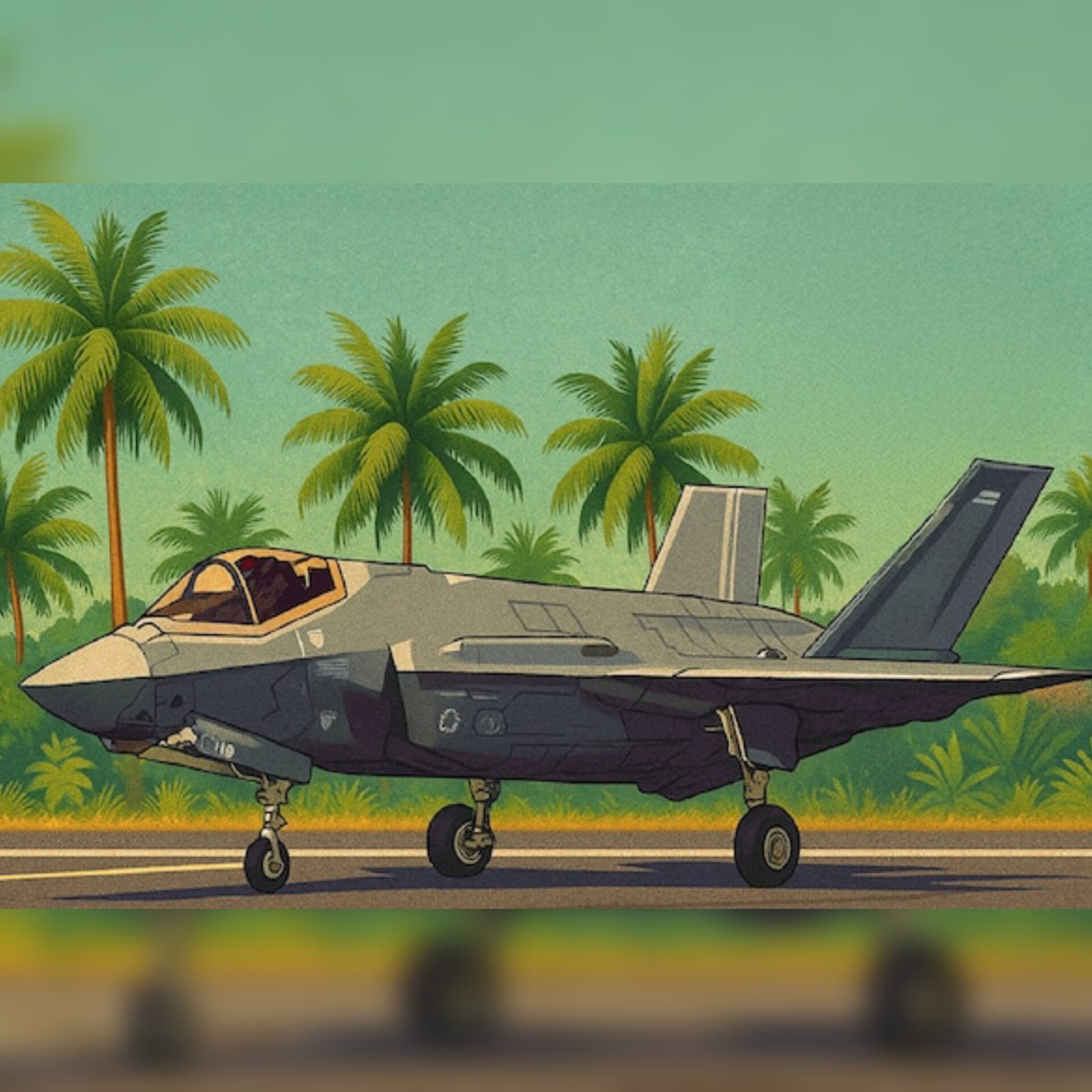
A British Royal Navy F‑35B stealth fighter jet made an emergency landing at Thiruvananthapuram International Airport on June 14, forced by adverse weather and low fuel . A hydraulic issue emerged during routine pre-departure checks, grounding the jet and preventing its return to the HMS Prince of Wales . Initial repairs by carrier-based engineers fell short, prompting dispatch of a 40‑member UK technical team and equipment, with plans to transfer the jet to an MRO hangar . Kerala authorities are considering unusual parking fees and supported the crew, with full backing from Indian military and airport staff . The incident highlights deep UK‑India defence cooperation and logistical complexities of advanced aircraft deployment. (PC: India Today)
Brief by Shorts91 Newsdesk / 11:13am on 02 Jul 2025,Wednesday India Global
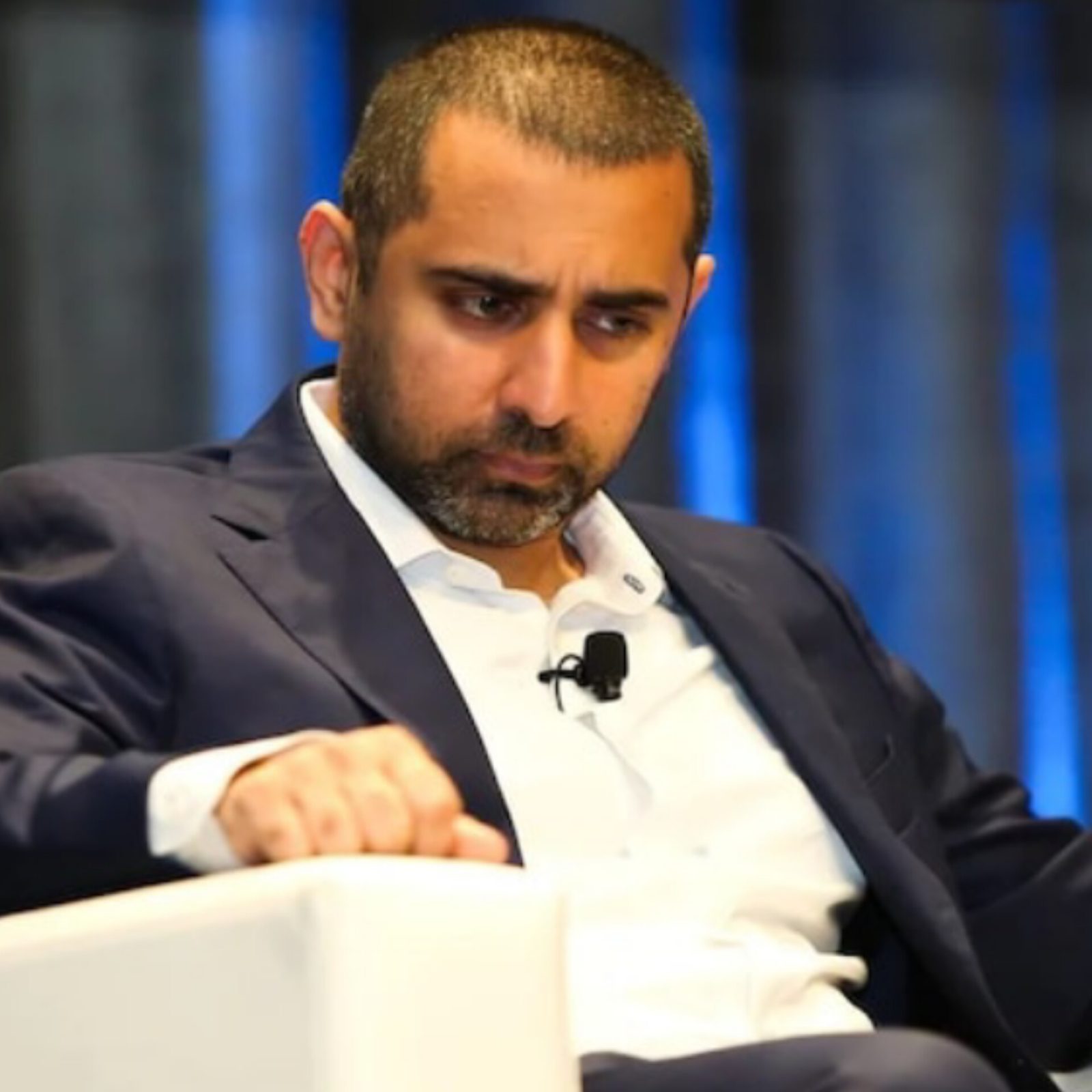
Indian-American tech leader Balaji Srinivasan has bought a private island near Singapore to build a “Network State”—a new, digital-first country for techies and innovators. Srinivasan, former CTO of Coinbase, wants to form a nation based on shared online values. His project, Network School, brings startup founders and fitness lovers to live, learn, and grow together. Classes include AI, crypto, and entrepreneurship. "We got an island," he posted on X, calling it a place for “truth, health, and wealth.” Srinivasan plans more Network Schools worldwide. His dream is to create self-improving, tech-driven societies outside the bounds of traditional government. (PC: @LevelUpMindz/X)
Brief by Shorts91 NewsDesk / 09:02am on 02 Jul 2025,Wednesday India Global
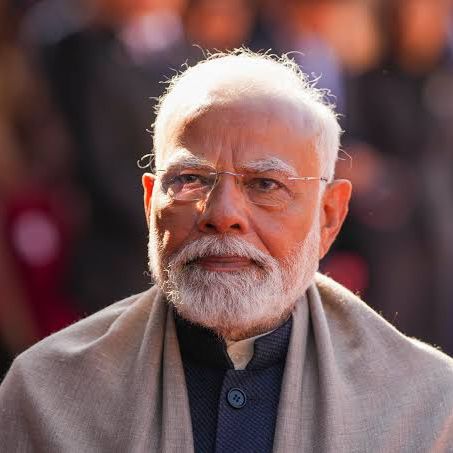
Prime Minister Narendra Modi has embarked on an eight‑day, five‑nation tour from July 2–9, 2025, covering Ghana, Trinidad & Tobago, Argentina, Brazil, and Namibia. The visit begins in Ghana, where he’ll engage in talks on investment, energy, health, security, and address the Ghanaian Parliament. Next is Trinidad & Tobago marking deep cultural and diaspora ties where he’ll meet leaders and rejuvenate ancestral bonds. In Buenos Aires, Modi becomes the first Indian PM in 57 years to visit Argentina, discussing trade, energy, agriculture, and critical minerals with President Javier Milei. From July 6–7, he’ll participate in the BRICS Summit in Rio de Janeiro and hold a state visit in Brasilia. The tour concludes in Namibia, where he’ll address parliament and meet President Netumbo Nandi‑Ndaitwah. (PC: Mint)
Brief by Shorts91 Newsdesk / 08:15am on 02 Jul 2025,Wednesday India Global
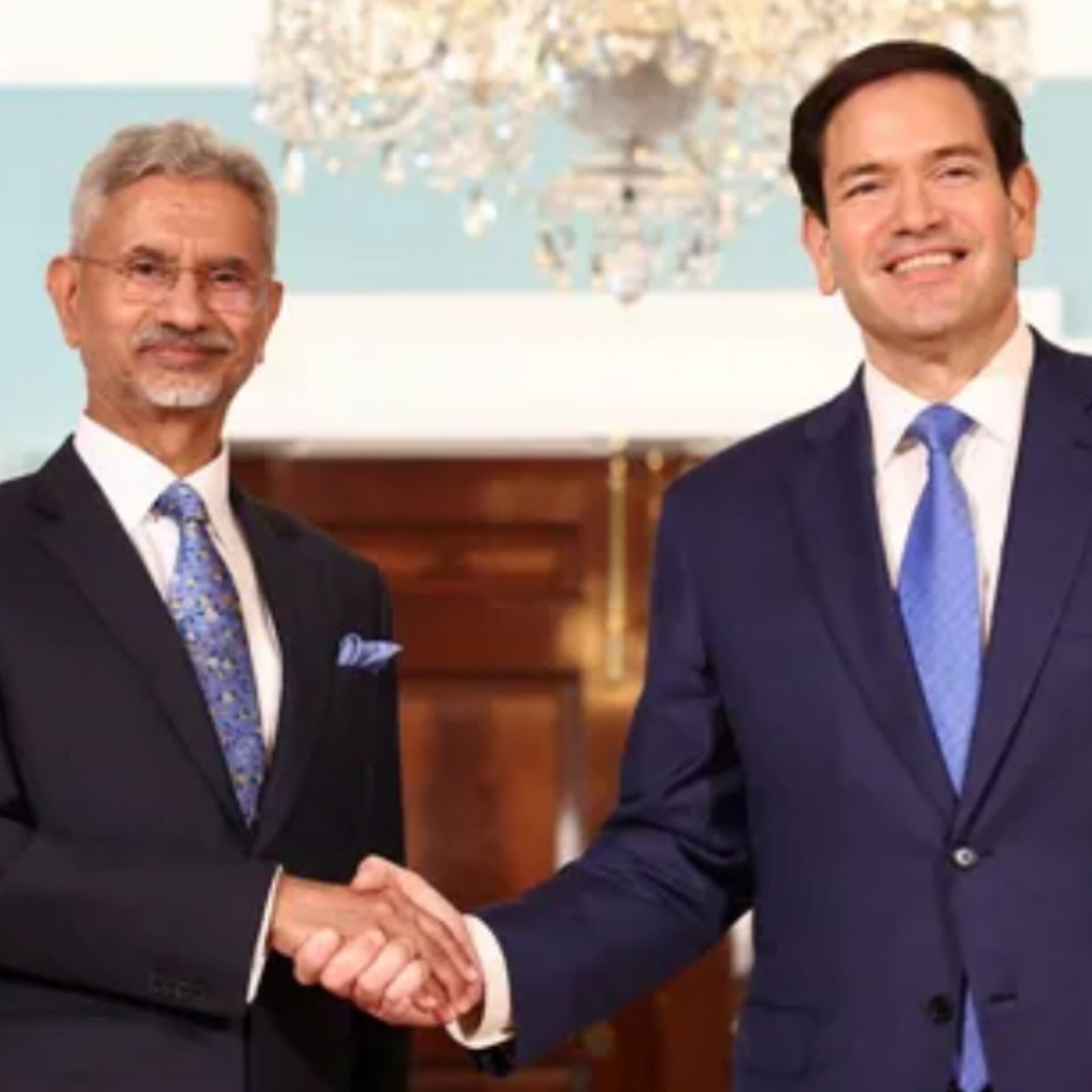
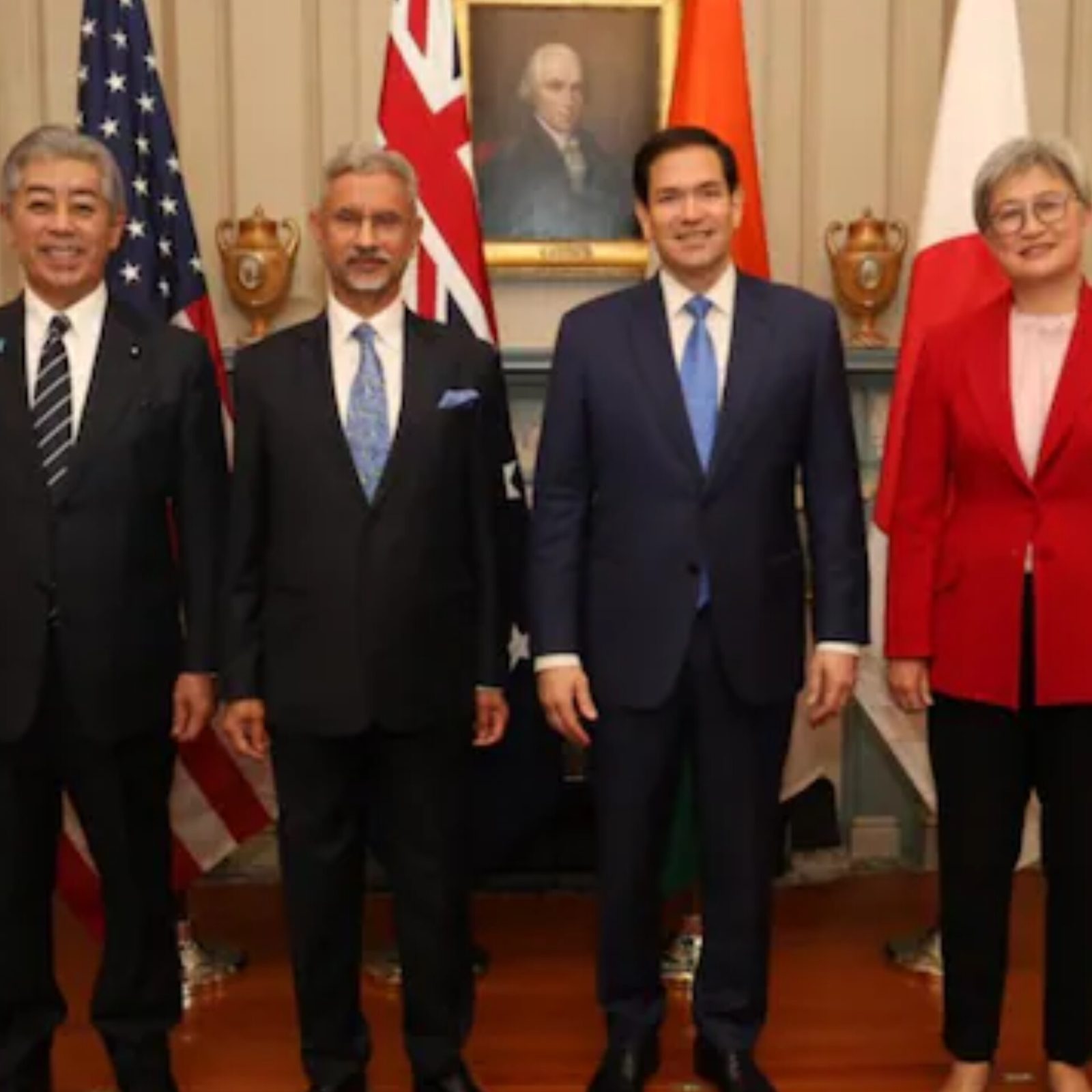
The Quad — India, the US, Japan, and Australia — condemned the Pahalgam terror attack that killed 26 people. “We call for the perpetrators to be brought to justice,” the joint statement read. The group also warned about China’s “dangerous actions” in the Indo-Pacific, including live-fire drills and sea aggression. “These actions threaten peace,” the statement added. India’s Foreign Minister S. Jaishankar said the country has the right to defend itself. The Quad also discussed Myanmar, North Korea, and launched new steps on security, minerals, and logistics. India will host the Quad Leaders’ Summit later this year. (PC: Reuters)
Brief by Shorts91 Newsdesk / 04:49am on 02 Jul 2025,Wednesday India Global
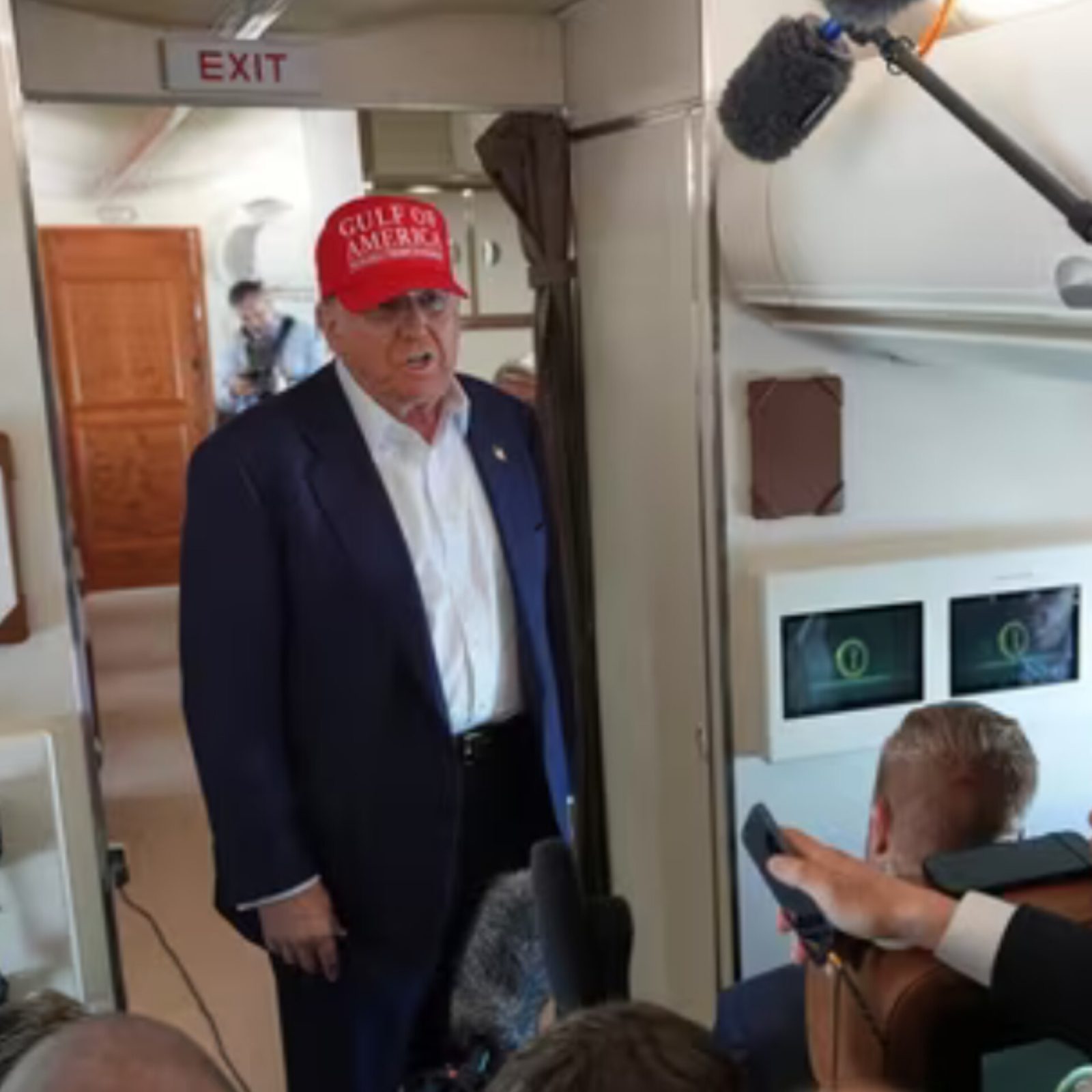
US President Donald Trump has backed a Senate bill that may impose 500% tariffs on India and China. The bill targets countries buying oil and energy from Russia. Senator Lindsey Graham, who supports the bill, said it aims to pressure Russia to stop the war in Ukraine. India and China buy most of Russia’s oil. In May 2025, India bought €4.2 billion worth of fossil fuels from Russia. The bill has 84 co-sponsors and may soon be voted on. The Kremlin called Graham a “Russophobe” and said the bill will not help peace efforts in Ukraine. Trump can choose to waive it. (PC: AP)
Brief by Shorts91 Newsdesk / 03:17am on 02 Jul 2025,Wednesday India Global
Foreign ministers of the Quad (U.S., India, Japan, Australia) issued a joint condemnation of the April 22 Baisaran Valley massacre near Pahalgam, Jammu & Kashmir, where 26 civilians (25 Indian nationals and 1 Nepali) were killed and several injured. They expressed deep condolences and called for perpetrators, organisers, and financiers to be “brought to justice without any delay,” urging UN member‑states to cooperate under international law . India’s S. Jaishankar emphasized zero tolerance for terrorism and affirmed India’s right to defend itself . The statement renewed Quad’s commitment to counterterrorism and Indo-Pacific security cooperation. (PC: X)

Brief by Shorts91 Newsdesk / 07:22pm on 01 Jul 2025,Tuesday India Global
Over 20 bullets were fired at the ISKCON Sri Sri Radha Krishna Temple in Spanish Fork, Utah, in a suspected hate crime. The attack, which took place during nighttime hours with devotees inside, caused extensive damage to the building and its carved arches. India’s Consulate in San Francisco condemned the act and urged prompt investigation. The incident follows a March desecration of a BAPS temple in California ahead of a Khalistan-linked referendum. Hindu groups, including CoHNA, have raised alarms over rising anti-Hindu hate. The Utah temple is renowned for its annual Holi Festival and holds global cultural significance. (PC: NDTV)
Brief by Shorts91 Newsdesk / 05:08pm on 01 Jul 2025,Tuesday India Global
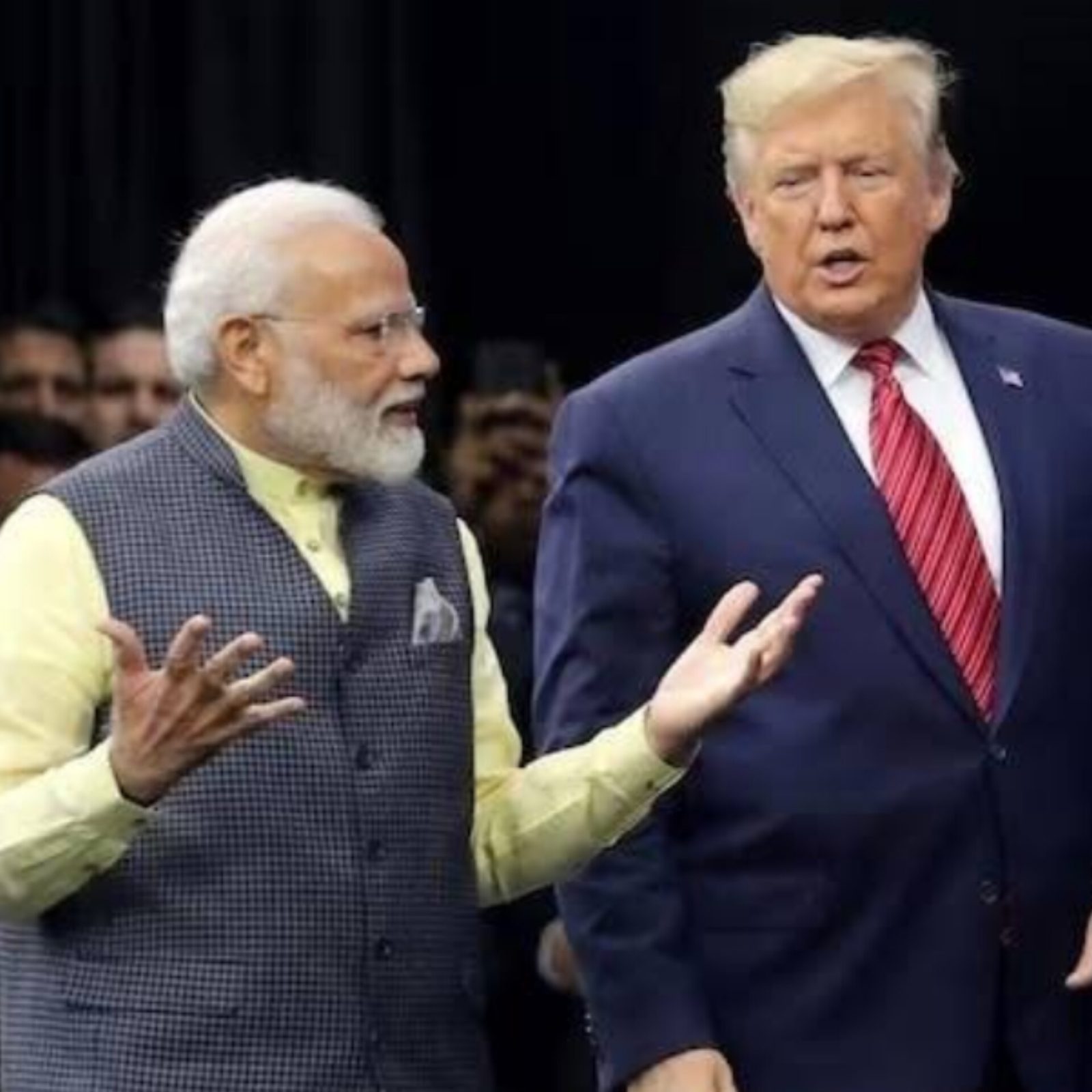
India and the US have hit a deadlock in trade talks just days before a July 9 deadline. India refuses to give in to US demands on the dairy sector, calling it a "red line." The dairy industry supports over 80 million small farmers. The US wants lower duties on farm and industrial goods, while India is seeking tariff cuts on exports like textiles and shrimp. Talks have stretched into a sixth day, with India’s top negotiator staying back in Washington. The deal is key to stopping 26% US tariffs from returning on Indian goods. (PC: AFP)
Brief by Shorts91 Newsdesk / 12:33pm on 01 Jul 2025,Tuesday India Global
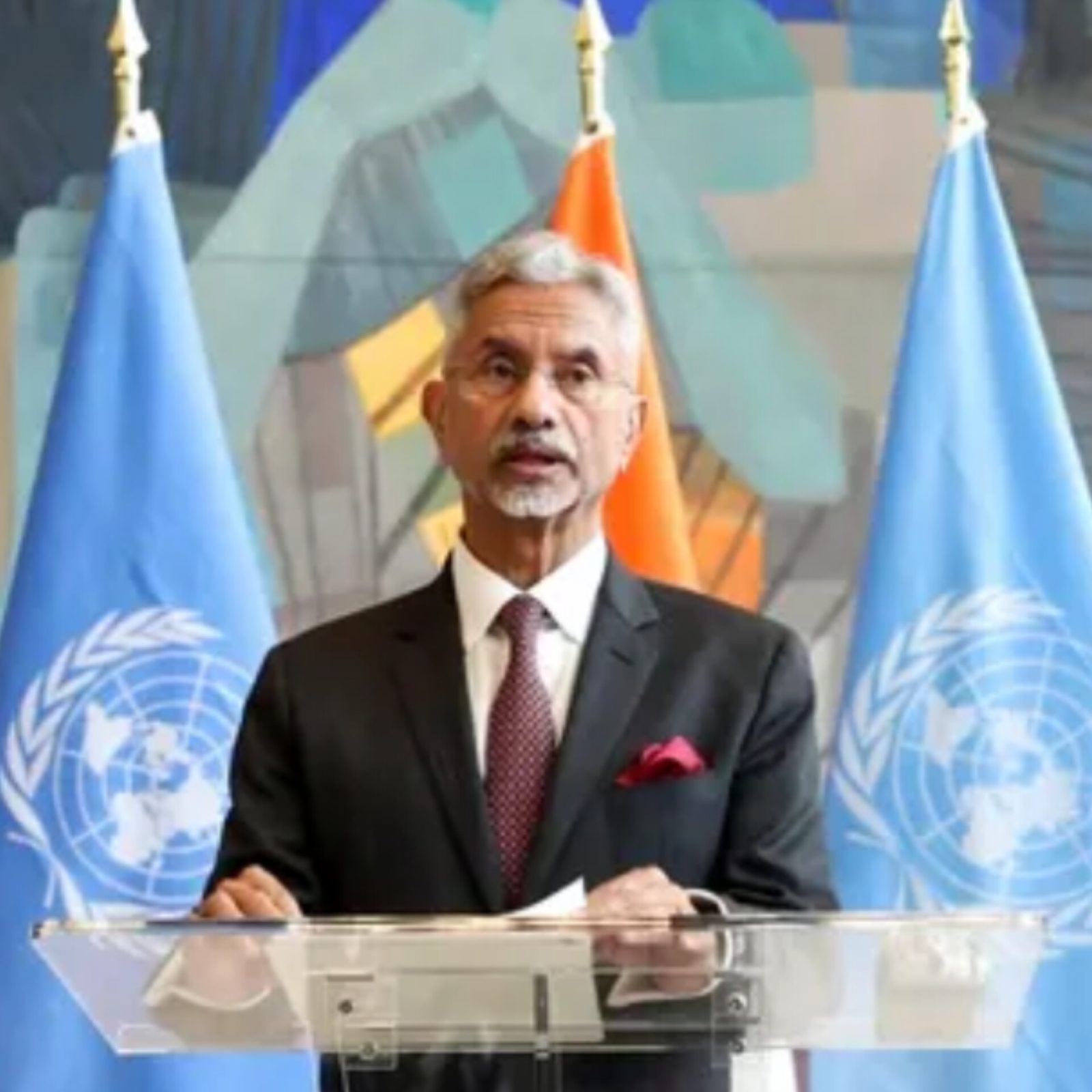
Foreign Minister S. Jaishankar said it was India—not US President Trump—that led the ceasefire with Pakistan after the April terror attack in Kashmir. In a Newsweek interview, he said, “I was in the room when Vice-President JD Vance warned Prime Minister Modi about a massive Pakistani assault.” India responded quickly on May 9, and the next day, Pakistan asked for a ceasefire. Jaishankar denied Trump’s claim that trade pressure ended the fight, saying, “We did not accept certain things, and the Prime Minister was impervious to threats.” He added, “India no longer separates terrorists from those who support them.” (PC: PTI)
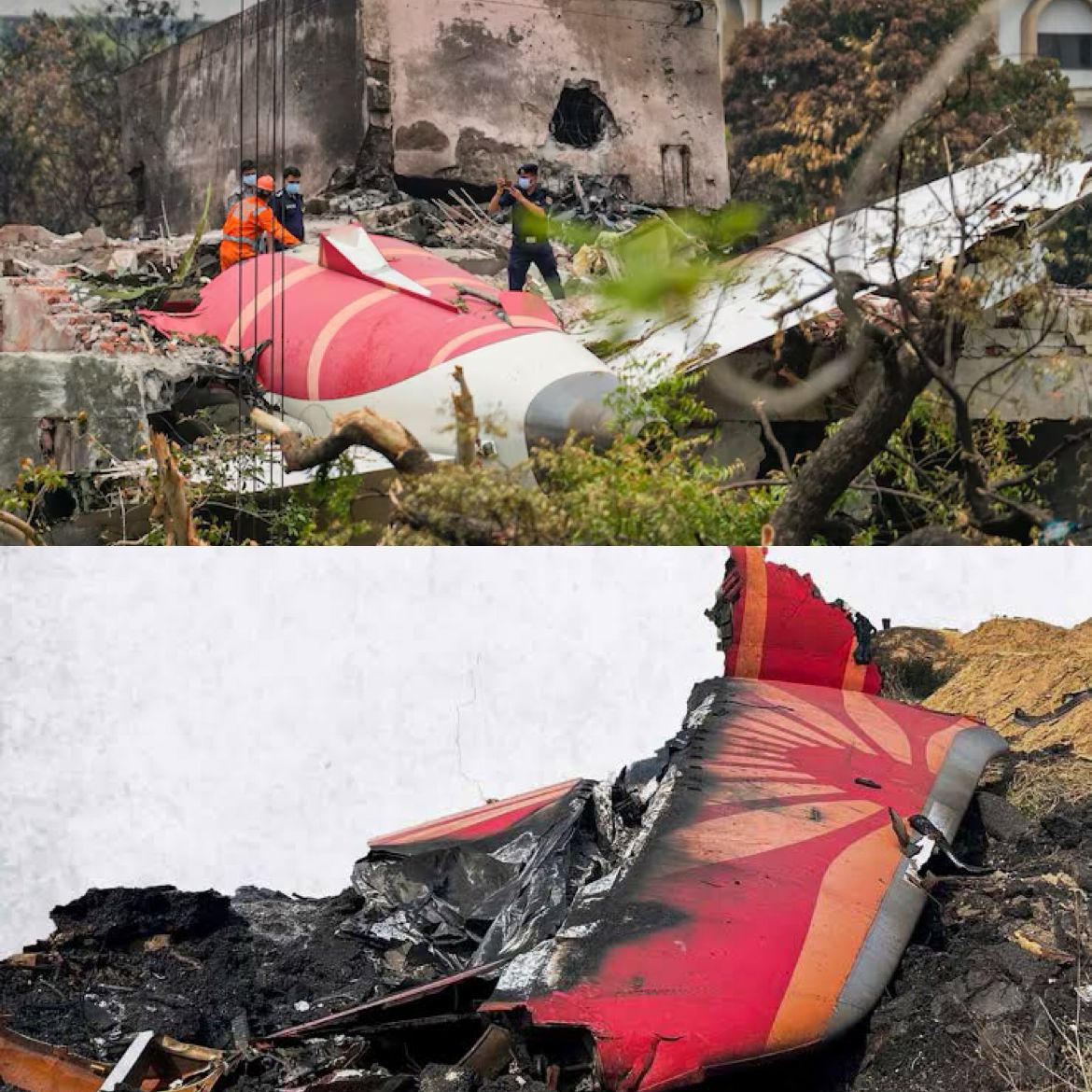
Brief by Shorts91 NewsDesk / 10:55am on 01 Jul 2025,Tuesday India Global
UK‑based relatives of the victims deceased in the devastating June 12 Air India Flight AI 171 crash are reportedly preparing lawsuits against Air India and Boeing in British courts, seeking enhanced compensation. The London‑bound Boeing 787 Dreamliner crashed moments after take‑off from Ahmedabad, killing 241 onboard and 34 on the ground. Families are consulting UK firm Keystone Law, with meetings set this week to finalise legal strategy. After the crash Tata announced ₹1 crore compensation per family, along with ₹25 lakh interim payments by Air India. Under the Montreal Convention, relatives can file claims in courts of victim‑linked jurisdictions. A final decision on proceedings awaits post‑meeting. (PC: The Week)