
Brief by Shorts91 Newsdesk / 02:35pm on 14 Sep 2026,Monday Science
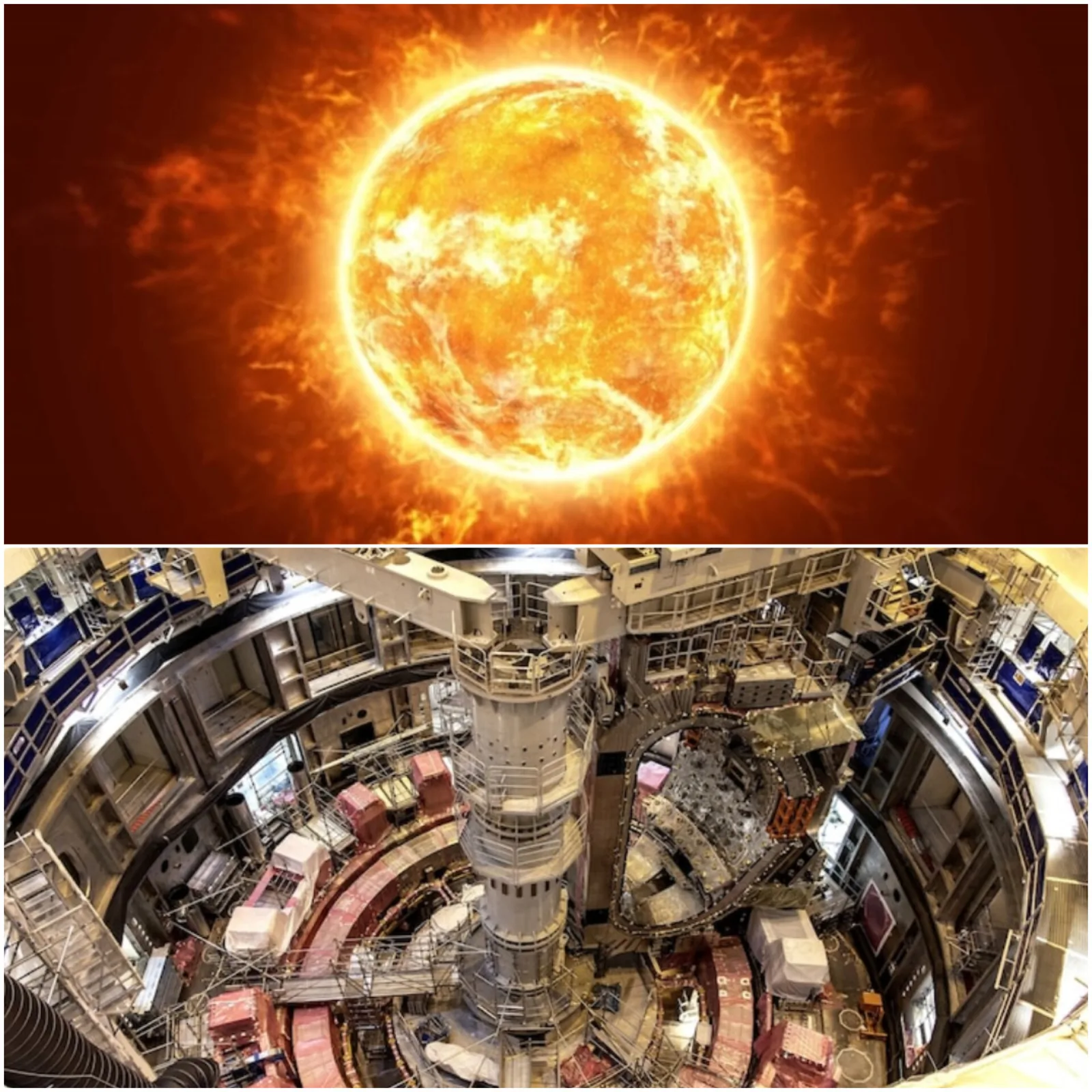
India’s fusion research has received a boost with a new heating system at the SST-1 tokamak in Gujarat. The Institute for Plasma Research has installed an 82.6 GHz gyrotron with 400 kW power. The system helps scientists heat and control extremely hot plasma. SST-1 is an experimental machine that uses strong magnetic fields to confine plasma. India has previously produced plasma temperatures above 200 million degrees Celsius. The new system will support further experiments on plasma heating and stability. It works with an existing 42 GHz system. SST-1 is not producing electricity and remains a research facility. (PC: Reuters)
Brief by Shorts91 Newsdesk / 10:30am on 14 Sep 2026,Monday Science
India has taken another step towards its “artificial Sun” project with the installation and commissioning of a new 82.6 GHz, 400 kW gyrotron at the SST-1 tokamak in Gujarat. The device, developed for fusion research, uses high-frequency microwave energy to heat and sustain extremely hot plasma inside the experimental reactor. India’s fusion experiments have already achieved plasma temperatures above 200 million degrees Celsius. The new system is expected to help scientists maintain hotter plasma for longer and study its stability. However, SST-1 is not producing electricity yet. The upgrade is aimed at advancing research needed for future fusion power. (PC: India Today)
Brief by Shorts91 Newsdesk / 07:23am on 13 Sep 2026,Sunday Science
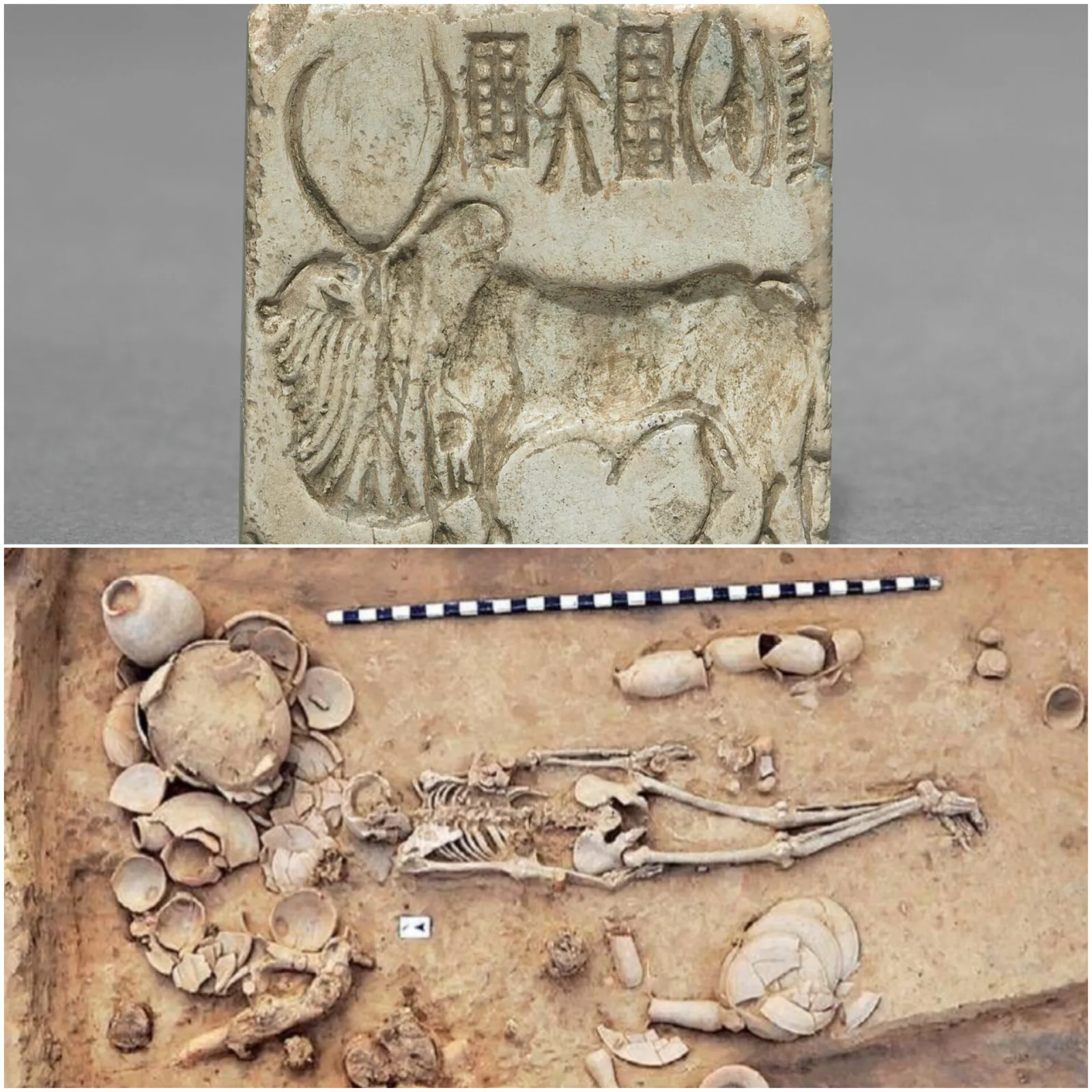
Ancient DNA evidence suggests the relationship between the Indus Valley and Mesopotamian civilisations went beyond the exchange of goods and included movement of people. BHU geneticist Professor Gyaneshwer Chaubey said DNA analysis of remains found in present-day Syria identified South Asian mitochondrial lineages linked to populations in India, Pakistan and the Himalayan region. The remains date from around 2650 BCE to 700 CE. Archaeological evidence had already established trade links between the regions, including references to Meluhha in Mesopotamian texts and the discovery of Indus seals and beads. The genetic findings now provide further evidence of ancient human connections along trade routes. (PC: X)
Brief by Shorts91 Newsdesk / 09:12am on 10 Sep 2026,Thursday Science
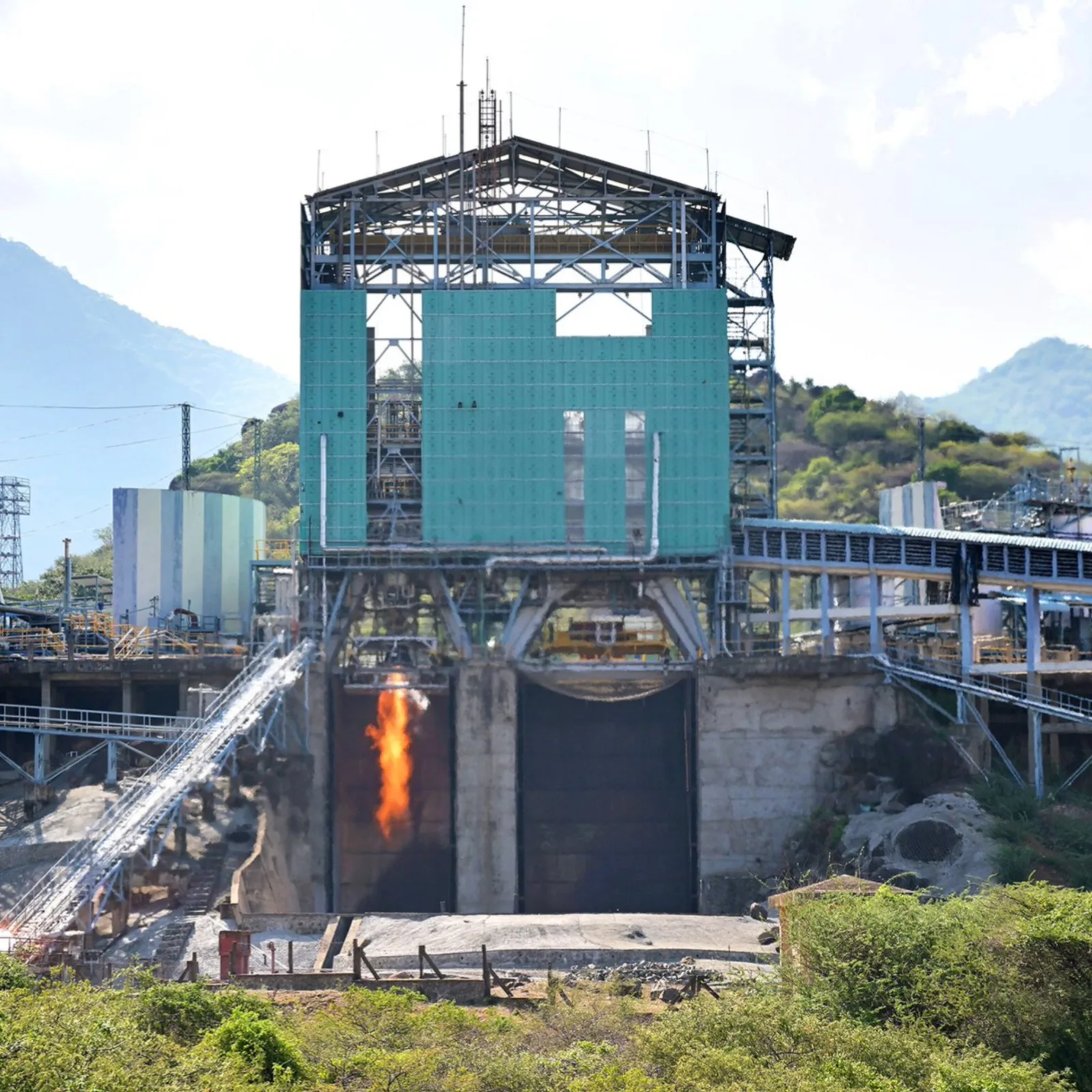
The Indian Space Research Organisation (ISRO) has successfully conducted a flight-acceptance hot test of its CE20 cryogenic engine at an uprated thrust of 220 kN (22 tonnes), marking a key step towards increasing the payload capacity of India’s LVM3 rocket. The test was carried out on September 9 at ISRO’s Propulsion Complex in Mahendragiri, Tamil Nadu. The CE20 powers the cryogenic upper stage of LVM3, also known as India’s ‘Bahubali’ rocket. ISRO said the test also demonstrated the performance of the LOX Tank Pressurisation Module planned for Gaganyaan missions. The successful test brings the upgraded C32 upper stage closer to operational use on future LVM3 missions. (PC: ISRO)
Brief by Shorts91 Newsdesk / 03:31pm on 07 Sep 2026,Monday Science
ISRO Chairman V Narayanan on Monday dismissed concerns about possible privatisation, saying ISRO remains a government organisation while working with private companies and startups to expand India’s space ecosystem. His remarks came days after nine ISRO employee associations sought official clarification on a proposed transfer of manufacturing and operational functions to private entities. Narayanan said employees’ concerns were genuine and should be addressed by his colleagues. Speaking after the Bengaluru Space Expo’s inauguration, he noted India’s space programme is 64-65 years old and has 56 space assets serving citizens. However, he stressed that the country needs many more such assets, underscoring the need for collaboration across the rapidly expanding space ecosystem.
Brief by Shorts91 Newsdesk / 09:59am on 07 Sep 2026,Monday Science
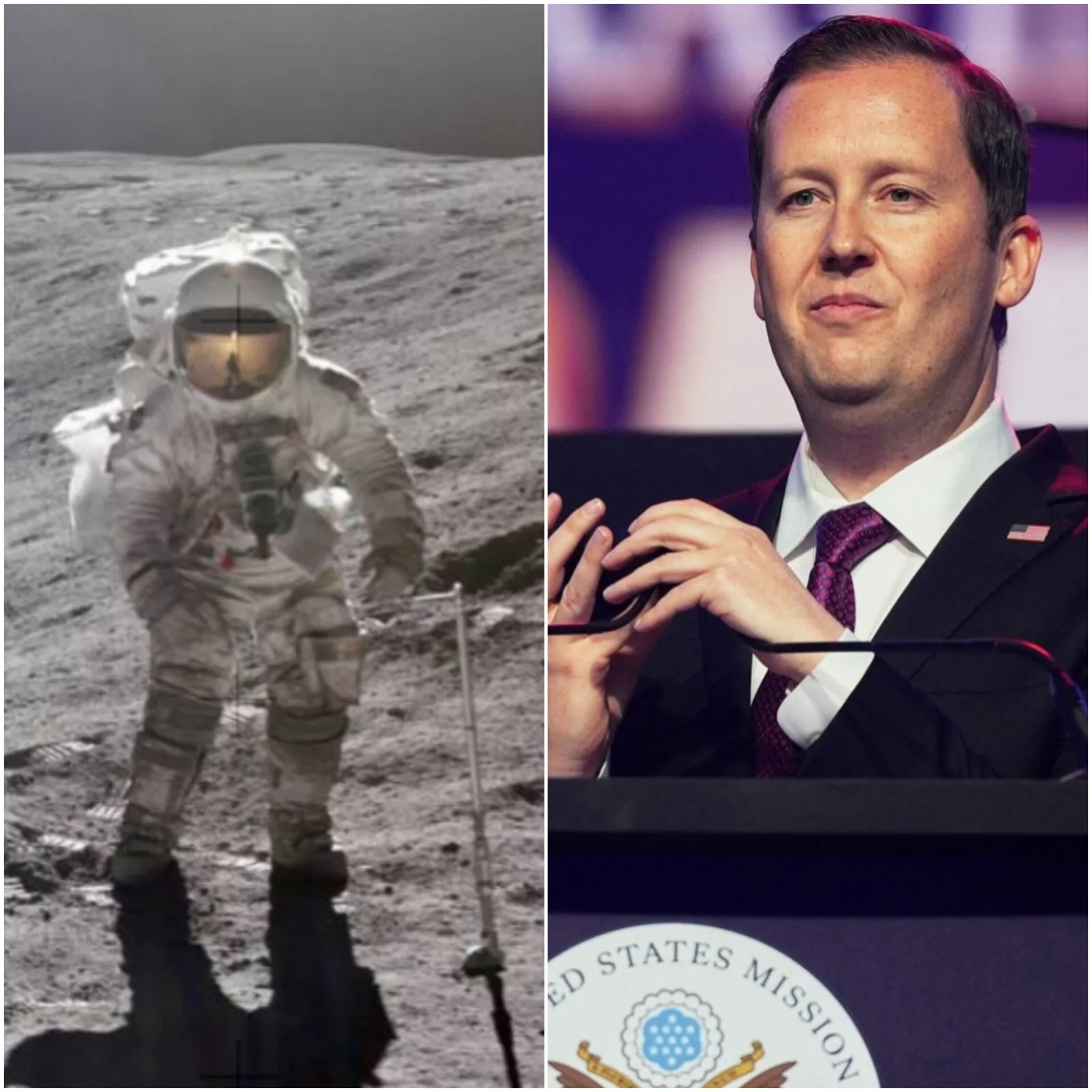
US Ambassador to India Sergio Gor said NASA has officially invited ISRO to join its Moon base programme as the US prepares for expanded lunar exploration under the Artemis missions. Speaking at Bengaluru Space Expo 2026, Gor said Washington wants India “by our side” on the lunar surface. He highlighted growing India-US space cooperation through the NISAR mission and Group Captain Shubhanshu Shukla’s mission to the International Space Station. Gor also encouraged Indian space startups to enter the US market and cited companies including Pixxel, GalaxEye, Digantara, Bellatrix, Skyroot and Agnikul. He said both countries are also working on global space governance and cooperation.
Brief by Shorts91 Newsdesk / 06:32pm on 06 Sep 2026,Sunday Science
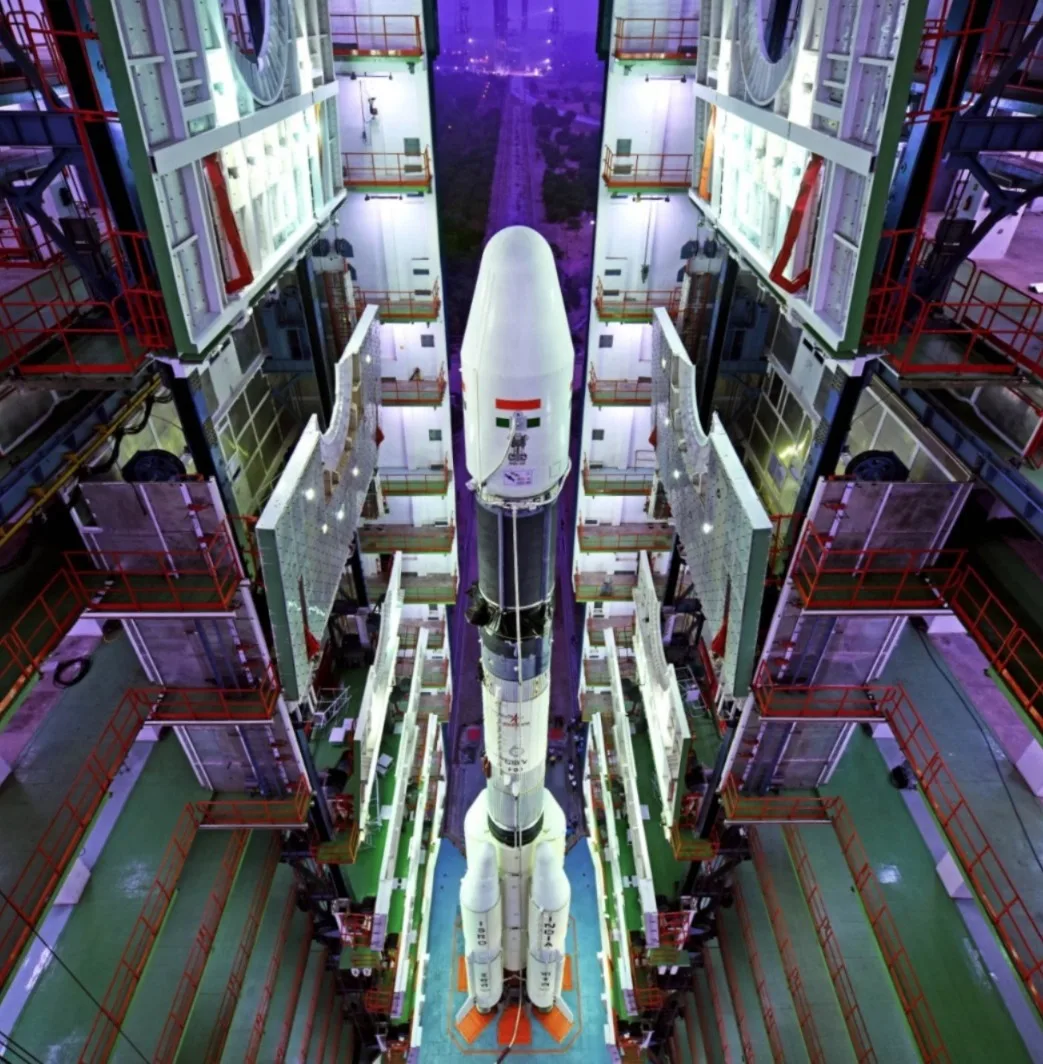
ISRO has clarified that it will neither be privatised nor lose its importance, while indicating that its role will increasingly focus on research, development and advanced space missions. Its priorities will further shift towards R&D, human spaceflight, next-generation launch systems, deep-space exploration, planetary missions and strategic national requirements. The clarification comes amid concerns over the future role of India’s premier space agency as private participation in the country’s space sector expands. ISRO’s stated direction indicates that the organisation will continue to remain significant, with greater emphasis on complex technologies, scientific research, human spaceflight and missions of strategic importance to the nation. However, the provided excerpt does not include further details about the specific policy or announcement. (PC: Reuters)
Brief by Shorts91 Newsdesk / 01:22pm on 06 Sep 2026,Sunday Science
For the first time since India began opening its space sector to private industry six years ago, nine employee bodies representing thousands of ISRO staff have sought written clarification on the transition. In a September 4 representation, they said private participation in defined commercial activities can coexist with a strong, publicly owned ISRO, but opposed reducing it to a residual R&D role while launch-vehicle production and infrastructure operations move to private hands. They called ISRO-developed technology a national asset and demanded transparent, accountable transfers. The unions also questioned whether IN-SPACe chairman Pawan Goenka’s reported statement that ISRO may eventually stop manufacturing launch vehicles reflects an approved government policy. They also sought clarity on ISRO’s future role and PSU participation. (PC: Inspired Pencil)
Brief by Shorts91 Newsdesk / 06:15am on 03 Sep 2026,Thursday Science
ISRO will launch the GSLV-F17 rocket carrying EOS-5, India’s first Earth-observation imaging satellite for geosynchronous orbit, at 2:55 am on September 4 from Sriharikota. The mission comes after back-to-back PSLV setbacks in 2025 and 2026, with that launch vehicle currently grounded. GSLV-F17, nicknamed ISRO’s “naughty boy” because of its turbulent early record, will attempt to provide a major boost to the space agency. The 2,367kg EOS-5 will operate about 36,000km above India, providing continuous monitoring of weather, disasters, environmental changes, infrastructure and strategic regions. It also revives the objective lost with the EOS-03 mission in 2021. (PC: NDTV)
Brief by Shorts91 Newsdesk / 03:36am on 02 Sep 2026,Wednesday Science
Indian astronaut Group Captain Shubhanshu Shukla has unveiled the Bharatiya Habitable Expandable Extraterrestrial Habitat (BHEEM), an academic research concept exploring how future astronauts could live beyond Earth. The project emerged during the Indian phase of Shukla’s astronaut training after his return from Russia. He explained that the training involved learning the systems of India’s launch vehicle and orbital module, extensive physical conditioning and spaceflight preparation. Alongside these activities, astronauts were encouraged to undertake academic research connected to the future of human space exploration. BHEEM focuses on the concept of habitats for human life beyond Earth, reflecting India’s growing interest in long-term human spaceflight and habitation beyond spacecraft, potentially on extraterrestrial surfaces.