Brief by Shorts91 Newsdesk / 05:03pm on 02 Nov 2026,Monday Health & Wellness
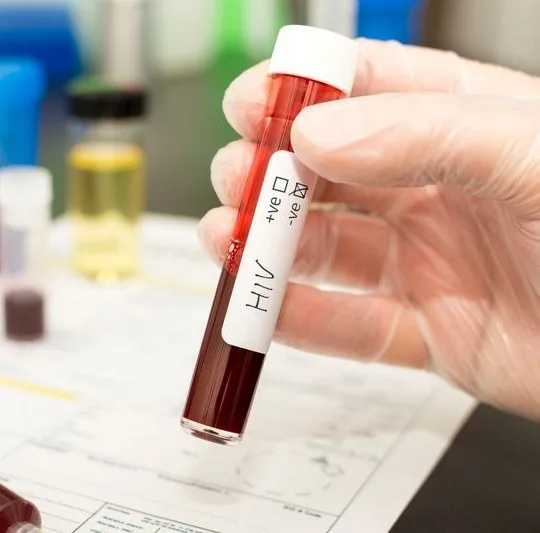
The US Food and Drug Administration has approved an India-made generic version of lenacapavir, the only twice-yearly injection to prevent HIV, potentially expanding affordable access in 120 low- and middle-income countries. Developed by Dr. Reddy’s Laboratories through an agreement involving Unitaid, the Clinton Health Access Initiative and Wits RHI, the drug is expected to cost USD 40 per person annually. Unlike daily preventive pills, the injection requires less frequent administration and nearly eliminated new infections in two major studies. The FDA approval is tentative because the original drug remains patent-protected. Generic supplies could reach some countries within weeks, subject to local regulatory approvals and funding. Testing for HIV is required before each injection. (PC: iStock)
Brief by Shorts91 Newsdesk / 06:46pm on 01 Nov 2026,Sunday Health & Wellness
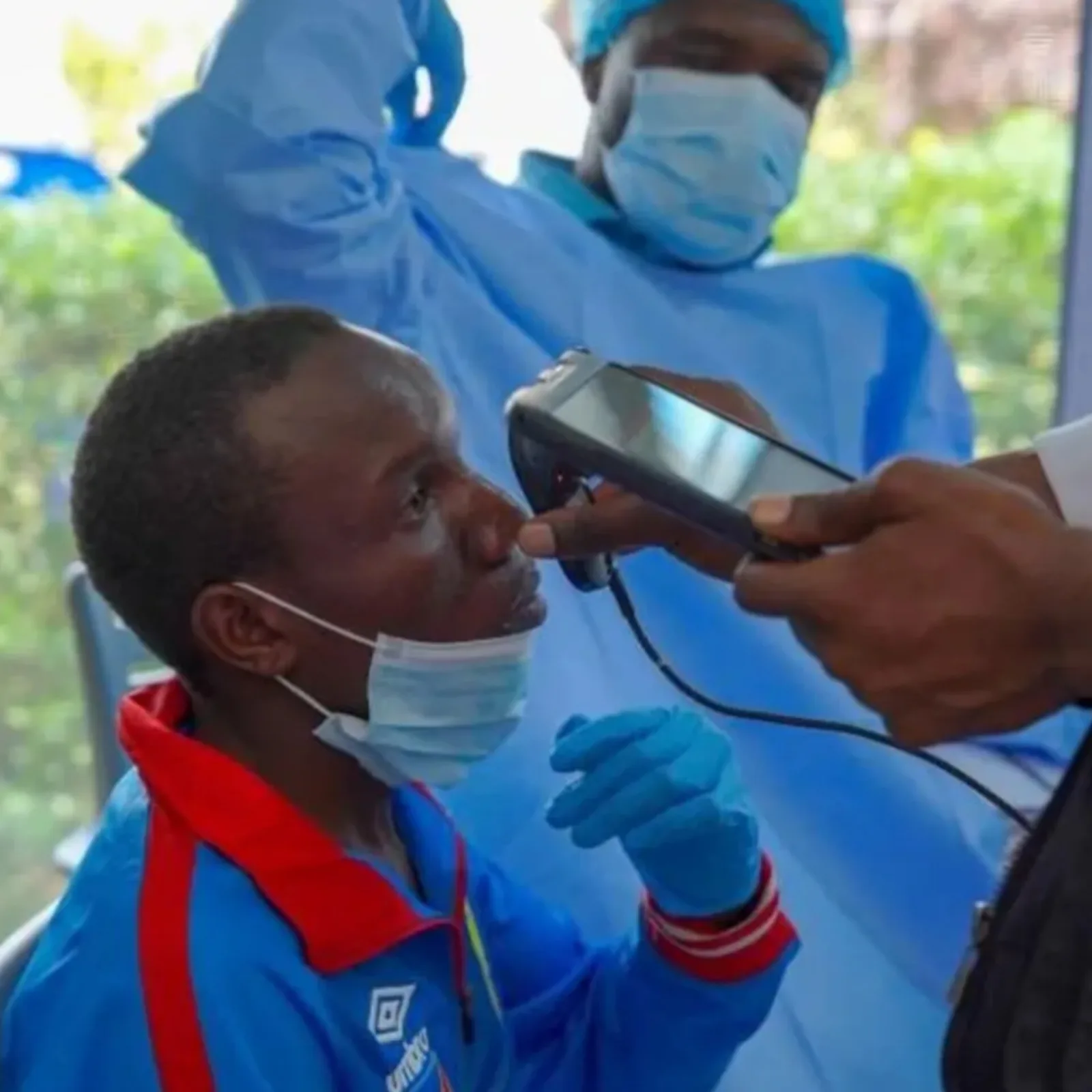
More than 5,000 people have died in the ongoing Ebola outbreak in the Democratic Republic of Congo (DR Congo). Government data shows that over 10,300 cases have been confirmed across eight provinces. The outbreak began in May and became the country's deadliest in August. The Ituri province remains the main centre of the outbreak. Cases have also been reported in Kenya, Nigeria and Uganda. The current outbreak is caused by the Bundibugyo strain, which has no approved vaccine or treatment. Health workers are conducting tests and clinical trials to control the spread of the deadly virus.
Brief by Shorts91 Newsdesk / 04:27pm on 28 Oct 2026,Wednesday Health & Wellness
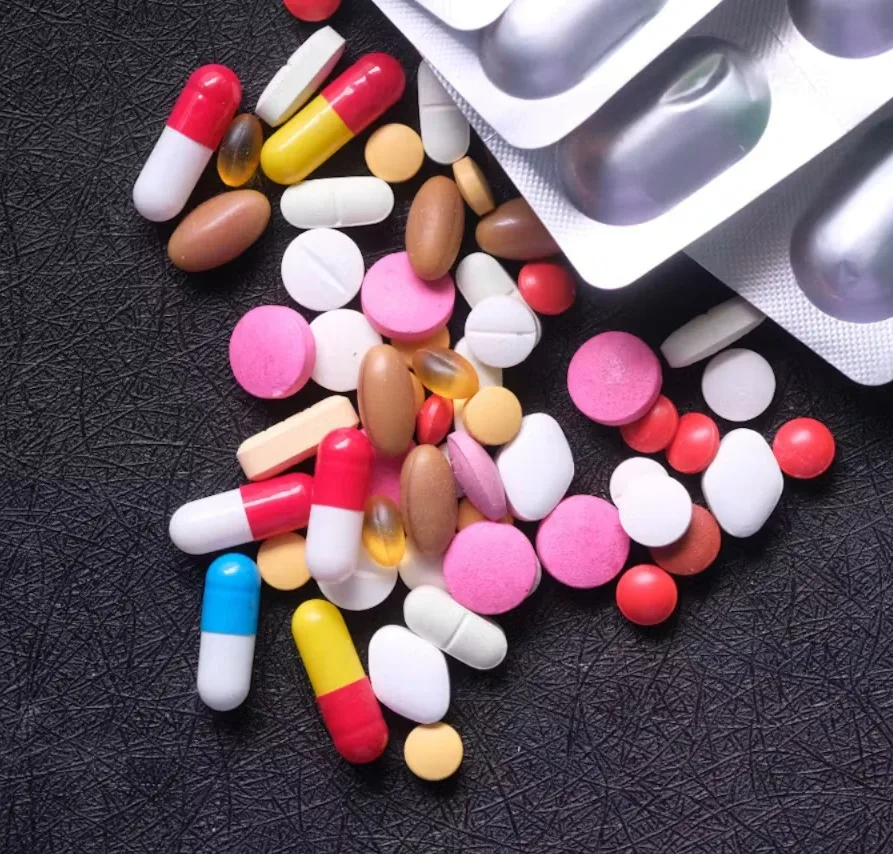
The National Pharmaceutical Pricing Authority (NPPA) has released revised maximum retail prices (MRPs) for 543 brands of anti-cancer medicines, effective November 9, 2026. The announcement has raised concerns among health activists about excessive pricing and the exploitation of patients. Jan Swasthya Abhiyan India (JSA India) argues that controlling trade margins alone is insufficient to make cancer treatment affordable. The organisation maintains that access to life-saving medicines should depend on medical need rather than a patient’s ability to pay. The revised price list was issued by the NPPA under the Department of Pharmaceuticals, Ministry of Chemicals and Fertilizers, amid wider concerns over the affordability of cancer care in India. (PC: Yahoo)
Brief by Shorts91 Newsdesk / 09:57am on 28 Oct 2026,Wednesday Health & Wellness
India’s drug price regulator has reduced the maximum retail prices of 543 cancer drug brands and pack sizes. Some medicines are now over 90% cheaper. The price of one palbociclib brand has fallen from Rs 40,421 to Rs 2,720. The cost of a thiotepa vial has dropped from around Rs 80,072 to Rs 7,150. The revised prices will take effect on November 9. However, costly medicines such as Keytruda remain unchanged at Rs 2,16,500. The move aims to make cancer treatment more affordable, as high medicine costs continue to burden patients and families.
Brief by Shorts91 Newsdesk / 07:35am on 23 Oct 2026,Friday Health & Wellness
Indian scientist Debasis Maity and his colleagues at Switzerland’s ETH Zurich have developed an experimental wireless implant that could offer a new approach to managing type 2 diabetes without insulin or glucose-lowering medication. The device uses a specialised catalyst to convert excess glucose into gluconate, which the body eliminates through urine. Connected to a continuous glucose monitor, it activates when blood sugar exceeds a preset threshold. Tests in diabetic mice showed improved glucose control, reduced body weight and lower triglyceride levels over six weeks. However, human trials have not begun, and further research is needed before clinical use.
Brief by Shorts91 Newsdesk / 01:41pm on 18 Oct 2026,Sunday Health & Wellness
India’s government has expanded cancer drug price controls, targeting 137 anti-cancer medicines to make treatment more affordable. Announced by the Ministry of Chemicals and Fertilizers, the measure caps trade margins at 30% of the maximum retail price, with reductions of up to 70% expected from November 9, 2026. The medicines include immunotherapy drugs used to treat more than 20 cancer types, including breast, prostate, colon, ovarian and cervical cancers. The initiative builds on a 2019 programme covering 42 cancer drugs, which reduced prices by up to 90%.
Brief by Shorts91 Newsdesk / 07:33am on 18 Oct 2026,Sunday Health & Wellness
The Centre has capped trade margins at 30% for 137 anti-cancer medicines, a move expected to reduce their prices by up to 70%. The National Pharmaceutical Pricing Authority (NPPA) approved the measure to curb excessive mark-ups and make cancer treatment more affordable. The revised prices will come into effect on November 9, 2026. The cap applies to non-scheduled cancer medicines, which were previously outside government-fixed ceiling prices. The government aims to reduce the financial burden on patients while ensuring continued supplies. Drug manufacturers have been directed to maintain production levels to prevent shortages of these essential medicines. (PC: HT)
Brief by Shorts91 Newsdesk / 04:18pm on 08 Oct 2026,Thursday Health & Wellness
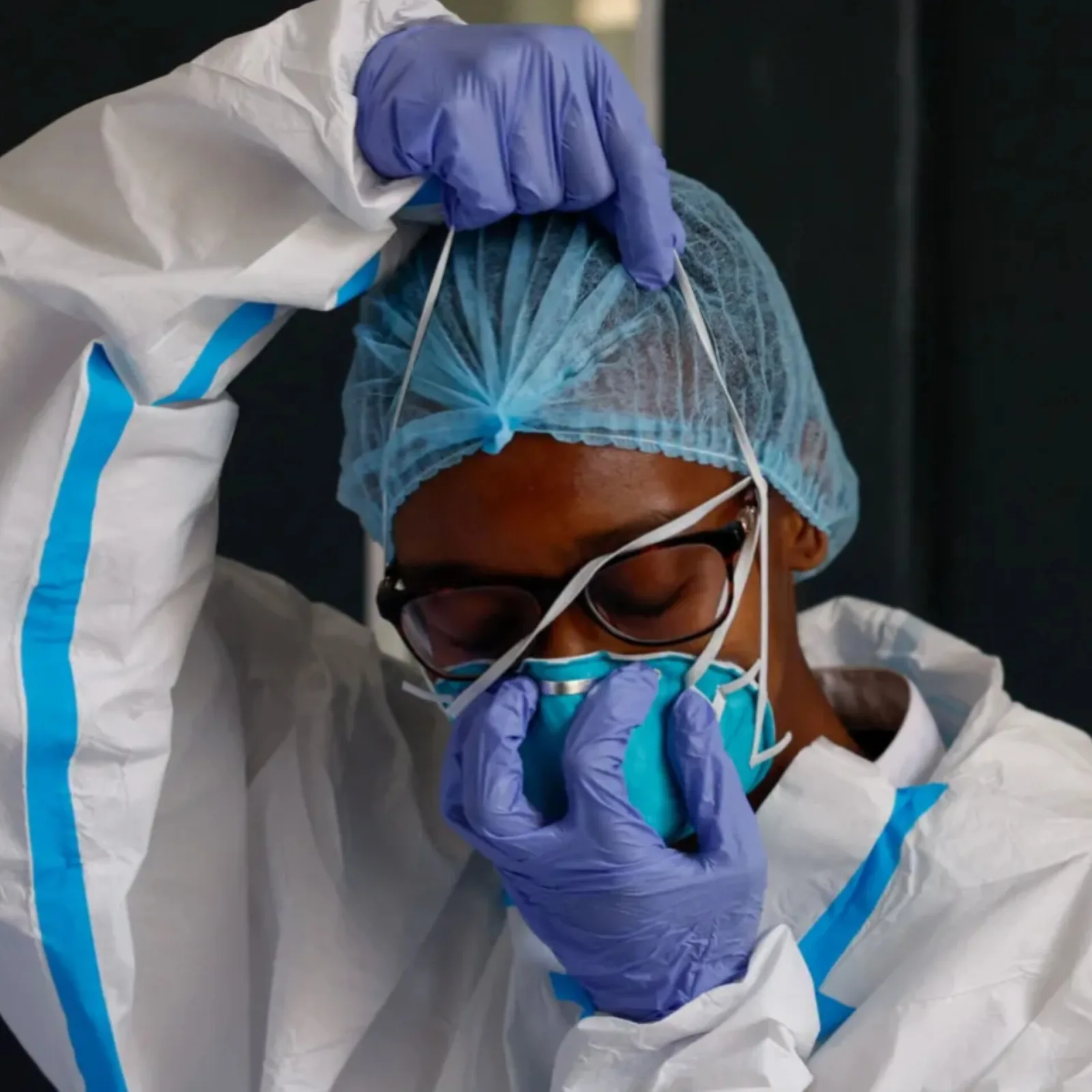
The Centre has capped trade margins at 30% of the Maximum Retail Price (MRP) for all non-scheduled anti-cancer medicines, aiming to make cancer treatment more affordable. The measure covers branded and generic, domestic and imported, patented and non-patented drugs. According to government sources, the move could reduce the MRPs of some cancer medicines by up to 70% and save patients around ₹2,500 crore annually. The decision follows concerns raised by the Supreme Court over large differences between retailer purchase prices and MRPs. The policy seeks to curb excessive mark-ups while maintaining medicine availability.
Brief by Shorts91 Newsdesk / 04:55pm on 07 Oct 2026,Wednesday Health & Wellness
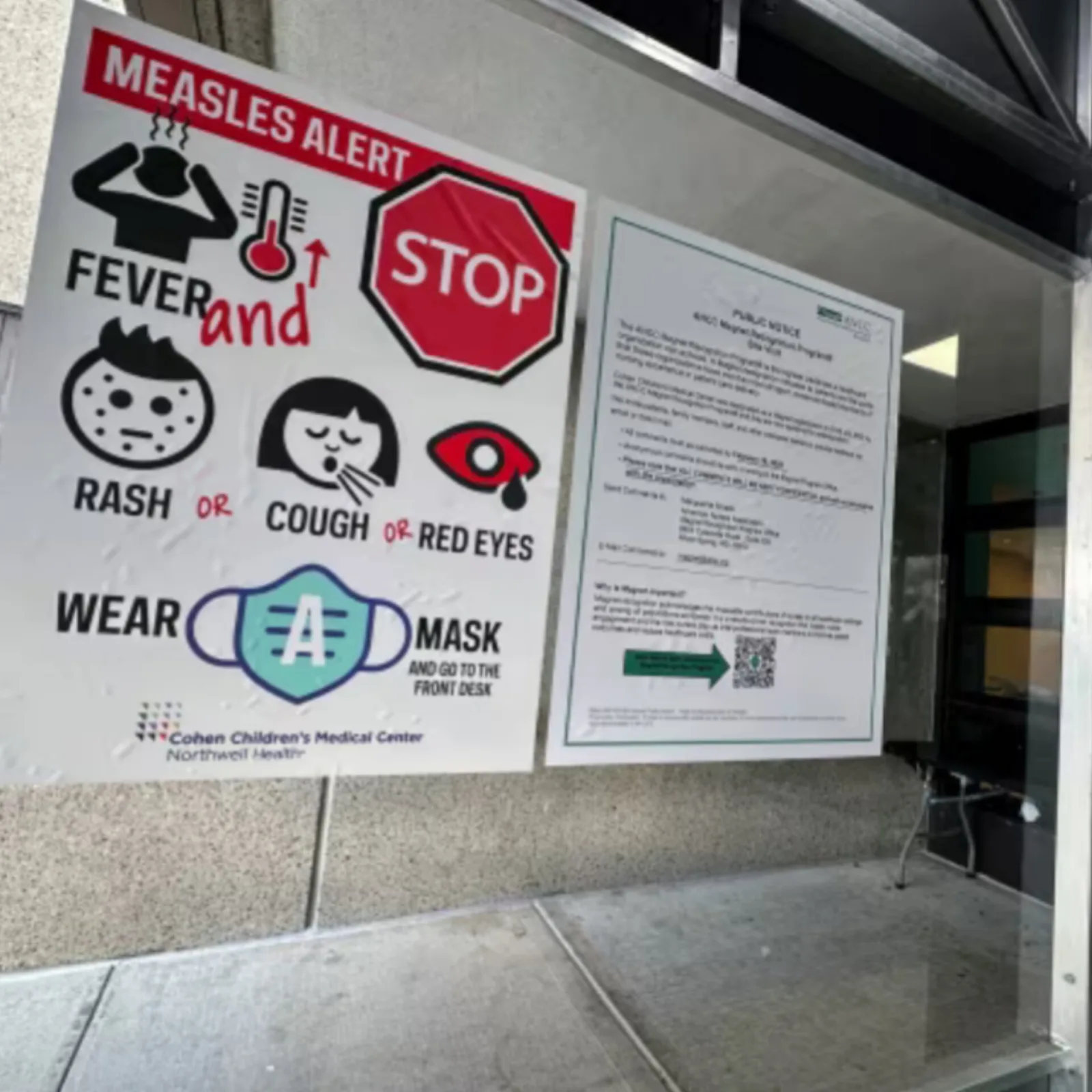
Kenya has quarantined 10 people who came into contact with the country’s first confirmed Ebola patient, who died in Nairobi on Monday after travelling from the Democratic Republic of Congo. Authorities are tracing 57 additional contacts as concerns grow over screening measures. Africa CDC chief Jean Kaseya questioned how the patient, who had been sick for about a month, travelled through several cities in DR Congo, Uganda and finally Kenya without being detected. Kenyan officials said medication may have masked his symptoms. More than 650,000 travellers have been screened, while authorities have intensified surveillance at airports and border crossings. (PC: BBC)
Brief by Shorts91 Newsdesk / 10:48am on 06 Oct 2026,Tuesday Health & Wellness
New York Governor Kathy Hochul declared a statewide disaster emergency on Monday over a growing measles outbreak, the first such declaration by a US state since cases began surging in 2025. The state has reported 108 cases this year through October 3. Of these, 92 have appeared since July 15 in under-vaccinated rural communities across 18 counties. Seven cases are in New York City and 101 are elsewhere in the state. The order lets pharmacists vaccinate children as young as two and allows registered nurses to order measles tests. All MMR doses must now be reported within 72 hours. The emergency runs through November 4. (PC: CNN)