Brief by Shorts91NewsDesk / 12:20pm on 15 Feb 2025,Saturday India Global
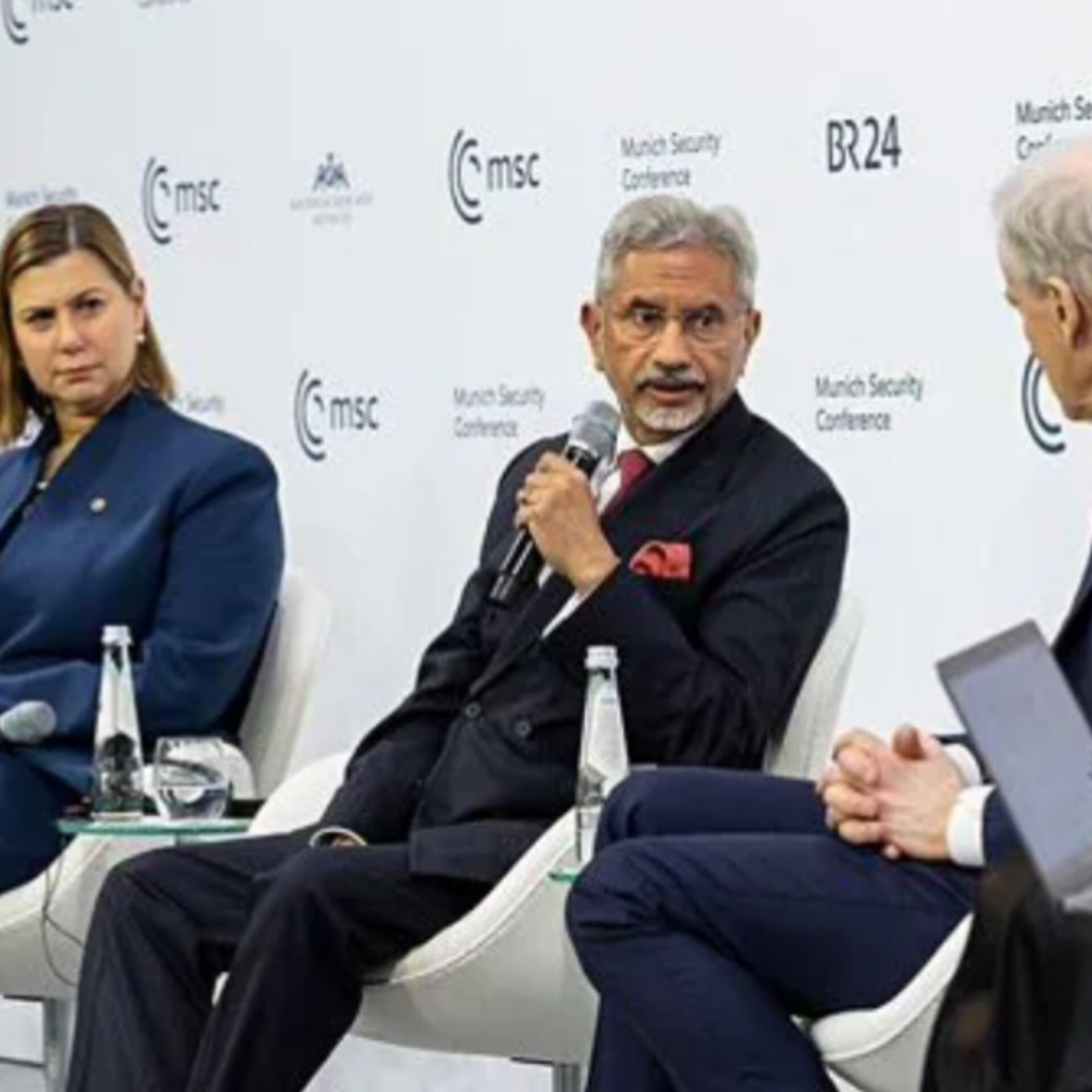
During a panel discussion, India’s External Affairs Minister S. Jaishankar strongly responded to a US Senator’s comment that "democracy doesn’t put food on the table." Showing the ink stain on his finger from a recent vote, he stated, "This is the mark of a person who just voted," highlighting the tangible influence of democracy. He contended that active participation in democracy empowers individuals, fosters economic growth, and enhances living standards. Jaishankar’s pointed counter-argument reinforced India’s dedication to democratic principles, disputing the notion that democracy and economic prosperity are distinct from one another.
Brief by Shorts91NewsDesk / 09:05am on 15 Feb 2025,Saturday India Global
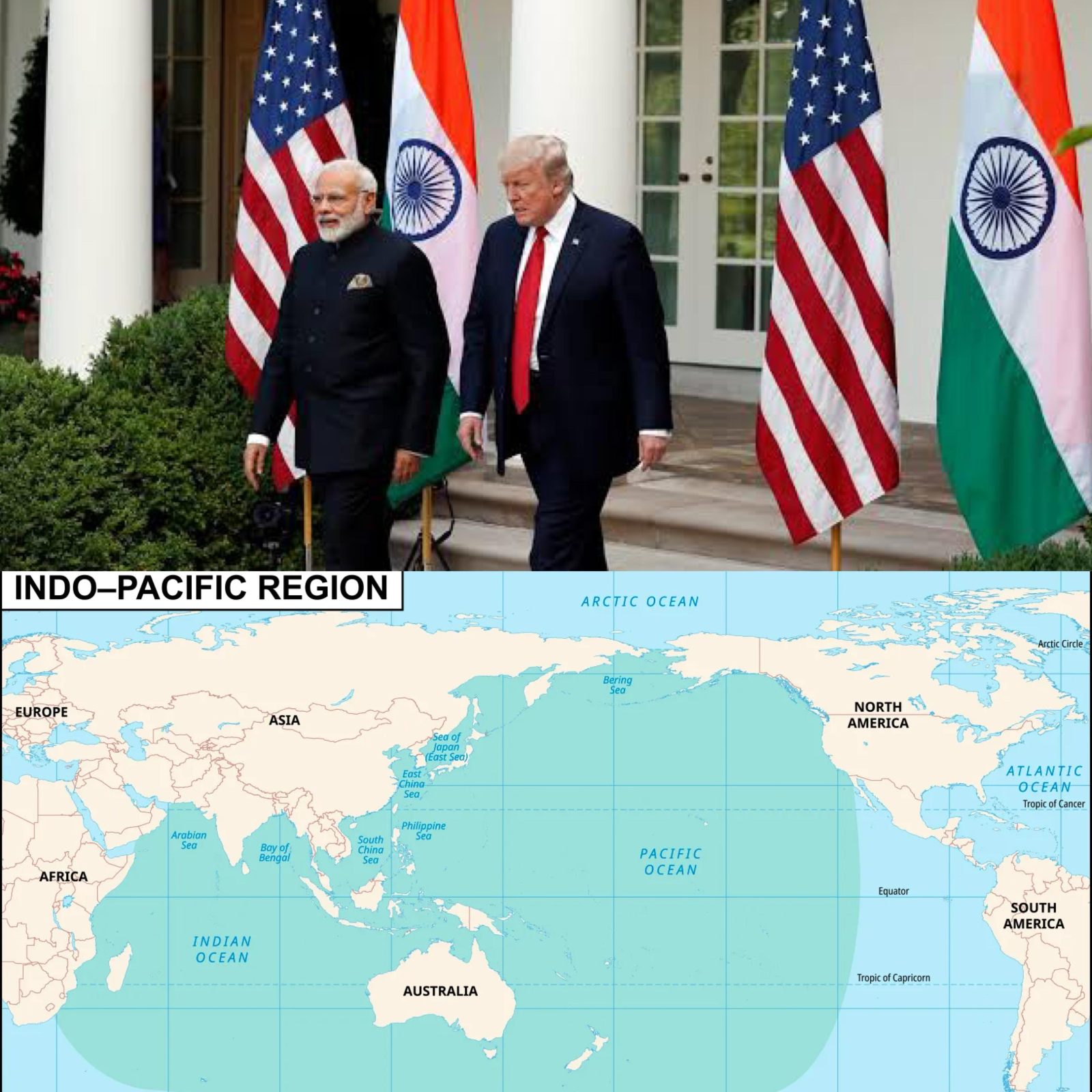
Prime Minister Narendra Modi's recent visit to the United States marked a significant step in strengthening bilateral relations with President Donald Trump. The leaders discussed enhancing trade and defense cooperation, aiming to double bilateral trade to $500 billion by 2030. They also explored opportunities in sectors like artificial intelligence, semiconductors, and strategic minerals. In defense, plans were unveiled to increase U.S. military sales to India, including potential F-35 aircraft. Additionally, both leaders emphasized deepening security collaboration in the Indo-Pacific region.
Brief by Shorts91NewsDesk / 08:50am on 15 Feb 2025,Saturday India Global
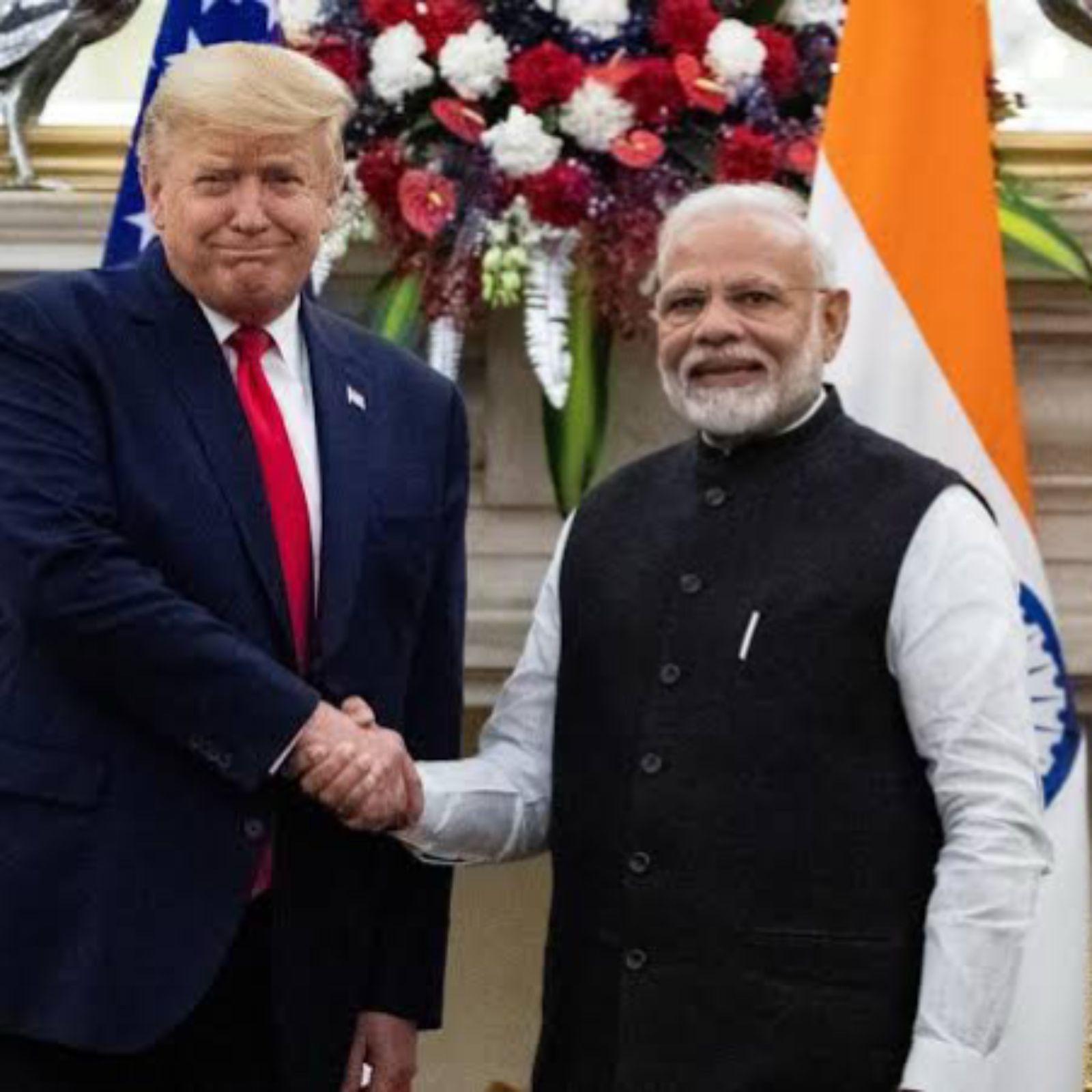
India and the US aim to finalize a trade deal by fall 2025, focusing on reducing import duties and non-tariff barriers. The agreement targets enhancing bilateral trade, particularly in textiles, leather, and industrial goods. India seeks to boost imports of US oil, gas, and defense products to address trade deficits, while also negotiating lower duties on US products like whiskey and wine. Both nations will work together to increase exports, and India is exploring services and visa arrangements, though these may face domestic challenges in the US.
Brief by Shorts91NewsDesk / 07:56am on 15 Feb 2025,Saturday India Global
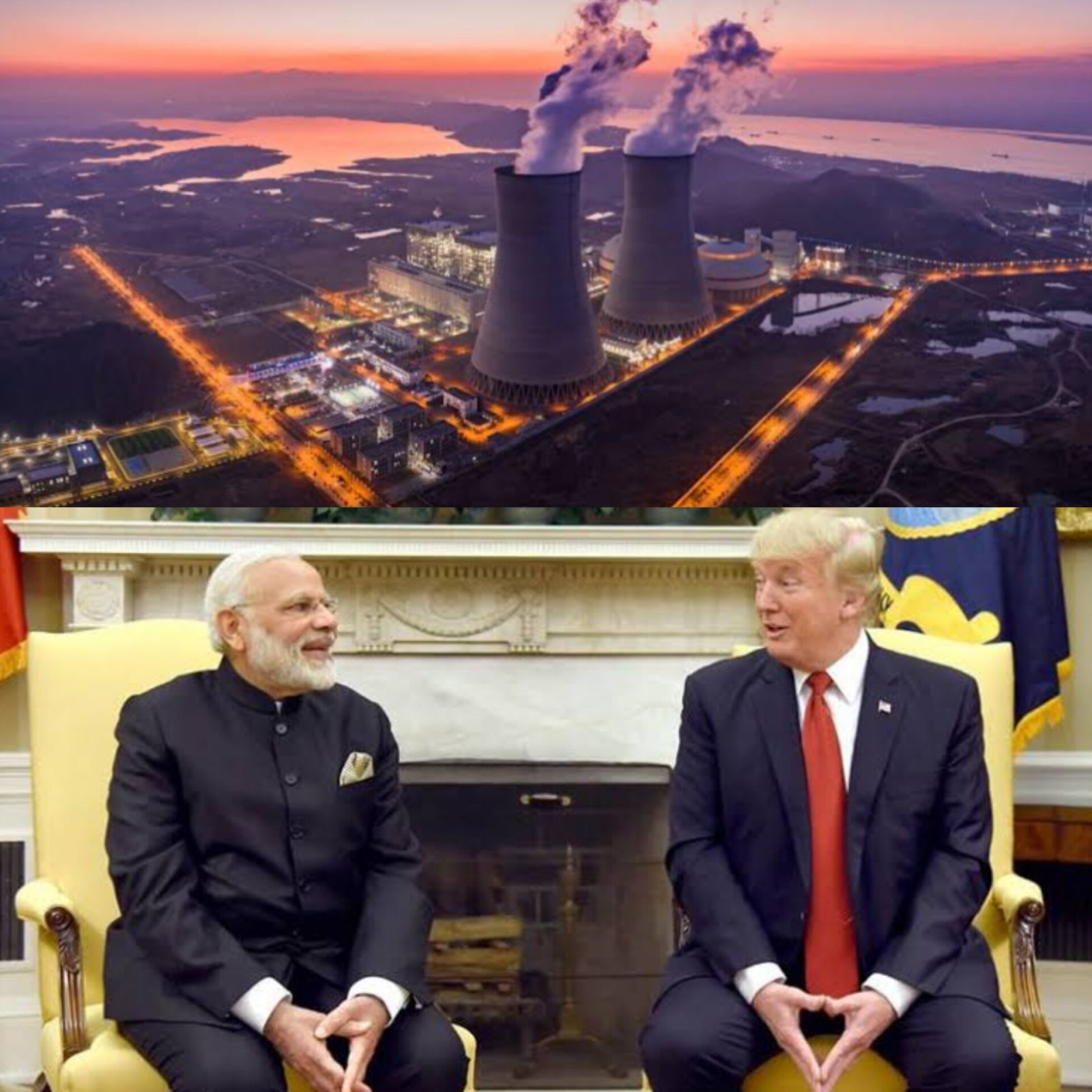
Prime Minister Narendra Modi and U.S. President Donald Trump are set to discuss expanding nuclear energy cooperation during Modi's visit to the U.S. India aims to increase its nuclear power capacity to 100 gigawatts by 2047, addressing energy needs and climate goals. The U.S. is expected to assist by investing in clean, reliable nuclear technology. Additionally, India plans to amend its nuclear liability laws to attract foreign and private investments, facilitating the construction of small modular reactors.
Brief by Shorts91NewsDesk / 05:15am on 15 Feb 2025,Saturday India Global
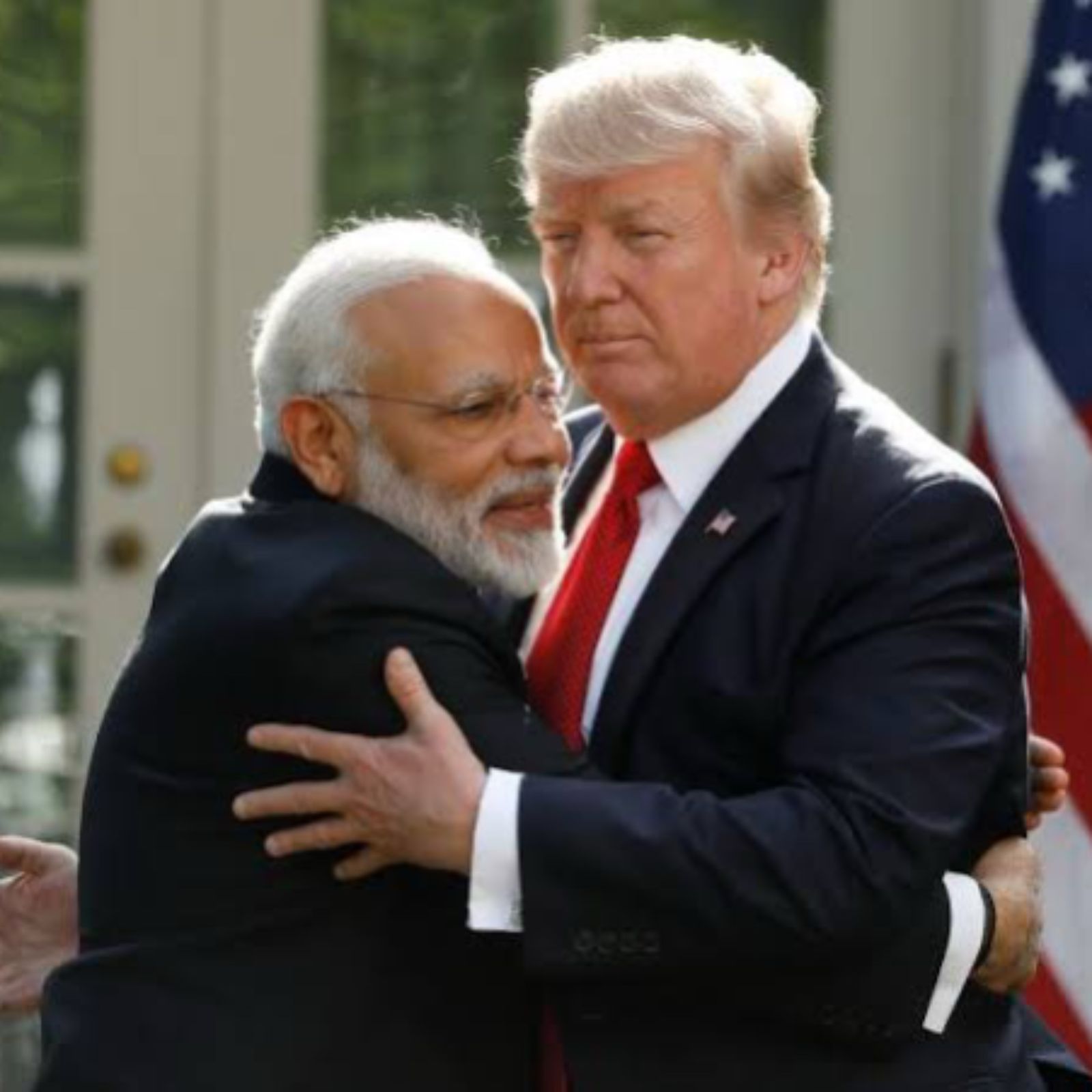
In a recent summit, PM Modi and President Trump emphasized the strengthening of India-US ties, focusing on trade, technology, and counterterrorism. The leaders discussed tackling issues like illegal immigration, organized crime, and cross-border terrorism, especially from Pakistan. The partnership in the Indo-Pacific and tech cooperation was highlighted, with the launch of initiatives like TRUST to foster advancements in AI, defense, and quantum computing. Notably, the Russia-Ukraine conflict was absent from their discussions, shifting the spotlight away from geopolitical tensions toward mutual economic interests and security.

Brief by Shorts91NewsDesk / 05:04am on 15 Feb 2025,Saturday India Global
President Donald Trump has announced plans to impose reciprocal tariffs on countries like China, Brazil, France, the European Union, and India to address trade imbalances and enhance U.S. industry competitiveness. This approach involves matching tariffs imposed by other nations on U.S. goods, aiming to "restore fairness" in trade relationships. While the U.S. average tariff is 5%, the White House reports that India's average is 39%, with specific products like motorcycles facing duties up to 100%. Experts view these tariff threats as a strategic negotiating tool, though concerns about potential price increases in the U.S. persist.
Brief by Shorts91NewsDesk / 04:56am on 15 Feb 2025,Saturday India Global
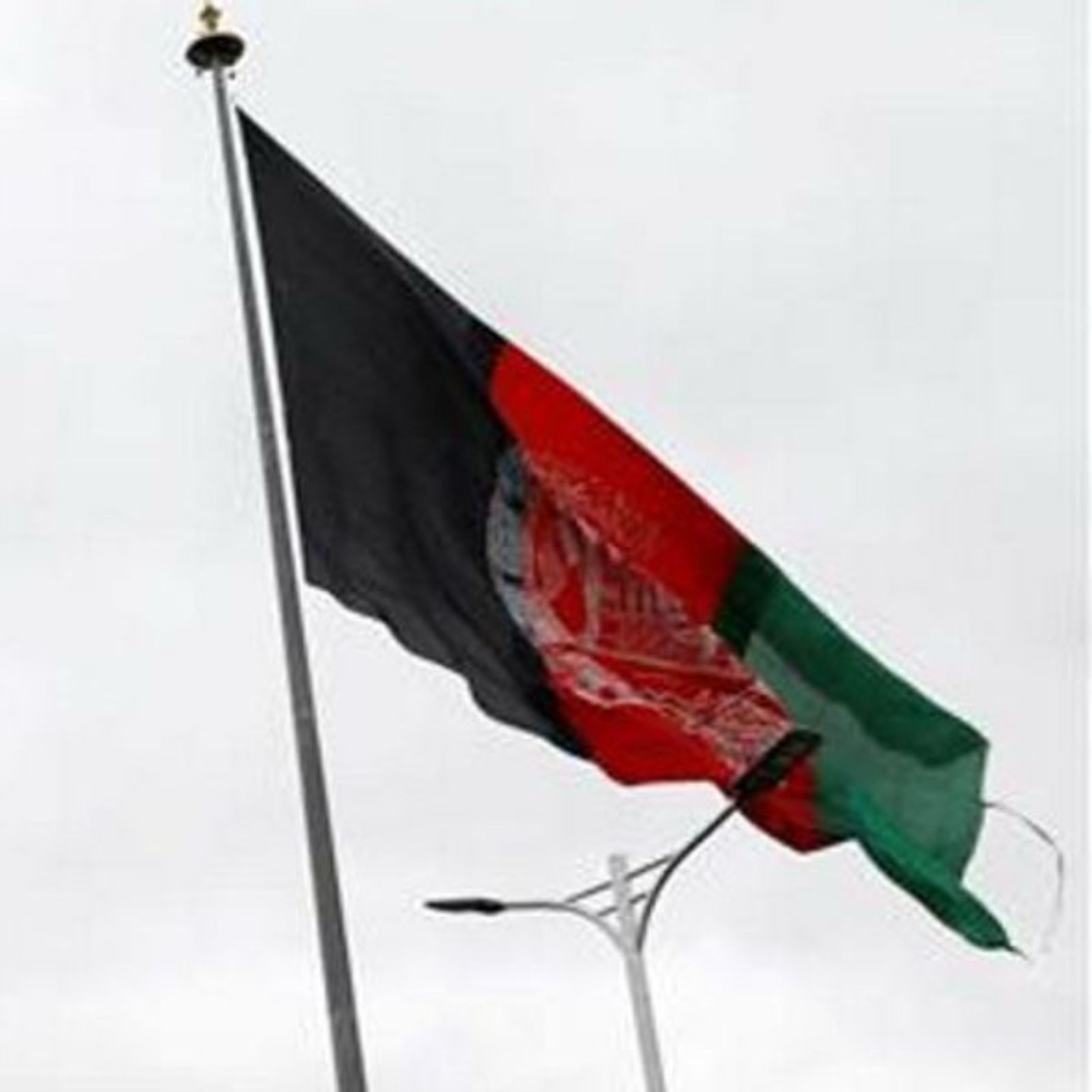
The Taliban seeks to reopen its embassy in New Delhi, a move India is approaching with caution. Despite ongoing diplomatic discussions, the Indian government remains cautious given the Taliban's rule in Afghanistan and its impact on regional security. While India continues to engage diplomatically with Afghanistan, it has refrained from recognizing the Taliban government officially. India is monitoring developments closely, with a focus on safeguarding national interests and regional stability before making any formal decisions regarding the embassy reopening.

Brief by Shorts91NewsDesk / 04:14am on 15 Feb 2025,Saturday India Global
On February 15, 2025, a U.S. military aircraft transported 119 Indian nationals deported for illegal immigration, landing at Amritsar's Sri Guru Ram Das Ji International Airport. This marks the second such deportation flight, following a previous arrival of 104 individuals on February 5. The deportees, primarily from Punjab, Haryana, and Gujarat, had entered the U.S. illegally over the years. Upon arrival, they underwent thorough verification and medical examinations before being escorted to their respective home states. This operation is part of the U.S. administration's intensified efforts to address illegal immigration.
Brief by Shorts91NewsDesk / 02:54am on 15 Feb 2025,Saturday India Global
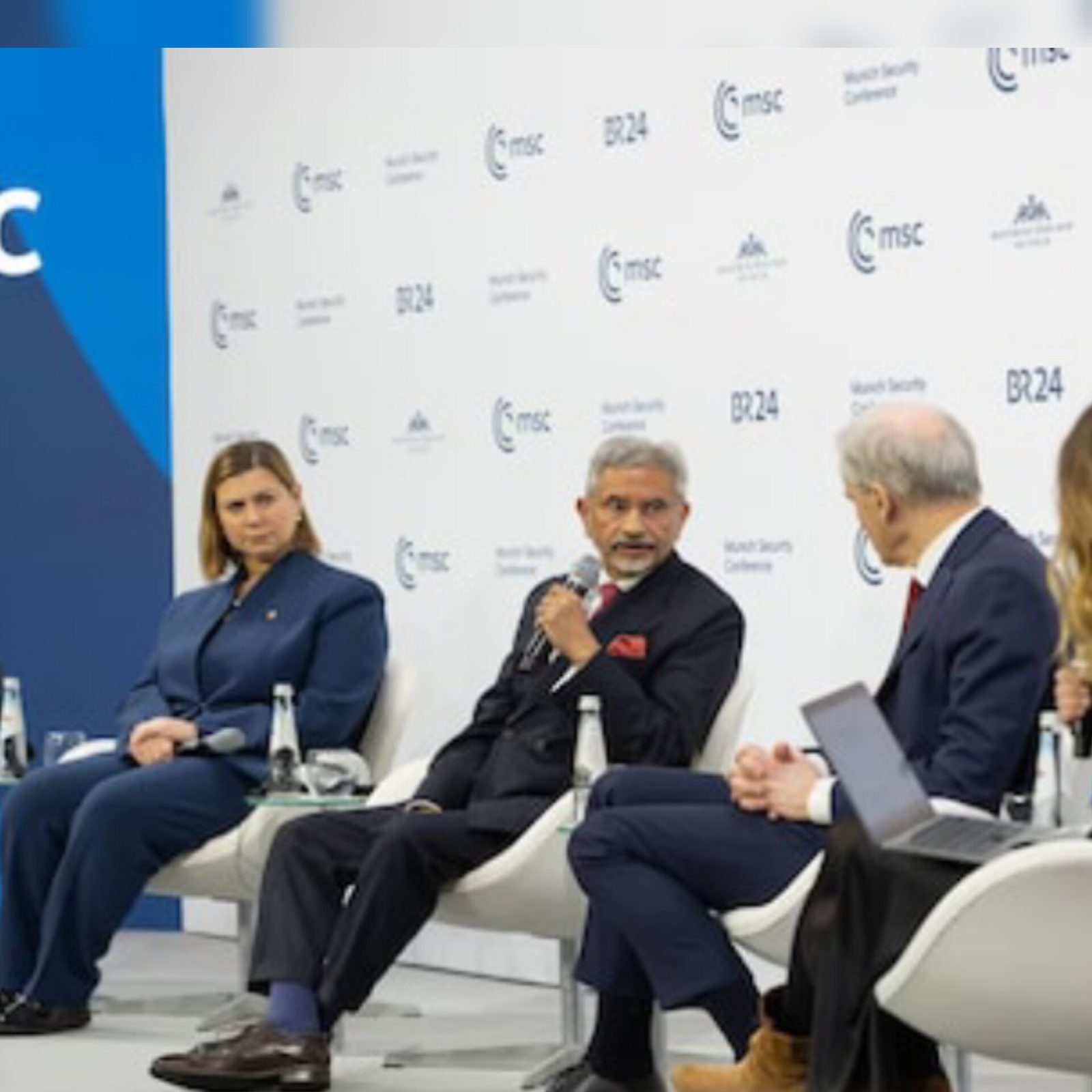
At the Munich Security Conference, External Affairs Minister S. Jaishankar emphasized that Indian democracy has only expanded over the past 75 years, with greater numbers of voters, especially by women. In response to alarm over democratic backsliding, Jaishankar indicated that the political system has shown it has staying power. In issues confronting the world, he advocated diplomatic solutions to conflict and diversified international supply chains so economic risks are mitigated. Jaishankar also advocated greater trade relations between the European Union and India, affirming Indian commitment to international relations and stability.
Brief by Shorts91NewsDesk / 02:28am on 15 Feb 2025,Saturday India Global
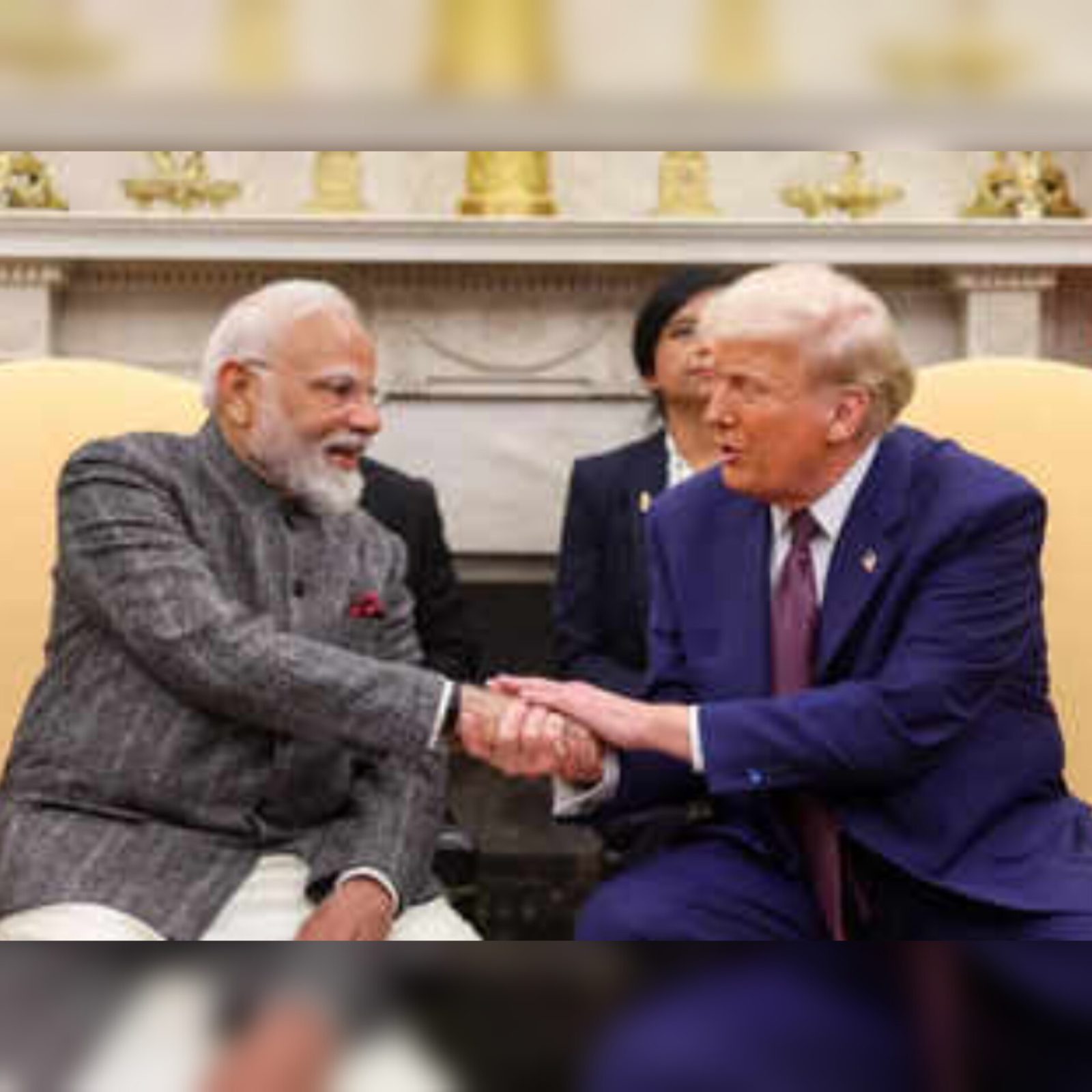
During a White House meeting, Indian Prime Minister Narendra Modi and United States President Donald Trump committed to fighting human trafficking and illegal immigration. Modi emphasized dismantling migrant exploitation rings and committed Indian support toward repatriation. Both sides underscored Indian students' economic contributions in the United States and explored widening legal routes for migration. Modi also suggested increased law enforcement coordination aimed at dismantling trafficking rings. The meeting strengthened United States-India coordination toward addressing immigration issues, targeting enforcement, as well as fostering lawful opportunities for migration.