Brief by Shorts91 Newsdesk / 07:02am on 30 Jul 2025,Wednesday Science
ISRO will launch the joint NASA–ISRO Synthetic Aperture Radar (NISAR) satellite on July 30, 2025, using the GSLV-F16 rocket from Sriharikota. Weighing around 2,393 kg, NISAR will be placed in a 743 km Sun-synchronous orbit. This first-of-its-kind collaboration combines NASA’s L-band and ISRO’s S-band radars to capture high-resolution, all-weather images of Earth every 12 days. Designed to monitor changes in land, vegetation, glaciers, and disasters, NISAR represents a major leap in climate and disaster research. After a 90-day calibration phase, it will begin scientific operations, marking a $1.5 billion milestone in Indo-US space cooperation.

Brief by Shorts91 Newsdesk / 05:09am on 30 Jul 2025,Wednesday Science
Former ISRO scientist has hailed the NASA-ISRO Synthetic Aperture Radar (NISAR) mission as a landmark achievement that will highlight India’s advanced space engineering on the world stage. Scheduled for launch on July 30, 2025, from Sriharikota aboard the GSLV-F16, NISAR marks the first GSLV flight into Sun-Synchronous Orbit. The $1.5 billion satellite will provide critical Earth observation data using dual-frequency radars developed by both NASA and ISRO. The mission will aid global climate monitoring, disaster response, and Earth science research, reinforcing India's growing influence in international space collaborations and open-source scientific advancement. (PC: X)
Brief by Shorts91 Newsdesk / 01:44am on 30 Jul 2025,Wednesday Science
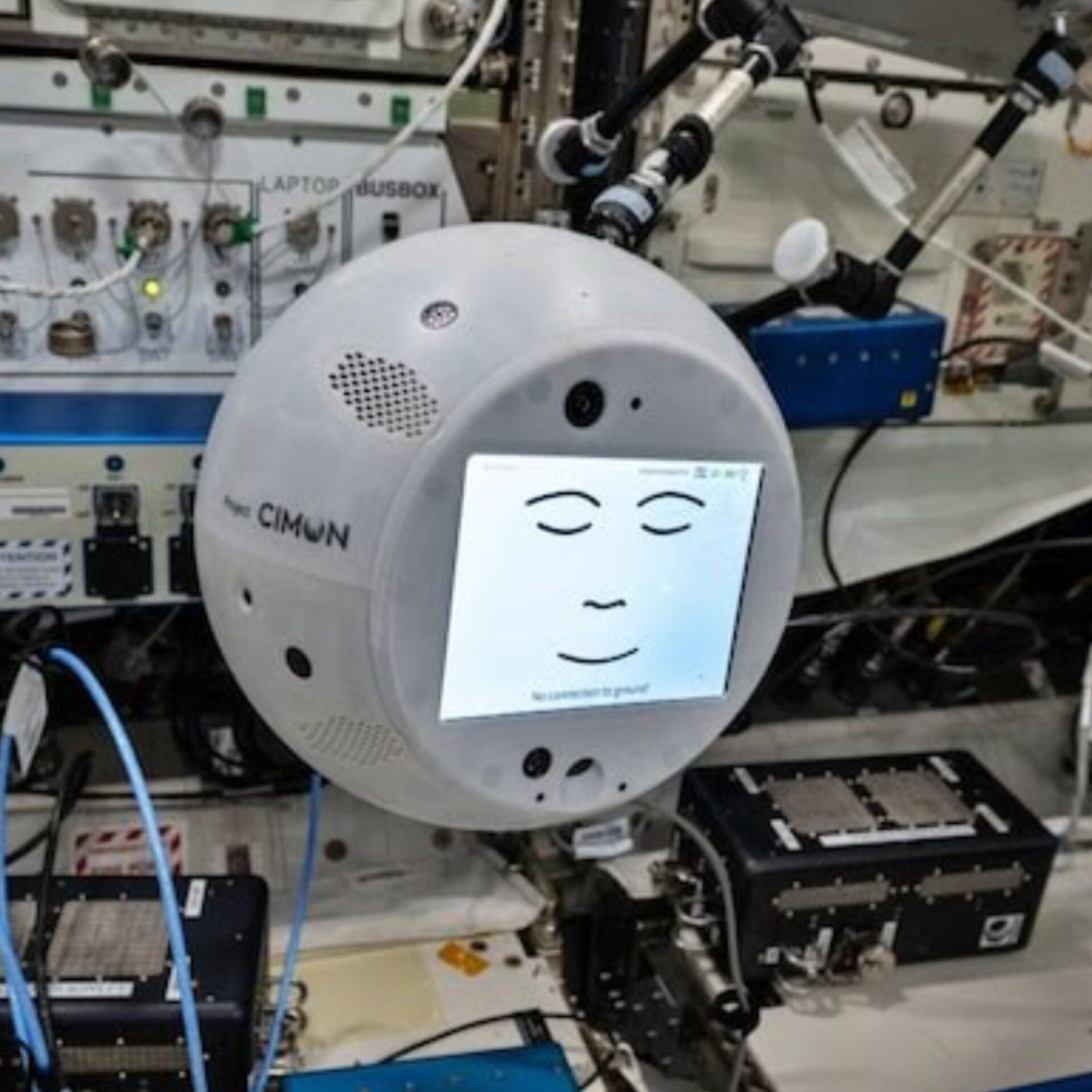
Project CIMON (Crew Interactive Mobile Companion) is an AI-powered floating robot currently being tested aboard the International Space Station. Designed to assist astronauts hands‑free, Cimon can retrieve documents, guide procedures, or record experiments via voice control, reducing reliance on manuals and saving time . It also serves as a mobile camera and personal training aid. Jointly developed by Airbus, IBM (Watson AI), and Germany’s DLR, Cimon’s objectives include minimizing stress, improving efficiency, and testing human‑AI interaction for long-duration missions . Observations from the pilot deployment will help shape future AI companions for space and Earth applications. (PC: NASA)
Brief by Shorts91 Newsdesk / 01:30am on 30 Jul 2025,Wednesday Science
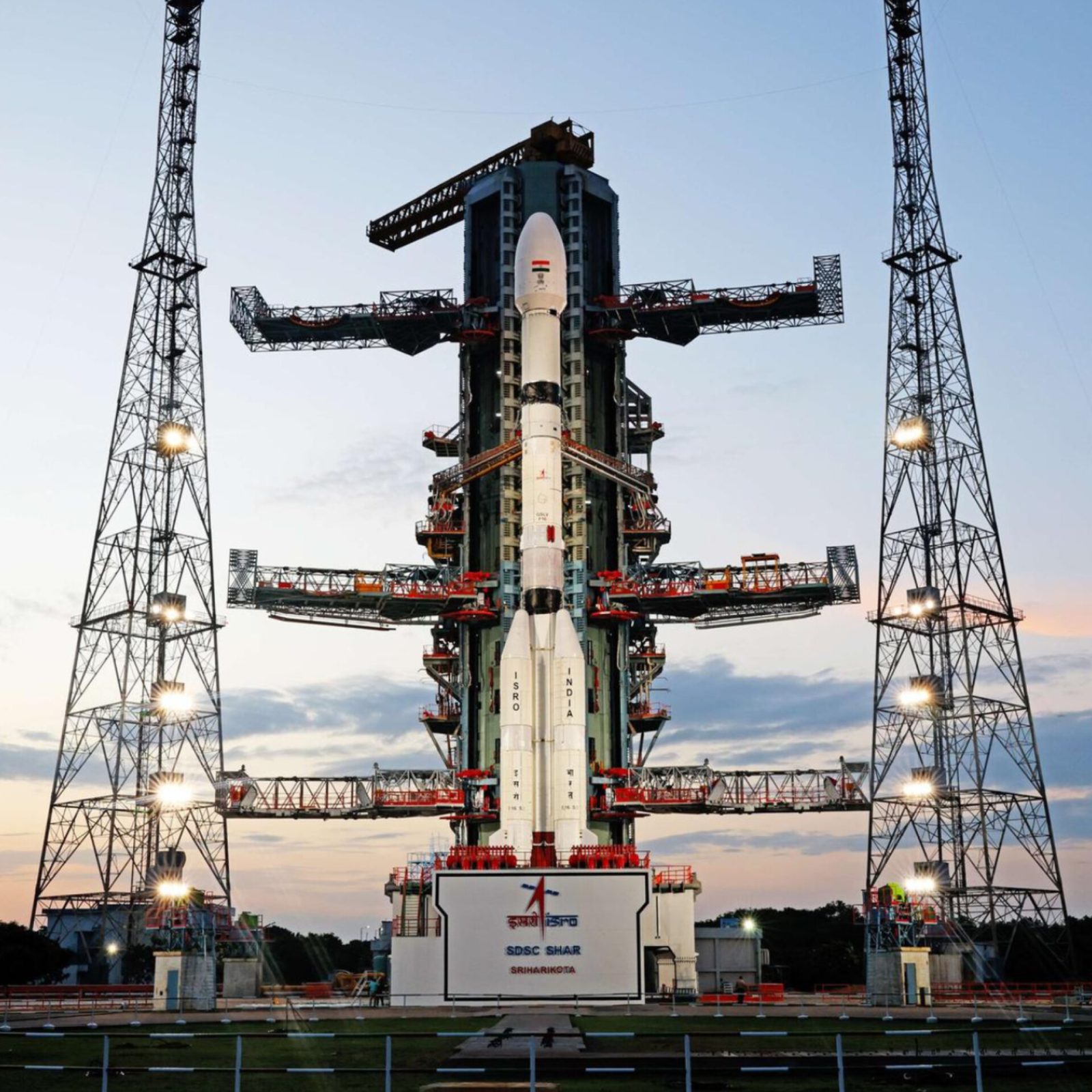
The Indian Space Research Organisation (ISRO) has commenced the ~27.5‑hour countdown ahead of the July 30, 2025 launch of the NASA–ISRO Synthetic Aperture Radar (NISAR) satellite. The launch aboard the GSLV‑F16 rocket from Sriharikota is scheduled for 5:40 PM IST, following countdown start at around 2:10 PM on July 29 . NISAR is a $1.5 billion joint mission, featuring dual-frequency (L‑band and S‑band) radar that will scan Earth every 12 days, day or night, through cloud cover . Its data will aid climate science, disaster response, and monitoring of land deformation, ice sheets, and ecosystems. (PC: ISRO)

Brief by Shorts91 NewsDesk / 10:47am on 29 Jul 2025,Tuesday Science
A mysterious interstellar object named 3I/ATLAS, traveling at 130,000 mph, is baffling scientists with its unusual trajectory and speed. Detected on July 1, 2025, it’s estimated to be 15 miles wide and will reach perihelion in November, temporarily vanishing from Earth’s view. Experts, including Harvard’s Avi Loeb, suggest it may be an alien surveillance probe, aligning eerily with Baba Vanga’s 2025 prophecy of extraterrestrial contact. Loeb warns of potential hostile intent, sparking global debate on planetary defense. The object’s strategic path near Jupiter, Mars, and Venus adds to speculation. As November approaches, astronomers and defense agencies are on high alert. (PC: News Bytes & Times Now)

Brief by Shorts91 NewsDesk / 09:19am on 28 Jul 2025,Monday Science
A mysterious interstellar object named 3I/ATLAS, traveling at 130,000 mph, is baffling scientists with its unusual trajectory and speed. Detected on July 1, 2025, it’s estimated to be 15 miles wide and will reach perihelion in November, temporarily vanishing from Earth’s view. Experts, including Harvard’s Avi Loeb, suggest it may be an alien surveillance probe, aligning eerily with Baba Vanga’s 2025 prophecy of extraterrestrial contact. Loeb warns of potential hostile intent, sparking global debate on planetary defense. The object’s strategic path near Jupiter, Mars, and Venus adds to speculation. As November approaches, astronomers and defense agencies are on high alert. (PC: News Bytes & Times Now)
Brief by Shorts91 Newsdesk / 01:59pm on 27 Jul 2025,Sunday Science
Kamna Shubha Shukla, wife of Indian Air Force Group Captain Shubhanshu Shukla, shared an emotional behind-the-scenes video of his journey to space aboard the International Space Station (ISS) during the Axiom Mission 4. In the video, she highlights his intense preparation, the sacrifices involved, and the pride the family felt. Describing the experience as “truly high,” she captured both the technical and emotional aspects of his mission. Shukla, who conducted several ISRO-backed experiments during his 18-day stay in space, is being hailed as a national hero and a key figure in India’s upcoming Gaganyaan space program.

Brief by Shorts91 Newsdesk / 03:18pm on 26 Jul 2025,Saturday Science
The upcoming NISAR satellite, jointly developed by NASA and ISRO, is exposing stark contrasts in their operational models. Set to launch on July 30, 2025, from Sriharikota aboard an ISRO GSLV rocket, the mission will use dual-frequency radar (L-band by NASA and S-band by ISRO) to monitor Earth’s surface changes globally every 12 days.While NASA invested over $1.15 billion, ISRO delivered its share at just $100 million, highlighting its cost-effective, in-house approach. The mission underscores both India’s rising global space profile and the growing reliance on frugal innovation for cutting-edge science. (PC: NDTV)
Brief by Shorts91 Newsdesk / 01:02pm on 26 Jul 2025,Saturday Science
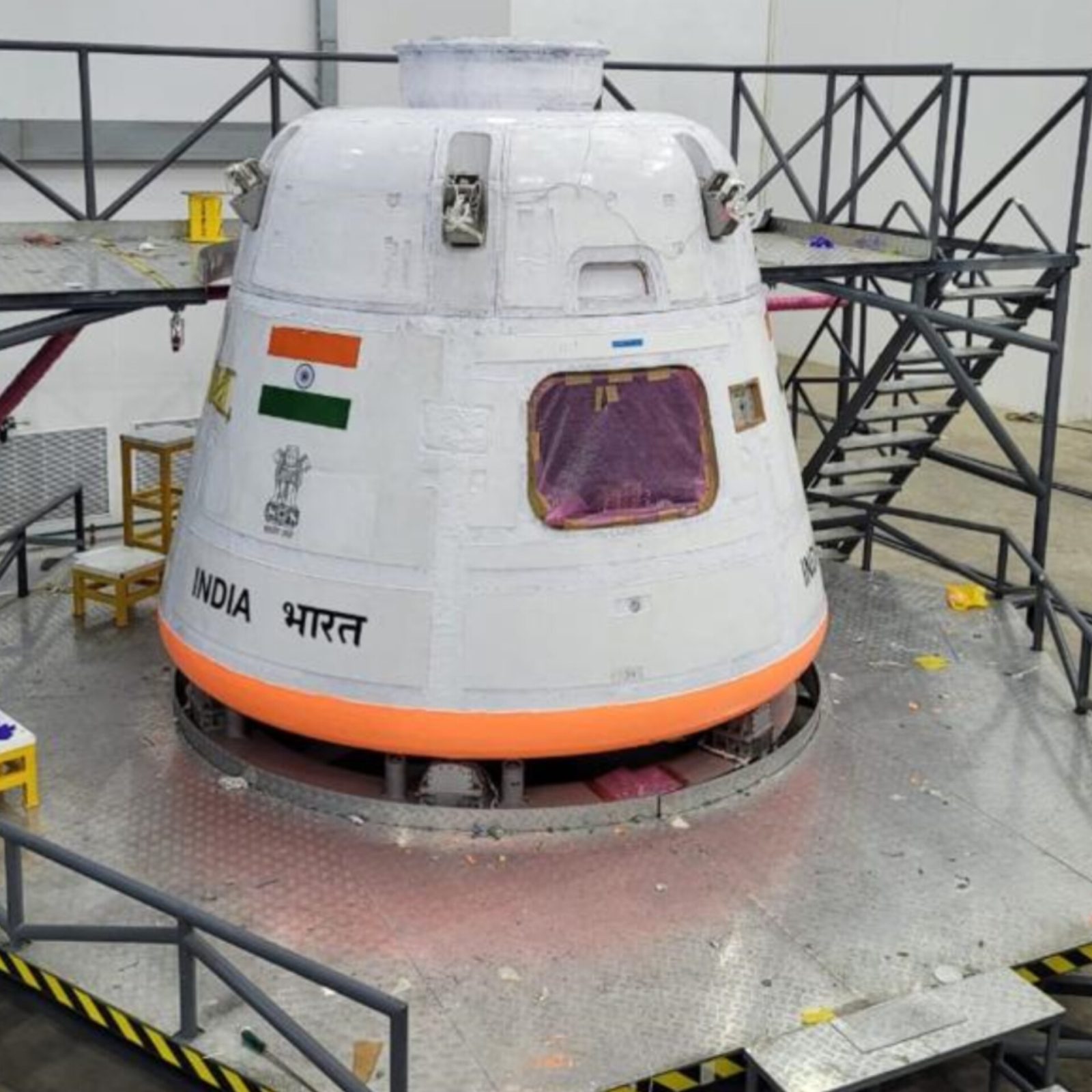
On July 23, 2025, the Government of India informed Parliament that the flagship Gaganyaan human spaceflight program is firmly on track. All critical components—including the human‑rated LVM3 launch vehicle, crew escape system, and propulsion systems—have been successfully developed and tested. Infrastructure such as crew training centers, the Gaganyaan Control Centre, and launch pad modifications are complete. A test vehicle (TV‑D1) has validated the escape system, while further trials (TV‑D2, IADT‑01) are underway. The first uncrewed mission (Gaganyaan‑1) is progressing through final assembly and system checks.
Brief by Shorts91 Newsdesk / 10:41am on 26 Jul 2025,Saturday Science
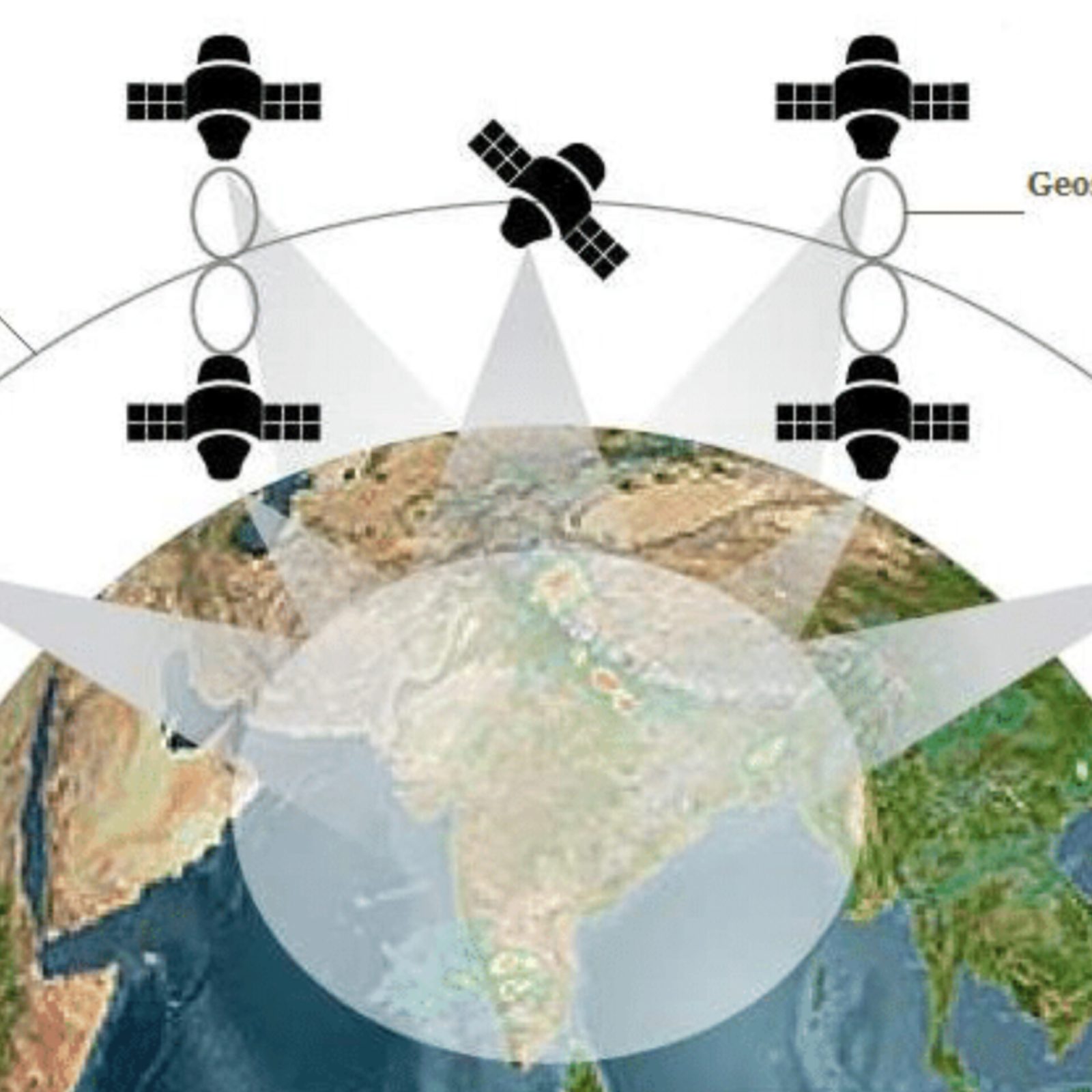
India’s NavIC satellite constellation is facing a severe crisis: out of seven planned satellites, only four remain fully operational, while the rest, including IRNSS‑1A, 1E, and 1G, have experienced atomic clock failures and now only offer limited broadcast services . Additionally, the newly launched NVS‑02 (IRNSS‑1K) suffered an engine valve malfunction in February 2025, hindering orbit raising and rendering it only partially usable . In total, six of the eleven satellites launched so far have partially or fully failed maintenance duties . ISRO intends to replace the defunct satellites and expand NavIC—with five next‑generation NVS satellites and plans for global reach via Medium Earth Orbit deployments—to ensure redundancy and enhance accuracy beyond the current 1,500 km regional coverage. (PC: IDRW)