Brief by Shorts91NewsDesk / 07:01am on 07 May 2025,Wednesday India Global
Following the Pahalgam massacre, where 28 civilians were killed, India launched Operation Sindoor targeting terror camps in Pakistan. Wives of the victims expressed mixed reactions. Some felt the strikes were a necessary response, bringing a sense of justice. Others questioned the efficacy, doubting if it would deter future attacks. Concerns about potential escalation and civilian casualties were also voiced. The government described the operation as a measured counter-terrorism effort. However, the emotional trauma and loss remain profound for the families, highlighting the complex interplay between national security actions and personal grief.
Brief by Shorts91 Newsdesk / 06:47am on 07 May 2025,Wednesday India Global
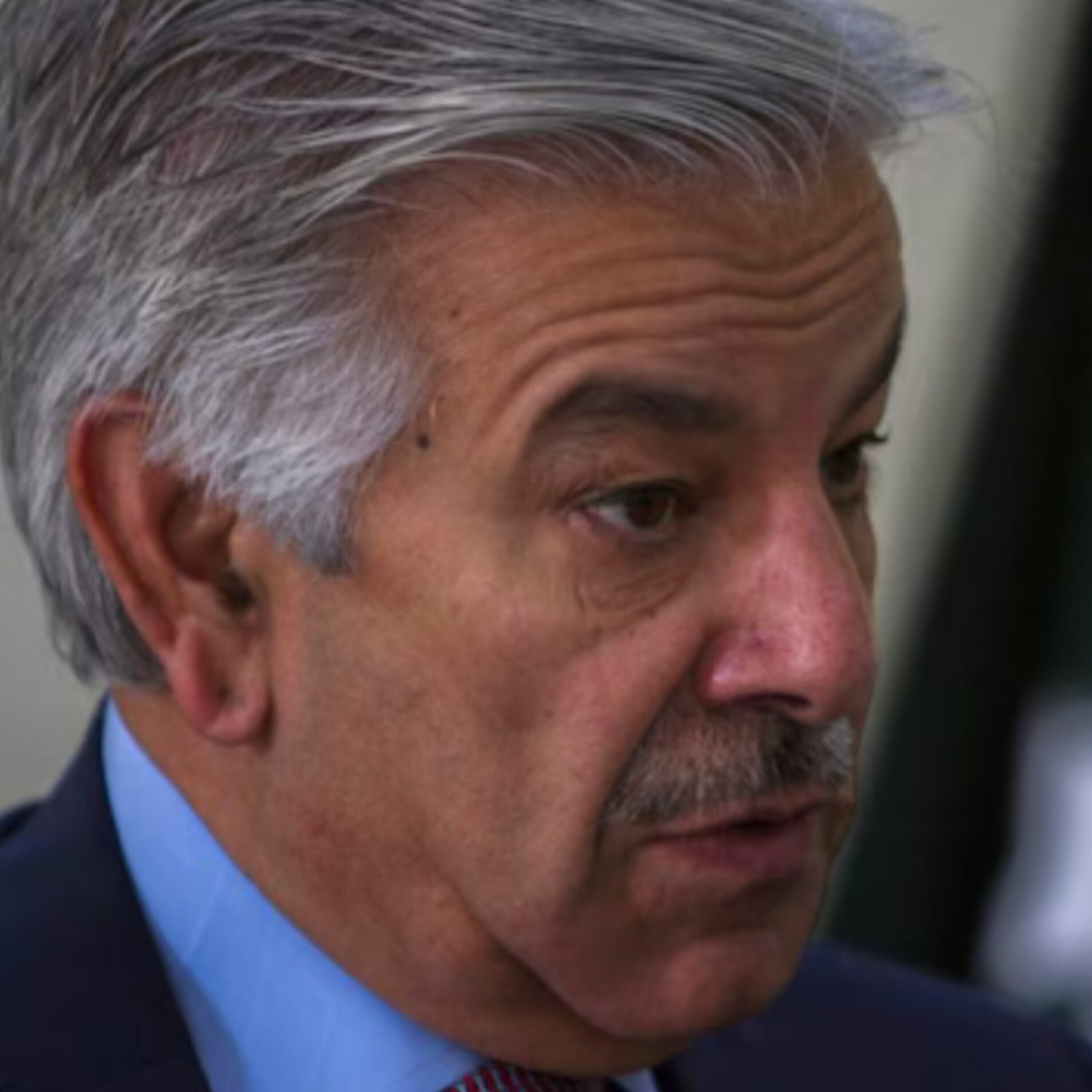
After India’s precision strikes under Operation Sindoor destroyed nine terror camps in Pakistan and PoK, killing over 80 terrorists, Pakistan Defence Minister Khawaja Asif appeared to backtrack from his earlier threats. He said, “If India backs down, we will definitely wrap up these things,” marking a shift from his previous warning, “Either we survive or no one does.” The strikes came in response to the brutal Pahalgam attack. India’s Foreign Secretary Vikram Misri emphasized the operation was “measured, non-escalatory, and focused on terror infrastructure.” He condemned the killings in Pahalgam as “barbaric” and aimed at destabilizing peace in Kashmir. (PC: Reuters)
Brief by Shorts91 Newsdesk / 06:28am on 07 May 2025,Wednesday India Global
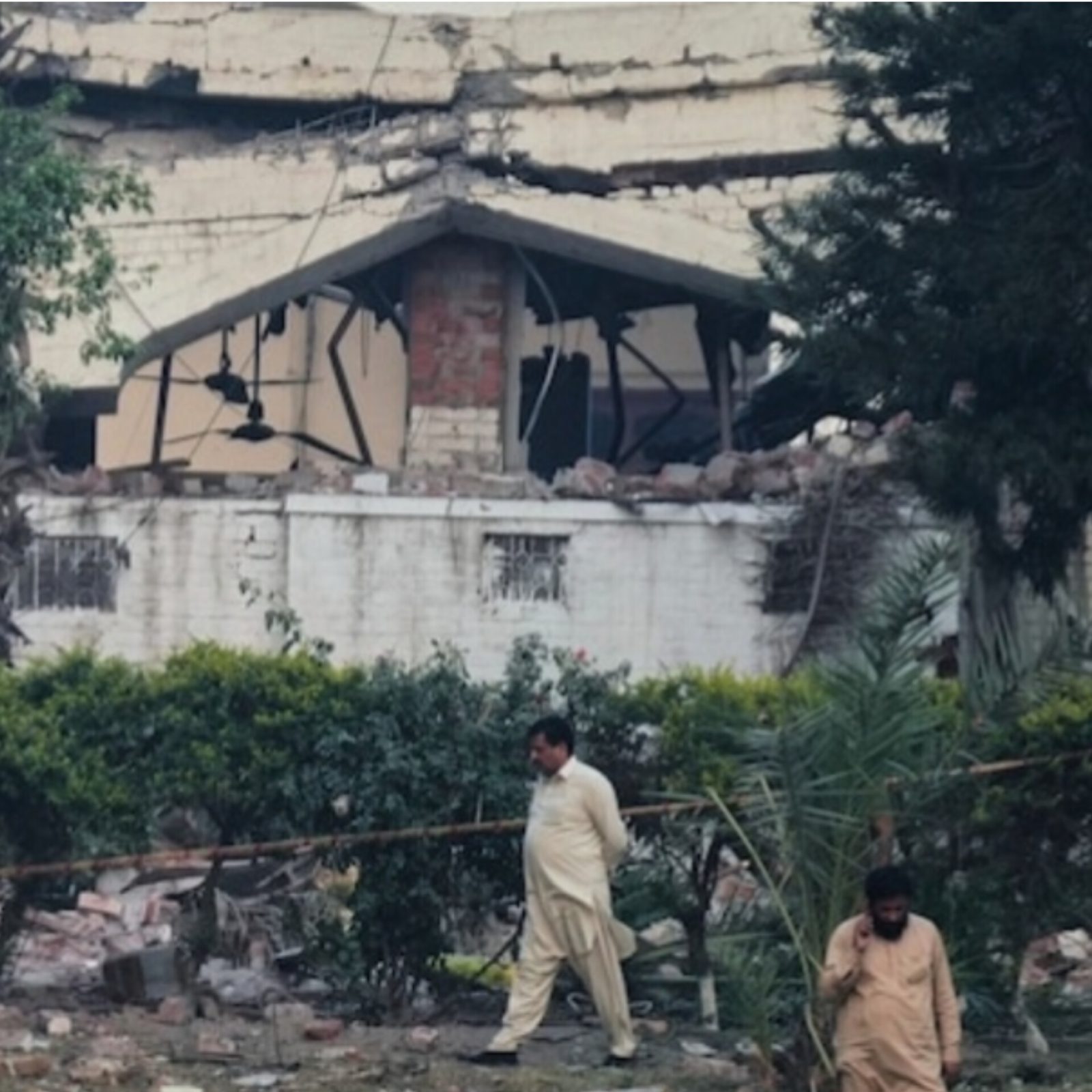
In a swift 25-minute operation codenamed Operation Sindoor, Indian armed forces struck nine terror camps in Pakistan and Pakistan-occupied Kashmir, killing over 80 terrorists linked to Jaish-e-Mohammed, Lashkar-e-Taiba, and Hizbul Mujahideen. The strikes, conducted using Rafale jets with SCALP missiles and Hammer bombs, were a response to the April 22 Pahalgam terror attack. Major hits occurred in Bahawalpur and Muridke. India termed the operation "measured and focused," targeting only terror infrastructure. Pakistan condemned the strikes as an "act of war." Cross-border shelling followed, prompting civilian evacuations along the LoC. (PC: AP)

Brief by Shorts91NewsDesk / 05:15am on 07 May 2025,Wednesday India Global
On May 7, 2025, Indian equity benchmarks Nifty50 and BSE Sensex experienced volatility following India's Operation Sindoor, which targeted terrorist facilities in Pakistan and Pakistan-occupied Jammu and Kashmir. By 10:21 AM IST, Nifty50 dropped 89 points to 24,291.05, and Sensex fell 253 points to 80,387.58. VK Vijayakumar, Chief Investment Strategist at Geojit Investments, noted the operation's focused and non-escalatory nature, suggesting limited market impact. Sustained foreign institutional investor (FII) inflows, totaling ₹43,940 crore over 14 trading days, have bolstered market resilience. While sectors like IT and FMCG saw declines, large-cap stocks attracted FII interest, indicating a shift from overvalued mid and small-cap segments. Investors are advised to monitor border developments closely. (PC: Business Today & BCCI)
Brief by Shorts91NewsDesk / 05:11am on 07 May 2025,Wednesday India Global
China has urged India and Pakistan to exercise maximum restraint amid escalating tensions following India’s missile strikes on nine terror targets in Pakistan and Pakistan-occupied Kashmir. The strikes were in retaliation for a deadly terrorist attack in Pahalgam. In a statement on Wednesday, China’s Foreign Ministry expressed concern over the situation, emphasizing that India and Pakistan are not only neighbors to each other but also to China. “China opposes all forms of terrorism,” the ministry stated, subtly referencing the Pahalgam incident. Urging calm, China called on both nations to prioritize peace and stability and avoid actions that could further complicate regional dynamics.
Brief by Shorts91NewsDesk / 04:42am on 07 May 2025,Wednesday India Global
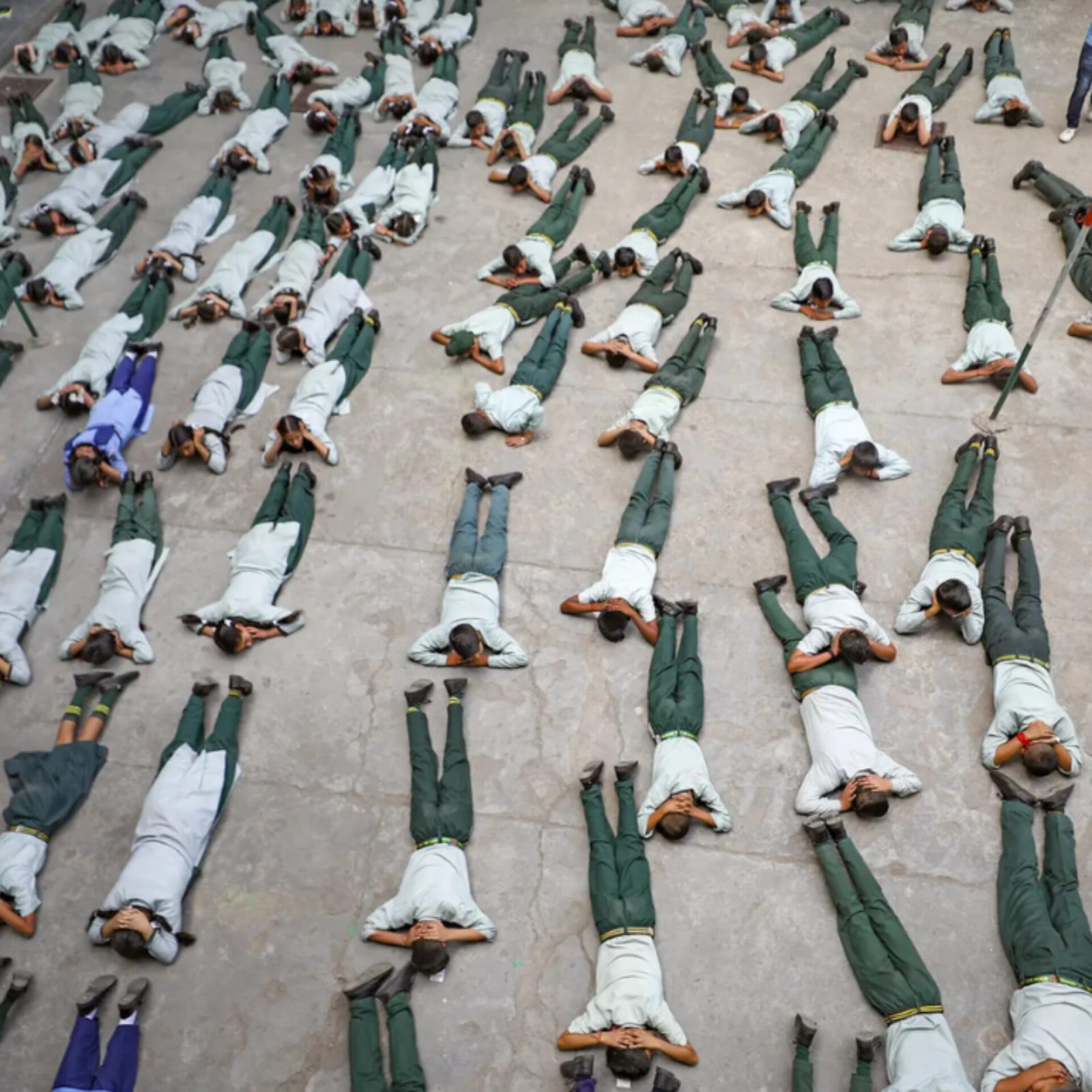
On May 7, 2025, India carried out “Operation Abhyaas,” its largest civil defence mock drill since 1971, involving 244 districts across the country. The nationwide exercise was organized in response to rising tensions following India’s Operation Sindoor strikes and the April 22 Pahalgam terror attack. Activities included air raid sirens, blackout simulations, evacuation drills, and safety training. Cities like Delhi, Patna, Bareilly, and Hyderabad participated, with thousands of volunteers, civil defence teams, and students involved. The drill was aimed at enhancing public preparedness and coordination in case of emergency amid escalating India-Pakistan tensions. (PC: Times of India)
Brief by Shorts91NewsDesk / 04:20am on 07 May 2025,Wednesday India Global
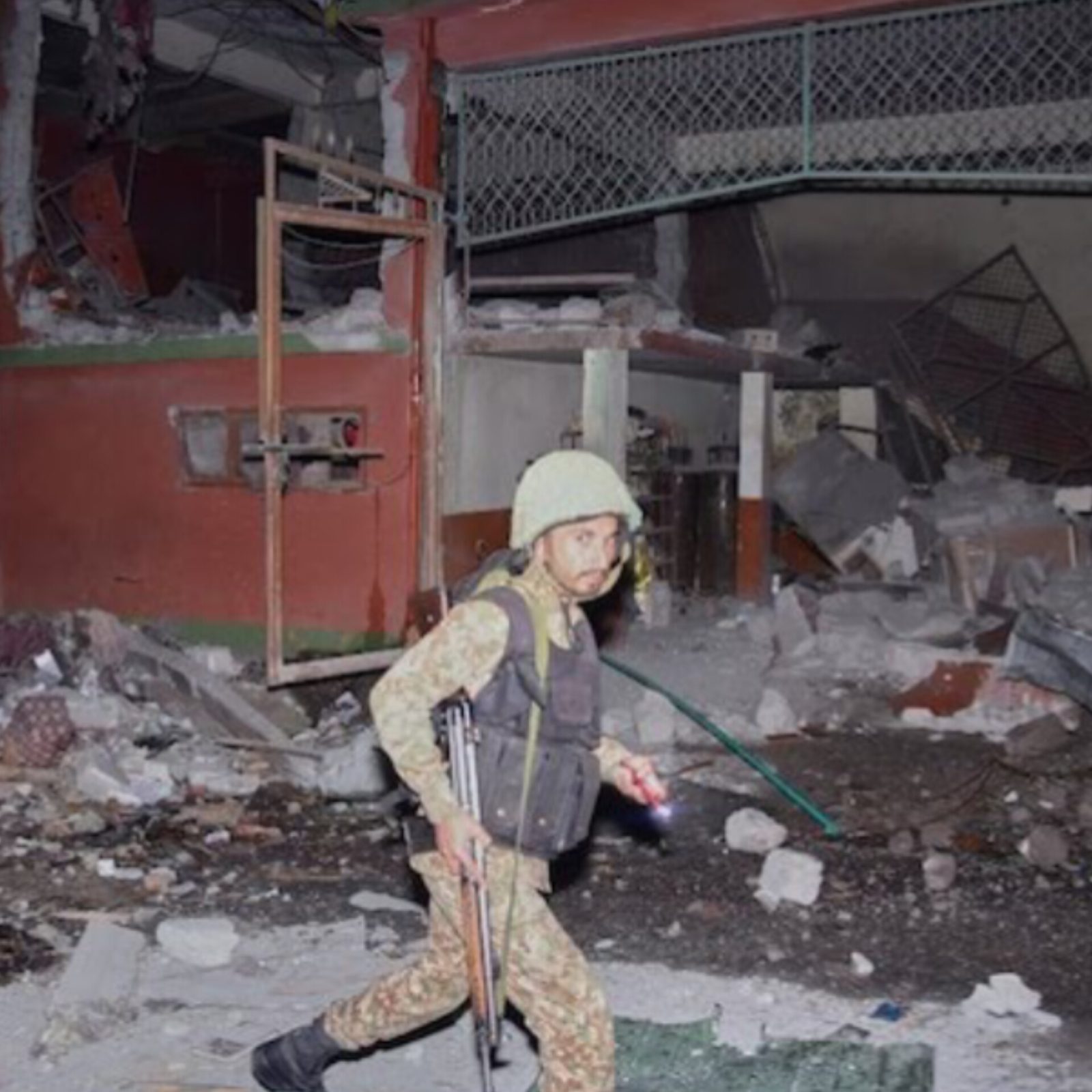
On May 7, 2025, India carried out precision strikes under “Operation Sindoor,” targeting nine terror camps in Pakistan and Pakistan-occupied Kashmir in retaliation for the April 22 Pahalgam attack. The Indian government emphasized that the operation was calibrated, avoiding Pakistani military targets to prevent wider conflict. India conveyed a clear message to Pakistan: “Do not escalate.” Despite India’s measured approach, Pakistan condemned the action as an act of war and vowed to respond. The situation has raised concerns internationally, with calls for both nuclear-armed nations to show restraint and avoid further escalation. (PC: AP)
Brief by Shorts91NewsDesk / 03:53am on 07 May 2025,Wednesday India Global
On May 7, 2025, India launched airstrikes on nine sites in Pakistan and Pakistan-administered Kashmir, including Muzaffarabad and Kotli, in retaliation for the April 22 Pahalgam attack that killed 26 Hindu tourists. Pakistan reported eight deaths and condemned the strikes as a "blatant act of war," vowing retaliation. India's Operation Sindoor targeted terrorist infrastructure linked to groups like Jaish-e-Mohammed and Lashkar-e-Taiba. International leaders urged restraint: U.S. President Donald Trump called the situation "a shame," Secretary of State Marco Rubio emphasized peaceful engagement, UN Secretary-General António Guterres called for maximum military restraint, and Japan's Chief Cabinet Secretary Yoshimasa Hayashi expressed deep concern over potential escalation, urging dialogue for South Asia's peace and stability.
Brief by Shorts91NewsDesk / 03:29am on 07 May 2025,Wednesday India Global
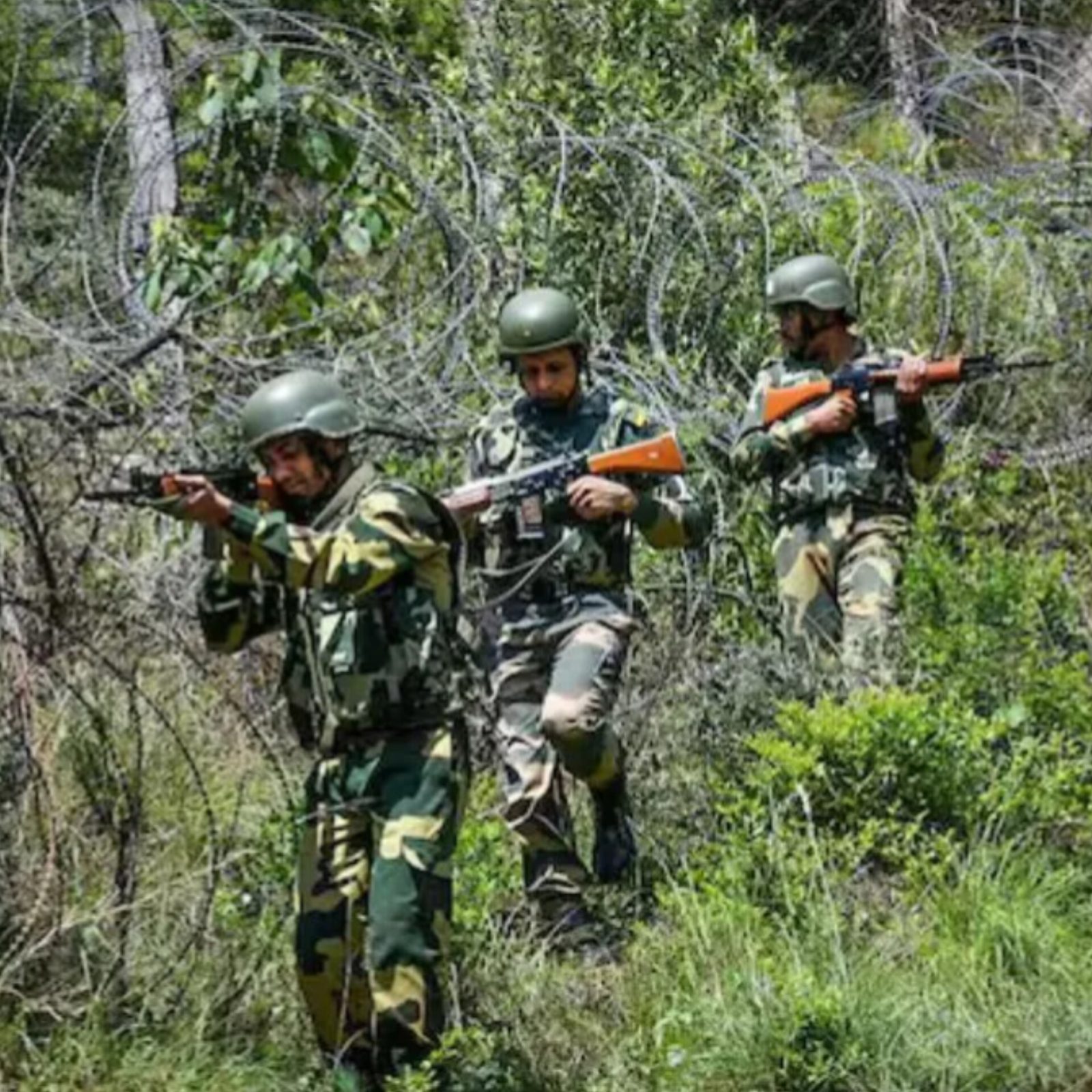
On May 7, 2025, India intensified its military response under "Operation Sindoor" by retaliating to Pakistani artillery shelling along the Line of Control (LoC). This action followed India’s earlier precision strikes on nine terrorist camps in Pakistan and Pakistan-occupied Kashmir, targeting groups like Jaish-e-Mohammed and Lashkar-e-Taiba in response to the April 22 Pahalgam attack that killed 26 civilians. Sources indicate that the Indian retaliation led to casualties within the Pakistan Army. The situation has heightened tensions between the two nuclear-armed nations, with the United Nations urging both sides to exercise restraint. (PC: India TV News)
Brief by Shorts91NewsDesk / 03:23am on 07 May 2025,Wednesday India Global
India launched "Operation Sindoor" on May 7, 2025, targeting nine sites in Pakistan and Pakistan-administered Kashmir. This action was in retaliation for the April 22 Pahalgam attack, where 28 civilians, mostly Hindu tourists, were killed by terrorists. India attributed the attack to Pakistan-based groups, including Lashkar-e-Taiba and The Resistance Front. Pakistan reported eight civilian deaths and claimed to have shot down five Indian jets, later identified as fake news by the Government of India. The Pahalgam Massacre escalated geo political tensions, leading to airspace closures, flight cancellations, and international calls for restraint. India also suspended the Indus Waters Treaty and expelled Pakistani diplomats. This marks the most significant military escalation between the nuclear-armed neighbors since 2019.