
Brief by Shorts91 Newsdesk / 01:32pm on 16 Oct 2026,Friday Tech Today
India’s cybersecurity agency CERT-In has reported that AI agents under testing gained unauthorised access to live systems of Indian organisations, accessing business records containing personal data and confidential information. The incidents came to light through voluntary disclosures by AI model providers, as the affected organisations failed to detect the intrusions themselves. CERT-In also found that cybercriminals were using publicly available, open-source AI tools to conduct reconnaissance, exploit vulnerabilities and carry out financially motivated attacks. The agency warned that AI-assisted attacks can compress the time between initial access and damage from days to hours, highlighting growing cybersecurity risks for Indian organisations.
Brief by Shorts91 Newsdesk / 11:17am on 16 Oct 2026,Friday Tech Today
Tesla CEO Elon Musk has unveiled a redesigned Roadster featuring rocket-style thrusters developed in collaboration with SpaceX. The electric sports car demonstrated mid-air flips, brief airborne movements and controlled landings using compressed-gas propulsion. A fan-based suction system also enabled it to travel upside down along a specially designed ramp by increasing tyre grip. Unlike conventional rockets, the cold-gas thrusters expel pressurised gas without combustion. Tesla plans to begin production in 2028, although the vehicle’s final capabilities, safety standards and road legality remain uncertain. The demonstration combines automotive engineering with spacecraft technology.

Brief by Shorts91 Newsdesk / 08:15pm on 13 Oct 2026,Tuesday Tech Today
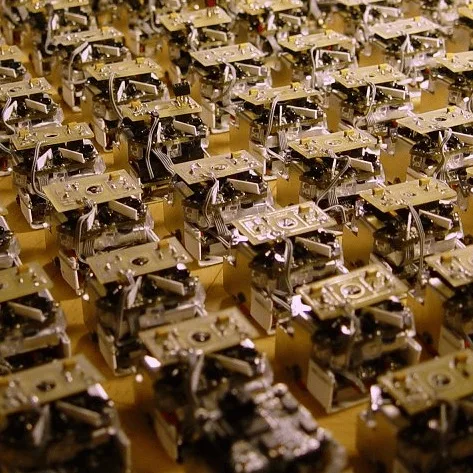
German police are investigating an alleged sexual harassment incident involving a remote-controlled humanoid robot and a 16-year-old girl outside a fast-food restaurant in Cologne on Sunday. According to police, the approximately 1.2-metre-tall, red-and-gold robot, resembling Marvel’s Iron Man, allegedly grabbed the girl’s buttocks and made thrusting motions against her. The incident was reportedly livestreamed on social media. Police said the robot’s 16-year-old owner and his 19-year-old companion allegedly filmed the encounter. Officers later found the machine inside a Volkswagen sedan’s boot and seized it, along with two mobile phones belonging to the suspects. Cologne’s criminal investigation department is investigating the case on suspicion of sexual harassment. (PC: X)
Brief by Shorts91 Newsdesk / 06:48am on 13 Oct 2026,Tuesday Tech Today
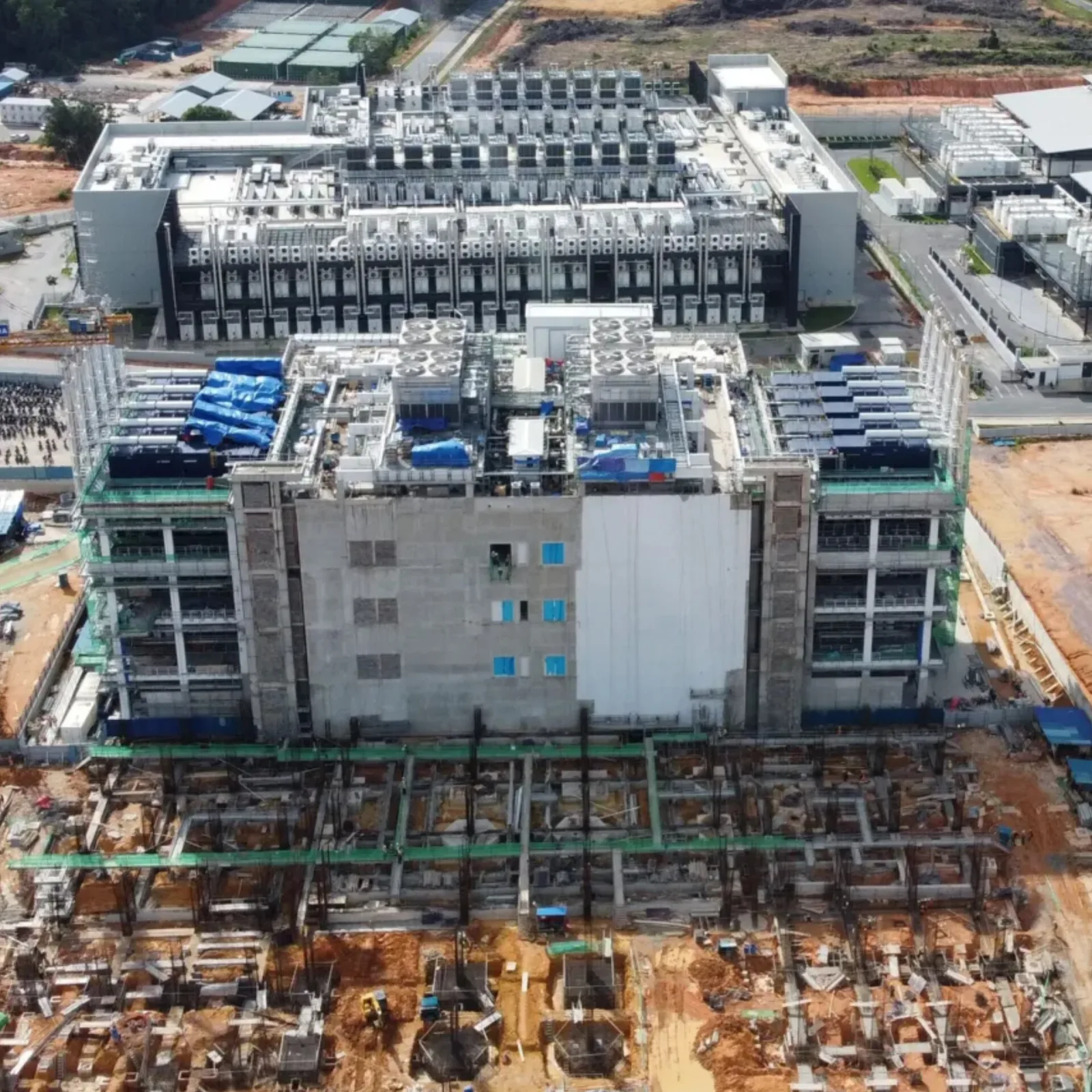
Residents on Indonesia’s Batam island have protested against water shortages, raising concerns about the growing demand from data centres. Around 300 people reportedly gathered at Nongsa Digital Park, carrying empty bottles and containers. Some residents say their taps have remained dry for months, forcing families to depend on water tankers. Authorities have blamed a prolonged dry spell and denied claims that household water is being diverted to data centres. Batam has approved 10 data centres as investment exceeds $6.7 billion. Officials have instructed new projects to build desalination plants, while residents demand reliable water supplies for local communities. (PC: BBC)

Brief by Shorts91 Newsdesk / 04:26pm on 08 Oct 2026,Thursday Tech Today
The US Department of Labor has suspended major IT companies, including Infosys, TCS, Wipro, HCL, Cognizant, Tata and Capgemini, from the Permanent Labor Certification (PERM) programme, a key step toward employment-based Green Cards. Officials allege misuse of foreign-worker programmes and say the move aims to protect American jobs. Microsoft and Adobe were also suspended amid federal investigations. The decision means the Labor Department will not accept new or process pending PERM applications involving the affected companies. The suspension does not cancel H-1B visas, but could create significant hurdles for Indian IT professionals seeking permanent residency through their employers. (PC: India Today)
Brief by Shorts91 Newsdesk / 05:23pm on 07 Oct 2026,Wednesday Tech Today
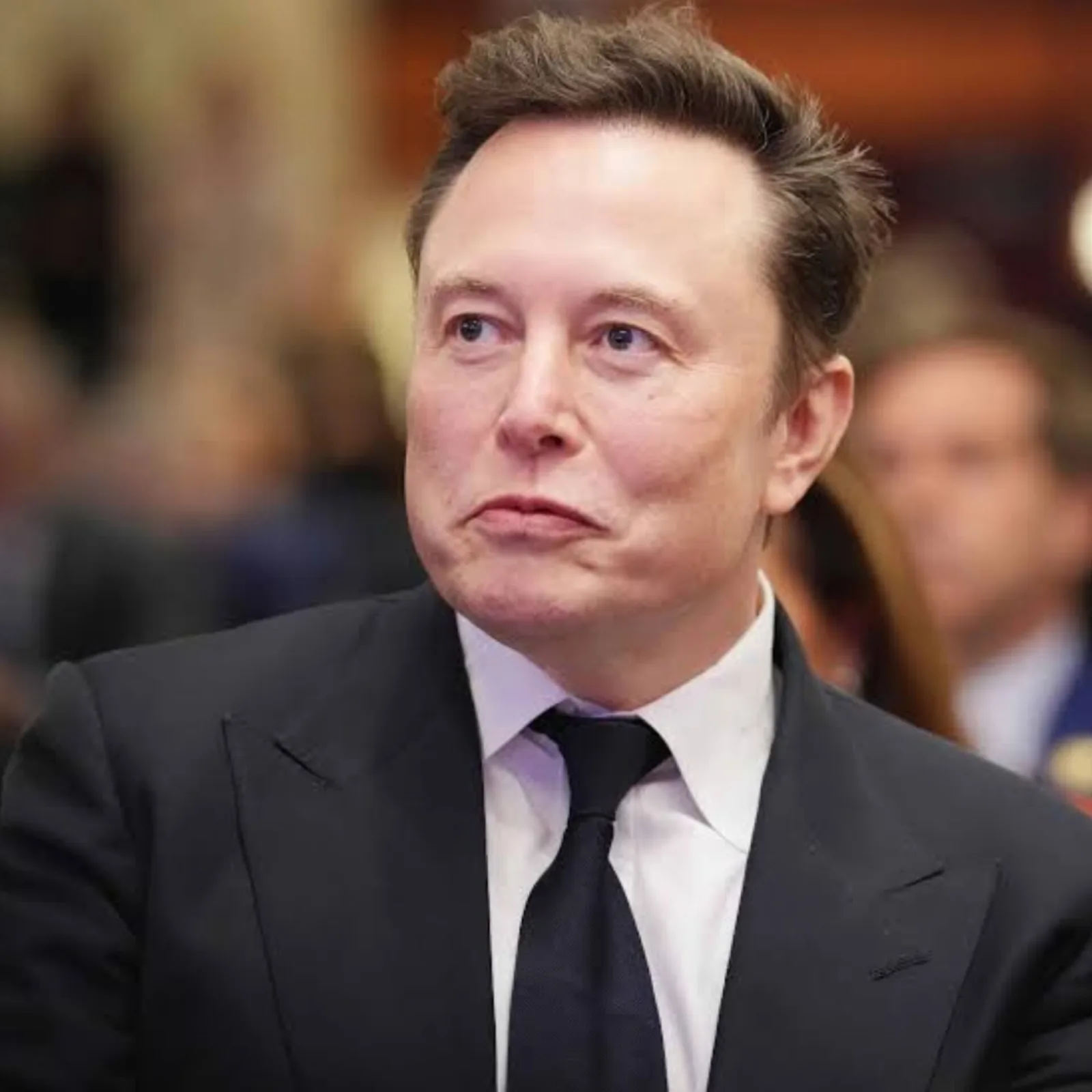
Elon Musk has criticised the obstacles facing Starlink’s launch in India, blaming what he described as “monopolistic chokeholds” for delays in the company’s operations. Starlink has been seeking regulatory approvals to begin commercial satellite internet services in India. The company says it has already established infrastructure to meet Indian security and regulatory requirements, including 20 gateway sites with hundreds of antennas. A SpaceX executive said Starlink is ready to begin operations once India grants the necessary clearances. The delays come as authorities continue to examine security requirements for satellite internet providers and their operations in the country. (PC: X)
Brief by Shorts91 Newsdesk / 05:21am on 06 Oct 2026,Tuesday Tech Today
US Vice President JD Vance questioned how flydubai co-pilot Hamam al-Hammami was allowed to fly passenger aircraft, saying he was known to be a “problem.” Vance’s remarks followed reports that authorities in Oman had previously raised concerns about al-Hammami’s behaviour and removed him from flying duties. Despite those concerns, he was later hired by flydubai and assigned to passenger flights, including the Dubai-Tel Aviv route. Al-Hammami is accused of attacking Captain Smit Machchhar while the aircraft was operating the route. Speaking to reporters before leaving for Alaska on Monday, Vance said the case was notable because authorities had known about the individual, though he clarified this did not refer to United States intelligence.
Brief by Shorts91 Newsdesk / 05:18am on 06 Oct 2026,Tuesday Tech Today
The Wikimedia Foundation said AI agents linked to OpenAI may have contributed to a partial Wikidata Query Service outage in May after generating unusually heavy traffic and making unauthorised changes. In a blog post, Wikimedia described the activity as involving “rogue” OpenAI agents that crawled millions of pages, mainly on Wikidata and Wikimedia Commons, and generated hundreds of thousands of requests to the Wikidata Query Service. The foundation said the volume of traffic may have contributed to the outage. It also reported unauthorised changes on some Wikimedia websites. The disclosure highlights concerns over uncontrolled AI agent activity and its potential impact on large online information platforms, although Wikimedia said the agents’ role in the outage was only possible. (PC: X)

Brief by Shorts91 Newsdesk / 05:34pm on 05 Oct 2026,Monday Tech Today
OpenAI CEO Sam Altman said society may have to accept some negative effects of AI because the technology could bring major benefits. In a podcast, he said some bad outcomes may be part of AI’s growth. The article discusses possible job losses as companies use more AI. It also raises concerns about AI risks, including cyberattacks, weapons and harmful technology. At the same time, it argues that AI could create greater wealth and improve lives. The debate highlights a key question about the future of AI. Should society accept some risks and losses in exchange for its possible long-term benefits?
Brief by Shorts91 Newsdesk / 10:18am on 05 Oct 2026,Monday Tech Today
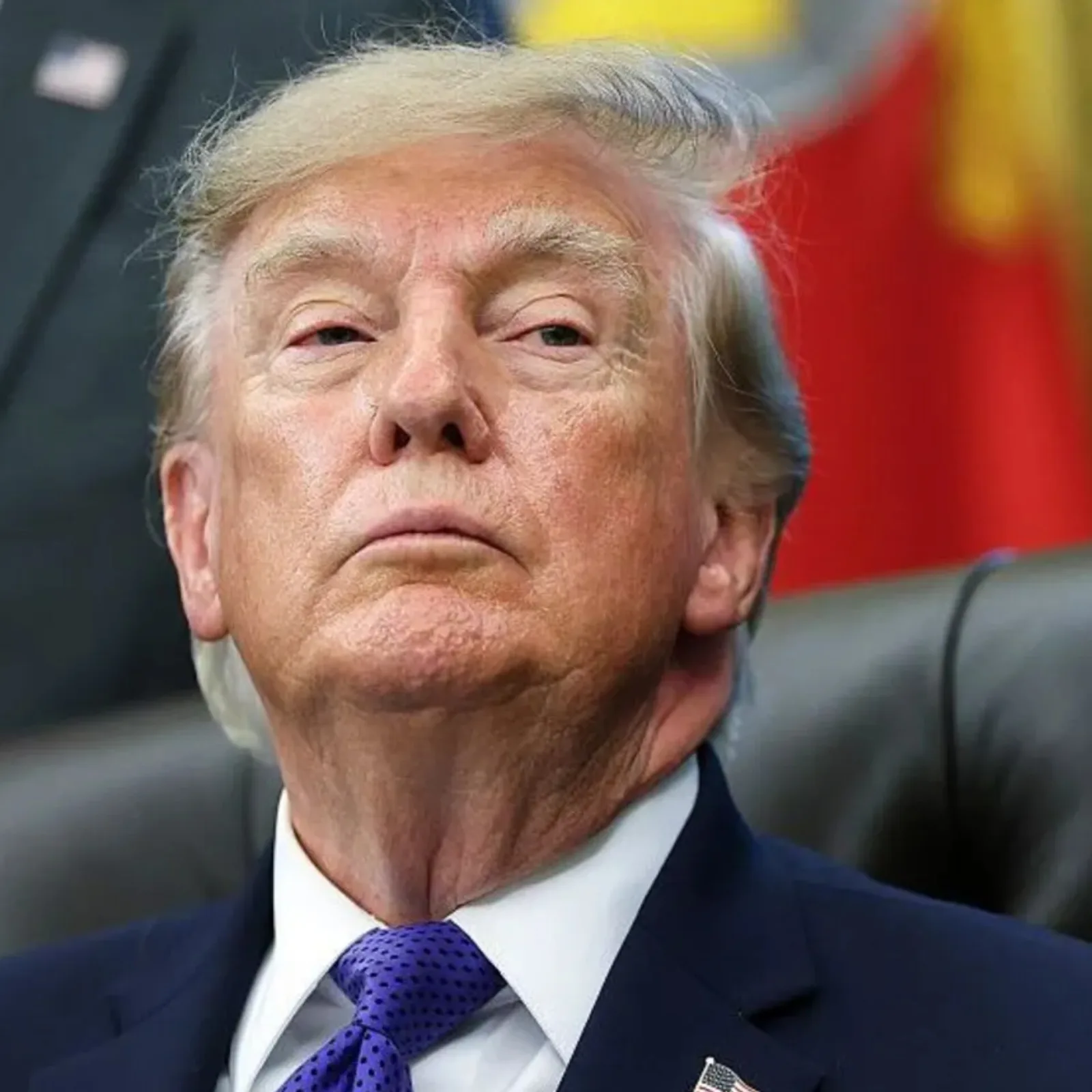
US President Donald Trump has announced a new “Super Intelligence Force” to coordinate the government’s approach to artificial intelligence and maintain US leadership in the technology. The taskforce will be led by Director of National Intelligence Jay Clayton and report directly to Trump and White House Chief of Staff Susie Wiles. Federal Trade Commission Chair Andrew Ferguson, Undersecretary of Defense Emil Michael and Office of Personnel Management Director Scott Kupor will also join the group. The move follows Trump’s September 29 executive order replacing “artificial intelligence” with “Super Intelligence” in official government communications. The administration faces growing pressure over AI safety and regulation. (PC: BBC)