
Brief by Shorts91 Newsdesk / 01:41pm on 18 Oct 2026,Sunday Health & Wellness
India’s government has expanded cancer drug price controls, targeting 137 anti-cancer medicines to make treatment more affordable. Announced by the Ministry of Chemicals and Fertilizers, the measure caps trade margins at 30% of the maximum retail price, with reductions of up to 70% expected from November 9, 2026. The medicines include immunotherapy drugs used to treat more than 20 cancer types, including breast, prostate, colon, ovarian and cervical cancers. The initiative builds on a 2019 programme covering 42 cancer drugs, which reduced prices by up to 90%.

Brief by Shorts91 Newsdesk / 07:33am on 18 Oct 2026,Sunday Health & Wellness
The Centre has capped trade margins at 30% for 137 anti-cancer medicines, a move expected to reduce their prices by up to 70%. The National Pharmaceutical Pricing Authority (NPPA) approved the measure to curb excessive mark-ups and make cancer treatment more affordable. The revised prices will come into effect on November 9, 2026. The cap applies to non-scheduled cancer medicines, which were previously outside government-fixed ceiling prices. The government aims to reduce the financial burden on patients while ensuring continued supplies. Drug manufacturers have been directed to maintain production levels to prevent shortages of these essential medicines. (PC: HT)
Brief by Shorts91 Newsdesk / 04:18pm on 08 Oct 2026,Thursday Health & Wellness
The Centre has capped trade margins at 30% of the Maximum Retail Price (MRP) for all non-scheduled anti-cancer medicines, aiming to make cancer treatment more affordable. The measure covers branded and generic, domestic and imported, patented and non-patented drugs. According to government sources, the move could reduce the MRPs of some cancer medicines by up to 70% and save patients around ₹2,500 crore annually. The decision follows concerns raised by the Supreme Court over large differences between retailer purchase prices and MRPs. The policy seeks to curb excessive mark-ups while maintaining medicine availability.
Brief by Shorts91 Newsdesk / 04:55pm on 07 Oct 2026,Wednesday Health & Wellness
Kenya has quarantined 10 people who came into contact with the country’s first confirmed Ebola patient, who died in Nairobi on Monday after travelling from the Democratic Republic of Congo. Authorities are tracing 57 additional contacts as concerns grow over screening measures. Africa CDC chief Jean Kaseya questioned how the patient, who had been sick for about a month, travelled through several cities in DR Congo, Uganda and finally Kenya without being detected. Kenyan officials said medication may have masked his symptoms. More than 650,000 travellers have been screened, while authorities have intensified surveillance at airports and border crossings. (PC: BBC)
Brief by Shorts91 Newsdesk / 10:48am on 06 Oct 2026,Tuesday Health & Wellness
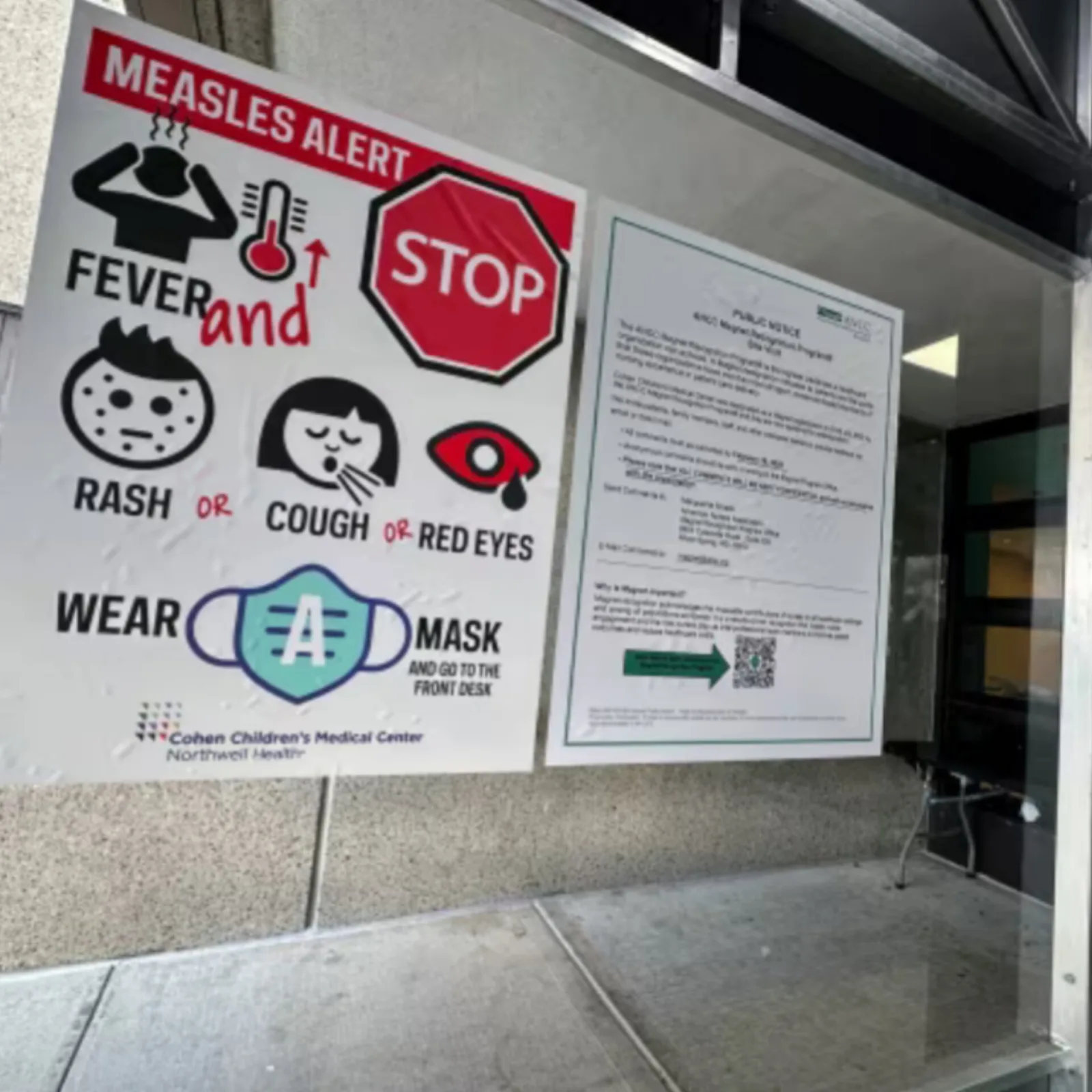
New York Governor Kathy Hochul declared a statewide disaster emergency on Monday over a growing measles outbreak, the first such declaration by a US state since cases began surging in 2025. The state has reported 108 cases this year through October 3. Of these, 92 have appeared since July 15 in under-vaccinated rural communities across 18 counties. Seven cases are in New York City and 101 are elsewhere in the state. The order lets pharmacists vaccinate children as young as two and allows registered nurses to order measles tests. All MMR doses must now be reported within 72 hours. The emergency runs through November 4. (PC: CNN)
Brief by Shorts91 Newsdesk / 06:18pm on 05 Oct 2026,Monday Health & Wellness
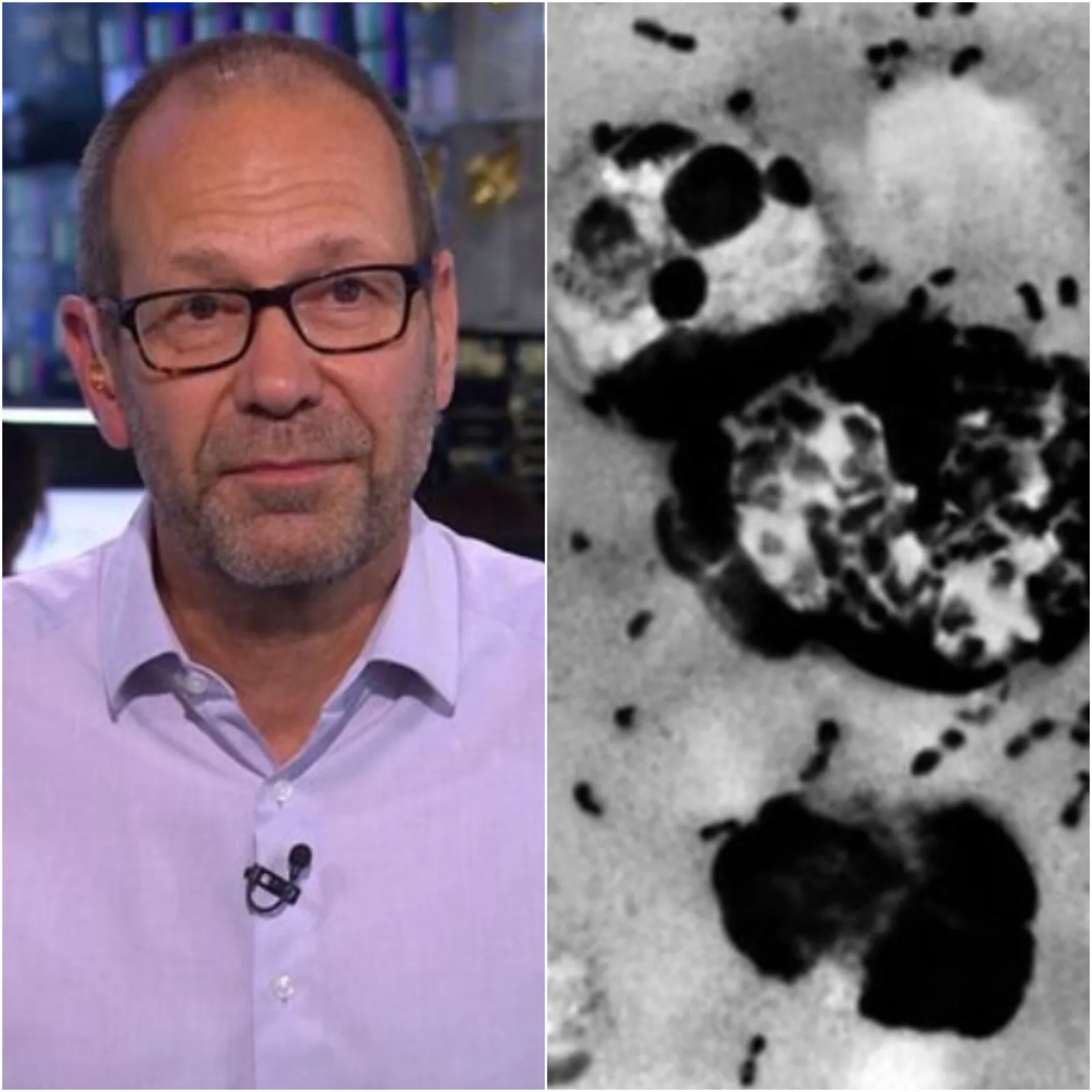
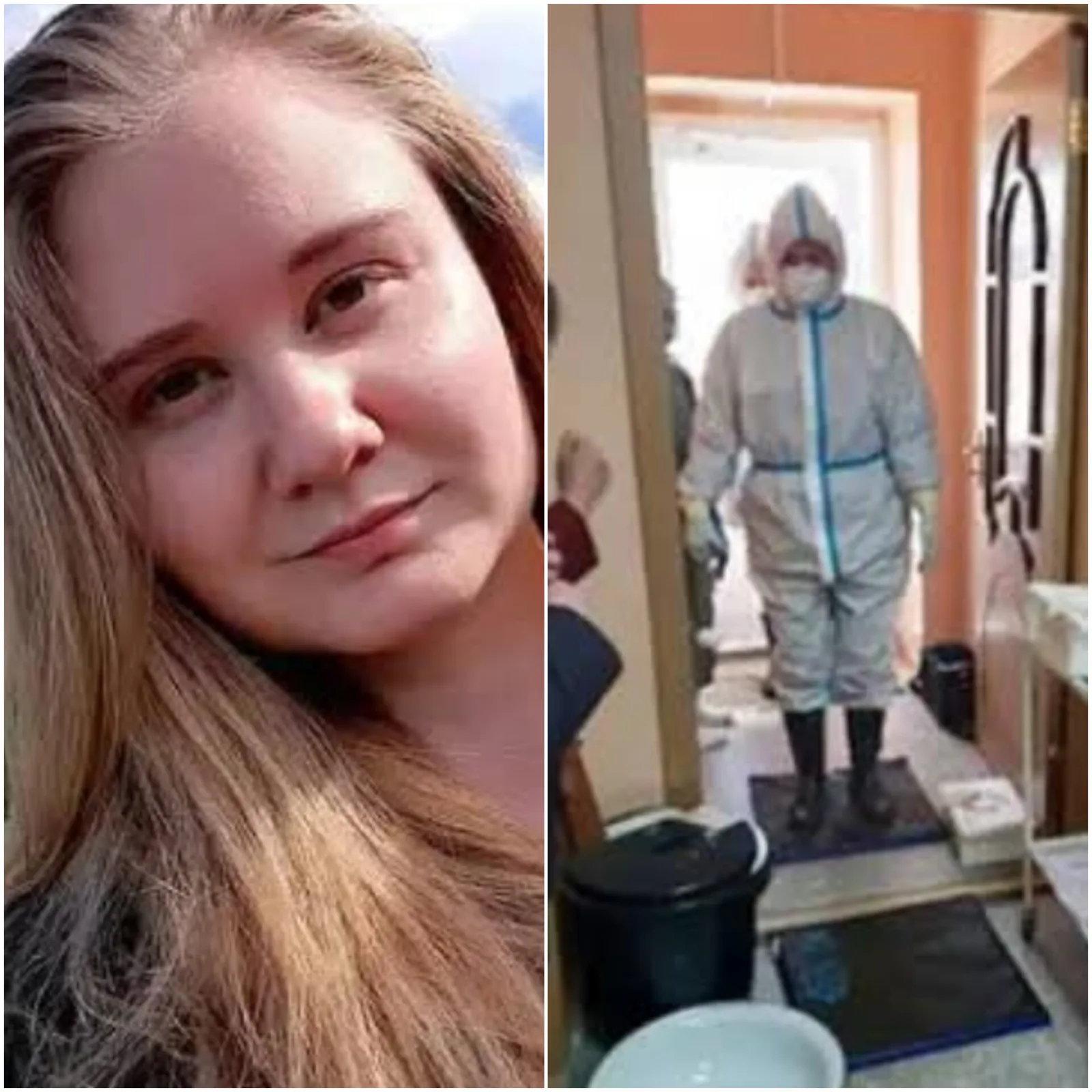
The US is closely monitoring the situation in Russia after a laboratory worker died from pneumonia of unknown origin. The 28-year-old researcher worked at the Irkutsk Anti-Plague Research Institute. There are concerns she may have been exposed to pneumonic plague. Russian authorities said they found no evidence that her illness was caused by pathogens she worked with. Nearly 200 people who had contact with her are being monitored. A medical facility where she was treated has been placed under quarantine. Her exact cause of death has not been confirmed. Health experts said pneumonic plague can spread through respiratory particles but is treatable.
Brief by Shorts91 Newsdesk / 06:58am on 05 Oct 2026,Monday Health & Wellness
A 28-year-old laboratory technician in Russia’s Irkutsk region has died after reportedly contracting suspected pneumonic plague at an anti-plague research institute. Darya Shipilova was hospitalised on September 29 with severe pneumonia and died on October 1 after being placed on a ventilator. Local reports said she may have been exposed to live bacteria after accidentally breaking a test tube while collecting samples. More than 200 people who may have had contact with her have been quarantined and placed under medical observation. Several hospitals and public events were reportedly affected. Authorities said no plague outbreak has been confirmed and urged people to remain calm. (PC: NDTV)
Brief by Shorts91 Newsdesk / 11:19am on 23 Sep 2026,Wednesday Health & Wellness
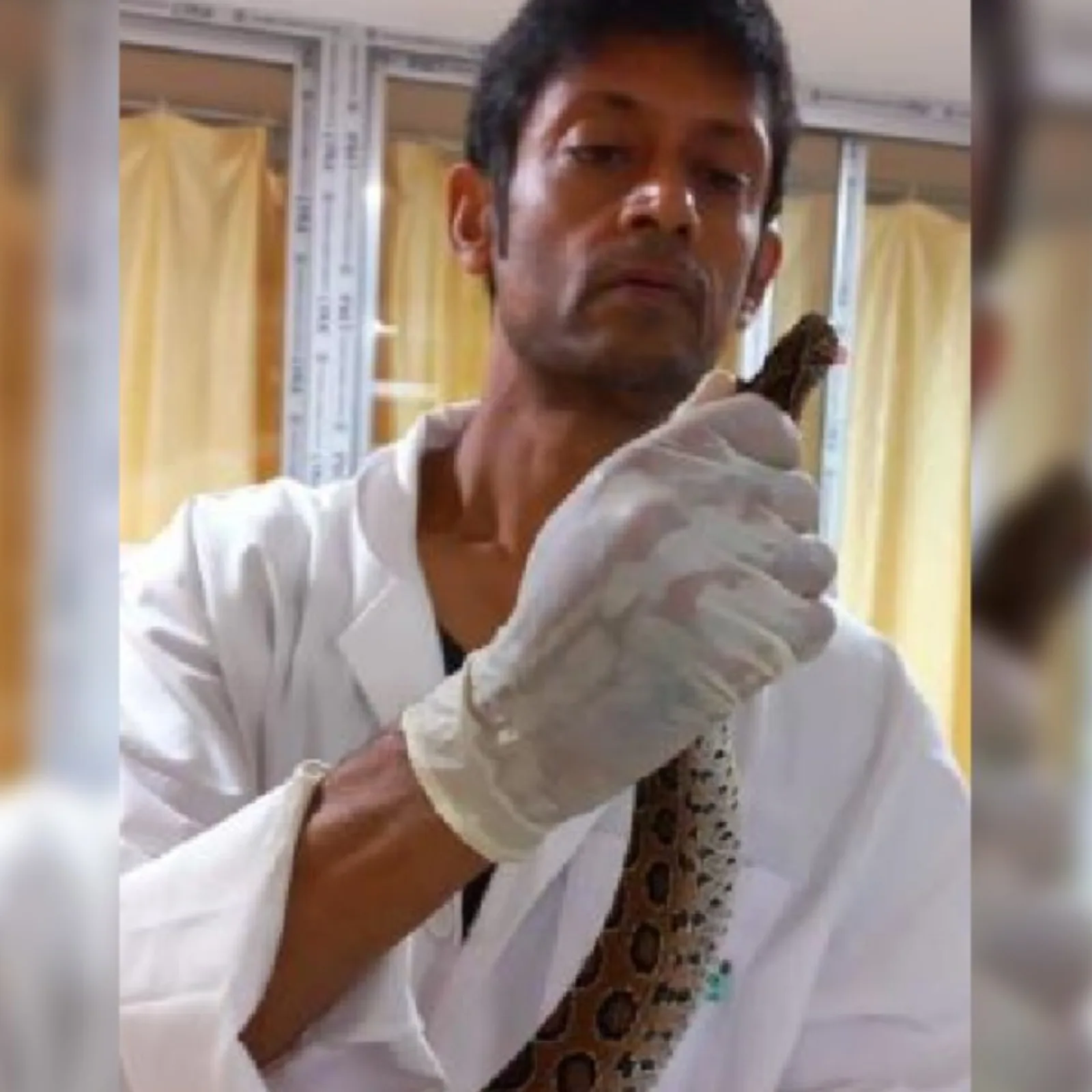
Monosha Biotech, a startup incubated by IIM Calcutta Innovation Park, is developing region-specific antivenom using snake venom collected in Bengal. Most commercial Indian antivenoms currently use venom sourced from Tamil Nadu, although venom composition can vary with geography, diet and environment. The startup extracts venom at its Baruipur laboratory and works with Bengal’s forest and health departments. The company plans to supply the venom to pharmaceutical manufacturers, with its first commercial batch expected around 2028. Experts say a Bengal-specific antivenom could address efficacy gaps, particularly in cases involving Russell’s vipers, which account for many serious snakebites in the state. (PC: The Telegraph)
Brief by Shorts91 Newsdesk / 04:15pm on 09 Sep 2026,Wednesday Health & Wellness
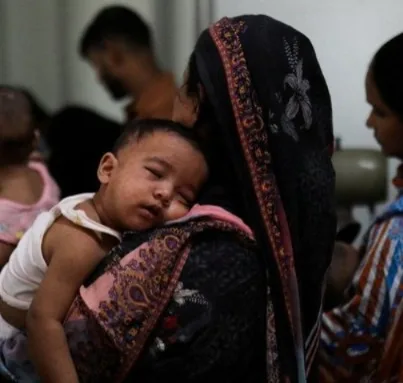
Bangladesh is facing a devastating measles outbreak that has reportedly killed more than 1,000 children since March, according to health officials. The Directorate General of Health Services (DGHS) recorded 1,002 deaths and 187,484 measles infections among children, making the outbreak one of the country’s deadliest in decades. The crisis has highlighted gaps in vaccination coverage, leaving children who missed immunisation particularly vulnerable to the highly contagious disease. The outbreak is also placing growing pressure on Bangladesh’s healthcare system. The scale of infections and deaths has renewed concerns over declining or incomplete vaccine coverage and the continuing threat posed by preventable diseases. Authorities face the challenge of containing transmission while protecting vulnerable children from further deaths. (PC: X/@DailySabah)

Brief by Shorts91 Newsdesk / 08:22am on 08 Sep 2026,Tuesday Health & Wellness
Deaths linked to second-hand smoke in India have increased by nearly 50% since 1990, according to a new study published in The Lancet Public Health. The study estimated that 325,600 people died from illnesses linked to passive smoking in 2023. About 444 million Indians were exposed to second-hand smoke that year. Passive smoking is linked to serious diseases, including heart disease, stroke, lung cancer and COPD. Children are especially at risk. Researchers said smoke-free homes, workplaces and public places can help reduce exposure. They also called for greater awareness, stronger tobacco controls and better support to help people quit smoking.