Brief by Shorts91NewsDesk / 11:34am on 25 Apr 2025,Friday India
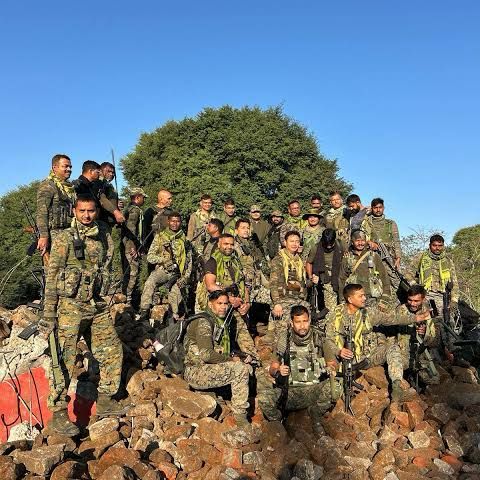
In a decisive move, over 10,000 Indian security personnel have encircled Maoist insurgents in Chhattisgarh's Bastar region, marking the largest operation against Naxalites to date. Home Minister Amit Shah issued a stern ultimatum: "Surrender or perish," emphasizing the government's aim to eradicate the insurgency by early 2026. The Naxalite movement, rooted in a 1967 uprising, has significantly waned, with fatalities among rebels increasing in recent months. Authorities have reduced affected districts from 96 in 2010 to 45 in 2023, bolstered by substantial investments in infrastructure and social programs. A new surrender policy is also underway to facilitate the reintegration of former rebels into mainstream society. (PC: Facebook)
Brief by Shorts91NewsDesk / 11:31am on 25 Apr 2025,Friday International
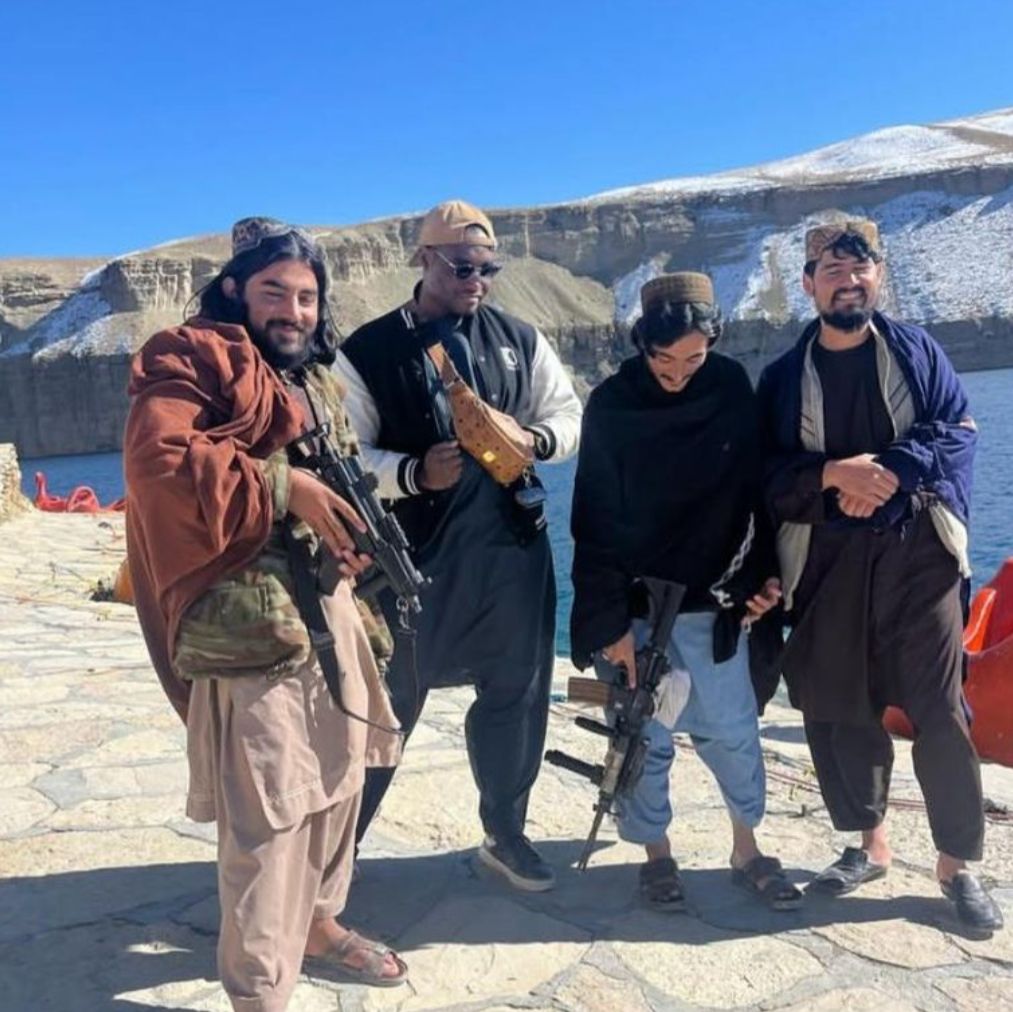
Toyosi Osideinde, a 30-year-old British financial adviser and extreme travel enthusiast, embarked on an 11-day trip to Taliban-controlled Afghanistan, seeking unique experiences. Having previously visited high-risk countries like Iraq and Syria, he entered Afghanistan via Pakistan, navigating tight security and Taliban scrutiny. During his stay, he explored Afghan life and noted surprising signs of social freedom for women under Taliban rule. Unexpectedly, he developed a romantic relationship with a Taliban member serving as his hotel security guard, bonding over meals and watching "Gossip Girl," despite a language barrier. Their brief but intense relationship was marked by emotional and physical intimacy. Toyosi plans further ventures to Ukraine and Georgia, continuing his passion for exploring politically volatile regions. (PC: The Tribune)
Brief by Shorts91NewsDesk / 10:52am on 25 Apr 2025,Friday India Global
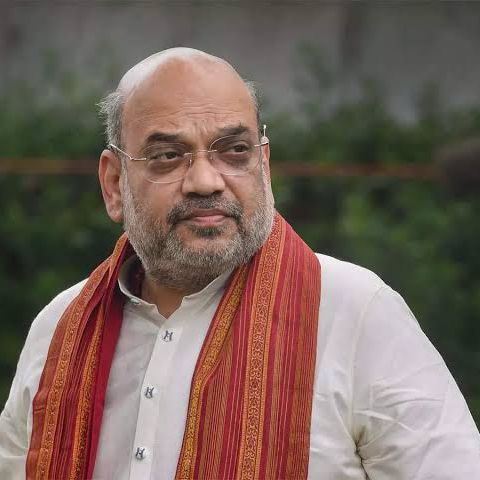
In response to the Pahalgam terror attack that claimed 26 lives, Union Home Minister Amit Shah has directed all state Chief Ministers to identify Pakistani nationals within their jurisdictions to facilitate visa cancellations. The Centre has revoked all existing visas for Pakistani nationals, effective April 27, with medical visas valid only until April 29. Additionally, Pakistani nationals under the SAARC Visa Exemption Scheme have been ordered to leave India within 48 hours. These measures follow the government's decision to suspend the Indus Waters Treaty and close the Attari-Wagah border crossing. The Ministry of External Affairs emphasized that these actions are in response to the attack, which targeted civilians in Jammu and Kashmir. (PC: The Economic Times)

Brief by Shorts91NewsDesk / 10:50am on 25 Apr 2025,Friday India Global
Pakistan has abruptly closed its airspace to Indian airlines amid escalating tensions following the Pahalgam terror attack in Jammu and Kashmir. IndiGo acknowledged disruptions to several international flights, urging passengers to check flight status and explore rebooking or refund options. Air India announced that flights to or from North America, the UK, Europe, and the Middle East will take extended alternative routes, providing helpline numbers for affected passengers. The sudden restriction, without prior notice, has left airlines scrambling to manage schedules and offer alternate arrangements. Flights typically passing through Pakistani airspace en route to the Middle East or Europe are expected to experience increased durations and connectivity issues. (PC: Wikipedia & The Financial Times)
Brief by Shorts91NewsDesk / 10:48am on 25 Apr 2025,Friday India Global
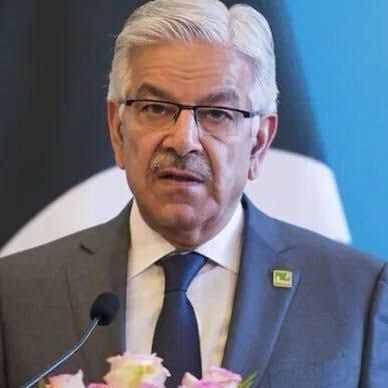
Pakistan’s Defence Minister Khawaja Asif, in a recent interview, acknowledged that Pakistan had been supporting and training terrorists over the past three decades, attributing this to alliances with the US and Western nations during conflicts like the Cold War and post-9/11 operations. He described these actions as a "mistake" that adversely affected Pakistan. This admission aligns with India's longstanding claims about Pakistan's involvement in terrorism. Despite this, Asif accused India of orchestrating the recent Pahalgam terror attack, which resulted in 26 tourist deaths, and denied the existence of Lashkar-e-Taiba, the group blamed for the attack. These statements have intensified tensions between the two countries. (PC: India Today)
Brief by Shorts91NewsDesk / 10:47am on 25 Apr 2025,Friday India Global
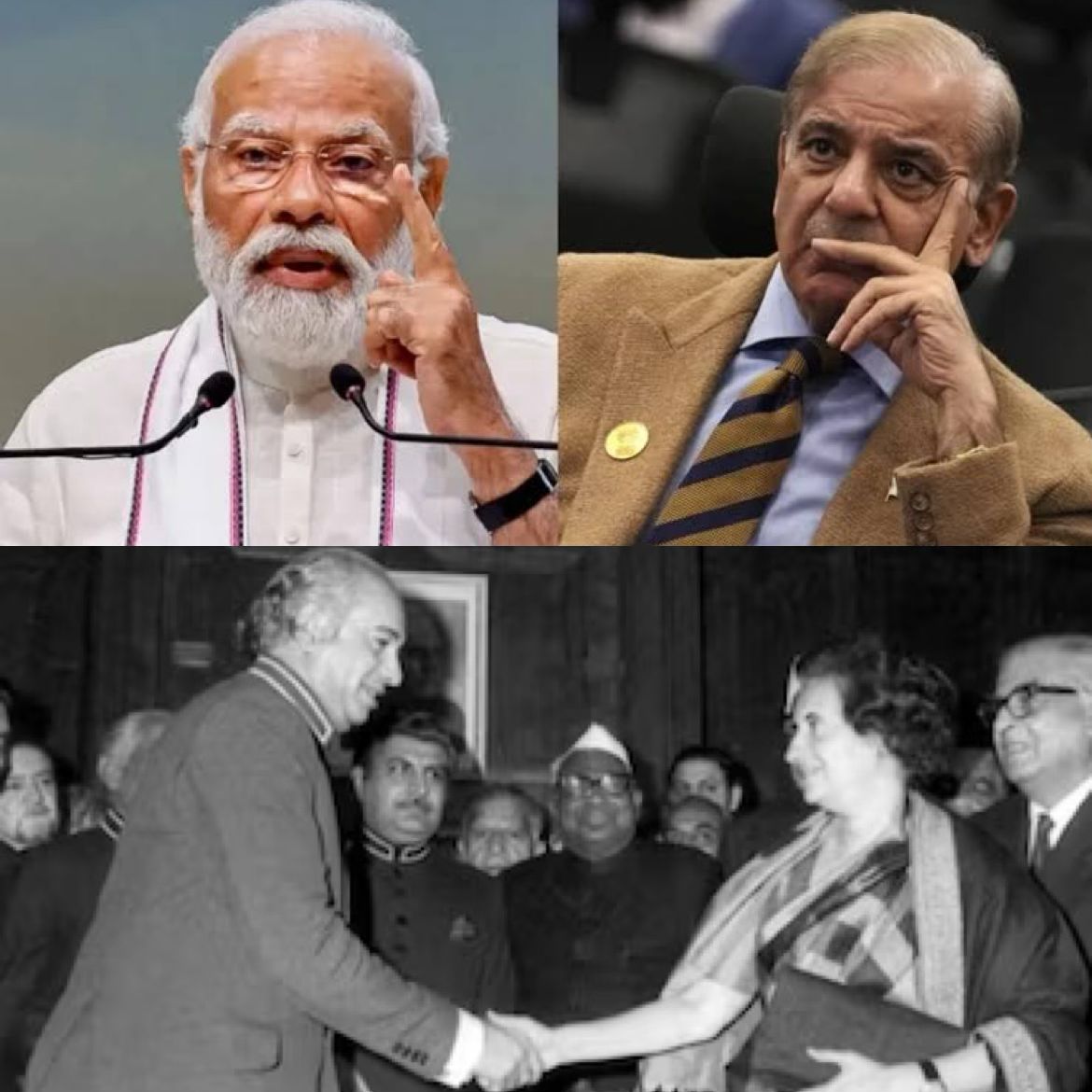
Pakistan's suspension of the 1972 Simla Agreement, following the Pahalgam terror attack, inadvertently offers India strategic advantages. The Simla Agreement emphasized bilateral resolution of disputes and maintaining the status quo in Jammu and Kashmir. By putting it on hold, Pakistan may have opened the door for India to, Internationalize the Kashmir issue, previously confined to bilateral discussions. Parallely Redefine the Line of Control (LoC) without being bound by the agreement's constraints. Also Strengthen its stance on Jammu and Kashmir's integration, potentially altering its constitutional and administrative approaches. This development could significantly reshape Indo-Pak relations and the regional geopolitical landscape. (PC: Zoom News & Firstpost)
Brief by Shorts91NewsDesk / 10:44am on 25 Apr 2025,Friday India
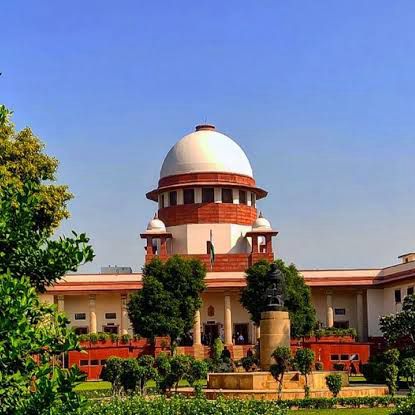
The Centre informed the Supreme Court that laws enacted by Parliament, such as the Waqf (Amendment) Act, 2025, are presumed constitutional and cannot be stayed without substantial grounds. The Act, which introduces non-Muslims into Waqf boards and enhances government oversight, has sparked controversy. Critics argue it infringes on Muslim rights and could lead to the seizure of historic religious properties. Multiple petitions challenge its validity, prompting the Supreme Court to halt certain provisions and seek the government's response. Union Minister Kiren Rijiju emphasized the necessity of implementing the Act, stating that non-compliance would be unconstitutional. The debate continues amid concerns over religious autonomy and property rights. (PC: Live Law)

Brief by Shorts91NewsDesk / 08:19am on 25 Apr 2025,Friday India Global
Indian intelligence has uncovered that the terror module responsible for the recent Pahalgam attack, which claimed 26 lives, was orchestrated by Lashkar-e-Taiba chief Hafiz Saeed. The module, managed remotely from Pakistan, infiltrated India via the Line of Control. Investigations reveal that Saeed directed the operatives, providing logistical support and strategic oversight. This marks a significant escalation, directly implicating Saeed, who is currently serving a 78-year sentence in Pakistan for terror financing. Indian authorities are intensifying efforts to dismantle cross-border terror networks, with national security agencies on high alert. The revelation has heightened tensions between India and Pakistan, prompting calls for international accountability and renewed scrutiny of Pakistan's counter-terrorism commitments. (PC: Wikipedia)
Brief by Shorts91NewsDesk / 08:12am on 25 Apr 2025,Friday India Global
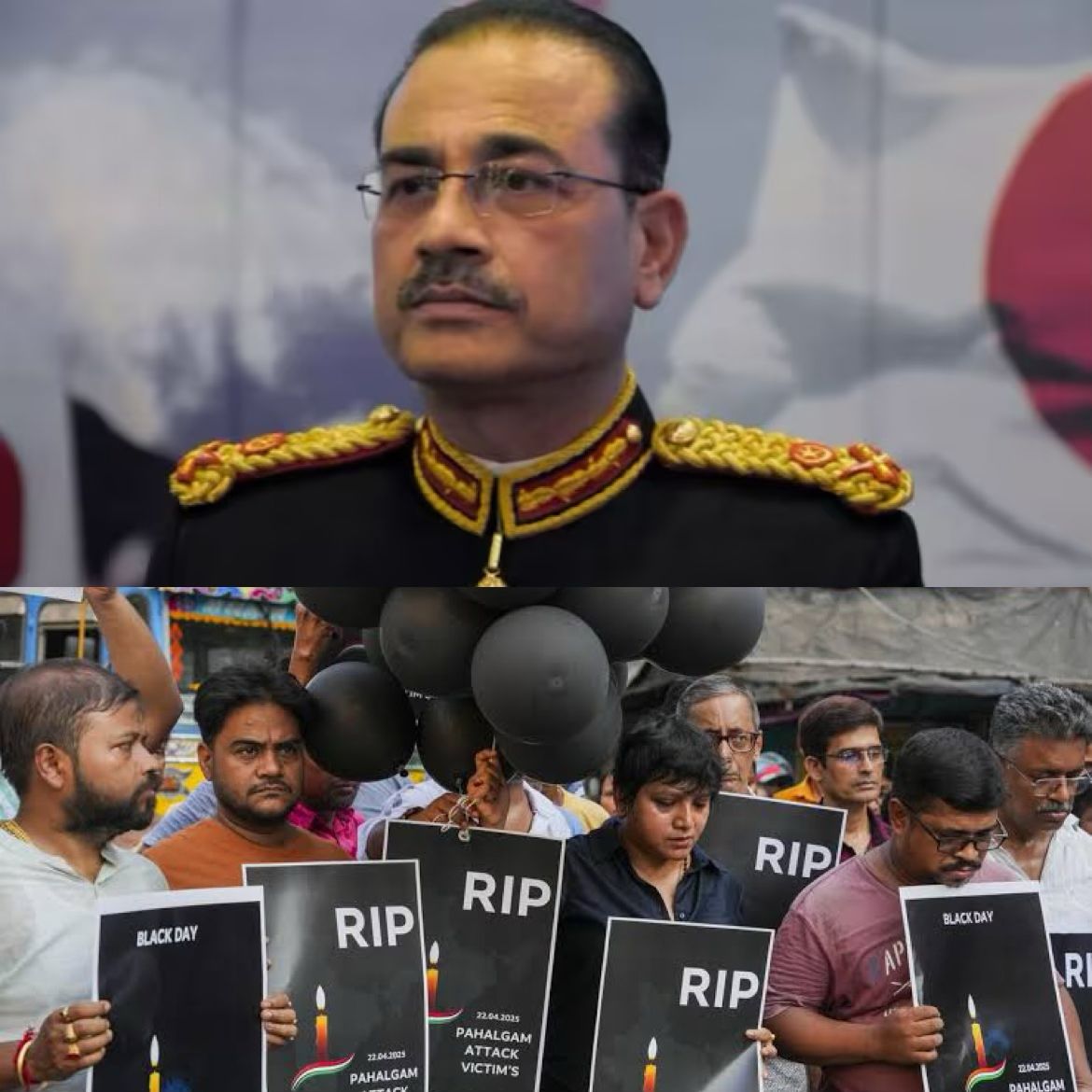
Pakistan has announced a series of retaliatory measures against India following a deadly attack in Indian-administered Kashmir that killed at least 26 people. The Resistance Front (TRF), believed to be linked to Pakistan-based Lashkar-e-Taiba, claimed responsibility. India responded by suspending the Indus Waters Treaty and sealing its main land border. Pakistan, denying involvement, has paused a canal project, suspended SAARC visas, reduced Indian diplomatic staff, and plans to close the Wagah border by April 30. All Indian citizens, except Sikh pilgrims, must leave within 48 hours. Pakistan's Defence Minister refuted India's allegations, warning that any military response would be met reciprocally. Both nations continue to claim the disputed Kashmir region. (PC: The Hindu & Al Jazeera)
Brief by Shorts91NewsDesk / 08:09am on 25 Apr 2025,Friday India Global
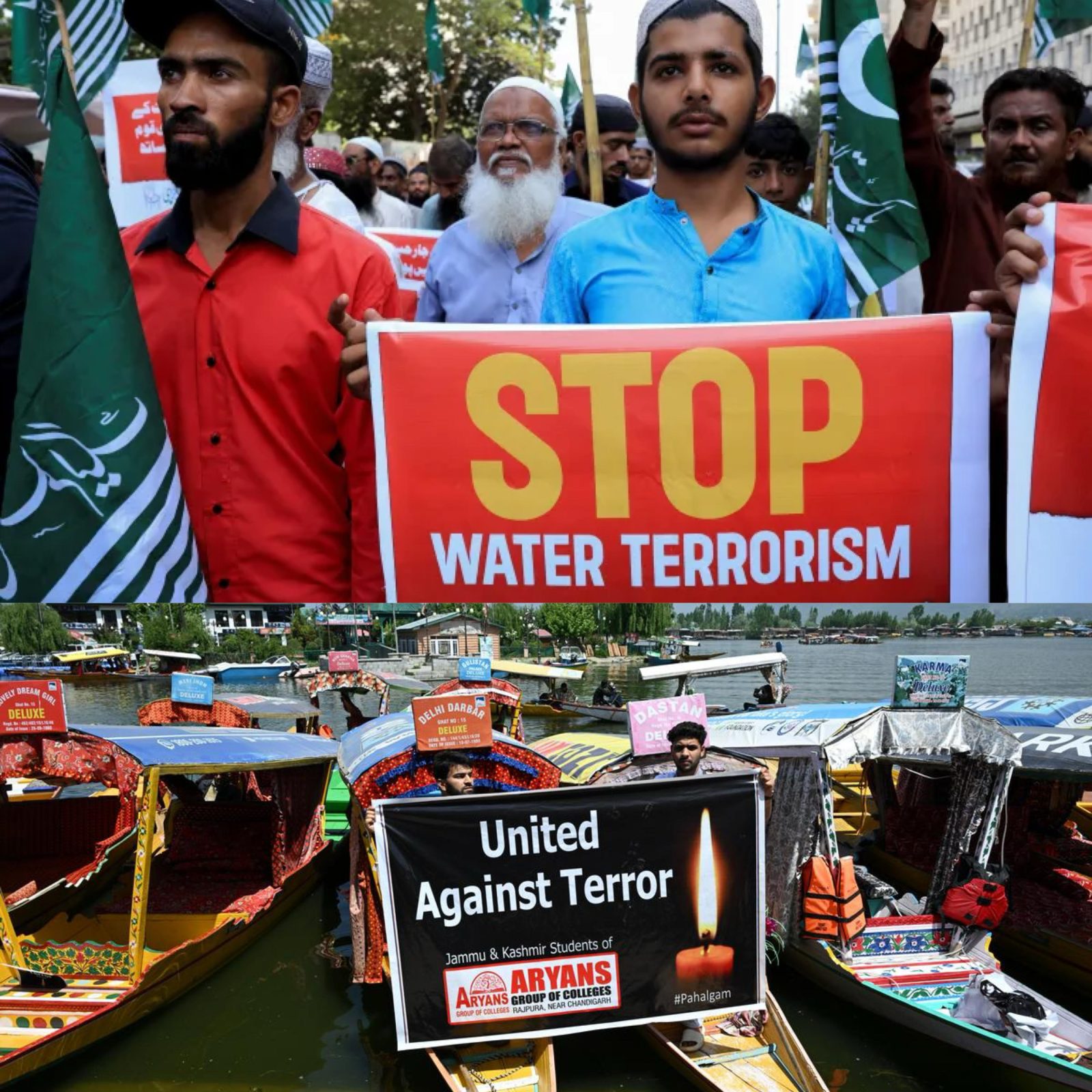
In response to a deadly terrorist attack in Kashmir that killed 26 civilians, India attributed the incident to Pakistan-based militants. India suspended the 1960 Indus Waters Treaty, downgraded diplomatic ties, and closed its only land route with Pakistan. Pakistan retaliated by closing its airspace to Indian airlines, suspending trade, halting visas for Indian nationals, and placing all bilateral agreements, including the 1972 Shimla Agreement, in abeyance. Pakistan warned that any interference with its water entitlement could be considered an act of war. The escalating tensions have sharply impacted Pakistan’s financial markets and raised concerns about broader regional implications, as both nuclear-armed nations navigate a deteriorating relationship. (PC: The Hindu & AP)