Brief by Shorts91 Newsdesk / 07:12am on 17 Sep 2026,Thursday Weather & Environment
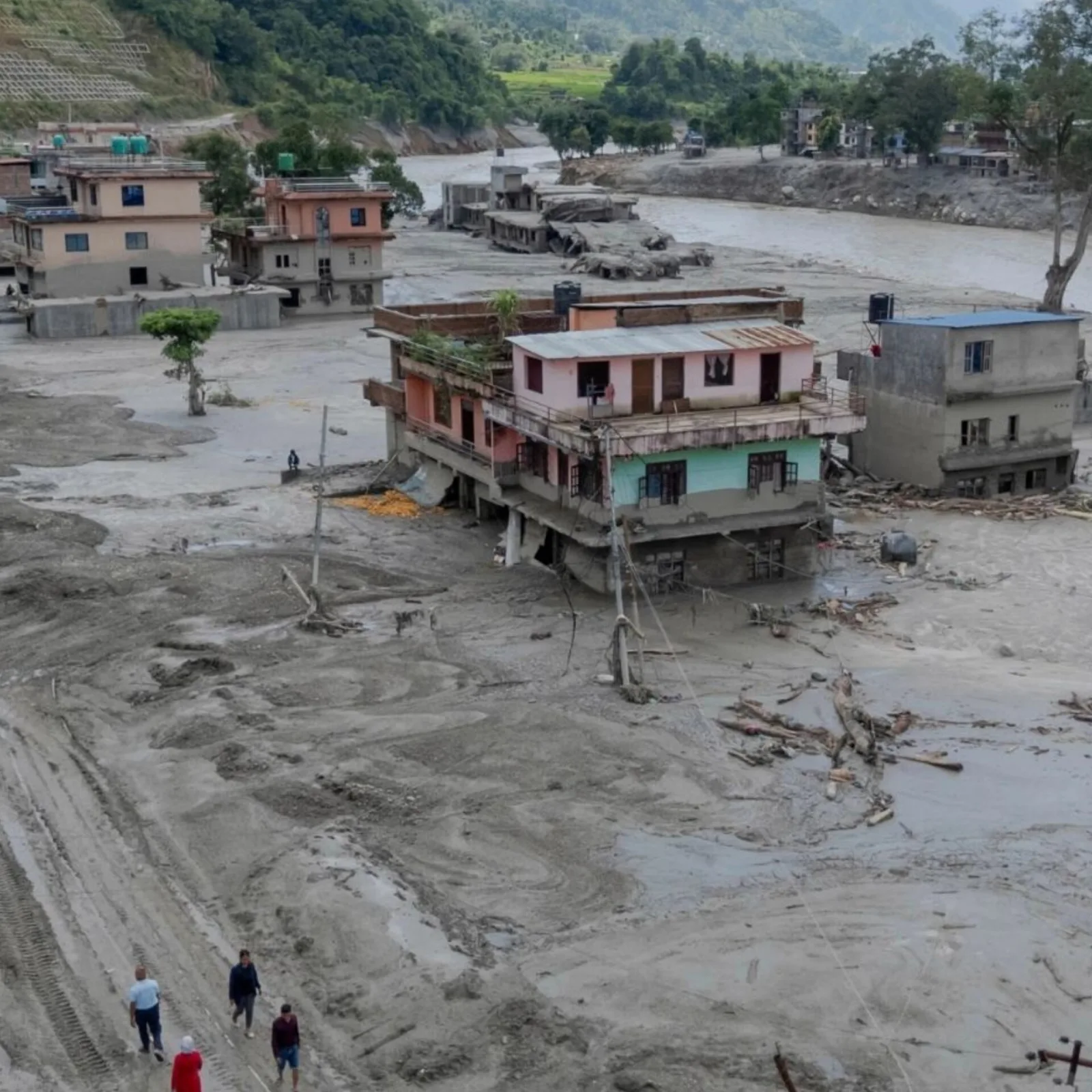
Climate change was a key factor in last month’s deadly glacial mountain collapse on the China-Nepal border, scientists said on Thursday. The disaster killed more than 1,400 people and left at least 6,600 missing. Researchers from the World Weather Attribution group described the disaster as a “compound crisis” rather than the result of one extreme weather event. They said long-term warming, glacier retreat, melting permafrost and geological instability combined to increase the risk of the collapse. Scientists also noted that the region has experienced significant warming, making high-altitude areas increasingly vulnerable to such disasters.
Brief by Shorts91 Newsdesk / 08:16am on 16 Sep 2026,Wednesday Weather & Environment
Two earthquakes struck Nepal’s northwestern Mugu district early Wednesday, September 16, with the tremors occurring within about three hours. According to Nepal’s National Seismological Centre, the first earthquake measured 4.5 on the Richter scale and was recorded at 1:51 am, with its epicentre in the Kalai area of Mugu. A second quake, measuring 4.2, struck the same area at 4:28 am. Tremors were also felt in neighbouring Dolpa and Jumla districts. There were no immediate reports of deaths, injuries or major damage following the earthquakes. Authorities are continuing to monitor the affected areas for possible aftershocks.
Brief by Shorts91 Newsdesk / 07:25pm on 15 Sep 2026,Tuesday Weather & Environment
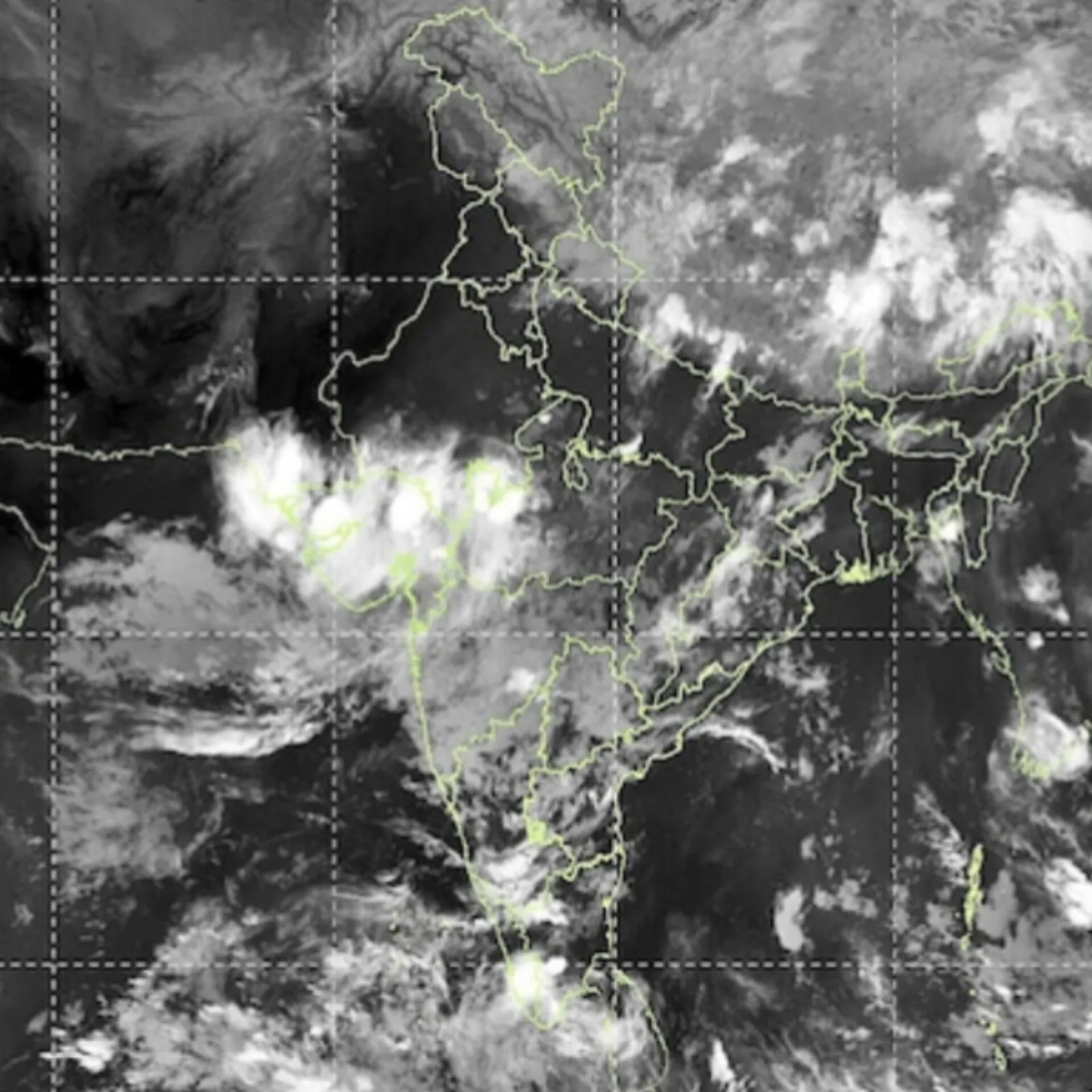
The southwest monsoon still has some punch left, with the India Meteorological Department tracking a fresh low-pressure area forming over the Bay of Bengal around September 12-16. The system is expected to bring active to vigorous rain across West Bengal, Odisha, Bihar, Jharkhand, Chhattisgarh, Madhya Pradesh and Maharashtra, with parts of Gujarat, Rajasthan, Uttar Pradesh, Punjab and Haryana also likely to see showers. Rainfall intensity is expected to taper off after September 16, with weather activity gradually withdrawing from western, northern and central India after September 18, even as the formal monsoon retreat date approaches. (PC: India Today)
Brief by Shorts91 Newsdesk / 01:37pm on 15 Sep 2026,Tuesday Weather & Environment
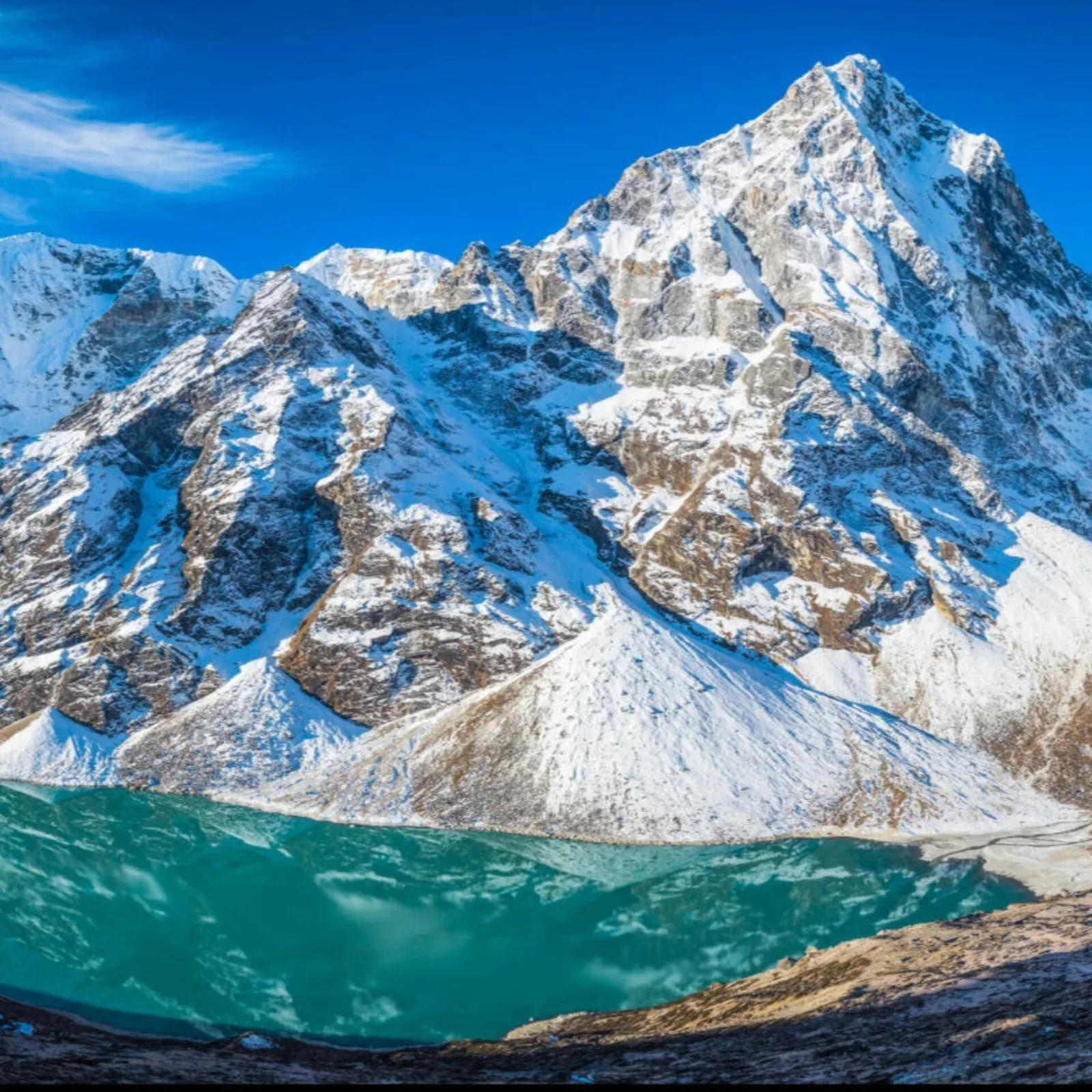
The Himalayas are facing a serious water crisis as glaciers are losing mass 65% faster than a decade ago, a new report has warned. Nearly 200 glacial lakes have been identified as high-risk, including 56 classified as very high risk in India. These lakes are linked to major rivers such as the Ganga, Yamuna and Brahmaputra, raising concerns over floods, water shortages and the safety of downstream communities. The report says Himalayan water systems underpin more than 20% of India’s GDP, supporting agriculture, hydropower, tourism and millions of livelihoods. It warns the region could reach “peak water” by mid-century. (PC: X)
Brief by Shorts91 Newsdesk / 07:16am on 14 Sep 2026,Monday Weather & Environment
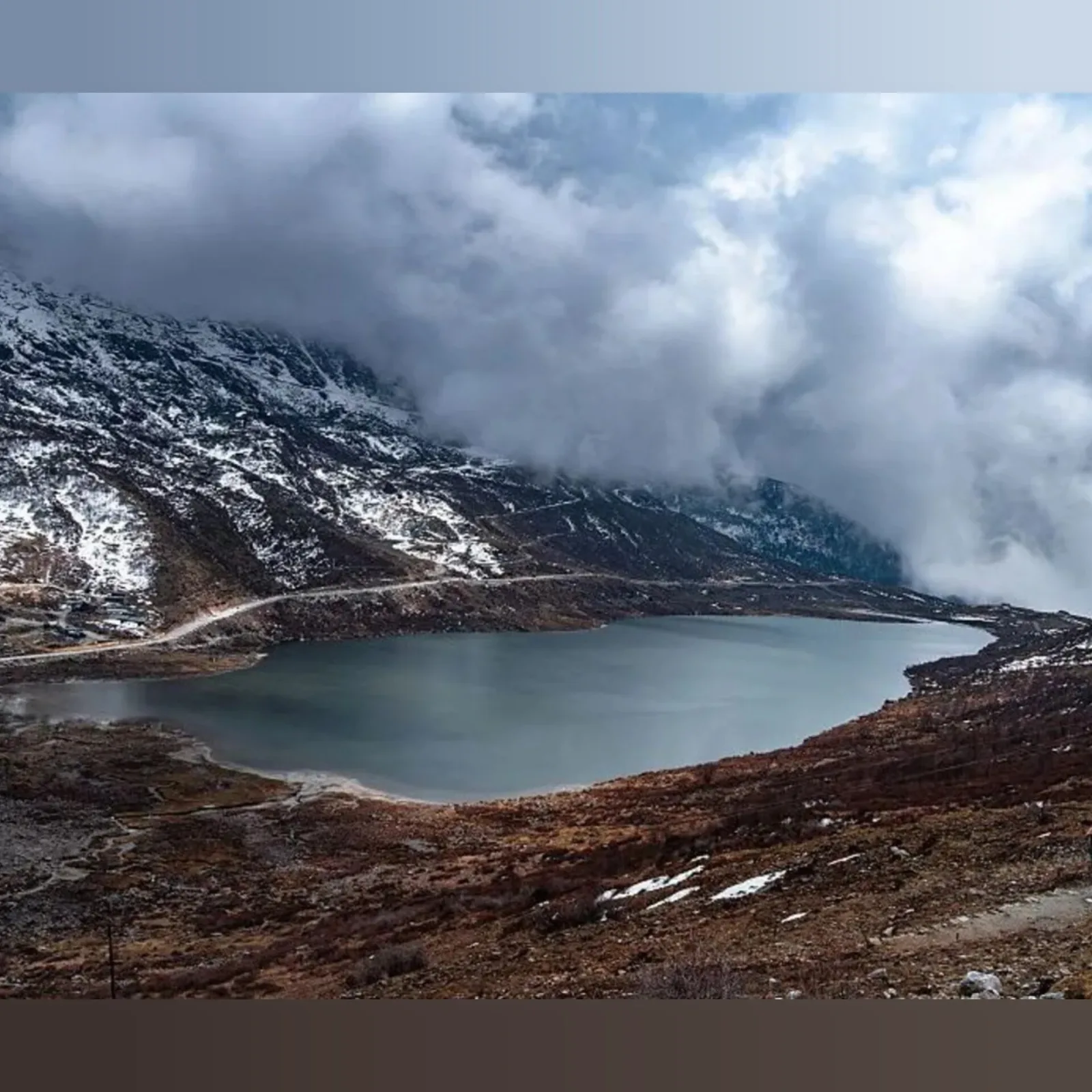
Himalayan glaciers are losing mass 65% faster than a decade ago, raising concerns over floods, water security and India’s economy, according to new research by Systemiq with regional partners. The report says only about 21 of an estimated 40,000 glaciers in the Himalaya-Karakoram region are being monitored in detail. India has identified 56 glacial lakes as “very high risk” after assessing 189 high-risk lakes. Himalayan water supports around 20% of India’s GDP through agriculture, hydropower, tourism and other sectors. Researchers warned that glacier loss, unstable slopes and growing glacial lakes could increase risks across South Asia. (PC: BBC)
Brief by Shorts91 Newsdesk / 05:52pm on 13 Sep 2026,Sunday Weather & Environment
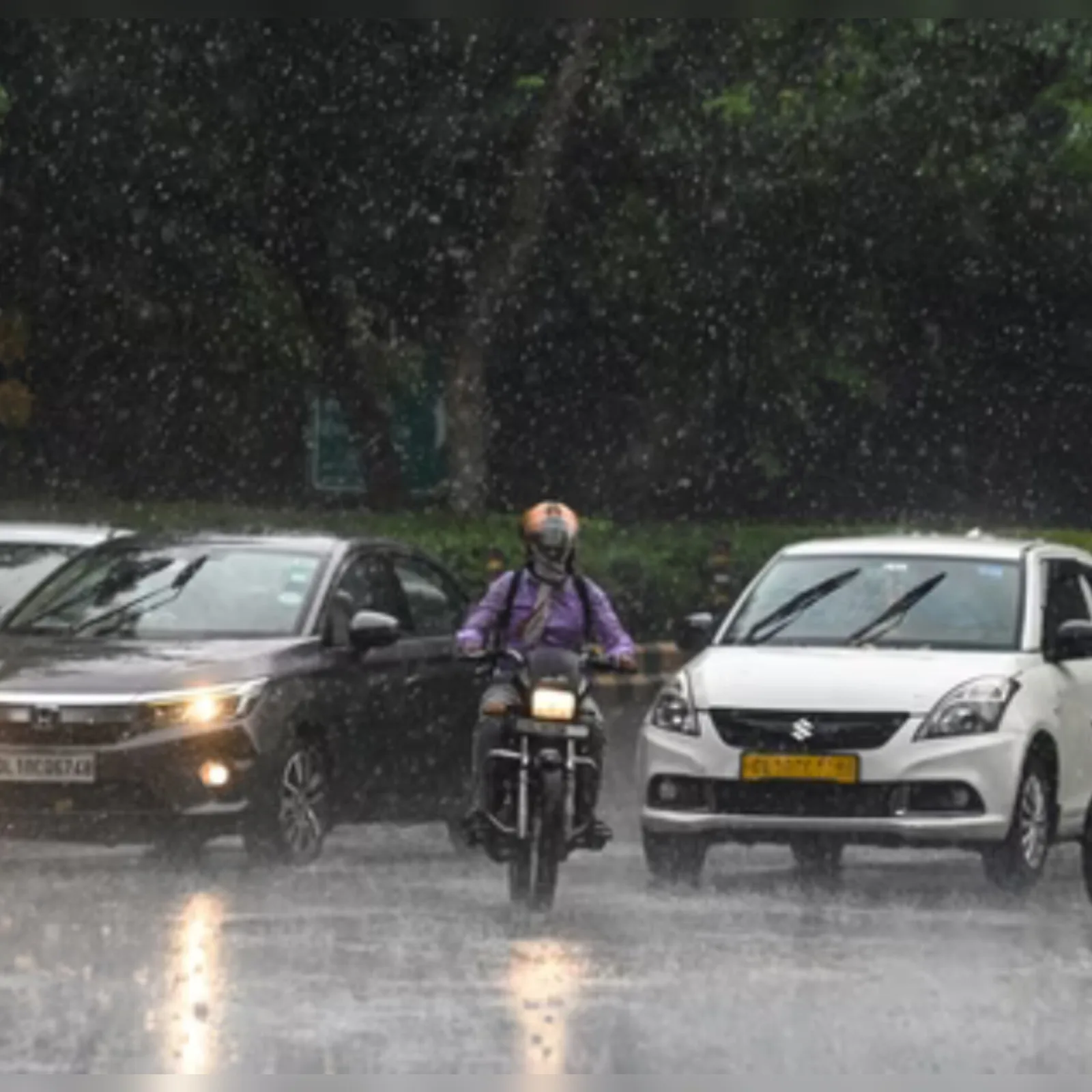
Delhi is likely to get rain over the next few days, the India Meteorological Department (IMD) said. Isolated heavy rain is possible from September 13 to 17. Widespread rain, thunderstorms and lightning are also expected on September 16 and 17. Monday may see light rain in some areas. More light showers are likely on Tuesday. Temperatures may reach 35°C during the day and 26°C at night. Meteorologists said this could be one of the last major rain spells in Delhi this year. The southwest monsoon is expected to withdraw from the capital after September 21, slightly later than usual.
Brief by Shorts91 Newsdesk / 09:39am on 13 Sep 2026,Sunday Weather & Environment
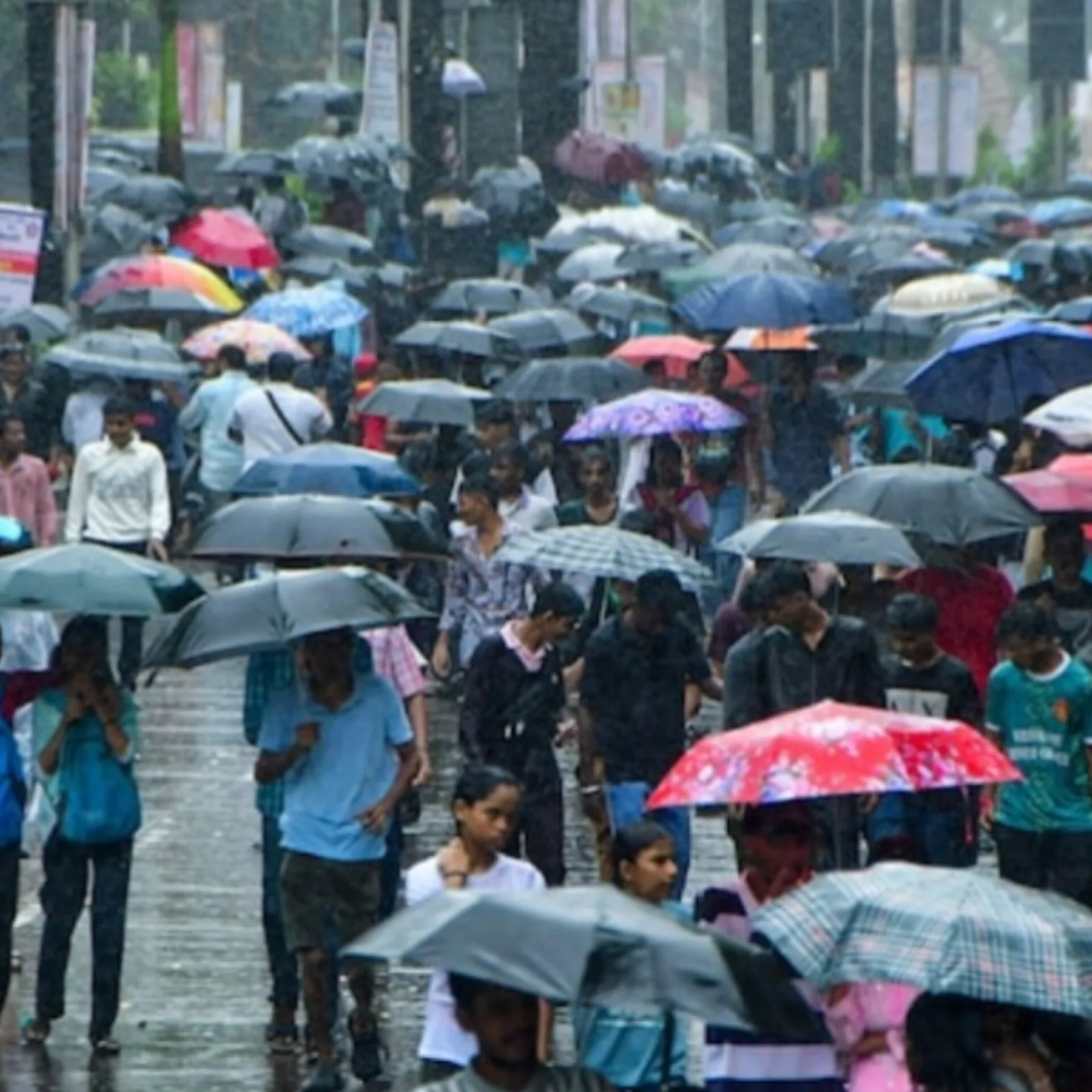
A fresh spell of monsoon rain is expected to affect Gujarat and Maharashtra over the next few days as a low-pressure system from the Bay of Bengal moves west-northwestwards. The system, which formed near the coasts of south Odisha and north Andhra Pradesh, is carrying moisture towards central and western India. Gujarat is likely to receive fairly widespread rainfall from September 12 to 15, with isolated very heavy rain on September 13 and 14, particularly in south Gujarat and Saurashtra-Kutch. Maharashtra is also expected to see heavy showers, especially across Konkan and Goa, along with thunderstorms and lightning in some areas. (PC: India Today)

Brief by Shorts91 Newsdesk / 09:38pm on 08 Sep 2026,Tuesday Weather & Environment
A magnitude 5.3 earthquake struck Tibet on Wednesday, with tremors felt in Nepal, according to the European-Mediterranean Seismological Centre. The quake occurred at a depth of 35 kilometres, while India’s National Centre for Seismology recorded it at magnitude 5.0. There were no immediate reports of deaths, injuries or significant damage. The earthquake came less than two weeks after devastating floods and a glacial and mountain collapse hit the Nepal-Tibet border region on August 26. Nepal’s disaster authority said the flood death toll had reached 1,357, with 5,326 people still missing. Rescue teams continued searching for survivors and missing people. (PC: HT)
Brief by Shorts91 Newsdesk / 04:29am on 08 Sep 2026,Tuesday Weather & Environment
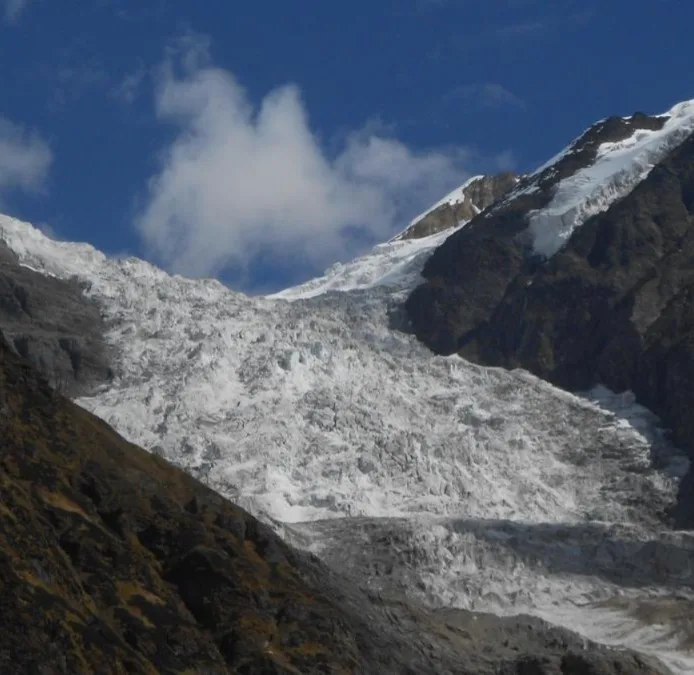
Chinese researchers have linked rising temperatures and glacier retreat on the Tibetan Plateau to growing risks of glacial disasters, amid the deadly August 26 collapse on the Nepal-China border. The latest glacier inventory found the plateau’s glacier area has fallen to 39,000 square kilometres from 51,000 square kilometres over six decades. Glaciers in the Gangdise, Nyenchen Tanglha and Himalayan ranges have shrunk by about 40 percent, while the plateau overall lost 24 percent. Researchers said warming has increased the number and size of glacial lakes, with more than 14,000 now covering over 1,100 square kilometres. They warned that expanding lakes heighten risks of glacial floods and landslides, stressing mapping and data-sharing. (PC: Wikimedia Commons)
Brief by Shorts91 Newsdesk / 11:33am on 07 Sep 2026,Monday Weather & Environment
A volcanic eruption from Indonesia’s Anak Krakatau has stranded around 270,000 passengers and disrupted more than 2,000 flights, as volcanic ash forced several airports to remain closed. Jakarta’s Soekarno-Hatta International Airport and three others extended their closures until 18:00 local time on Monday after ash was detected in nearby airspace. The volcano, located in the Sunda Strait between Java and Sumatra, has continued erupting, with ash reaching up to 15,000 metres. Authorities warned that further eruptions remain possible and banned people and ships from entering a 3km exclusion zone. There is currently no tsunami warning linked to the eruption.