Brief by Shorts91 Newsdesk / 01:01pm on 24 Feb 2026,Tuesday Defence
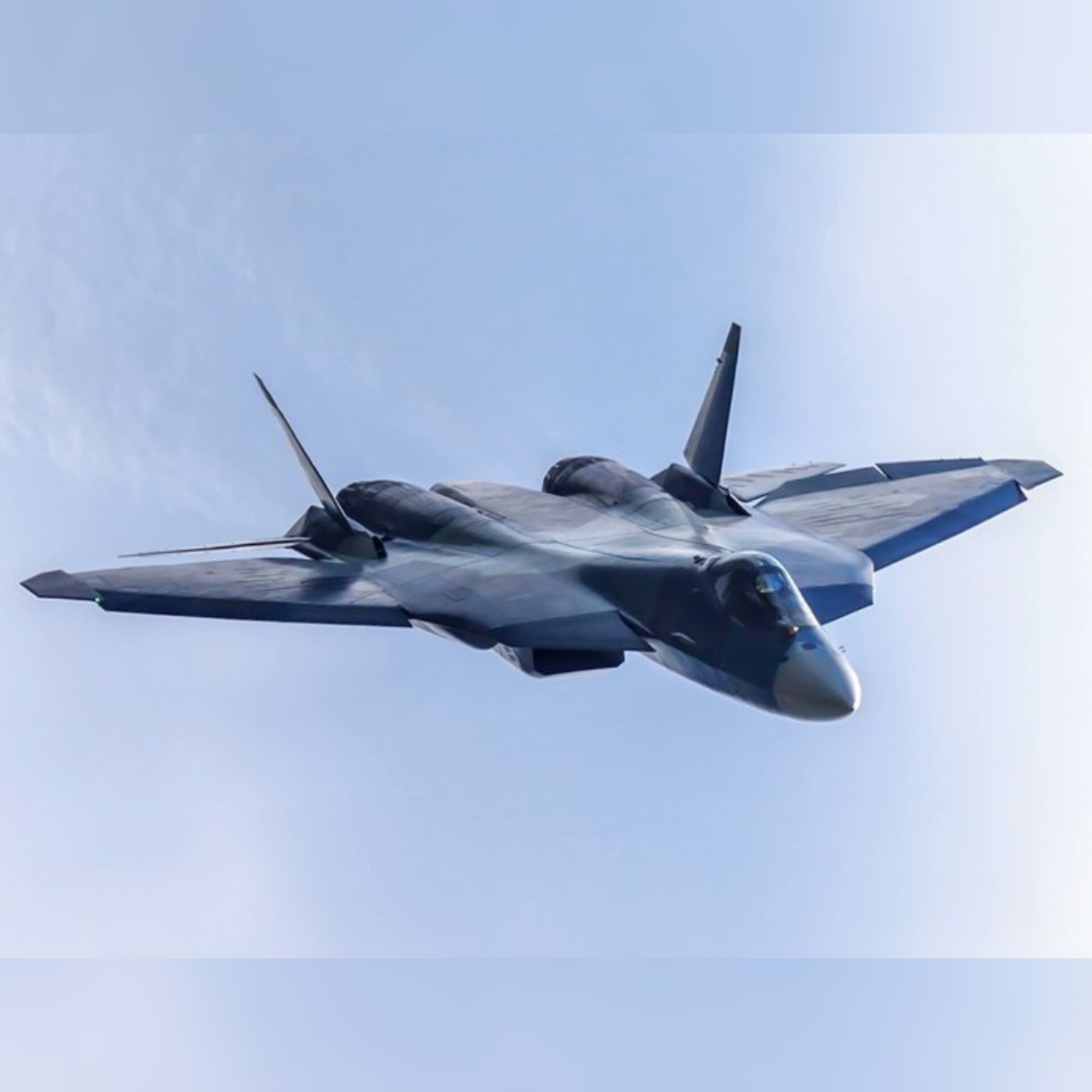
India is looking at buying Russian Su-57 fifth-generation fighter jets, sources said. The Air Force may order around 40 aircraft if the plan moves ahead. The talks come less than a year after Operation Sindoor. Air battles during the operation gave new lessons to India’s defence forces. Modern air war now depends more on detection than dogfights. The Su-57 is built with stealth features. It uses radar-absorbent material and advanced systems. Sukhoi says the jet has “deeply integrated avionics” and can share data in real time. India is also developing its own Advanced Medium Combat Aircraft. Its first flight is expected around 2028-29. (PC: X)
Brief by Shorts91 Newsdesk / 03:00am on 23 Feb 2026,Monday Defence
Three Jaish-e-Mohammad (JeM) terrorists were killed in an encounter with security forces in Jammu and Kashmir's Kishtwar district on Sunday, nearly 35 days after Operation Trashi-I was launched on January 18. The terrorists' bodies were charred beyond recognition after their mud hut hideout caught fire during the exchange of fire in the Passerkut area of Chhatru. Preliminary assessments suggest JeM commander Saifullah, active in the region for five years and allegedly linked to a July 2024 attack killing four soldiers may be among the dead. Three AK-47 rifles were also recovered. With Sunday's neutralisation, four terrorists linked to the group have now been eliminated across six gunfights over 35 days.
Brief by Shorts91 Newsdesk / 02:09am on 23 Feb 2026,Monday Defence
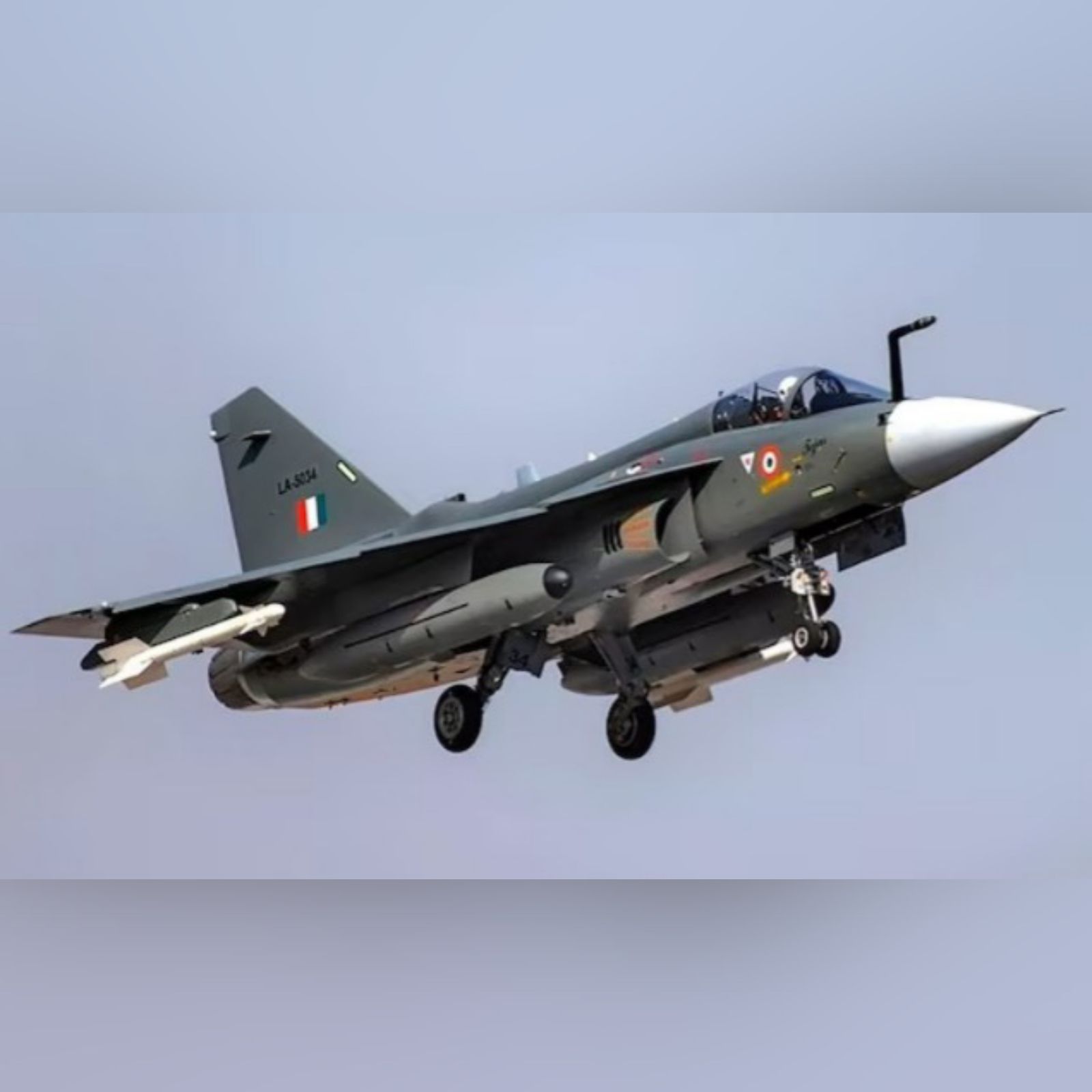
The Indian Air Force (IAF) has lost its third Tejas Light Combat Aircraft (LCA) to a suspected technical glitch during a routine landing at a key operational air base. The pilot ejected safely, though the aircraft sustained severe airframe damage and may be written off. In response, the IAF grounded its entire fleet of approximately 30 single-seat Tejas jets for intensive technical investigation. This follows two previous losses that includes a March 2024 crash near Jaisalmer and a fatal November 2025 Dubai Airshow incident that killed Wing Commander Namansh Syal. The accident compounds existing concerns around the delayed Tejas Mk1A programme, despite a massive Rs 62,370 crore deal signed for 97 additional aircraft. (PC: IAF)
Brief by Shorts91 Newsdesk / 04:57pm on 18 Feb 2026,Wednesday Defence
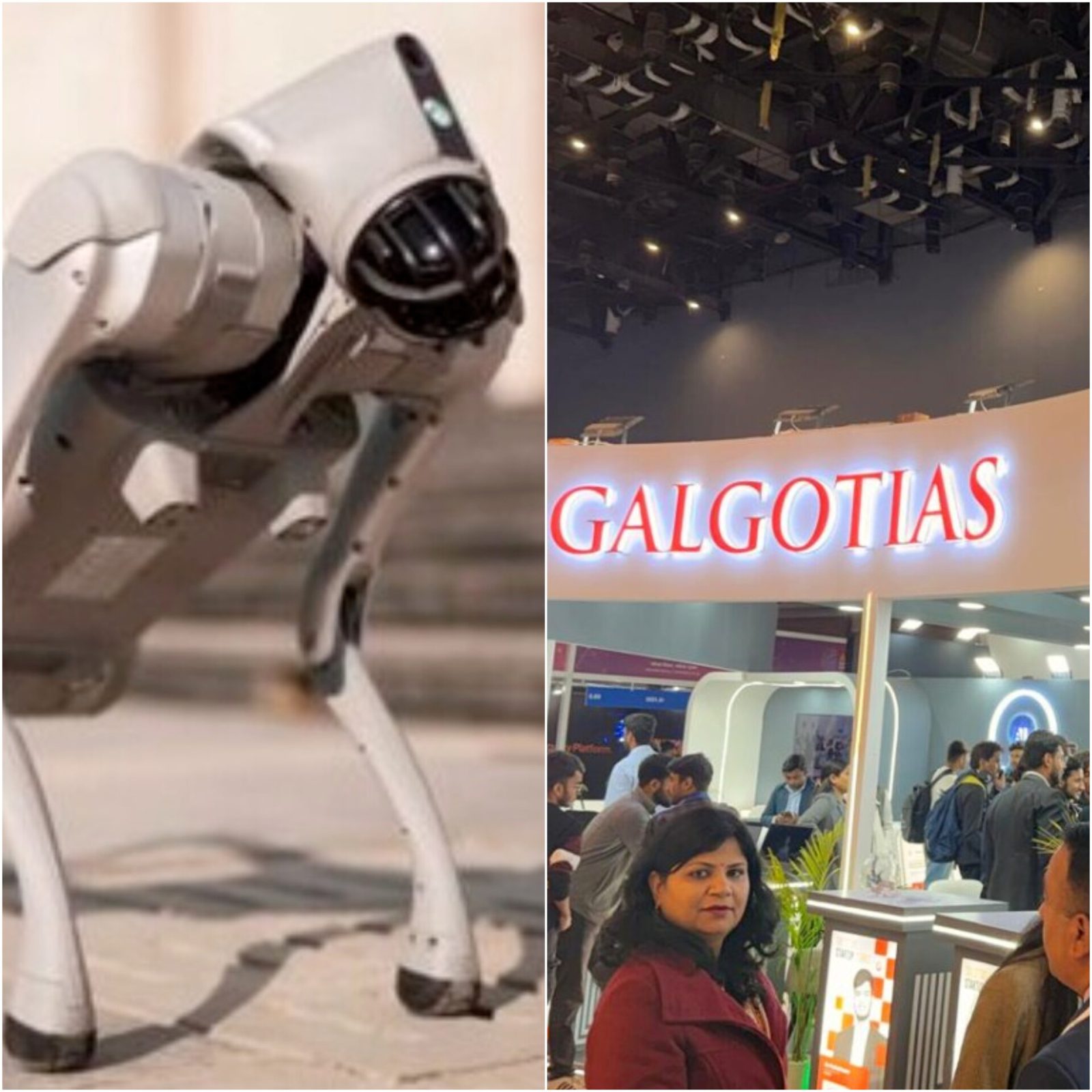
Galgotias University was asked to vacate its stall at the India AI Impact Summit in New Delhi. The action followed a viral video. It showed university staff presenting a Chinese-made robot dog as their own product. The robot was identified as Unitree Go2, made by a Chinese company. It was displayed as “Orion” at the event. Social media users accused the university of misleading claims. The university later said it had only bought the robot for learning. It denied building the machine. A Community Note on X said earlier claims were misleading. Officials have not confirmed further action.
Brief by Shorts91 Newsdesk / 12:25pm on 12 Feb 2026,Thursday Defence
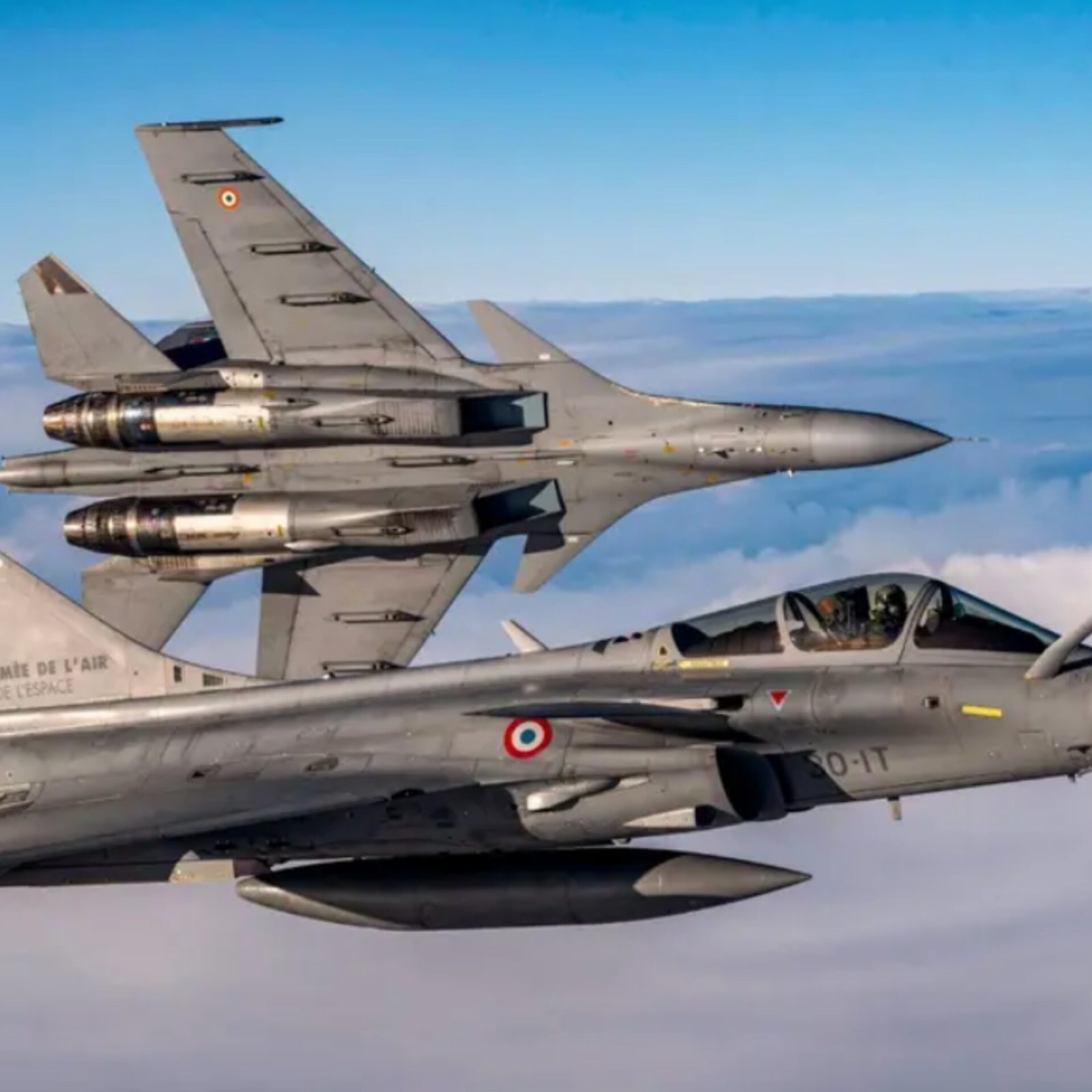
The Defence Acquisition Council has cleared defence purchase proposals worth ₹3.60 lakh crore, including 114 Rafale fighter jets for the Indian Air Force. Officials said most of the jets will be made in India. The approval also covers combat missiles and high-altitude surveillance air systems. The defence ministry said the Rafale deal will “enhance the capability of undertaking air dominance roles” and boost long-range strike power. The missiles are meant to improve deep-strike accuracy. New systems will support intelligence and surveillance work. Clearances were also given for Army vehicles, anti-tank mines, and Navy power and patrol aircraft projects. (PC: X)
Brief by Shorts91 Newsdesk / 11:10am on 12 Feb 2026,Thursday Defence
The Indian Air Force has started trial runs at the northeast’s first highway Emergency Landing Facility in Moran, Assam, ahead of the Prime Minister’s February 14 inauguration visit. Sukhoi-30, Rafale, and Tejas jets, along with transport aircraft, carried out take-off and landing drills on the 4.2-km airstrip on NH-127. The trials will continue till February 13. Many local residents gathered to watch the exercises. Assam chief secretary Ravi Kota called it a “historic and rare experience” and urged people to attend. Police said security and traffic plans are in place. The facility will serve as an alternate runway during emergencies or wartime. (PC: X)
Brief by Shorts91 Newsdesk / 07:37pm on 09 Feb 2026,Monday Defence
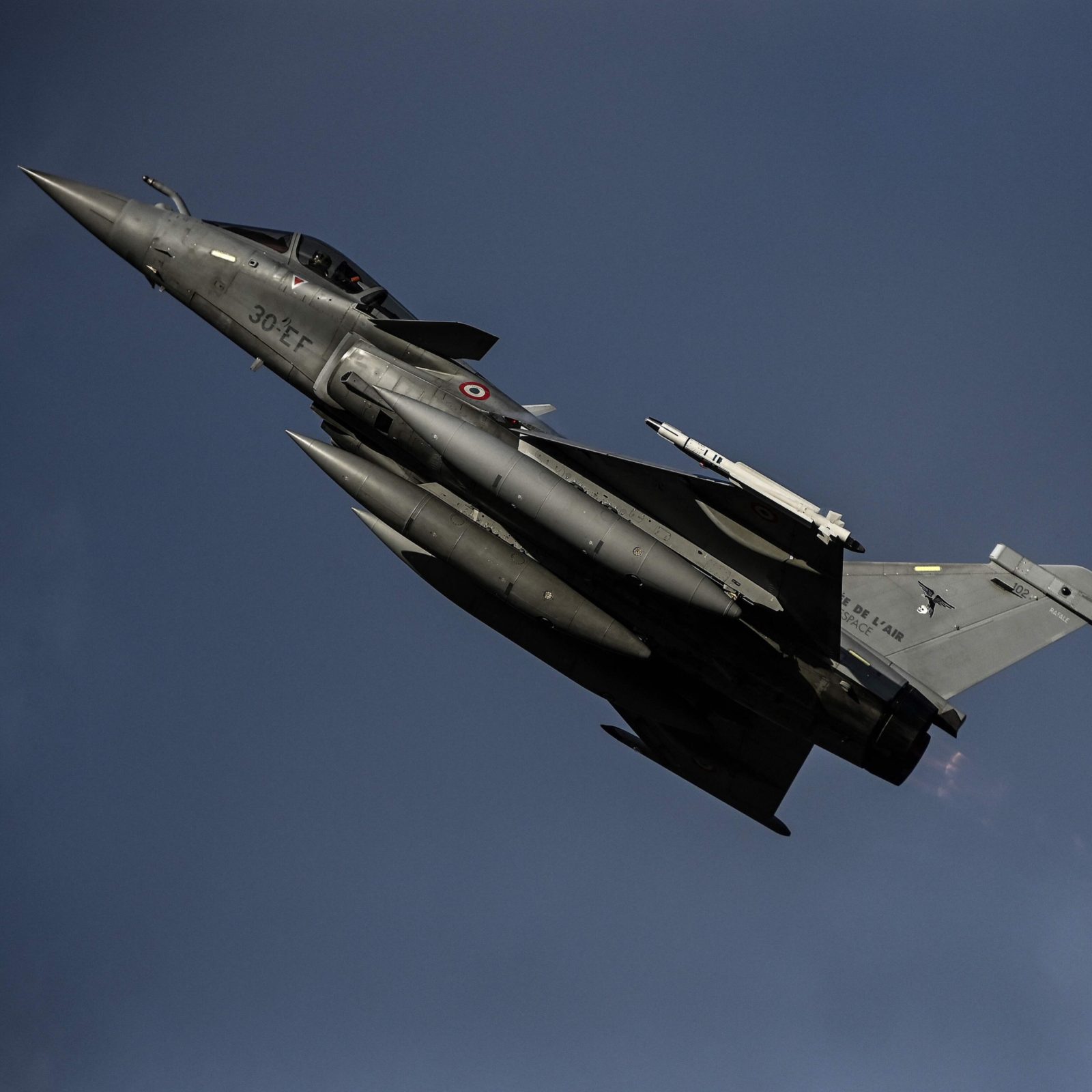
The Indian Air Force’s proposal to buy 114 Rafale fighter jets is set to come before the Defence Acquisition Council ahead of French President Emmanuel Macron’s visit to India. Officials said the council may grant Acceptance of Necessity, the first formal step in defence purchases. The plan includes 18 jets bought directly from France and 96 to be made in India with private partners. Some aircraft will be twin-seaters for training. The Defence Procurement Board has already cleared the proposal. After the council nod, commercial talks will begin, followed by approval from the Cabinet Committee on Security. The deal may cost about ₹3.25 lakh crore. (PC: HT)
Brief by Shorts91 Newsdesk / 06:06am on 07 Feb 2026,Saturday Defence
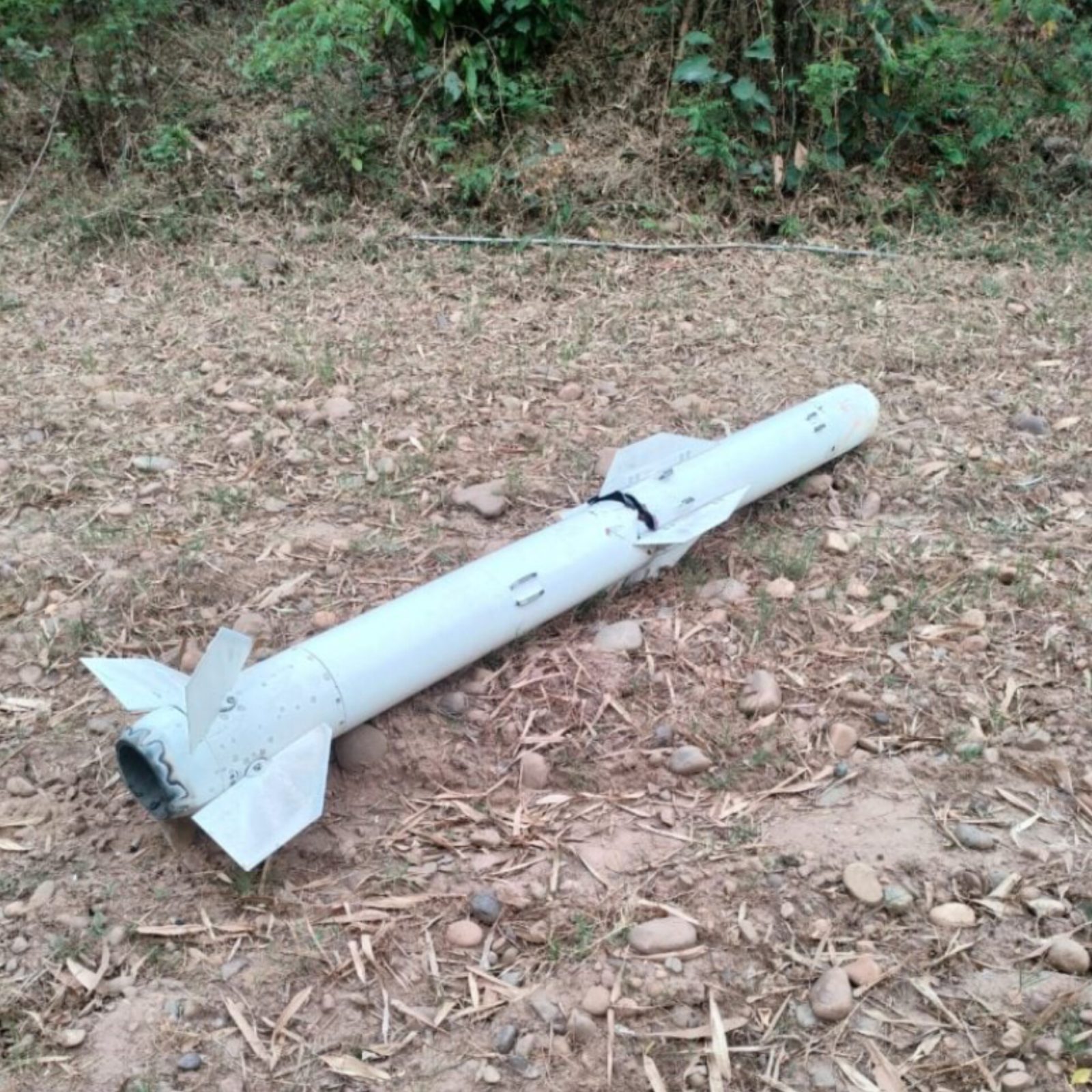
During the May 2025 India–Pakistan conflict (Operation Sindoor), a Chinese-made PL-15E beyond-visual-range air-to-air missile fired by Pakistan’s Air Force reportedly landed nearly intact inside Punjab, India, without detonating. The surprise recovery of the advanced export variant of China’s long-range missile has drawn intense attention: analysts say its AESA radar seeker, guidance systems and propulsion tech could provide rare insights into Chinese military capability and weaknesses, sparking a quiet technological re-evaluation within China’s defence community. The incident highlights evolving aerial combat tech and intelligence stakes in South Asia. (PC: X)
Brief by Shorts91 Newsdesk / 03:36pm on 06 Feb 2026,Friday Defence
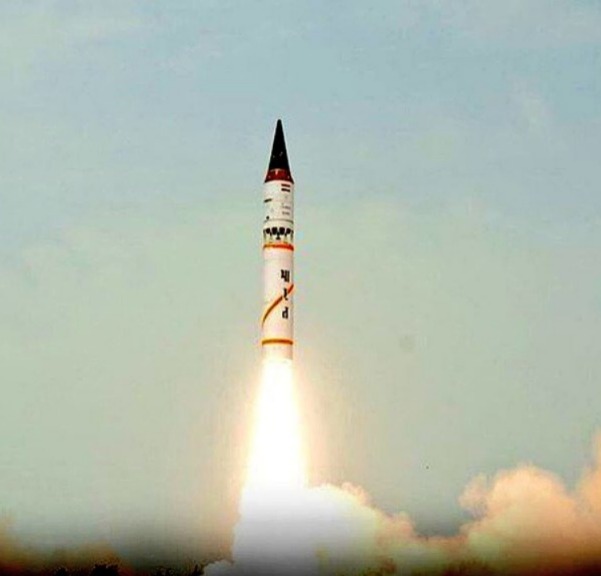
India successfully test-fired the nuclear-capable Agni-3 intermediate-range ballistic missile on February 6 from the Integrated Test Range in Chandipur, Odisha, validating all operational and technical parameters. The launch was conducted by the Strategic Forces Command, which oversees India's strategic nuclear assets. Agni-3 has a strike range of 3,000 to 3,500 kilometers, enabling coverage of strategic targets deep inside adversary territory. The two-stage solid-fuel missile system demonstrated reliability and readiness. Defence officials confirmed the test reaffirmed Agni-3's importance as a proven pillar of India's deterrence capability. The successful launch adds to India's validated strategic missile systems, underscoring its commitment to maintaining credible minimum deterrent. (PC: X)
Brief by Shorts91 Newsdesk / 05:24am on 04 Feb 2026,Wednesday Defence
India achieved a major technological breakthrough on Tuesday, February 3, 2026, when DRDO successfully demonstrated Solid Fuel Ducted Ramjet technology from the Integrated Test Range at Chandipur, off Odisha's coast. This success places India among an elite group of nations possessing this advanced propulsion technology, crucial for developing long-range air-to-air missiles providing tactical advantage. Unlike conventional solid-propellant rockets, ramjets draw oxygen from the atmosphere during flight, eliminating heavy oxidizer requirements. This drastically enhances missile range with higher average speeds while enabling larger payloads. All subsystems including nozzle-less booster, ramjet motor, and fuel flow controller performed as expected. The technology will power the Astra Mk-3 missile with 350-kilometer range capability, strengthening India's indigenous defense capabilities.