Brief by Shorts91 NewsDesk / 11:48am on 13 May 2025,Tuesday India Global
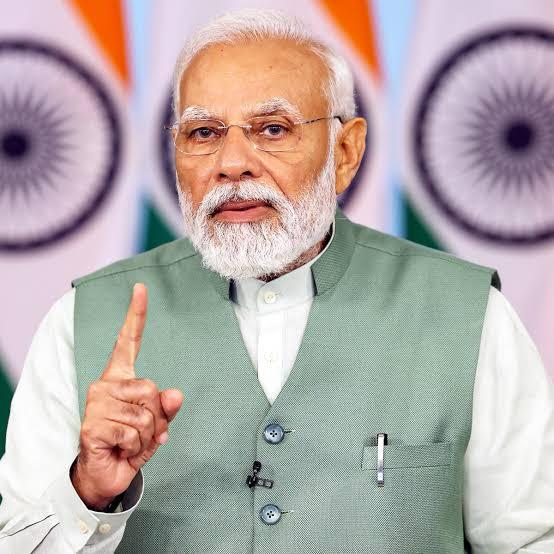
In a decisive national address, Prime Minister Narendra Modi declared a significant shift in India's counter-terrorism policy, asserting that India will no longer differentiate between terrorists and their sponsors. This announcement follows the April 22 Pahalgam attack in Jammu and Kashmir, where 26 civilians, primarily Hindu tourists, were killed by The Resistance Front, linked to Pakistan-based Lashkar-e-Taiba. In retaliation, India launched Operation Sindoor, targeting terrorist camps in Pakistan and Pakistan-administered Kashmir. Modi emphasized that any future attacks will prompt immediate and forceful responses, dismissing Pakistan's nuclear threats as ineffective. He reiterated that dialogues with Pakistan will focus solely on terrorism and Pakistan-occupied Kashmir, underscoring India's commitment to national security and a new, assertive doctrine against terrorism. (PC: The Sunday Guardian)
Brief by Shorts91 NewsDesk / 11:42am on 13 May 2025,Tuesday India Global
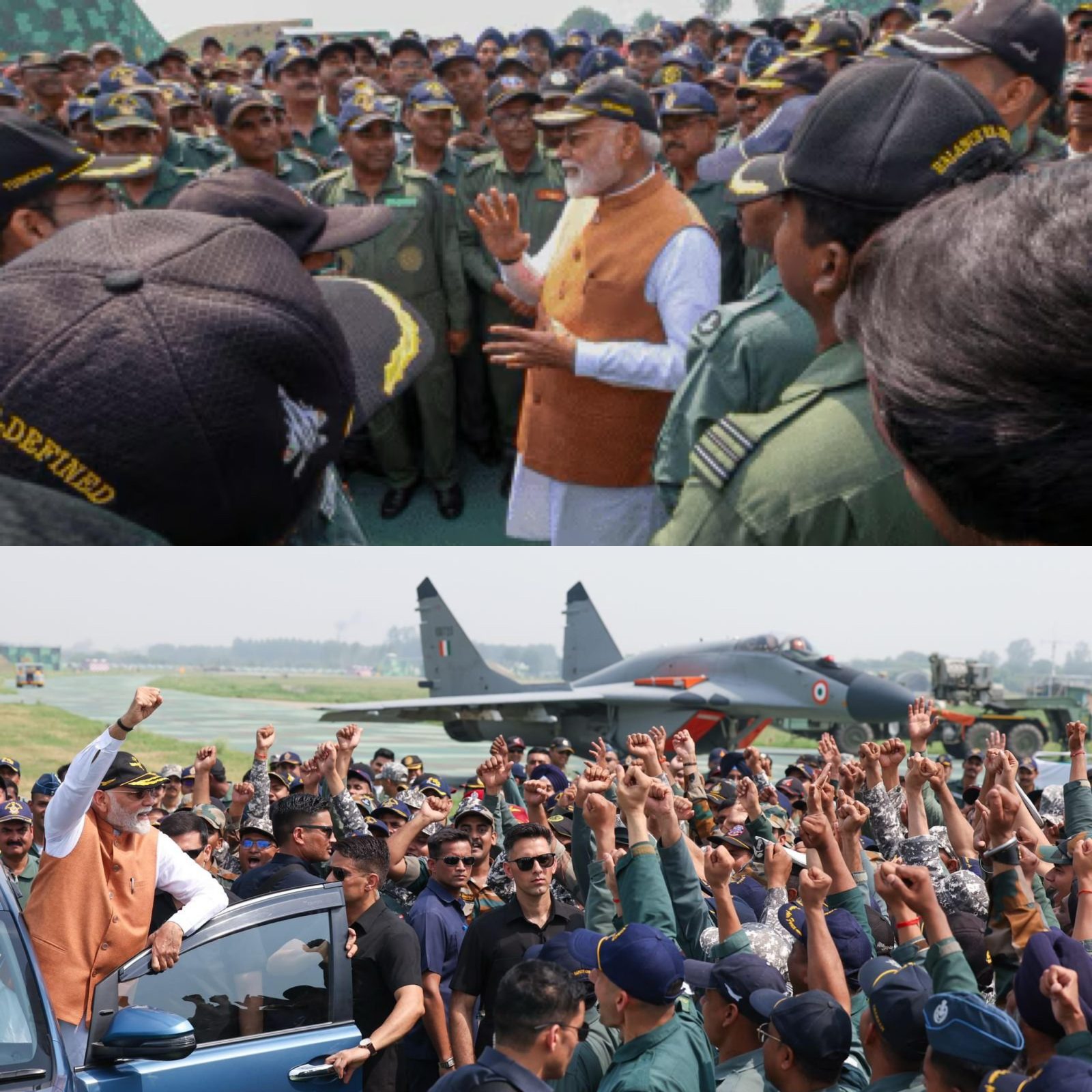
On May 13, 2025, Prime Minister Narendra Modi addressed Indian soldiers at Punjab's Adampur Air Base, asserting that India's drones and missiles caused "sleepless nights" for Pakistan. This followed his national address unveiling a three-point doctrine: zero tolerance for nuclear blackmail, rejection of "terror and talks" coexistence, and a focus on Pakistan-occupied Kashmir. He praised Operation Sindoor as a testament to India's unity and decisive capabilities. Defense Minister Rajnath Singh convened with military chiefs to assess the situation. Meanwhile, airlines like IndiGo and Air India canceled flights to several northern cities, citing safety concerns amid recent developments. Foreign Secretary Vikram Misri is scheduled to brief the Parliamentary panel on May 19 regarding the Pakistan situation. (PC: Narendra Modi/X)
Brief by Shorts91NewsDesk / 08:40am on 13 May 2025,Tuesday India Global
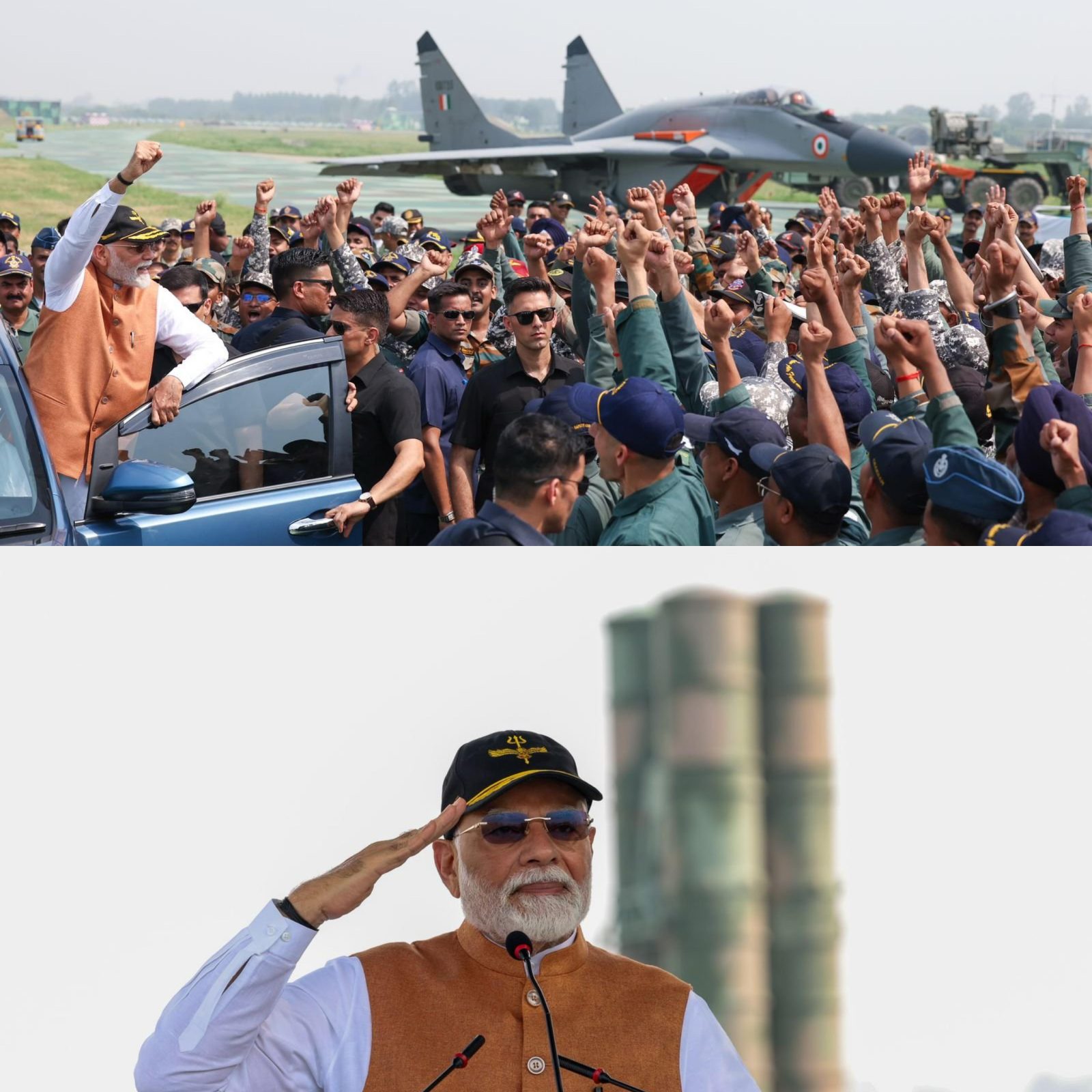
Prime Minister Modi visited Adampur Airbase in Punjab, sending a strong message after Pakistan's missile attempt to target the base on May 9. Pakistan had claimed damage to the airbase, but Modi's visit debunked those assertions. The missile was intercepted by India’s air defence system, and India retaliated by targeting Pakistani airbases. During his visit, Modi interacted with air force personnel, praised their courage, and highlighted the significance of the Adampur airbase, India’s second largest. The PM expressed gratitude towards the armed forces and reaffirmed India’s resolve in maintaining peace through strength, as stated in his earlier address to the nation. (PC: X)

Brief by Shorts91 NewsDesk / 06:56am on 13 May 2025,Tuesday India Global
In the wake of the Pahalgam terror attack, Pakistani hackers launched over 1.5 million cyberattacks on Indian websites, with only 150 breaches reported, indicating a 99.99% failure rate. Maharashtra Cyber identified seven Pakistani Advanced Persistent Threat (APT) groups behind these attacks, which targeted critical infrastructure and employed malware, DDoS attacks, and misinformation campaigns. Despite a ceasefire between India and Pakistan, cyber offensives persist, with attacks also originating from Bangladesh, the Middle East, and Indonesia. The "Road of Sindoor" report details these cyber warfare activities and has been submitted to key law enforcement agencies, emphasizing the need for enhanced cybersecurity measures to counter persistent threats from state-sponsored actors. (PC: Vector Stock)
Brief by Shorts91 Newsdesk / 06:43am on 13 May 2025,Tuesday India Global
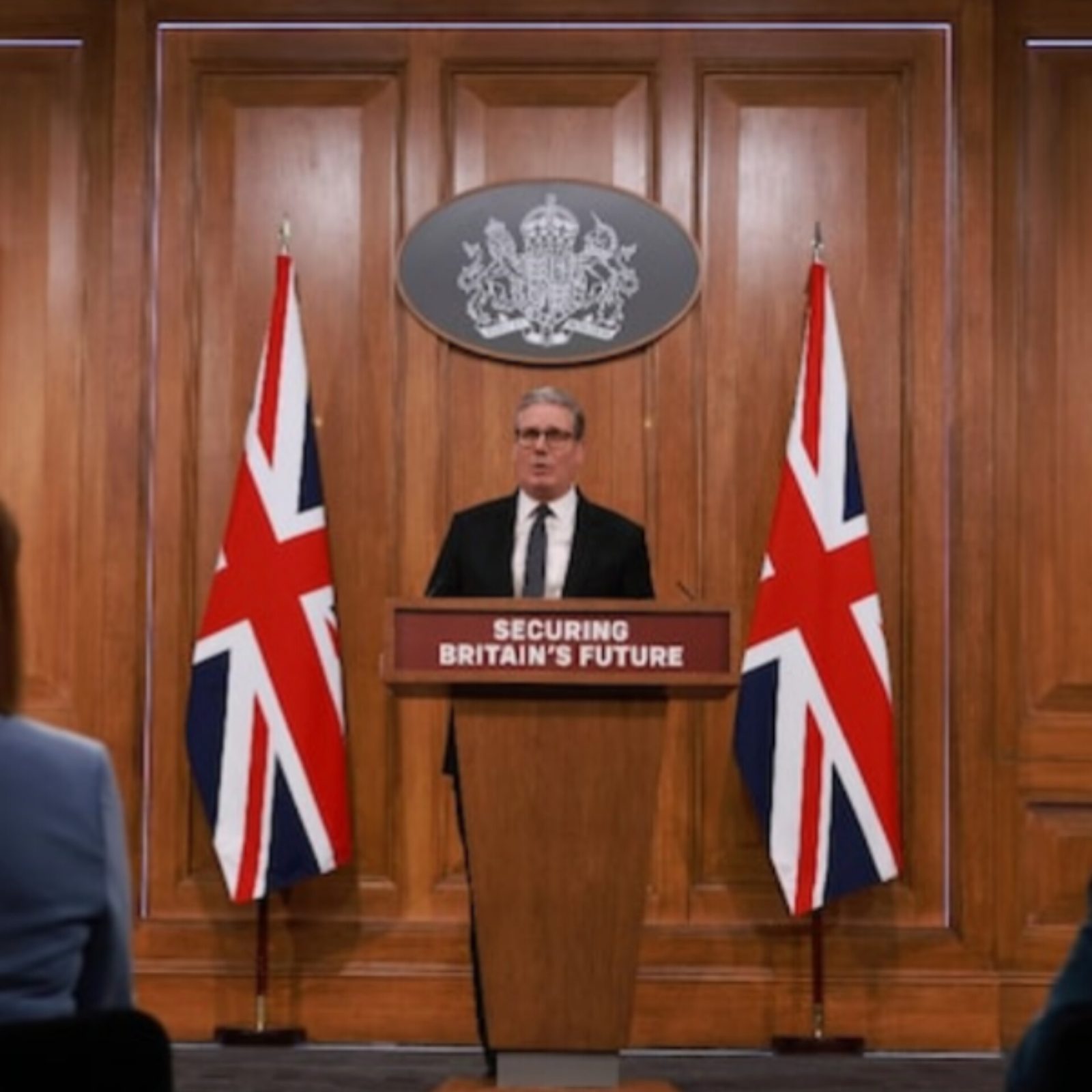
British Prime Minister Keir Starmer has announced a major overhaul of UK immigration policy, doubling the wait time for permanent residency from 5 to 10 years. The move, part of broader efforts to curb migration, is expected to hit Indian nationals the hardest, who form the largest group of immigrants to the UK. New rules will also toughen skilled visa norms, raising education and income thresholds. Starmer vowed to introduce further measures if needed, stating that migration must significantly decline. The reforms respond to domestic political pressure and mark a shift away from earlier liberal immigration policies under past governments. (PC: India Today)
Brief by Shorts91 NewsDesk / 05:45am on 13 May 2025,Tuesday India Global
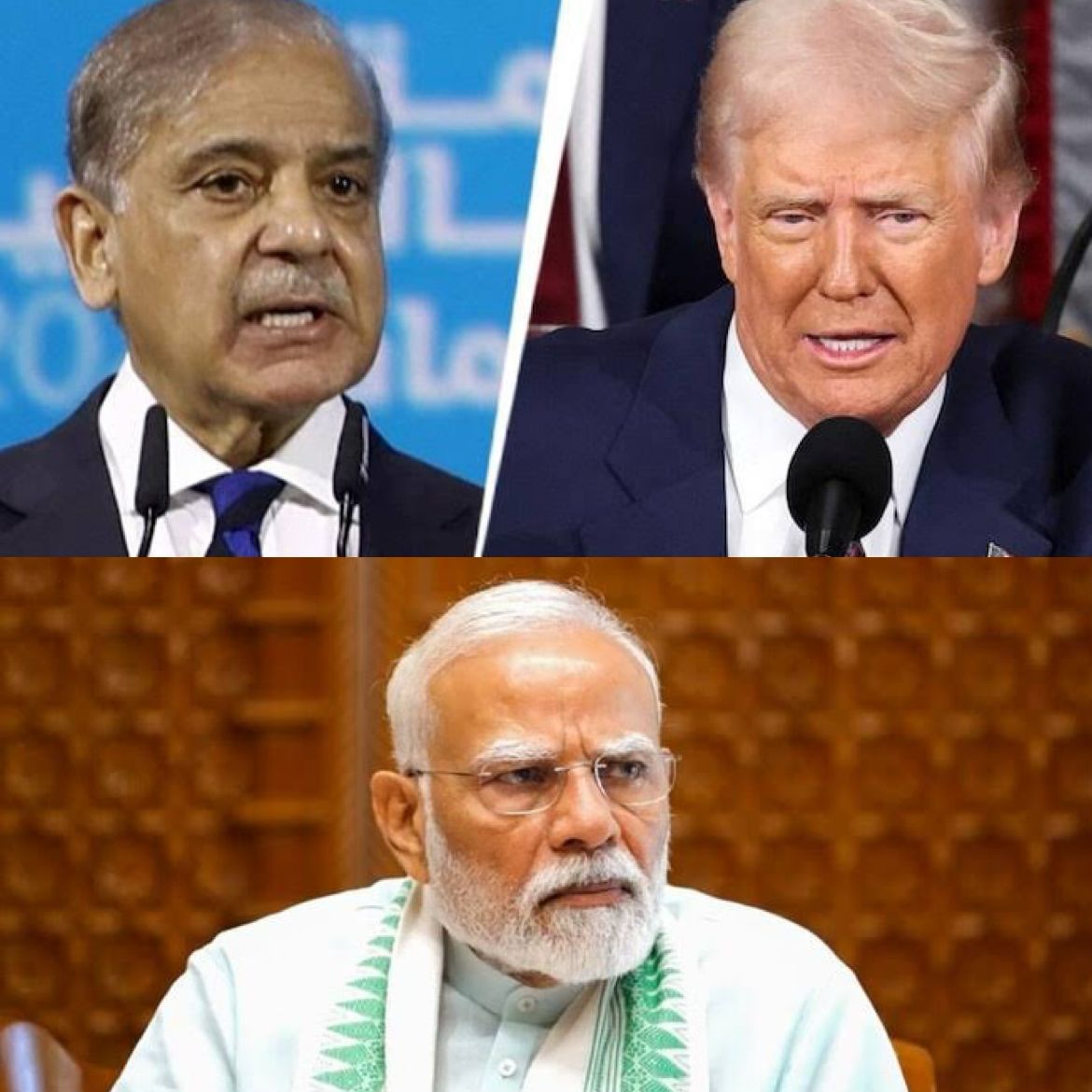
In a recent press briefing, U.S. President Donald Trump claimed his administration averted a potential nuclear conflict between India and Pakistan, stating, "It could have been a bad nuclear war, where millions of people could have been killed." He credited Vice President JD Vance and Secretary of State Marco Rubio for brokering a ceasefire and mentioned leveraging trade as a tool for de-escalation. Indian government sources, however, refuted the involvement of trade discussions, emphasizing that U.S. officials communicated with Indian leaders post-Operation Sindoor without mentioning trade. Prime Minister Narendra Modi, in his address, reiterated India's firm stance against terrorism and nuclear threats, asserting that any future dialogue with Pakistan would focus solely on terrorism and Pakistan-occupied Kashmir. He emphasized that peace cannot coexist with terror and highlighted India's military readiness to counter threats. (PC: India Today)
Brief by Shorts91 NewsDesk / 05:43am on 13 May 2025,Tuesday India Global
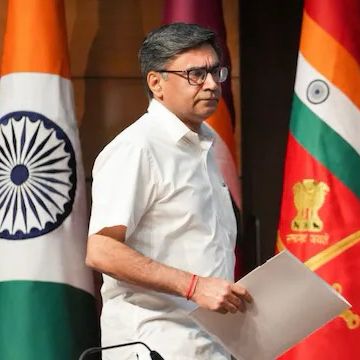
Indian Foreign Secretary Vikram Misri has emerged as a resolute figure amid escalating tensions following the April 22 Pahalgam terror attack, which claimed 26 lives. India attributes the attack to The Resistance Front (TRF), linked to Pakistan-based Lashkar-e-Taiba, and criticizes Pakistan for opposing TRF's designation in UN statements. Misri highlighted Pakistan's harboring of terrorists, referencing Osama bin Laden's presence there. India's response included suspending the Indus Waters Treaty, expelling Pakistani diplomats, and launching Operation Sindoor. Despite a U.S.-brokered ceasefire on May 10, both nations accuse each other of violations. Misri is scheduled to brief the Parliamentary Standing Committee on External Affairs on May 19, underscoring India's firm stance on regional security and counterterrorism. (PC: PTI)
Brief by Shorts91 Newsdesk / 05:18am on 13 May 2025,Tuesday India Global
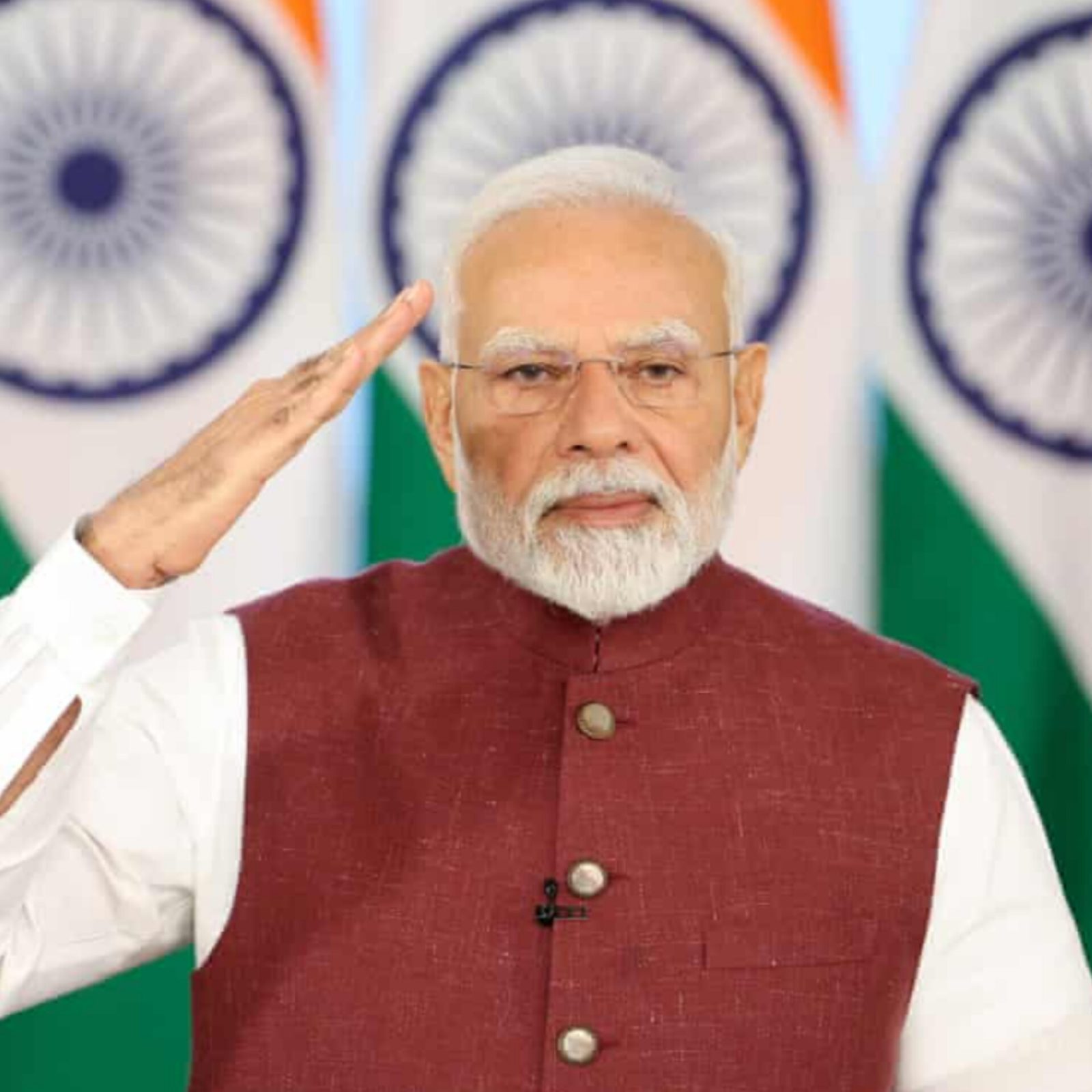
Prime Minister Narendra Modi declared on Monday that India has only "paused" military action against Pakistan, vowing retaliation on India’s terms if provoked again. This comes after a US-brokered ceasefire, announced by President Trump, halted a week of escalating hostilities, including missile and drone attacks. Modi emphasized that India remains vigilant and rejected any narrative crediting foreign mediation, insisting it was Pakistan that sought a ceasefire. He warned against “nuclear blackmail” and affirmed future talks, if any, would focus on terrorism and Pakistan-occupied Kashmir. India has since reopened 32 northern airports and begun defusing unexploded ordnance near the border.
Brief by Shorts91NewsDesk / 05:07am on 13 May 2025,Tuesday India Global
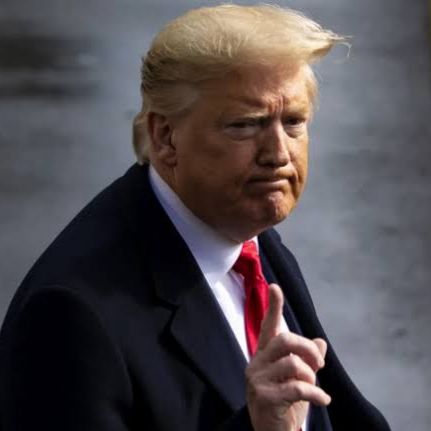
On May 12, 2025, U.S. President Donald Trump claimed that his administration brokered a ceasefire between India and Pakistan by leveraging trade relations. He stated that Washington threatened to halt trade with both nations if they didn't agree to a ceasefire, emphasizing that "trade is a big one" in achieving peace. Trump praised the leadership of both countries for their strength and wisdom in resolving the conflict. However, Indian sources indicated that trade was not mentioned in discussions with the U.S. during the crisis. There was no immediate response from India's external affairs ministry regarding Trump's remarks. The ceasefire followed Operation Sindoor, India's retaliation for the Pahalgam terror attack. (PC: Profit by Pakistan Today)
Brief by Shorts91 NewsDesk / 04:44am on 13 May 2025,Tuesday India Global
On May 12, 2025, Prime Minister Narendra Modi addressed the nation, declaring that India will not tolerate any form of nuclear blackmail. He emphasized that India's recent military operation, Operation Sindoor, was a precise response to thwart Pakistan's cross-border terror plans. Although the operation has been paused, Modi warned that India remains vigilant and ready to act if provoked again. He stated that dialogue with Pakistan is contingent upon the cessation of terrorism. The Prime Minister highlighted India's commitment to peace but affirmed that any threats to its sovereignty would be met with decisive action. This stance underscores India's firm policy against terrorism and nuclear intimidation.