Brief by Shorts91 Newsdesk / 11:04am on 15 Jul 2026,Wednesday International
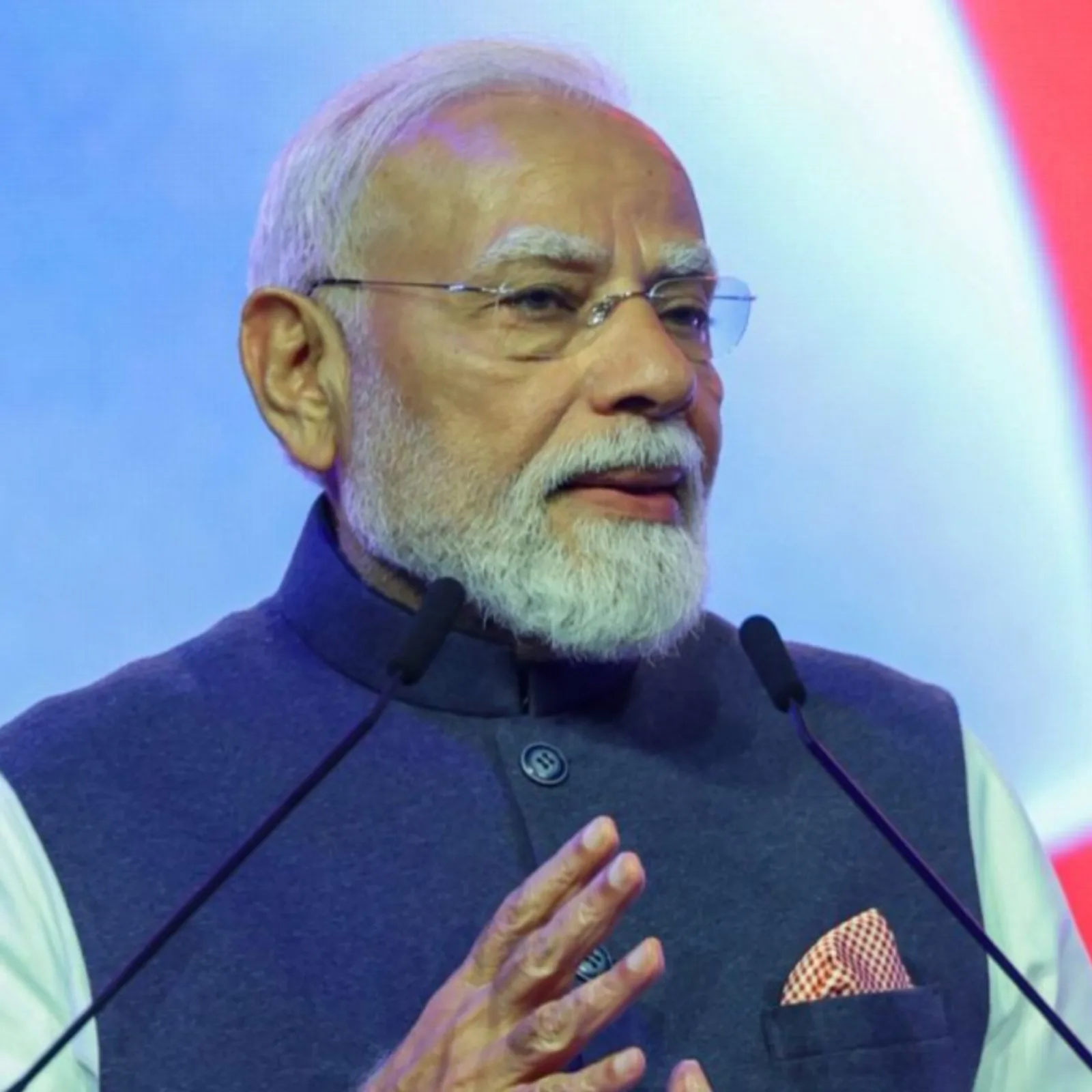
The India-UK Comprehensive Economic and Trade Agreement (CETA) came into effect on July 15, with Prime Minister Narendra Modi calling it a "significant milestone" that will deepen economic ties between the 2 countries. Modi said the agreement will create new opportunities for businesses, farmers, MSMEs, workers and professionals while strengthening bilateral trade. The deal provides duty-free access for nearly all Indian exports to the UK and lowers tariffs on several British products entering India in phases. It also expands cooperation in services, investment and government procurement, with both nations expecting stronger trade, economic growth and job creation. (PC: The Indian Express)

Brief by Shorts91 Newsdesk / 10:38am on 15 Jul 2026,Wednesday International
The UK government has proposed a midnight social media curfew for 16 and 17-year-olds, with platforms like Instagram, TikTok and YouTube set to be unavailable by default from 12:00 am to 6:00 am. Teenagers will be able to switch the setting off if they choose. The plan also includes disabling addictive features such as auto-play and infinite scrolling by default. Ministers say the measures will improve sleep, focus and family time. However, campaigners and child safety experts argue the opt-out option weakens the proposal, while others warn it could limit access to support during emergencies. (PC: BBC)
Brief by Shorts91 Newsdesk / 10:34am on 15 Jul 2026,Wednesday International
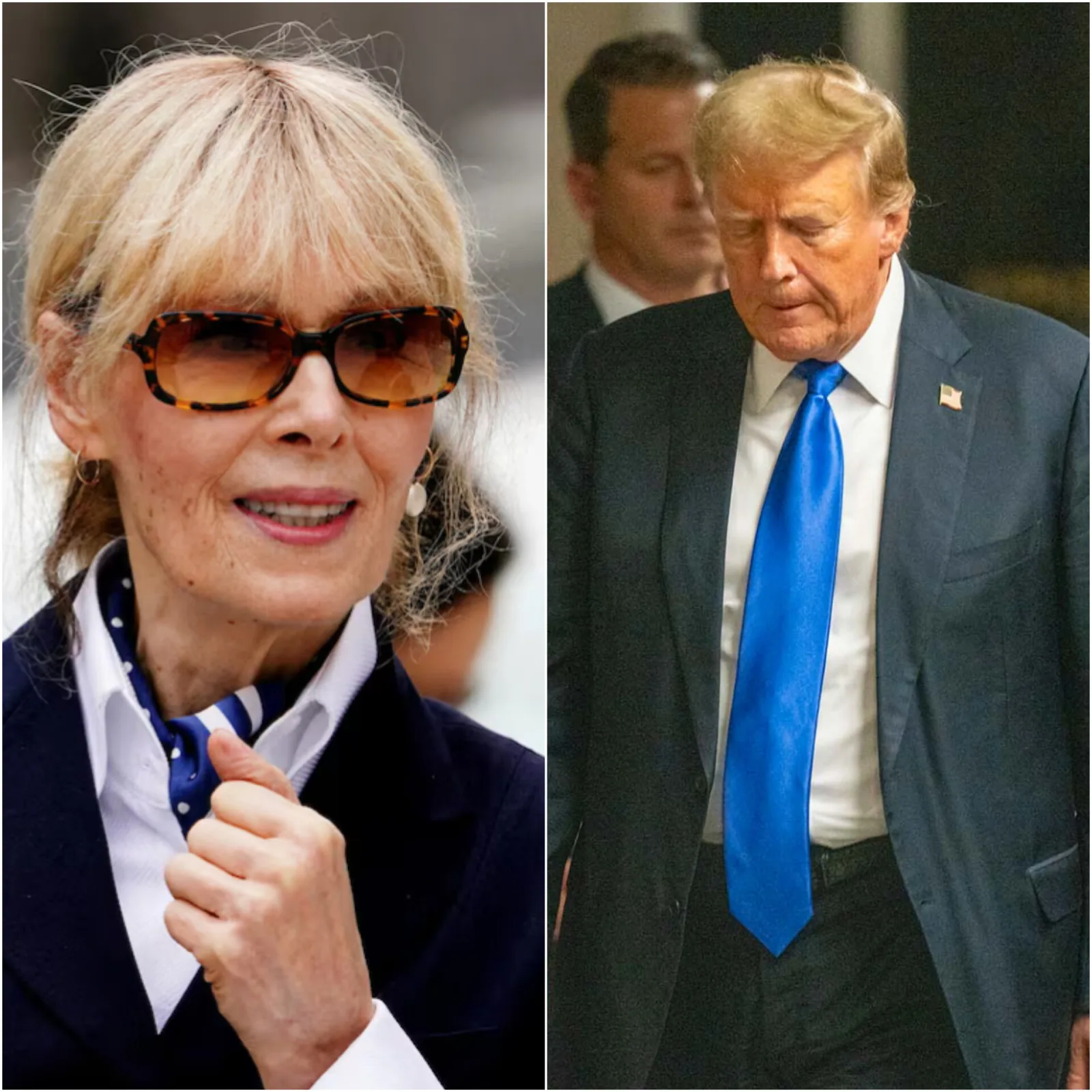
Writer E. Jean Carroll has received $5.63 million from U.S. President Donald Trump after a federal judge ordered the release of the money following the end of his appeals in a civil case. A New York jury in 2023 found Trump liable for sexually abusing and defaming Carroll, awarding her $5 million in damages, with interest increasing the total payout. Trump has repeatedly denied the allegations and described the case as politically motivated. The U.S. Supreme Court recently declined to hear his appeal. A separate $83.3 million defamation judgment against Trump remains under appeal.
Brief by Shorts91 Newsdesk / 10:10am on 15 Jul 2026,Wednesday International
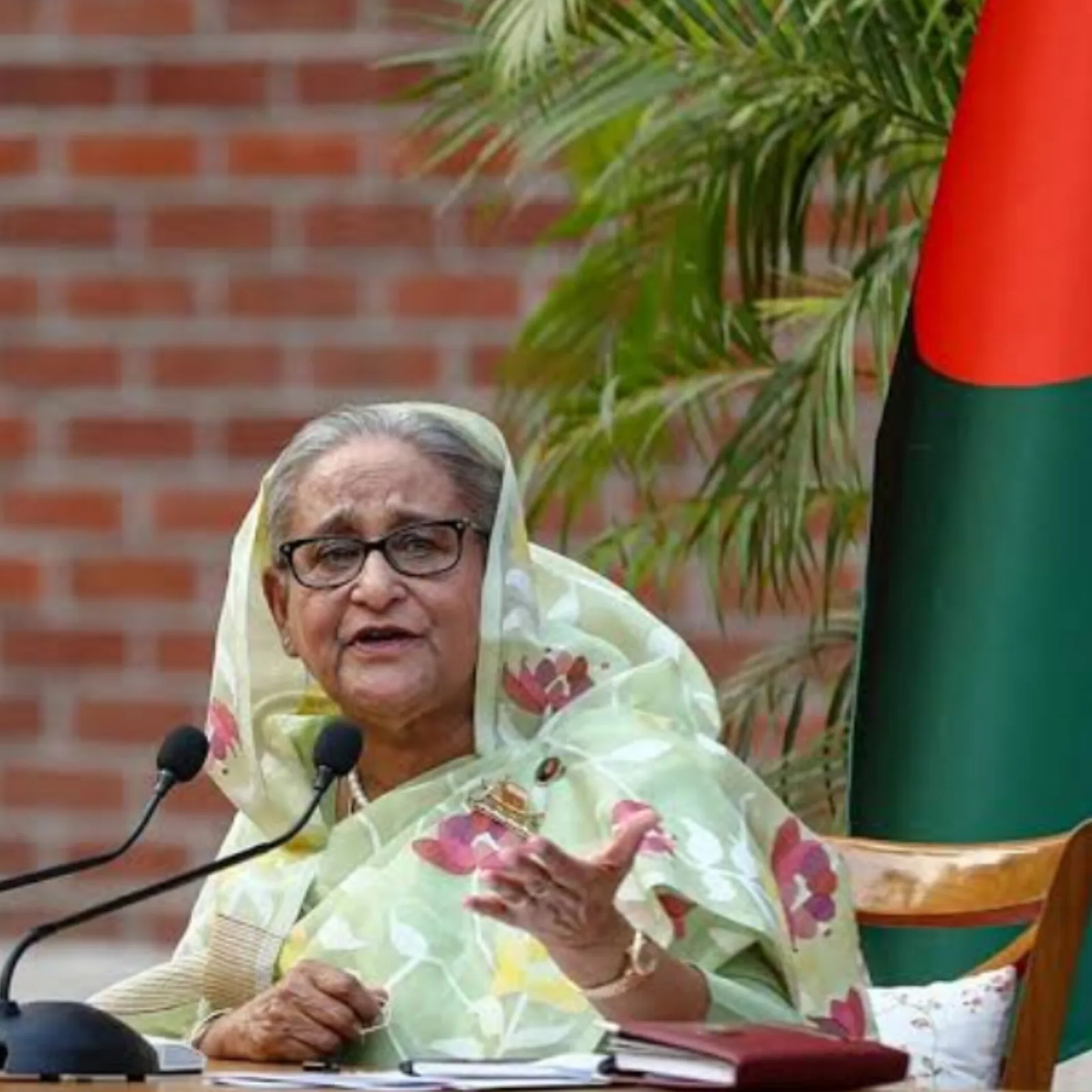
Bangladesh has welcomed reports that former Prime Minister Sheikh Hasina plans to return to Dhaka by the end of 2026, saying she should face trial over the charges against her. Government adviser Zahed Ur Rahman said Hasina would receive a transparent legal process and could bring the "best lawyers in the world" to defend herself. He added that while many people want her death sentence to stand, the court could also "revise the verdict" or even acquit her. Hasina, who has been living in India since August 2024, has called the charges and her conviction "politically motivated." (PC: NDTV)
Brief by Shorts91 Newsdesk / 09:45am on 15 Jul 2026,Wednesday International
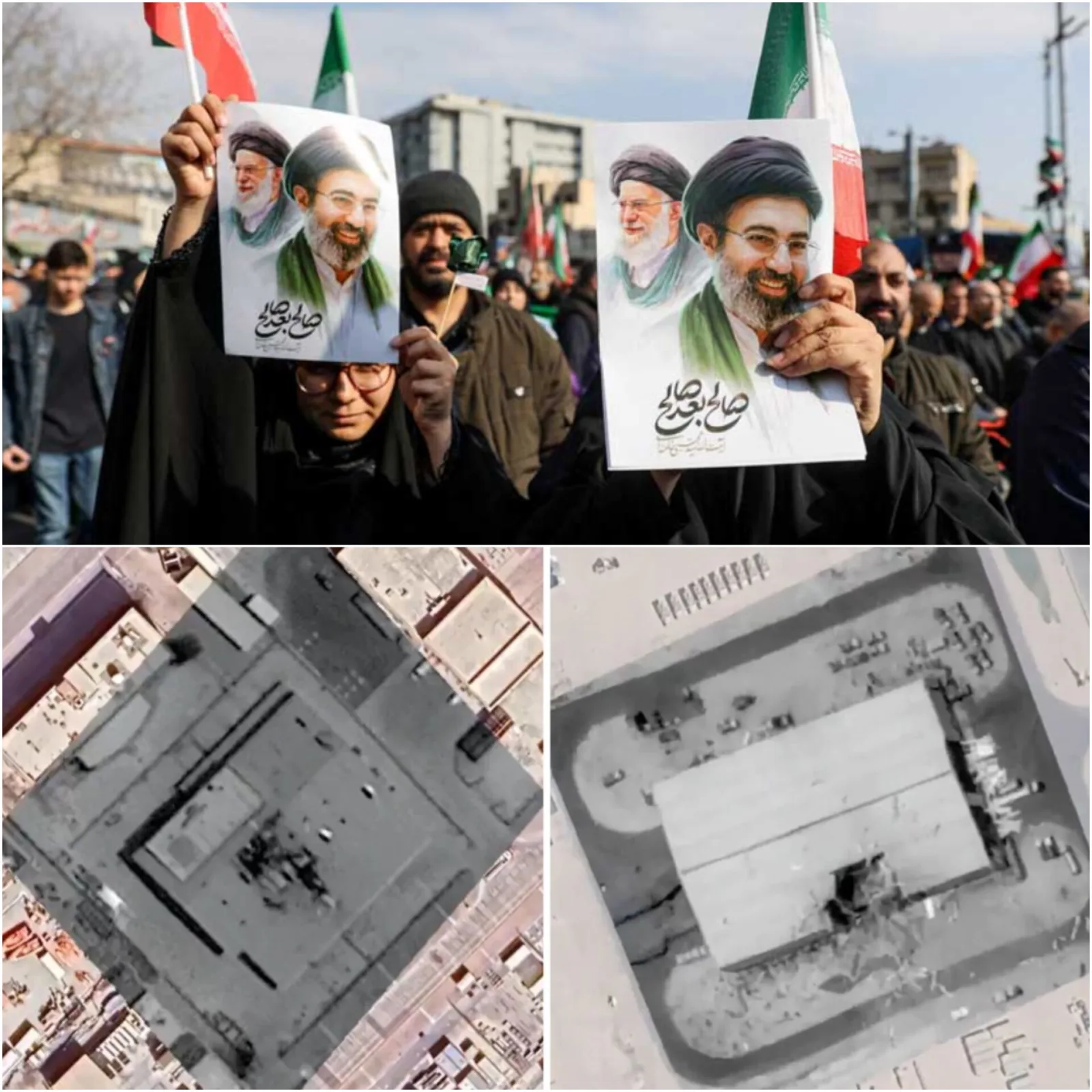
Iran launched missile and drone attacks on US military-linked targets in Jordan, Bahrain and Kuwait after Washington carried out fresh strikes and reinstated its naval blockade on Iranian ports. Air defence systems intercepted several incoming projectiles, while Gulf nations activated emergency measures. The latest escalation came as US President Donald Trump warned of more military action unless Tehran returned to negotiations. The conflict has also disrupted shipping through the Strait of Hormuz, a key global oil route, pushing up crude prices and raising fears of wider regional instability. Both sides have vowed to continue operations despite growing international concern.
Brief by Shorts91 Newsdesk / 09:23am on 15 Jul 2026,Wednesday International
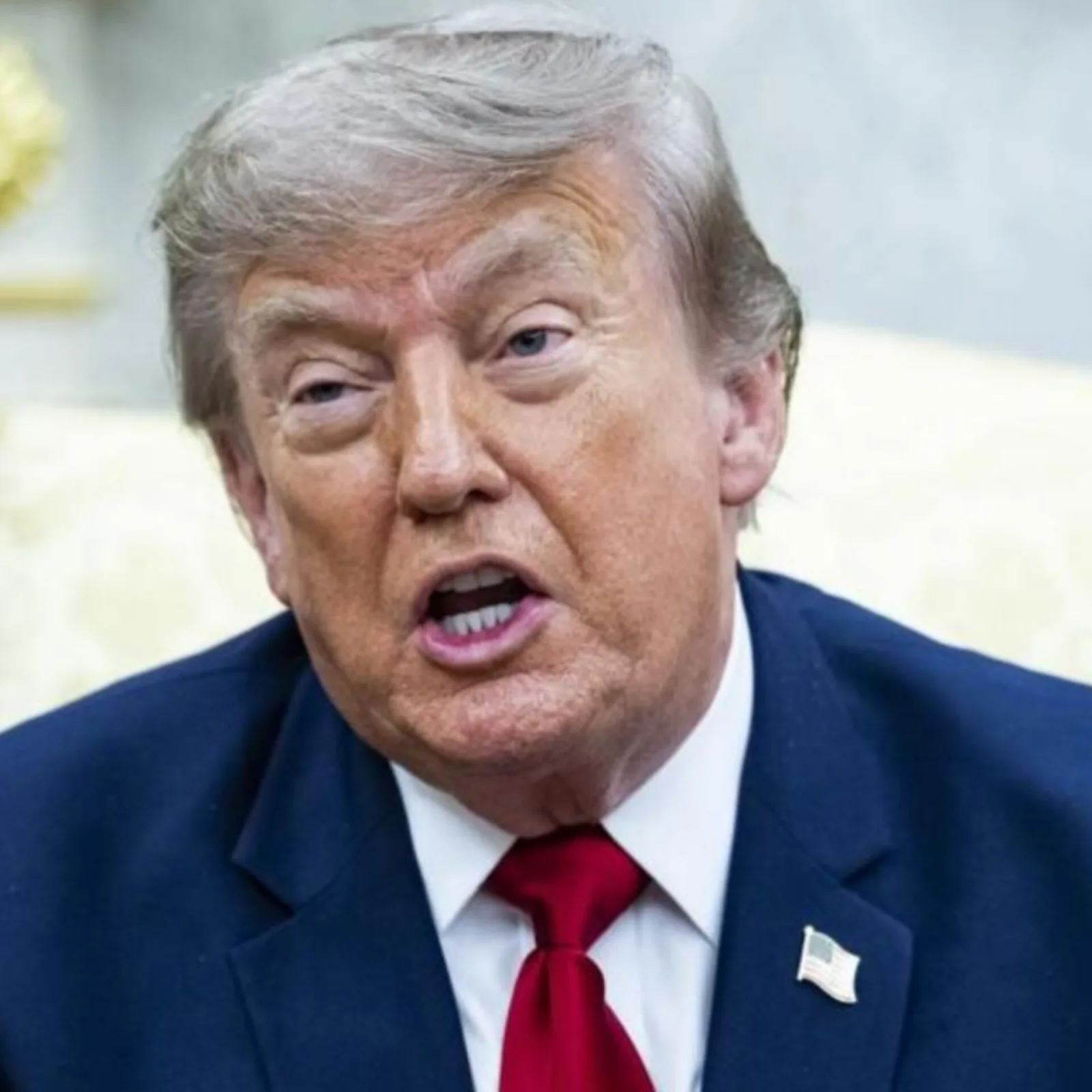
US President Donald Trump has warned that the United States will target Iran's bridges and power plants next week unless Tehran returns to negotiations. Speaking to Fox News, Trump said Iran must "get to the table and negotiate" or face further military action. His remarks came as US and Iranian forces exchanged attacks for a fourth straight day, with Washington striking military targets and maintaining a blockade on Iranian ports. Iran responded with missile and drone attacks on US-linked targets in the Gulf. The escalating conflict has disrupted shipping through the Strait of Hormuz and pushed global oil prices higher.
Brief by Shorts91 Newsdesk / 06:07am on 15 Jul 2026,Wednesday International
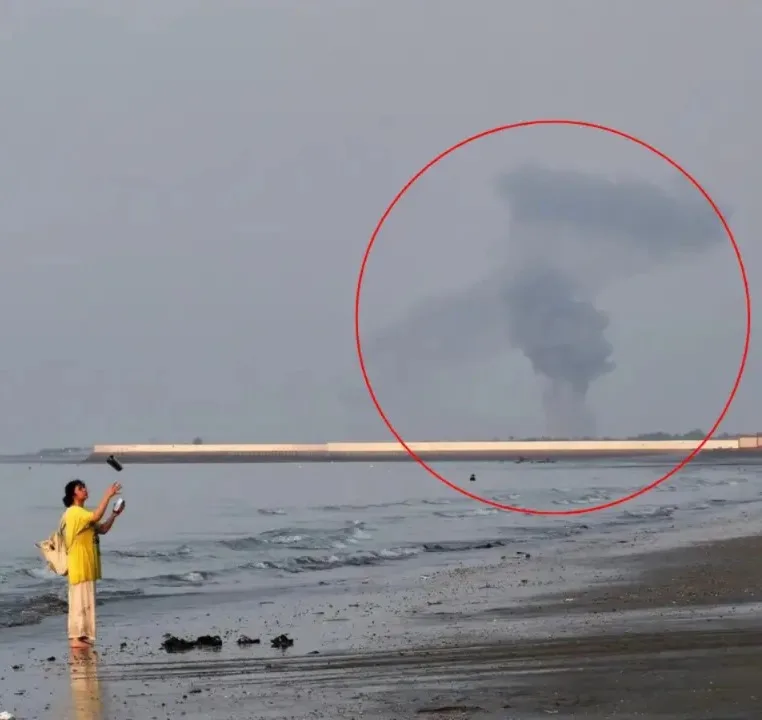
Iran's Islamic Revolutionary Guard Corps (IRGC) declared the Strait of Hormuz will remain closed "until the end of America's evils," warning that oil and gas export routes serving the US and its allies could be targeted if hostilities continue. The statement came after the US reinstated a naval blockade on Iranian ports and carried out fresh strikes on military targets near the Strait of Hormuz, according to CENTCOM. Iran's Deputy Foreign Minister Kazem Gharibabadi said Tehran had no obligation to restore normal passage through the waterway. Meanwhile, Kuwait reported intercepting Iranian missiles and drones, while Bahrain activated air raid sirens and urged residents to seek shelter. (PC: Times Now)
Brief by Shorts91 Newsdesk / 05:19am on 15 Jul 2026,Wednesday International
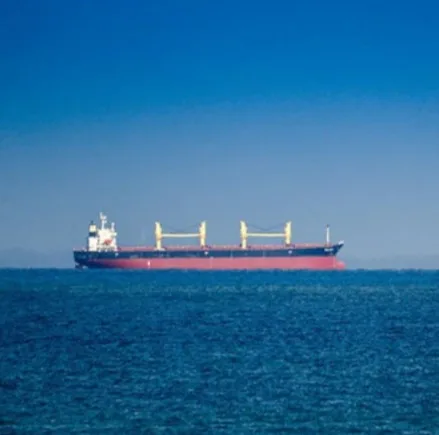
The United States will withdraw all troops from Iraq by September 30, ending a 23-year military presence that began with the 2003 invasion and later shifted to operations against the Islamic State group. Announcing the decision alongside Iraqi Prime Minister Ali al-Zaidi at the White House, US President Donald Trump said Washington no longer considered a military presence in Iraq necessary. Al-Zaidi confirmed Iraqi security forces were capable of maintaining the country's stability, while American companies would continue operating in Iraq after the troop withdrawal. The move marks a significant milestone in US-Iraq relations, concluding one of America's longest overseas military deployments while transferring full security responsibility to Baghdad.
Brief by Shorts91 Newsdesk / 04:55am on 15 Jul 2026,Wednesday International
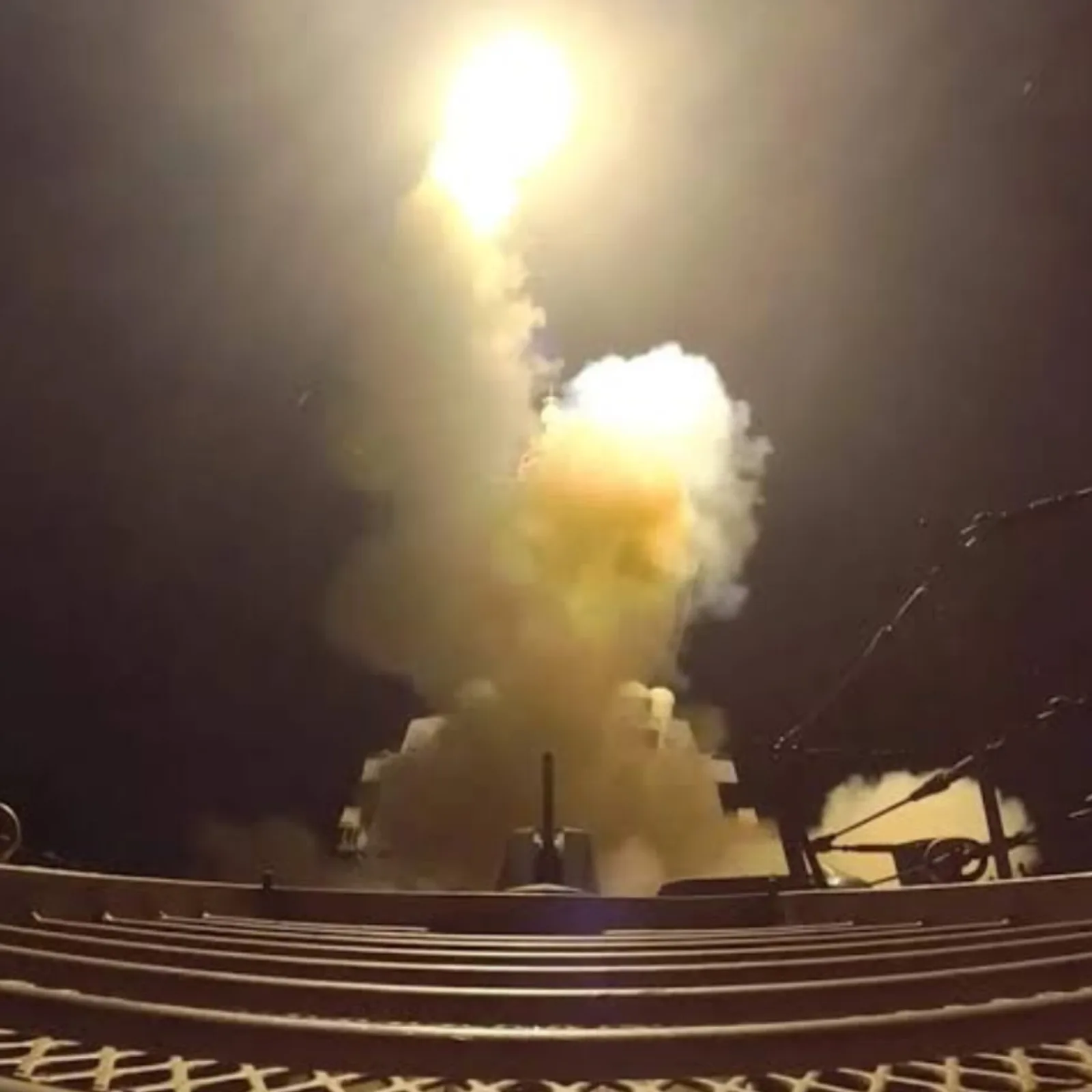
Iran is signalling it could expand the ongoing conflict beyond the Strait of Hormuz by using Yemen's Houthi allies to threaten the Bab el-Mandeb Strait, another critical global shipping route linking the Red Sea and Gulf of Aden. Analysts say the move would increase pressure on the United States by disrupting global trade and energy supplies. Houthi officials warned both chokepoints could be closed if hostilities escalate, potentially driving oil prices to $200 a barrel. Experts describe Bab el-Mandeb as Iran's last major strategic lever after Hormuz. However, analysts also caution that any attempt to block the waterway could trigger a broader US-led military response and further destabilise the region. (PC: NDTV)
Brief by Shorts91 Newsdesk / 03:24am on 15 Jul 2026,Wednesday International
The conflict between the United States and Iran intensified after Washington launched fresh military strikes targeting Iranian military infrastructure and reimposed a naval blockade. Iran responded with attacks on US-linked targets and reiterated its stance over the strategically vital Strait of Hormuz, a key global oil shipping route. President Donald Trump abandoned a proposed transit toll in favor of pursuing trade and investment agreements with Gulf nations while maintaining pressure on Tehran. The renewed hostilities have raised fears of wider regional instability, disrupted energy markets, and increased concerns over global oil supplies and diplomatic efforts to restore peace. (PC: X)