Brief by Shorts91 NewsDesk / 09:50am on 23 Jun 2025,Monday International
Iran’s Supreme Leader Ayatollah Khamenei has dispatched FM Abbas Araqchi to Moscow to urge President Putin for stronger support after the U.S.’s largest air strikes on Iranian nuclear sites since 1979 . The U.S. and Israel have floated the prospect of targeting Khamenei and pushing for regime change. Putin has condemned Israeli strikes but remained silent on U.S. actions, while offering calm mediation and continuing nuclear cooperation. Tehran is dissatisfied with Russia’s current stance and seeks undisclosed concessions. Araqchi will hand-deliver Khamenei’s letter and coordinate responses, though Putin seems cautious amid his own war in Ukraine .
Brief by Shorts91 NewsDesk / 09:12am on 23 Jun 2025,Monday International
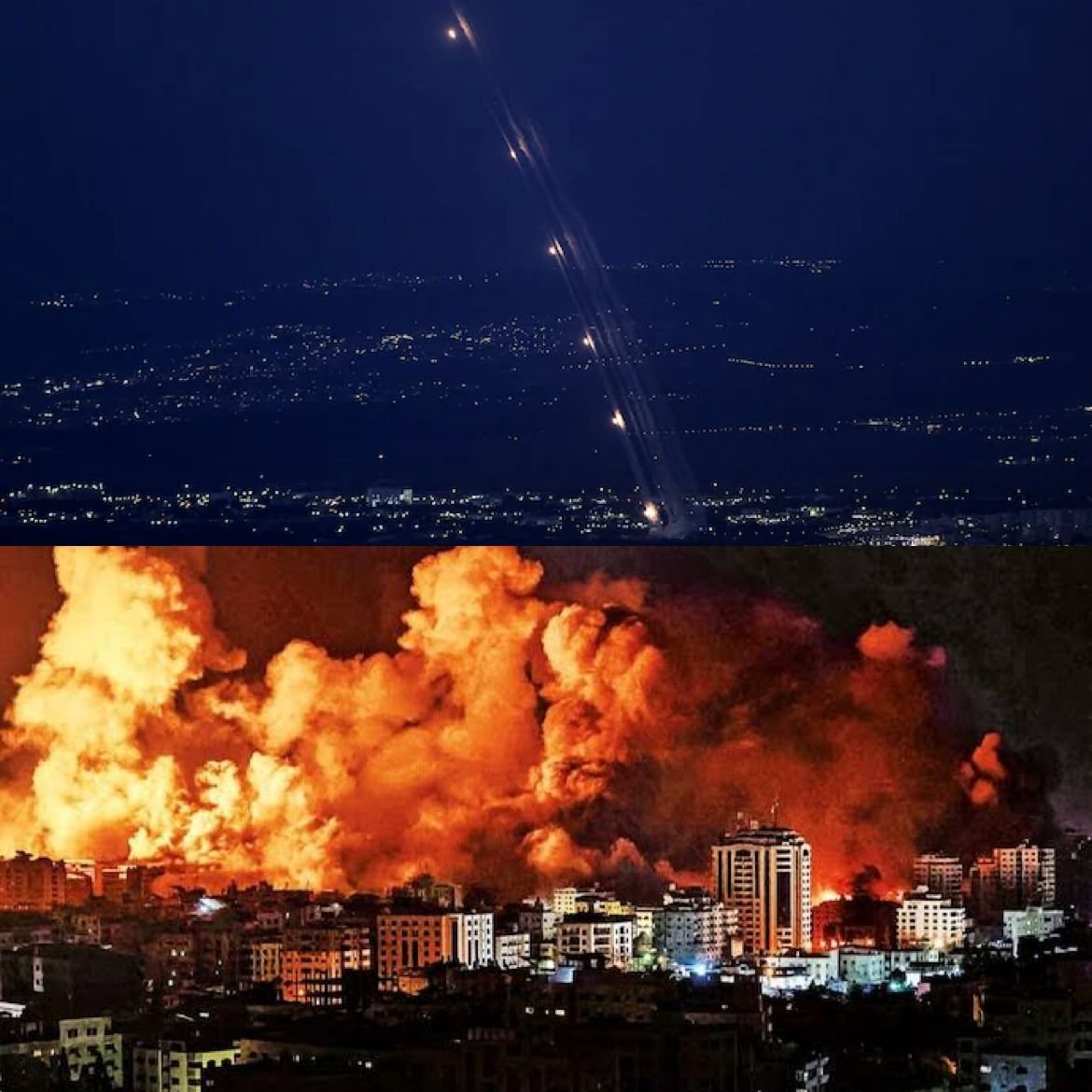
Iran launched approximately 15 ballistic missiles at Israel on June 23, following U.S. precision strikes days earlier targeting Iran’s Fordow, Natanz and Isfahan nuclear sites. Sirens wailed across northern Israel and explosions were reported in Jerusalem and Ashdod, prompting civilians to take shelter. The Israeli military confirmed multiple launches, with at least some missiles impacting Israeli territory. Iran framed the escalation as retaliation for U.S. intervention and warned former President Trump it would “end this war.” This marks the 11th consecutive day of intense Israel‑Iran hostilities. Regional and global leaders are urging restraint amid concerns over destabilising actions near the Strait of Hormuz and soaring oil prices. (PC: India Today)
Brief by Shorts91 NewsDesk / 08:39am on 23 Jun 2025,Monday International
Iran has pledged to retaliate after the United States struck three nuclear sites including Fordow, Natanz, and Isfahan alongside Israel’s ongoing campaign. U.S. President Trump hailed the strikes as a “spectacular military success”, hinting at possible regime change if Tehran fails to “make Iran great again,” despite senior officials claiming the operation targeted only Iran’s nuclear infrastructure. Iran’s leadership condemned the action as a violation of international law and placed its military on alert, warning of a “proportionate response” that could include targeting U.S. forces or closing the Strait of Hormuz. Global leaders urged de-escalation while diplomatic efforts remain stalled.
Brief by Shorts91 NewsDesk / 06:55am on 23 Jun 2025,Monday International
On June 22–23, the U.S., deploying B‑2 stealth bombers and GBU‑57 bunker-busters, struck Iran’s Fordow, Natanz, and Isfahan nuclear sites hitting deeply buried facilities. President Trump hailed the strikes as “monumental” and “obliteration,” warning of future escalations and even floated regime change. Iran reports no radiation leaks and pledges a proportional response, deciding “time, scale and nature” in upcoming retaliation. Israel intercepted Iranian missiles toward Tel Aviv, and strikes reportedly killed nearly 950 Iranians (380 civilians). Global leaders urged de-escalation at the UN, and oil prices surged over 3% past $79/barrel. Thailand’s finance minister downplayed market risk, adjusting stock limits accordingly.
Brief by Shorts91 NewsDesk / 05:12am on 23 Jun 2025,Monday International
Anti‑war demonstrations have swept major US cities including New York, Washington DC, Boston, Chicago, and Los Angeles after the US, under “Operation Midnight Hammer,” bombed three Iranian nuclear facilities (Fordow, Natanz, Isfahan). Rallying under slogans like “Hands off Iran” and “No US‑Israel war on Iran,” protesters demanded Washington halt support for Israel and avoid further entanglement in the Middle East. Authorities elevated security around diplomatic, cultural, and religious sites, though no credible threats emerged. President Trump celebrated the strikes as “monumental” wins and called for peace talks, while Iran’s leadership condemned the strikes, declaring they would retaliate. Satellite images allegedly confirm significant damage, yet Iran’s nuclear agency reports no radioactive leaks.
Brief by Shorts91 Newsdesk / 04:48am on 23 Jun 2025,Monday International
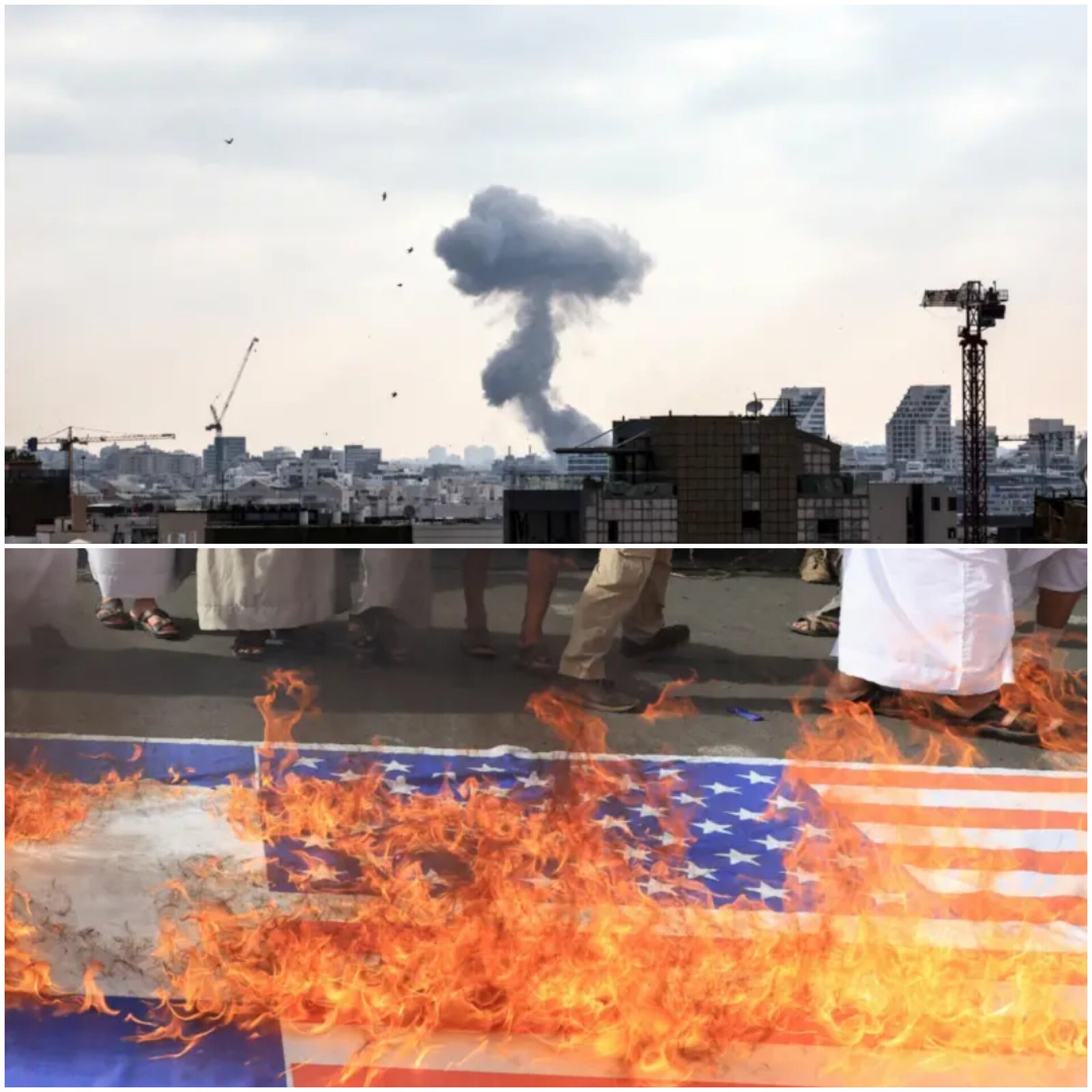
Israel and Iran exchanged missile attacks over the past 24 hours, intensifying regional tensions. Iran launched 27 ballistic missiles at Israeli cities, damaging residential areas in Tel Aviv, Haifa, Nes Ziona, and Rishon Lezion. In retaliation, Israel deployed 20 fighter jets targeting missile facilities, radar systems, and launchers across Tehran, Kermanshah, and Hamedan. The Israeli military later declared the immediate threat over. Meanwhile, Brent crude oil prices jumped over 3% amid fears of supply disruption. The US State Department issued a global security alert, urging citizens to exercise caution due to heightened anti-US sentiments following recent military actions. (PC: EPA, Reuters)
Brief by Shorts91 Newsdesk / 04:21am on 23 Jun 2025,Monday International
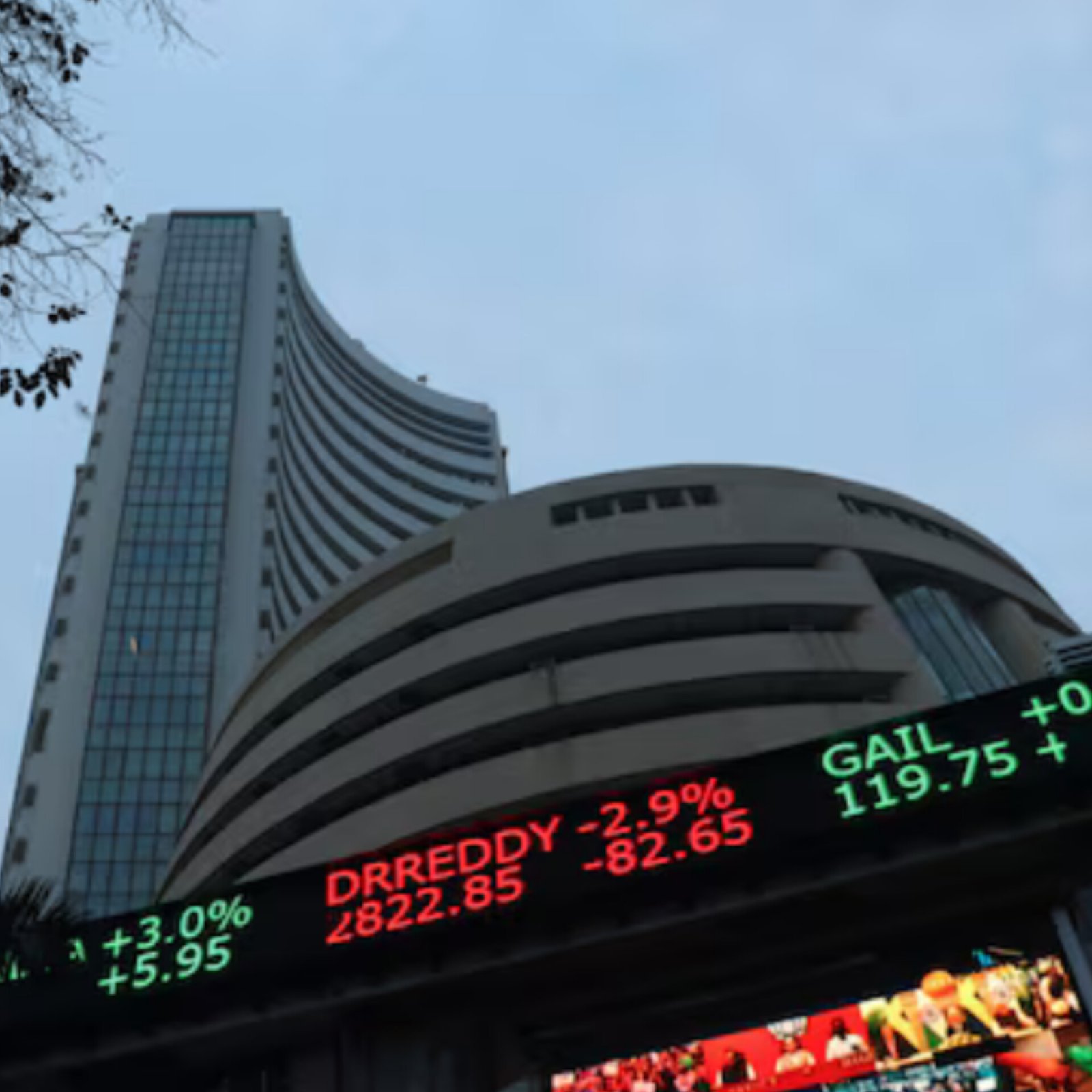
Indian stock markets tumbled on Monday as rising geopolitical tensions following US strikes on Iranian nuclear sites shook investor confidence. The BSE Sensex fell 503 points to 81,905, while the Nifty slipped below 25,000 to 24,977. All sectoral indices were in the red. Broader markets and Asian equities also declined, while oil and gold prices surged. Brent crude rose 2.62% to $79.06/barrel and gold jumped nearly 3% as investors turned to safe havens. Experts warn of limited upside amid weak momentum. Iran’s threat to close the Strait of Hormuz further deepened global concerns over energy supply disruptions. (PC: News18)
Brief by Shorts91 Newsdesk / 03:42am on 23 Jun 2025,Monday International
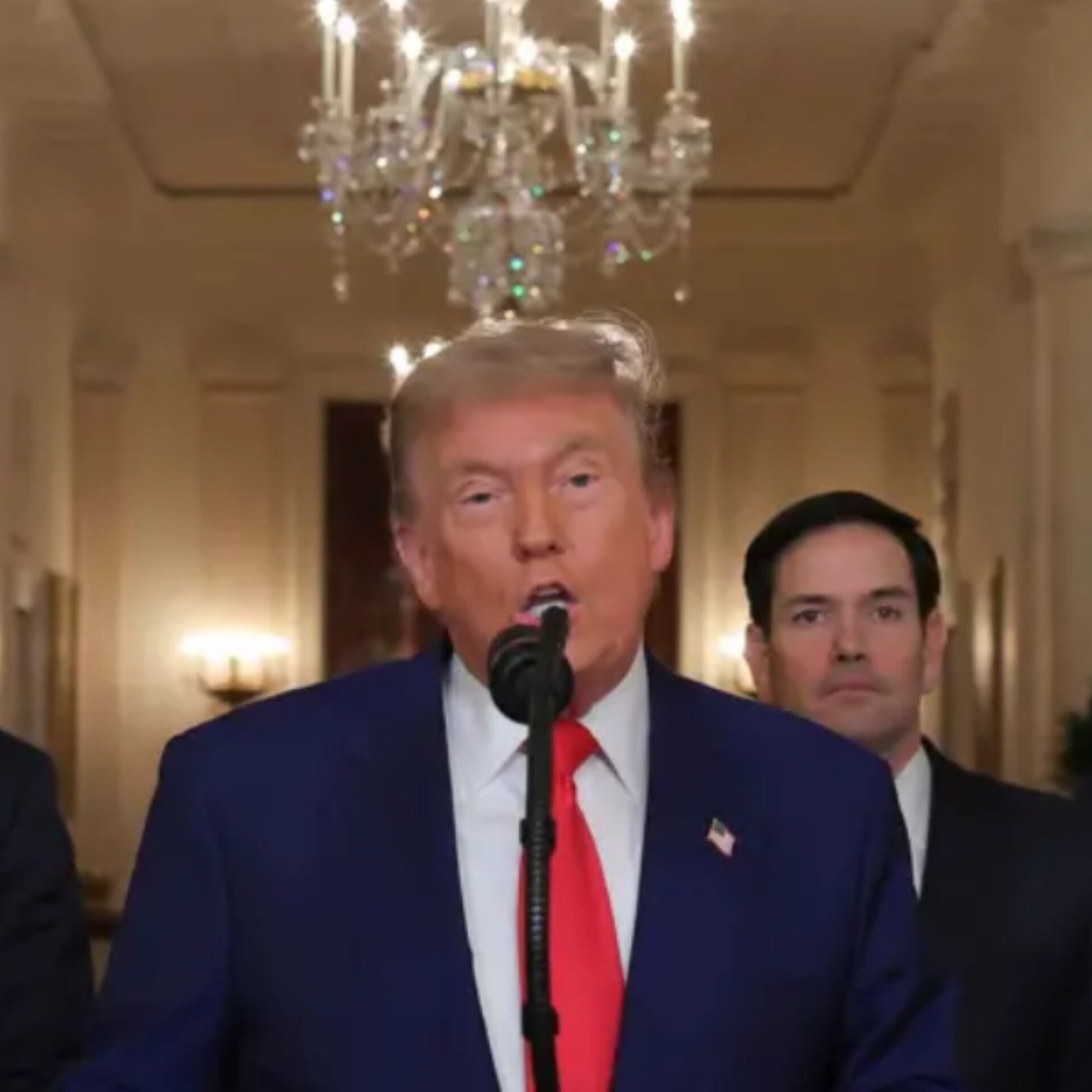
US President Donald Trump declared the airstrikes on Iran’s nuclear facilities a “bullseye,” claiming “monumental damage” was done during ‘Operation Midnight Hammer’. Posting on Truth Social, Trump cited satellite images showing the Fordow site deeply damaged underground. However, Iran downplayed the attack, claiming key materials were evacuated beforehand. Experts, including Jeffrey Lewis of the Middlebury Institute, warned the damage may only delay Iran’s program by a few years. “There are likely hidden sites we don’t know about,” he said. Iran may now be hiding enriched uranium in undisclosed locations, raising fears about future escalation and nuclear secrecy. (PC: HT):
Brief by Shorts91 Newsdesk / 03:37am on 23 Jun 2025,Monday International
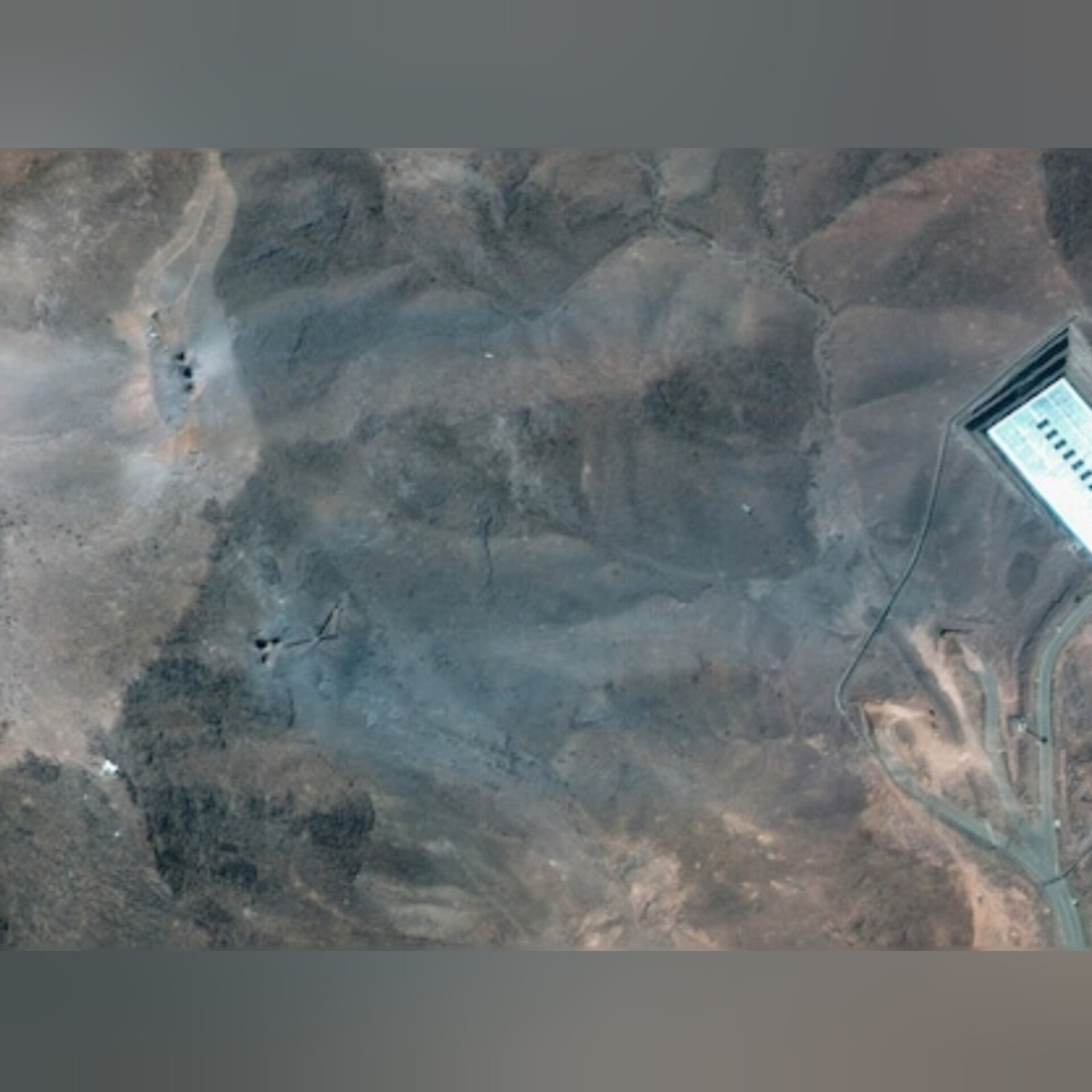
The International Atomic Energy Agency (IAEA) confirmed no radiation leak following US airstrikes on Iran’s nuclear sites—Fordow, Natanz, and Esfahan. Director General Rafael Grossi urged renewed diplomacy, offering IAEA mediation. While Esfahan sustained “extensive additional damage,” the underground Fordow site’s internal impact remains unclear. Experts noted “unusual activity” at Fordow before the strikes, suggesting Iran moved its 60% enriched uranium stockpile. Natanz was also struck with bunker-buster bombs. Grossi said the IAEA is ready to resume inspections and facilitate peace efforts. “We must return to negotiations,” he stressed, urging access for inspectors and coordination between Iran and the US. (PC: NDTV)
Brief by Shorts91 Newsdesk / 03:32am on 23 Jun 2025,Monday International
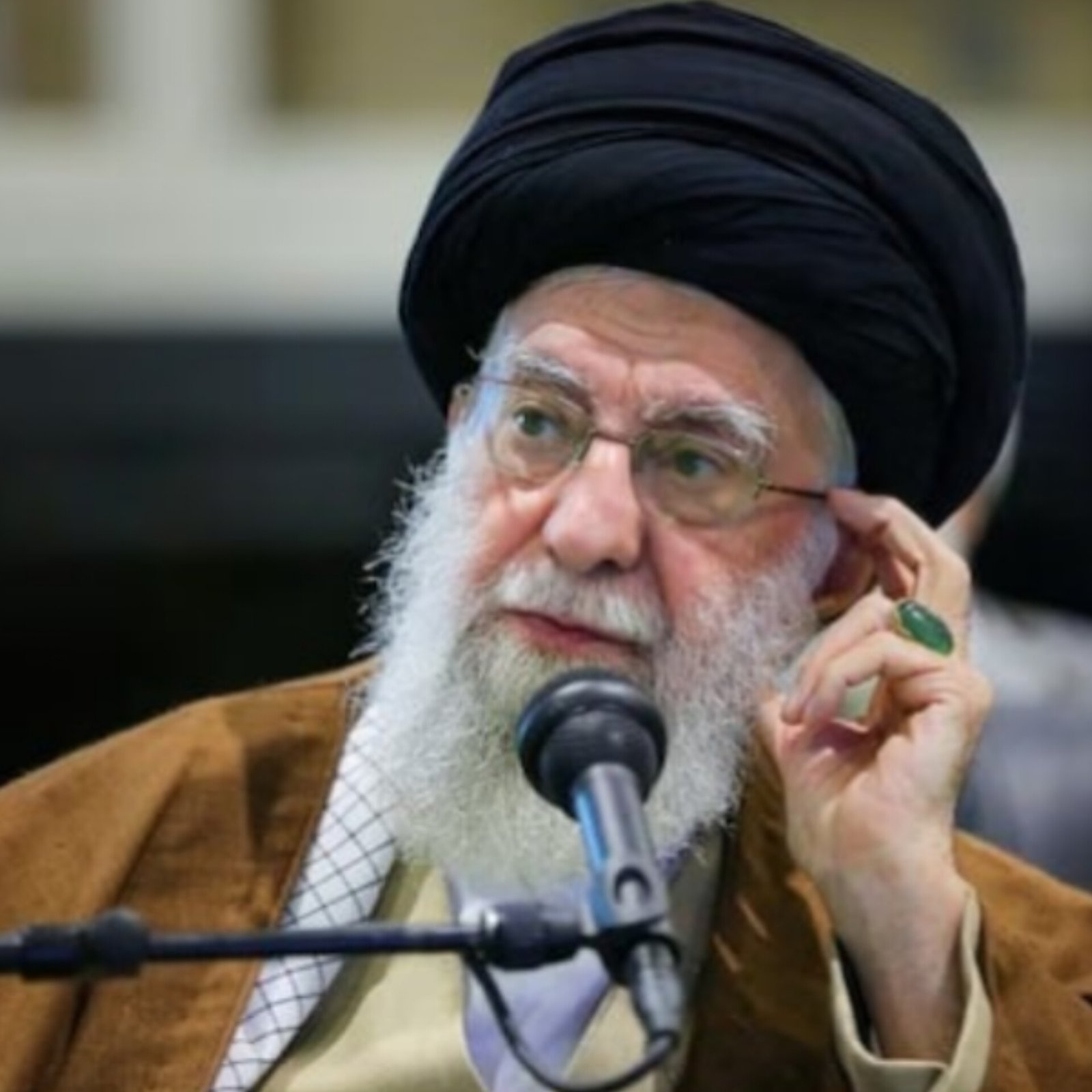
Iran’s Supreme Leader Ayatollah Ali Khamenei has condemned US airstrikes on three nuclear facilities, calling them a "grave crime" by the "Zionist enemy" and vowing harsh retaliation. “It must be punished and it is being punished,” he warned. Iran’s President Masoud Pezeshkian said the US “must receive a response.” The attacks involved 30,000-pound bunker-buster bombs, marking the most severe US military action since Iran’s 1979 revolution. At the UN Security Council, Iran accused the US and Israel of sabotaging diplomacy. UN Secretary-General António Guterres urged an immediate return to negotiations on Iran’s nuclear programme, warning of a “perilous turn.” (PC: India Today)