Brief by Shorts91 Newsdesk / 09:49am on 26 Aug 2025,Tuesday Science
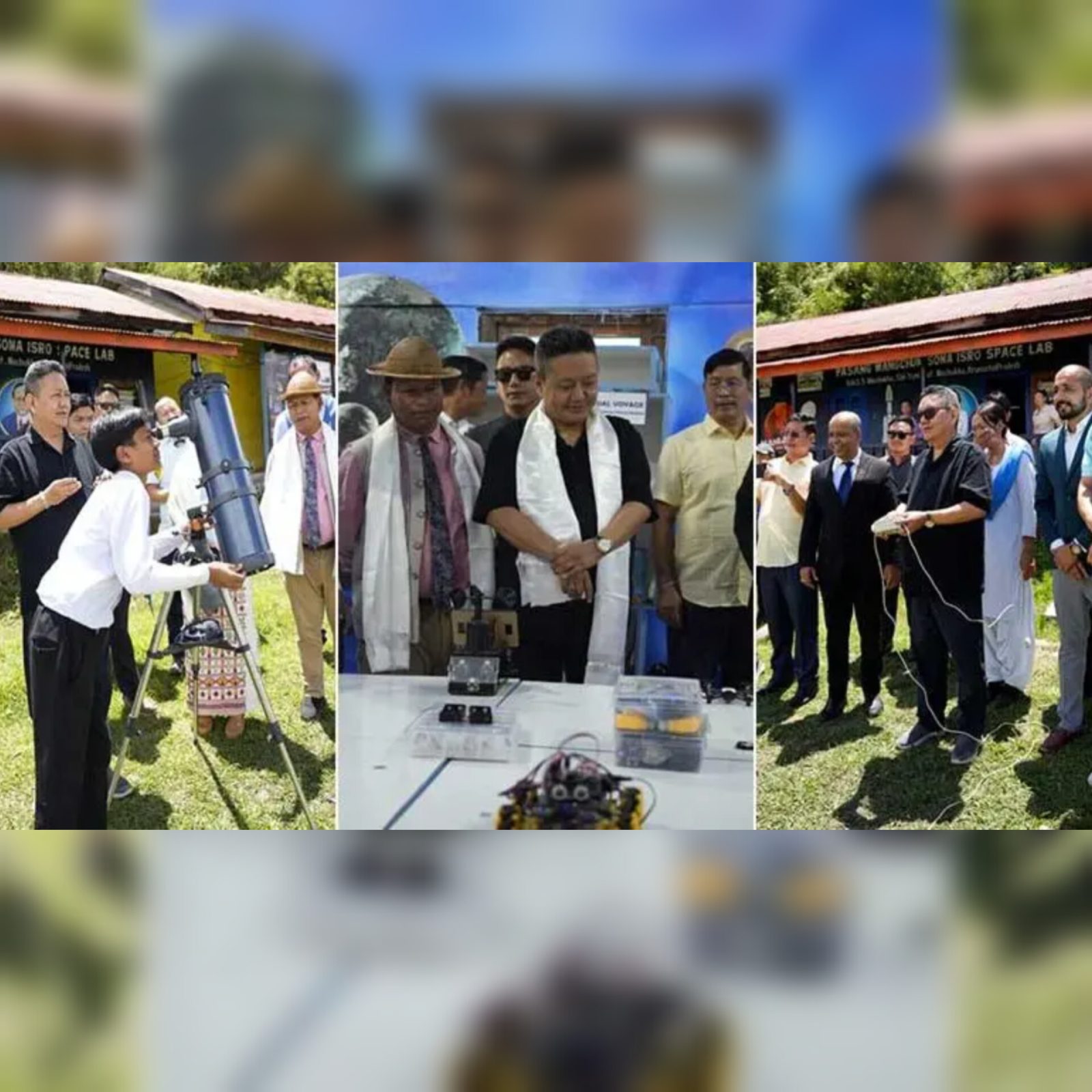
Arunachal Pradesh Education Minister Pasang Dorjee Sona inaugurated the Pasang Wangchuk Sona ISRO Space Laboratory on August 16, 2025, at Mechuka Government Higher Secondary School in Shi-Yomi district—co-developed by ISRO and the Muskaan Foundation. Named in honour of the minister’s late father, the facility aims to offer hands-on learning in space science and technology, inspiring innovation, critical thinking, and scientific ambition among students . Sona expressed this is more than an educational facility—it's a heartfelt tribute and a beacon for youth in his region to “dream bigger, explore science fearlessly, and reach for the stars”.
Brief by Shorts91 NewsDesk / 06:20am on 25 Aug 2025,Monday Science
Group Captain Shubhanshu Shukla, the first Indian to set foot on the International Space Station (ISS), received a hero’s welcome in Lucknow after completing the Axiom-4 mission. Returning from nearly 20 days in orbit, Shukla was greeted at Lucknow Airport by cheering crowds, family, and Deputy CM Brajesh Pathak. A felicitation ceremony was held at City Montessori School, attended by top state leaders. Defence Minister Rajnath Singh honored Shukla and his fellow astronauts, praising their role in India’s space ambitions. Shukla called the mission a “big achievement” and emphasized its importance for future goals like Gaganyaan, Bharatiya Antariksh Station, and India’s eventual lunar landing.
Brief by Shorts91 Newsdesk / 06:48pm on 24 Aug 2025,Sunday Science
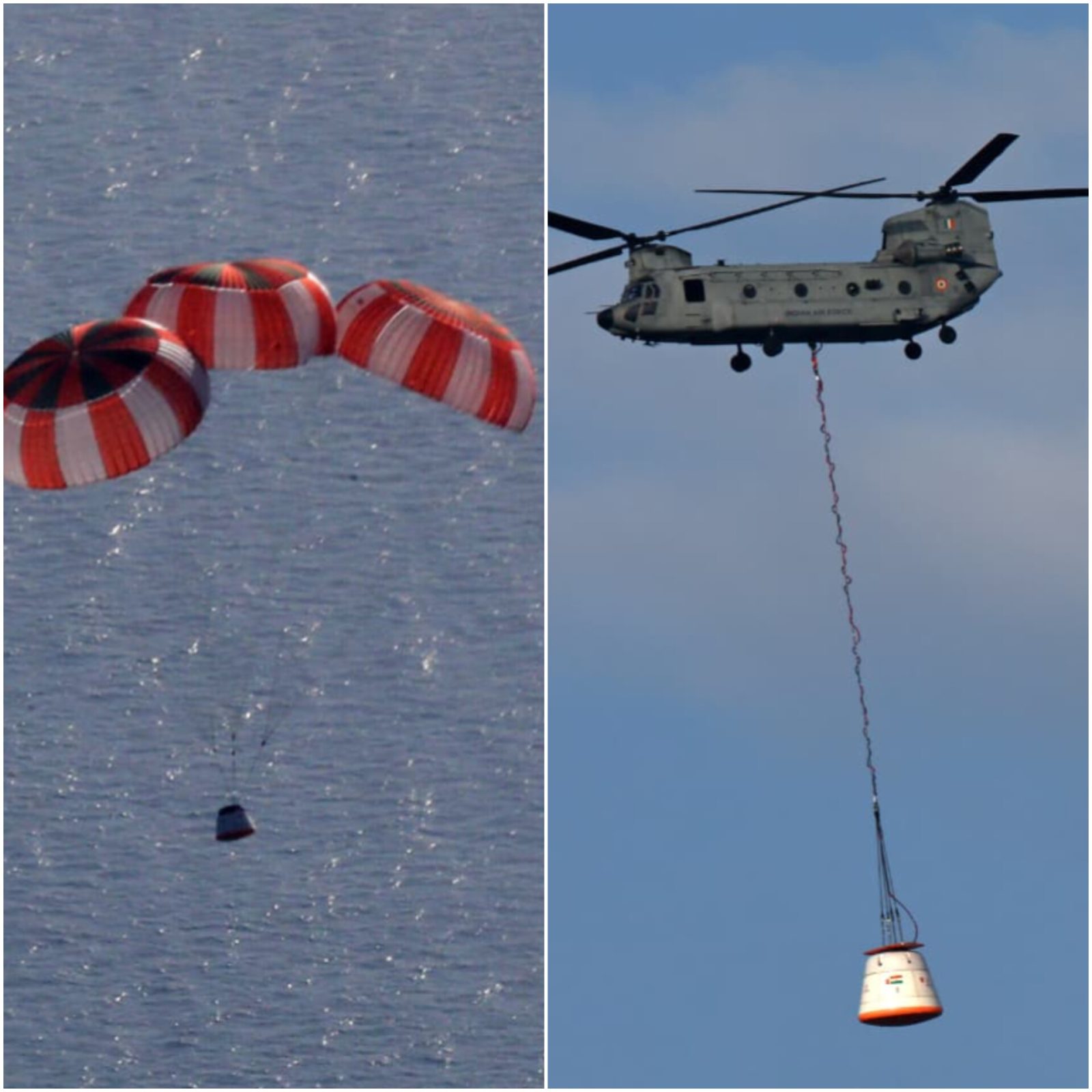
The Indian Space Research Organisation (ISRO) has successfully carried out its first Integrated Air Drop Test (IADT-01) for the Gaganyaan mission. The test demonstrated the parachute-based deceleration system, ensuring astronaut safety during re-entry. It was conducted with support from the Indian Air Force, DRDO, Indian Navy, and Coast Guard. ISRO chairman V Narayanan confirmed that the first uncrewed Gaganyaan flight, G1, will launch in December with the humanoid robot Vyommitra. India plans its first crewed flight in 2027. Future missions include Chandrayaan-4 in 2028, a Venus mission, a space station by 2035, and a Moon landing by 2040. (PC: X)
Brief by Shorts91 NewsDesk / 09:48am on 24 Aug 2025,Sunday Science
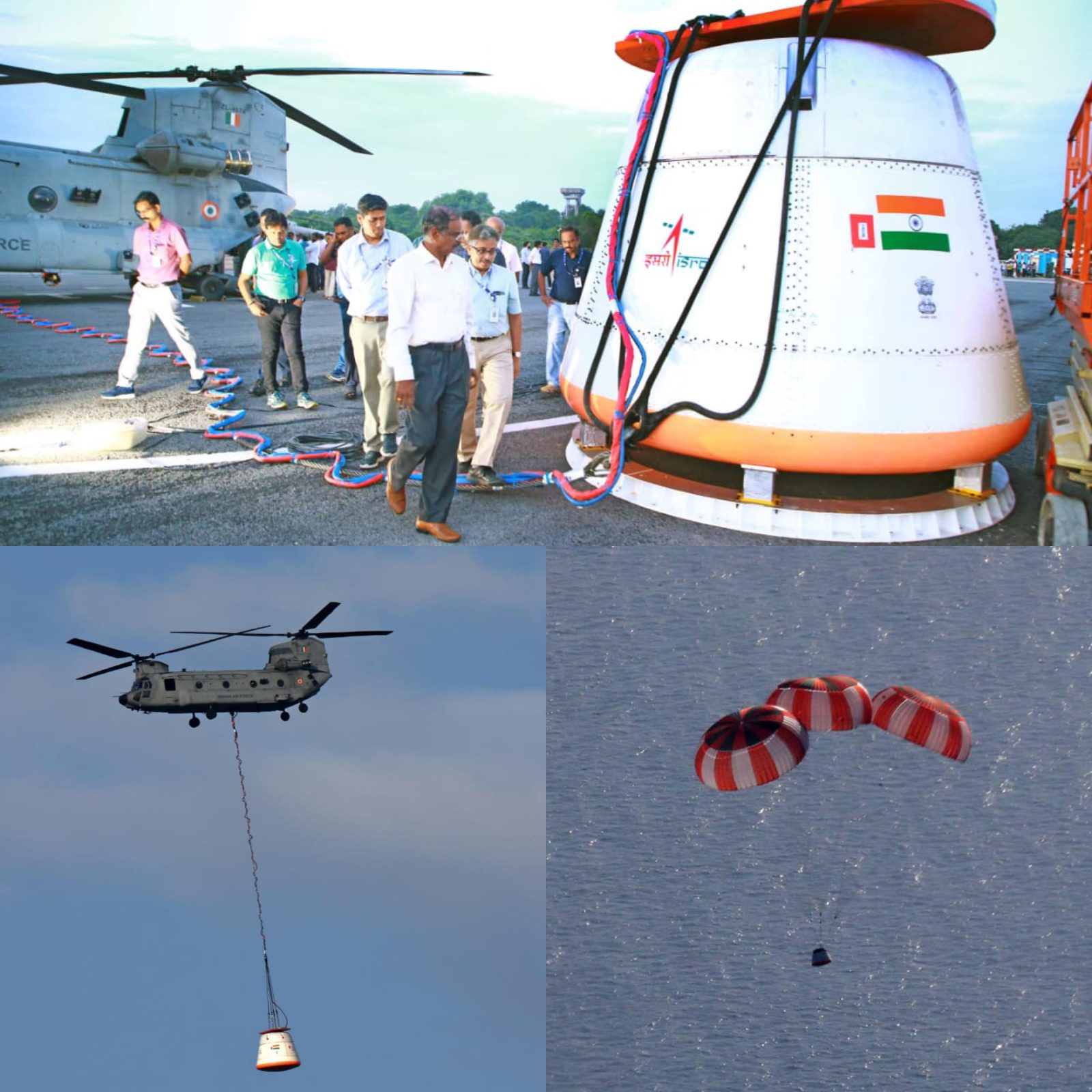
ISRO has successfully conducted its first Integrated Air Drop Test (IADT-01) for the Gaganyaan mission’s parachute-based deceleration system, marking a major milestone in astronaut safety validation. The test was a joint effort involving the Indian Air Force, DRDO, Indian Navy, and Coast Guard. ISRO Chairman V. Narayanan confirmed that the uncrewed Gaganyaan-1 flight, featuring the half-humanoid Vyommitra, is scheduled for December 2025. With 80% of over 10,000 tests completed, the remaining are expected by March 2026. Union Minister Jitendra Singh outlined progress on launch vehicles, crew modules, and recovery infrastructure. India aims for a crewed Gaganyaan flight by 2027 and a Moon landing by 2040. (PC: ISRO)
Brief by Shorts91 Newsdesk / 08:16am on 24 Aug 2025,Sunday Science
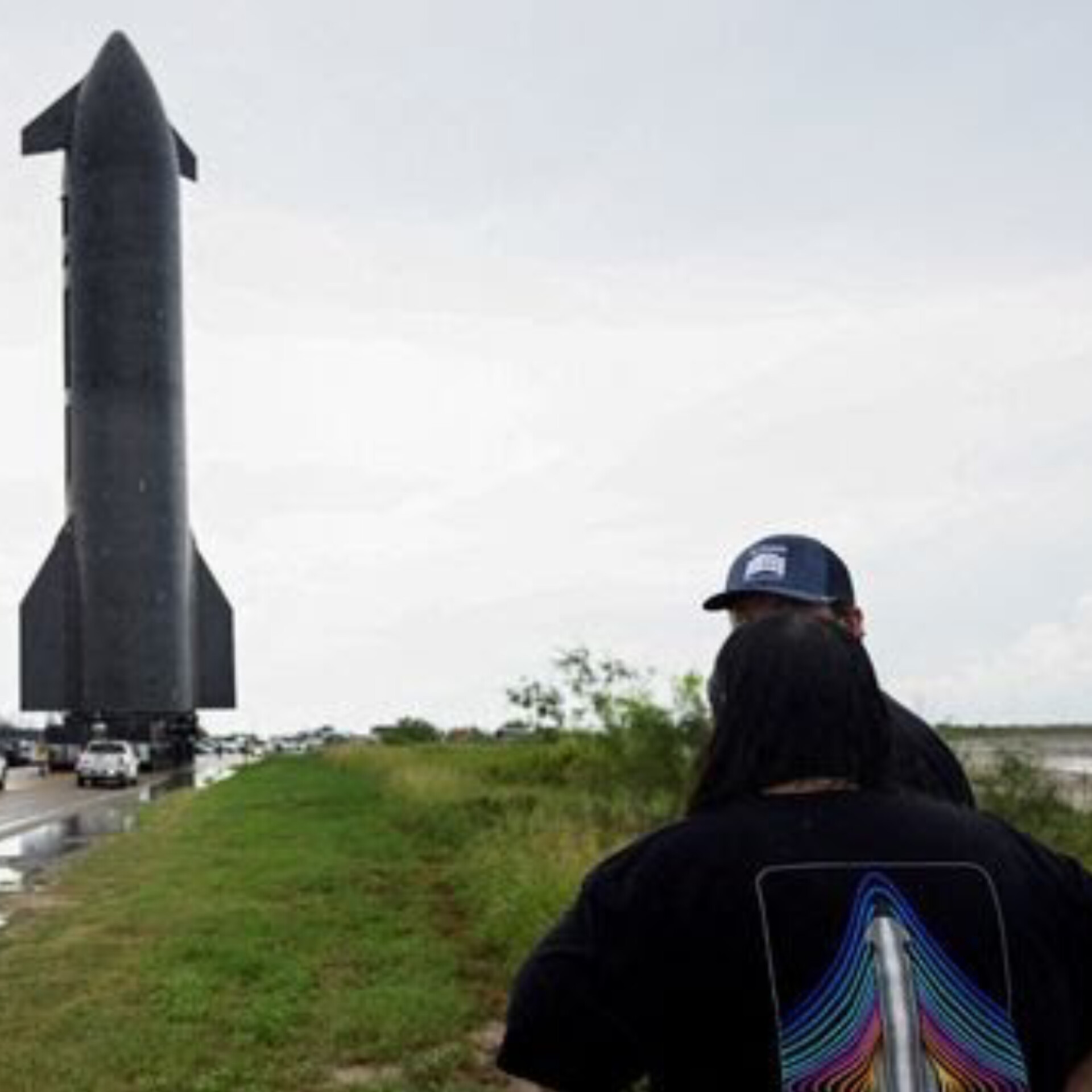
Elon Musk’s SpaceX is gearing up for the tenth test flight of its colossal Starship rocket this Sunday from its Starbase facility in Texas—a venture now deemed a pivotal inflection point amid multiple recent failures . In 2025, three consecutive Starship flights ended in dramatic explosions—twice mid-air and once during a ground test—raising serious concerns over the program’s viability . SpaceX has made technical corrections, including redesigning a fuel diffuser, to address the root cause of instability . Experts warn the outcome could either propel Starship toward success or signal a major setback in SpaceX’s Mars ambitions. (PC: Reuters)
Brief by Shorts91 Newsdesk / 07:20pm on 23 Aug 2025,Saturday Science
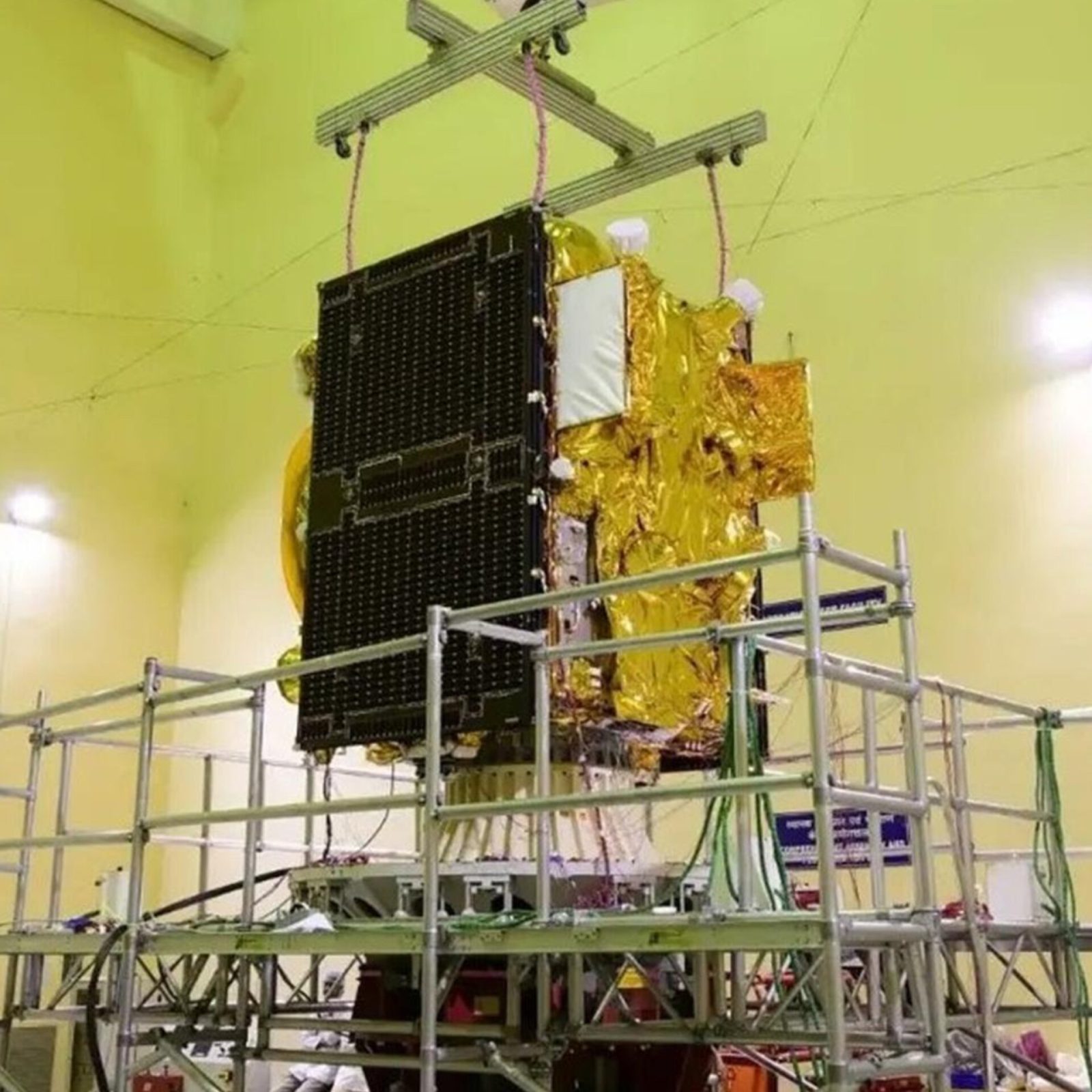
India’s regional satellite navigation system, NavIC, is facing delays in replacing its aging satellites due to setbacks in developing reliable indigenous atomic clocks. Earlier, multiple imported rubidium clocks onboard first-generation satellites malfunctioned, prompting efforts to create homegrown alternatives. However, the transition to these indigenous clocks has taken longer than expected, stalling the deployment of next-generation NavIC satellites. This delay constrains India’s ability to bolster the navigation constellation and maintain uninterrupted services, underscoring the critical need for timely development of essential satellite technologies. (PC: ISRO)

Brief by Shorts91 Newsdesk / 05:31pm on 23 Aug 2025,Saturday Science
NASA has unveiled a breathtaking image of MSH 15-52, a supernova remnant resembling a giant human hand, stretching across 150 light-years. The composite image, created with Chandra X-ray Observatory data and radio signals from Australia’s compact array, highlights intricate glowing filaments and jets. At its core lies pulsar B1509-58, a dense neutron star spinning seven times per second with a magnetic field trillions of times stronger than Earth’s. This pulsar powers the hand-like structure, propelling charged particles into space. The remnant’s interaction with nearby RCW 89 provides astronomers with rare insights into stellar explosions and cosmic evolution. (PC: X)

Brief by Shorts91 Newsdesk / 02:49pm on 23 Aug 2025,Saturday Science
On National Space Day, Prime Minister Narendra Modi called on Indian scientists to prepare for deep space exploration, emphasizing that "no frontier is final." In a video address, he highlighted India's achievements in space, including missions to the Moon and Mars, and announced plans to establish a pool of astronauts. Modi also set ambitious goals for the space sector, aiming for 50 rocket launches per year and the development of India's own space station. He encouraged private startups to contribute to the nation's space ambitions, aiming to foster innovation and growth in the sector. (PC: PTI)

Brief by Shorts91 Newsdesk / 01:16pm on 23 Aug 2025,Saturday Science
India’s space ambitions took a monumental leap forward this National Space Day as ISRO unveiled a full-scale model of the Bharatiya Antariksh Station (BAS) at Bharat Mandapam in New Delhi. The BAS-01 base module—spanning 3.8 m in diameter and 8 m in length, weighing 10 tonnes—features cutting-edge indigenous systems like ECLSS, Bharat Docking and Berthing Mechanisms, and automated hatches for crew operations and microgravity research. The first module is slated for launch by 2028, with the complete five-module orbital station expected to become operational by 2035. BAS will support long-duration human missions, space tourism, and international collaboration, marking India’s entry into the elite circle of nations with their own space stations. (PC: Moneycontrol)

Brief by Shorts91 NewsDesk / 06:25am on 23 Aug 2025,Saturday Science
On National Space Day, Prime Minister Narendra Modi and ISRO unveiled India’s expansive space roadmap, including Chandrayaan-4, a Venus Orbiter Mission, and the Bharatiya Antriksh Station (BAS) by 2035. The first BAS module will launch by 2028, with full operations by 2035. A Moon sample return mission is planned by 2040, alongside development of a Next Generation Launcher (NGL). PM Modi praised India’s historic lunar and Martian achievements and urged youth to join the astronaut pool. He highlighted technological strides in semi-cryogenic engines and electric propulsion, and celebrated initiatives like the Space Hackathon and Robotics Challenge. India aims to match global space agencies in deep space exploration and interplanetary missions. (PC: Jagran Josh & PTI)