Brief by Shorts91 Newsdesk / 01:00pm on 08 Jun 2025,Sunday Science
A groundbreaking study led by researchers from Queen’s University Belfast, the University of Washington, and others forecasts the discovery of millions of new solar system objects through the Vera C. Rubin Observatory’s Legacy Survey of Space and Time (LSST). Using the “Sorcha” simulation software, scientists predict the detection of 127,000 near-Earth objects, over 5 million main-belt asteroids, 109,000 Jupiter Trojans, and 37,000 trans-Neptunian objects. The LSST will provide six-color imaging, offering unprecedented insight into the composition and motion of these bodies. Full science operations are set to begin later this year. (PC: ANI)
Brief by Shorts91 Newsdesk / 02:06pm on 05 Jun 2025,Thursday Science
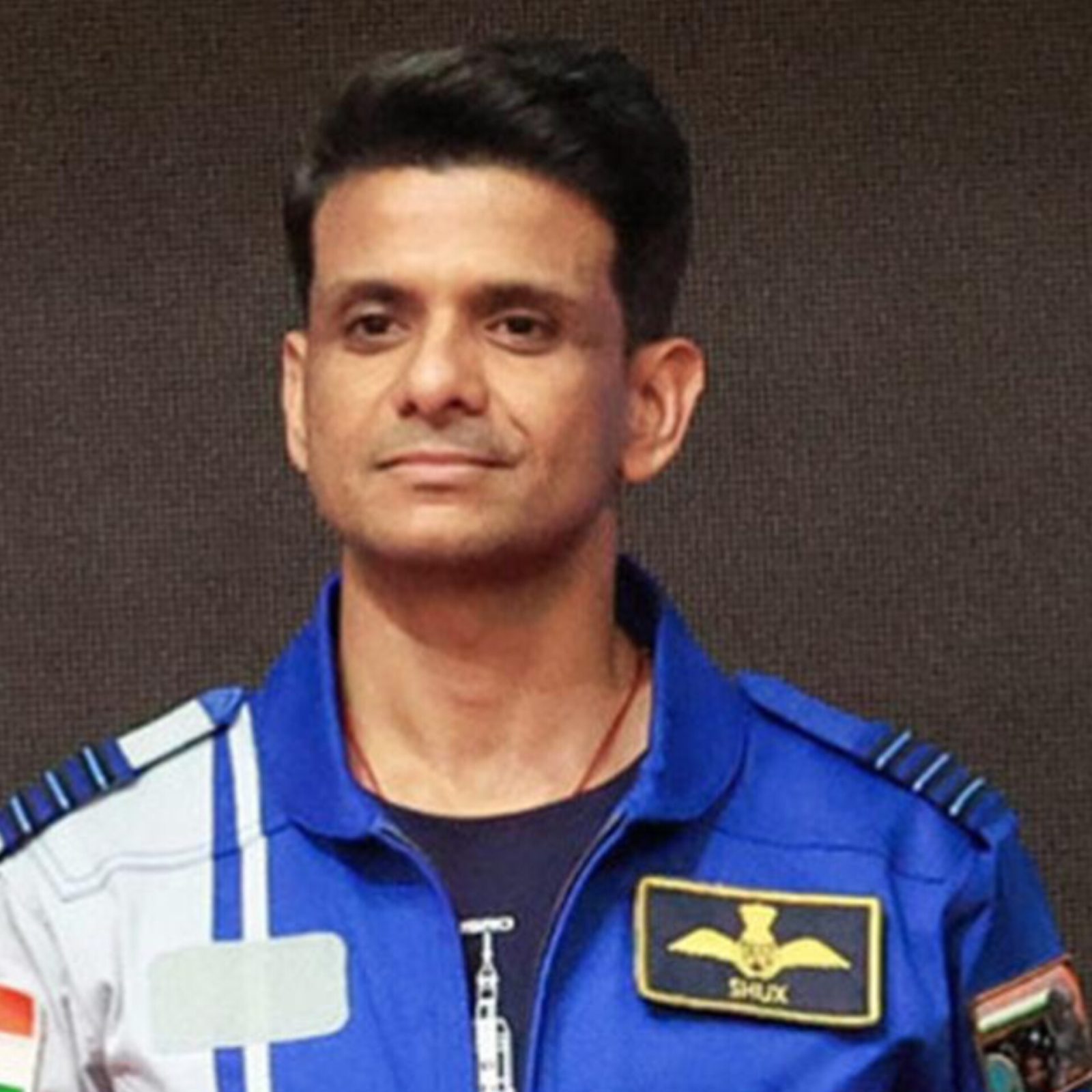
The launch of Axiom Mission 4 (Ax-4), featuring Indian Air Force Group Captain Shubhanshu Shukla, has been rescheduled to June 10, 2025, at 5:52 PM IST. Originally slated for June 8, the mission's delay allows for final preparations. Shukla will pilot the SpaceX Falcon 9 rocket from NASA's Kennedy Space Center, marking India's first astronaut journey to the International Space Station (ISS). The 14–21 day mission includes experiments on space agriculture and student interactions from orbit. Shukla expressed national pride, stating, "Even stars are attainable. Jai Hind." (PC: The Hindu)

Brief by Shorts91 Newsdesk / 11:57am on 05 Jun 2025,Thursday Science
Indian astronaut-designate Group Captain Shubhanshu Shukla is set to embark on a historic mission to the International Space Station (ISS) aboard Axiom Mission-4 (Ax-4). Originally scheduled for June 8, 2025, the launch has been postponed to June 10, 2025, at 5:52 PM IST. The mission, a collaboration between Axiom Space, NASA, and ISRO, will see Shukla piloting the SpaceX Dragon spacecraft from Kennedy Space Center. He will join Commander Peggy Whitson and mission specialists from Poland and Hungary. During their 14-day stay, the crew will conduct 60 experiments, including seven led by Shukla, supporting India’s Gaganyaan mission. This marks a major milestone for India’s space program. (PC: Axiom Space)
Brief by Shorts91 Newsdesk / 04:18pm on 03 Jun 2025,Tuesday Science
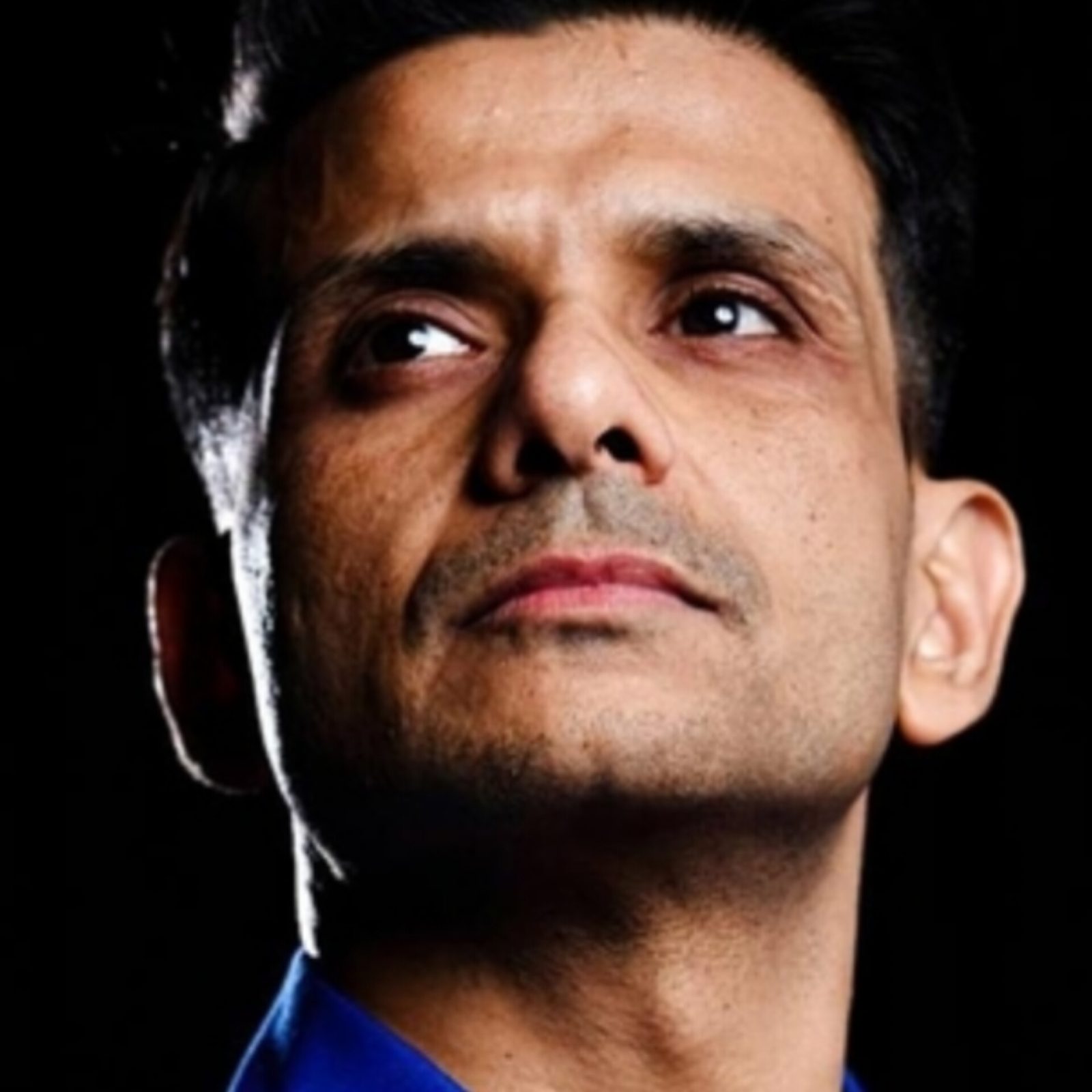
The AX-4 mission to the International Space Station, featuring Indian astronaut Group Captain Shubhanshu Shukla, has been postponed to June 10, two days later than planned. Launched by Axiom Space via SpaceX’s Falcon-9, this marks India's entry into astronaut-led space biology experiments. Shukla, joined by crew from Poland and Hungary, will conduct over 60 scientific studies during the 14-day mission. He’ll also carry food developed by ISRO and DBT, showcasing Indian innovation in space nutrition. The mission’s findings are expected to aid India’s Gaganyaan project in 2027. Veteran US astronaut Peggy Whitson will command the crew. (PC: ANI)

Brief by Shorts91 Newsdesk / 10:16am on 30 May 2025,Friday Science
A new study warns that up to 75% of glaciers in the Hindu Kush Himalaya could vanish by 2100 if global temperatures rise by 2°C above pre-industrial levels. This threatens water security for nearly two billion people across Asia. Published in Science, the research uses eight glacier models and coincides with the UN’s first global glacier conference. If warming is limited to 1.5°C, up to 45% of the ice could be preserved. Researchers stress urgent climate action, stating even small increases in temperature will cause irreversible glacial loss, with global consequences for agriculture, water supply, and regional stability. (PC: Getty Images)

Brief by Shorts91 NewsDesk / 09:21am on 28 May 2025,Wednesday Science
SpaceX’s ninth Starship test flight ended in failure as the rocket exploded over the Indian Ocean 30 minutes after launch from Texas. CEO Elon Musk attributed the crash to a payload door malfunction that prevented satellite deployment and a fuel leak causing loss of main tank pressure during re-entry. Despite this, Musk highlighted improvements over previous flights, including reaching scheduled engine cutoff and no significant heat shield tile loss. The flight also marked the first reuse of a Super Heavy booster. Musk announced plans to accelerate the launch cadence to one every 3–4 weeks, aiming to make humanity a multi-planetary species through fully reusable, low-cost spaceflight. (PC: CNN)
Brief by Shorts91 NewsDesk / 08:15am on 28 May 2025,Wednesday Science
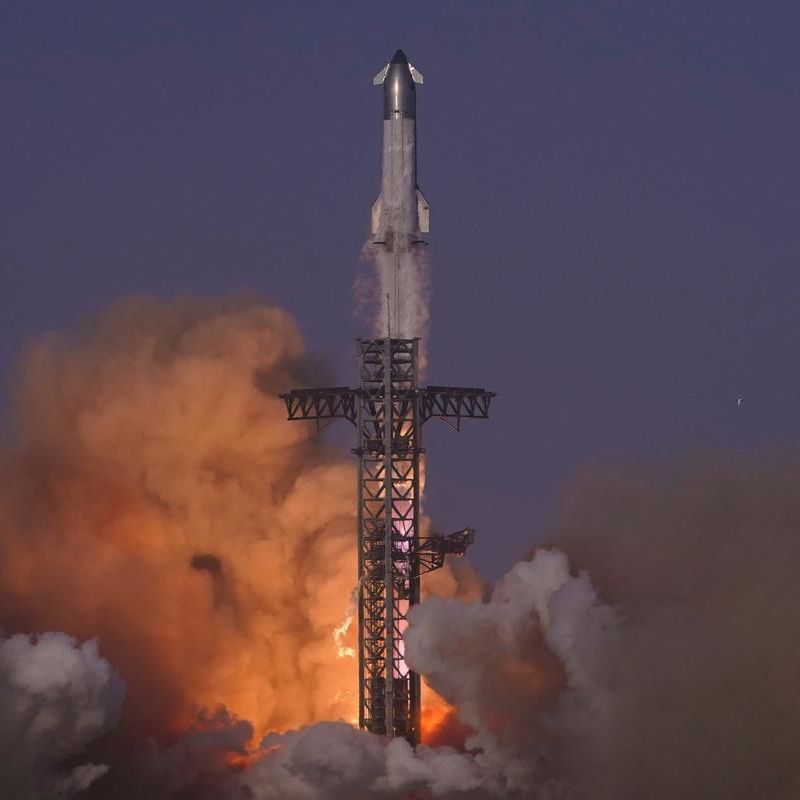
On May 27, 2025, SpaceX's ninth Starship test flight launched from Texas but ended in failure. The 403-foot rocket, designed for future Moon and Mars missions, initially ascended successfully. However, a propellant leak caused the spacecraft to lose control and disintegrate over the Indian Ocean. The mission aimed to deploy mock Starlink satellites and test thermal shields, but a stuck payload door and vehicle instability thwarted these objectives. Notably, this flight marked the first use of a recycled booster, which also failed and crashed into the Gulf of Mexico. Despite the setback, CEO Elon Musk deemed the test an improvement over prior attempts and pledged to increase launch frequency to one every three to four weeks. NASA is depending on Starship’s continued progress for its Artemis mission, aiming to land astronauts on the Moon by 2027. (PC: The Hindu)
Brief by Shorts91 Newsdesk / 02:48am on 28 May 2025,Wednesday Science
On May 27, 2025, SpaceX's ninth Starship test flight ended in failure when the spacecraft lost control and disintegrated over the Indian Ocean. Launched from Starbase, Texas, the mission aimed to test orbital and reentry capabilities and deploy eight Starlink simulator satellites. Approximately 30 minutes into the flight, the upper stage began spinning uncontrollably due to a fuel leak, leading to loss of attitude control. The spacecraft ultimately broke apart during reentry. This incident follows two previous test failures earlier in 2025, underscoring the technical challenges SpaceX faces in developing its next-generation launch system.
Brief by Shorts91 Newsdesk / 01:39pm on 27 May 2025,Tuesday Science
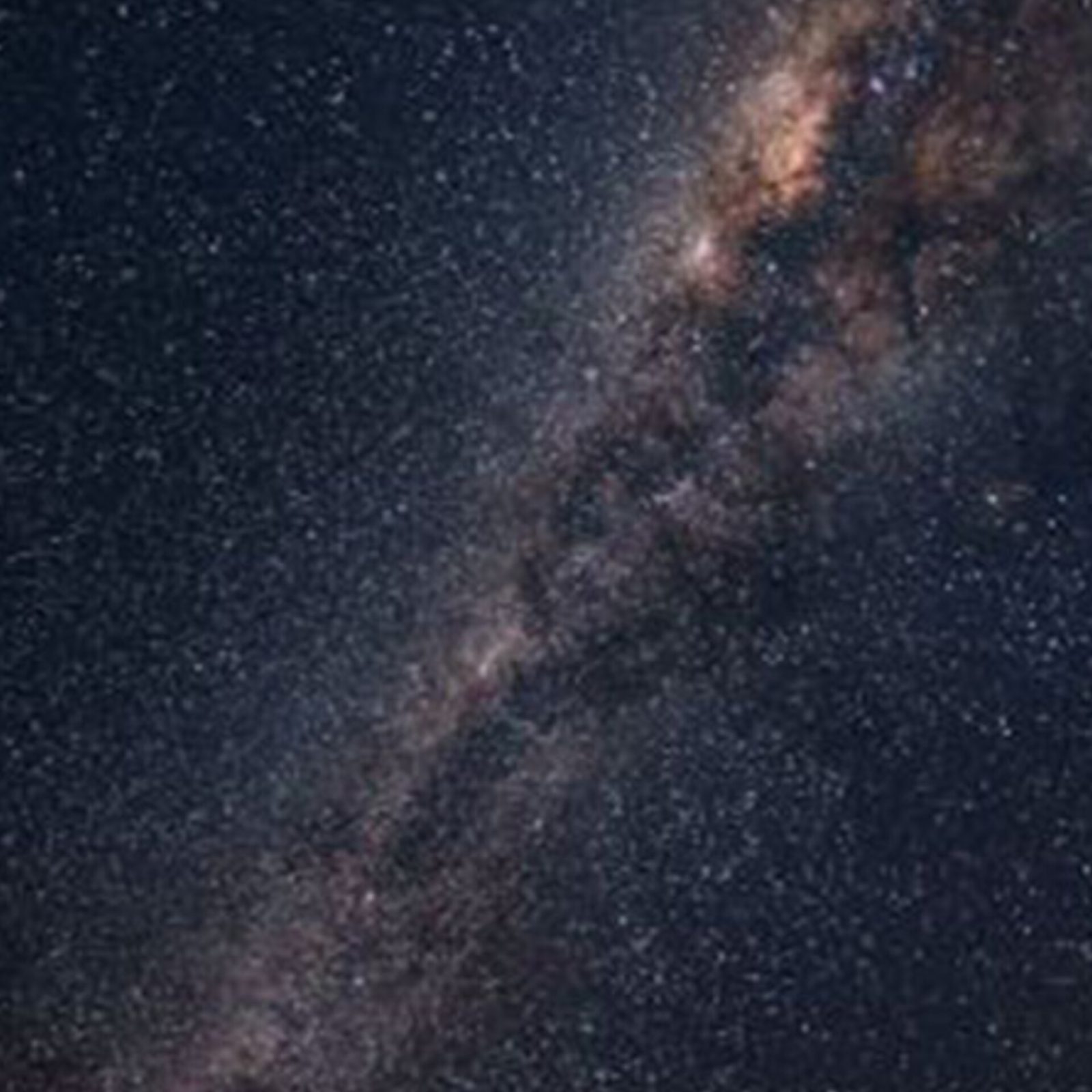
A recent study by Ohio State University astronomers has revealed that super-Earth exoplanets—rocky planets larger than Earth but smaller than Neptune—are far more widespread in the universe than previously thought. Using data from the Korea Microlensing Telescope Network (KMTNet), scientists found that roughly one in three stars likely hosts a super-Earth with a Jupiter-like orbit. This challenges traditional theories of planetary formation and suggests such planets can form farther from their stars. The discovery significantly enhances our understanding of planetary systems and raises new possibilities for finding habitable worlds beyond our solar system. (PC: ANI)
Brief by Shorts91 Newsdesk / 06:42pm on 25 May 2025,Sunday Science
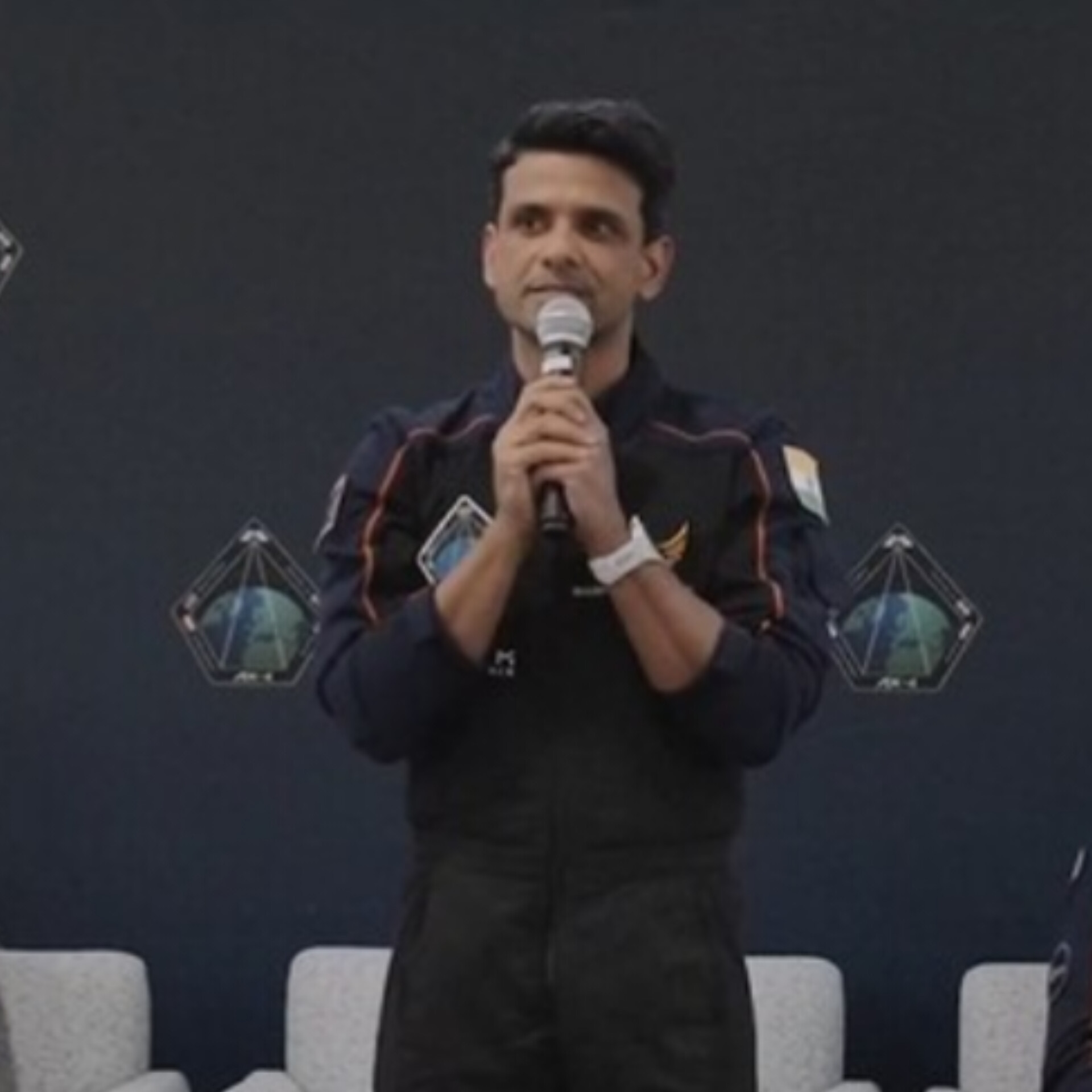
Indian astronaut Shubhanshu Shukla has entered pre-launch quarantine with the Ax-4 crew ahead of their scheduled June 8, 2025 mission to the International Space Station. Operated by Axiom Space, Ax-4 is a milestone in commercial spaceflight and India’s growing space ambitions. The quarantine ensures the crew remains infection-free before liftoff. Shukla expressed strong confidence in the mission’s success, which also supports India's upcoming Gaganyaan program. A pre-quarantine send-off ceremony reflected pride and optimism. During their stay at the ISS, the crew will conduct vital scientific experiments and technology demonstrations, marking another leap in global and Indian human spaceflight efforts. (PC: India Today)