Brief by Shorts91 Newsdesk / 04:49pm on 08 Apr 2025,Tuesday Science
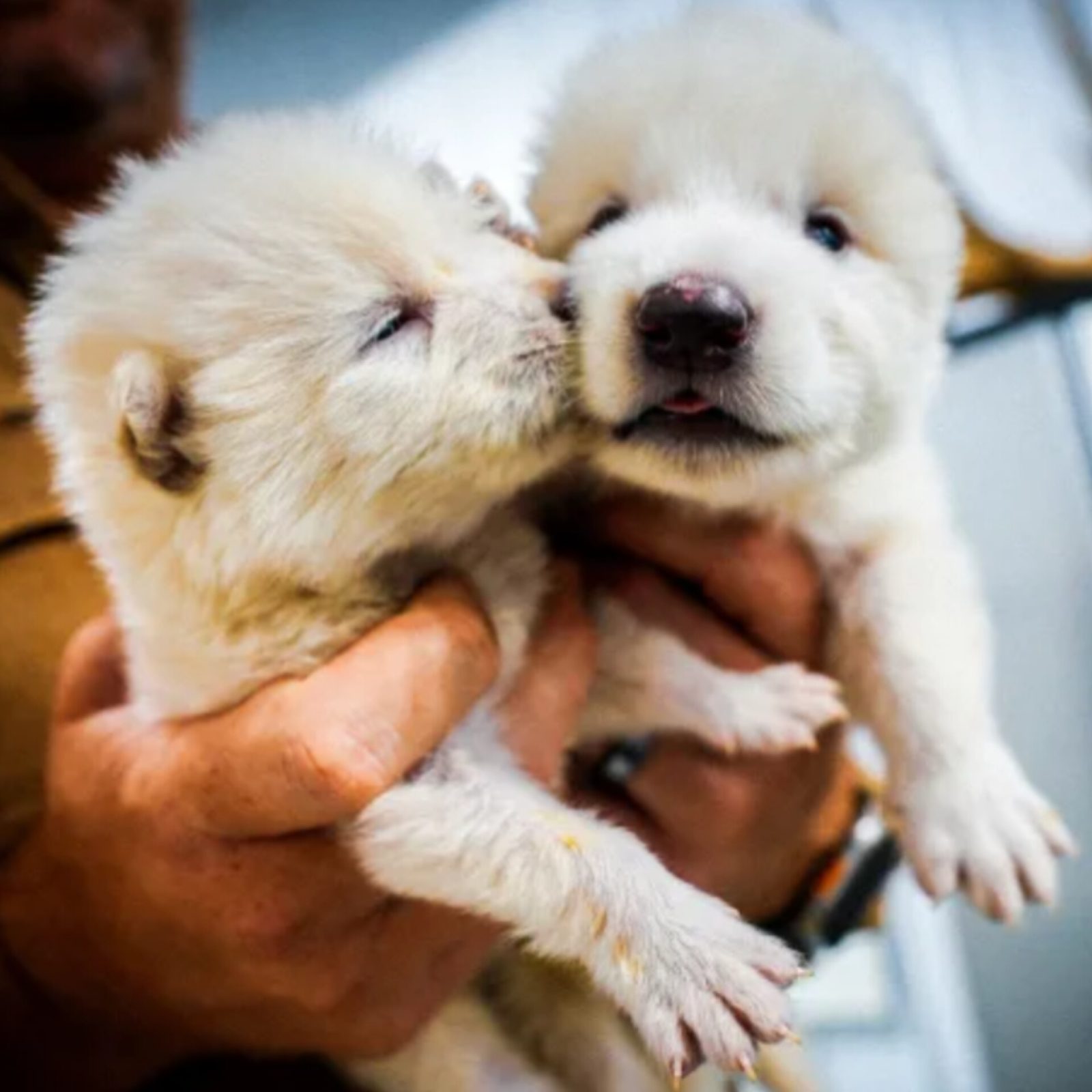
Scientists have brought back the dire wolf, an animal that went extinct 12,500 years ago. A US-based biotech company, Colossal Biosciences, used ancient DNA, cloning, and gene editing to create three dire wolf pups. The pups were born in 2024 and 2025. They live in a secure 2,000-acre site in the U.S. Experts say the wolves look like their ancient ancestors. “This is a huge leap in science,” said Professor Love Dalén. Some scientists question if they are real dire wolves. The company hopes this technology will help endangered animals. (PC: Colossal Biosciences/TMX)
Brief by Shorts91 Newsdesk / 05:52am on 08 Apr 2025,Tuesday Science
Colossal Biosciences has genetically engineered three pups resembling dire wolves, extinct for over 10,000 years. Using ancient DNA from fossilised remains and CRISPR technology, scientists modified grey wolf cells and implanted them into domestic dog surrogates. Though the pups mimic dire wolves physically, experts say their behaviour won't match the real thing due to lack of wild upbringing. The pups are currently housed in a secure U.S. facility. Colossal previously announced similar projects to recreate woolly mammoths and dodos. Independent scientists caution that these creatures are not true revivals, only visual replicas of extinct species. (PC: AP)
Brief by Shorts91NewsDesk / 02:20pm on 05 Apr 2025,Saturday Science
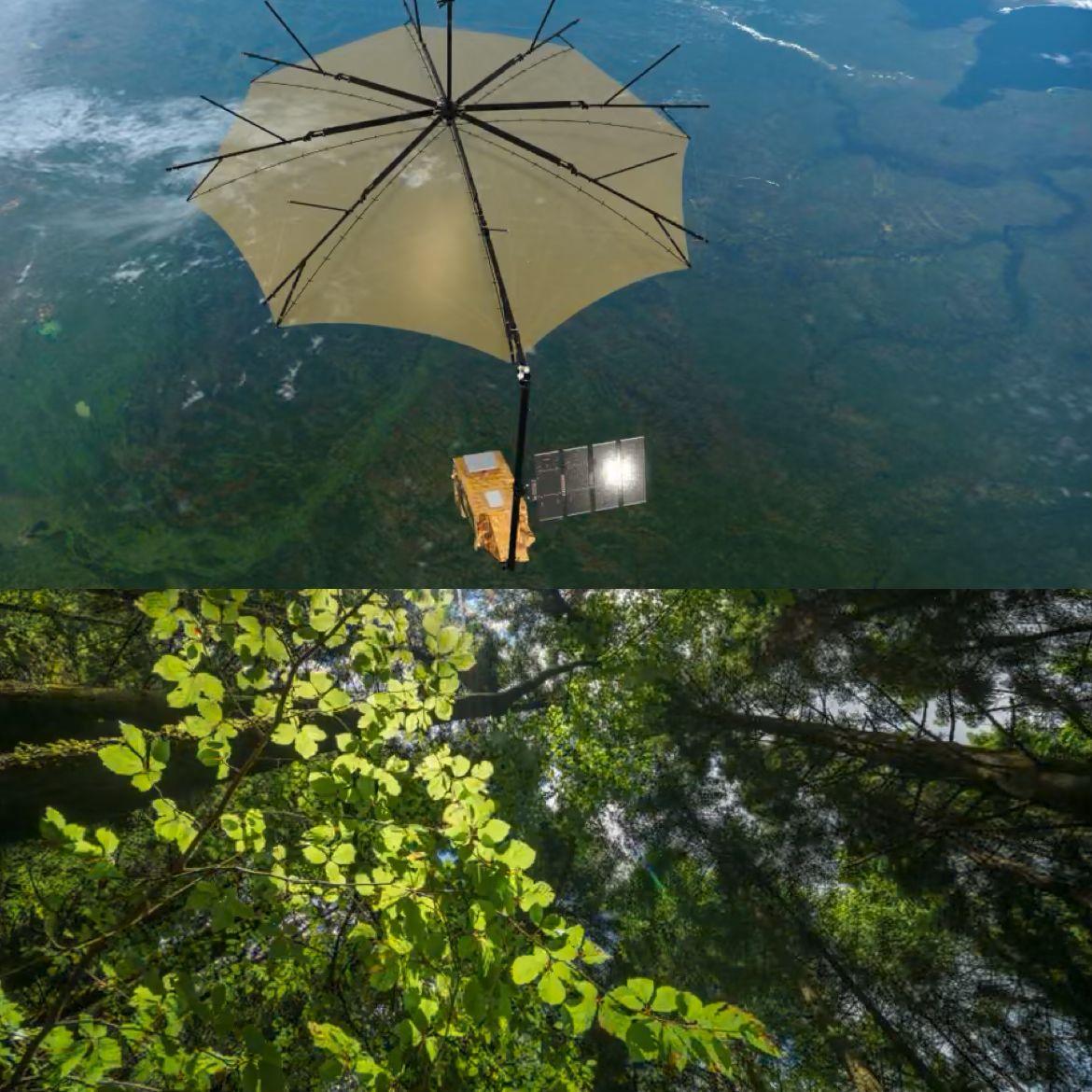
The European Space Agency (ESA), in collaboration with Airbus UK, is set to launch the Biomass space probe on April 29, 2025. This 1.25-tonne spacecraft, equipped with a pioneering P-band synthetic aperture radar and a 12-meter antenna, will orbit Earth for five years. Its mission is to create detailed 3D maps of remote tropical forests in Africa, Asia, and South America, penetrating dense canopies to analyze vegetation and collect data on carbon storage. The probe will provide unprecedented insight into forest health, biodiversity, and the effects of deforestation, aiding in quantifying carbon release due to human activity. This data is vital for forecasting climate change impacts. (PC: Getty Images & ESA/ATG medialab)

Brief by Shorts91 Newsdesk / 05:42pm on 03 Apr 2025,Thursday Science
Kolkata Knight Riders (KKR) outclassed Sunrisers Hyderabad (SRH) by 80 runs in IPL 2025 at Eden Gardens. The "V3" trio—Venkatesh Iyer (60 off 29), Vaibhav Arora, and Varun Chakaravarthy—led KKR's charge. Batting first, KKR posted 200/6, with contributions from Angkrish Raghuvanshi (50), Ajinkya Rahane (38), and Rinku Singh (32). Venkatesh smashed 20 runs off Pat Cummins in one over. SRH faltered in the chase, losing key wickets early. Heinrich Klaasen and Pat Cummins tried to stabilize, but KKR’s bowling attack proved too strong. Defending champions KKR maintain dominance in IPL 2025. (PC: X/KKRiders)
Brief by Shorts91 Newsdesk / 05:35pm on 03 Apr 2025,Thursday Science
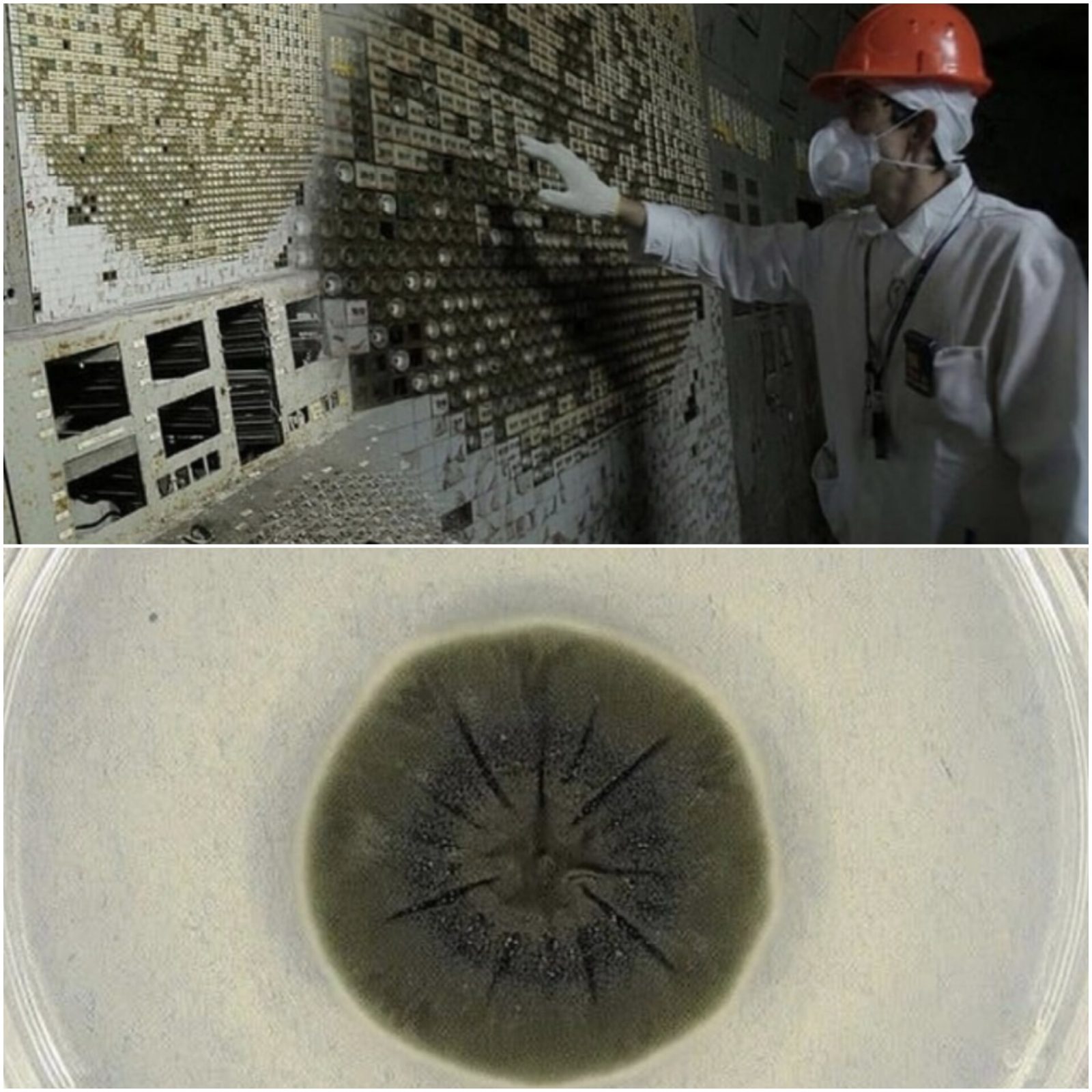
Scientists studying Chernobyl’s reactor ruins discovered Cladosporium sphaerospermum, a black fungus that thrives on deadly gamma radiation. This fungus, containing melanin, converts radiation into chemical energy, akin to photosynthesis. Researchers believe this unique ability could revolutionize bioremediation efforts for cleaning radioactive waste and protecting astronauts from cosmic radiation. “This fungus transforms what is typically deadly into a source of life,” a scientist remarked. With potential applications in space exploration and nuclear disaster zones, this discovery paves the way for innovative radiation-resistant technologies. Scientists continue to explore its full capabilities in extreme environments. (PC: Instagram/galaxies)
Brief by Shorts91 Newsdesk / 05:23am on 03 Apr 2025,Thursday Science
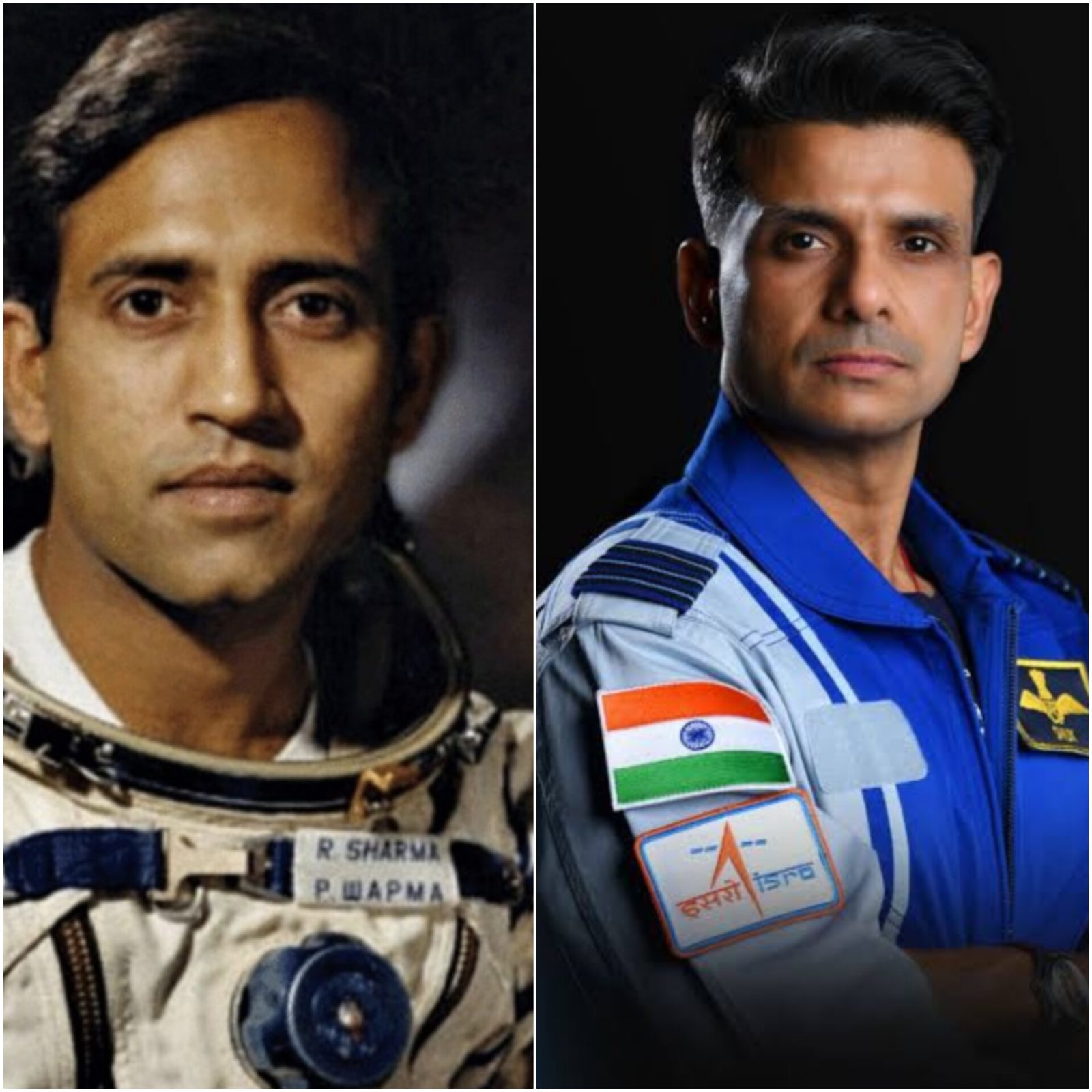
On April 3, 1984, Rakesh Sharma became the first Indian to travel to space aboard the Soviet Soyuz T-11 mission. During his historic journey, he spent nearly eight days aboard the Salyut 7 space station, conducting scientific experiments. When asked by Prime Minister Indira Gandhi how India looked from space, Sharma famously replied, "Saare Jahaan Se Accha." Now, after 41 years, Indian Air Force officer Shubhanshu Shukla is set to become the second Indian in space. He will fly to the International Space Station (ISS) as part of NASA's Axiom Mission 4 (Ax-4), marking another milestone in India's space journey. (PC: Instagram/thebetterindia)

Brief by Shorts91 Newsdesk / 07:31am on 02 Apr 2025,Wednesday Science
NASA astronaut Sunita Williams, who returned to Earth after 9 months in space, shared a heartwarming video of her reunion with her Labrador retrievers. "Best homecoming ever!" she wrote as her dogs excitedly jumped around her. The video went viral, drawing a heart emoji reaction from Elon Musk. Williams, who landed on March 18 aboard SpaceX’s Dragon spacecraft, expressed joy at returning, saying, "It’s home." She also shared plans to visit India, her father’s homeland, to discuss space exploration. Williams described seeing India from space as an “amazing” experience. (Screengrab from X)
Brief by Shorts91NewsDesk / 08:50am on 01 Apr 2025,Tuesday Science
During her nine-month mission aboard the International Space Station, NASA astronaut Sunita Williams shared captivating observations of India from space. She highlighted the breathtaking view of the Himalayas, describing them as a "ripple" formed by tectonic activity, displaying a spectrum of colors. Williams also noted the luminous fishing fleets off the coasts of Mumbai and Gujarat, serving as beacons against the dark ocean. At night, she observed India's landscape illuminated by a vast network of lights, with major cities connected by glowing threads. Expressing a deep connection to her heritage, Williams, whose ancestral roots lie in Gujarat, expressed enthusiasm about visiting her familial homeland upon returning to Earth.
Brief by Shorts91NewsDesk / 04:02am on 01 Apr 2025,Tuesday Science
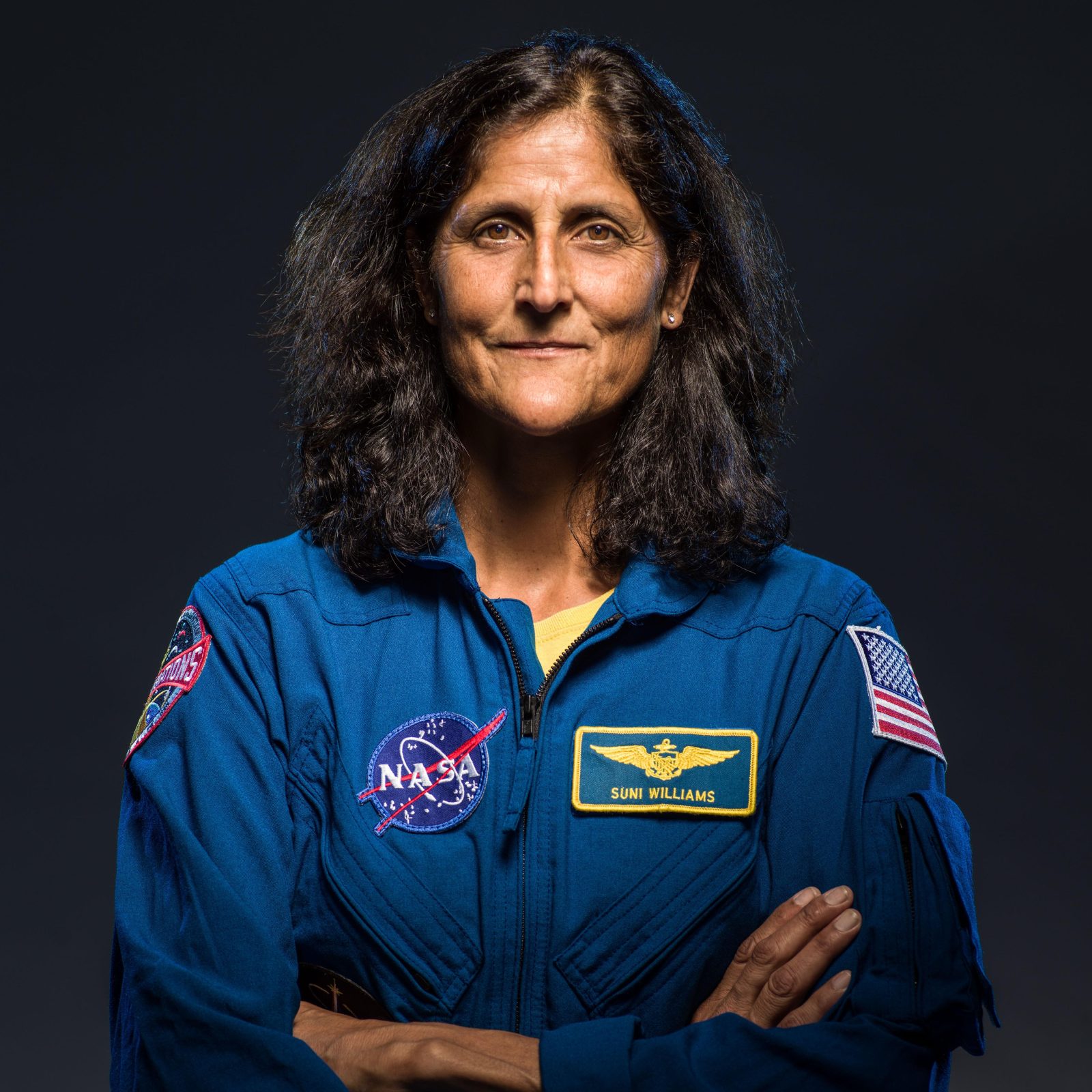
During her nine-month mission aboard the International Space Station, NASA astronaut Sunita Williams shared captivating observations of India from space. She highlighted the breathtaking view of the Himalayas, describing them as a "ripple" formed by tectonic activity, displaying a spectrum of colors. Williams also noted the luminous fishing fleets off the coasts of Mumbai and Gujarat, serving as beacons against the dark ocean. At night, she observed India's landscape illuminated by a vast network of lights, with major cities connected by glowing threads. Expressing a deep connection to her heritage, Williams, whose ancestral roots lie in Gujarat, expressed enthusiasm about visiting her familial homeland upon returning to Earth. (PC: Wikipedia)
Brief by Shorts91NewsDesk / 03:58am on 01 Apr 2025,Tuesday Science
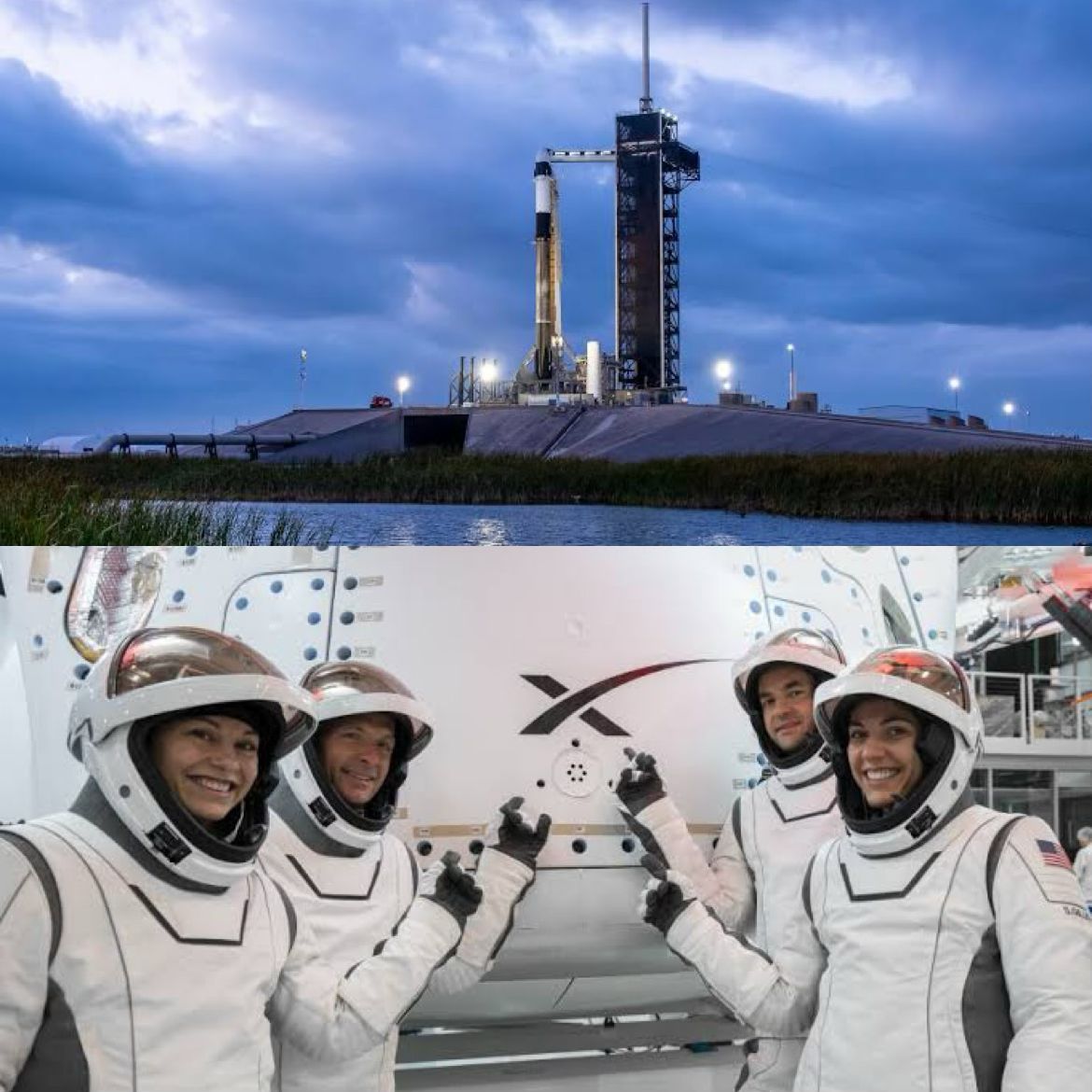
SpaceX's Fram2 mission successfully launched four astronauts into a polar orbit for the first time. The Falcon 9 rocket lifted off from NASA's Kennedy Space Center in Florida at 7:16 am IST, carrying the Crew Dragon capsule, Resilience. This mission is notable for its unique trajectory over Earth's poles, enabling comprehensive global coverage. The crew will conduct 22 scientific experiments, including studies on atmospheric phenomena and the effects of space travel on the human body. Additionally, they will perform the first X-ray imaging in space, aiming to enhance our understanding of cosmic X-ray sources. This pioneering mission represents a significant milestone in human spaceflight and scientific research. (PC: CNN & Hindustan Times)