Brief by Shorts91 Newsdesk / 07:33pm on 18 Mar 2025,Tuesday Science
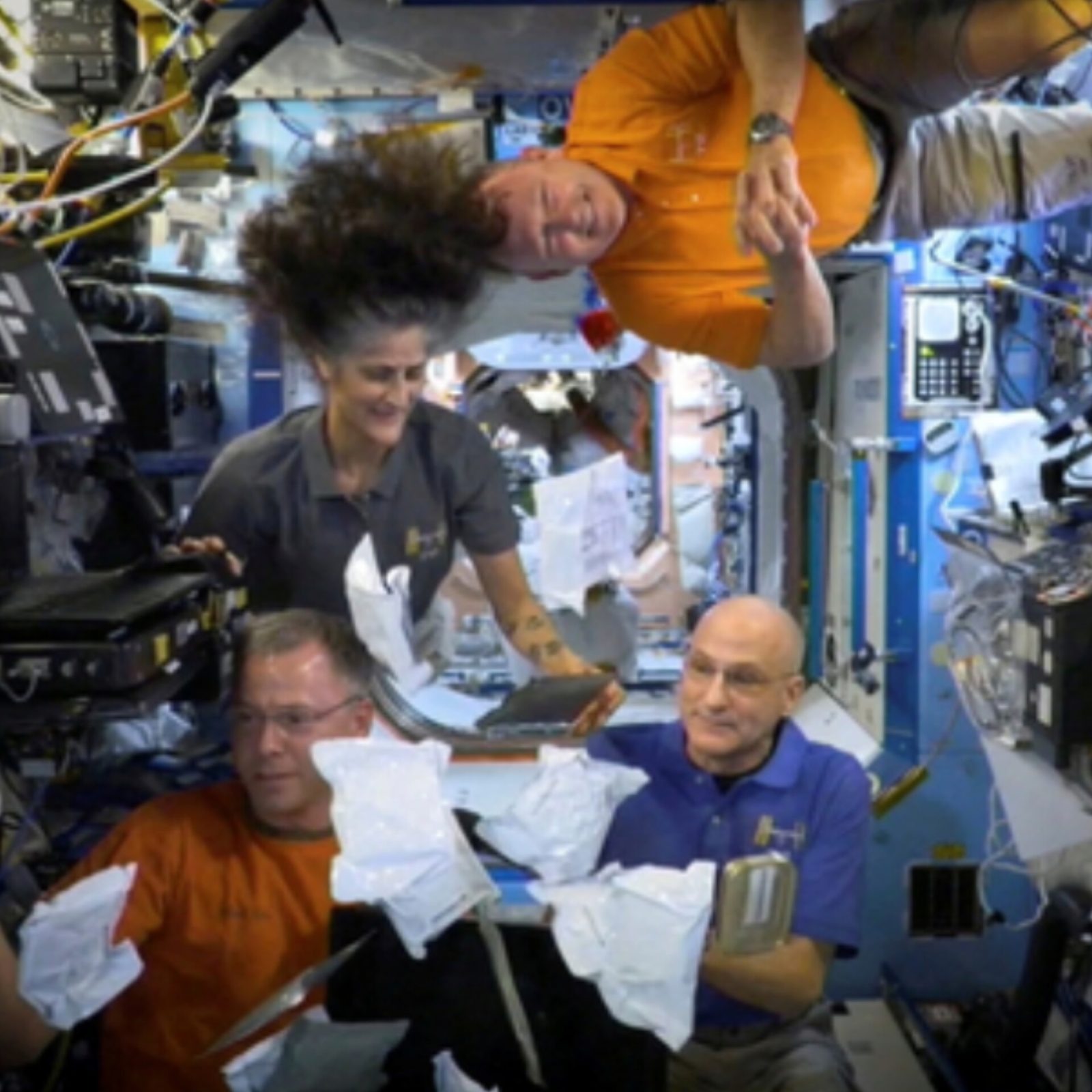
NASA astronaut Sunita Williams and Butch Wilmore are set to land at 3:27 AM IST after spending 286 days on the International Space Station. Their return was delayed due to technical issues with Boeing’s Starliner capsule. The duo undocked at 10:35 AM IST and will splash down in the Gulf of Mexico after a 17-hour journey. Williams’ ancestral village, Jhulasan in Gujarat, is preparing grand celebrations. Prime Minister Narendra Modi extended prayers for their safe return. NASA has planned a 45-day rehabilitation program for the astronauts post-landing.
Brief by Shorts91 Newsdesk / 07:02pm on 18 Mar 2025,Tuesday Science
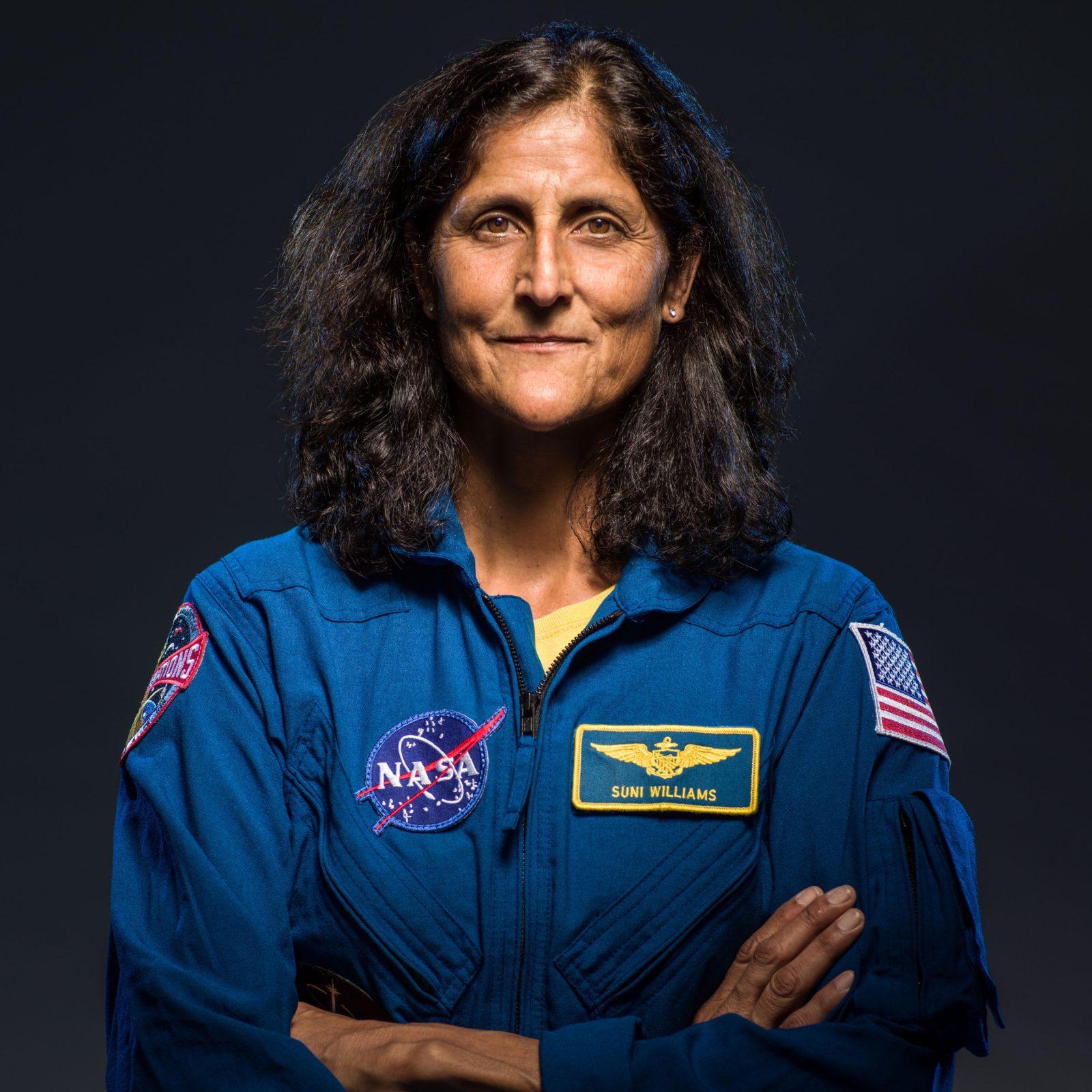
NASA astronaut Sunita Williams and Butch Wilmore are finally returning to Earth after 286 days in space. Their mission, originally an 8-day test flight aboard Boeing’s Starliner, was prolonged due to critical technical failures, including helium leaks and propulsion issues. NASA eventually decided to send Starliner back uncrewed, stranding them on the ISS. During their extended stay, they contributed to over 150 experiments. Williams and Wilmore will return aboard SpaceX’s Crew Dragon after Crew-10’s arrival. Their splashdown off Florida’s coast marks the end of an unexpectedly prolonged mission.
Brief by Shorts91 Newsdesk / 02:32pm on 18 Mar 2025,Tuesday Science
NASA astronaut Sunita Williams, 59, and Butch Wilmore, 62, are returning to Earth after a nine-month mission aboard the ISS, extended due to technical issues with Boeing’s Starliner. Their spacecraft is set to splash down off Florida’s coast. After landing, they will undergo medical checks for microgravity effects before heading to NASA’s Johnson Space Center for debriefings. Williams looks forward to reuniting with family and her two dogs. Astronauts often face dizziness and muscle atrophy after extended space missions.
Brief by Shorts91 Newsdesk / 11:34am on 18 Mar 2025,Tuesday Science
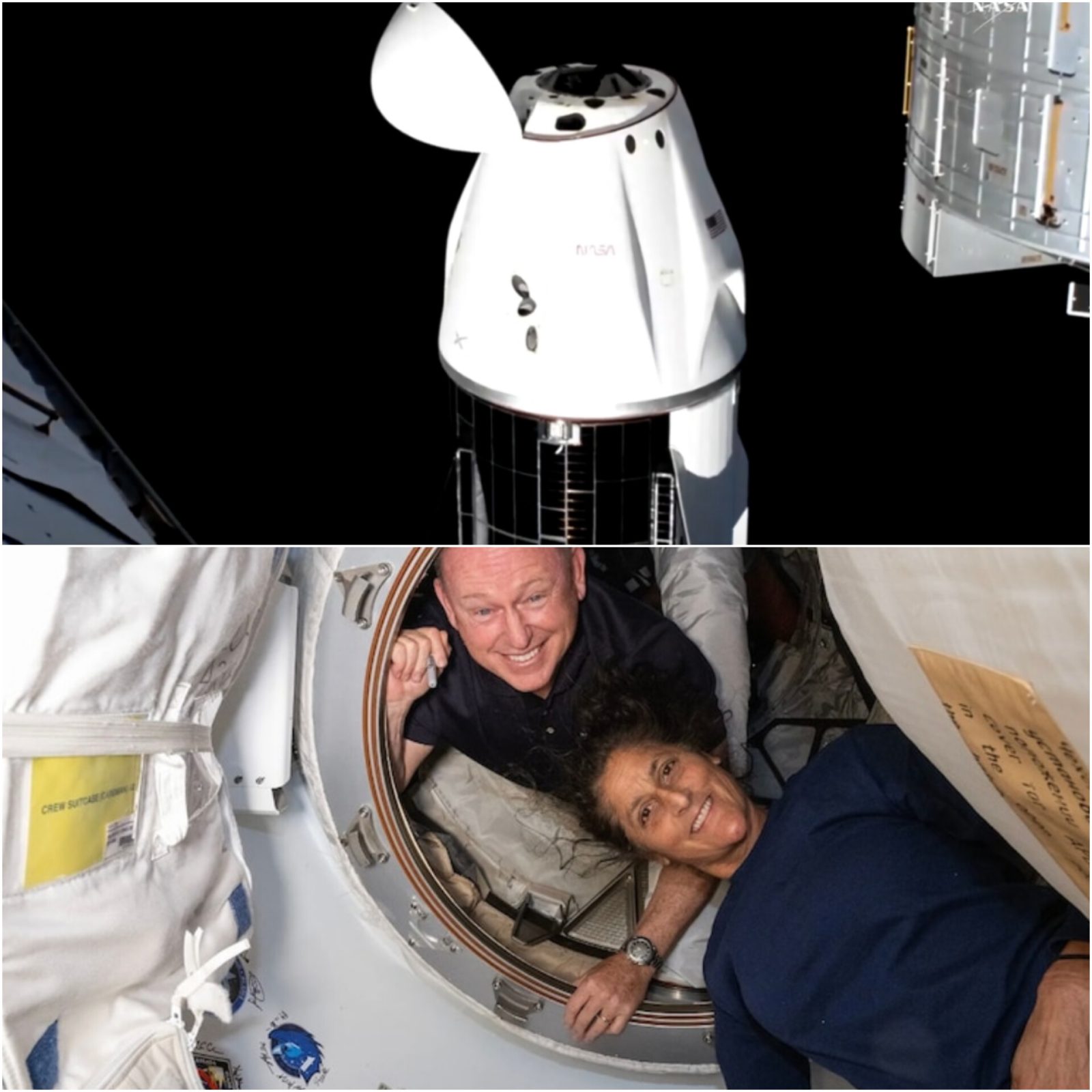
NASA’s SpaceX Crew-10 mission has undocked from the International Space Station (ISS), carrying astronauts Sunita Williams and Butch Wilmore back to Earth after their 9-month extended stay. Initially planned for a short mission, their return was delayed due to Boeing Starliner’s technical issues. SpaceX confirmed the Dragon spacecraft separated from the ISS at 1:05 a.m. ET and will splash down in about 17 hours. Williams, who set a record for most spacewalking hours by a woman, is expected to land by Wednesday. NASA emphasized they were never stranded, and Crew-10 will now take over ISS operations.
Brief by Shorts91NewsDesk / 09:25am on 18 Mar 2025,Tuesday Science
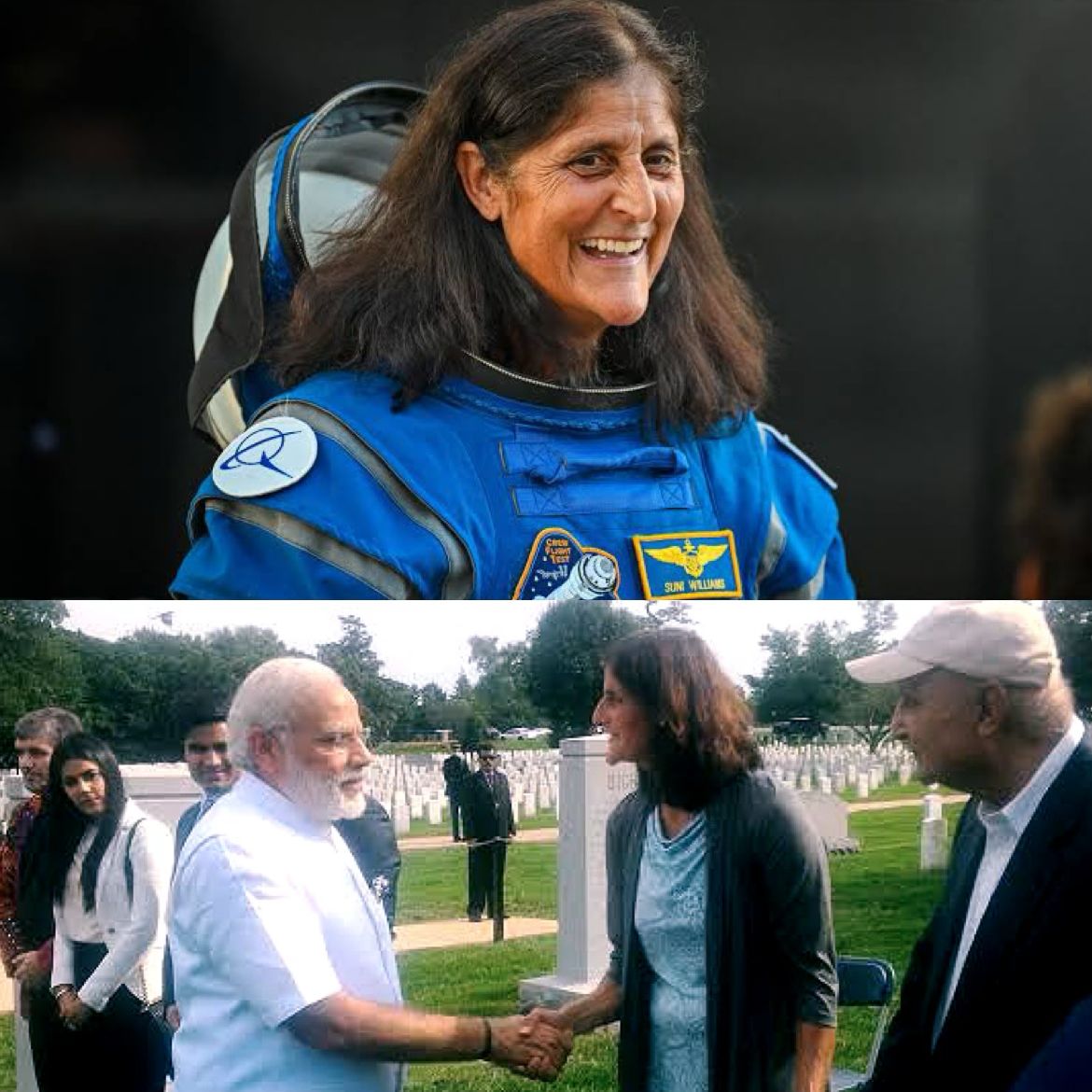
Prime Minister Narendra Modi has extended a warm invitation to Indian-American astronaut Sunita Williams, expressing his eagerness to welcome her to India. In his letter, PM Modi lauded Williams as a role model for Indian women and children, highlighting her remarkable achievements in space exploration. He emphasized that her accomplishments serve as a source of inspiration, encouraging young Indians to pursue careers in science and technology. The Prime Minister's gesture underscores the strong ties between India and its diaspora, celebrating the contributions of individuals like Williams who bridge cultures and inspire future generations.
Brief by Shorts91 Newsdesk / 04:47am on 18 Mar 2025,Tuesday Science
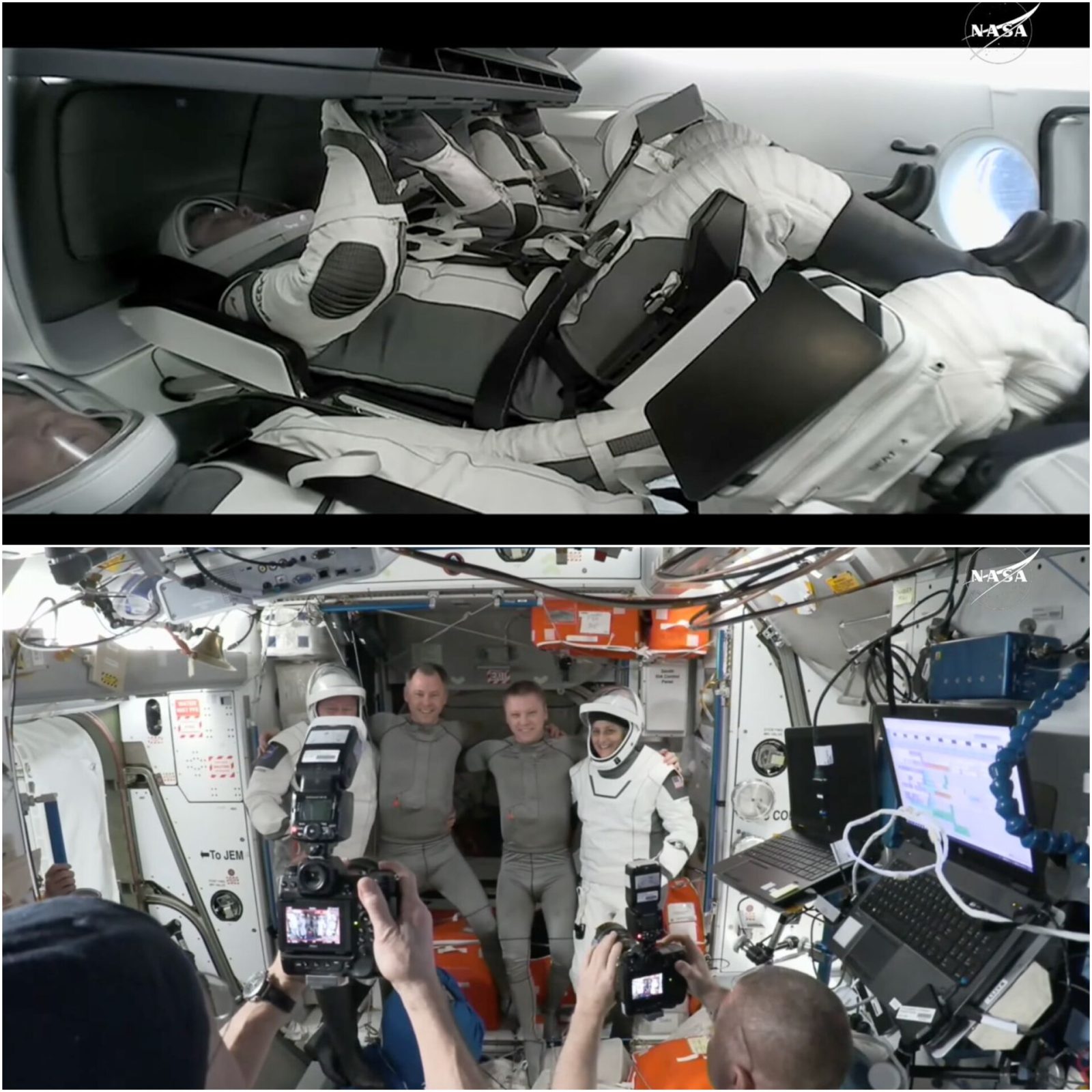
NASA astronaut Sunita Williams and Butch Wilmore will undock from the International Space Station (ISS) today at 10:35 AM IST after a nine-month overstay. Originally planned as an eight-day mission, their return was delayed due to technical issues with Boeing’s Starliner capsule. SpaceX’s Crew Dragon, deployed as a contingency, will bring them back. The astronauts are expected to splash down in the Gulf of Mexico at 3:27 AM IST on Wednesday. NASA will live stream their journey, with medical checks scheduled post-landing at Johnson Space Center. Their return marks a crucial moment in space travel logistics.
Brief by Shorts91NewsDesk / 03:05am on 18 Mar 2025,Tuesday Science
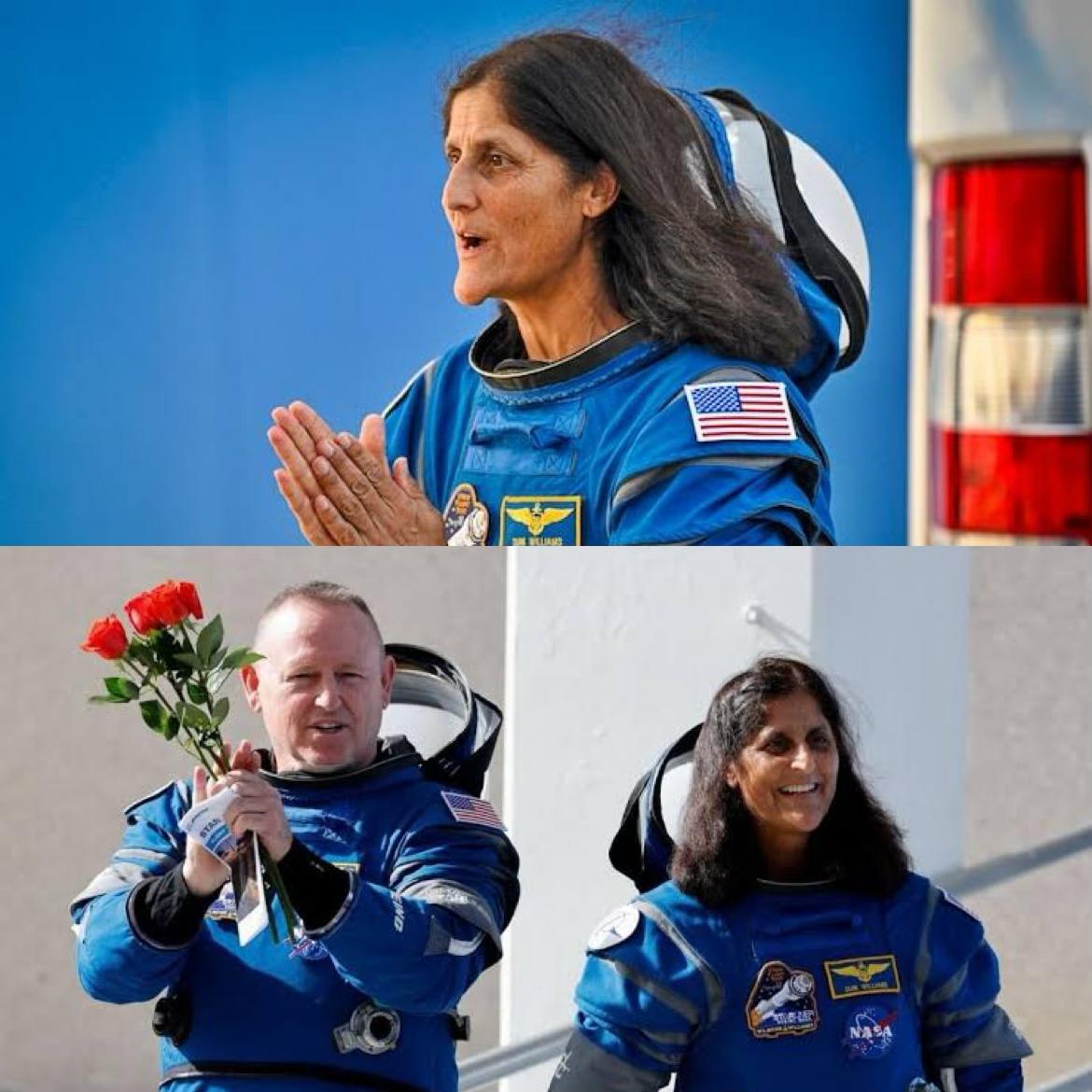
NASA astronauts Sunita Williams and Butch Wilmore are set to return to Earth on March 18, 2025, after an unplanned nine-month mission aboard the International Space Station (ISS). Originally scheduled for an eight-day stay, their mission was extended due to technical issues with Boeing's Starliner spacecraft, including thruster problems and helium leaks, which prevented its safe return. Consequently, Williams and Wilmore were integrated into NASA's Crew-9 mission. They will return aboard SpaceX's Crew Dragon capsule, with a planned splashdown off the Florida coast. During their extended mission, both astronauts contributed significantly to scientific research and station maintenance. Williams, now with approximately 570 days in space, becomes the second most experienced U.S. astronaut, following Peggy Whitson.
Brief by Shorts91 Newsdesk / 07:55pm on 17 Mar 2025,Monday Science
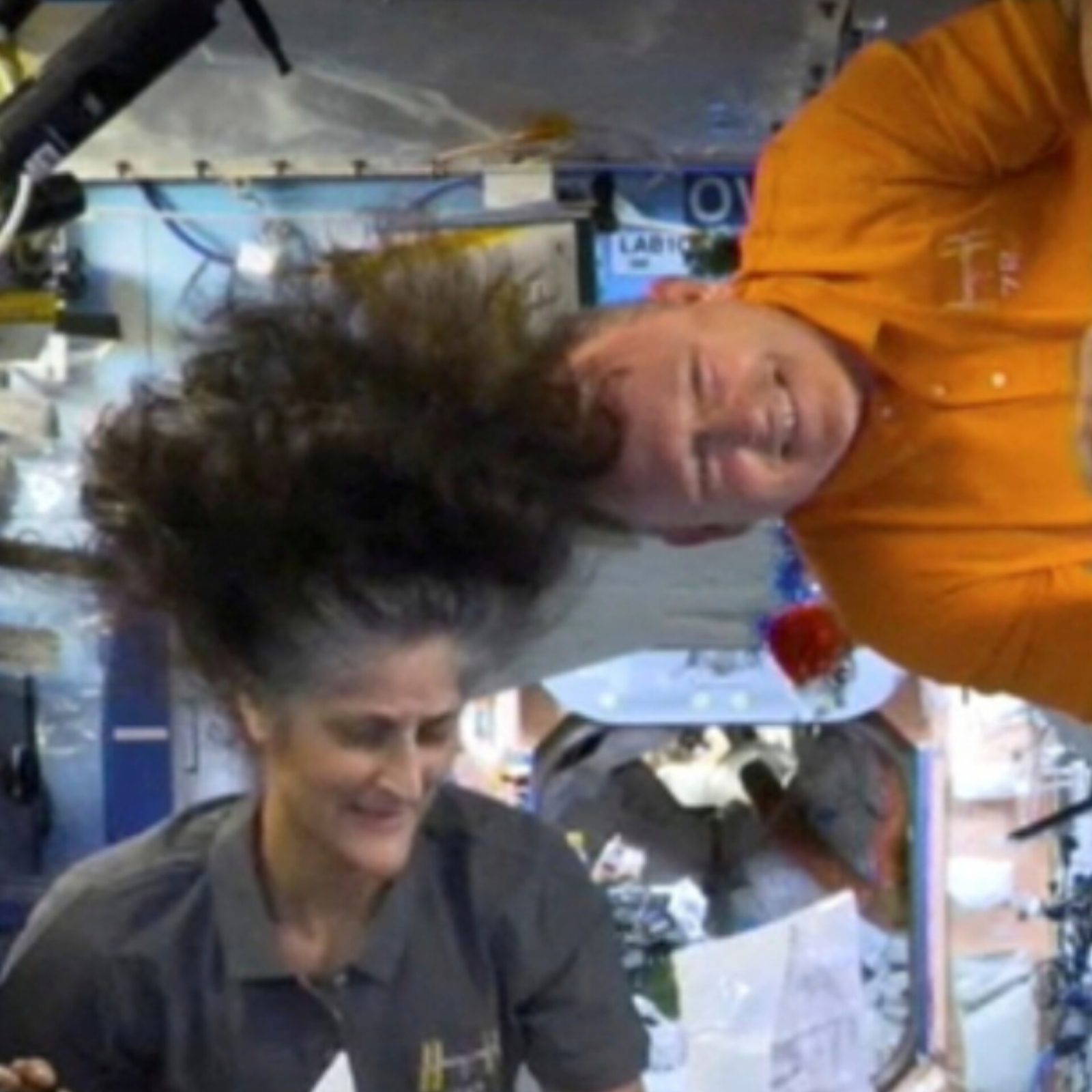
NASA astronauts Sunita Williams and Butch Wilmore are finally returning to Earth after spending nine months on the International Space Station. They were originally part of a short test mission on Boeing's Starliner spacecraft, but technical issues kept them in space longer than planned. A SpaceX Crew Dragon capsule will bring them home. Their journey back begins early Tuesday, with a scheduled splashdown in the Gulf of Mexico. NASA had to delay their return earlier due to weather concerns. After landing, they will undergo medical checks at NASA’s Johnson Space Center before resuming normal activities.
Brief by Shorts91NewsDesk / 07:09am on 17 Mar 2025,Monday Science
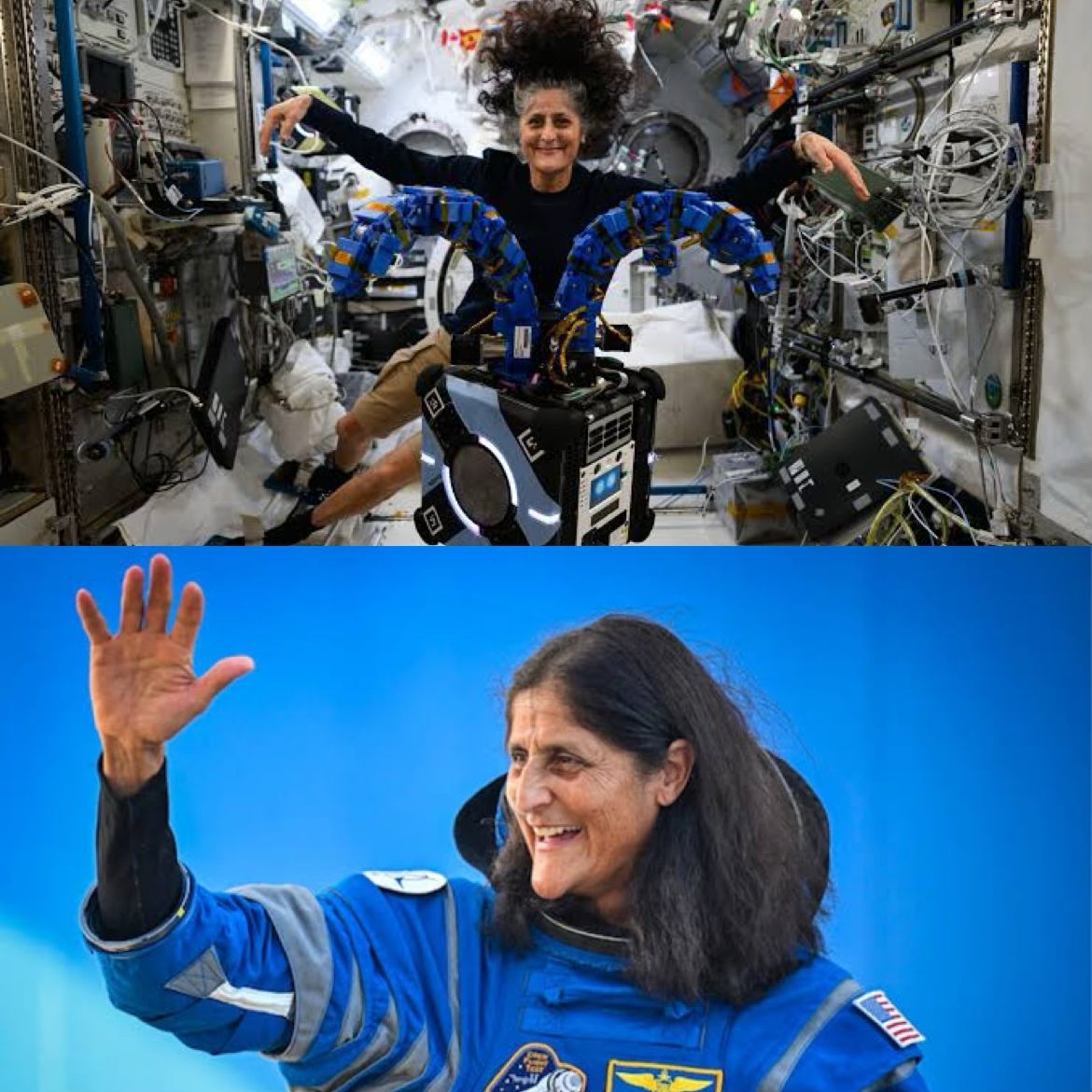
NASA astronauts Sunita Williams and Butch Wilmore are set to return to Earth after an extended mission aboard the International Space Station (ISS). Originally launched on June 5, 2024, for an eight-day test mission aboard Boeing's Starliner, their stay extended to nearly ten months due to technical issues with the spacecraft's propulsion system, rendering it unsafe for their return. To facilitate their homecoming, NASA collaborated with SpaceX, scheduling their return aboard the Crew-10 mission. This mission, carrying four new crew members, successfully launched from Kennedy Space Center and docked with the ISS. Following a brief handover period, Williams and Wilmore are expected to undock and return to Earth on March 19, 2025, marking the end of their prolonged stay in space.

Brief by Shorts91 Newsdesk / 04:09am on 17 Mar 2025,Monday Science
U.S. President Donald Trump is scheduled to speak with Russian President Vladimir Putin this week to discuss a potential 30-day ceasefire in Ukraine. White House special envoy Steve Witkoff, after a recent four-hour meeting with Putin, expressed optimism, stating that Putin "accepts the philosophy of President Trump" and both leaders aim to end the conflict. While Ukraine has agreed to the ceasefire proposal, Russia has raised conditions, leading to concerns about potential delays. The international community awaits the outcome of this pivotal conversation, hoping for progress toward peace.