Brief by Shorts91 Newsdesk / 07:12pm on 07 Jan 2025,Tuesday Science
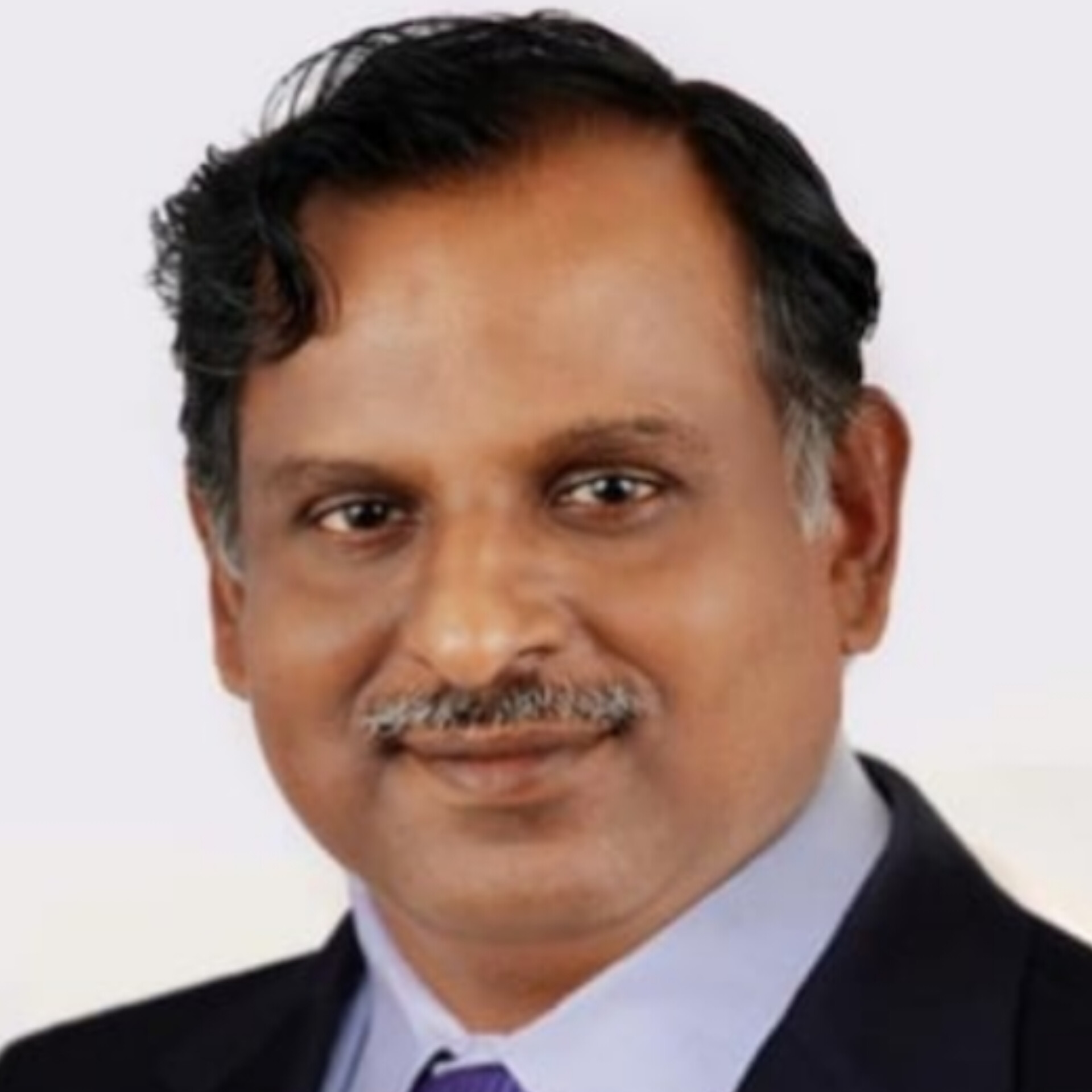
Dr V Narayanan, a Distinguished Scientist and Director of ISRO's Liquid Propulsion Systems Centre (LPSC), will become the ISRO Chairman on January 14, succeeding S Somnath. With nearly 4 decades of experience, Dr Narayanan has been instrumental in developing India's space propulsion systems. He led the C25 Cryogenic Project for GSLV Mk III and contributed to Chandrayaan-2, Chandrayaan-3, and Aditya-L1 missions. Under his leadership, LPSC delivered 183 propulsion systems for ISRO missions. His accolades include the IIT Kharagpur Silver Medal and ASI Gold Medal, highlighting his remarkable contributions to India's space program.
Brief by Shorts91 Newsdesk / 11:07am on 02 Jan 2025,Thursday Science
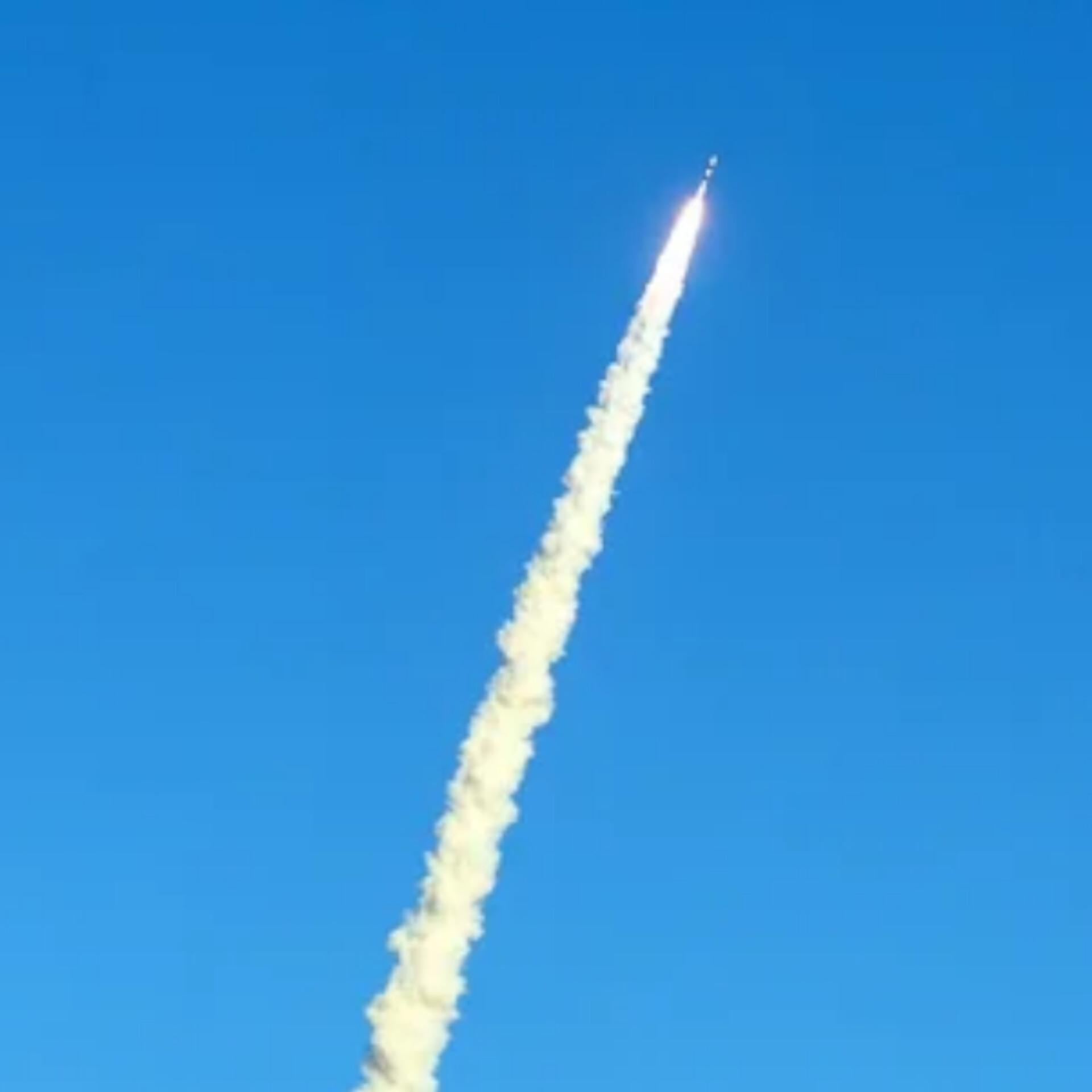
ISRO plans to launch a US communications satellite enabling voice calls via smartphones directly from space in February or March. The mission, led by New Space India Limited, marks the first launch of an American company’s large-scale satellite by an Indian rocket. Texas-based AST SpaceMobile will use ISRO’s Launch Vehicle Mark-3 to deploy its 6,000-kg Bluebird satellite with a 64-square-meter antenna into low Earth orbit. The satellite aims to deliver affordable 5G broadband service worldwide, connecting satellites to regular smartphones. ISRO officials confirmed the project is a commercial venture targeting groundbreaking mobile communication technology.
Brief by Shorts91 Newsdesk / 08:53pm on 31 Dec 2024,Tuesday Science
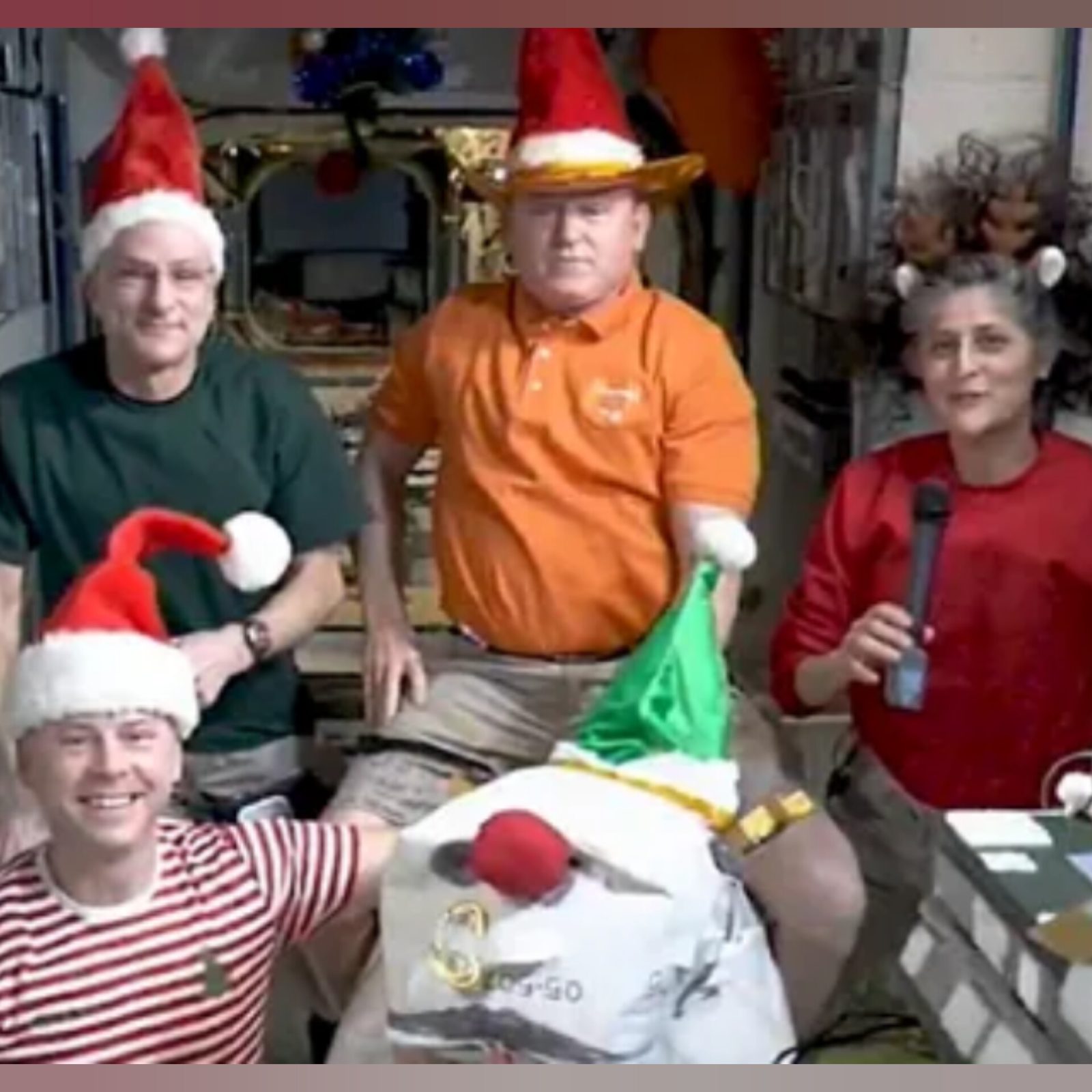
NASA astronaut Sunita Williams, aboard the International Space Station (ISS), will witness 16 sunrises on January 1, 2025. Commander of the “Expedition 72” mission, Williams and six crewmates orbit Earth 15.5 times daily at 28,000 km/h, experiencing a sunrise every 90 minutes. Originally on an eight-day mission, Williams and Butch Wilmore have been stranded since June 2024 due to an unfit Boeing Starliner capsule. NASA confirmed their return is delayed until March 2025 with astronauts Nick Hague and Aleksandr Gorbunov. Despite challenges, the crew celebrated Christmas and continue sharing messages with loved ones on Earth.
Brief by Shorts91 Newsdesk / 02:28pm on 31 Dec 2024,Tuesday Science
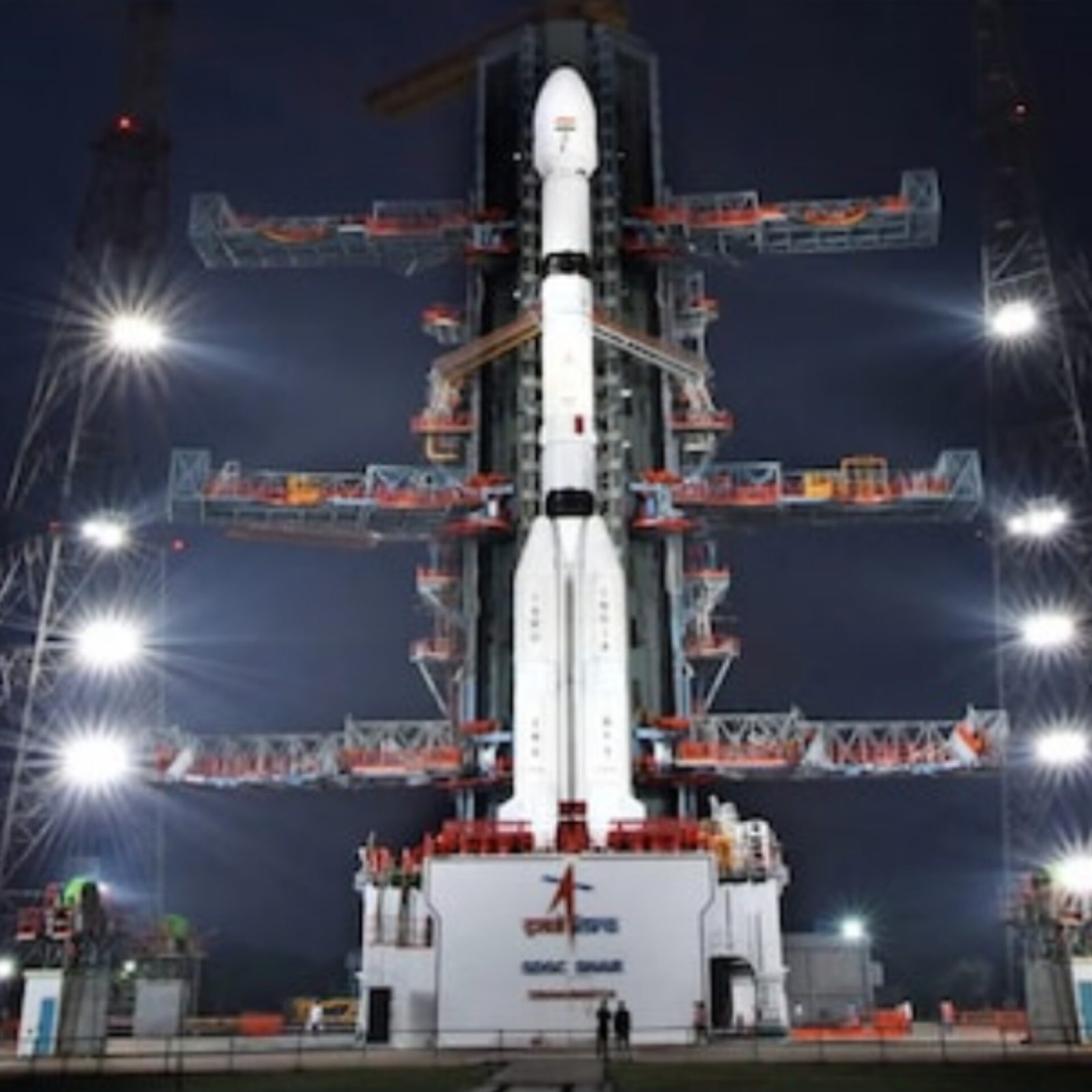
ISRO will mark its 100th mission in January 2025 with the launch of GSLV-F15, carrying the IRNSS-1K satellite. Announced by Chairman S Somanath, this milestone mission will contribute to NavIC, India’s regional navigation system, enhancing precision military, strategic, and civilian applications. The payload includes advanced navigation and ranging technologies, such as a Rubidium atomic clock for accuracy. NavIC aims to rival global systems like GPS and supports diverse services, including IoT, agriculture, and emergency operations. Following the success of PSLV-C60 in December 2024, this mission continues ISRO's streak of innovations in satellite navigation and space exploration.
Here's the Slow-motion Lift off of PSLV C60.🚀#SpaDeX #ISRO pic.twitter.com/WRICtN3LAh
— ISRO InSight (@ISROSight) December 31, 2024
Brief by Shorts91 Newsdesk / 08:21am on 31 Dec 2024,Tuesday Science
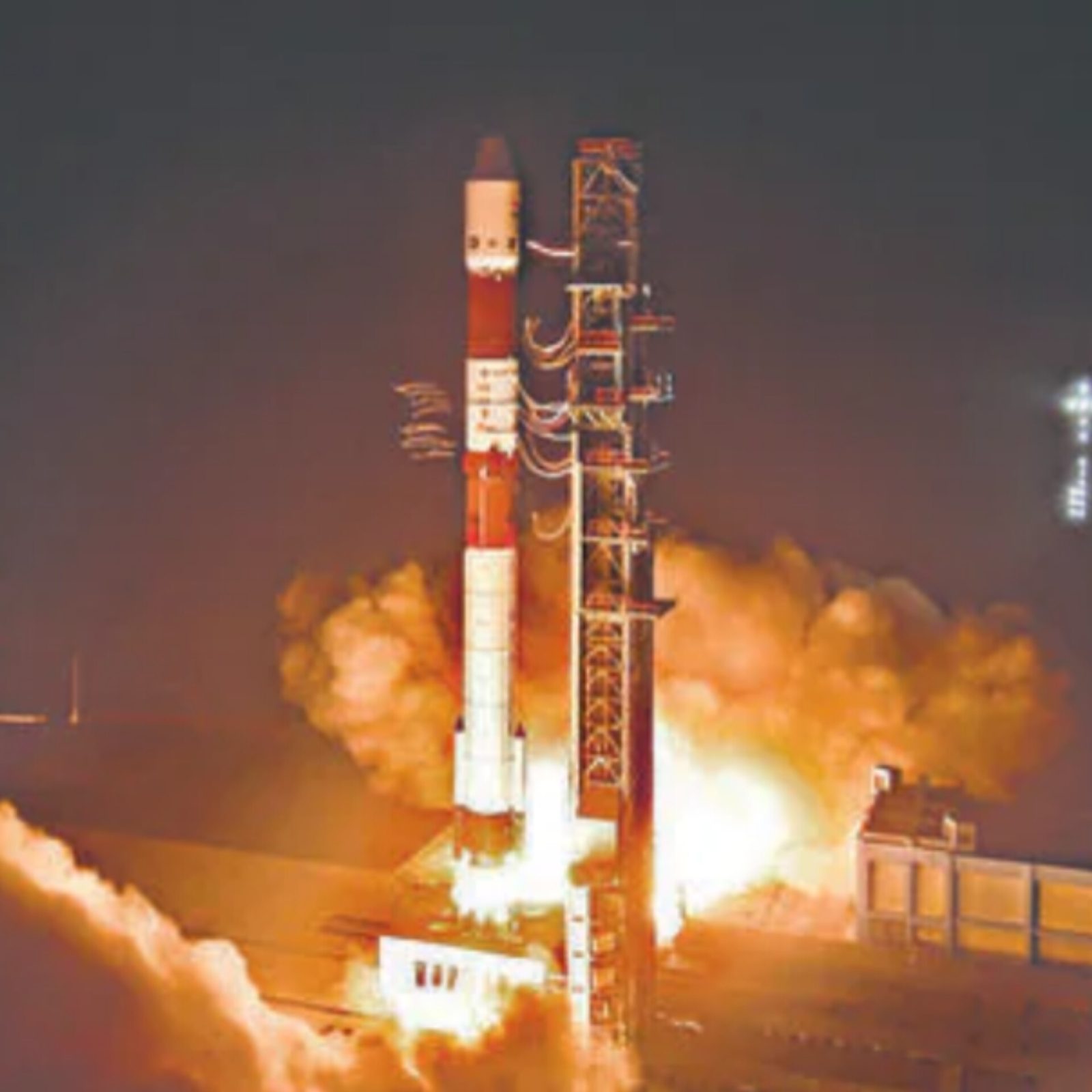
India has launched its first space docking test, the SpaDeX mission, aboard the PSLV rocket from the Satish Dhawan Space Centre. The mission, which involved a two-minute delay due to space traffic, aims to demonstrate satellite interlinking, a crucial step for future Indian space projects, including the development of a space station and the Chandrayaan-4 moon sample return mission. If successful, India will join the US, Russia, and China in mastering space docking technology. The docking test, slated for January 7, will showcase precision maneuvers between two satellites, a vital capability for future crewed missions.
Brief by Shorts91 Newsdesk / 04:16am on 31 Dec 2024,Tuesday Science
ISRO launched its PSLV-C60 rocket, carrying the Space Docking Experiment (SpaDeX), from Sriharikota on Monday night. SpaDeX features two 220-kg satellites designed to execute India's first autonomous orbital docking. The satellites were deployed into a 476-km orbit, marking a crucial milestone in India’s space program. ISRO chief S. Somnath announced the docking attempt is expected by January 7. SpaDeX aims to pioneer in-orbit refueling, satellite repairs, and space station assembly, placing India among elite nations mastering this technology. Additionally, the mission's payload includes scientific instruments and experiments demonstrating India’s growing private space sector capabilities.
Lift off🚀 #ISRO #SPADEX pic.twitter.com/8GVI8X9Zwm
— ISRO InSight (@ISROSight) December 30, 2024
Brief by Shorts91 Newsdesk / 05:24pm on 30 Dec 2024,Monday Science
ISRO successfully launched the SpaDeX mission to demonstrate advanced in-space docking technology, a crucial step for future missions like Chandrayaan-4 and Gaganyaan. The PSLV-C60 rocket carried two spacecraft, SDX01 (the Chaser) and SDX02 (the Target), into low Earth orbit. Over the next 10 days, the spacecraft will test docking techniques, with the final goal of achieving a controlled approach and connection. This mission is a key milestone for India’s space exploration ambitions, paving the way for human spaceflight and the Bharatiya Antariksh Station (BAS), as India aims to become the fourth country to master space docking.
Brief by Shorts91 Newsdesk / 06:56pm on 29 Dec 2024,Sunday Science
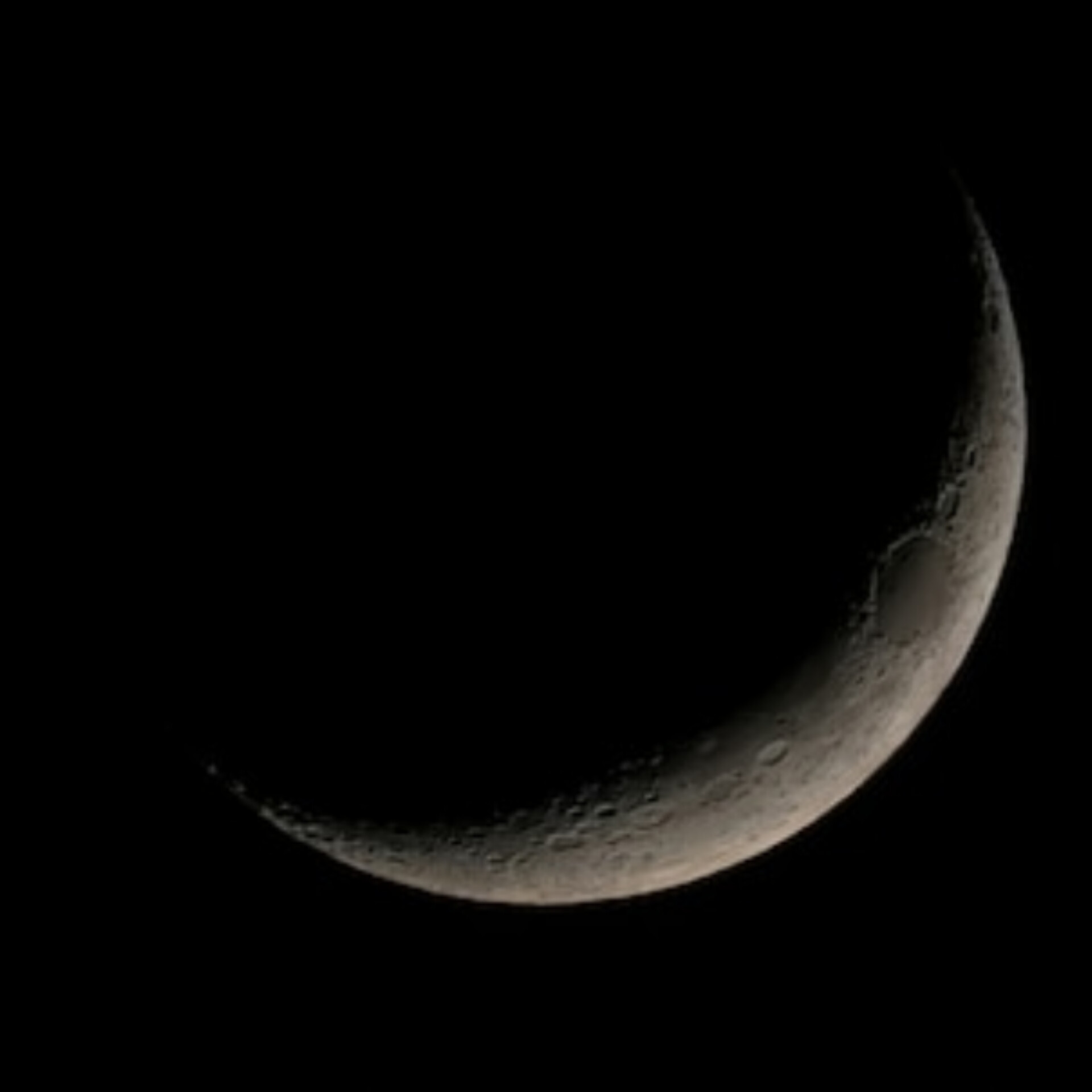
Skywatchers will witness a rare black moon phenomenon on December 31, 2024, when the second new moon of the month occurs. This event, which is not officially recognized in astronomy, happens when the sun and moon align, making the moon invisible. The black moon will occur at 3:57 am IST in India, while it will be visible on December 30 in the U.S. Though the moon itself won't be visible, the event enhances the visibility of stars and planets. Jupiter, Venus, and constellations like Orion and Leo will be prominent in the night sky.
Brief by Shorts91 Newsdesk / 11:10am on 27 Dec 2024,Friday Science
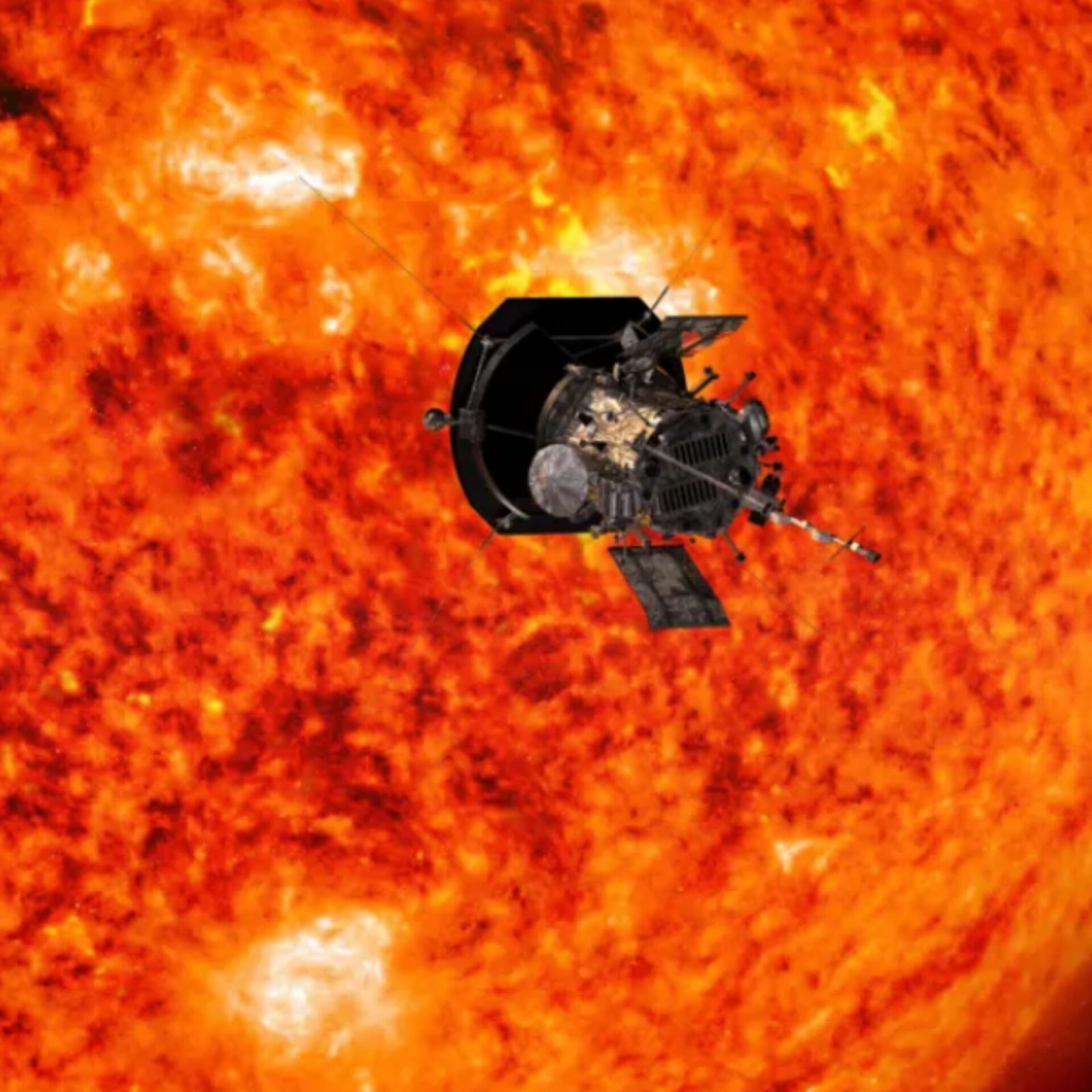
NASA's Parker Solar Probe made history on Christmas Eve, becoming the closest-ever spacecraft to the Sun at 3.8 million miles. Traveling at a record 430,000 mph, it endured extreme radiation and temperatures of 1,400°C while exploring the Sun's corona. The mission aims to solve the mystery of why the corona is hotter than the solar surface and improve understanding of solar wind, crucial for mitigating space weather's impact on Earth. Dr. Nicola Fox of NASA said, "We can't experience the Sun's atmosphere without flying through it." After days of silence, NASA confirmed the probe's safety on December 28.
Brief by Shorts91 Newsdesk / 05:06pm on 24 Dec 2024,Tuesday Science
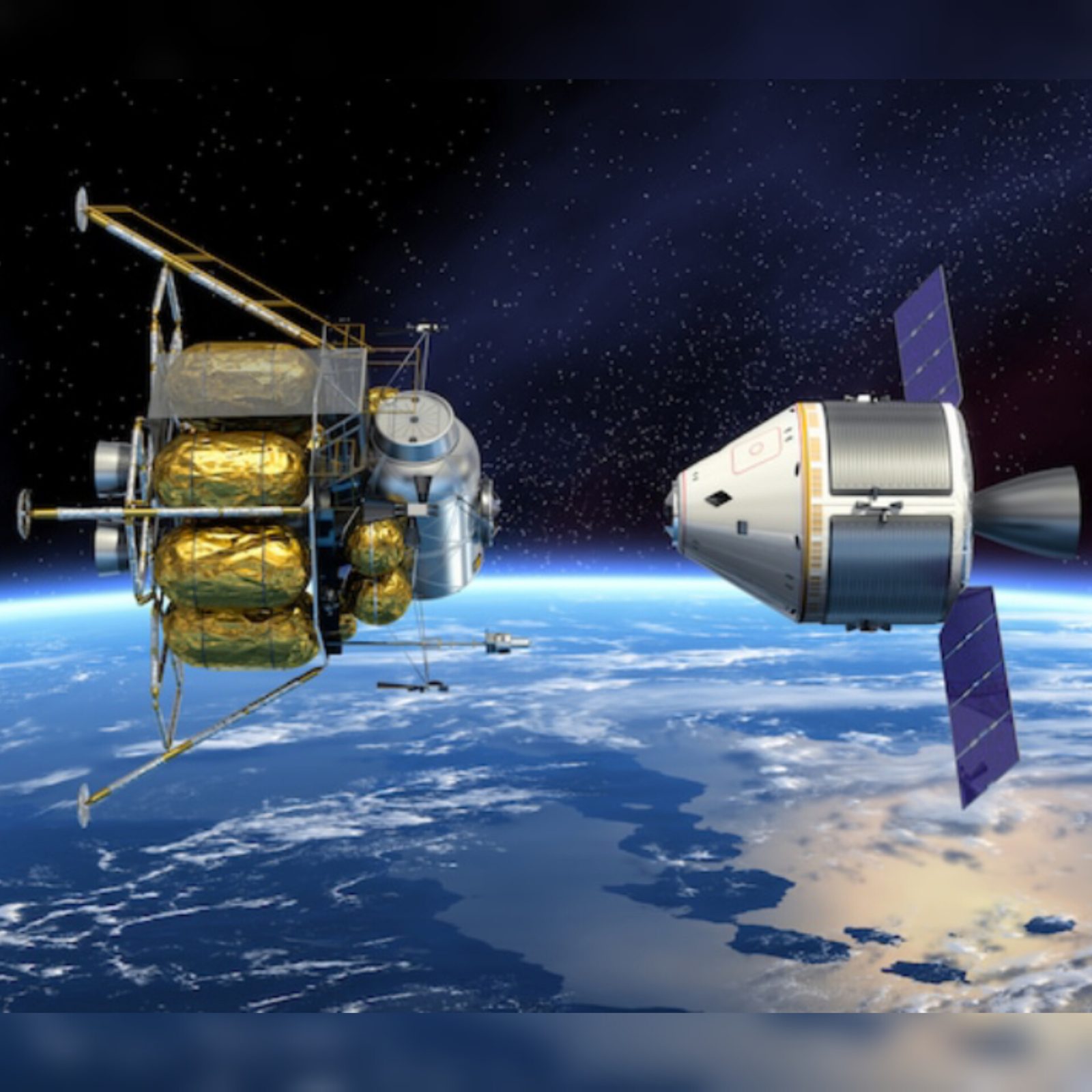
ISRO’s final mission of 2024, the SpaDex (Space Docking Experiment), will launch on 30 December at 9:58 PM from Sriharikota. India aims to join the US, Russia, and China as nations capable of docking spacecraft in space. The mission will use two spacecraft, Chaser and Target, to demonstrate docking, undocking, and power transfer in orbit. This is a key step for India's plan to build its own space station. The PSLV-C60 rocket will also carry POEM-4, which will host microgravity experiments for up to three months. A successful mission will elevate India's position in global space technology.