Brief by Shorts91 Newsdesk / 02:31pm on 02 Aug 2024,Friday Science
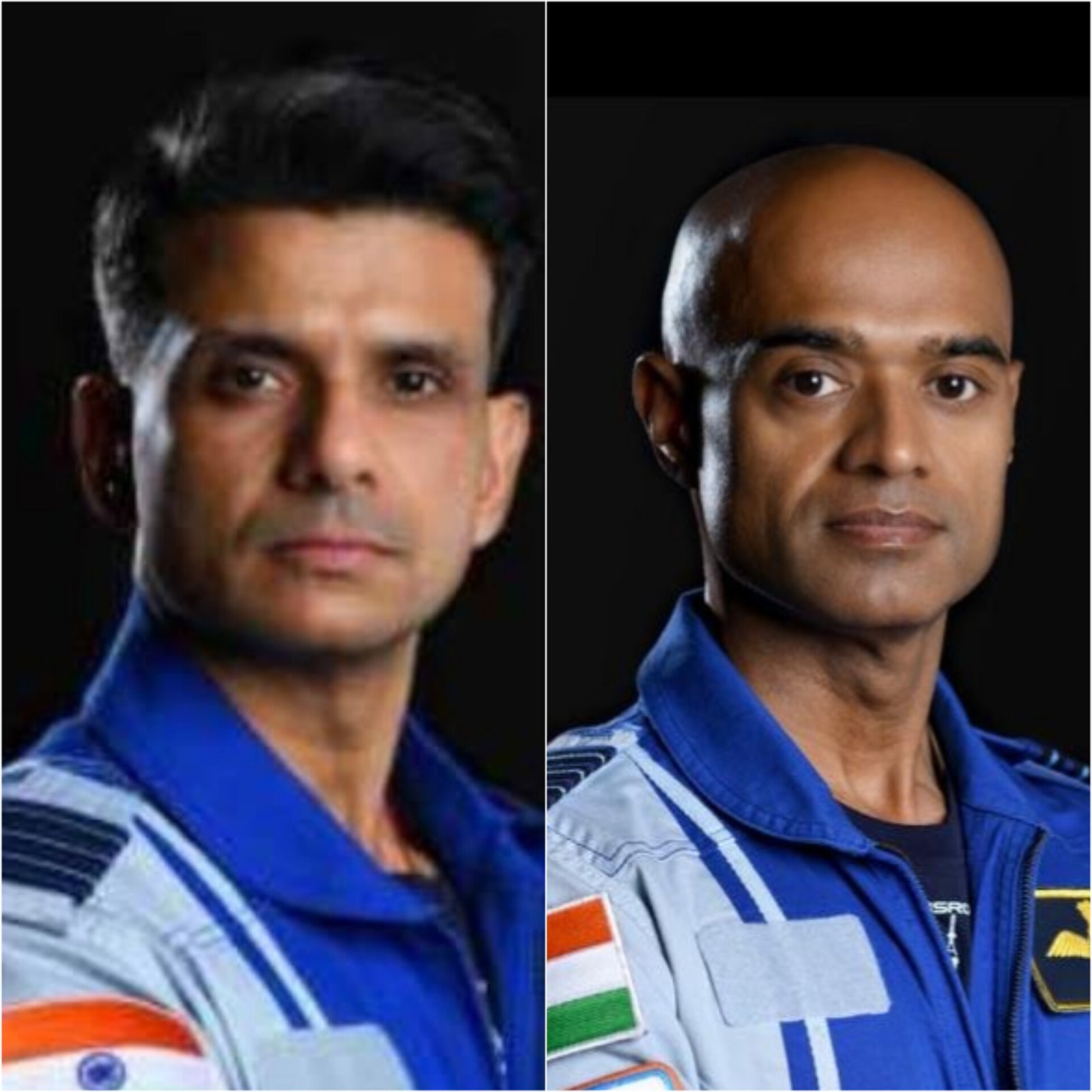
Group Captain Shubhanshu Shukla has been chosen as the prime pilot for an upcoming Indo-US mission to the International Space Station (ISS), as announced by ISRO. Group Captain Prasanth Balakrishnan Nair will serve as the backup pilot. The mission, part of a space flight agreement with Axiom Space Inc., aims to conduct scientific research and technology demonstrations on the ISS. Both pilots will start training in August 2024. This mission will enhance India’s human spaceflight program and strengthen collaboration with NASA.

Brief by Shorts91 Newsdesk / 10:51am on 01 Aug 2024,Thursday Science
ISRO has released high-resolution satellite images of the devastating landslide in Wayanad, Kerala, which has claimed over 250 lives. The images, captured by Cartosat-3 and RISAT satellites, reveal the extensive damage caused by the landslide, triggered by heavy rainfall. Approximately 86,000 square meters of land has slipped, with debris flowing nearly 8 kilometers along the Iruvaiphuzha River, widening its course. The satellite images provide a clear picture of the disaster's scale, aiding rescue operations and future disaster management planning. The images were taken by the National Remote Sensing Center (NRSC) in Hyderabad.
Brief by Shorts91 Newsdesk / 05:19pm on 31 Jul 2024,Wednesday Science
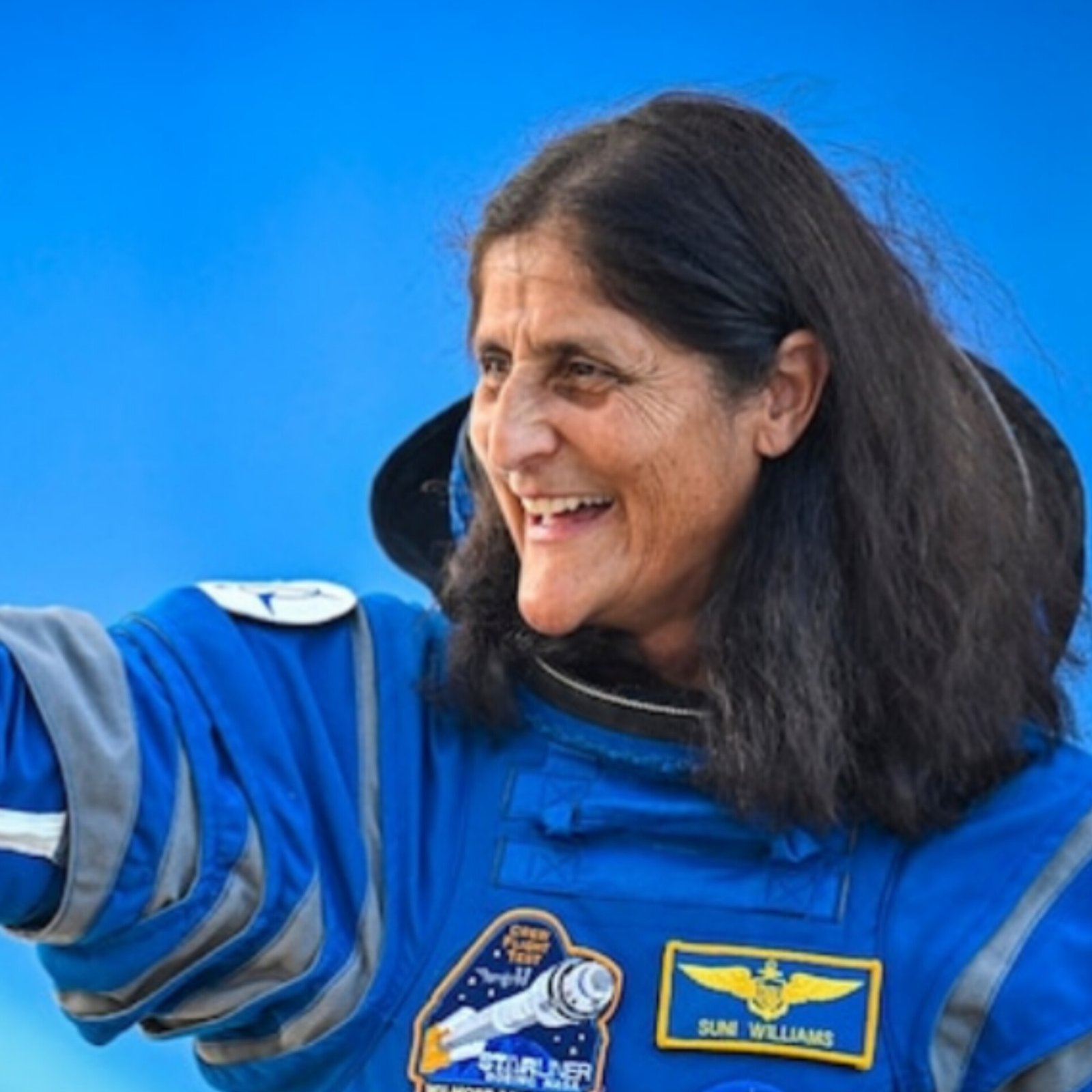
Indian-American astronaut Sunita Williams and colleague Butch Wilmore have been stranded in space for 52 days due to technical issues with their spacecraft, Boeing's Starliner. Originally a 10-day mission launched on June 5, the delay has caused significant health challenges. The prolonged absence of gravity has led to muscle mass reduction and bone density loss, despite regular exercise routines on the ISS. These issues highlight the physical toll of extended space missions. NASA and Boeing are working diligently to resolve the situation and ensure the astronauts' safe return.
Brief by Shorts91 Newsdesk / 06:49am on 31 Jul 2024,Wednesday Science
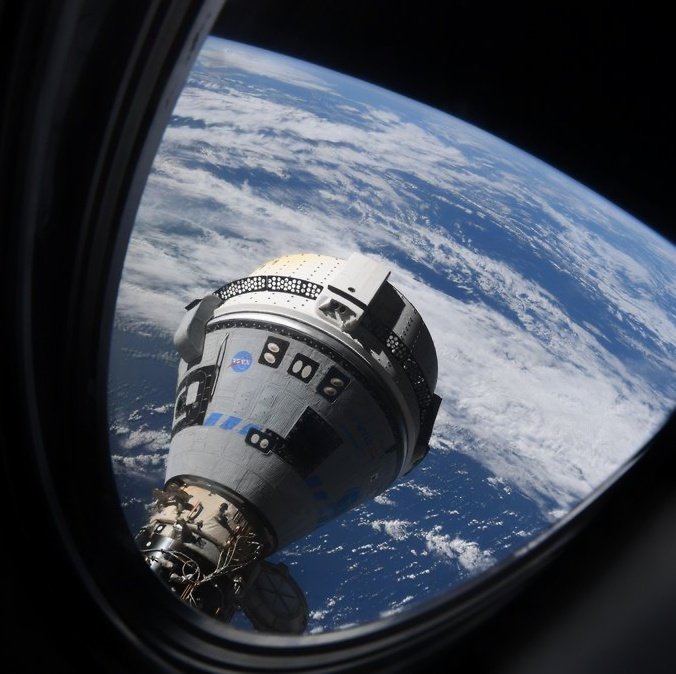
NASA and Boeing conducted a hot fire test of the Starliner spacecraft, a crucial step for the return of astronauts Sunita Williams and Butch Willmore from the International Space Station. The test, performed with the astronauts on board, fired 27 of the spacecraft's 28 jets to evaluate thruster performance and helium leak rates. Preliminary results indicate all tested thrusters met preflight levels for thrust and chamber pressure. The test also assessed helium supply and leak rates. The successful test confirms the spacecraft's readiness for the astronauts' return journey to Earth.
Brief by Shorts91 Newsdesk / 04:00pm on 30 Jul 2024,Tuesday Science
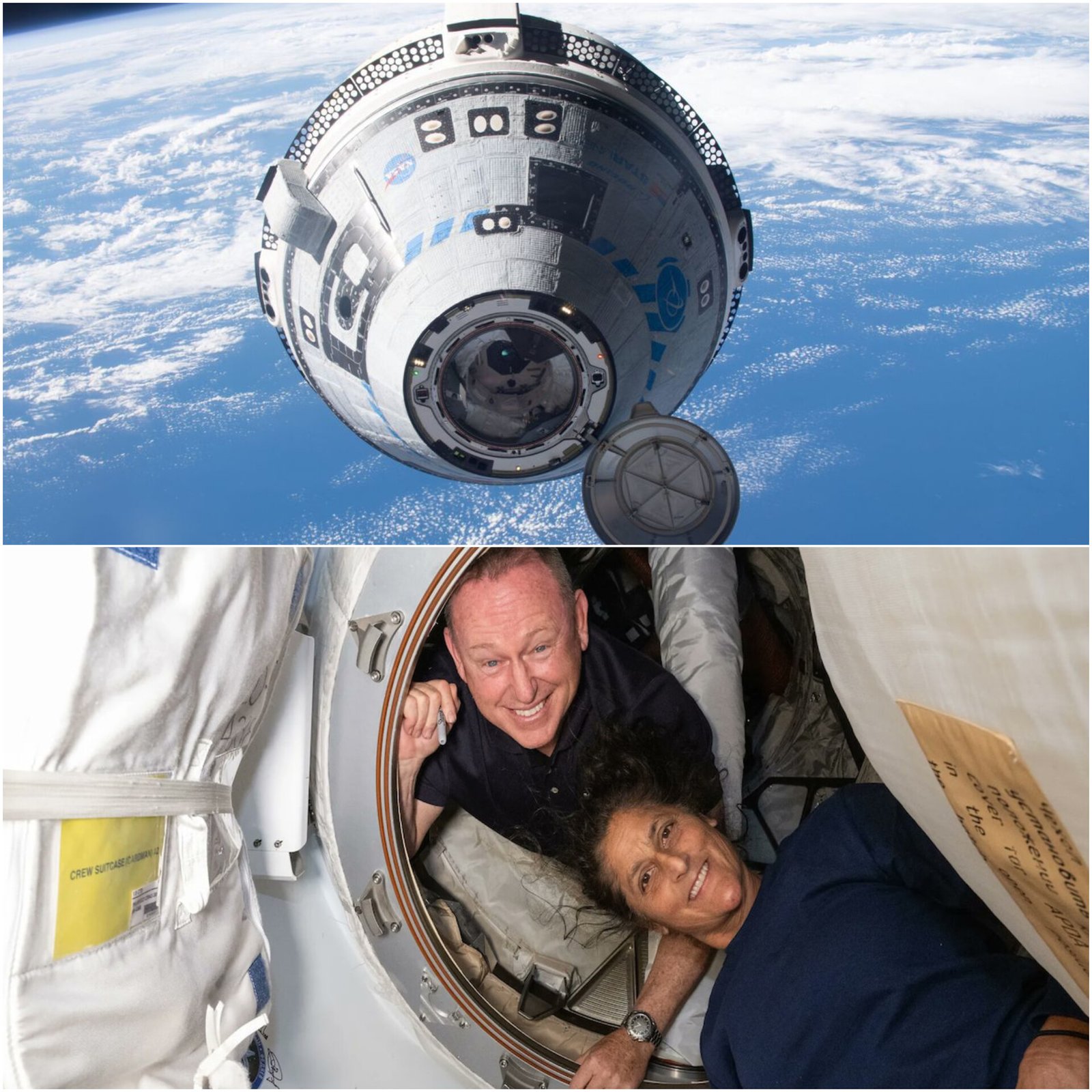
NASA astronauts Barry Wilmore and Sunita Williams are stranded in space due to issues with Boeing's Starliner spacecraft. Their mission, launched on June 5, has been extended indefinitely. The Starliner has helium leaks, faulty thrusters, and a malfunctioning valve, delaying their return. NASA might use a SpaceX Dragon capsule if the Starliner remains inoperative. The $1.5 billion financial impact on Boeing highlights challenges in crew transport to the ISS. The situation complicates docking plans for the Crew-9 mission. Boeing continues efforts to resolve Starliner's issues and ensure its future reliability.
Brief by Shorts91 Newsdesk / 12:09pm on 29 Jul 2024,Monday Science
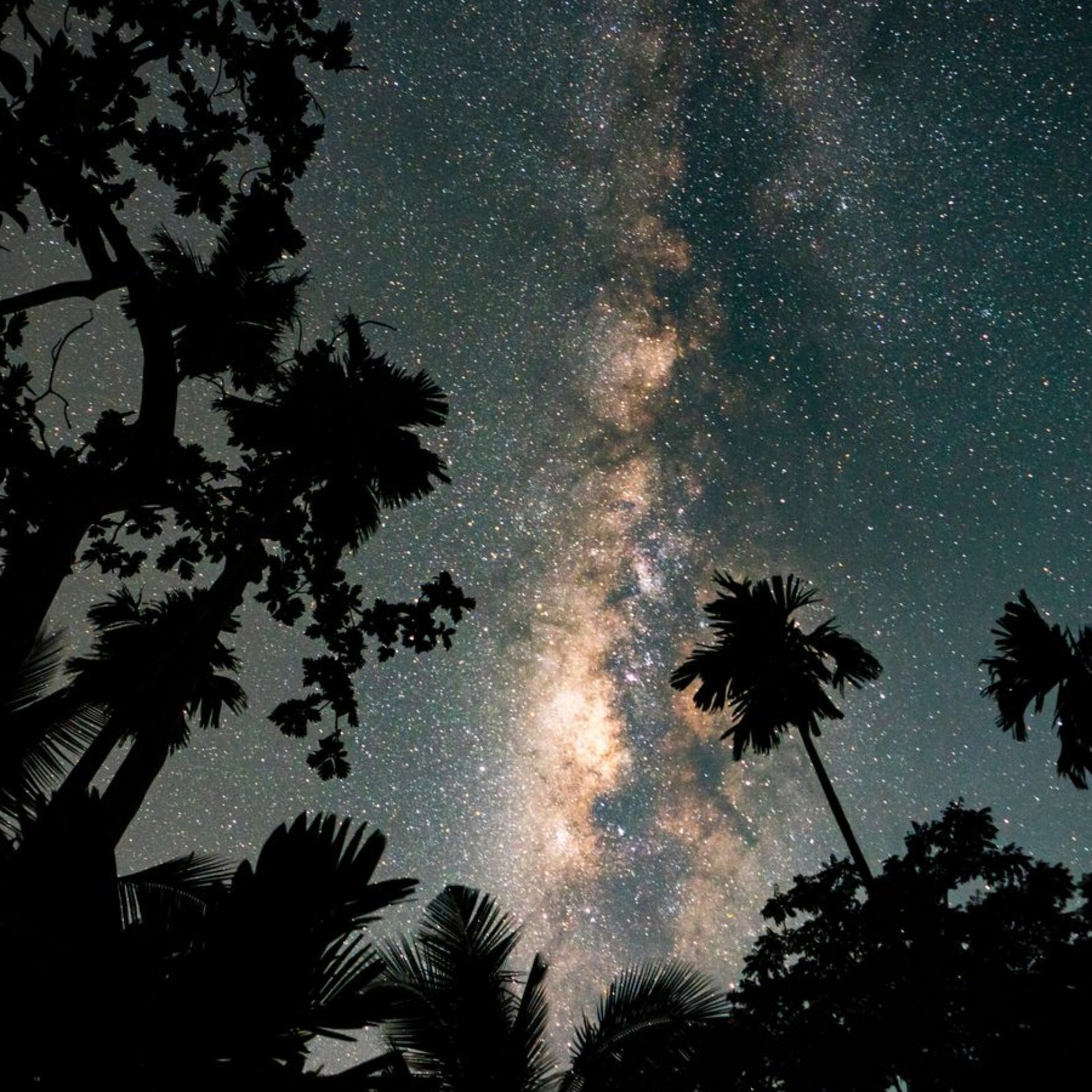
Tonight, the Delta Aquariids meteor shower will dazzle the UK skies as Earth passes through debris from Comet 96P/Machholz. The meteor shower, which began on July 12, peaks tonight and will continue until August 25. As the comet's debris burns up in Earth's atmosphere, bright trails will streak across the sky. For the best viewing experience, find a dark spot away from city lights and watch between midnight and 2 a.m. Despite some cloud cover, clear skies are expected over much of the UK.
Brief by Shorts91 Newsdesk / 05:54am on 29 Jul 2024,Monday Science
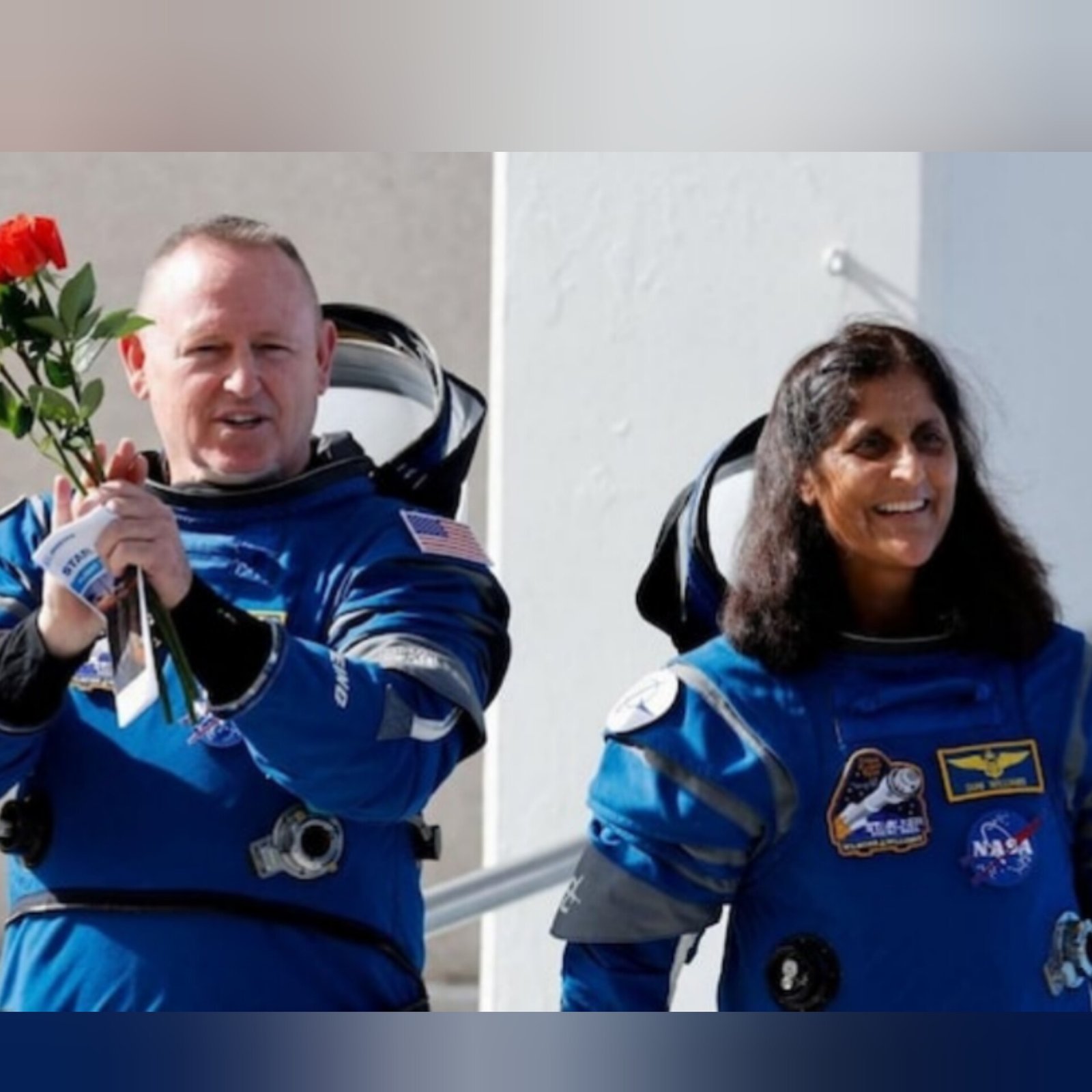
Boeing's Starliner spacecraft successfully completed a key hot fire test of its Reaction Control System (RCS) thrusters while docked at the ISS, bringing it closer to returning astronauts Sunita Williams and Butch Wilmore. The test, involving the sequential firing of 27 thrusters, provided critical data for the upcoming Crew Flight Test. Flight director Chloe Mehring praised the test's success, noting peak performance of thrusters and stable helium system. Despite a month-long extension of their mission, Williams and Wilmore are now preparing for return simulations and a Flight Test Readiness Review, with multiple landing opportunities in August.
Brief by Shorts91 Newsdesk / 04:21am on 28 Jul 2024,Sunday Science
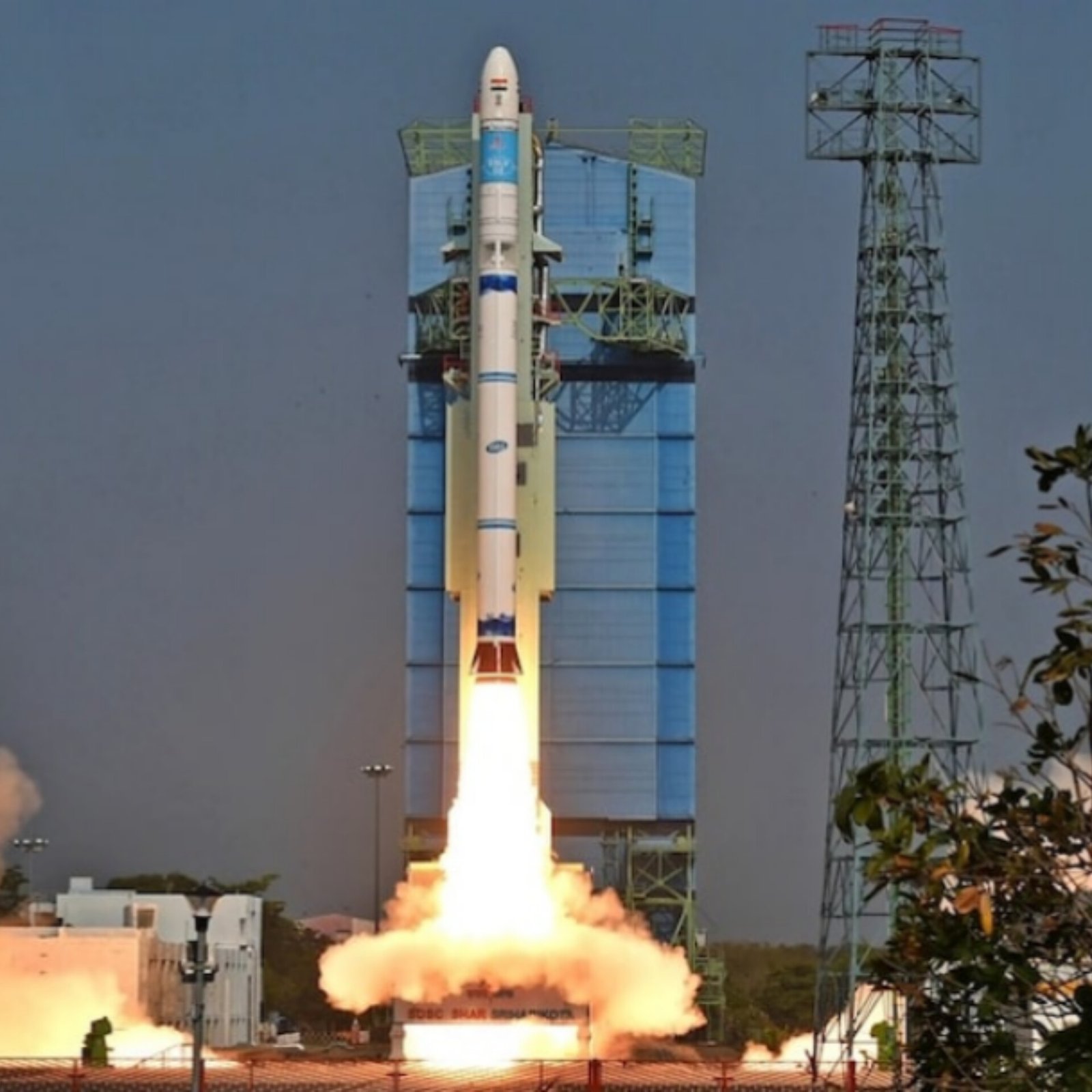
India is set for a historic milestone as an Indian astronaut, referred to as a 'Gaganyaatri,' prepares to journey to the International Space Station (ISS) in a joint ISRO-NASA mission. Union Minister Jitendra Singh announced that the mission, named Axiom Mission 4 (Ax-4), will launch in August 2024 from NASA's Kennedy Space Center. The Gaganyaatri will be among four astronauts selected for this mission, representing a significant step forward in India’s space exploration efforts. The astronaut will be chosen from four Indian Air Force test pilots trained for ISRO’s Gaganyaan mission.
Let the games begin!
— NASA (@NASA) July 26, 2024
Athletes from across the world are gathering today to kick off the 2024 #Olympics – pushing boundaries and inspiring generations. If you were an Olympic athlete, which sport would you play? pic.twitter.com/mnFC3vpvly
Brief by Shorts91 Newsdesk / 07:35pm on 27 Jul 2024,Saturday Science
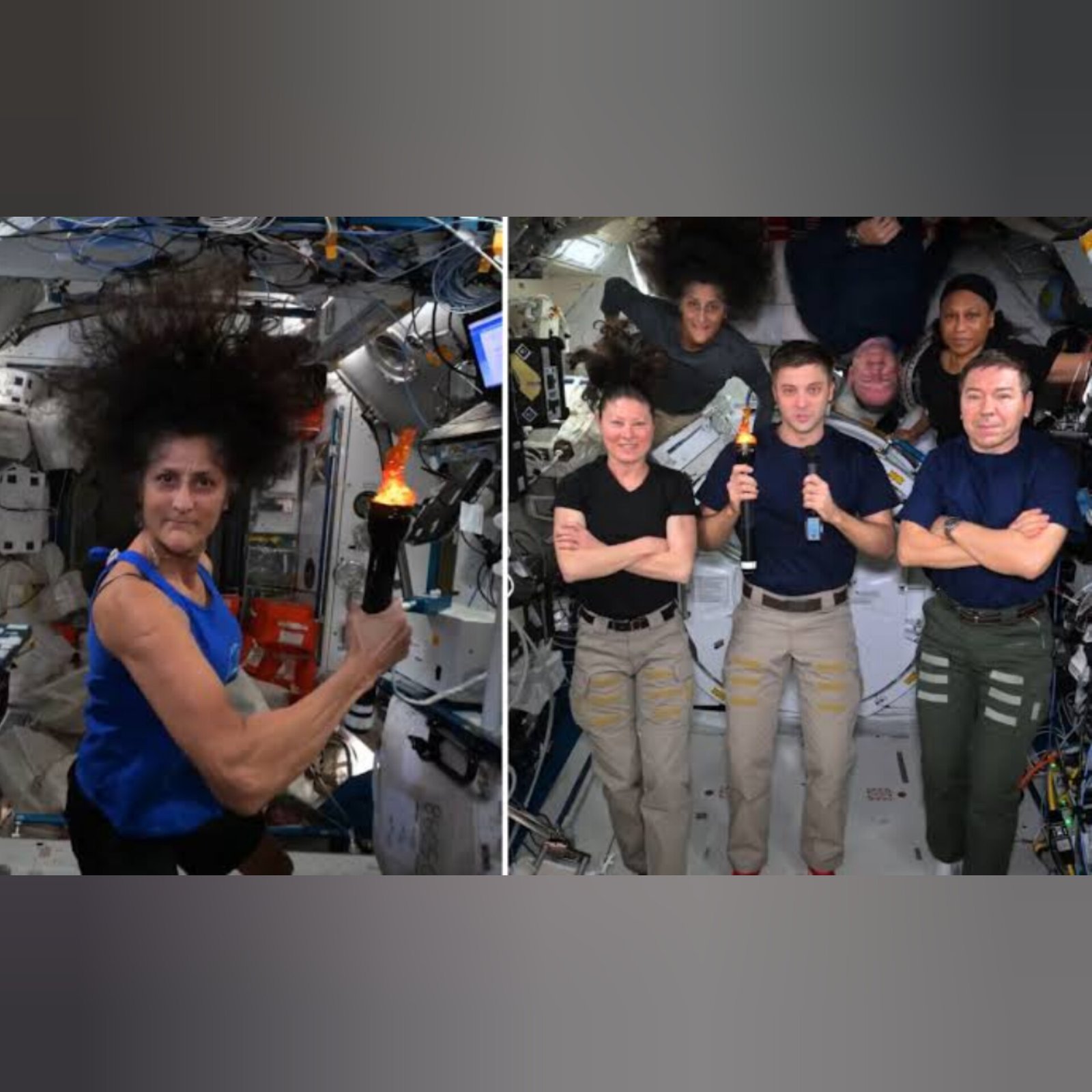
As the 2024 Summer Olympics begin on Earth, NASA astronauts aboard the International Space Station (ISS) celebrated with their own mini-Olympics. The event featured weightless versions of traditional sports, including makeshift discus throws and duct tape shotput. Sunita Williams and her crew passed a mock Olympic torch in a video released by NASA, showcasing their fun-filled activities and heartfelt message to Earth’s athletes. Williams and her team enjoyed the unique challenge of zero-gravity sports, offering their best wishes to Olympic competitors facing the rigors of Earth's gravity.
Brief by Shorts91 Newsdesk / 02:20pm on 27 Jul 2024,Saturday Science
To mark the start of the 2024 Summer Olympics, Nasa astronauts aboard the International Space Station (ISS) organized their own mini-Olympics. A video released on July 26 shows the crew passing a mock Olympic torch, engaging in weightless events like discus throws and gymnastics, and sending a message to Earth’s athletes. Astronaut Matthew Dominick expressed their enjoyment and admiration for the challenges faced by Olympians under gravity. The ISS crew, including Russian cosmonauts, is currently experiencing an extended mission due to technical issues with Boeing’s Starliner capsule.