
Brief by Shorts91 Newsdesk / 07:08am on 28 Dec 2025,Sunday Science
A high school student in the United States has identified about 1.5 million new space objects using artificial intelligence and old Nasa data. Matteo Paz built a machine learning system to study records from the retired Neowise mission. His model reviewed around 200 billion infrared entries and flagged objects such as quasars and supernovas that were missed earlier. Paz worked with astrophysicist Davy Kirkpatrick through Caltech’s Planet Finder Academy. His findings were published in The Astronomical Journal and are now guiding future observations by the James Webb Space Telescope. Nasa chief Jared Isaacman praised the work and publicly invited Paz to apply for a job, adding a fighter jet ride as a personal offer. (PC: India Today)
Brief by Shorts91 Newsdesk / 03:10pm on 26 Dec 2025,Friday Science
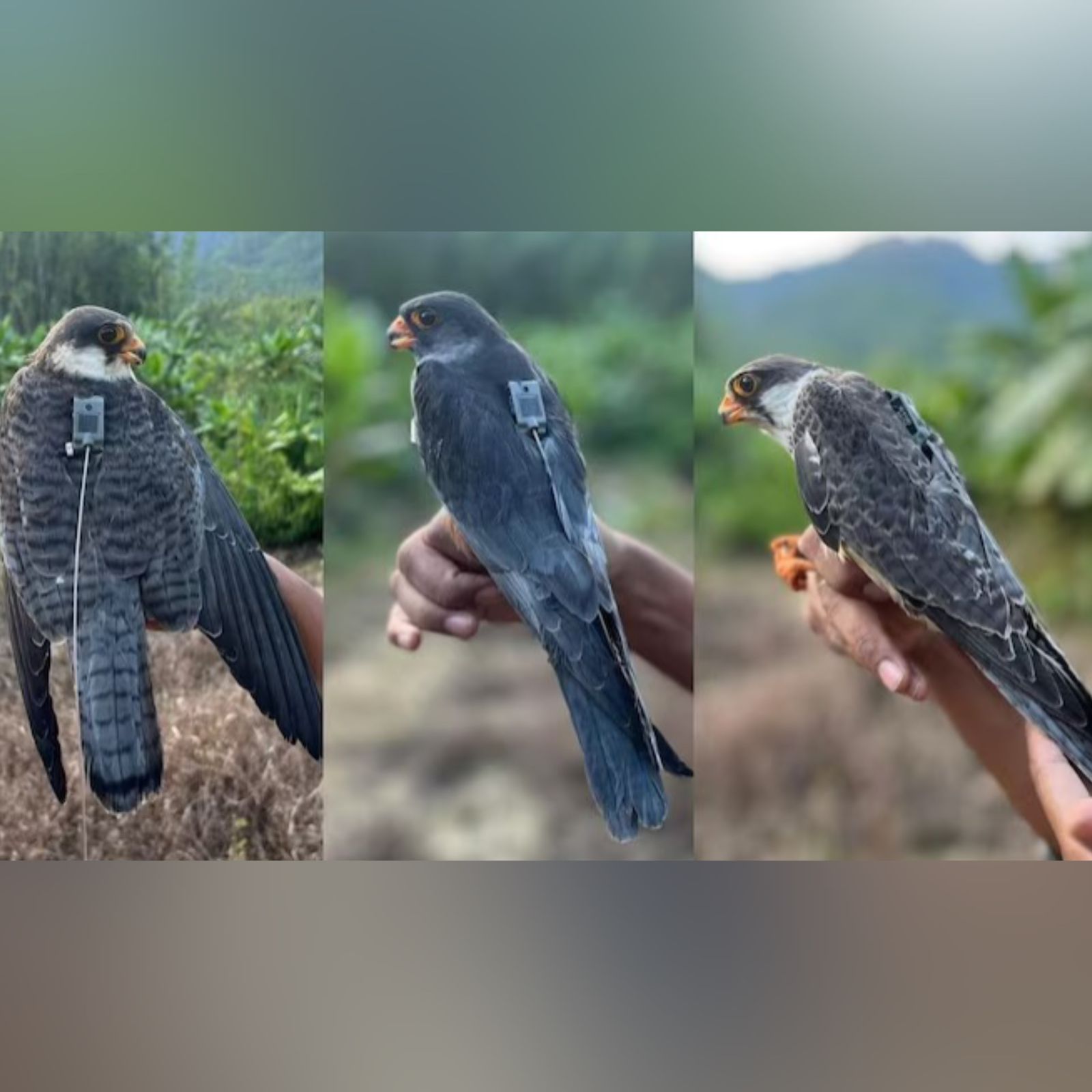
Three satellite-tagged Amur falcons from Manipur named Apapang, Alang, and Ahu have completed record-breaking migrations to Southern Africa, captivating global attention. Apapang flew 6,100 kilometers to Kenya in six days, one of the longest uninterrupted journeys for small raptors. Alang, the youngest, covered 5,600 kilometers with brief stops in Telangana and Maharashtra, while Ahu paused in Bangladesh before flying 5,100 kilometers to Somalia. The tiny birds crossed India, the Arabian Sea, and the Horn of Africa, reaching destinations including Zimbabwe's Harare, Kenya, and Botswana's Okavango Delta. Wildlife Institute of India scientist Suresh Kumar tracked their journey, highlighting the interconnectedness of global ecosystems and the critical need for cross-border conservation efforts. (PC: @supriyasahuias)
Brief by Shorts91 Newsdesk / 07:56am on 24 Dec 2025,Wednesday Science
India’s space agency ISRO on December 24, 2025 launched the BlueBird Block-2 satellite aboard its heavy-lift rocket LVM3-M6 from Sriharikota. The 6,100 kg satellite — AST SpaceMobile’s largest — is the heaviest payload ever placed into low Earth orbit by the LVM3 and marks the vehicle’s sixth operational flight under a commercial contract. The mission aims to expand direct-to-mobile connectivity worldwide, offering 4G/5G services via a global LEO constellation to compete with SpaceX. Prime Minister Narendra Modi praised the milestone, highlighting its boost to India’s self-reliance and future space ventures.
Brief by Shorts91 Newsdesk / 04:46am on 24 Dec 2025,Wednesday Science
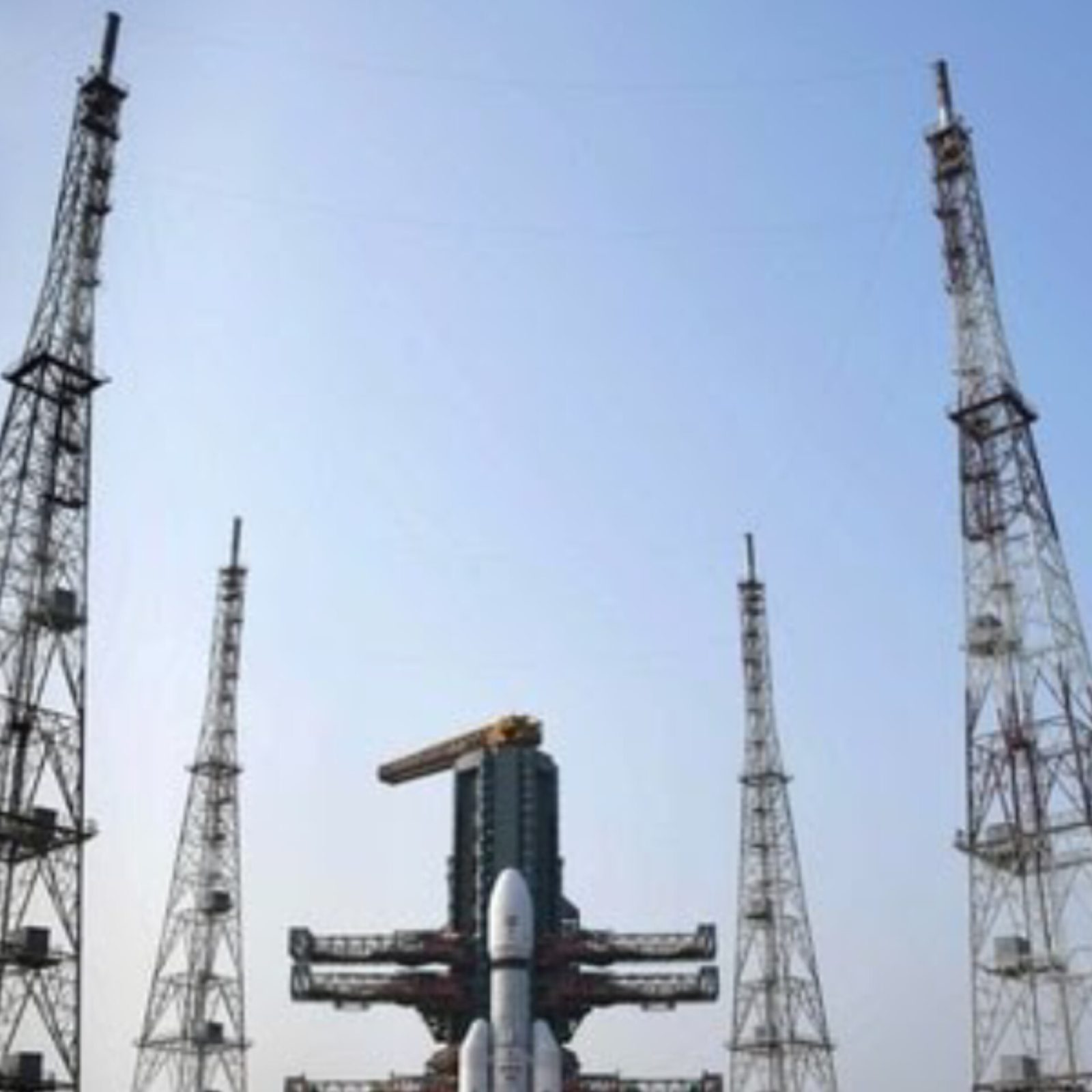
ISRO achieved a Christmas Eve triumph, launching India's heaviest foreign satellite aboard LVM3-M6 "Bahubali" rocket from Sriharikota at 08:54 IST on December 24. The 640-tonne vehicle deployed AST SpaceMobile's 6.5-tonne BlueBird Block-2 communication satellite into 520-600 km Low Earth Orbit, marking ISRO's 101st orbital success. BlueBird Block-2, the largest commercial LEO communications satellite, features a 223 sq m phased-array antenna beaming 4G/5G signals directly to unmodified smartphones, partnering with 50+ global operators to connect remote regions. ISRO chief praised the "less than 2 km dispersion" orbital performance. This third fully commercial LVM3 mission strengthens NewSpace India Limited's market position, advancing India's space capabilities ahead of upcoming Gaganyaan crewed flights.
Brief by Shorts91 Newsdesk / 02:27am on 24 Dec 2025,Wednesday Science
The Indian Space Research Organisation (ISRO) will launch the BlueBird Block-2 mission on December 24 at 8:54 AM IST from the Satish Dhawan Space Centre, Sriharikota, using the LVM3-M6 heavy-lift rocket. The mission will deploy a 6,100-kg BlueBird Block-2 satellite developed by AST SpaceMobile, making it the heaviest commercial payload carried by LVM3 into low Earth orbit. The satellite is designed to provide direct-to-smartphone broadband connectivity, supporting global 4G and 5G services. This launch highlights ISRO’s expanding role in commercial space missions and international collaborations. The launch will be livestreamed on ISRO’s official digital platforms. (PC: X)
Brief by Shorts91 Newsdesk / 04:05am on 22 Dec 2025,Monday Science
German engineer Michaela Benthaus made history as the world's first wheelchair user to travel to space. The European Space Agency employee, who suffered a spinal cord injury in a mountain bike accident seven years ago, joined five others on Blue Origin's 10-minute flight from Texas on Saturday. After reaching out online to retired SpaceX manager Hans Koenigsmann about whether her astronaut dream remained possible, he helped organize the historic mission. The crew reached just above the Kármán line, the recognized boundary of space. Benthaus independently transferred from her wheelchair into the capsule using a specially installed bench. Blue Origin modified ground support equipment to accommodate her, demonstrating that space accessibility is achievable for everyone.
Brief by Shorts91 Newsdesk / 06:55pm on 18 Dec 2025,Thursday Science
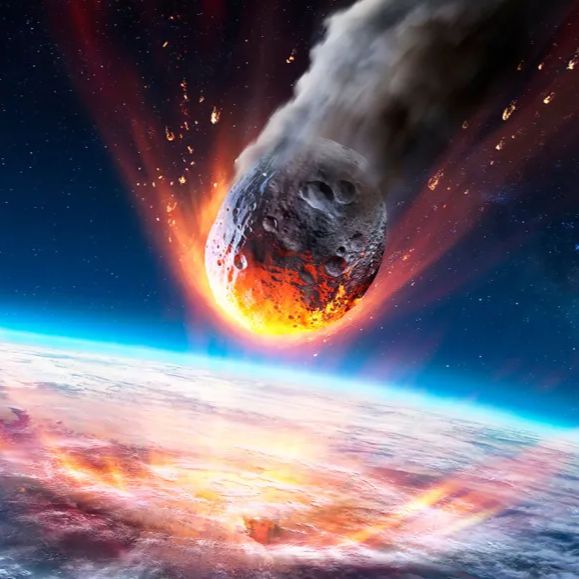
Ten asteroids will approach Earth between December 18-20, according to NASA's Center for Near-Earth Object Studies, though none poses impact threats. The closest, asteroid 2015 XX168, passes at 2.3 million kilometers on December 18, several times the Moon's distance. Sizes range from 7 meters (2025 XT4) to 160 meters (2025 XV), with speeds between 6-17 kilometers per second. Most have zero rarity scores, indicating common occurrences; only 2025 XV rates one due to larger size, not elevated risk. Scientists emphasize these flybys provide valuable research opportunities for studying asteroid behavior, refining orbital models, and improving planetary defense capabilities. Close approaches occur regularly, often weekly, with Earth safely monitored. (PC: Pinterest)

Brief by Shorts91 Newsdesk / 12:48pm on 11 Dec 2025,Thursday Science
SpaceX CEO Elon Musk expressed enthusiasm about serving India through Starlink following high-level meetings between company officials and Union Minister Jyotiraditya Scindia in New Delhi. Starlink is rapidly advancing regulatory approvals, commercial arrangements, and state-level collaborations, including a new Letter of Intent with Maharashtra. The satellite internet service is preparing for a potential 2025–26 launch in India, prioritizing rural and remote area connectivity. The company addressed confusion regarding pricing that briefly appeared on its Indian website, clarifying it was an error. Official service plans and pricing will only be announced after receiving complete government approval, as Starlink works toward establishing comprehensive internet coverage across underserved regions of India. (PC: Facebook)
Brief by Shorts91 Newsdesk / 08:58am on 01 Dec 2025,Monday Science
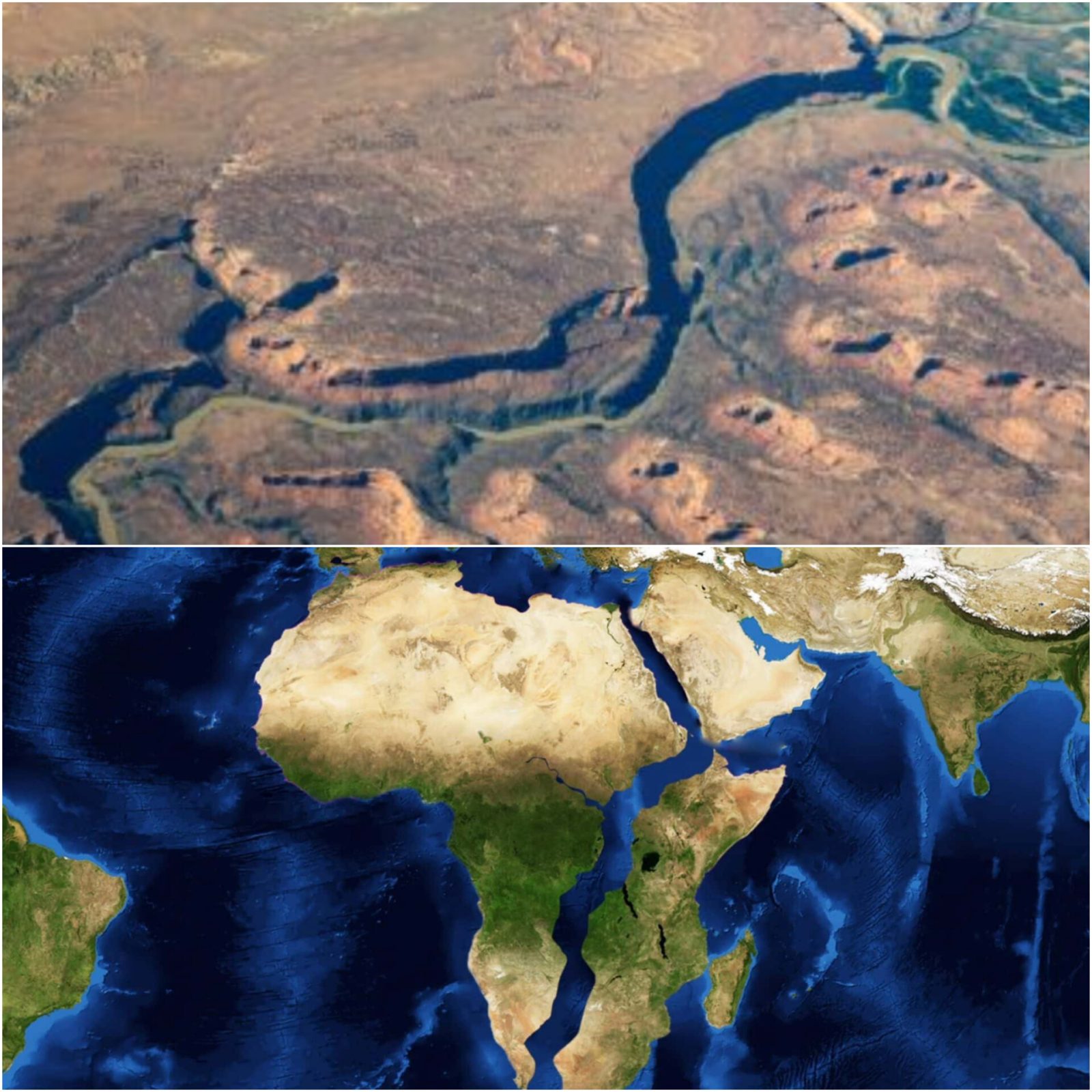
Scientists say Africa is slowly breaking apart and may form a new ocean in 5 to 10 million years. The East African Rift, stretching from Jordan to Mozambique, is pulling the continent apart like “a zip on a jacket.” The Afar region, where three rifts meet, shows early signs of this split. Magnetic data from the 1960s confirms slow seafloor spreading. The eastern landmass would include Kenya, Tanzania, and Somalia, while the western landmass would have Egypt, Nigeria, and Algeria. The process is very slow, moving only a few millimeters each year, but will reshape Africa’s geography over millions of years. (PC: X)
Brief by Shorts91 Newsdesk / 03:04pm on 28 Nov 2025,Friday Science
A breathtaking world record was set over Lake Wales, Florida, as 104 elite skydivers created the largest canopy relative work formation, shattering the 18-year-old 100-way record. Thirty-six pilots using Valkyrie parachutes formed a stable base while remaining jumpers docked precisely into an intricate starburst pattern. Participants from 19 countries demonstrated split-second precision, navigating 20-30 mph descent speeds and challenging foggy conditions before achieving success on their final attempt. The physics-defying feat, dubbed Operation VK, required years of training in wind mastery and synchronized maneuvers. Safety equipment like CYPRES auto-activation devices ensured reliability. The stunning viral footage showcases skydiving's evolution from simple freefall to complex aerial artistry, cementing Florida's skydiving hub status.