Brief by Shorts91 Newsdesk / 11:14am on 20 Nov 2025,Thursday Science
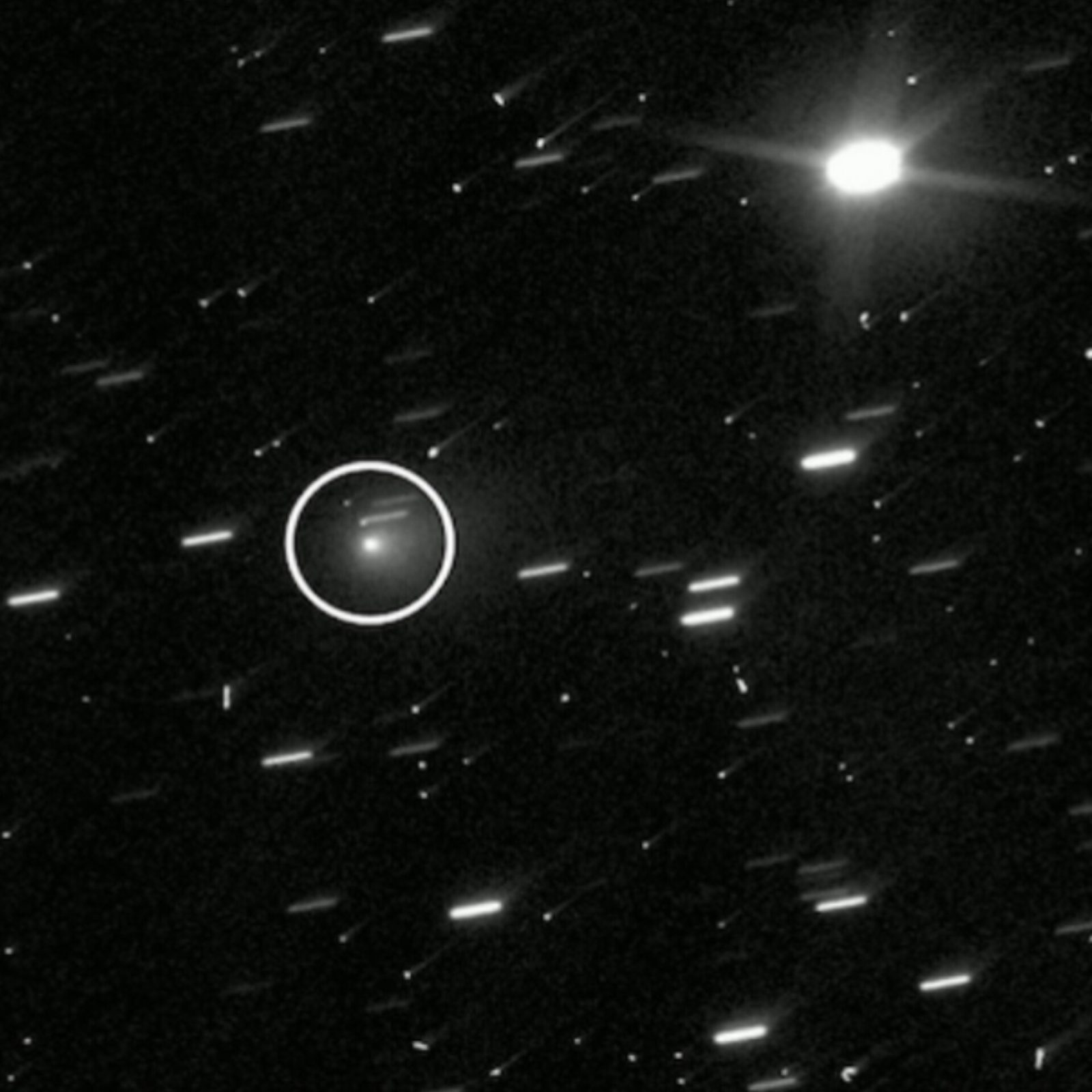
Nasa has addressed rising online rumours that interstellar comet 3I/ATLAS might be an alien spaceship. The agency confirmed there is no evidence to support such claims. The comet, discovered on July 1, 2025, is believed to be 5 to 8 billion years old. It has triggered a major observation effort, with 12 Nasa missions capturing images as it moves through the inner Solar System. 3I/ATLAS passed close to Mars, allowing orbiters and the Perseverance rover to record new data. Scientists say its hyperbolic path proves it came from another star system. The comet offers rare insights into distant cosmic origins. (PC: India Today)
Brief by Shorts91 Newsdesk / 04:08am on 14 Nov 2025,Friday Science
Blue Origin achieved a historic milestone, successfully launching its New Glenn rocket carrying NASA's twin Escapade spacecraft to Mars and landing its reusable first-stage booster for the first time. The 98-meter rocket lifted off from Florida's Cape Canaveral after four-day weather delays, deploying Mars orbiters Blue and Gold destined to arrive in 2027. Staff erupted in celebration as the booster landed upright on a platform 375 miles offshore in the Atlantic Ocean, a feat never accomplished before with such a large rocket by Jeff Bezos's company. The orbiters will study solar wind's interaction with Mars's magnetic environment and atmospheric escape. Elon Musk congratulated the achievement, intensifying the billionaire space race between Blue Origin and SpaceX.
Brief by Shorts91 Newsdesk / 03:10am on 14 Nov 2025,Friday Science
Jeff Bezos' Blue Origin successfully launched its giant New Glenn rocket from Florida on Friday, marking a significant milestone in space exploration. The debut mission sent NASA's twin EscaPADE satellites on a 22-month journey to Mars while achieving the first successful return landing of its reusable booster at sea. This represents the first science payload Blue Origin has delivered for NASA or any customer. The powerful two-stage rocket's launch, following its inaugural flight in January, positions Blue Origin to compete more effectively with Elon Musk's SpaceX. The rocket's seven BE-4 liquid-fueled engines propelled it through clear afternoon skies after several days of delays caused by cloudy weather and a geomagnetic storm.

Brief by Shorts91 Newsdesk / 02:06pm on 12 Nov 2025,Wednesday Science
A powerful solar storm, known as a “cannibal storm,” is expected to hit Earth today, possibly disrupting GPS, communication networks, and power grids. The British Geological Survey has issued its highest alert, warning that the ongoing storm has already affected satellite navigation. A second, stronger geomagnetic wave is set to reach the UK by afternoon and could be one of the largest in 20 years. Caused by explosions on the Sun’s surface, such storms can disturb Earth’s magnetic field. The event has already produced bright Northern Lights across the UK, with more expected tonight if skies stay clear. (PC: X)

Brief by Shorts91 Newsdesk / 07:54am on 12 Nov 2025,Wednesday Science
A massive solar explosion has triggered a powerful geomagnetic storm, disrupting satellites, GPS systems, and flights across the globe. The flare erupted from sunspot AR4274, sending highly charged particles toward Earth. Experts say it caused a rare “Ground Level Event,” where radiation reached the surface. Passengers on polar flights may have faced higher radiation exposure. The US NOAA warned of possible power grid and radio signal disruptions. Dazzling auroras were seen as far south as Florida and Texas. Scientists compare this to the 2006 solar event and warn that more such storms could follow soon. (PC: India Today)

Brief by Shorts91 Newsdesk / 10:40am on 10 Nov 2025,Monday Science
Astronomers are tracking a mysterious interstellar comet named 3I/ATLAS, which has shown strange changes as it nears the Sun. The comet, discovered in July in Chile, is only the third known visitor from outside our solar system. NASA said it poses no threat to Earth and will pass closest in December. Scientists say it has unexpectedly sped up, turned blue, and even lost its tail. Some experts believe gas loss is pushing it forward, while others explore more unusual ideas. The comet will remain under observation as it travels toward Jupiter in 2026. (PC: NDTV)
Brief by Shorts91 Newsdesk / 08:44am on 09 Nov 2025,Sunday Science
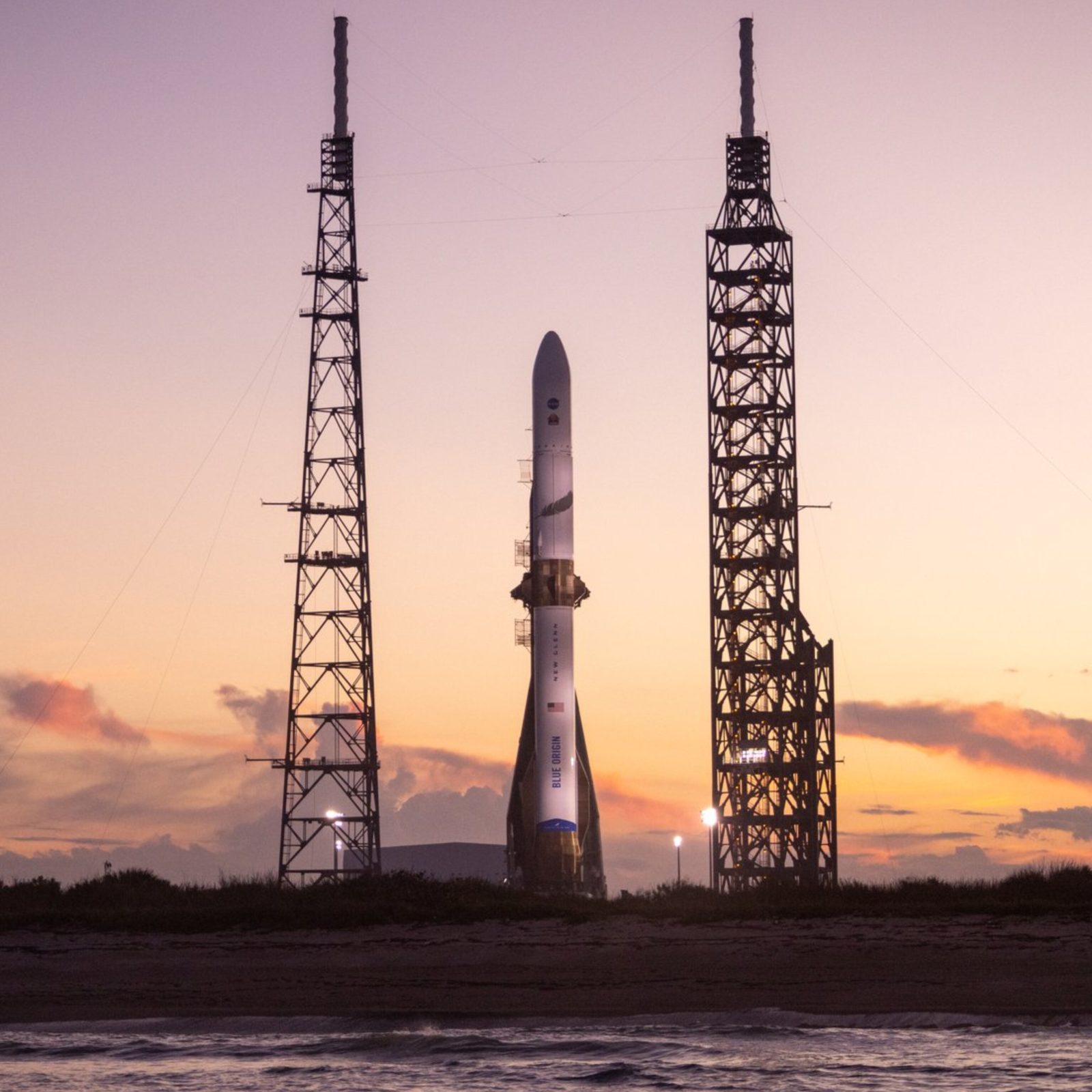
NASA’s Escapade Mars mission will launch early Monday aboard Blue Origin’s New Glenn rocket from Cape Canaveral, Florida. The mission will send two small spacecraft, named Blue and Gold, to study Mars’ magnetic field and how the planet lost its atmosphere. This is the second flight of the New Glenn rocket, and Blue Origin will try to land its first stage on a ship at sea. A successful landing would boost rocket reusability. The Escapade spacecraft will reach Mars in 2027 and help scientists learn more about the planet’s climate and its chances of supporting life. (PC: X)
Brief by Shorts91 Newsdesk / 12:26pm on 05 Nov 2025,Wednesday Science
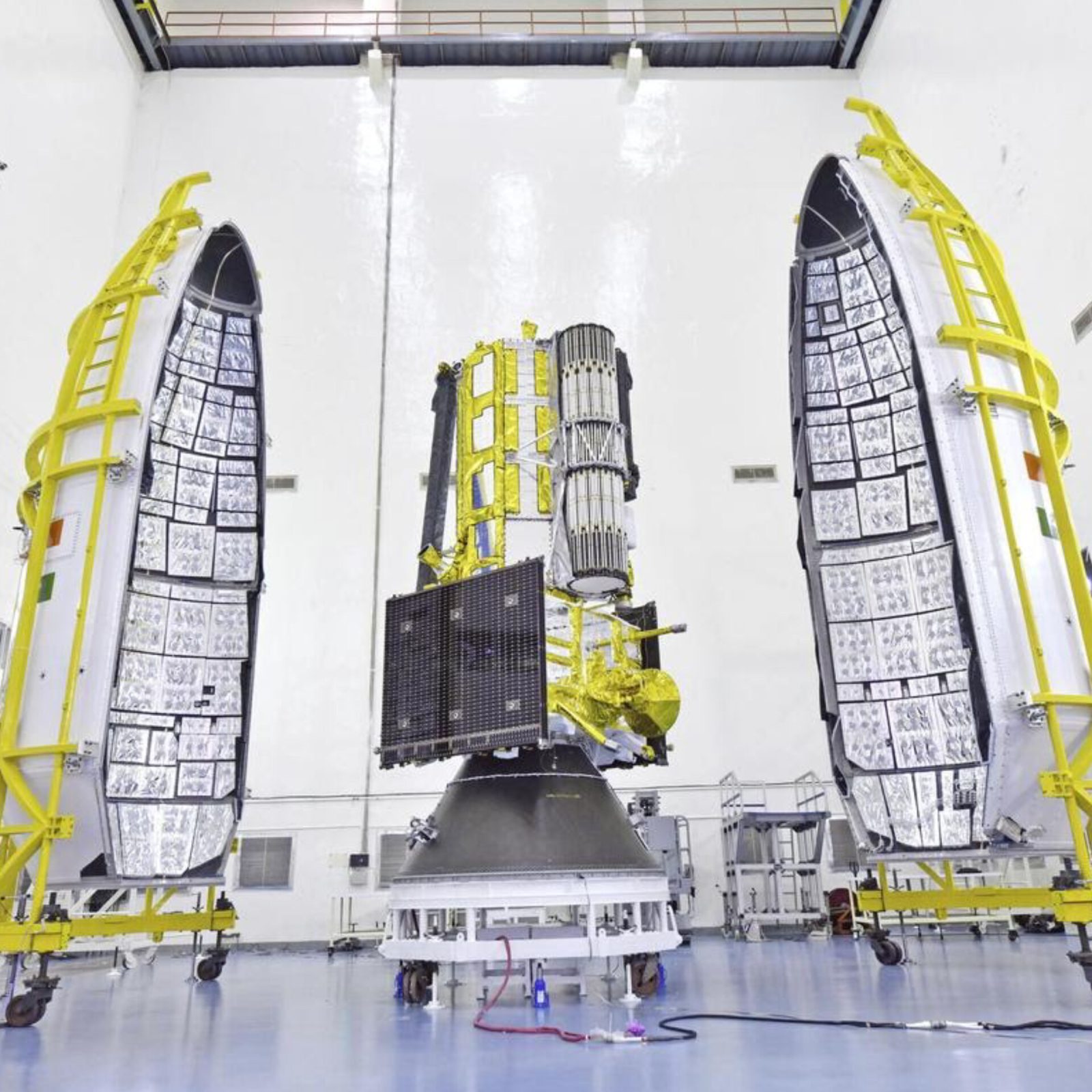
The NISAR satellite — a joint mission between Indian Space Research Organisation (ISRO) and NASA — will be formally declared operational on 7 November 2025, ISRO Chairman V. Narayanan announced. Launched on 30 July 2025 weighing 2,400 kg, NISAR carries both L-Band and S-Band synthetic aperture radar sensors, enabling global land and ice-surface imaging every 12 days—even through clouds and at night. ISRO confirms data calibration is complete and a conclave is scheduled where NISAR’s science-phase commencement will be declared.
Brief by Shorts91 Newsdesk / 04:40am on 03 Nov 2025,Monday Science
ISRO successfully launched India's heaviest communication satellite, CMS-03, aboard the LVM3-M5 rocket from Sriharikota's Satish Dhawan Space Centre at 5:35 pm today. Weighing approximately 4,400 kilograms, CMS-03 represents the fifth operational flight of the LVM3 launcher. Deployed into Geosynchronous Transfer Orbit, the satellite will deliver multi-band communication services spanning India and surrounding ocean regions, enhancing secure data, voice, and video transmission for civilian and strategic applications. ISRO Chairman Dr. V. Narayanan commended the achievement, highlighting India's capability in heavy satellite development and deployment. Prime Minister Narendra Modi congratulated ISRO scientists via X, emphasizing the mission as testament to India's space sector excellence and innovation, further strengthening the nation's communication infrastructure.
Brief by Shorts91 Newsdesk / 02:57pm on 02 Nov 2025,Sunday Science
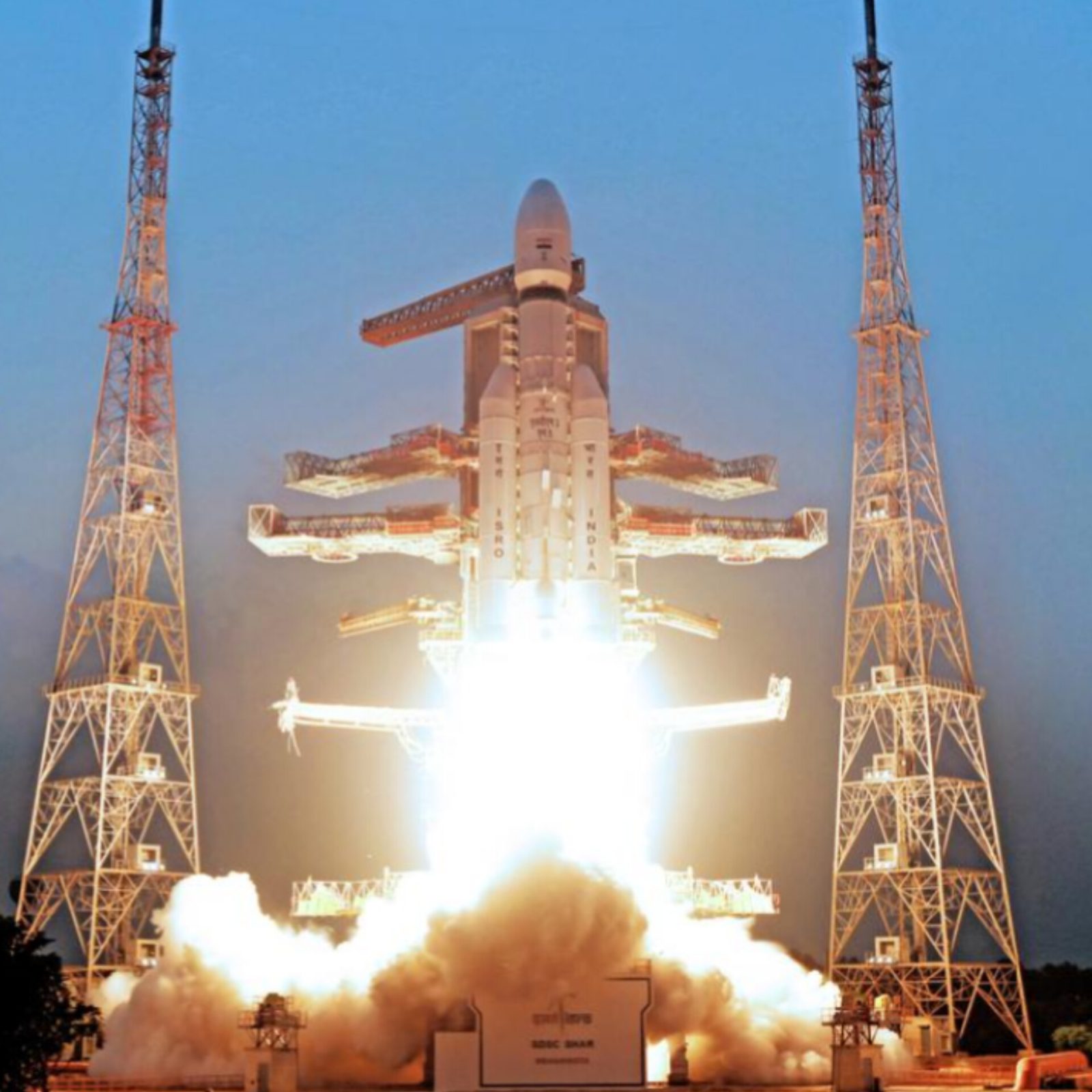
ISRO on Sunday launched its heaviest communication satellite, CMS-03, aboard the powerful LVM3 rocket from Sriharikota at 5:26 pm. The 4,410 kg satellite separated from the rocket about 16 minutes after liftoff. Also called GSAT-7R, CMS-03 will greatly improve the Indian Navy’s communication network across the Indian Ocean. It offers secure, high-speed voice, data, and video links between ships, submarines, aircraft, and command centers. With broader coverage and stronger bandwidth than its predecessor GSAT-7 “Rukmini,” the satellite boosts India’s maritime security and strengthens self-reliance under the Atmanirbhar Bharat mission. (PC: India Today)