Brief by Shorts91 NewsDesk / 09:20am on 13 Jul 2025,Sunday Science
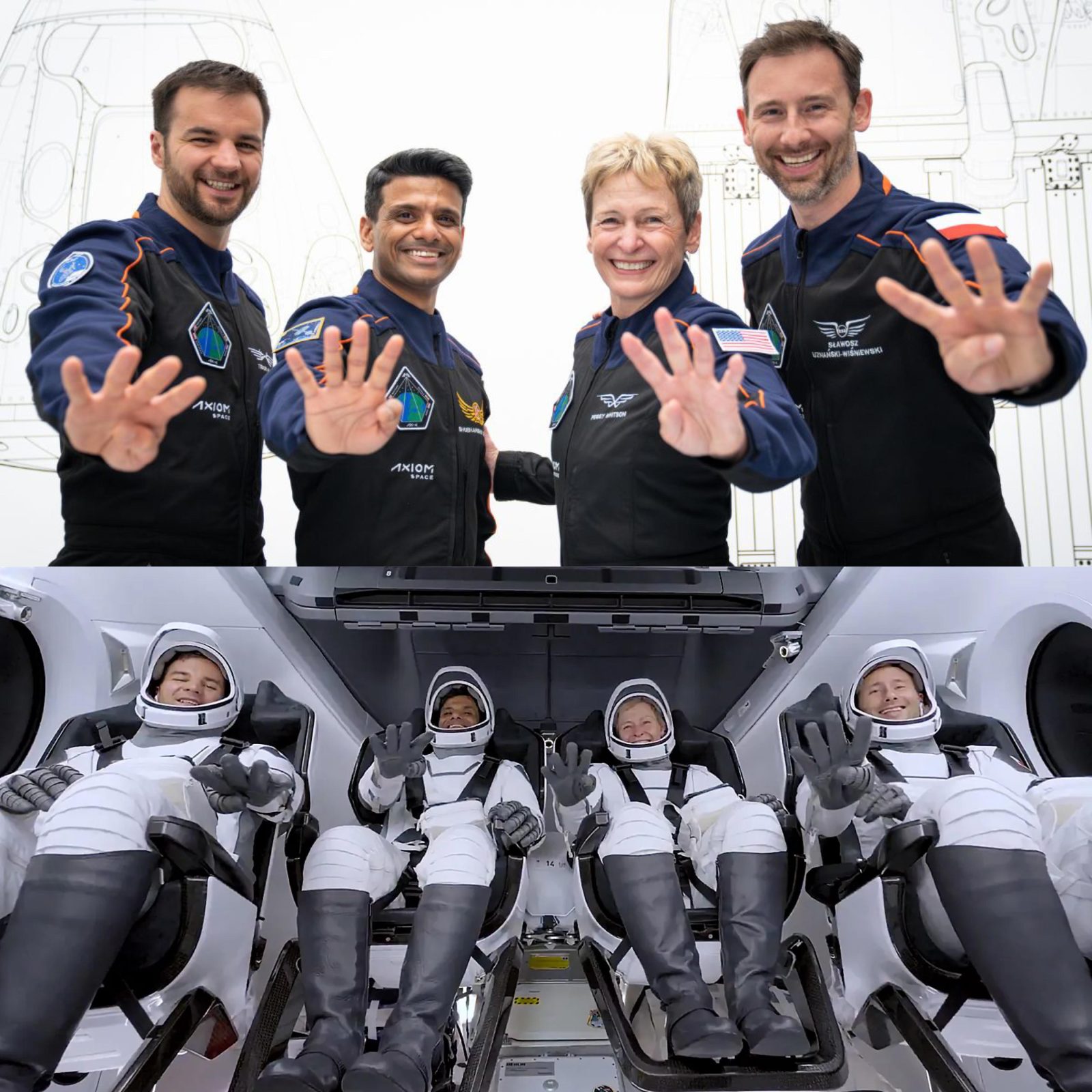
Indian astronaut Shubhanshu Shukla and the Axiom-4 crew will undock from the ISS on July 14 at 4:30 PM IST, with splashdown off California scheduled for July 15 at 3:00 PM IST. NASA will begin live coverage with hatch closing at 2:00 PM IST, followed by undocking at 4:35 PM IST. The mission, part of NASA’s push for a sustainable low Earth orbit economy, included over 60 experiments. Coverage transitions from NASA+ to Axiom Space and SpaceX post-undocking. Timings may shift due to weather, with a one-hour margin. Updates will be shared by Union Minister Dr. Jitendra Singh. (PC: The Week & NASA)
Brief by Shorts91 Newsdesk / 04:05am on 13 Jul 2025,Sunday Science
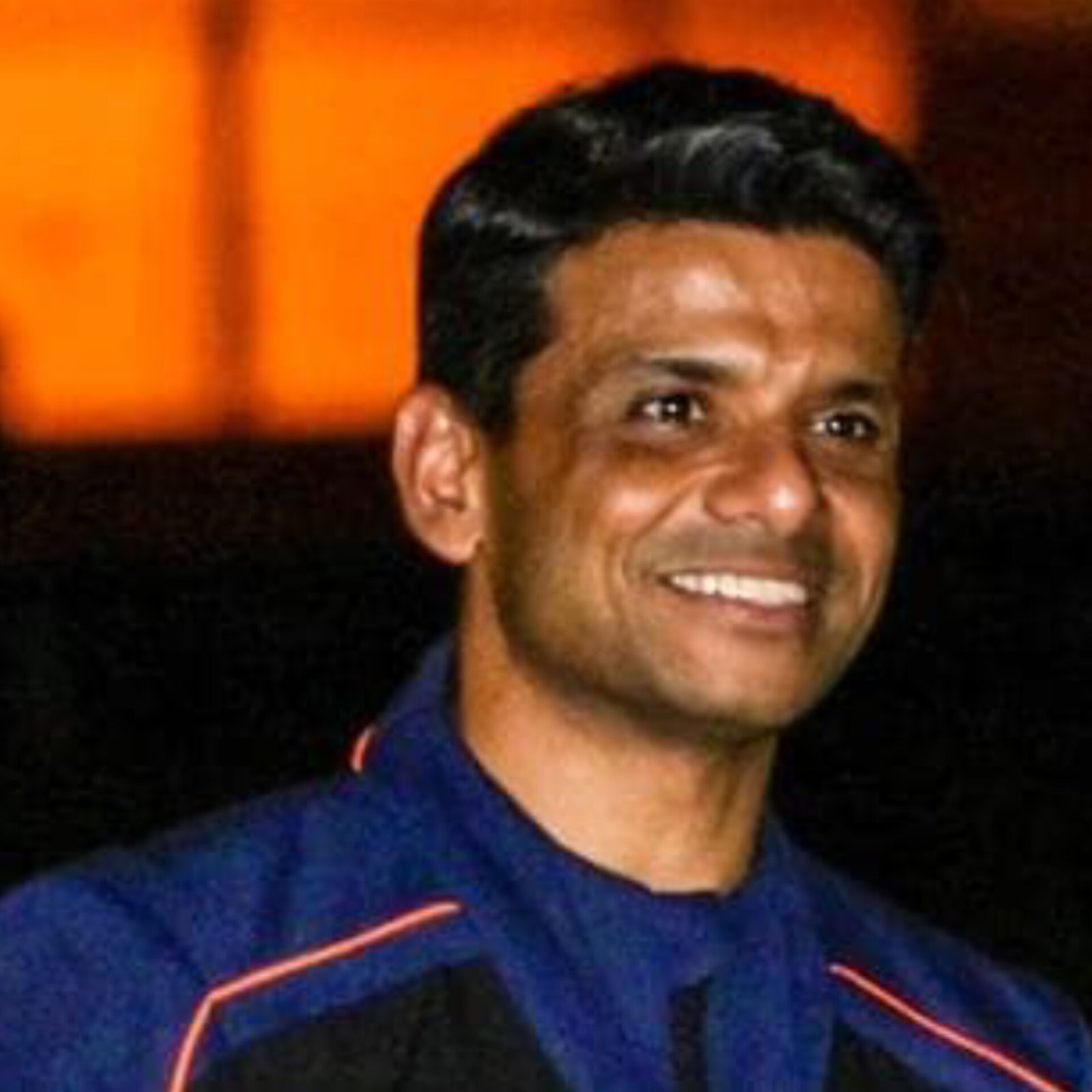
Astronaut Shubhanshu Shukla will follow a seven‑day rehabilitation programme after his splashdown off California’s coast on July 15, 2025, concluding an 18‑day stay aboard the International Space Station (ISS) as part of the Axiom‑4 mission . The mission crew—including commander Peggy Whitson, and mission specialists Sławosz Uznanski‑Wiśniewski and Tibor Kapu—docked at the ISS on June 26 before undocking on July 14 at 4:35 pm IST . Following splashdown, ISRO confirmed rehabilitation under flight surgeon supervision to help adapt to Earth's gravity . The Dragon spacecraft will bring back over 580 lb of cargo from 60-plus experiments. ISRO paid approximately ₹550 crore for Shukla’s mission—experience that will benefit India’s upcoming Gaganyaan human spaceflight programme. (PC: Reuters)
Brief by Shorts91 Newsdesk / 03:08am on 13 Jul 2025,Sunday Science
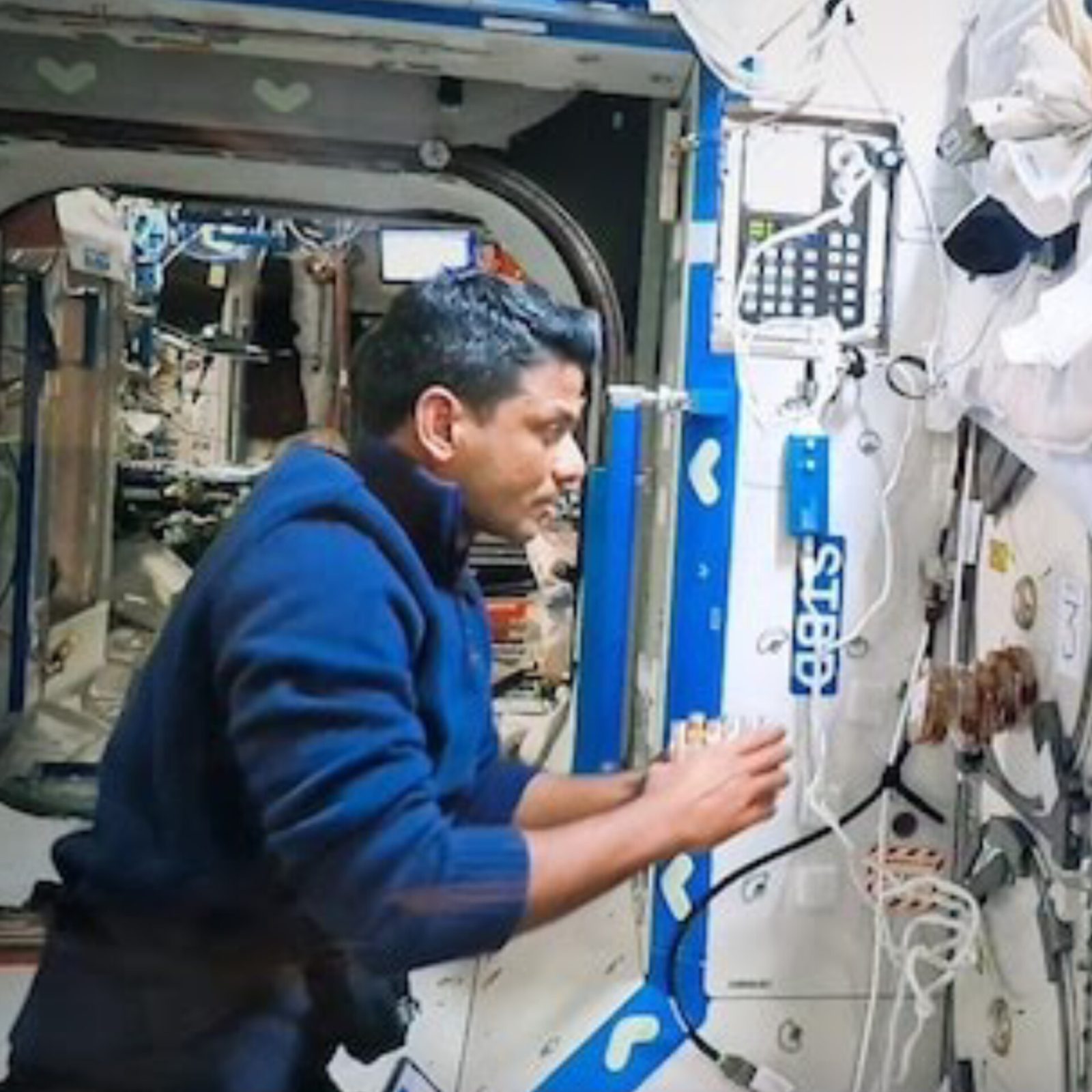
India’s first astronaut aboard the ISS, Group Captain Shubhanshu “Shux” Shukla, and his three Ax‑4 crew mates are scheduled to undock from the ISS on July 14, 2025 at around 4:35 PM IST, pending favorable weather conditions . Having completed four of seven ISRO‑led microgravity experiments (with three nearing completion), Shukla is projected to splash down in the Pacific Ocean near California at 3:00 PM IST on July 15 . The mission, launched by SpaceX from Kennedy Space Center on June 25, saw the crew orbit Earth for 14 days, conducting cutting‑edge research and supporting India’s goal of future independent spaceflights under Gaganyaan. (PC: NDTV)
Brief by Shorts91 Newsdesk / 08:55am on 12 Jul 2025,Saturday Science
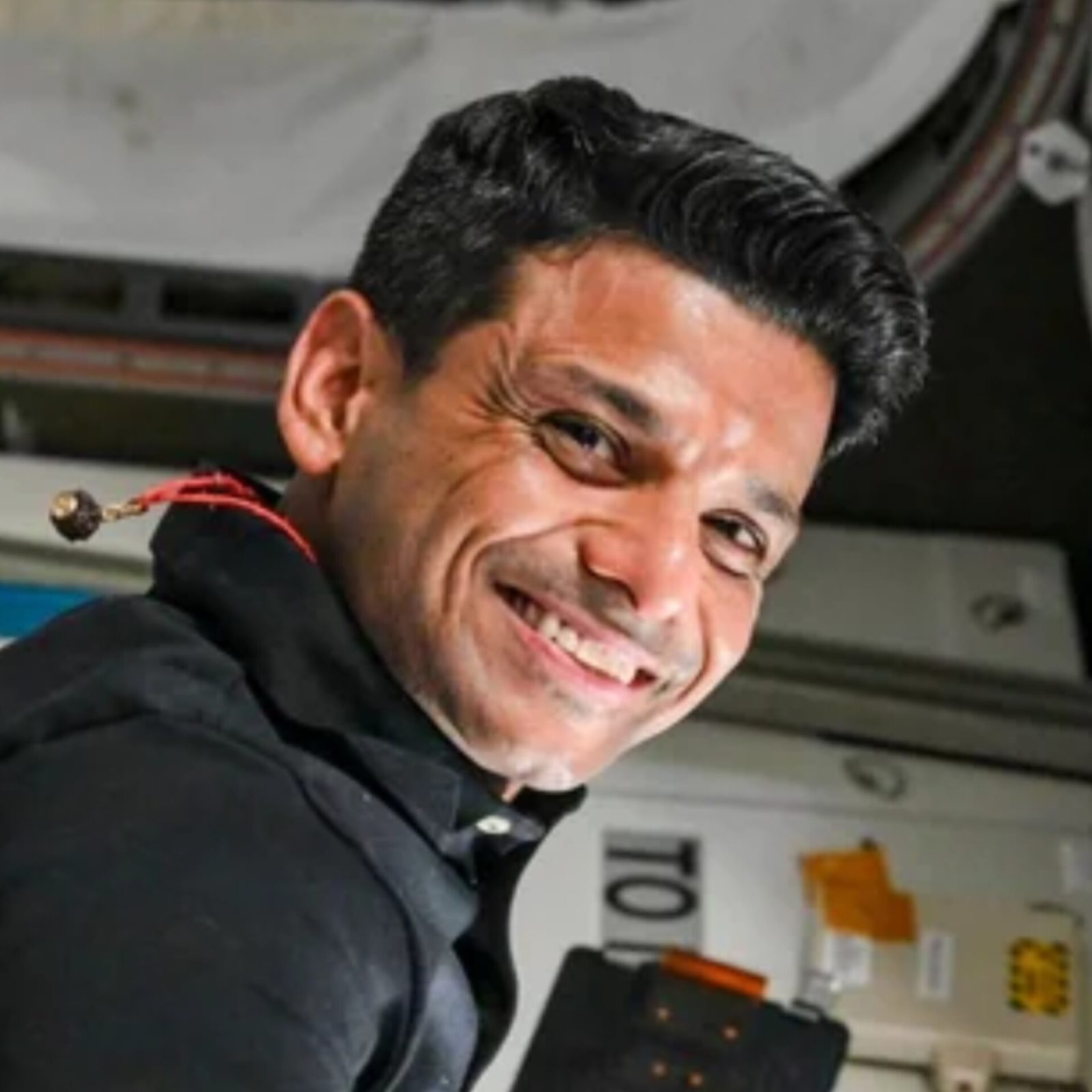
The European Space Agency (ESA) has indicated that the Axiom‑4 mission aboard the International Space Station (ISS)—with Indian astronaut Group Captain Shubhanshu "Shux" Shukla among its four-member crew—is unlikely to return to Earth before July 14, 2025 . The mission, comprising Peggy Whitson (USA), Sławosz Uznański‑Wiśniewski (Poland), Kapu (Hungary), and Shukla (India), launched on June 25 and docked on June 26 . ESA’s advisory emphasizes that undocking remains tentative and weather‑dependent; the crew’s originally planned 14‑day stay has now been extended beyond July 10, with a return window opening no earlier than July 14. (PC: PTI)
Brief by Shorts91 Newsdesk / 01:50pm on 11 Jul 2025,Friday Science
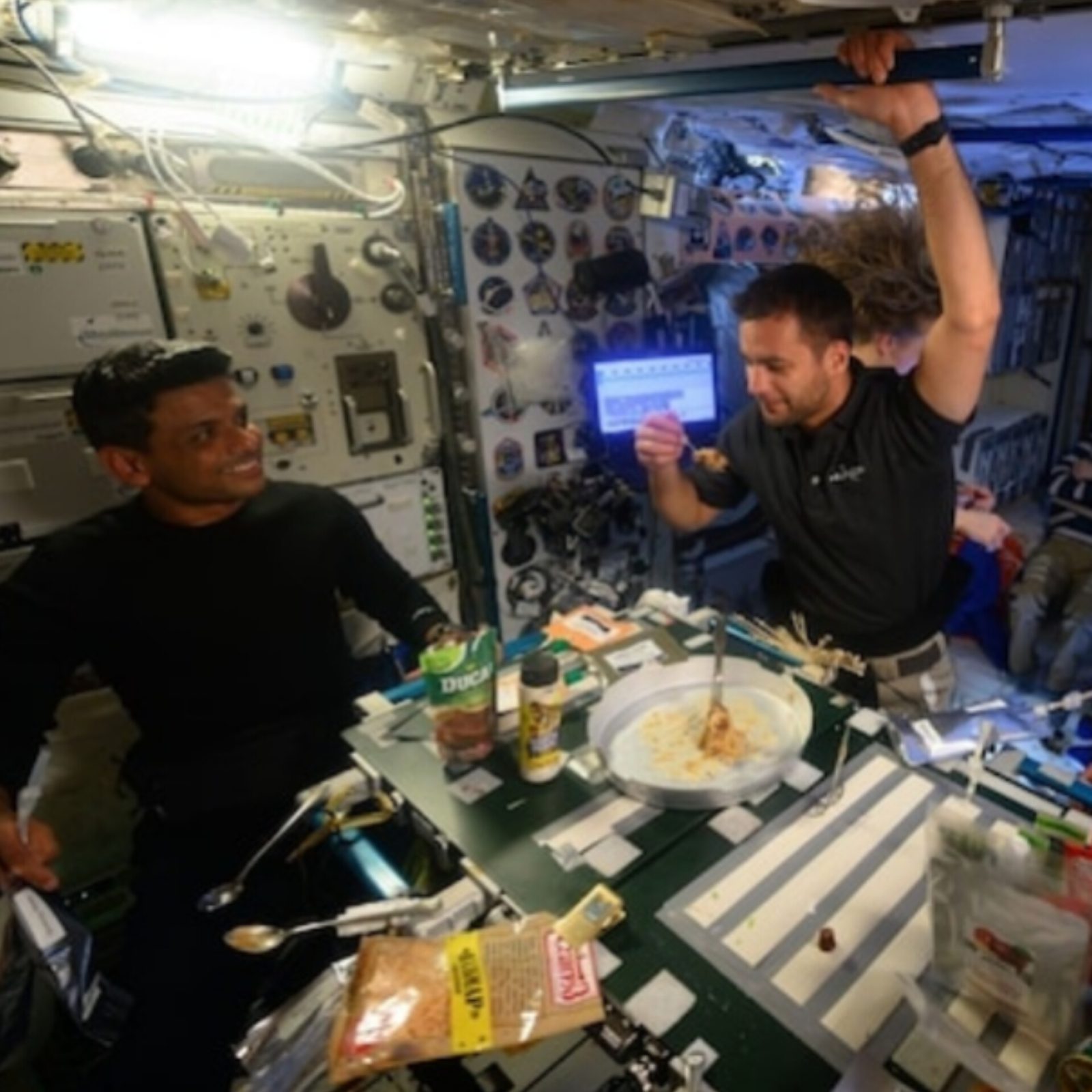
Indian astronaut Group Captain Shubhanshu “Shux” Shukla is preparing to return from the International Space Station as SpaceX’s Dragon spacecraft, Grace, is set to undock on July 14 at 4:35 pm IST. Shukla, pilot of Axiom’s Ax-4 mission, spent nearly two weeks aboard ISS conducting vital experiments on microalgae, cognitive function, fluid dynamics, and plant growth. Commander Peggy Whitson led the four-member crew through packed final days in orbit. The mission marks a major milestone for Indian space exploration, inspiring millions. Scientific cargo and samples will return with the astronauts during the splashdown later this week. (PC: India Today)
Brief by Shorts91 NewsDesk / 10:35am on 11 Jul 2025,Friday Science
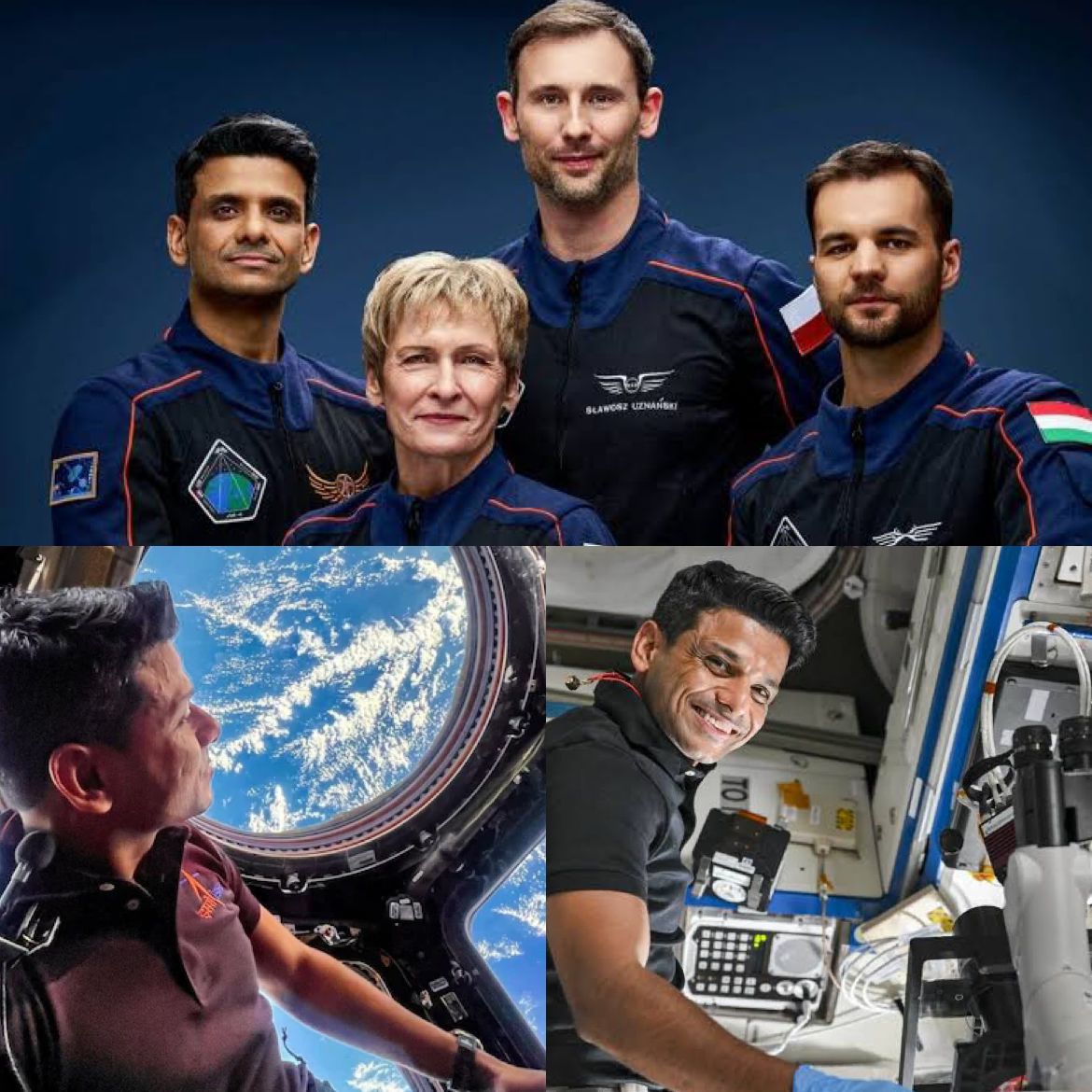
The Axiom-4 mission crew, including Indian astronaut Group Captain Shubhanshu Shukla, will remain aboard the ISS until July 14 due to a delay in their return, originally scheduled for July 10. Launched on June 25 via SpaceX’s Falcon 9, the crew docked with the ISS on June 26. During their extended stay, they’ve conducted pioneering research in microgravity, including plant germination and microalgae experiments. These studies aim to enhance space sustainability and Earth-based innovation. Shukla’s contributions mark a milestone for India’s space ambitions. The crew will undock no earlier than 7:05 a.m. ET on July 14, continuing their outreach and scientific efforts in orbit. (PC: Unstumbled & Swadesi)
Brief by Shorts91 NewsDesk / 08:37am on 11 Jul 2025,Friday Science
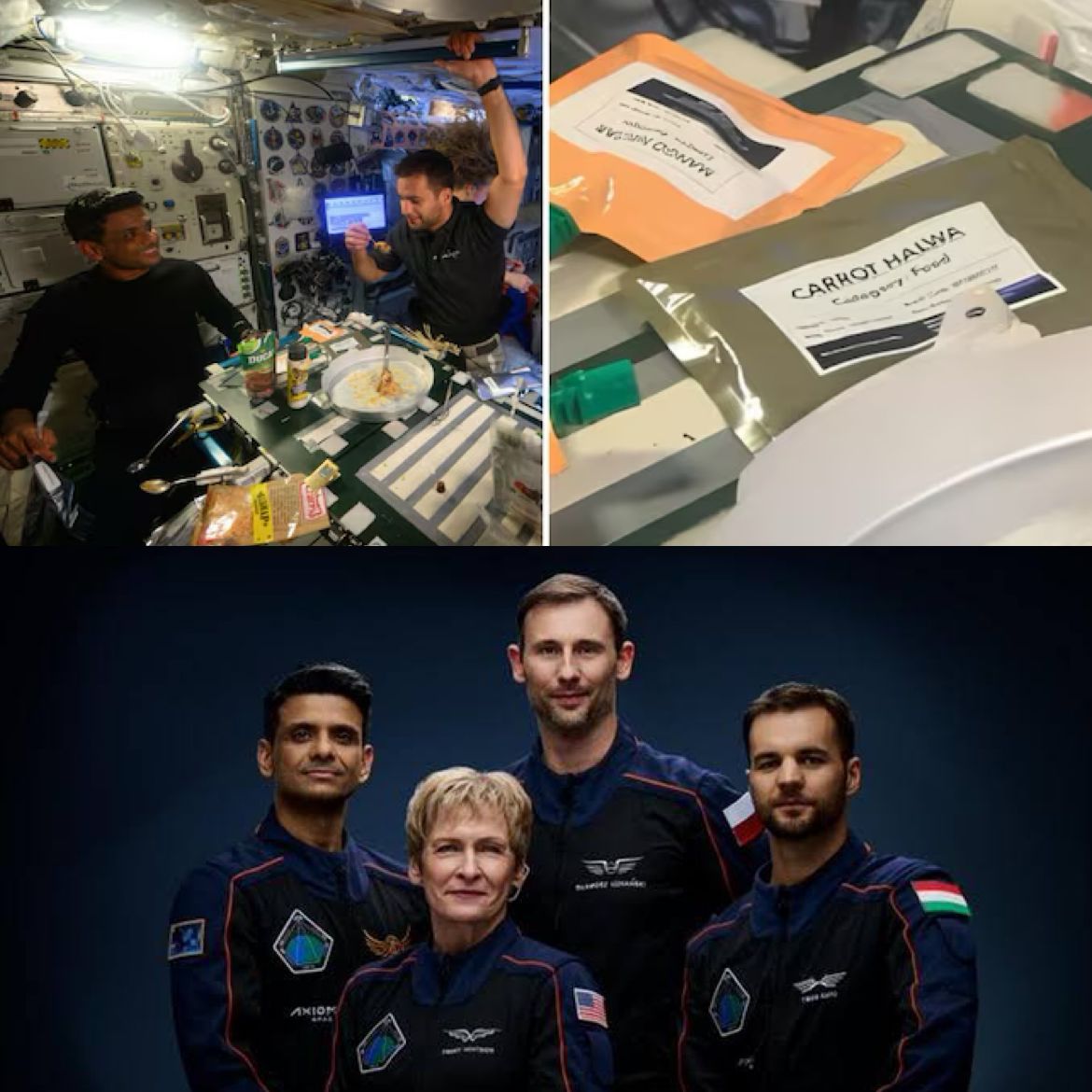
Indian astronaut Shubhanshu Shukla brought gajar ka halwa to the International Space Station, turning a routine evening into a cultural celebration. The dessert, specially developed for space by ISRO and DRDO, was the highlight of a festive meal during the Axiom Mission 4 (Ax-4). Alongside shrimp cocktails, chicken fajitas, and walnut cake, Shukla’s halwa symbolized warmth and tradition in microgravity. Astronaut Jonny Kim called it “one of the most unforgettable evenings” aboard the ISS. The gathering showcased international camaraderie and the emotional power of food in space. As the Ax-4 crew prepares to undock, this sweet moment remains a cherished memory of unity and heritage far above Earth. (PC: India Today & The Hindu)
Brief by Shorts91 Newsdesk / 06:32pm on 10 Jul 2025,Thursday Science
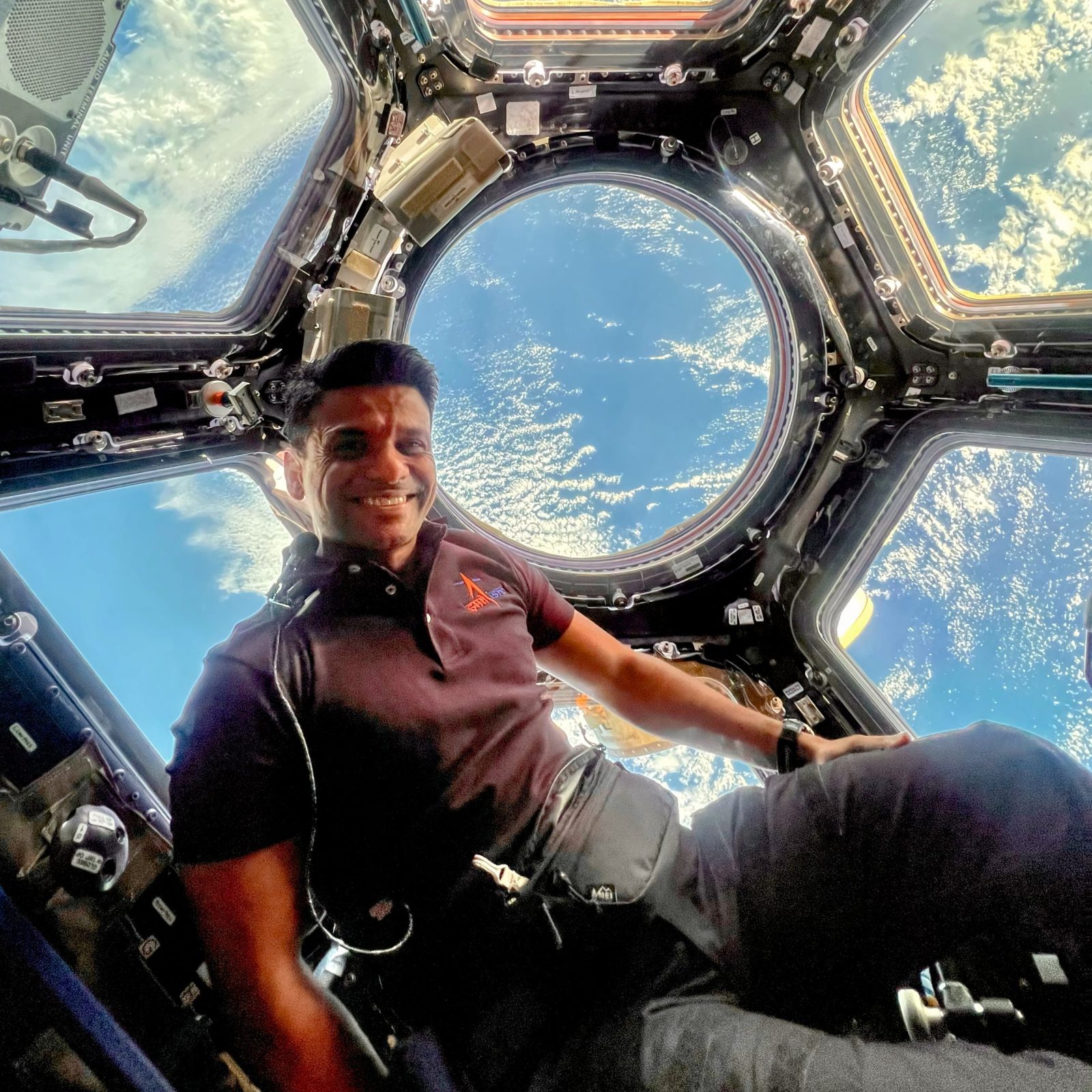
Indian astronaut Shubhanshu Shukla is scheduled to return to Earth on July 14 after spending over two weeks aboard the International Space Station (ISS) as part of the Axiom-4 mission. The mission, which launched from Florida’s Kennedy Space Centre on June 25, docked at the ISS after a 28-hour journey. Alongside Shukla, the Ax-4 crew includes Peggy Whitson, Slawosz Uznanski-Wisniewski, and Tibor Kapu. During their stay, the team completed scientific experiments, tested technologies, and conducted outreach. NASA confirmed July 14 as the target undocking date. The crew also enjoyed rare downtime, capturing images of Earth and reconnecting with family. (PC: HT)
Brief by Shorts91 Newsdesk / 03:47am on 10 Jul 2025,Thursday Science
Atomic clocks show that on July 9, 2025, Earth’s rotation sped up slightly—shortening the day by approximately 1.3 milliseconds (about 0.0013 seconds) . This is part of an unusual trend since 2020: similar brief days are expected on July 22 and August 5, each up to 1.5 ms shorter . Experts suggest the Moon’s position—far from Earth’s equator—combined with internal geophysical factors, may be accelerating Earth’s spin . While imperceptible to humans, this signals a rare planetary shift. To adjust global timekeeping, a negative leap second may be introduced by 2029, marking a historic first.
Brief by Shorts91 Newsdesk / 07:20pm on 09 Jul 2025,Wednesday Science
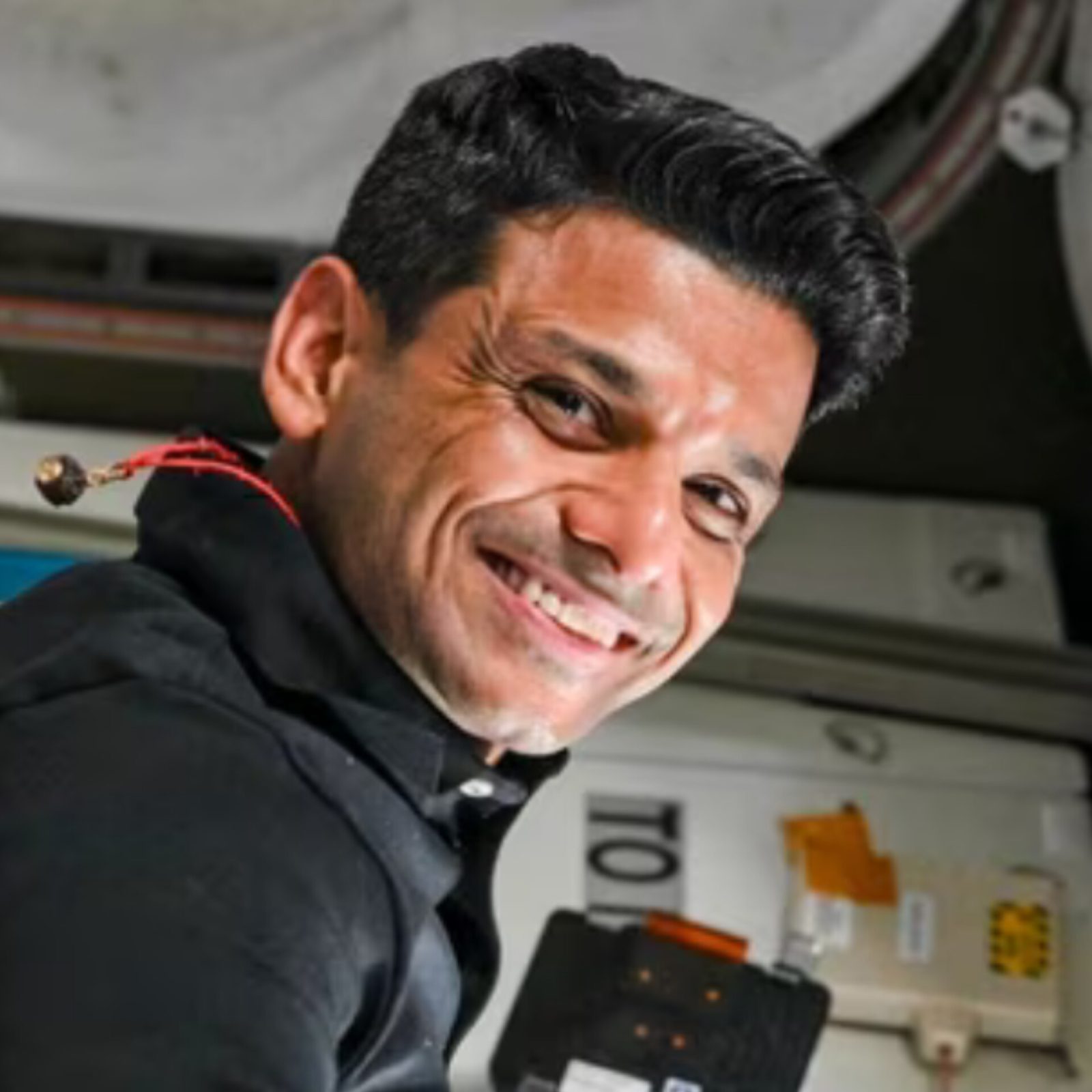
Indian astronaut Shubhanshu Shukla said he “felt proud” to act as a “bridge” between researchers and space, after growing methi and moong seeds on the International Space Station. “It has been great to work in the Glove Box doing this research for them,” he said. The experiment is part of a study on how microgravity affects seed growth. Shukla, who is on the Axiom-4 mission, also clicked photos of the sprouting seeds. These seeds will be studied on Earth for genetic changes. Shukla returns to Earth after July 10, depending on weather near the Florida coast. (PC: Axiom Space)