Brief by Shorts91 Newsdesk / 02:49pm on 09 Jul 2025,Wednesday Science
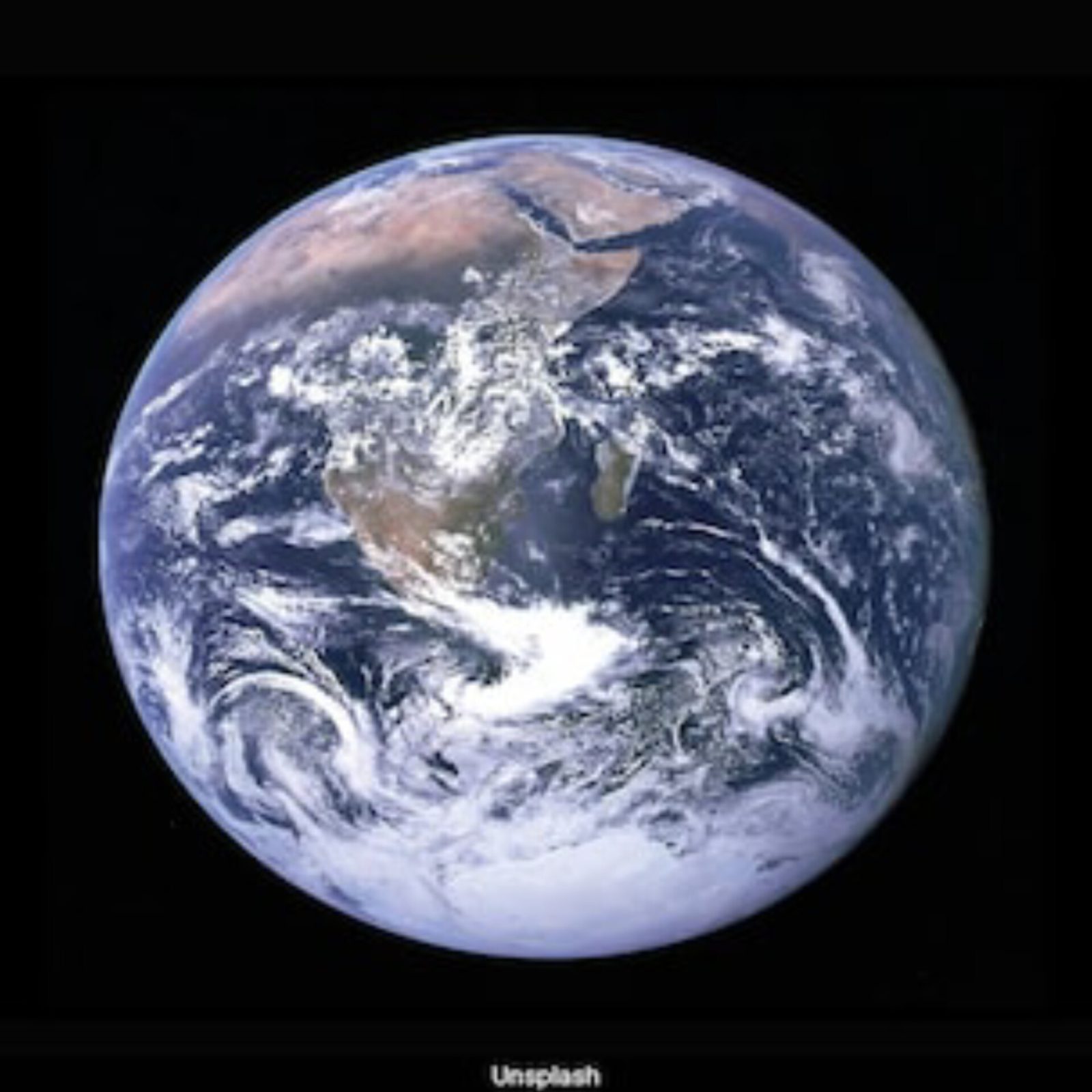
The Earth’s rotation unexpectedly sped up on July 9, 2025, making it the shortest day measured since atomic timekeeping began in 1960—approximately 1.3 to 1.6 milliseconds shorter than the standard 24 hours . Scientists attribute this slight acceleration to the Moon’s gravitational interaction when it’s furthest from Earth’s equator, a pattern repeating on July 22 and August 5 . While imperceptible in daily life, the shift challenges timekeeping systems such as GPS and telecommunications and may prompt a rare “negative leap second”—removing time—to synchronize atomic clocks . The phenomenon offers insight into Earth’s geophysical dynamics without posing risks. (PC: NDTV)
Brief by Shorts91 Newsdesk / 02:50am on 09 Jul 2025,Wednesday Science
A stunning iPhone 16 video from Delhi's Sainik Farms captured the International Space Station (ISS), carrying Indian astronaut Group Captain Shubhanshu Shukla, gliding over the pre-dawn sky on July 8 at 5:42 AM IST . Orbiting at ~400 km altitude at 28,000 km/h and completing a revolution every 90 minutes, the ISS shone brightly as it reflected sunlight upon its pass . Over the next few days, it will repeatedly cross Indian skies. Enthusiasts can spot the station using NASA's “Spot the Station” and ISS Detector apps—letting many say a cosmic “Hello” to Shukla aboard the orbital lab.
Brief by Shorts91 Newsdesk / 08:58am on 08 Jul 2025,Tuesday Science
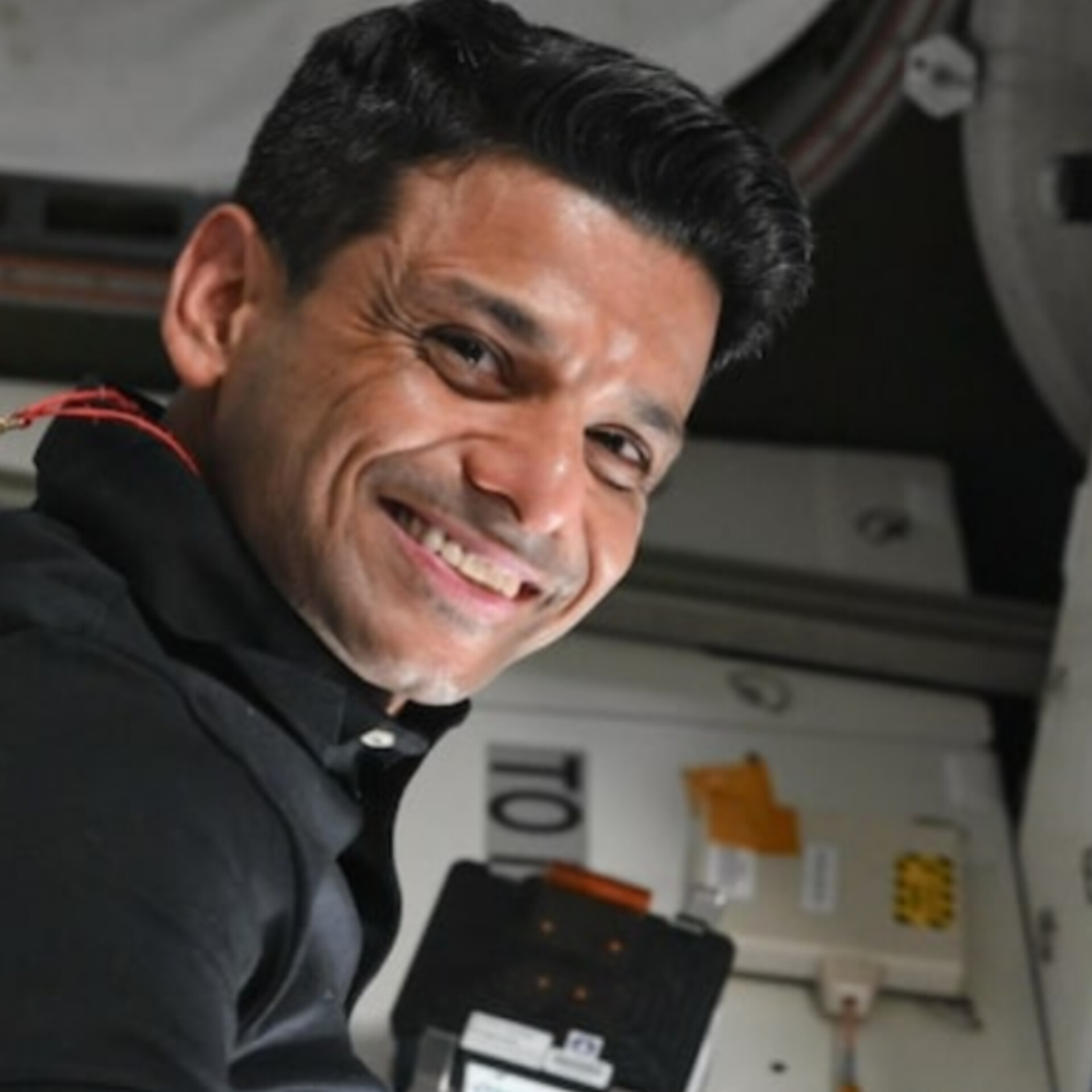
Indian astronaut Shubhanshu “Shux” Shukla has entered the final week of his Ax-4 mission aboard the ISS, leading a key experiment on cyanobacteria crucial for India’s upcoming Gaganyaan Mission. The experiment studies how microgravity affects the microorganisms’ growth and biochemical behaviour, aiming to support future space life-support systems. Shukla also redeployed microalgae cultures for research into sustainable space food and oxygen sources. Collaborating with ISRO, NASA, and India’s Department of Biotechnology, the mission includes over 60 experiments. Shukla also contributed to brain-computer interface studies and human factor research, potentially shaping the future of long-duration human spaceflight. (PC: NDTV)
Brief by Shorts91 Newsdesk / 07:04pm on 06 Jul 2025,Sunday Science
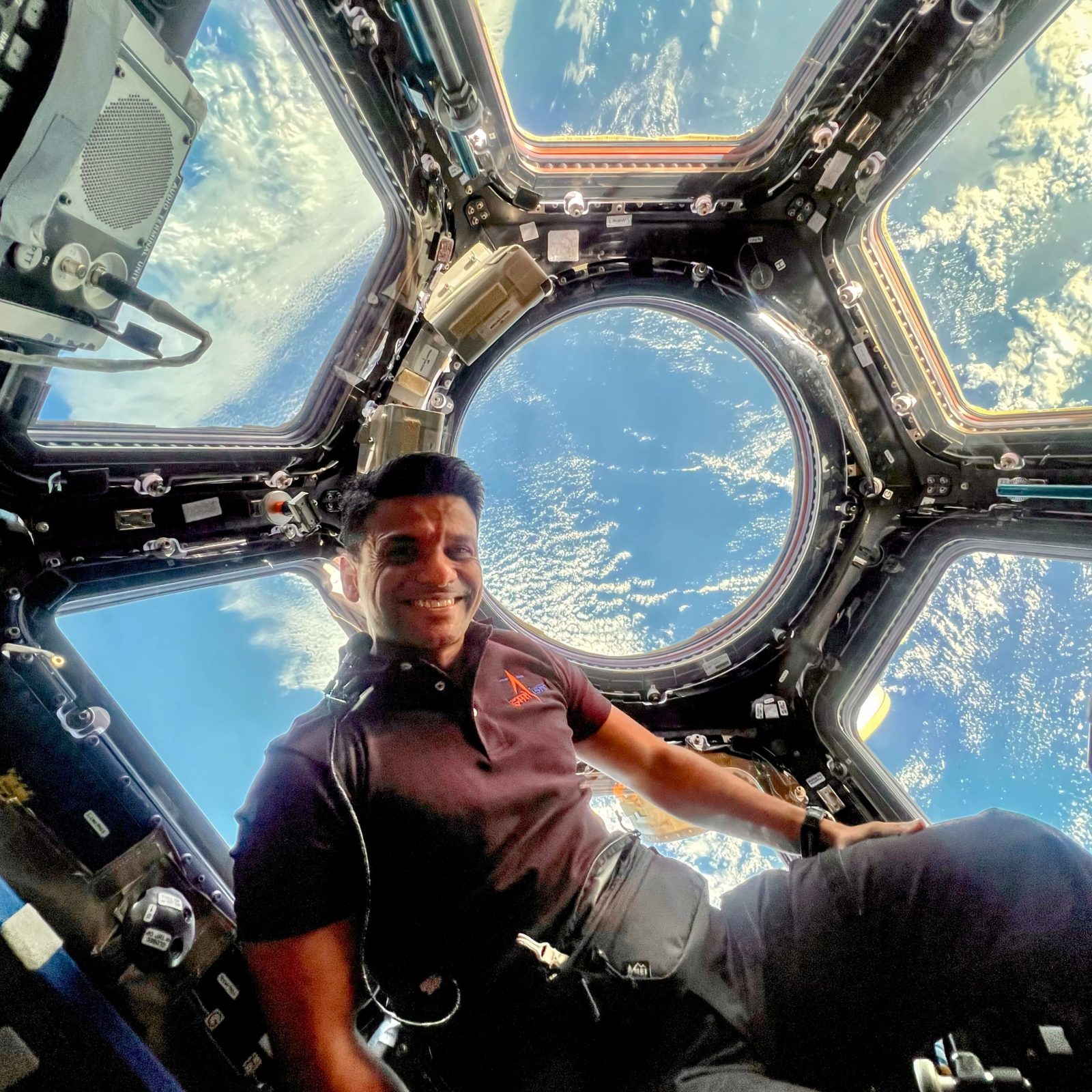
Indian astronaut Group Captain Shubhanshu Shukla has shared his first view from the iconic cupola aboard the International Space Station, saying, “From space, you don’t see any borders.” On a 14-day mission since June 26, Shukla is conducting experiments like Space Micro Algae and the Sprouts project to advance sustainable space farming. In an 18-minute call, he told PM Modi, “Bharat looks bhavya.” Shukla also interacted with 500+ students across India, though ISRO has yet to release videos. His research could help shape deep-space missions and muscle health countermeasures in zero gravity. “The Earth looks united,” he added from orbit. (PC: X)

Brief by Shorts91 Newsdesk / 06:28pm on 03 Jul 2025,Thursday Science
NASA has confirmed the detection of an interstellar object, 3I/ATLAS, speeding through the solar system at 245,000 km/h. First observed between June 25–29 by the ATLAS system, the comet-like body is believed to originate outside our solar system. Officially classified by the International Astronomical Union’s Minor Planet Centre, it will pass inside Mars’s orbit before exiting the solar system. Estimated to be 10–20 km wide, it poses no threat to Earth, according to ESA’s planetary defence chief. This is the third known interstellar object after 2017’s Oumuamua and 2019’s 2I/Borisov, highlighting growing detection capabilities of space observatories. (PC: NDTV)
Brief by Shorts91 NewsDesk / 07:02pm on 28 Jun 2025,Saturday Science
Prime Minister Narendra Modi spoke with Group Captain Shubhanshu Shukla aboard the ISS on June 28, praising his journey as both personal and national. Shukla, now India’s first astronaut at the ISS and second in space after Rakesh Sharma (1984), shared breathtaking views: “India looks grander than on the map” and “no borders are visible.” He described weightlessness challenges—sleep, movement—and how the crew enjoyed Indian sweets like gajar ka halwa, moong dal halwa, and aam ras together. Modi hailed this milestone as a “new era” inspiration for Gaganyaan and India’s own space station efforts. Shukla emphasized his mission is “the journey of 1.4 billion Indians.”
Brief by Shorts91 NewsDesk / 06:59pm on 28 Jun 2025,Saturday Science
Group Captain Shubhanshu Shukla has docked with the ISS as part of Axiom‑4, marking India’s renewed entry into space after 41 years. In a warm 18‑minute call, PM Modi asked if he’d brought “gajar ka halwa” Shukla confirmed he and international colleagues are enjoying Indian desserts like gajar ka halwa, moong dal halwa, and aam ras. Shukla described microgravity life: fluid sleeping, 16 sunrises and sunsets daily, and witnessing Earth’s borders vanish from orbit. Modi hailed Shukla as “farthest from India, closest to our hearts,” calling this mission the dawn of a new space era and a stepping stone to Gaganyaan.
Brief by Shorts91 NewsDesk / 04:38pm on 28 Jun 2025,Saturday Science
Captain Shubhanshu Shukla, currently aboard the ISS on the Axiom‑4 mission, spoke with PM Modi on June 28, declaring “Sky is never the limit, neither for you, nor me, nor for India.” Shukla emphasised that building individual futures strengthens the nation’s future, voiced pride in representing India, and described seeing the Earth and India “grander, bigger than on the map” from space. He expressed gratitude to the mission team, calling the journey a shared success. Shukla called the experience of floating “magical” and anticipates a valuable 14‑day stay involving scientific research aboard the ISS. The interaction aimed to inspire students to explore space.
Brief by Shorts91 NewsDesk / 02:18pm on 28 Jun 2025,Saturday Science
In a historic interaction, Prime Minister Narendra Modi spoke with Indian astronaut Group Captain Shubhanshu Shukla aboard the International Space Station (ISS) during a live call. Shukla, part of India’s Gaganyaan mission training in the U.S., shared his awe, saying, “India looks bigger from space than it does on the map.” PM Modi expressed national pride, calling the conversation “unforgettable” and a proud moment for 140 crore Indians. The discussion also touched on India’s strides in space exploration and the astronaut’s ongoing NASA-led ISS expedition. PM Modi emphasized India's growing global stature and technological advancement, inspiring the nation with this milestone moment.
Brief by Shorts91 NewsDesk / 01:18pm on 28 Jun 2025,Saturday Science
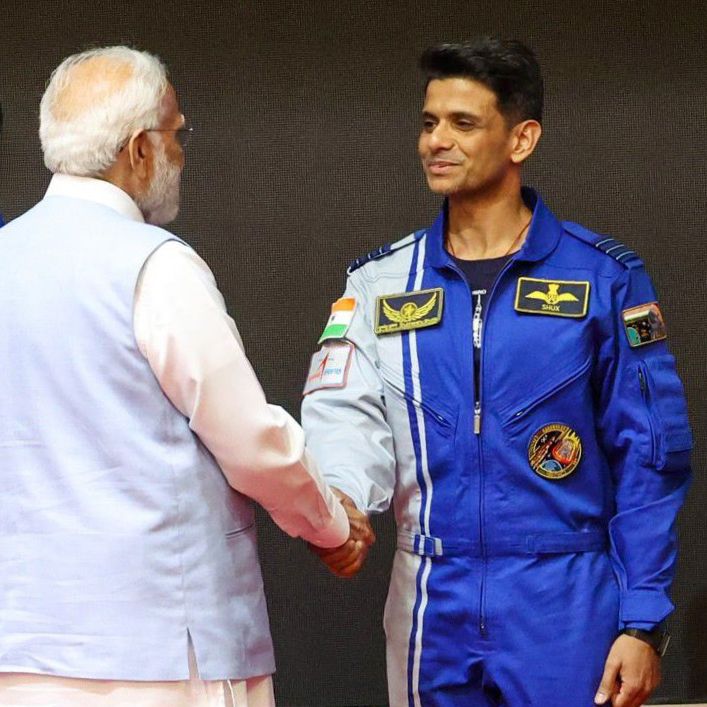
Prime Minister Narendra Modi spoke via video link on June 28 with Group Captain Shubhanshu Shukla, the first Indian aboard the ISS aboard the Axiom‑4 mission, marking a historic milestone. Modi expressed pride in Shukla’s leadership in space science and India’s growing role in global exploration. President Murmu, IAF officials and Science Minister Dr Jitendra Singh lauded the mission, highlighting India’s “Aatmanirbhar Bharat” credentials and seven indigenous microgravity experiments including studies on algae, seeds, tardigrades, muscle regeneration, and human–computer interaction. Born in Lucknow, Shukla is the first Indian on the ISS in 41 years since Rakesh Sharma. The operation emphasizes India’s renewed global space ambitions under PM Modi’s leadership. (PC:X)