Brief by Shorts91 NewsDesk / 04:39am on 18 Jun 2025,Wednesday Science
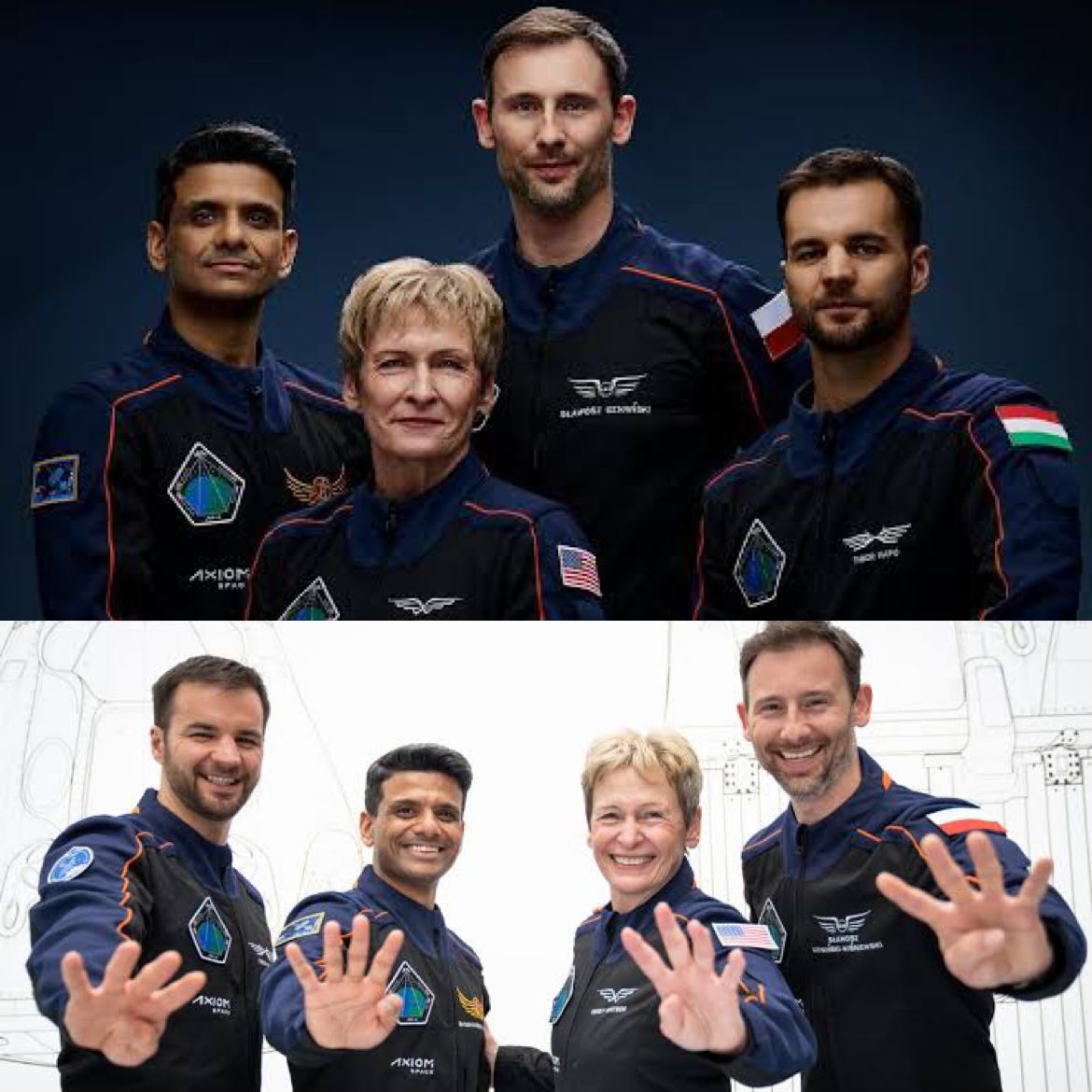
The Axiom Mission 4 (Ax‑4), a private crewed flight to the International Space Station via SpaceX, has been delayed yet again. Originally set for June 19, then June 22, NASA, Axiom Space and SpaceX now target “no earlier than” Sunday, June 22, 2025, pending further inspection. The hold‑up stems from recent repair work on the ISS’s aging Russian Zvezda module and earlier liquid‑oxygen leakage in Falcon 9’s first stage. Crew includes Peggy Whitson (commander), India’s Shubhanshu Shukla (pilot), plus mission specialists from Poland and Hungary. The mission’s 14‑day scientific agenda spans 60+ experiments, marking the first ISS expedition for these nations. Safety and station integrity continue to guide schedule adjustments. (PC: NASA)
Brief by Shorts91 Newsdesk / 10:27am on 14 Jun 2025,Saturday Science
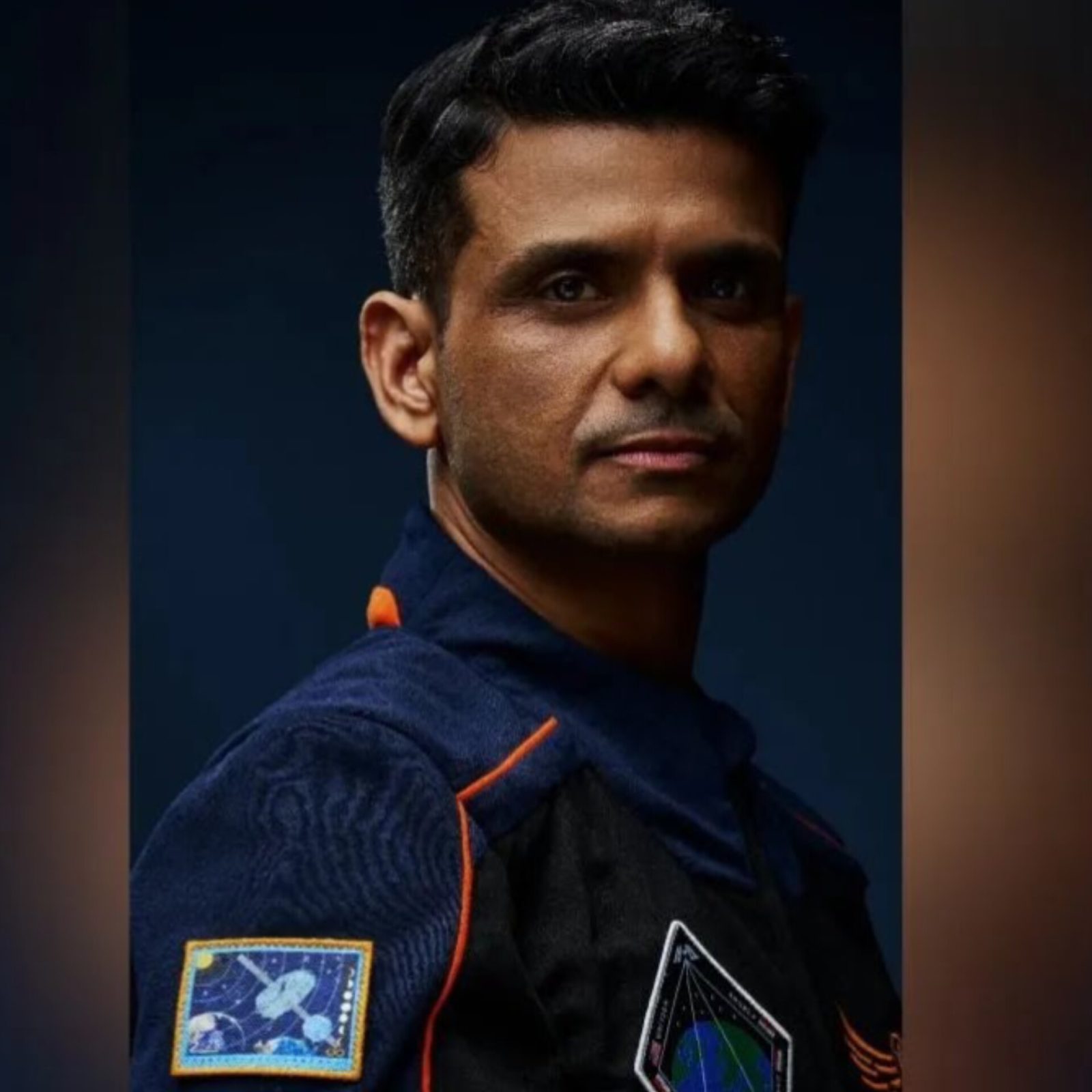
ISRO, in coordination with Axiom Space, SpaceX, and NASA, has announced that the Axiom‑4 mission—featuring Indian pilot Group Captain Shubhanshu Shukla—will now launch on June 19, 2025, from Kennedy Space Center, aboard SpaceX’s Falcon 9 . Engineers successfully addressed a liquid oxygen leak in the rocket and investigated a pressure anomaly in the ISS’s Zvezda module . After five postponements—due to technical and ISS-related delays—Shukla’s 14‑day mission marks India’s return to human spaceflight since 1984. Experiments include nutrition, plant biology, and joint ISRO–NASA studies, with Peggy Whitson commanding alongside ESA and Hungarian crew members. (PC: IANS)
Brief by Shorts91 Newsdesk / 08:38am on 14 Jun 2025,Saturday Science
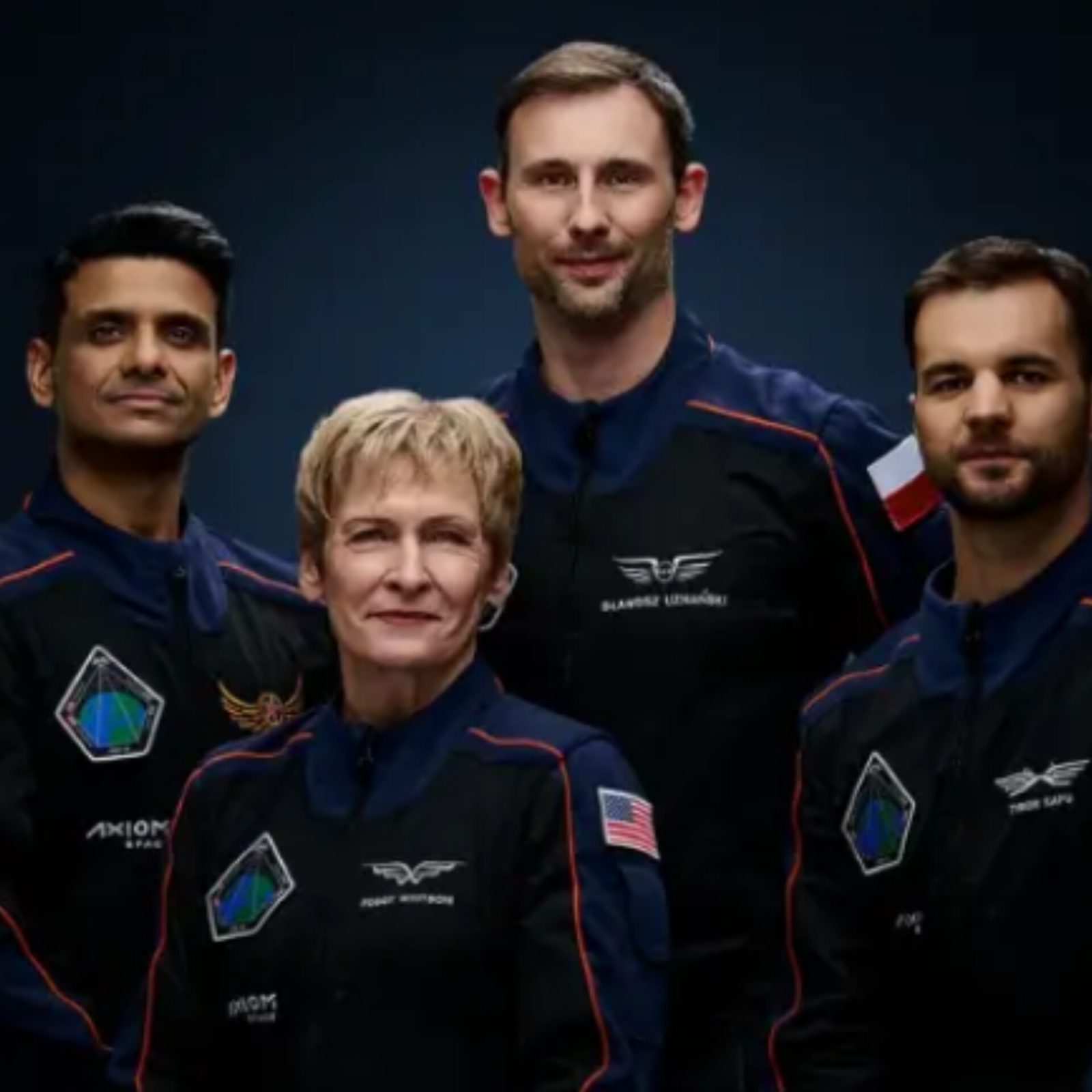
India’s Group Captain Shubhanshu Shukla, aboard the commercial Axiom‑4 mission to the International Space Station, is now scheduled to launch on June 19, 2025, from NASA’s Kennedy Space Center on a SpaceX Falcon 9 rocket, following repeated delays caused by a liquid‑oxygen leak and an ISS pressure anomaly. This marks India’s re‑entry into human spaceflight alongside Poland and Hungary, with a 14‑day mission focusing on scientific research under a joint ISRO–NASA–ESA initiative . ISRO emphasizes that all technical issues have been resolved and crew safety remains paramount before updating future launch details. (PC: X)
Brief by Shorts91 Newsdesk / 06:05am on 14 Jun 2025,Saturday Science
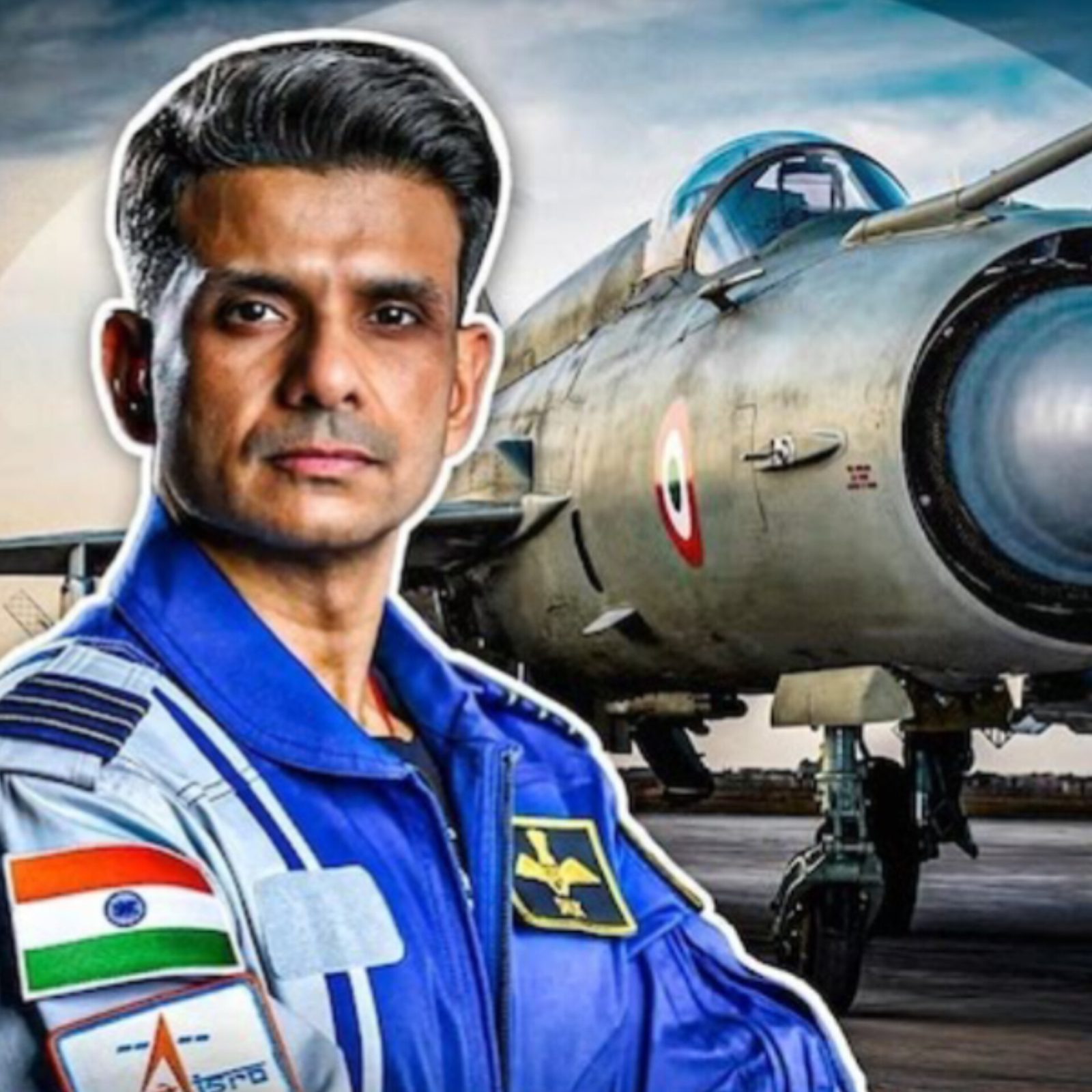
India’s Air Force Group Captain Shubhanshu Shukla, set to become the first Indian aboard the ISS in over 40 years, will now launch on Axiom Mission 4 (Ax‑4) on June 19, 2025, from NASA’s Kennedy Space Center aboard SpaceX’s Falcon 9 . Earlier launches (May 29, June 8–11) faced delays due to weather, a LOX leak during Falcon 9 hot-fire tests, an engine actuator issue, and an air leak aboard the ISS’s Zvezda module . ISRO emphasized astronaut safety and mission integrity while coordinating with NASA, Axiom Space, and SpaceX. Shukla will conduct seven India-designed experiments alongside international crew members Peggy Whitson, Sławosz Uznański, and Tibor Kapu. (PC: India Today)
Brief by Shorts91 Newsdesk / 03:07am on 12 Jun 2025,Thursday Science
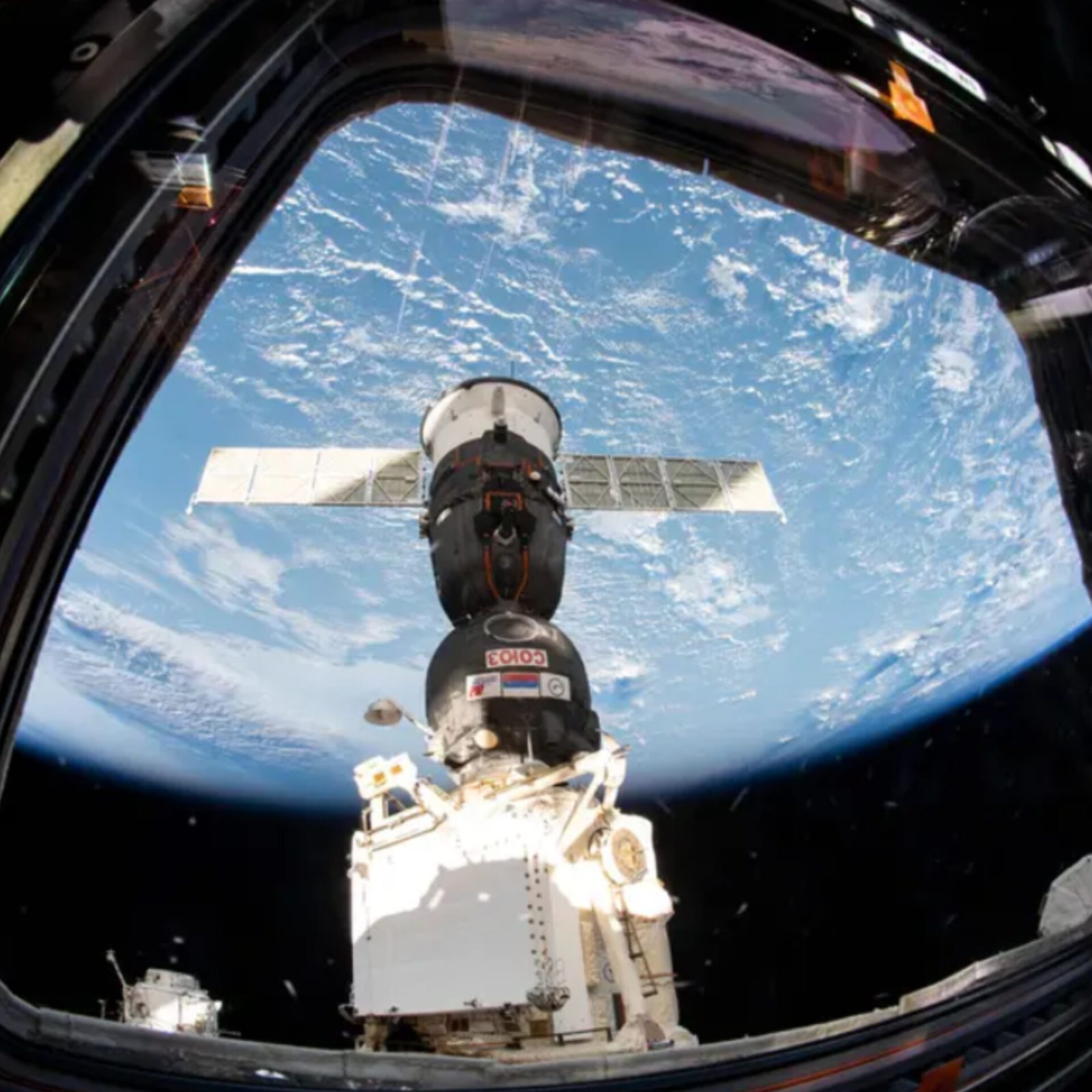
Kerala Agricultural University, in collaboration with IIST and ISRO, has dispatched native seeds—rice, tomato, eggplant, sesame, pulses—to the International Space Station aboard Axiom‑4 to assess microgravity’s impact on germination, growth, gene expression, resilience, nutritional content, and microbiology . Scientists aim to test whether space-exposed seeds develop traits beneficial for climate‑stressed agriculture back home. These are part of seven ambitious Indian experiments on Ax‑4, also exploring microalgae, muscle atrophy, digital interface impacts, tardigrades, and cyanobacteria . Results after the 14‑day mission could pave the way for space‑based farming and enhanced Earth agriculture using resilient seed varieties. (PC: Mathrubhumi)
Brief by Shorts91 Newsdesk / 02:06pm on 11 Jun 2025,Wednesday Science
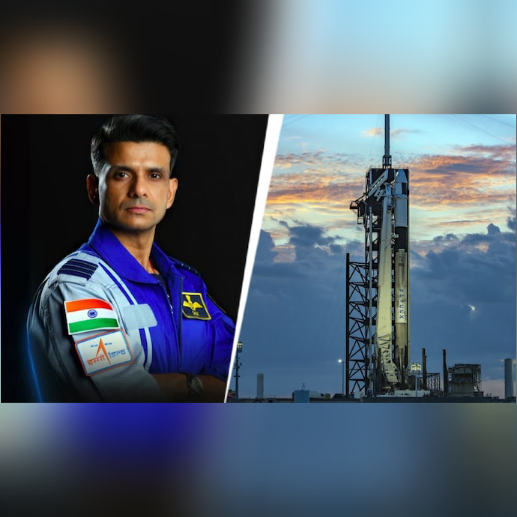
India has invested an estimated ₹550–600 crore over a training span of 700+ hours to prepare IAF Group Captain Shubhanshu Shukla for the historic Axiom-4 space mission to the International Space Station. This rigorous NASA-led training includes spacecraft systems, survival drills, and research protocols for over 60 experiments during his 2-week stay. Shukla will fly aboard a SpaceX Dragon capsule, marking India’s second human spaceflight since Rakesh Sharma in 1984. The mission is a crucial step toward India’s Gaganyaan program and global space ambitions. (PC: X)
Brief by Shorts91 Newsdesk / 01:32pm on 11 Jun 2025,Wednesday Science
India’s Shubhanshu Shukla is set to make history as the first Indian astronaut to visit the ISS aboard Axiom Mission 4 (Ax-4). Originally scheduled for May 29, the launch from Kennedy Space Center has faced repeated delays due to weather and a Falcon-9 fuel leak. NASA now confirms launch windows are available until June 30, with more possible in mid-July. The mission highlights India’s expanding role in space, as Shukla—a trained test pilot—will conduct microgravity experiments during the 10-day stay. The Ax-4 mission symbolizes global space cooperation and supports India’s future ambitions in human spaceflight through the Gaganyaan program.
Brief by Shorts91 Newsdesk / 11:43am on 11 Jun 2025,Wednesday Science
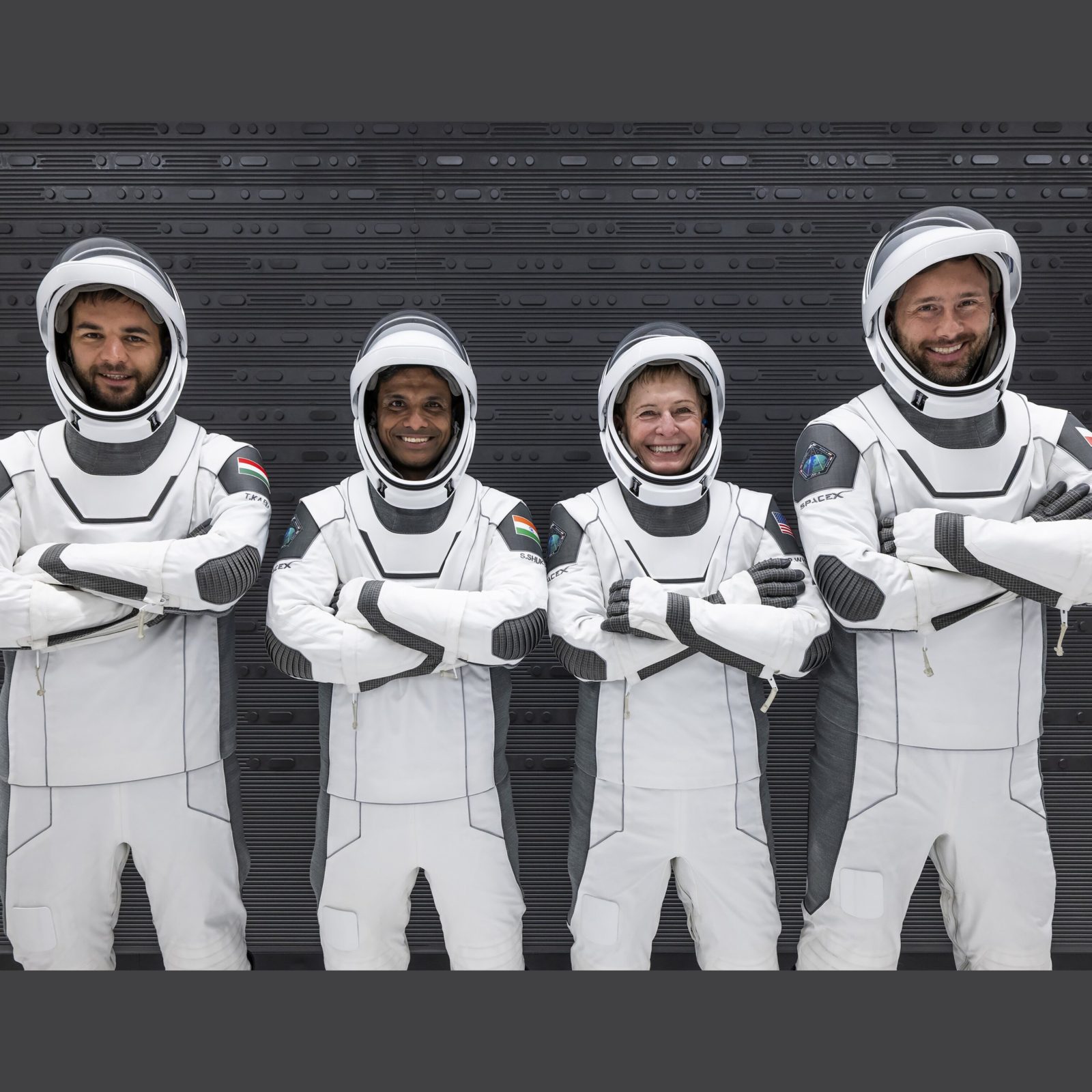
The Ax-4 mission carrying Indian astronaut Shubhanshu Shukla to the International Space Station remains delayed due to Falcon-9’s liquid oxygen leak and ongoing ISS traffic coordination. Originally scheduled for May 29, the launch has faced multiple setbacks, including weather and technical issues. NASA has outlined available launch windows through June 30, with more opening mid-July. Shukla, a Gaganyaan astronaut, will become the first Indian to visit the ISS on this 10-day mission. Axiom Space and SpaceX are finalising preparations. The mission highlights India’s growing space role and international partnerships, contributing to research and India’s long-term human spaceflight ambitions. (PC: X)
Brief by Shorts91 Newsdesk / 10:29am on 11 Jun 2025,Wednesday Science
Indian astronaut Shubhanshu Shukla’s historic Ax-4 mission to the International Space Station was delayed hours before liftoff due to a liquid-oxygen (LOX) leak in SpaceX’s Falcon-9 rocket. The leak was detected during a post-static fire test, forcing SpaceX to postpone the launch indefinitely. LOX, a supercooled oxidizer, is vital for combustion in spaceflight. Initial fixes failed, and the rocket may now be removed from the launch pad for deeper repairs. ISRO confirmed the leak in the propulsion bay and emphasized safety. A new date will be announced once repairs and validation are completed. (PC: India Today)
Brief by Shorts91 Newsdesk / 06:23am on 11 Jun 2025,Wednesday Science
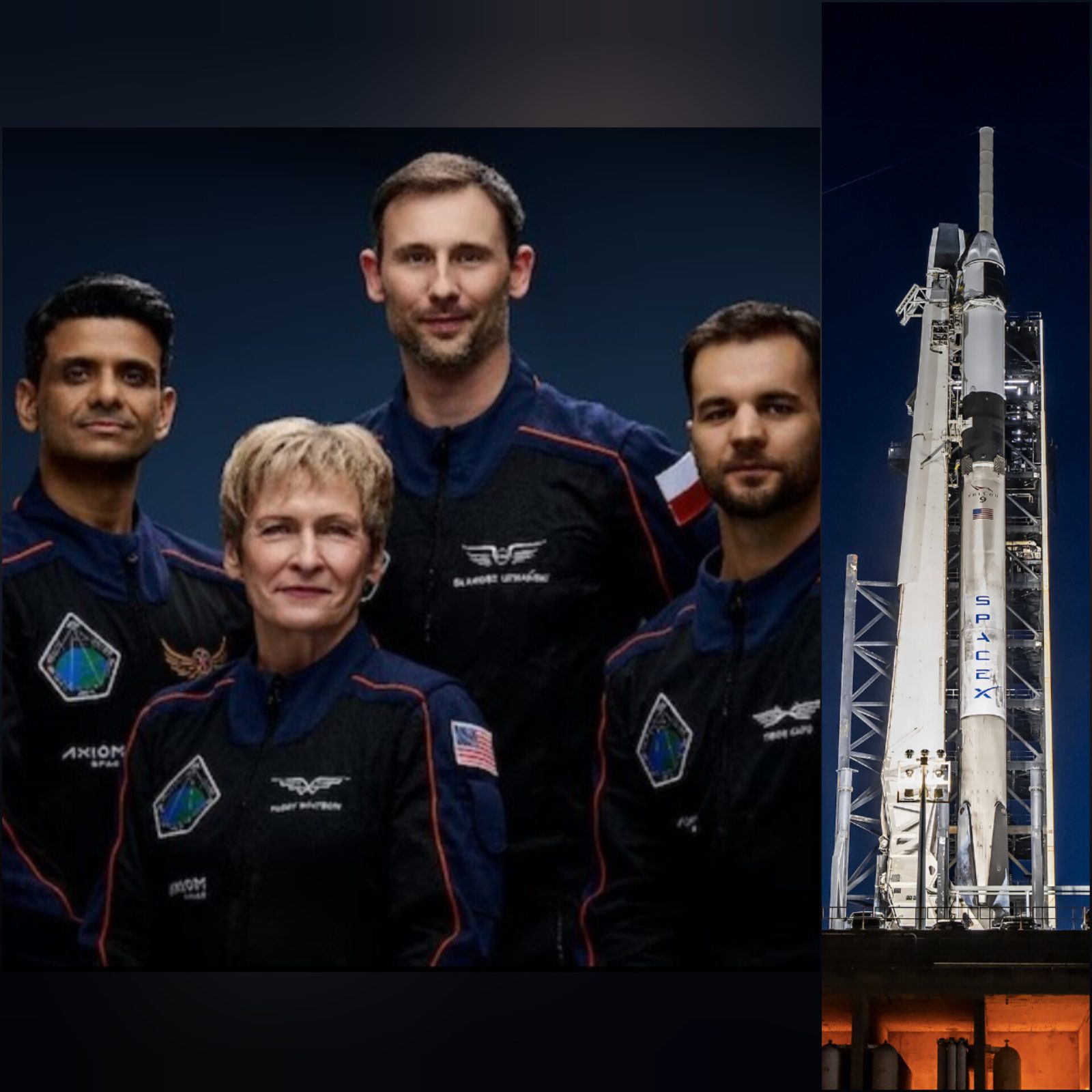
The Axiom-4 mission, carrying Indian Air Force Group Captain Shubanshu Shukla, has been postponed due to a liquid oxygen leak in the SpaceX Falcon-9 rocket. Scheduled for June 11 at 5:30 PM IST, the ISS-bound mission includes astronauts from India, Poland, Hungary, and the US. SpaceX announced repairs are underway and a new date will be shared pending range availability. This historic flight marks India’s return to human spaceflight after 41 years, and the first-ever ISS mission for India, Poland, and Hungary. Shukla will be the first Indian on the ISS, following Rakesh Sharma’s 1984 space mission. (PC: X)