Brief by Shorts91 Newsdesk / 07:59pm on 24 Jun 2025,Tuesday Science
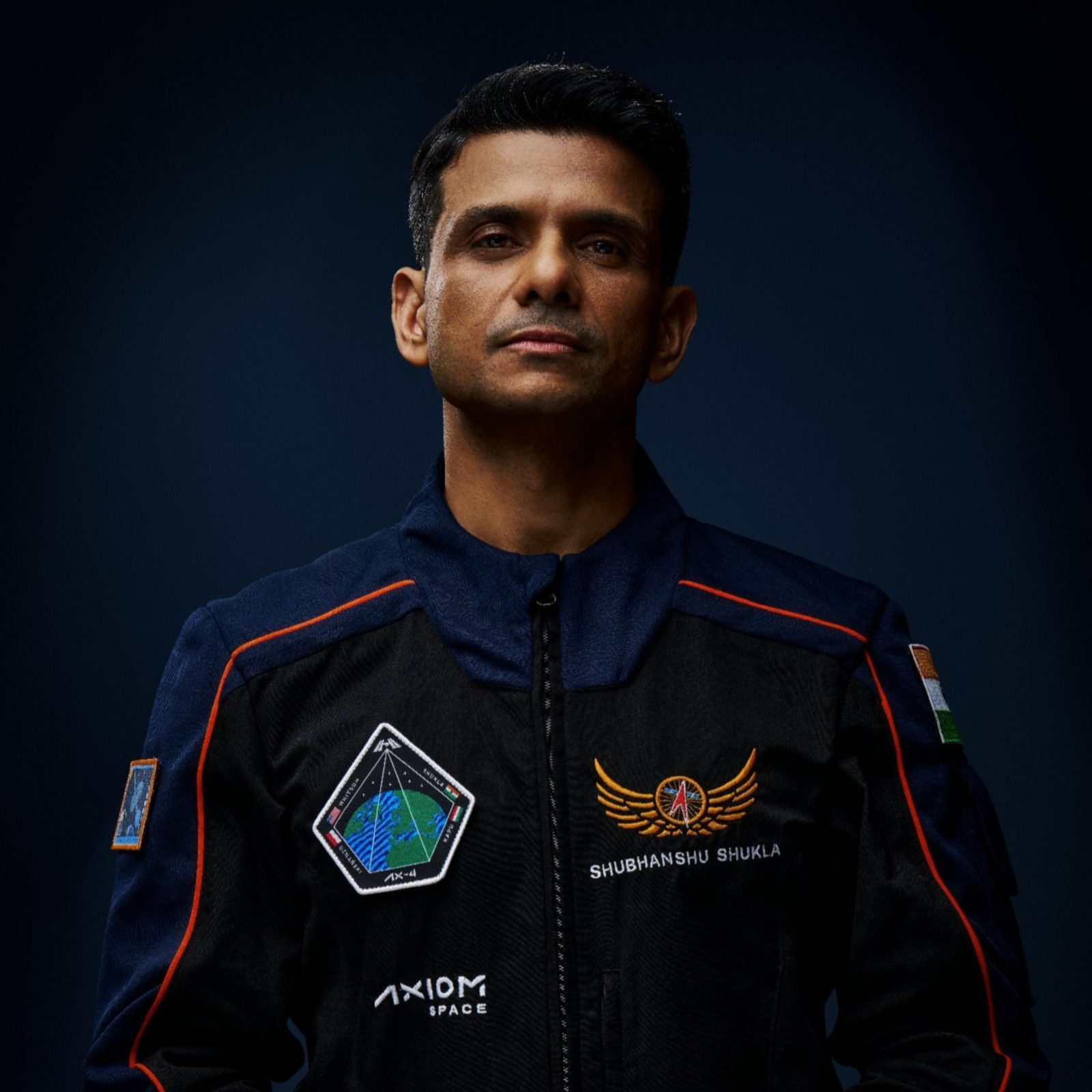
Indian fighter pilot Shubhanshu Shukla is set to become the first Indian to visit the International Space Station (ISS) as part of Axiom Mission 4. Scheduled to launch tomorrow, June 25, at 12:01 p.m. IST from NASA’s Kennedy Space Center, the mission is a joint effort by NASA, SpaceX, and ISRO. Shukla will fly alongside veteran astronaut Peggy Whitson and crew members from Hungary and Poland. This mission marks a historic moment for India’s space programme—its first human presence at the ISS since Rakesh Sharma’s orbital mission in 1984. Docking is expected on June 26 at 4:30 p.m. IST. (PC: X)
Brief by Shorts91 Newsdesk / 04:46pm on 24 Jun 2025,Tuesday Science
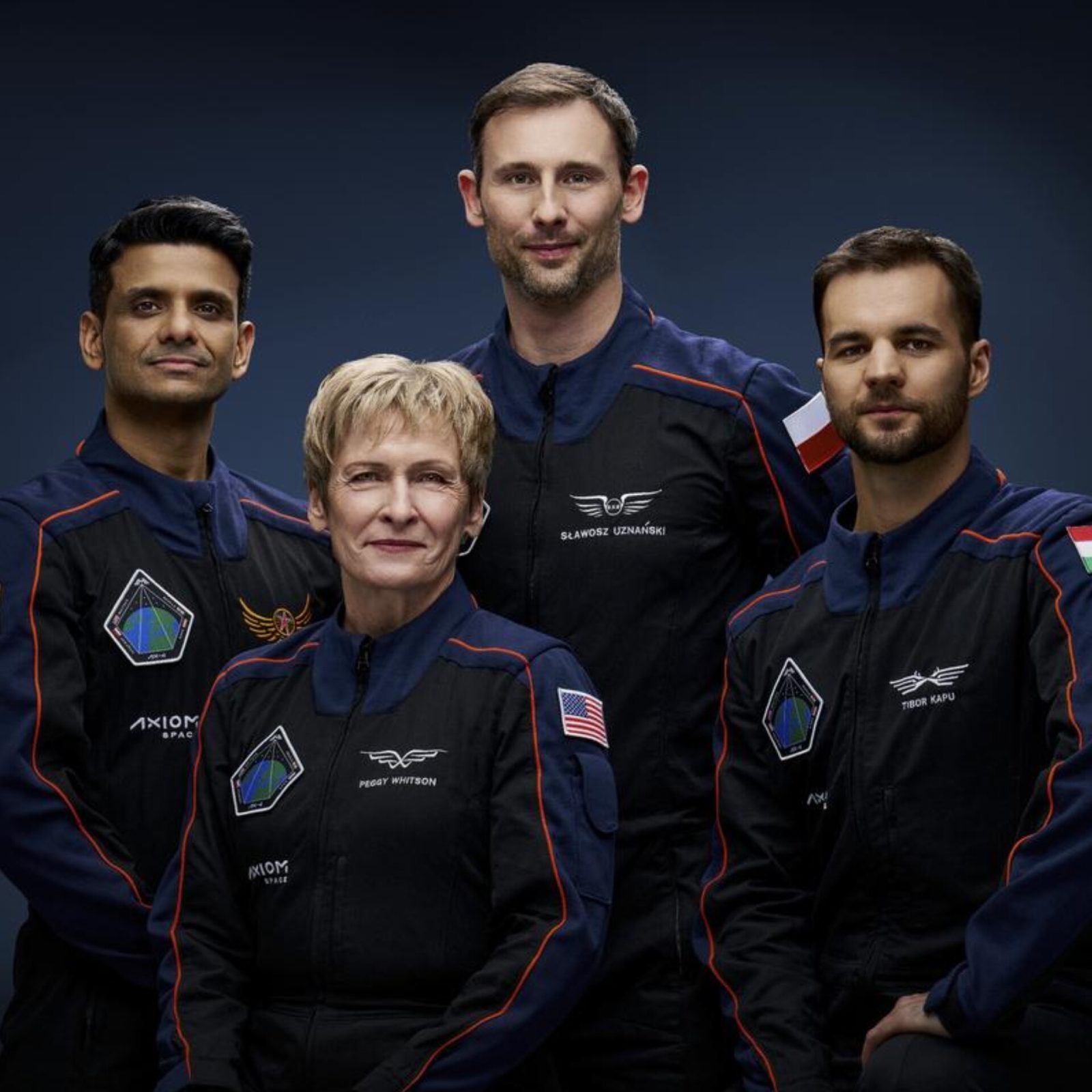
Indian astronaut Shubhanshu Shukla is set to make history as part of the multinational Axiom-4 mission to the International Space Station, now scheduled to launch on June 25 from NASA’s Kennedy Space Centre. The mission marks a significant moment for India, Hungary, and Poland as all three countries send astronauts to the ISS aboard SpaceX’s Falcon 9 rocket. Shukla will join veteran US astronaut Peggy Whitson and mission specialists from Poland and Hungary. Originally planned for May, the launch faced repeated delays due to fuel system leaks and aging infrastructure on the ISS. Docking is expected on June 26. (PC: AP)
Brief by Shorts91 Newsdesk / 04:39am on 24 Jun 2025,Tuesday Science
Indian astronaut Shubhanshu Shukla is set to make history as part of the multinational Axiom-4 mission to the International Space Station, now scheduled to launch on June 25 from NASA’s Kennedy Space Centre. The mission marks a significant moment for India, Hungary, and Poland as all three countries send astronauts to the ISS aboard SpaceX’s Falcon 9 rocket. Shukla will join veteran US astronaut Peggy Whitson and mission specialists from Poland and Hungary. Originally planned for May, the launch faced repeated delays due to fuel system leaks and aging infrastructure on the ISS. Docking is expected on June 26. (PC: AP)

Brief by Shorts91 Newsdesk / 02:48am on 24 Jun 2025,Tuesday Science
After several delays, Axiom Mission 4 is ready to launch on June 25. Indian astronaut Shubhanshu Shukla and his crew will fly to the International Space Station (ISS). The mission will lift off at 2:31 am EDT from NASA’s Kennedy Space Center in Florida. They will travel aboard a SpaceX Dragon capsule on a Falcon 9 rocket. The launch was earlier delayed due to bad weather, rocket issues, and repairs on the ISS. NASA and its partners are now ready for the mission. The crew is expected to reach the ISS by 7 am on June 26, if all goes well. (PC: NASA)
Brief by Shorts91 Newsdesk / 10:33am on 21 Jun 2025,Saturday Science
ISRO has clarified that only its chairman and support crew have returned to India, while primary astronaut Group Captain Shubhanshu Shukla and backup Gp Capt P. Balakrishnan Nair remain in quarantine in Florida, awaiting a new launch date . NASA, Axiom Space, and SpaceX indefinitely postponed the Ax‑4 mission—initially set for June 22—following safety concerns after repair work on the aging Zvezda module of the ISS . The crew, also including astronauts from Poland and Hungary, is fully prepared for a 14-day flight once the ISS is certified safe. ISRO emphasized that the mission is on hold, not cancelled. (PC: India Today)
Brief by Shorts91 Newsdesk / 02:53am on 20 Jun 2025,Friday Science
NASA has postponed the Axiom‑4 mission's launch—now featuring Indian pilot Group Captain Shubhanshu Shukla—for the sixth time, originally slated for June 22, 2025. The hold-up stems from continued safety evaluations on the aging ISS, particularly following recent repairs in the Zvezda module, and ongoing checks of SpaceX’s Falcon 9 rocket after previous technical issues . The mission, a collaboration among Axiom Space, NASA, SpaceX, ISRO, and ESA, also carries astronauts from Poland and Hungary, with veteran astronaut Peggy Whitson commanding . A new launch date will be announced soon, as NASA prioritizes crew and ISS system safety above all. (PC: X)
Brief by Shorts91 Newsdesk / 03:37pm on 19 Jun 2025,Thursday Science
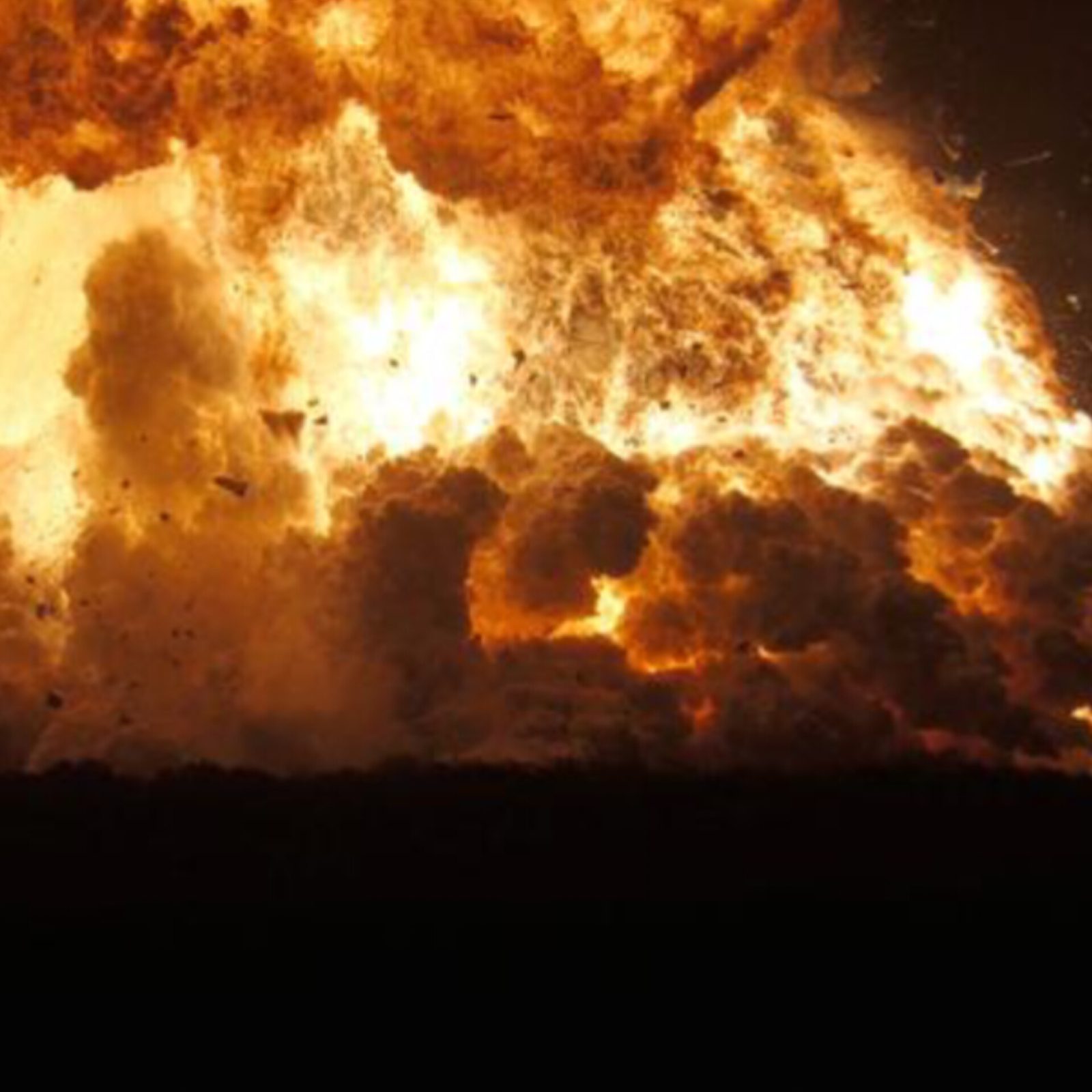
During a pre-flight static-fire test at SpaceX’s Starbase in southern Texas late Wednesday (11 p.m. local), the Starship 36 prototype suffered a "major anomaly," erupting in a dramatic fireball . The blast was powerful enough to shake nearby homes, yet a established safety perimeter ensured no injuries or threats to surrounding communities . Videos captured the explosion, with flames and smoke continuing for hours . Identified as a COPV failure, the incident delays the planned tenth launch test while investigators assess the root cause .Despite setbacks, SpaceX remains committed to its learn‑fast ethos and ambitious missions to the Moon, Mars, and beyond. (PC: Reuters)
Brief by Shorts91 Newsdesk / 12:28pm on 19 Jun 2025,Thursday Science
NASA and Axiom Space, in coordination with ISRO and SpaceX, have confirmed the Axiom‑4 crewed mission to the ISS will launch on June 22, 2025 at 1:12 pm IST, after prior delays caused by technical glitches, weather issues, LOx leaks, and ISS repair work . The four‑member crew includes Indian pilot Shubhanshu Shukla, SpaceX commander Peggy Whitson, and ESA specialists from Poland and Hungary. Originally scheduled for May and later June 19, the launch was postponed to allow extra time for safety evaluations aboard the ISS and Falcon 9 readiness. This marks a major milestone in international human spaceflight collaboration and India’s return to crewed missions after 41 years. (PC: News 18)
Brief by Shorts91 Newsdesk / 07:37am on 19 Jun 2025,Thursday Science
A SpaceX Starship prototype erupted into a massive fireball during a routine static engine test at the Starbase facility in Texas late Wednesday around 11 p.m. CT. The vehicle—Ship 36—experienced a “major anomaly” before its tenth flight test, triggering a dramatic explosion visible on live stream. SpaceX confirmed a safety perimeter was in place; all personnel are safe, and there’s no hazard to nearby communities. Local authorities and SpaceX crews have secured the site and are investigating the cause. The incident will likely delay the tenth Starship flight, as the company continues its rapid iter‑ate test approach.

Brief by Shorts91 Newsdesk / 02:04pm on 18 Jun 2025,Wednesday Science
The Axiom-4 space mission carrying Indian astronaut Shubhanshu Shukla to the International Space Station (ISS) has been delayed again, with launch now targeted for June 22. Initially scheduled for May 29, the mission faced multiple postponements due to technical issues, including a Falcon-9 rocket oxygen leak and repairs on the ISS’s Zvezda module. Shukla will be the second Indian in space after Rakesh Sharma. The crew, led by former NASA astronaut Peggy Whitson, includes astronauts from Poland and Hungary. They will conduct 60 scientific experiments during their 14-day stay. Axiom Space confirmed the crew is in good health and quarantine. (PC: News18)