Brief by Shorts91 Newsdesk / 06:30am on 13 Mar 2025,Thursday Science
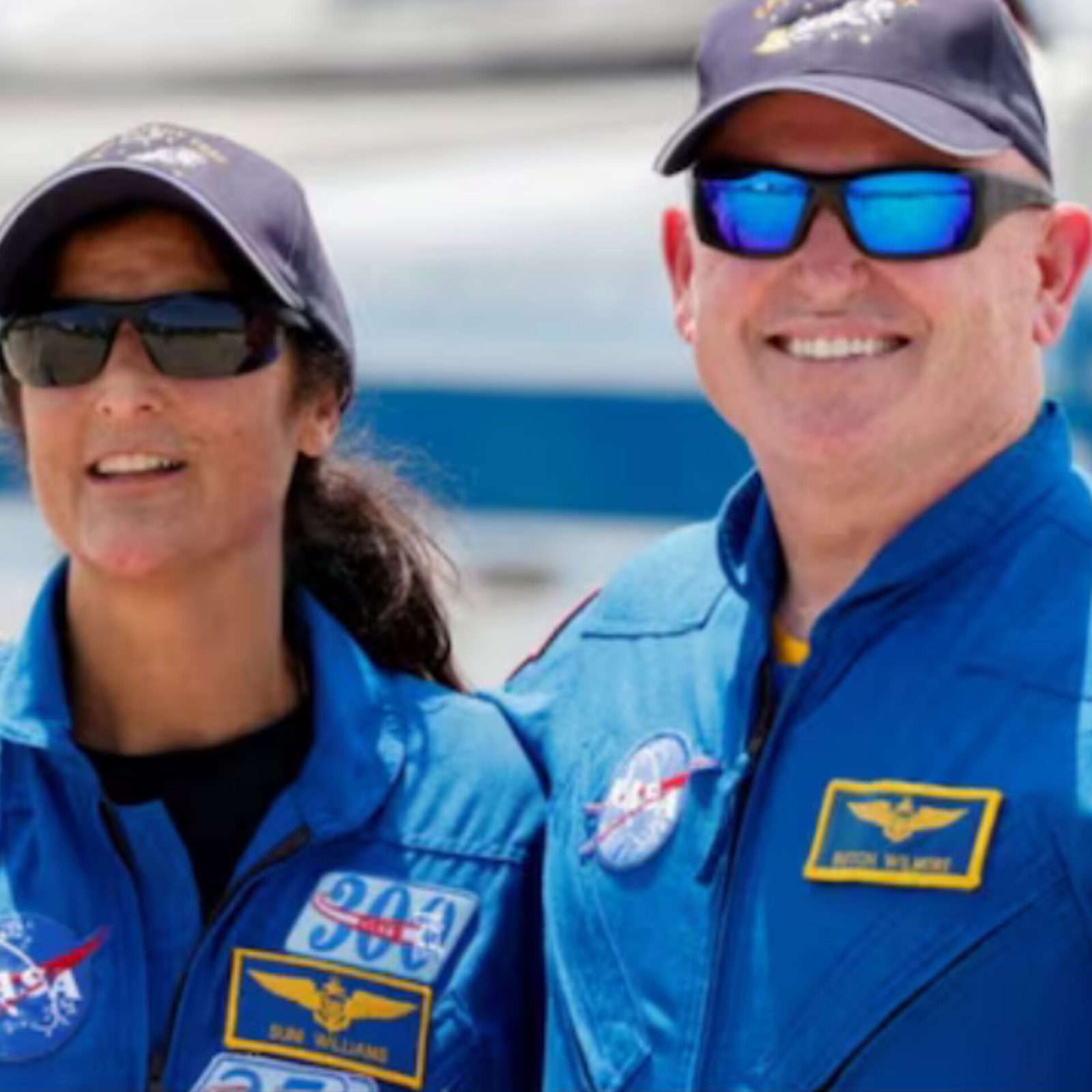
SpaceX delayed its Crew-10 launch due to a hydraulic issue, postponing the return of NASA astronauts Sunita Williams and Butch Wilmore. The Falcon rocket was set to launch from Kennedy Space Center but was halted less than an hour before liftoff. The new crew must reach the International Space Station before Wilmore and Williams can return home. They have been in space for nine months after Boeing’s Starliner capsule failed. NASA moved them to SpaceX for their return. A new launch attempt may happen as early as Thursday night.
Brief by Shorts91NewsDesk / 04:25am on 13 Mar 2025,Thursday Science
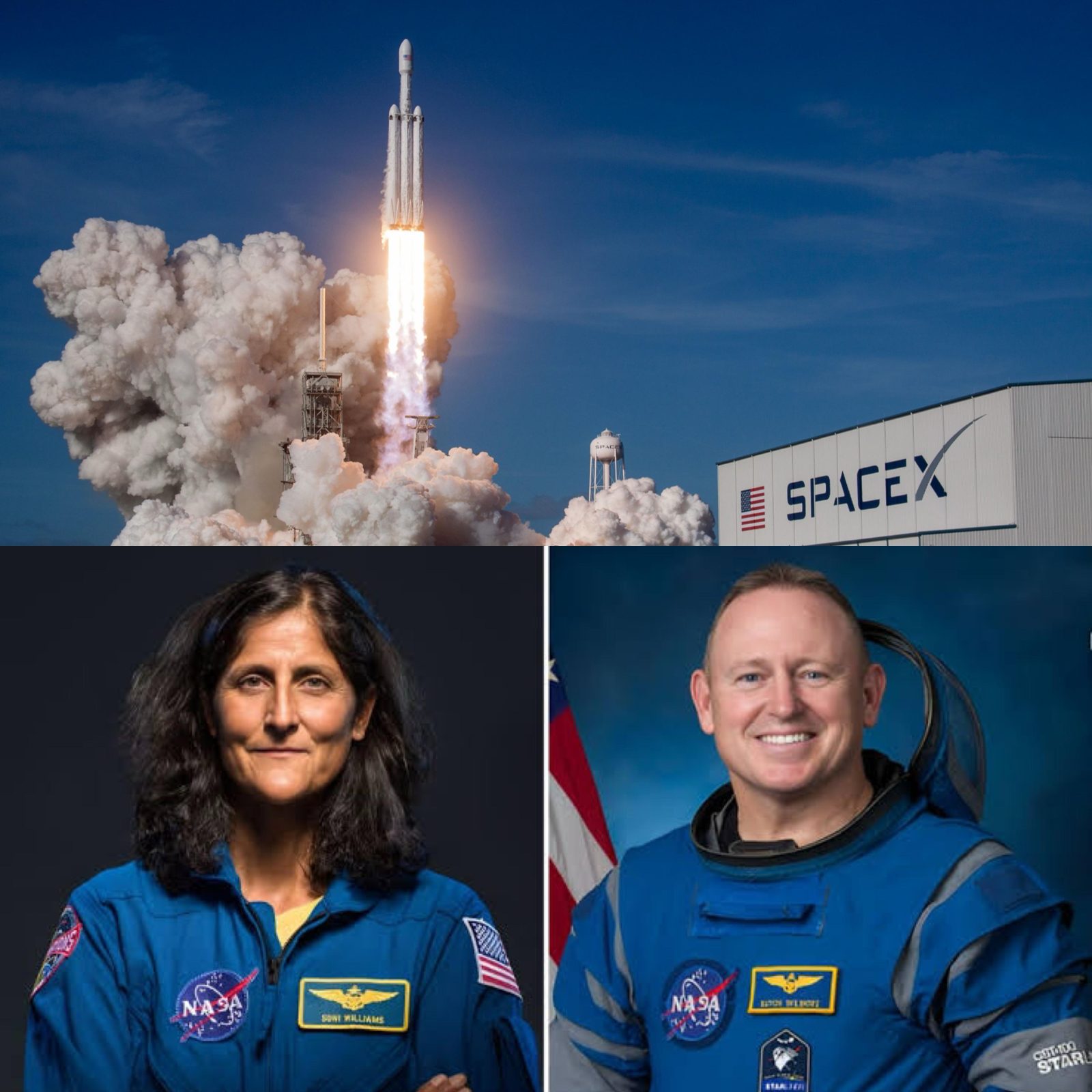
NASA has postponed the SpaceX Crew-10 mission intended to retrieve astronauts Sunita Williams and Butch Wilmore from the International Space Station (ISS). The delay arose due to hydraulic system issues detected less than four hours before the scheduled launch of the Falcon rocket from Kennedy Space Center. The Crew-10 mission, led by NASA astronaut Anne McClain and including members from Japan and Russia, is now tentatively rescheduled for Thursday night, pending resolution of the technical problems. Williams and Wilmore, who have been aboard the ISS since June 2024, were initially slated for a brief mission but experienced an extended stay following malfunctions with Boeing's Starliner capsule.

Brief by Shorts91 Newsdesk / 03:04am on 10 Mar 2025,Monday Science
NASA astronaut Sunita Williams formally transferred command of the International Space Station (ISS) to Russian cosmonaut Alexey Ovchinin ahead of her return to Earth. In an emotional speech, Williams thanked her team, saying, “We will miss you.” She played a key role in maintaining ISS operations with Crew-10 en route. Williams will depart on March 19 aboard SpaceX Dragon, alongside NASA and Roscosmos crew members. Her tenure saw historic achievements, including a record-breaking 62-hour spacewalk. Ovchinin will remain aboard until mid-April, continuing international cooperation in space research.

Brief by Shorts91 Newsdesk / 01:40pm on 09 Mar 2025,Sunday Science
NASA astronauts Butch Wilmore and Suni Williams, who launched on Boeing's Starliner for a 10-day mission in June 2024, spent 9 months stranded on the ISS after their spacecraft returned without them. NASA has now scheduled their return for March 16 aboard a SpaceX Crew Dragon. The delay was due to technical issues with Starliner, forcing them into an extended stay. Their relief crew, SpaceX Crew-10, will launch on March 12, allowing Crew-9 to return with them. NASA officials confirmed the long-awaited homecoming, marking the end of their unintended marathon mission.

Brief by Shorts91 Newsdesk / 02:33pm on 07 Mar 2025,Friday Science
NASA astronauts Sunita Williams and Butch Wilmore have been stranded aboard the ISS since June 2024 due to Boeing Starliner malfunctions. Former US President Donald Trump joked, "Maybe they’ll fall in love," while discussing their situation. He blamed Joe Biden for the delay and claimed Elon Musk’s SpaceX will bring them back in two weeks. NASA expects their return by March 19-20, possibly aboard a SpaceX vehicle. Williams, 59, has now spent over 300 days in space. NASA continues preparations for their safe return.
Another view from the Bahamas of Space X's Starship breaking up....pic.twitter.com/58ib7hvUNJ
— Volcaholic 🌋 (@volcaholic1) March 7, 2025
Brief by Shorts91NewsDesk / 11:25am on 07 Mar 2025,Friday Science
March 7, 2025 – SpaceX’s Starship spacecraft exploded midflight during its eighth test mission, marking the second consecutive failure this year. The uncrewed vehicle lifted off from Starbase, Texas, but lost contact less than 10 minutes into flight after multiple engine failures. The explosion was visible over Florida and the Caribbean, prompting the FAA to halt flights at major airports, including Miami and Orlando. SpaceX stated that debris fell within designated areas, ensuring no toxic contamination. The FAA has launched an investigation, delaying future flights until corrective measures are approved. Elon Musk’s ambitious Mars-bound program faces another major setback.
Another view from the Bahamas of Space X's Starship breaking up....pic.twitter.com/58ib7hvUNJ
— Volcaholic 🌋 (@volcaholic1) March 7, 2025
Brief by Shorts91NewsDesk / 03:24am on 07 Mar 2025,Friday Science
SpaceX's eighth Starship test flight ended in failure Thursday as the upper stage exploded mid-air over the Caribbean, minutes after launching from Boca Chica, Texas. The booster stage was successfully recovered using the launch tower's "chopstick" arms, but the upper stage lost control before disintegrating. Fiery debris was visible across Florida and the Bahamas, prompting the FAA to temporarily halt air traffic at several Florida airports due to safety concerns. This incident marks the second consecutive Starship explosion, following a similar failure in January. The FAA has initiated an investigation, requiring SpaceX to implement corrective actions before future flights. Despite setbacks, Starship remains central to Elon Musk's vision for Mars colonization and NASA's Artemis lunar missions.
Brief by Shorts91NewsDesk / 09:48am on 05 Mar 2025,Wednesday Science
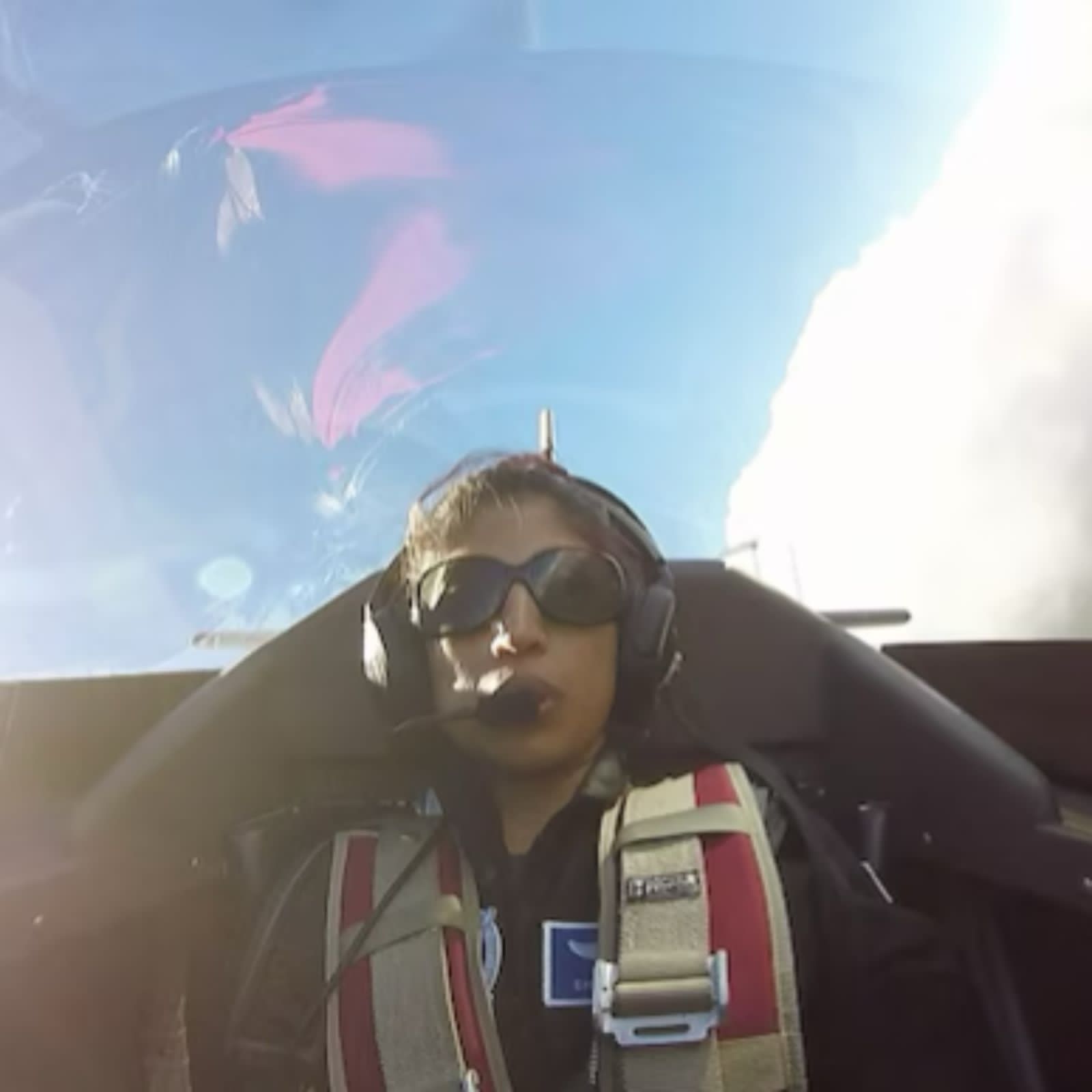
Dr. Shawna Pandya, a Canadian neurosurgeon and aspiring astronaut of Indian origin, is set to become the fourth Indian-origin woman to venture into space, following Kalpana Chawla, Sunita Williams, and Sirisha Bandla. In an exclusive interview, she emphasized the influence of her immigrant parents and the importance of Indian work ethics in her journey. Pandya highlighted the dedication and passion prevalent in India's space sector, noting that these values drive the nation's aspirations despite financial constraints. She also praised the Indian Space Research Organisation (ISRO) for its groundbreaking missions and commitment to space exploration, attributing their success to a culture that prioritizes purpose over pay.
Brief by Shorts91 Newsdesk / 06:44pm on 04 Mar 2025,Tuesday Science
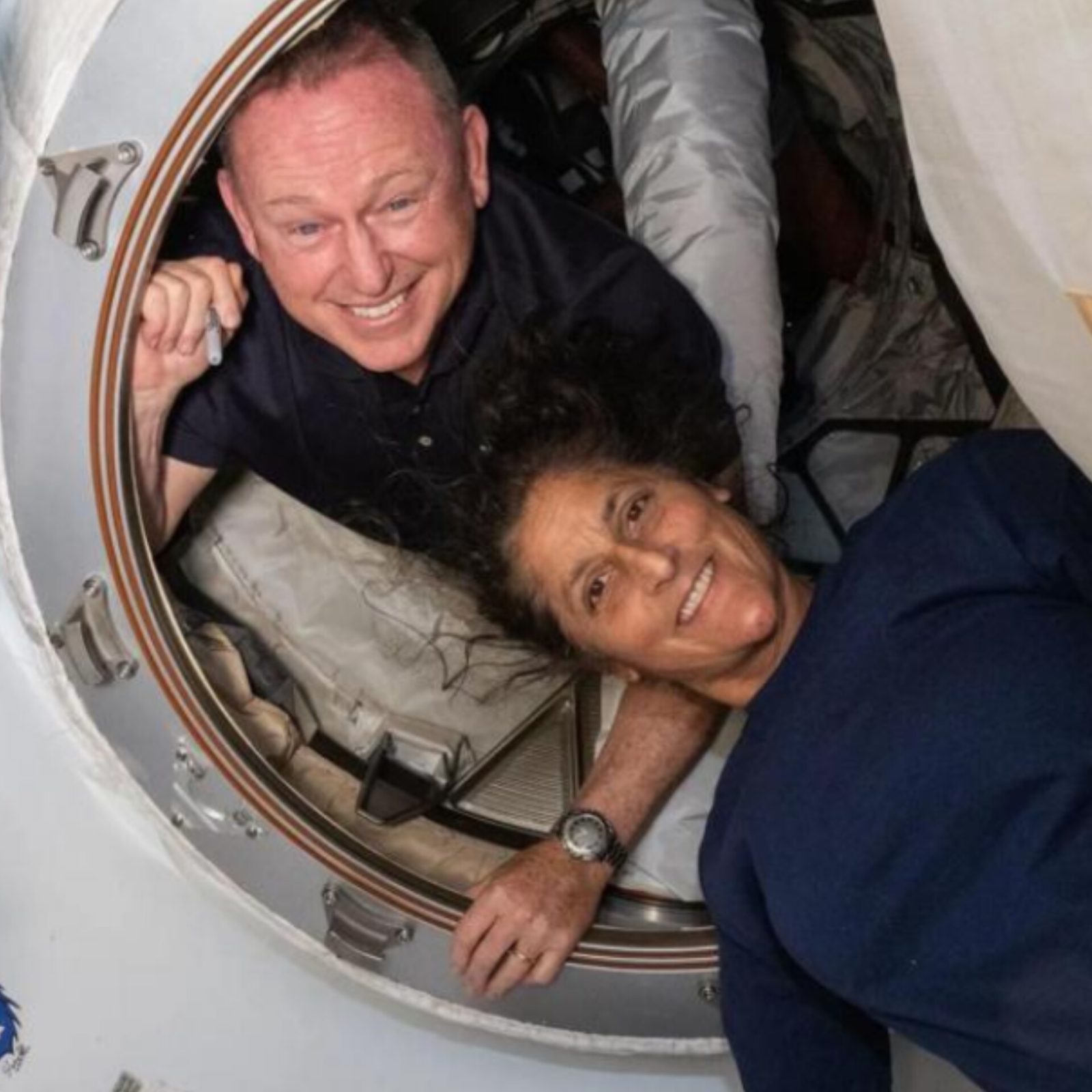
NASA astronauts Suni Williams and Butch Wilmore, stranded on the International Space Station (ISS) since June 2024, reassured the public in a recent update. Their eight-day Boeing Starliner test mission turned into a months-long stay after the capsule suffered technical issues and returned empty. "We came prepared to stay long, even though we planned to stay short," Wilmore said, emphasizing the unpredictability of human spaceflight. NASA now plans to bring them back on a SpaceX Crew Dragon, with the return scheduled for no earlier than March 12. The astronauts remain in good spirits while awaiting their journey home.
Brief by Shorts91NewsDesk / 03:53am on 04 Mar 2025,Tuesday Science
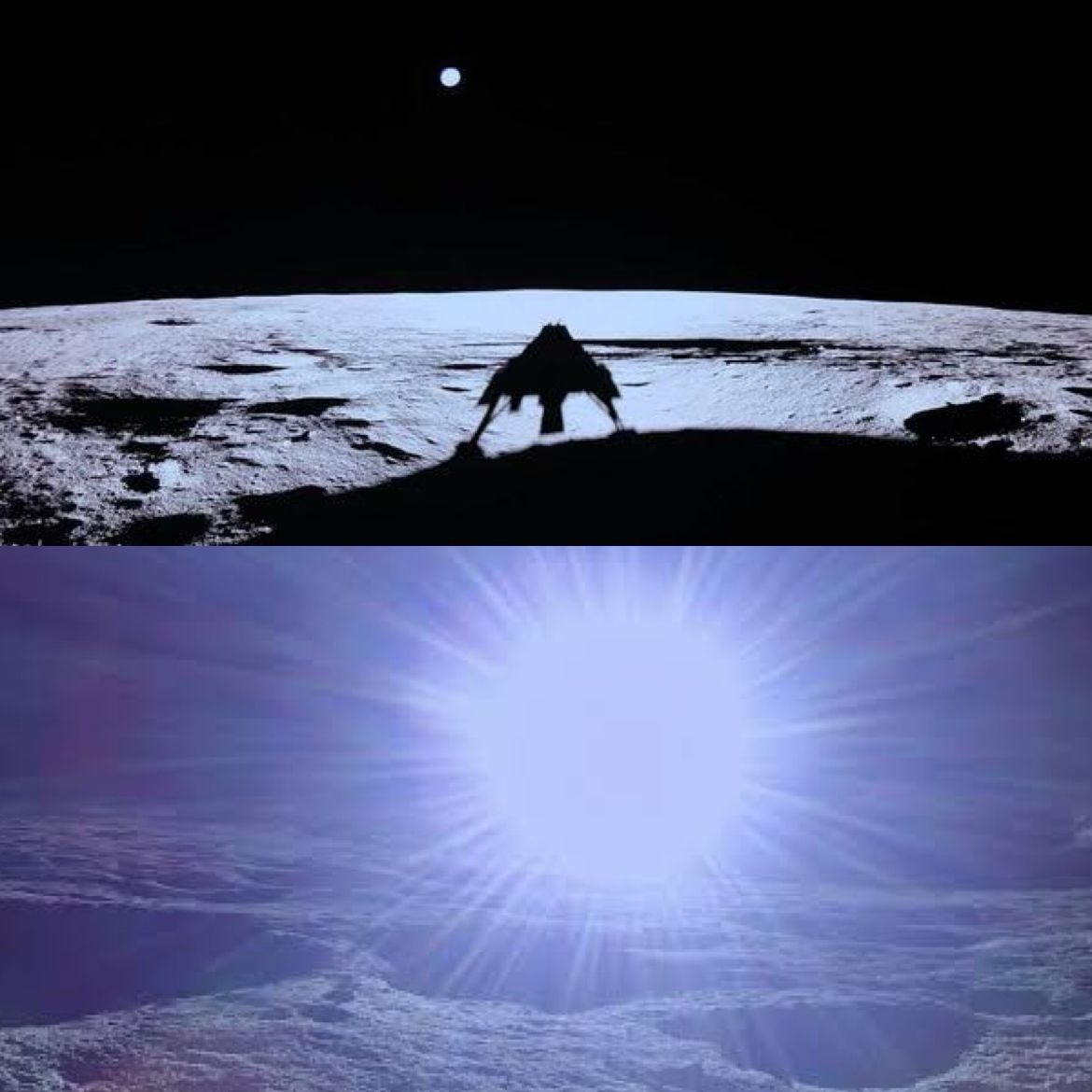
Firefly Aerospace's Blue Ghost lunar lander, which successfully touched down on the Moon's Mare Crisium region on March 2, has captured and transmitted a breathtaking image of the first sunrise on the lunar surface. The photograph showcases the Sun's rays illuminating the Moon's rugged terrain, highlighting its deep craters. Launched on January 15 aboard a SpaceX Falcon 9 rocket, Blue Ghost carried ten NASA payloads aimed at conducting various scientific experiments to enhance our understanding of the lunar environment. The mission's objectives include studying heat flow from the Moon's interior, analyzing plume-surface interactions, and testing the feasibility of using Global Navigation Satellite System signals on the Moon's surface.