
Brief by Shorts91 Newsdesk / 12:24pm on 03 Mar 2025,Monday Science
India captain Rohit Sharma has dismissed claims that his team has an unfair advantage in the ICC Champions Trophy 2025. Critics say India benefits from playing all matches in Dubai. But Rohit said the pitches behave differently each time, making it tough for players. He reminded everyone that Dubai is not India's home ground. India has had mixed results here in the past. Ahead of the semi-final against Australia, Rohit said the team does not know what kind of pitch they will get. He stressed the need to adapt and play smart cricket.
Brief by Shorts91 Newsdesk / 03:00pm on 02 Mar 2025,Sunday Science
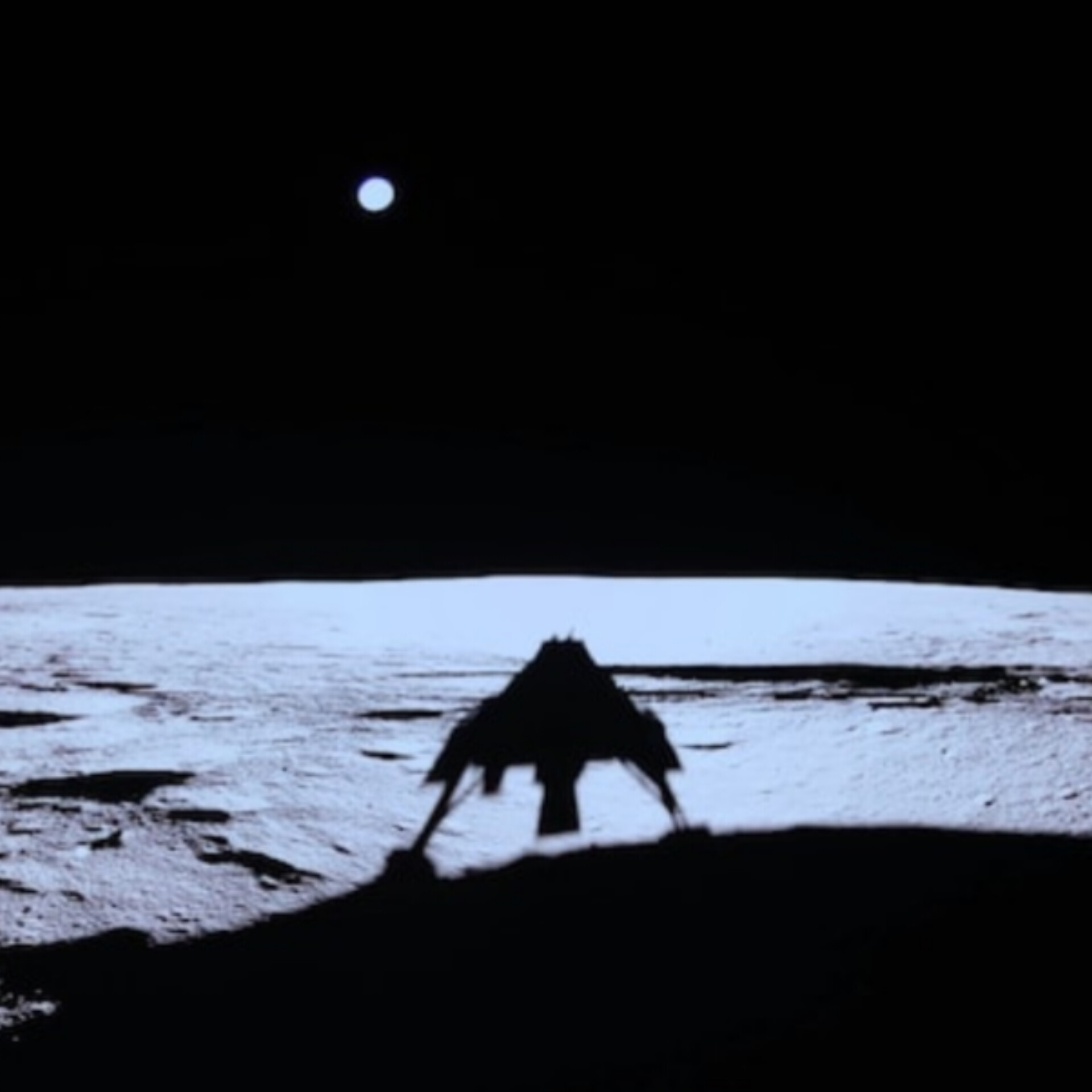
Firefly Aerospace's Blue Ghost lunar lander successfully touched down on the Moon’s Mare Crisium region, becoming the first commercial spacecraft to achieve a fully successful lunar landing. Launched on January 15 aboard a SpaceX Falcon 9, it refined its trajectory for 16 days in lunar orbit before landing on March 2. The lander, carrying 10 NASA payloads, will study heat flow, magnetic fields, and lunar dust behavior for 14 Earth days. This marks a major milestone for private space exploration, paving the way for future missions under NASA’s Artemis program.

Brief by Shorts91 Newsdesk / 06:00pm on 01 Mar 2025,Saturday Science
China will send a Pakistani astronaut to its Tiangong space station, making Pakistan the first foreign nation to participate in China’s manned space program. The agreement was signed between the China Manned Space Agency (CMSA) and Pakistan’s Space and Upper Atmosphere Research Commission (SUPARCO) in Islamabad, attended by Pakistani PM Shehbaz Sharif. Tiangong, orbiting 400 km above Earth, is seen as a rival to the ISS. China aims to expand space cooperation amid geopolitical competition. CMSA Deputy Director Lin Xiqiang confirmed China’s plans to land astronauts on the Moon before 2030. The US plans its lunar return in 2025.
Brief by Shorts91NewsDesk / 04:27am on 28 Feb 2025,Friday Science
In a remarkable celestial event, all seven planets—Mercury, Venus, Mars, Jupiter, Saturn, Uranus, and Neptune—will align in the night sky on February 28, 2025. This rare planetary parade offers stargazers a unique opportunity to observe multiple planets simultaneously. While Venus, Mars, Jupiter, and Saturn will be visible to the naked eye, viewing Mercury, Uranus, and Neptune will require binoculars or a telescope. The optimal time for observation is just after sunset, with planets appearing along the ecliptic plane. Such an alignment won't occur again until 2040, making this a must-see event for astronomy enthusiasts.
Brief by Shorts91 Newsdesk / 05:33pm on 27 Feb 2025,Thursday Science
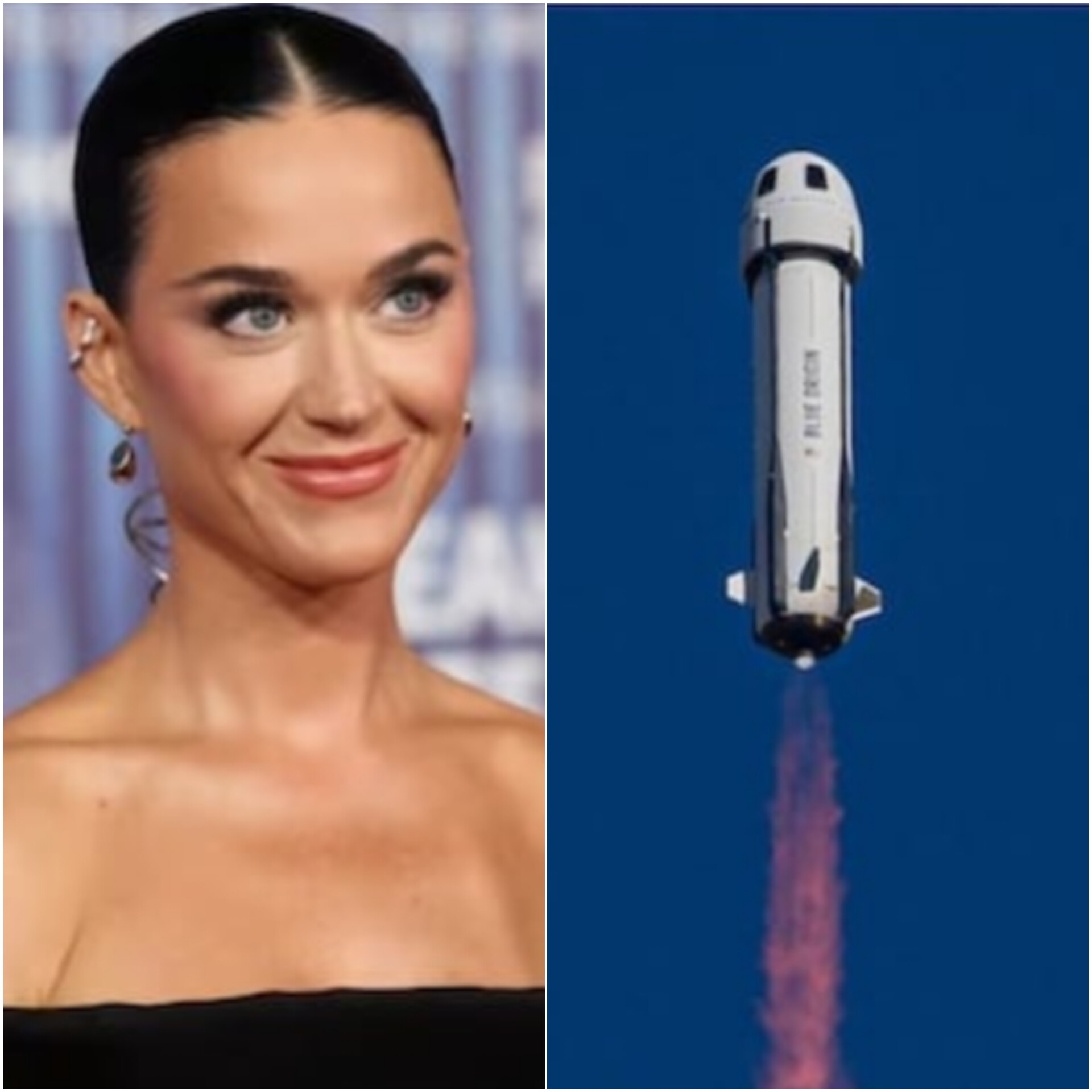
Singer Katy Perry will fly aboard Blue Origin’s NS-31 mission in spring 2025, marking the first all-female astronaut crew since 1963. Led by Jeff Bezos' fiancée Lauren Sanchez, the mission includes CBS anchor Gayle King, activist Amanda Nguyen, producer Kerianne Flynn, and ex-NASA scientist Aisha Bowe. Perry, a UNICEF Goodwill Ambassador, hopes to inspire young dreamers. The New Shepard rocket will offer four minutes of weightlessness. “I hope my journey inspires my daughter,” Perry stated. Blue Origin’s 11th human flight follows past celebrity missions featuring William Shatner and Michael Strahan.

Brief by Shorts91 Newsdesk / 01:56pm on 26 Feb 2025,Wednesday Science
NASA astronauts Sunita Williams and Butch Wilmore, stranded on the ISS since September, will return earlier than expected aboard SpaceX's Dragon. Originally set for a June return via Boeing’s Starliner, delays forced NASA to reassign them. The agency will now launch Crew-10 on March 12 using an older Dragon capsule, making way for Crew-9’s return by mid-March. The decision follows extended delays and growing concerns over their prolonged stay. NASA’s Steve Stich acknowledged spaceflight’s challenges, stating, “Unexpected hurdles are part of the mission.” The duo will return after Crew-10's arrival, ending their eight-month mission.
Brief by Shorts91NewsDesk / 12:40pm on 24 Feb 2025,Monday Science
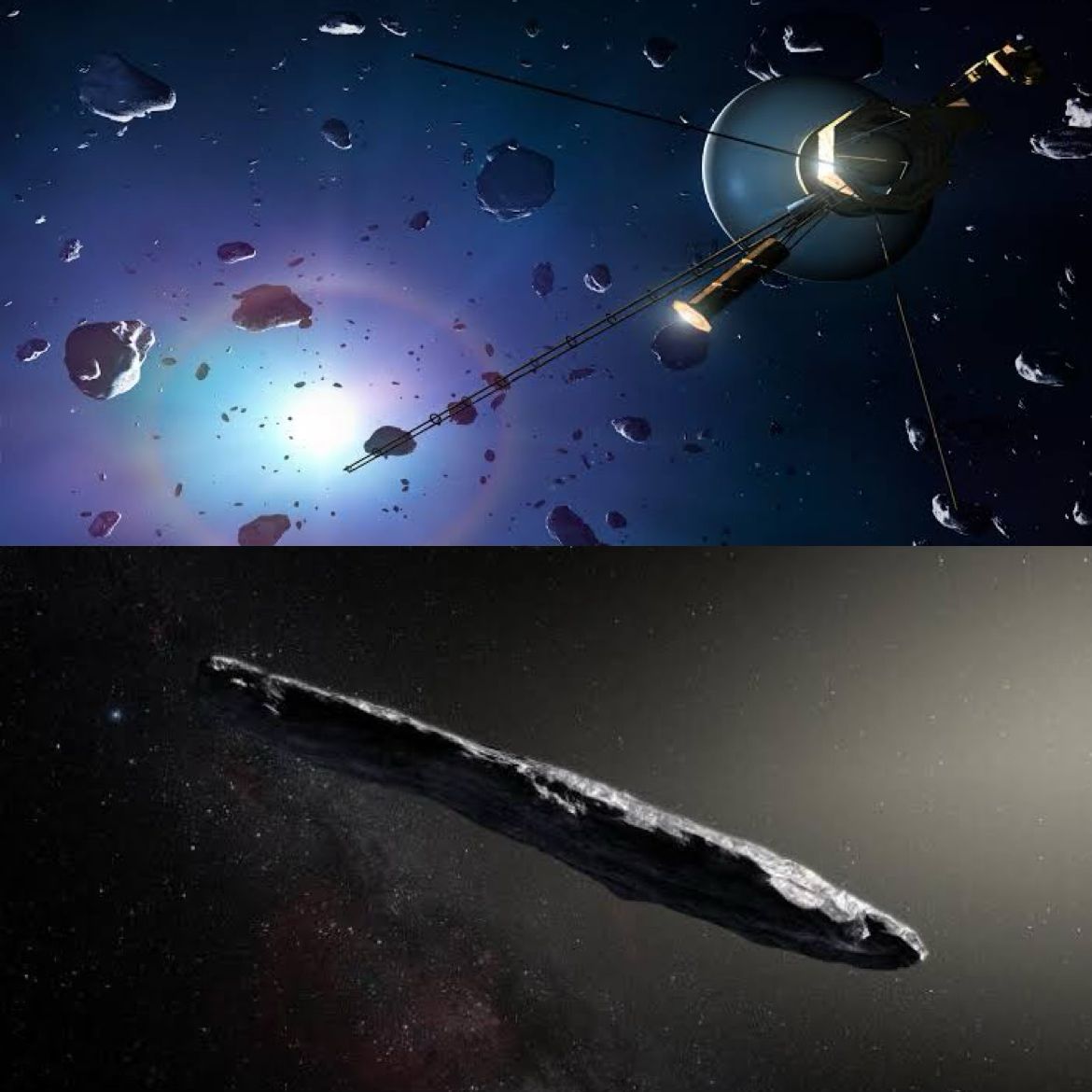
Scientists have discovered that the Oort cloud, a mysterious debris field at the solar system's edge, may resemble a "mini galaxy" with spiral arms. This cloud, located between 2,000 and 5,000 astronomical units away, is believed to be the source of strange comets and meteorites like 'Oumuamua,' the cigar-shaped rock that passed Earth in 2017. Using supercomputer models, researchers from NASA have simulated the gravitational influence of the galactic tide, revealing a spiral structure stretching 15,000 AU. Although this spiral is challenging to detect directly, it provides new insight into the Oort cloud's shape and its connection to the solar system's origin.

Brief by Shorts91 Newsdesk / 01:15pm on 20 Feb 2025,Thursday Science
As Maha Kumbh 2025 nears its end, a rare celestial event is taking place. All seven planets—Mercury, Venus, Mars, Jupiter, Saturn, Uranus, and Neptune—are visible from India. The alignment will peak on February 28, when all planets line up on one side of the Sun. “Such cosmic events amplify spiritual energies,” say believers. While five planets can be seen with the naked eye, Uranus and Neptune need binoculars. The best time to watch is after sunset or before sunrise. This rare sight adds a special significance to the festival, which has drawn millions of pilgrims this year.
Brief by Shorts91 Newsdesk / 06:47pm on 14 Feb 2025,Friday Science
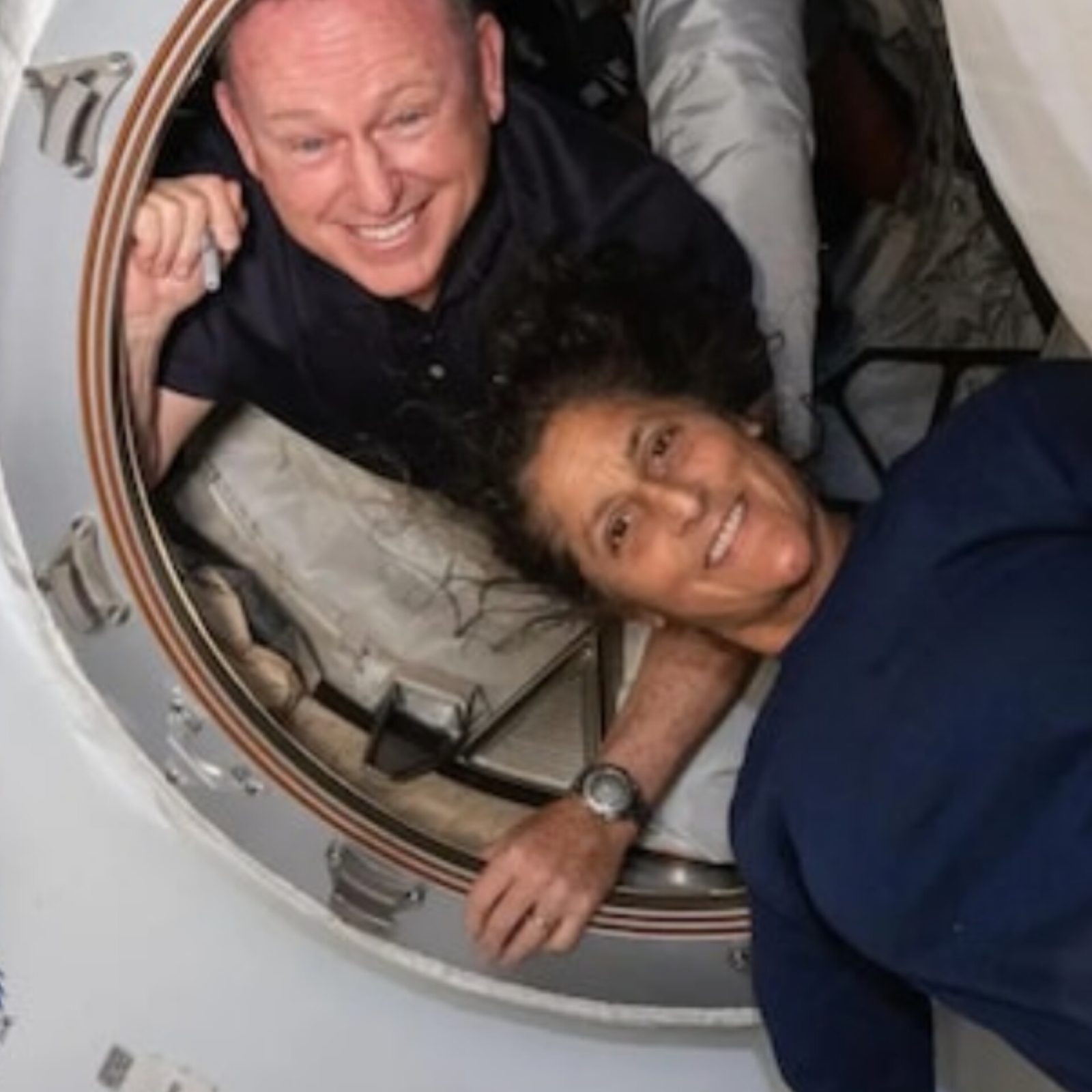
NASA astronauts Sunita Williams and Butch Wilmore, stranded aboard the International Space Station (ISS) for eight months, will return to Earth on March 19, 2025. They were initially launched in June 2024 but faced delays due to spacecraft issues. The Crew-10 mission, launching on March 12, will replace them and facilitate their return after a week-long handover. Former US President Donald Trump had urged SpaceX to help, leading to a partnership with NASA. SpaceX's Crew Dragon capsule will bring Williams and Wilmore home, showcasing their resilient collaboration in spaceflight.
Brief by Shorts91 Newsdesk / 06:12am on 12 Feb 2025,Wednesday Science
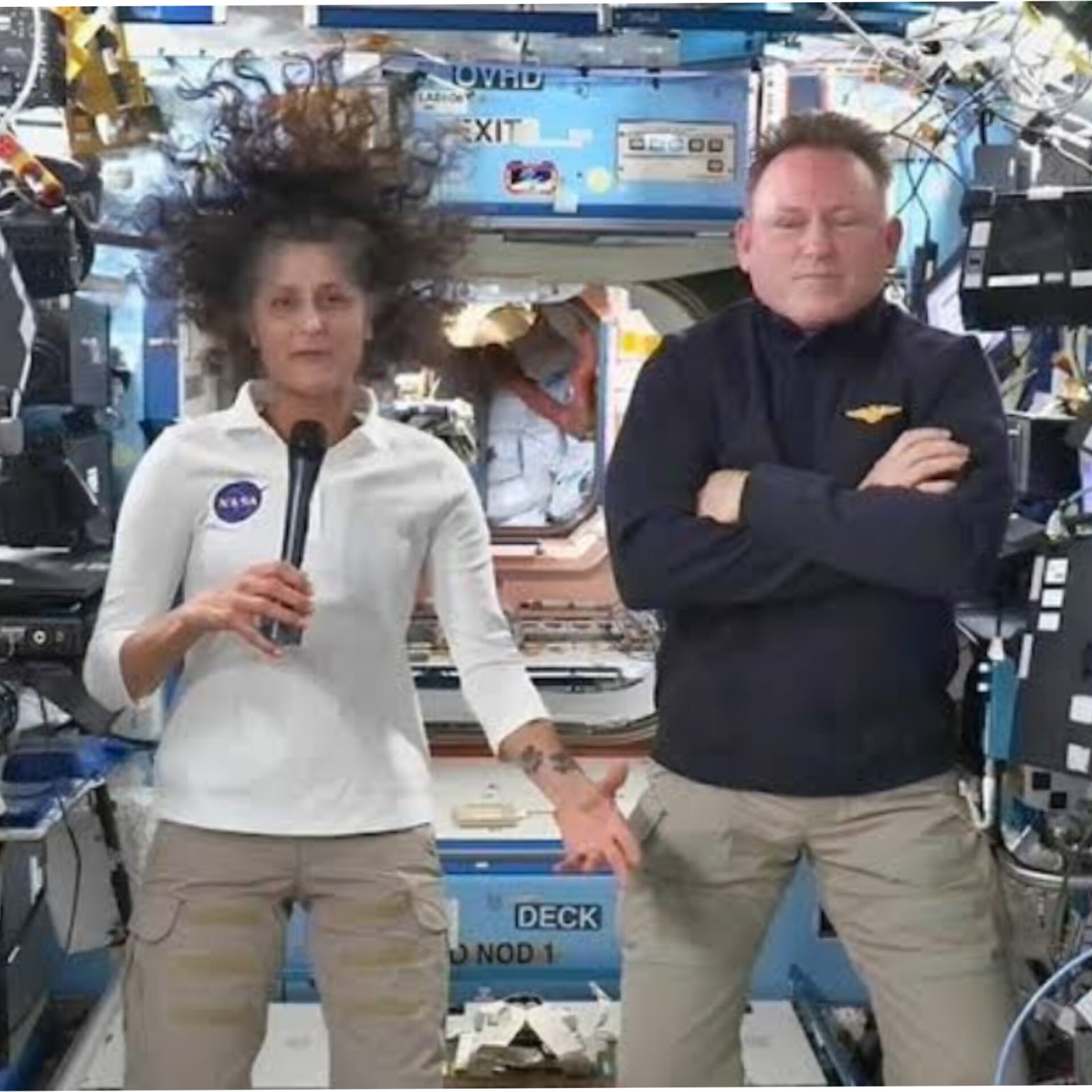
NASA astronauts Sunita Williams and Butch Wilmore, who were originally meant to stay only 8-10 days in space, have been stuck for over eight months following their flight aboard Boeing's Starliner. The mission got postponed, and the astronauts were in a dilemma. In a recent twist, NASA announced that they would be flying back to Earth aboard a previously flown SpaceX Crew Dragon capsule as part of the Crew-10 mission to the ISS. This is a significant switch, as the Crew Dragon would be utilized to bring back the astronauts after their extended stay in space.