
Brief by Shorts91 Newsdesk / 04:17am on 12 Feb 2025,Wednesday Science
NASA has activated emergency measures as asteroid 2024 YRF’s chance of hitting Earth on December 22, 2032, rises to 2.3%. Estimated between 40-90 meters wide, the asteroid could unleash energy equivalent to 15 megatons of TNT. The James Webb Space Telescope (JWST) will conduct observations in March and May to refine its trajectory and impact risk. The International Asteroid Warning Network (IAWN) warns of “severe blast damage” in a potential collision. Scientists are assessing planetary defense options, including deflection strategies. The asteroid was first spotted by NASA’s ATLAS station in Chile last December.

Brief by Shorts91 Newsdesk / 05:32pm on 11 Feb 2025,Tuesday Science
Prime Minister Narendra Modi will visit the ITER nuclear fusion project in Cadarache, France, on Wednesday. India has invested ₹17,500 crore, contributing 10% of the project’s ₹2 lakh crore cost. The world's largest cryostat, a key reactor component, was ‘Made in India’ by Larsen & Toubro. ITER, involving the US, Russia, China, and others, aims to generate 100% clean energy by replicating the Sun’s fusion process. However, India lags in staffing, with only 25-30 engineers instead of the allowed 100. Experts urge policy reforms to maximize India’s scientific gains from this historic collaboration. Operations are set for 2035.
Brief by Shorts91 Newsdesk / 03:12am on 09 Feb 2025,Sunday Science
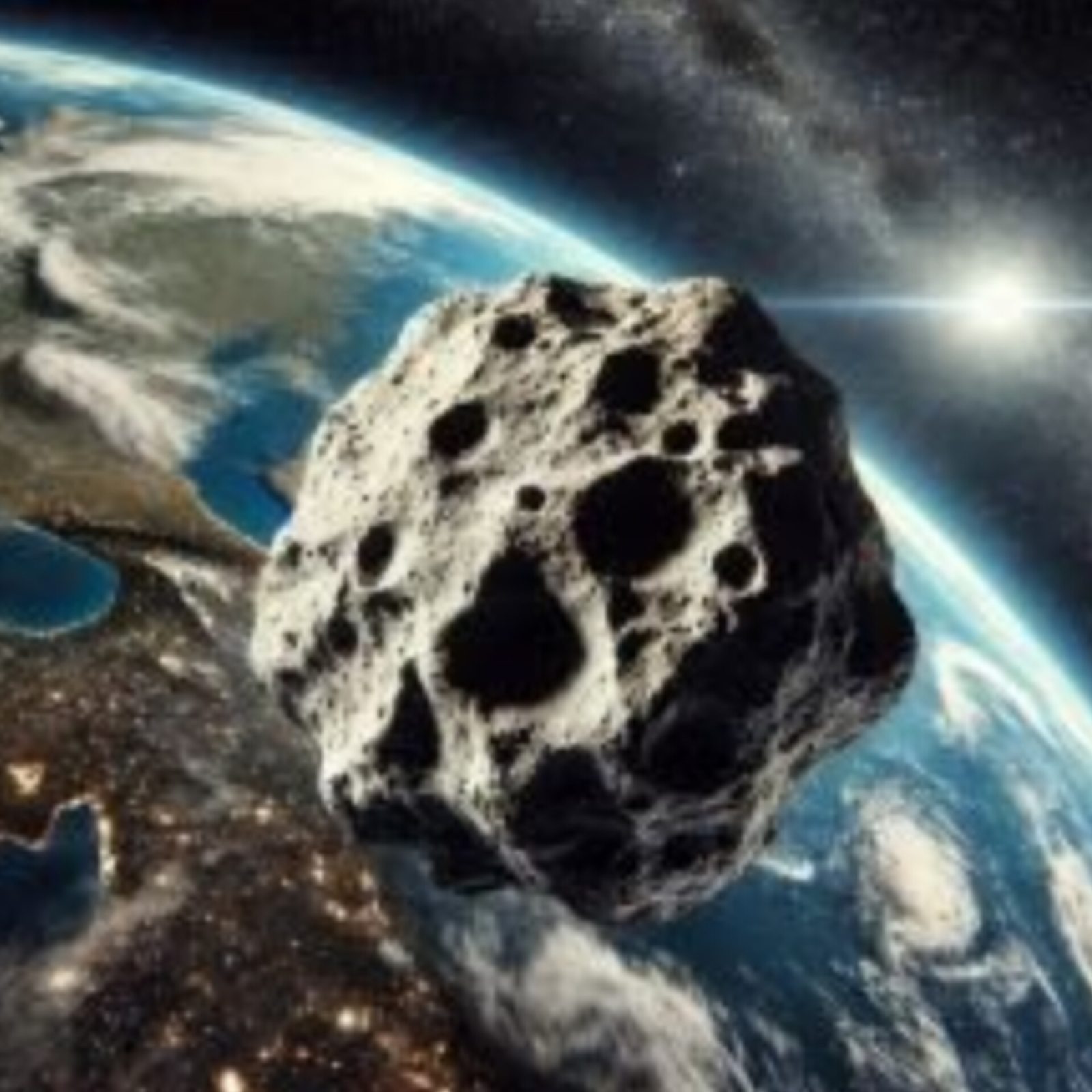
The probability of asteroid 2024 YR4 striking Earth in 2032 has risen to 1 in 43, according to NASA’s Center for Near-Earth Object Studies. The 196-foot-wide asteroid was first discovered in December 2024. Renowned asteroid hunter David Rankin precovered it using Catalina Sky Survey data. Initially, the impact probability was 1 in 83, but the latest calculation suggests a 2.3% chance of a strike. Rankin, however, reassured that there remains a 97.7% chance of a miss. Scientists expect further observations to refine predictions, potentially lowering the risk. Experts emphasize continued monitoring but advise against panic.
Brief by Shorts91 Newsdesk / 05:09pm on 02 Feb 2025,Sunday Science
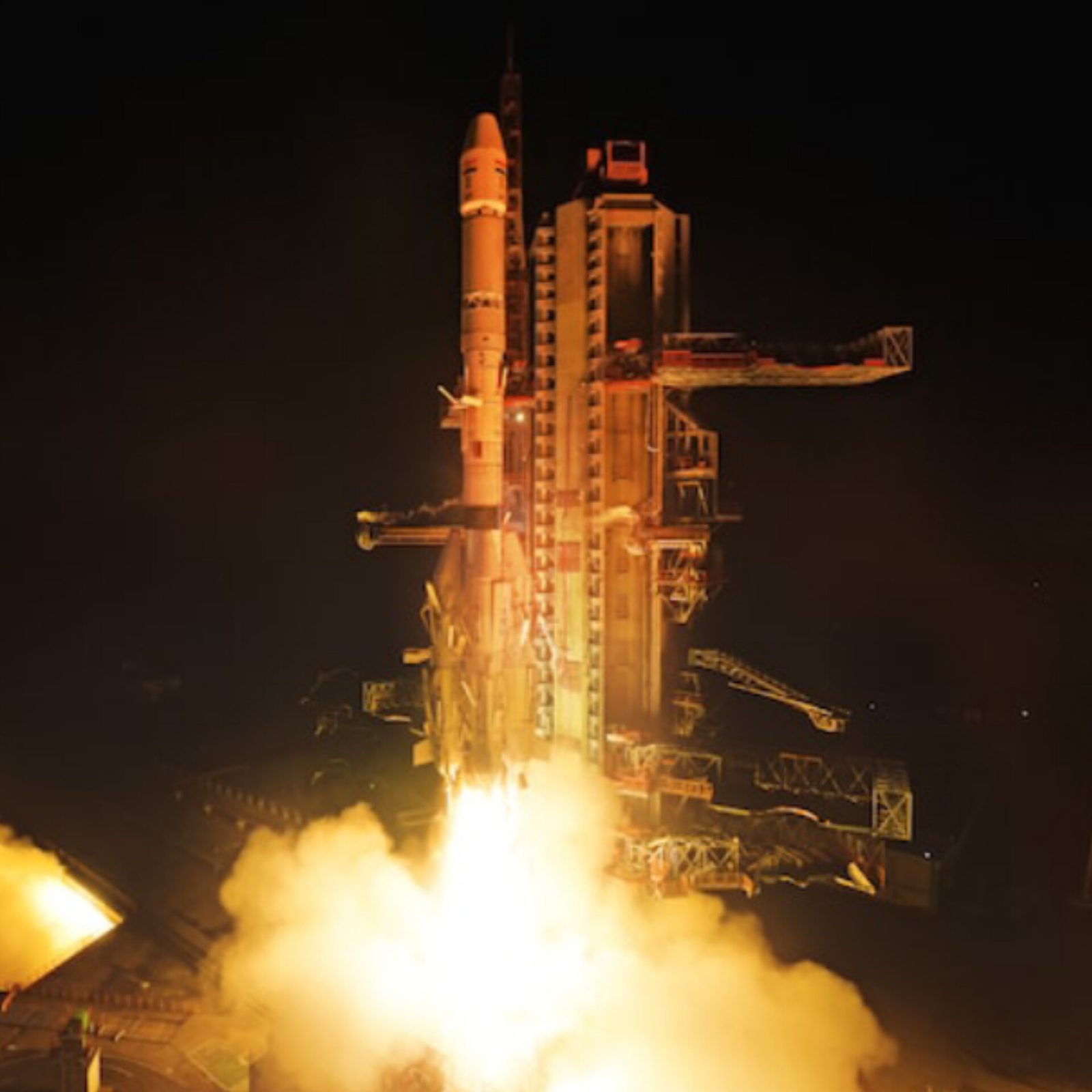
ISRO's 100th rocket mission, launched on Wednesday, faced a technical glitch. The NVS-02 satellite, which was to be placed in a geostationary orbit, encountered an issue when the thruster valves failed to open for orbit raising. As a result, the satellite remains in an elliptical orbit, and its designated tasks may be delayed or abandoned. ISRO is working on alternative strategies for the satellite’s use. The NVS-02 is part of India’s NavIC system, which provides regional GPS services. This glitch follows a series of previous challenges faced by other NavIC satellites.
Brief by Shorts91 Newsdesk / 05:13pm on 29 Jan 2025,Wednesday Science
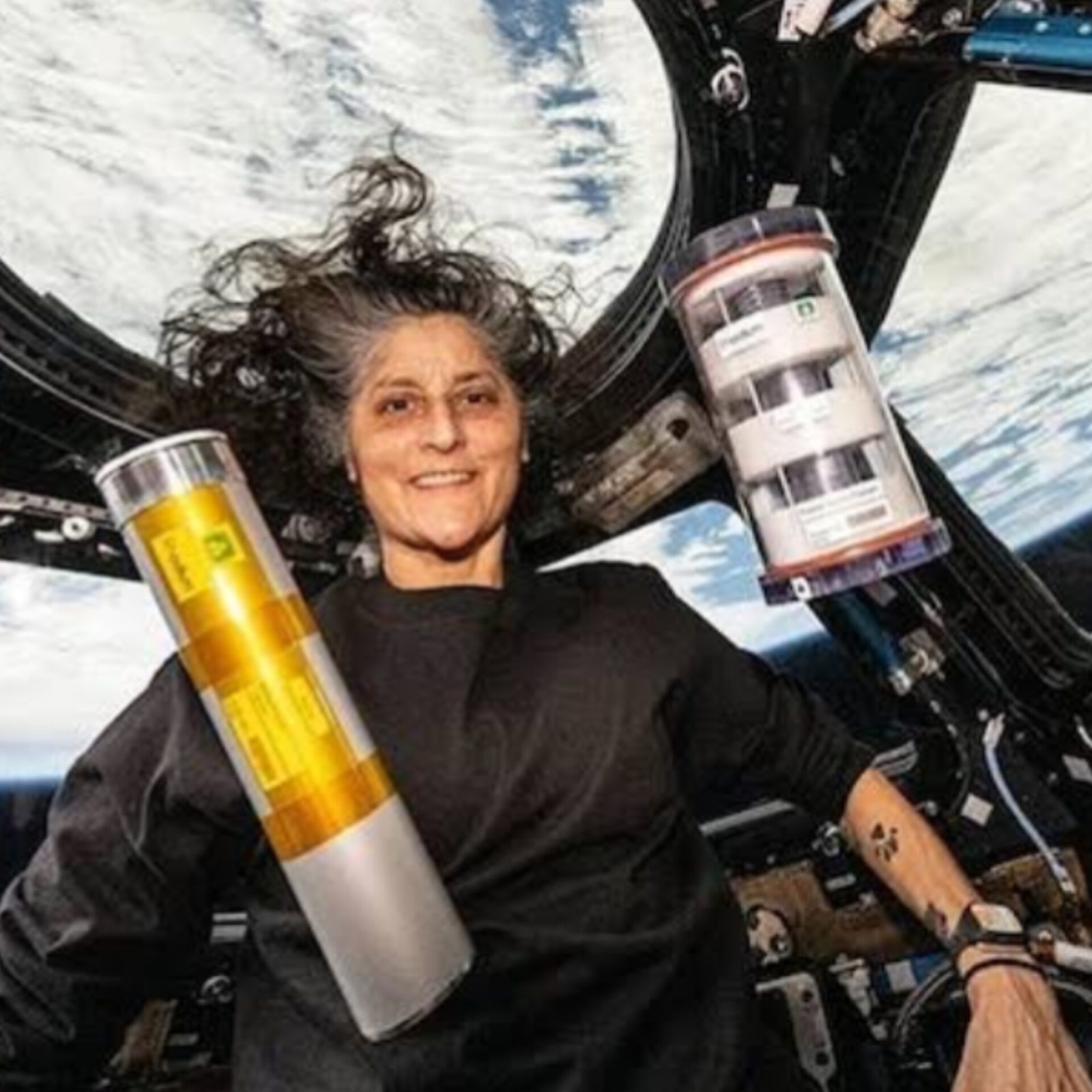
Astronaut Sunita Williams, after spending 7 months aboard the International Space Station (ISS), is struggling to walk upon returning to Earth. Originally set for a short mission, Williams and Butch Wilmore were stranded due to safety concerns with the Starliner spacecraft. “I’ve been trying to remember what it’s like to walk,” she admitted, highlighting the toll of prolonged weightlessness. NASA is now facing tough questions about astronaut health as it prepares for deep-space missions. SpaceX Crew-10 is scheduled to replace them in March or April, underscoring the complexities of space travel.
𝗦𝗽𝗮𝗗𝗲𝗫 𝗠𝗶𝘀𝘀𝗶𝗼𝗻 𝗨𝗽𝗱𝗮𝘁𝗲:
— ISRO InSight (@ISROSight) January 16, 2025
Following the docking, ISRO has successfully managed both satellites as a combined unit.
In the upcoming days, ISRO will proceed with undocking and power transfer evaluations.#SPADEX #ISRO pic.twitter.com/tMmCcF5opG
Brief by Shorts91 Newsdesk / 05:09am on 16 Jan 2025,Thursday Science
The Indian Space Research Organisation (ISRO) achieved a historic milestone by successfully docking SpaDeX satellites SDX01 (Chaser) and SDX02 (Target) in space, positioning India among elite nations with docking technology. Conducted on January 16, 2025, the autonomous docking demonstrates ISRO’s advanced engineering. Launched on December 30, 2024, the satellites performed precise maneuvers from a 475-km orbit, closing a 1.5-km gap to dock within 3 meters. This breakthrough paves the way for Chandrayaan-4 and Gaganyaan missions and highlights India’s growing space ambitions, including the Bharatiya Antariksh Station.
A Falcon rocket lifts off from pad 39A in Florida for the 100th time! pic.twitter.com/aIQXrQFEux
— SpaceX (@SpaceX) January 15, 2025
Brief by Shorts91 Newsdesk / 09:57am on 15 Jan 2025,Wednesday Science
A SpaceX Falcon 9 rocket launched two lunar landers from the Kennedy Space Center in Florida on Wednesday. The mission includes Firefly Aerospace's Blue Ghost rover and Japan’s ispace's Resilience lander, both part of a rideshare program. Firefly’s rover will study the Moon’s magnetic field and collect samples, while ispace’s lander will deploy a rover and scoop up lunar regolith. NASA is backing this commercial endeavor, marking a significant step in private lunar exploration. Firefly’s rover is expected to reach the Moon in 45 days, while ispace’s lander will take up to five months.
Brief by Shorts91 Newsdesk / 09:24am on 14 Jan 2025,Tuesday Science
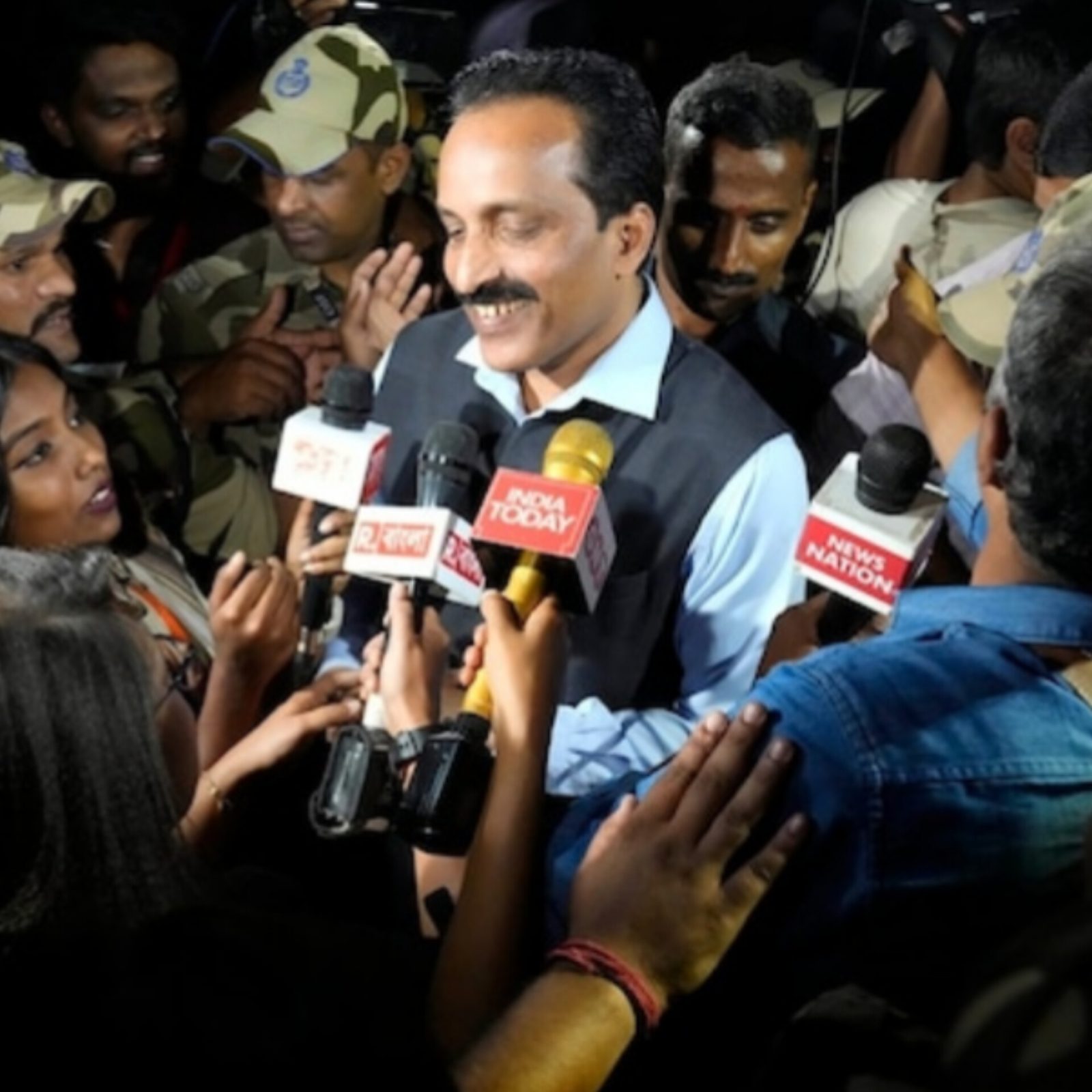
Dr. S. Somanath, ISRO chairman, has stepped down, leaving a legacy of extraordinary accomplishments, including Chandrayaan-3’s historic Moon landing and Aditya-L1’s solar mission launch. Despite battling cancer during critical mission phases, Somanath’s leadership ensured India’s space exploration prominence. His tenure also advanced the Gaganyaan program for human spaceflight and innovative projects like the Small Satellite Launch Vehicle. Dr. V. Narayanan, ISRO’s new chief, plans ambitious missions like Chandrayaan-4, a space station by 2028, and navigation satellites. Narayanan’s extensive experience promises to uphold ISRO’s innovative streak and international collaboration, heralding a new era in India’s space exploration.
Brief by Shorts91 Newsdesk / 05:52am on 13 Jan 2025,Monday Science
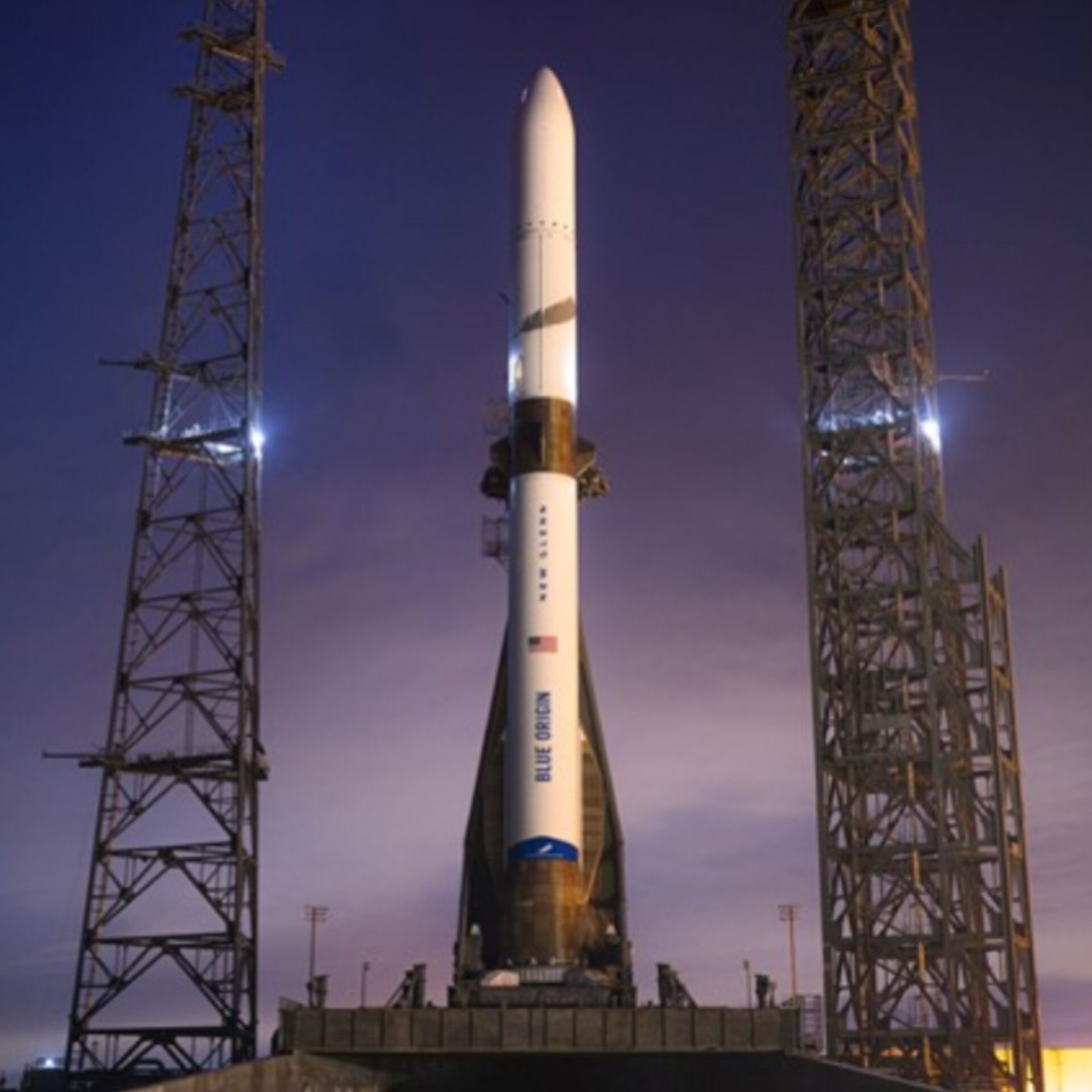
Blue Origin's New Glenn rocket is set to launch from Cape Canaveral after delays. This marks a critical step in the billionaire space race, challenging Elon Musk's SpaceX dominance. The rocket, named after John Glenn, aims to carry up to 45 tonnes to low Earth orbit. Despite prior delays due to sea conditions, the team is hopeful for success. With reusable stages and an innovative payload, this launch could reshape the commercial space industry. Bezos’s space venture competes with Musk’s efforts, which have dominated the market with numerous successful launches. Follow live for updates as the rocket takes flight.
Brief by Shorts91 Newsdesk / 10:23am on 12 Jan 2025,Sunday Science
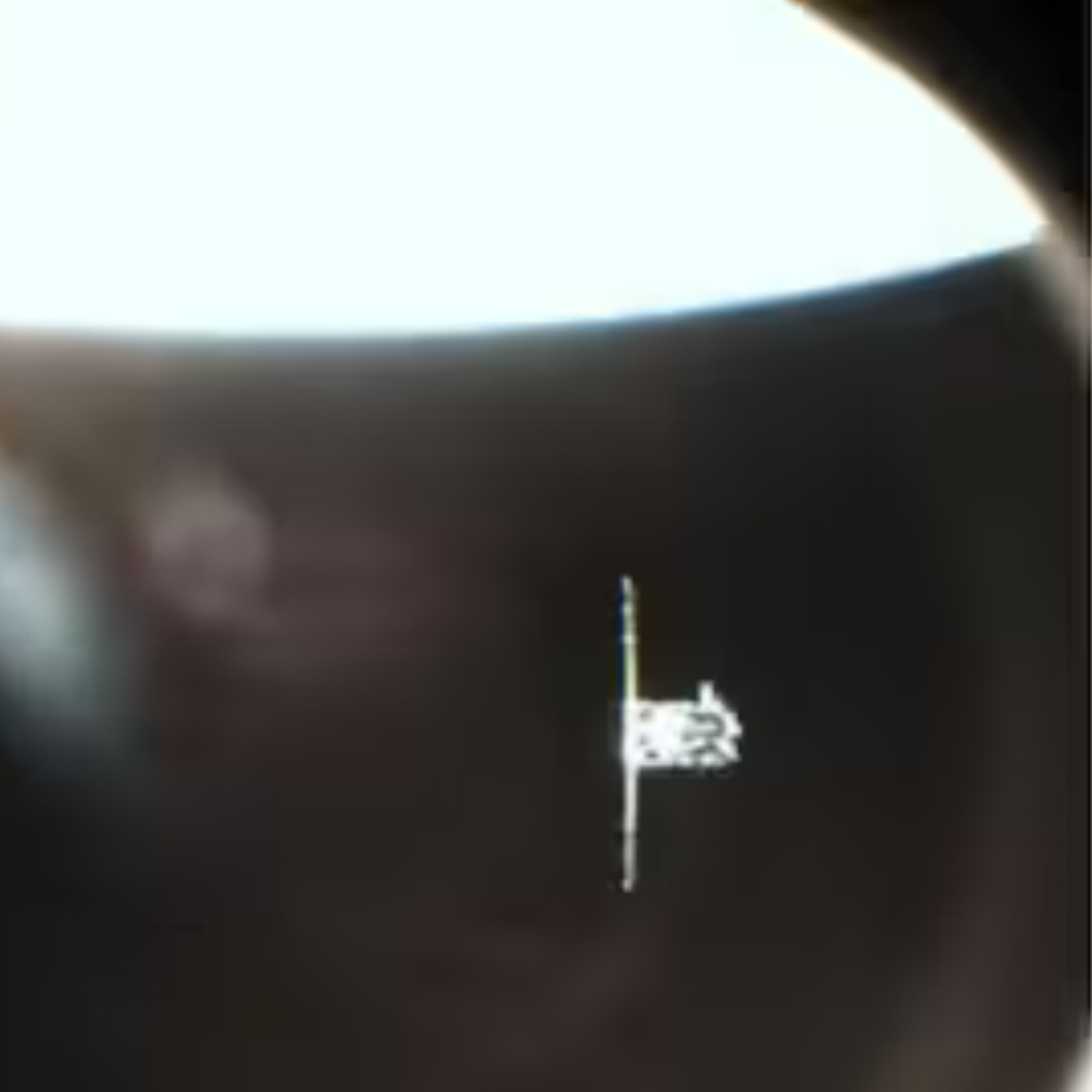
ISRO’s Space Docking Experiment (SpaDeX) is making progress as satellites SDX01 and SDX02 approach each other for docking. Currently, the satellites are 15 metres apart and holding position, ISRO announced. A trial attempt to close the gap to 3 metres was conducted, with the spacecraft later moved to a safe distance for further analysis. The mission, launched on December 30, 2024, aims to demonstrate in-space docking technology, crucial for future projects like the Bharatiya Antariksh Station and lunar astronaut missions. If successful, India will join three other nations in mastering this complex space technology.