Brief by Shorts91 Newsdesk / 04:59pm on 16 Jul 2026,Thursday Science
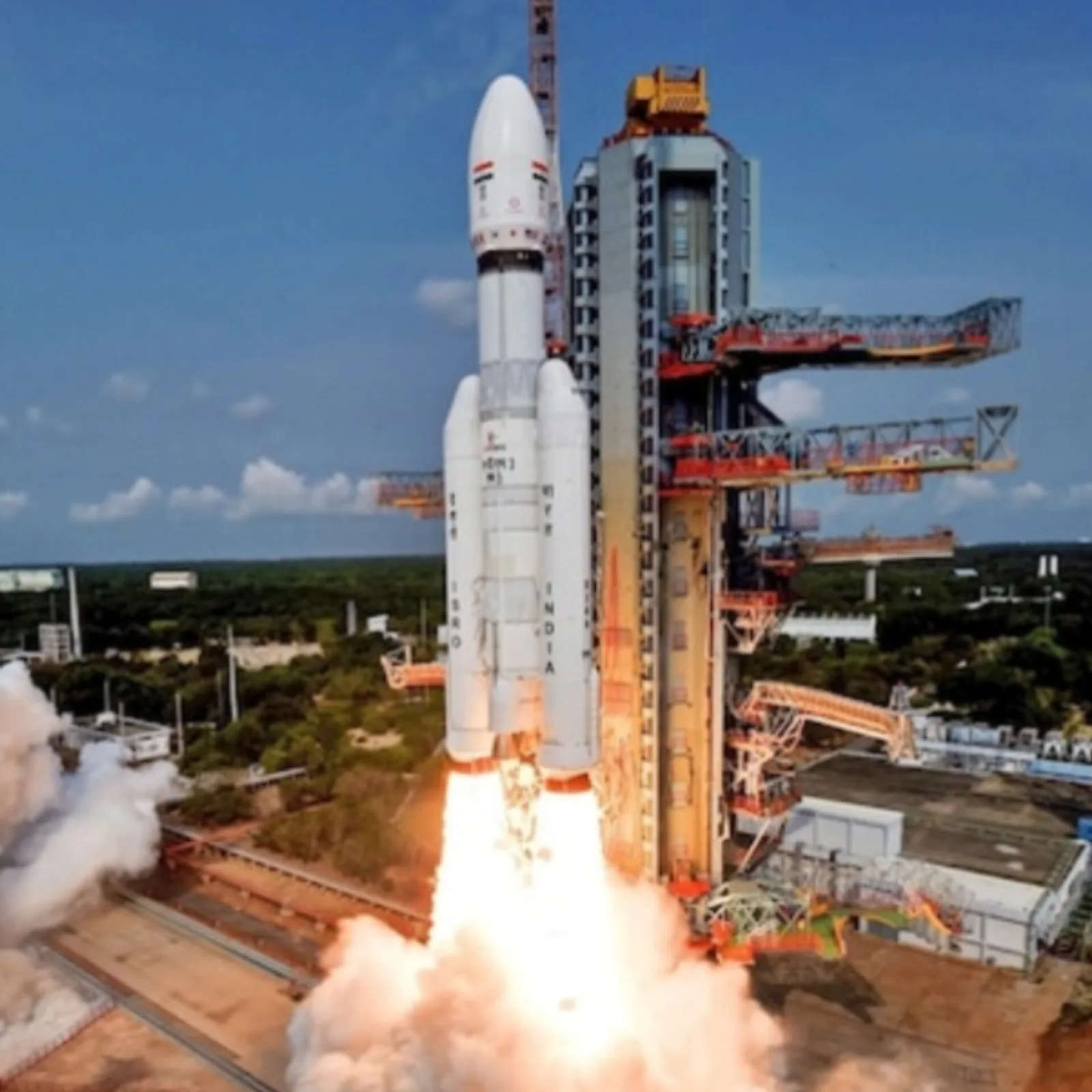
India’s first privately developed orbital rocket, Vikram-1, built by Hyderabad-based Skyroot Aerospace, is scheduled for its maiden launch from Sriharikota on July 18 at 11:30 am. The seven-storey launch vehicle will carry four Indian and international technology demonstration payloads, marking India’s private sector’s entry into the global orbital launch market. The mission will evaluate propulsion, stage separation, guidance, navigation, control and overall flight performance. Designed to carry satellites weighing up to 350 kg into Low Earth Orbit, Vikram-1 features an all-carbon composite structure, 3D-printed engines and solid-fuel boosters. The mission follows Skyroot’s successful Vikram-S suborbital launch in November 2022 and aims to establish regular commercial launch capability.
Brief by Shorts91 Newsdesk / 10:20am on 16 Jul 2026,Thursday Science
The Department of Space has tightened resignation and voluntary retirement rules for Isro scientists after more than 100 experienced personnel reportedly left the organisation in recent months. Scientists working on critical missions, including Gaganyaan, Chandrayaan and SpaDeX, will now need approval from the Department of Space before leaving. The move follows concerns over the loss of mission-specific expertise, with several senior scientists among those who resigned. Isro Chairman V. Narayanan said replacements would take over important responsibilities, but the government aims to ensure that major national space projects are not disrupted by the growing number of exits. (PC: India Today)
Brief by Shorts91 Newsdesk / 07:55am on 16 Jul 2026,Thursday Science
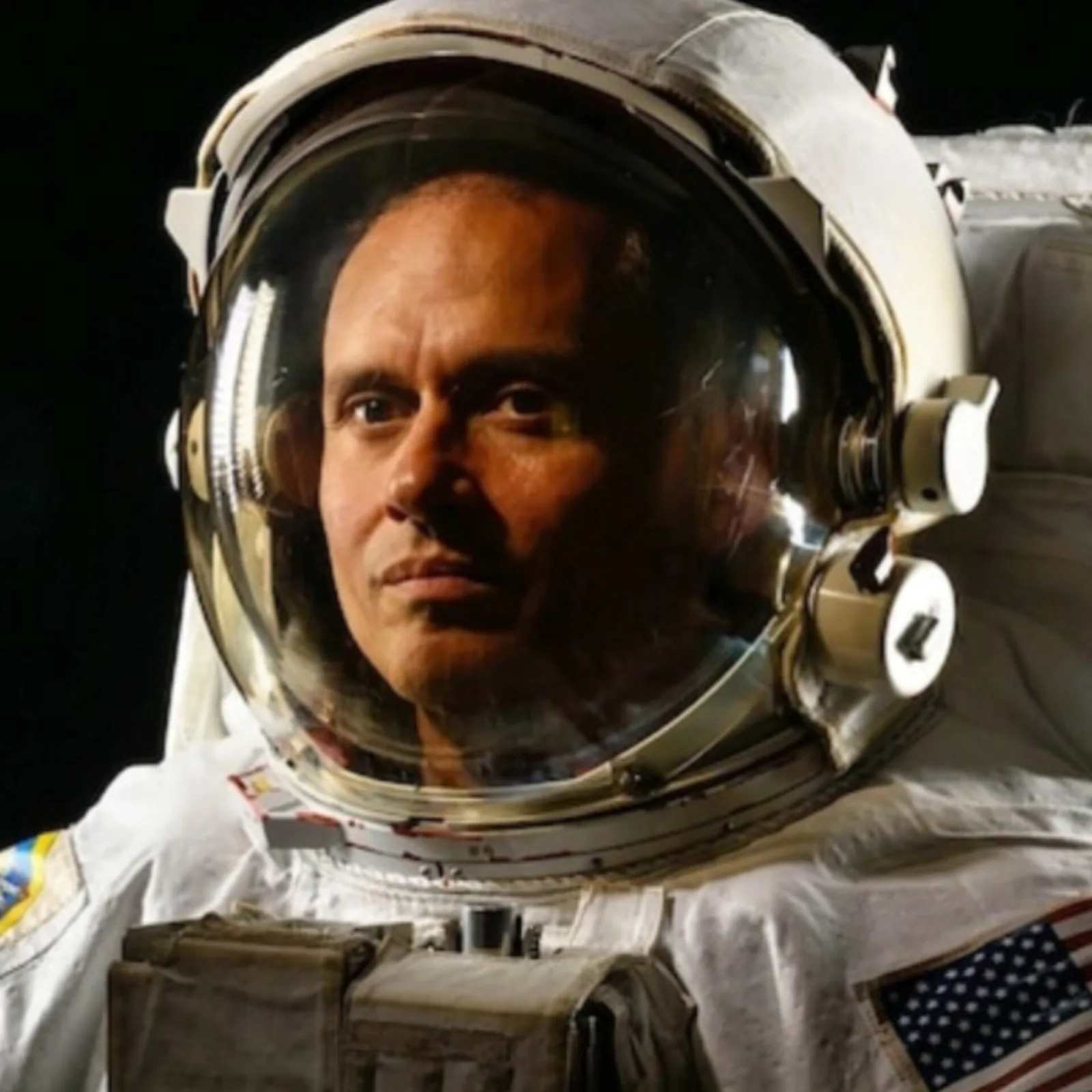
Indian-origin NASA astronaut Anil Menon has shared his first message from the International Space Station (ISS) after arriving for an 8-month scientific mission. In a video recorded on his first day in orbit, Menon thanked his family, former SpaceX colleagues, the US Space Force and NASA for supporting his journey to space. He said the ISS would serve as a stepping stone for future missions to the Moon and Mars. Menon, the first NASA astronaut of Malayali heritage to travel to space, reached the ISS aboard Russia's Soyuz MS-29 spacecraft with 2 Russian cosmonauts.
Brief by Shorts91 Newsdesk / 07:31pm on 14 Jul 2026,Tuesday Science
Indian-origin NASA astronaut Anil Menon has arrived at the International Space Station after the Soyuz MS-29 spacecraft successfully docked. He travelled with Russian cosmonauts Pyotr Dubrov and Anna Kikina. The crew will spend about eight months on the station before returning to Earth in April 2027. Menon will carry out scientific research on human health, artificial intelligence, semiconductor manufacturing and medical technology in microgravity. The mission will also include experiments in biology, physics, materials science and Earth observation. Scientists hope the research will support future Moon and Mars missions while also improving healthcare and technology on Earth. (PC: NASA)
Brief by Shorts91 Newsdesk / 03:20pm on 14 Jul 2026,Tuesday Science
Indian-origin NASA astronaut Anil Menon has begun an eight-month mission aboard the International Space Station after launching from the Baikonur Cosmodrome with two Russian cosmonauts aboard a Soyuz spacecraft. A physician specialising in emergency and aerospace medicine, Menon will conduct advanced scientific experiments while also serving as a research subject. His mission includes testing AI-assisted ultrasound technology for space healthcare, manufacturing high-quality semiconductors in microgravity, studying the effects of prolonged weightlessness on human health, and exploring space-based bioprinting of biological tissues. The research aims to improve medical care, advance technology on Earth, and support NASA's Artemis programme and future crewed missions to the Moon and Mars.
Brief by Shorts91 Newsdesk / 02:56pm on 13 Jul 2026,Monday Science
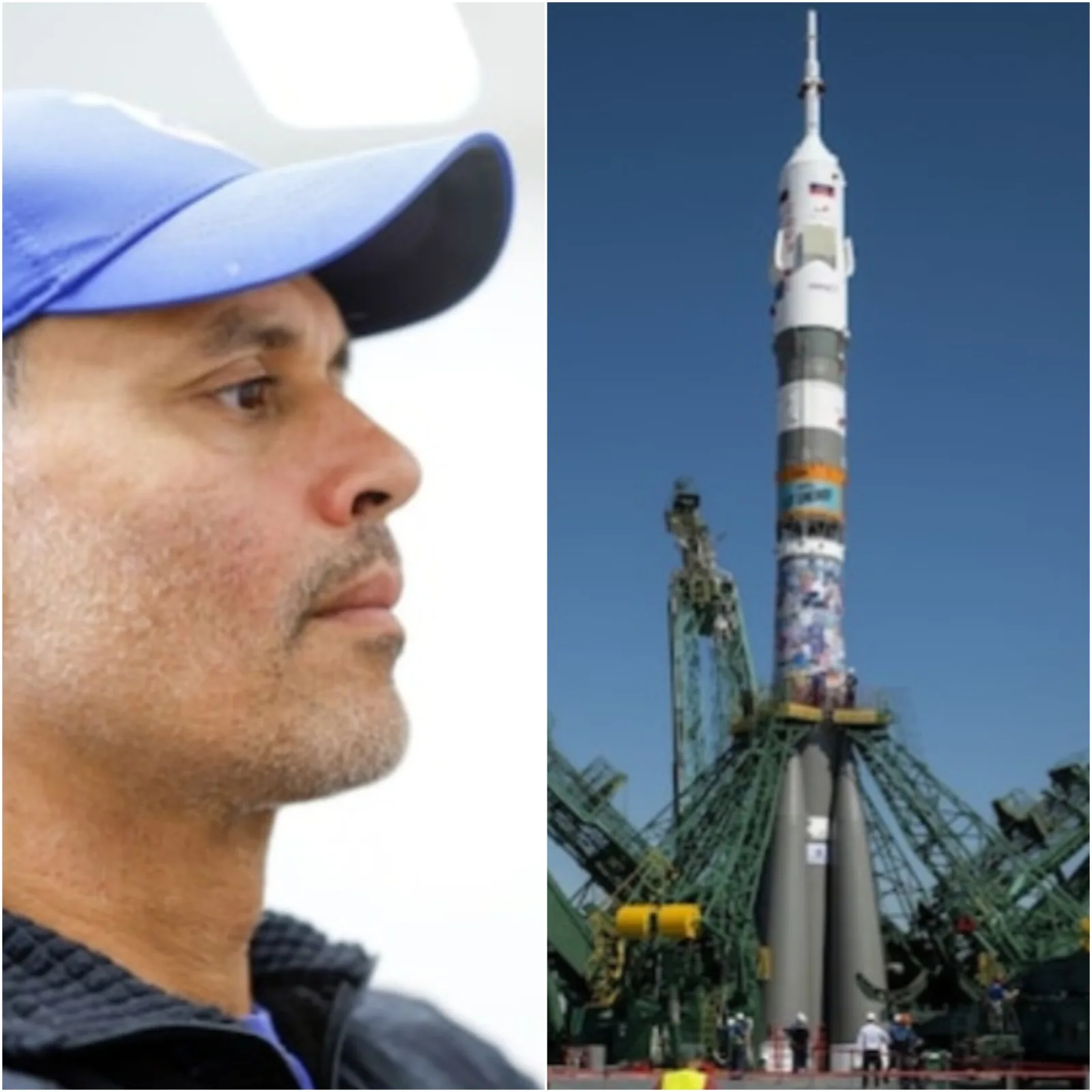
Indian-origin NASA astronaut Anil Menon will begin his first space mission on July 15. He will travel to the International Space Station aboard the Soyuz MS-29 spacecraft from Kazakhstan. The mission will last about 240 days. Menon will work with astronauts from the United States, Russia and Europe. He will carry out research on microgravity, artificial intelligence, heart health and tissue printing. The studies will support future missions to the Moon and Mars. They may also improve medical care on Earth. Menon, a doctor and engineer, was selected as a NASA astronaut in 2021 and is making his first spaceflight. (PC: X/Anil Menon)
Brief by Shorts91 Newsdesk / 03:23am on 08 Jul 2026,Wednesday Science
India's private space sector is set for a defining moment as Skyroot Aerospace prepares to launch Vikram-1, the country's first privately developed orbital rocket, between July 12 and August 4 from Sriharikota. Mission Aagaman aims to place payloads into a 450-km low-Earth orbit, marking a potential breakthrough during ISRO's launch pause following two PSLV failures. Built with 95% indigenous components, Vikram-1 reflects India's growing deep-tech capabilities. Backed by a $60 million funding round that made Skyroot India's first space-tech unicorn, the company is targeting global customers. Experts say the launch could accelerate India's commercial space ecosystem, provided sustained investment, government support and global competitiveness continue beyond a single mission.
Brief by Shorts91 Newsdesk / 10:04am on 25 Jun 2026,Thursday Science
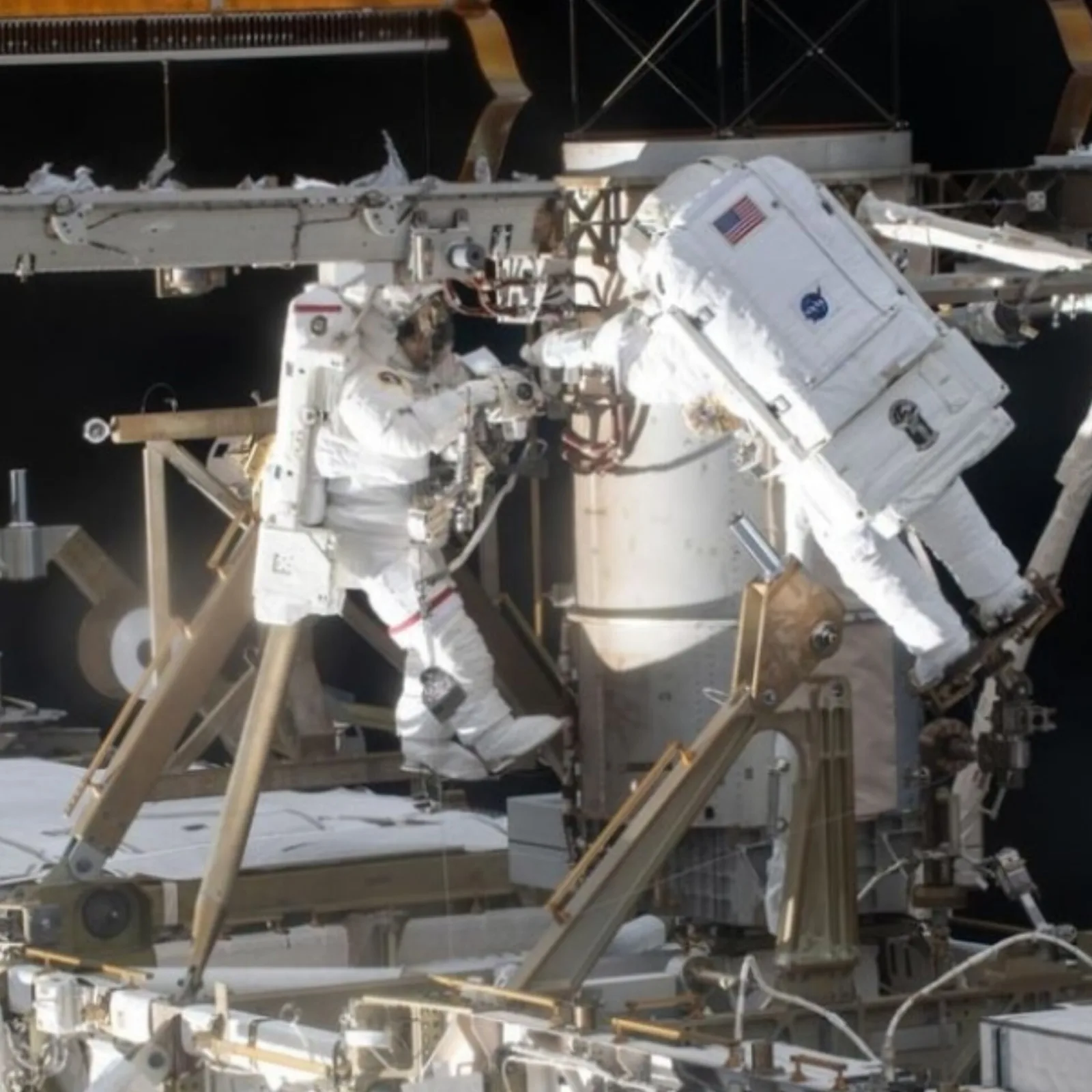
NASA astronauts Chris Williams and Jessica Meir will carry out a spacewalk outside the International Space Station (ISS) on June 30 to replace a faulty wrist joint on the Canadarm2 robotic arm. The mission is scheduled to begin at 8:35 a.m. EDT (6:05 p.m. IST) and is expected to last about six hours and 40 minutes. NASA and the Canadian Space Agency decided the damaged component must be replaced during a spacewalk after investigating the malfunction. A spare wrist joint already aboard the ISS will be installed to restore the robotic arm's full range of motion and support future station operations. (PC: HT)

Brief by Shorts91 Newsdesk / 05:06am on 23 Jun 2026,Tuesday Science
A remarkable turnaround story from India’s growing private space sector, Pawan Kumar Chandana transformed early academic struggles into entrepreneurial success. After scoring just 51 marks in mathematics during school, Chandana improved through IIT-JEE preparation, secured admission to Indian Institute of Technology Kharagpur, and later joined Indian Space Research Organisation as a scientist. In 2018, he left ISRO to co-found Skyroot Aerospace with Naga Bharath Daka. The company achieved a historic milestone by launching India’s first privately developed rocket and recently reached a valuation of about $1.1 billion. Skyroot is now preparing for the orbital launch of its Vikram-1 rocket. (PC: MJF World)
Brief by Shorts91 Newsdesk / 05:11am on 22 Jun 2026,Monday Science
The official FIFA World Cup 2026 match ball, Trionda, has completed an extraordinary pre-tournament mission aboard the International Space Station as part of a NASA-backed experiment studying football dynamics in microgravity. Astronauts examined how a ball’s internal mass distribution affects motion, stability and spin, helping researchers better understand the impact of embedded technologies such as match-ball sensors. The study builds on earlier ISS research and highlights the growing intersection of sports and space science. Named after the three host nations including the United States, Canada and Mexico, Trionda features a four-panel design and advanced 500Hz connected-ball technology for enhanced accuracy and performance.