Brief by Shorts91 Newsdesk / 06:32pm on 24 Aug 2024,Saturday Science
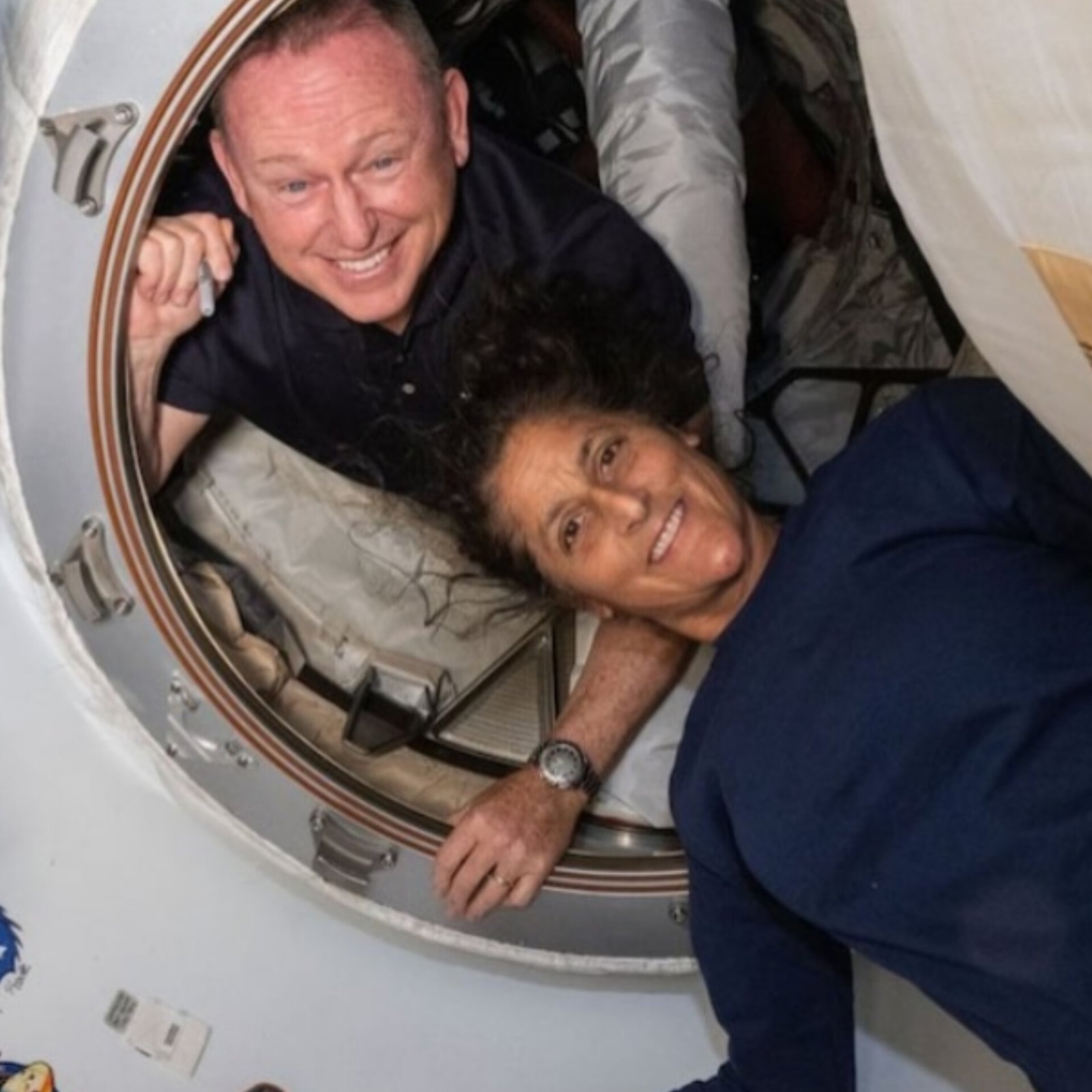
NASA announced that astronauts Sunita Williams and Butch Wilmore will remain aboard the International Space Station (ISS) until February 2025. They were originally scheduled to return this year, but NASA decided to return Boeing's Starliner spacecraft to Earth uncrewed due to safety concerns. NASA Administrator Bill Nelson emphasized that "spaceflight is risky, even at its safest and most routine," explaining the need to prioritize safety. Starliner experienced issues with helium leaks and thrusters during its approach to the ISS in June. Williams and Wilmore will continue their science work on the ISS while Starliner undergoes further analysis.
Brief by Shorts91 Newsdesk / 02:02pm on 24 Aug 2024,Saturday Science
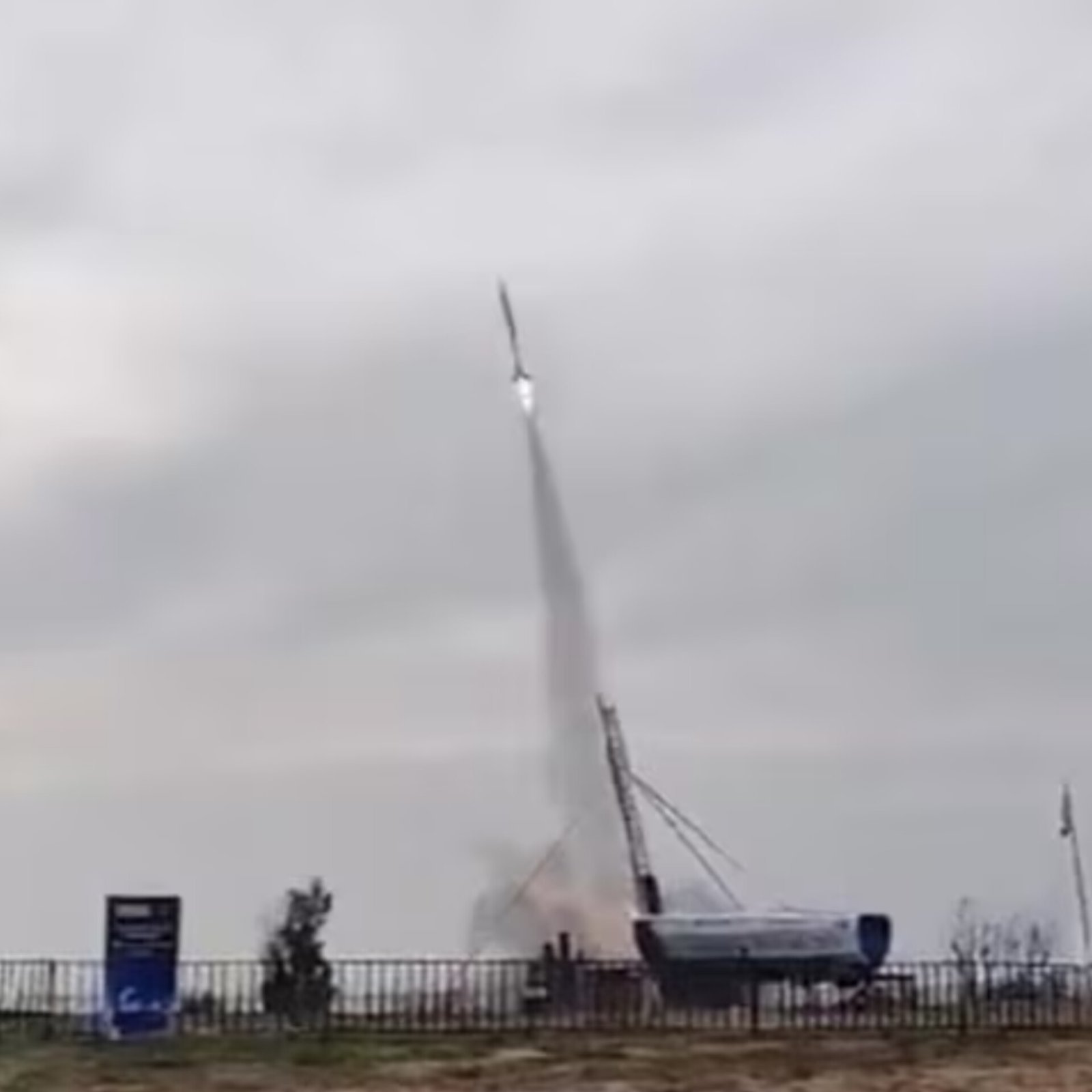
India has successfully launched its first reusable hybrid rocket, RHUMI-1, from Chennai's Thiruvidandhai on August 24, 2024. Developed by Space Zone India in collaboration with Martin Group, RHUMI-1 carries three Cube Satellites and 50 PICO Satellites. The rocket, utilizing a hybrid motor and eco-friendly technologies, is designed for climate change data collection and environmental monitoring. It features adjustable launch angles and a CO2-triggered parachute system for safe recovery. This mission, led by Anand Megalingam and guided by Dr. Mylswamy Annadurai, marks a significant advancement in India’s space technology.
Brief by Shorts91 Newsdesk / 12:27pm on 24 Aug 2024,Saturday Science
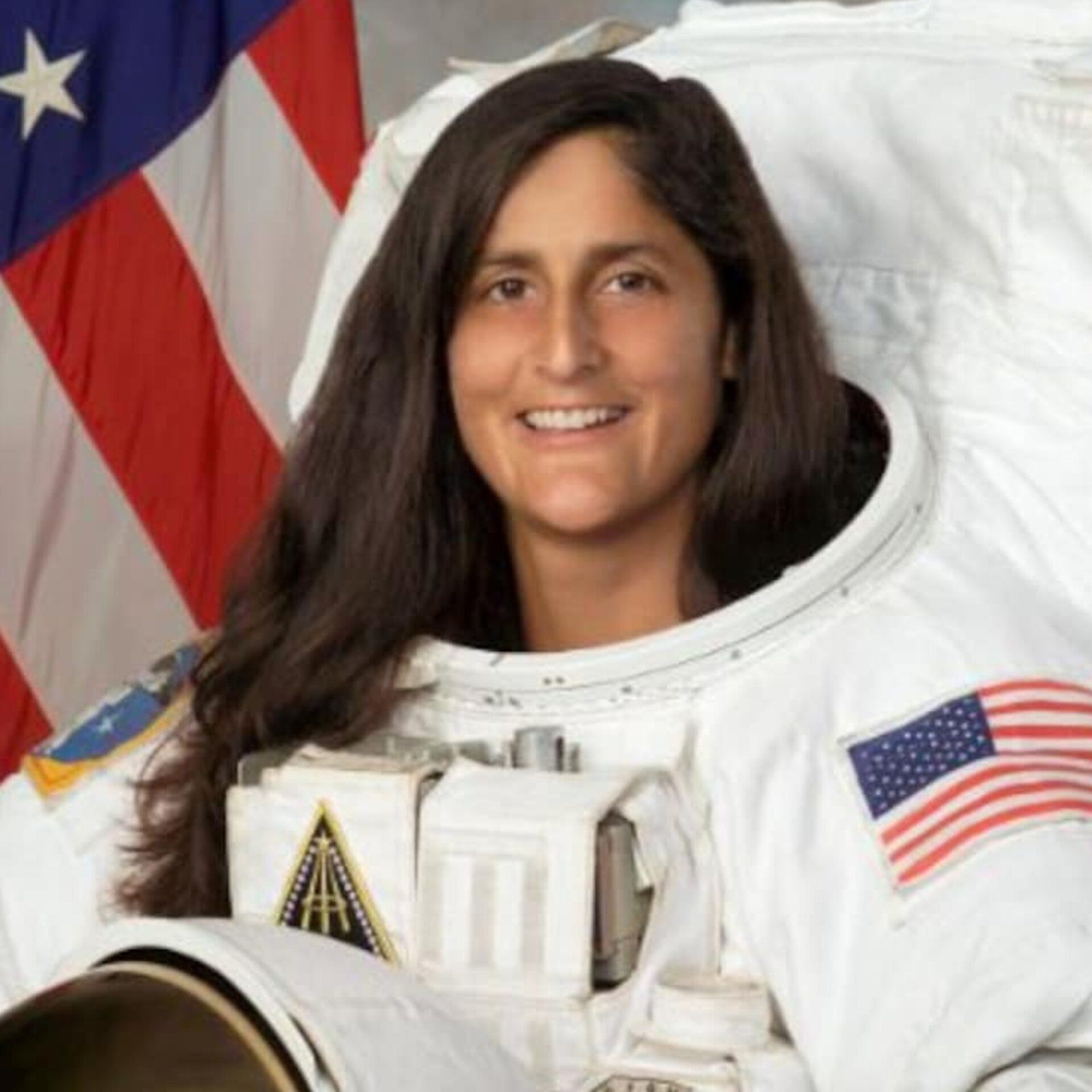
NASA astronaut Sunita Williams and her crewmate Barry Wilmore have spent eighty days in space, far exceeding their original eight-day mission aboard Boeing’s Starliner. The mission has faced delays due to helium leaks and thruster malfunctions, which have postponed their return. NASA and Boeing are working to resolve the technical issues and will provide an update during a press conference. The astronauts have integrated with the International Space Station crew, continuing routine tasks. NASA selected Boeing’s Starliner and SpaceX’s Crew Dragon for its private Crew Program to transport astronauts to and from the ISS.
Brief by Shorts91 Newsdesk / 10:16am on 22 Aug 2024,Thursday Science
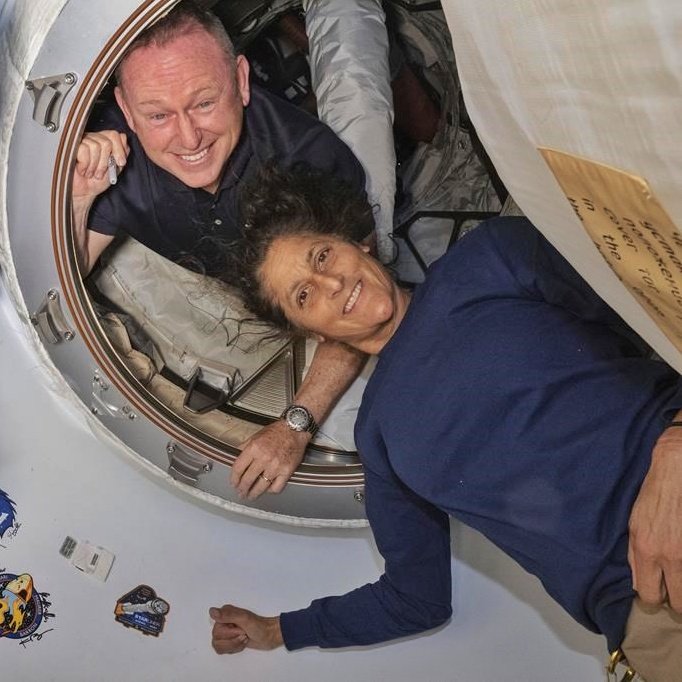
Atronauts Sunita Williams and Butch Wilmore's return from space has been delayed by 8 months due to issues with the Boeing Starliner spacecraft. Former US military space systems commander Rudy Ridolfi warns of risks, including oxygen shortage if the spacecraft re-enters Earth's atmosphere at the wrong angle. With only 96 hours of oxygen on board, NASA is racing to resolve technical problems and ensure a safe return. Ridolfi highlights two more possible scenarios, emphasizing the need for urgent solutions to avoid catastrophic consequences.
Brief by Shorts91 Newsdesk / 06:43pm on 20 Aug 2024,Tuesday Science
NASA astronauts Sunita Williams and Butch Wilmore are dealing with extreme conditions in space, including recycling urine for drinking water and managing floating waste. Williams and Wilmore, currently on a mission aboard the International Space Station, have reported significant challenges in maintaining hygiene and ensuring the cleanliness of their environment. These difficulties are part of the broader issues faced by astronauts in long-term space missions. Their experiences highlight the ongoing challenges of space travel and the importance of advancements in technology to support astronauts' health and well-being.
Brief by Shorts91 Newsdesk / 01:09pm on 19 Aug 2024,Monday Science
ISRO Chief S. Somanath has highlighted that the situation where NASA astronaut Sunita Williams is stuck in space for over 60 days will provide valuable lessons for India’s Gaganyaan mission. Williams and Butch Wilmore are facing delays with Boeing’s Starliner undocking from the ISS. Somanath emphasized that Gaganyaan must account for potential technical issues and contingency scenarios. Despite media descriptions of Williams as “stuck,” Somanath described it as an extended stay and stressed the importance of learning from such experiences. NASA is exploring options with SpaceX to address the issue, though spacesuit compatibility poses challenges.

Brief by Shorts91 Newsdesk / 05:44am on 19 Aug 2024,Monday Science
A 10-year-old girl, Tegan, discovered what may be dinosaur footprints on the South Wales coast. While walking with her mother at Lavernock Point, Tegan found large footprints in red siltstone, which experts believe could belong to a Camelot, a Triassic-era herbivore. The footprints, spaced up to 75 cm apart, are under investigation by paleontologists. Cindy Howells, a seasoned expert, noted the consistent stride pattern and is optimistic about the discovery's authenticity. The discovery has excited Tegan and her mother, turning an ordinary beach day into a thrilling adventure.
Brief by Shorts91 Newsdesk / 06:03pm on 17 Aug 2024,Saturday Science
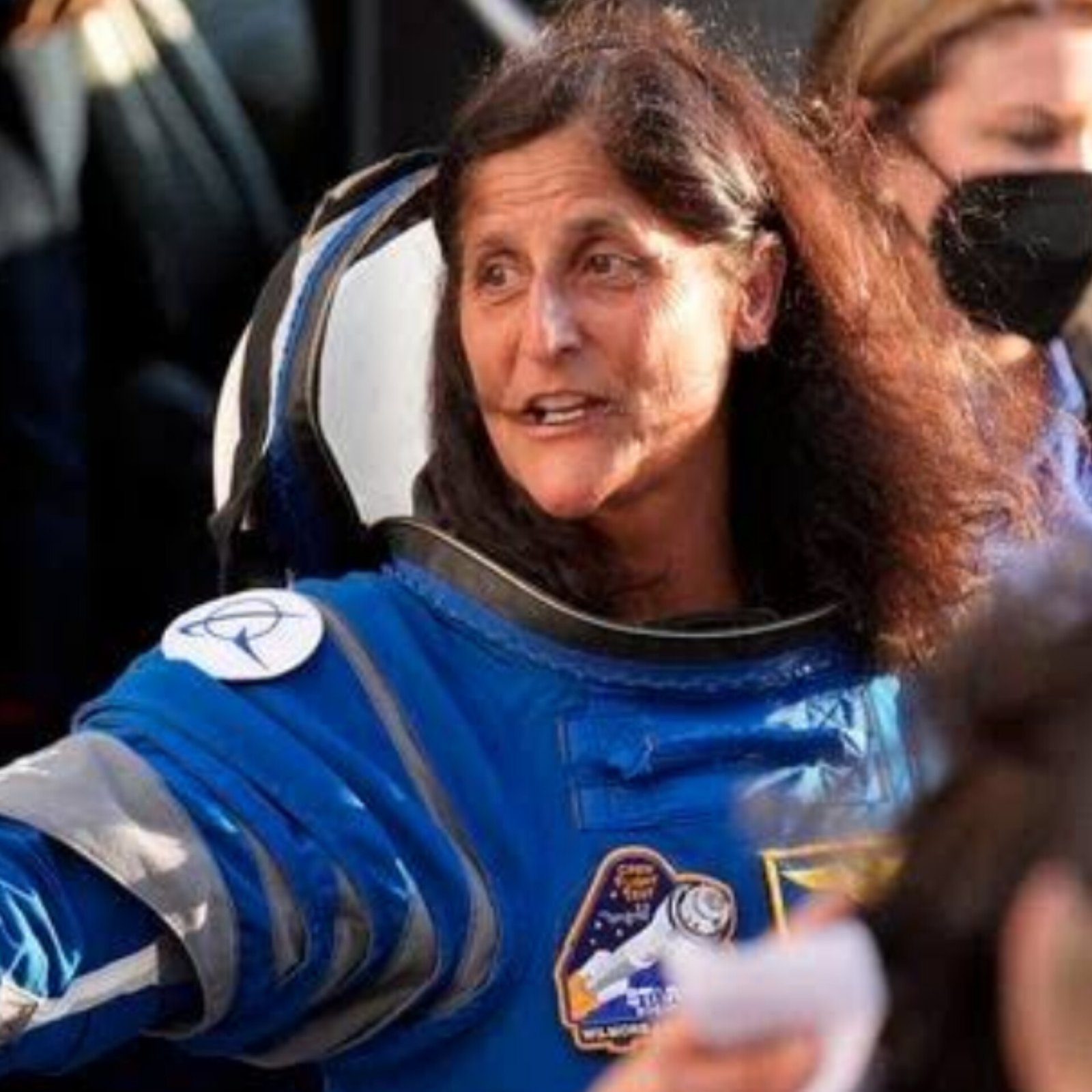
Astronaut Sunita Williams, currently aboard the International Space Station (ISS) with Barry Wilmore, is reportedly experiencing eyesight issues related to Spaceflight Associated Neuro-ocular Syndrome (SANS). This condition, caused by prolonged microgravity exposure, affects fluid distribution and vision clarity. Williams’ return aboard Boeing’s Starliner has been delayed, prompting NASA to explore alternatives, including SpaceX’s Crew Dragon mission. Scheduled for September 2024, this mission will extend their space stay to over eight months instead of the planned eight days, with a return expected in February 2025.
Brief by Shorts91 Newsdesk / 04:59am on 17 Aug 2024,Saturday Science
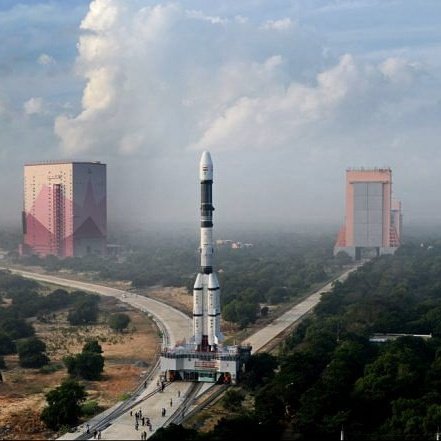
The Indian Space Research Organisation (ISRO) plans to conduct the first test flight of its human space mission rocket, Gaganyaan, in December 2024. ISRO Chairman Dr. S Somanath announced that the rocket, known as G1, will be a key milestone in India’s efforts to send astronauts into space. The rocket's three stages have already been delivered to the Satish Dhawan Space Centre, while the crew module is being integrated at the Vikram Sarabhai Space Centre in Thiruvananthapuram. All systems required for the test flight are expected to arrive at the launch site by November this year, setting the stage for the December launch.
Brief by Shorts91 Newsdesk / 04:36pm on 14 Aug 2024,Wednesday Science
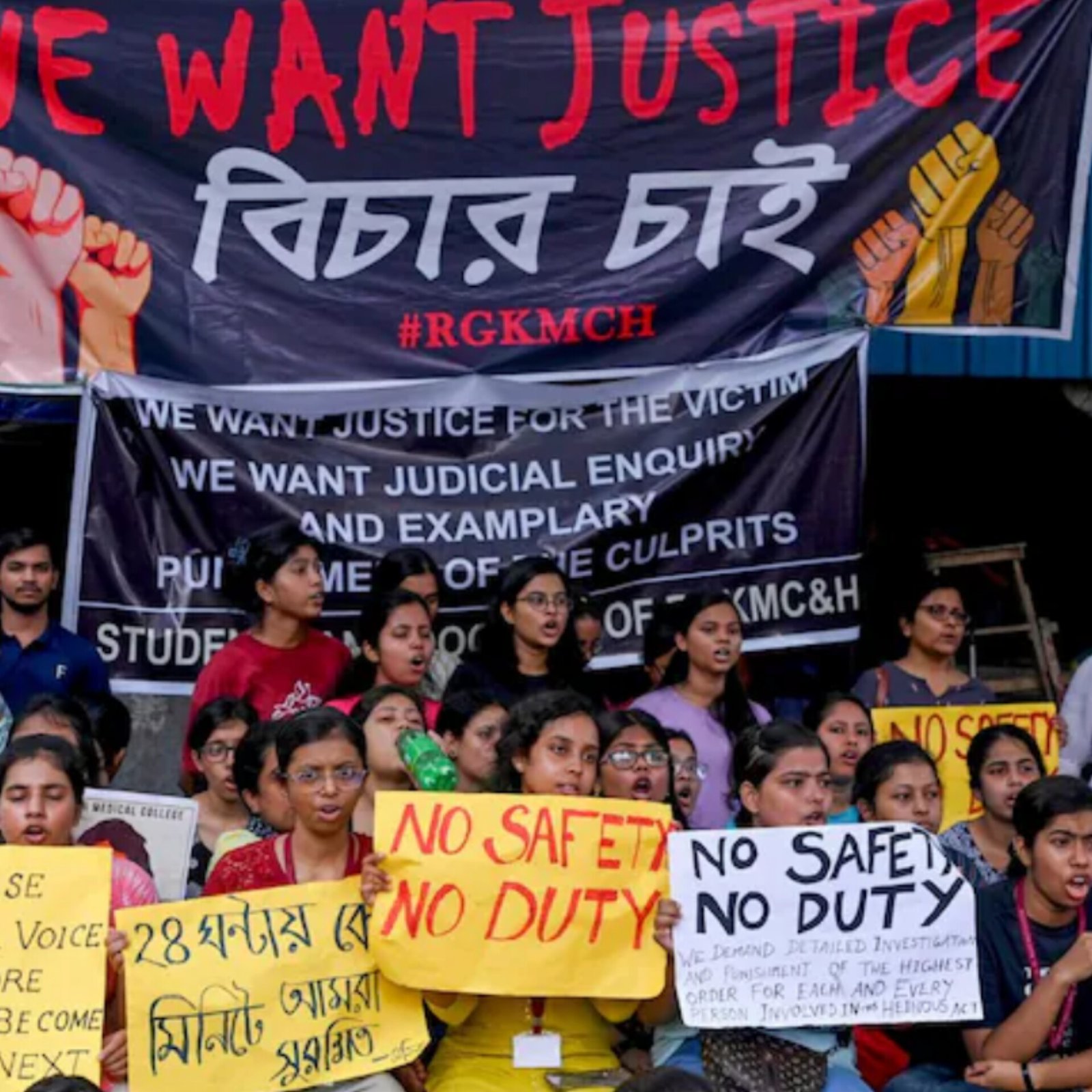
Seniors of the 31-year-old doctor raped and murdered at Kolkata's RG Kar Medical College and Hospital have expressed deep shock and sorrow. Described as a bright and dedicated student, they are devastated by her death. Hasan Mushtaq, a senior, recalled the horror of discovering her body and the shock within the department. Safikul Alam, another senior, emphasized the need for justice. Protests continue as the Central Bureau of Investigation (CBI) takes over the case, and medical professionals demand stronger protections and legislation against violence in the healthcare sector.