
Brief by Shorts91 Newsdesk / 11:52am on 13 Aug 2024,Tuesday Science
Stargazers across the UK enjoyed a spectacular celestial event last night as the Perseids meteor shower coincided with the northern lights. Visible from as far south as Cornwall, the aurora borealis dazzled observers with its vibrant colors while up to 100 meteors per hour streaked across the sky. Notable sights included Tregaron in Wales, where both the Milky Way and meteors were captured alongside the aurora. The rare combination was made possible by the sun’s high activity level, enhancing the visibility of the northern lights. The Met Office predicts diminishing aurora activity as the day progresses.
Brief by Shorts91 Newsdesk / 04:06pm on 12 Aug 2024,Monday Science
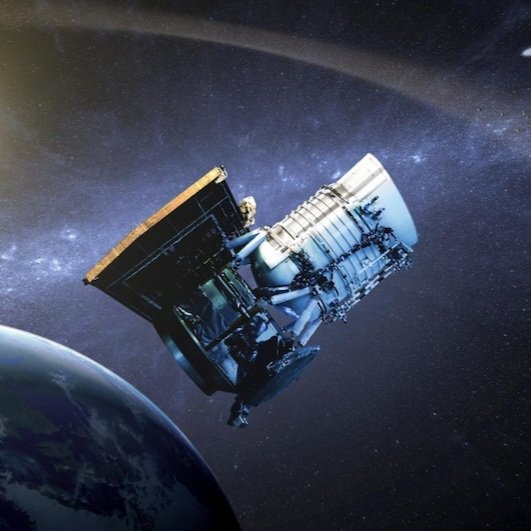
NASA has retired the NEOWISE spacecraft after over a decade of safeguarding Earth from space hazards. Originally launched in 2009 as WISE to map the sky in infrared, NEOWISE later focused on detecting asteroids and comets that could threaten Earth. It discovered over three thousand near-Earth objects and made 1.45 million infrared measurements. NEOWISE's legacy will continue through its data and its successor, NEO Surveyor, launching in 2027 to carry on the mission of space safety.
Brief by Shorts91 Newsdesk / 09:28am on 09 Aug 2024,Friday Science
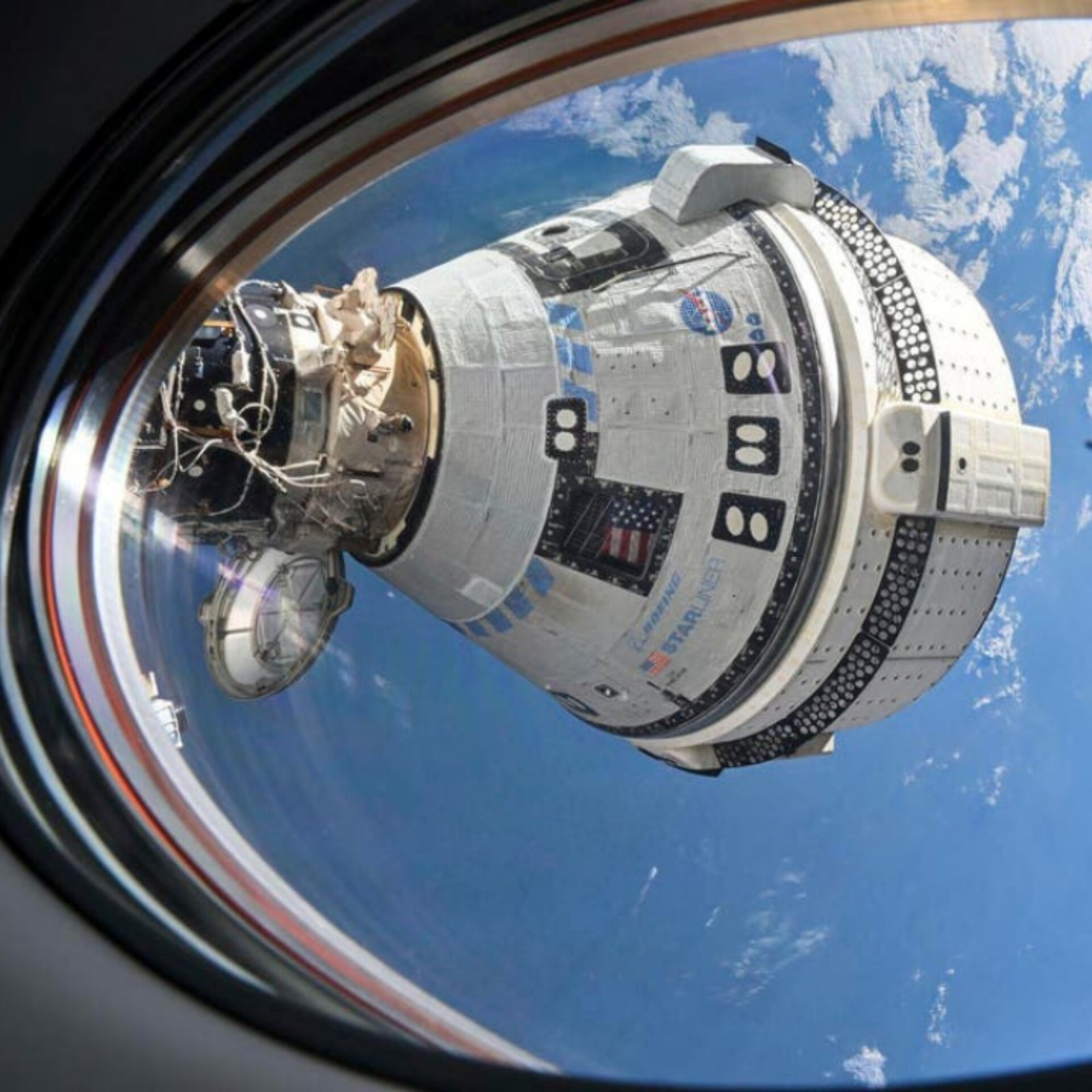
NASA astronauts Butch Wilmore and Suni Williams may remain on the International Space Station (ISS) until February 2025 due to issues with Boeing’s Starliner spacecraft. Originally intended for an eight-day mission, the Starliner has faced delays from thruster failures and helium leaks. NASA is evaluating the spacecraft's readiness for a safe return. If unresolved, the astronauts might return on a SpaceX flight in late September. Boeing is preparing for a possible uncrewed return of the Starliner if necessary, which could result in most of the spacecraft burning up during re-entry.
Brief by Shorts91 Newsdesk / 07:42am on 09 Aug 2024,Friday Science
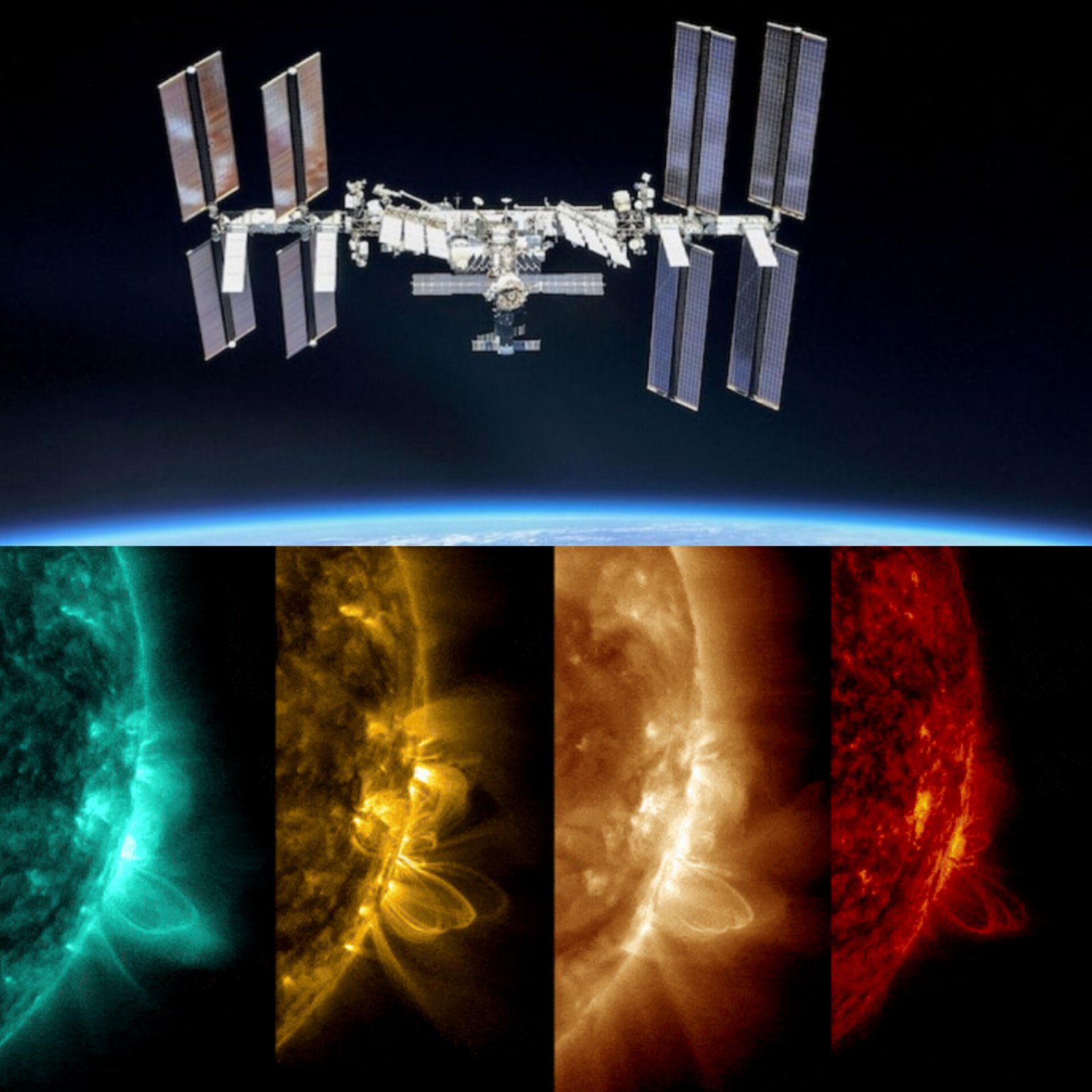
A potent geomagnetic storm is set to hit Earth, caused by a series of coronal mass ejections (CMEs). The most powerful, from an X1.3-class solar flare on August 8, is expected to arrive by August 11. This storm, traveling at over 1,000 km/s, could disrupt satellites, power grids, and communication systems. The National Oceanic and Atmospheric Administration (NOAA) has issued a geomagnetic storm watch. Increased solar activity also means potential for vivid auroras, visible further from the poles than usual.
Brief by Shorts91 Newsdesk / 06:27am on 08 Aug 2024,Thursday Science
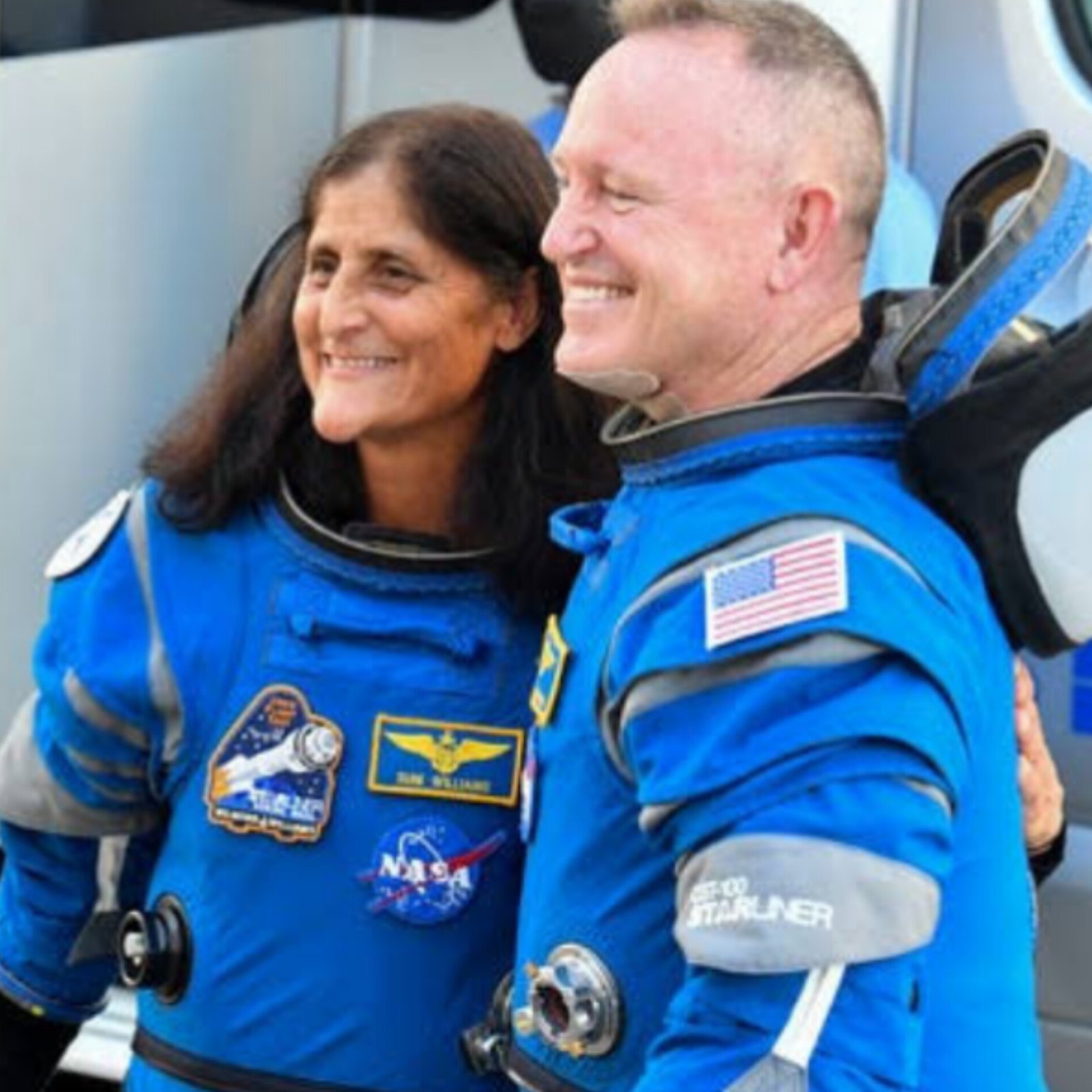
Nasa announced that astronauts Sunita Williams and Butch Wilmore, currently aboard the ISS, might stay in space until February 2025 due to ongoing issues with Boeing's Starliner spacecraft. Originally expected to return in August, their mission has been extended due to thruster failures and helium leaks. With Starliner's safety under scrutiny, Nasa is exploring the possibility of using SpaceX's Crew Dragon for their return. The decision hinges on further evaluations of Starliner, with a final choice expected soon. Boeing's Starliner mission, costing $1.6 billion, faces significant setbacks.

Brief by Shorts91 Newsdesk / 05:53am on 08 Aug 2024,Thursday Science
Indian wrestler Vinesh Phogat announced her retirement on Thursday following disqualification from the Paris Olympics 2024. Phogat, who was disqualified from the 50 Kg freestyle final for exceeding the weight limit, shared an emotional message on X: “Maa kushti jeet gayi, main haar gayi” (Wrestling has defeated me, I have lost). In response, Congress paid tribute on Instagram, stating, “Thank you for giving wrestling new dimensions and making the sport beautiful for all of us. You never gave up, whether in public life or in wrestling. The entire country salutes your spirit and courage.”
Brief by Shorts91 Newsdesk / 02:17pm on 07 Aug 2024,Wednesday Science
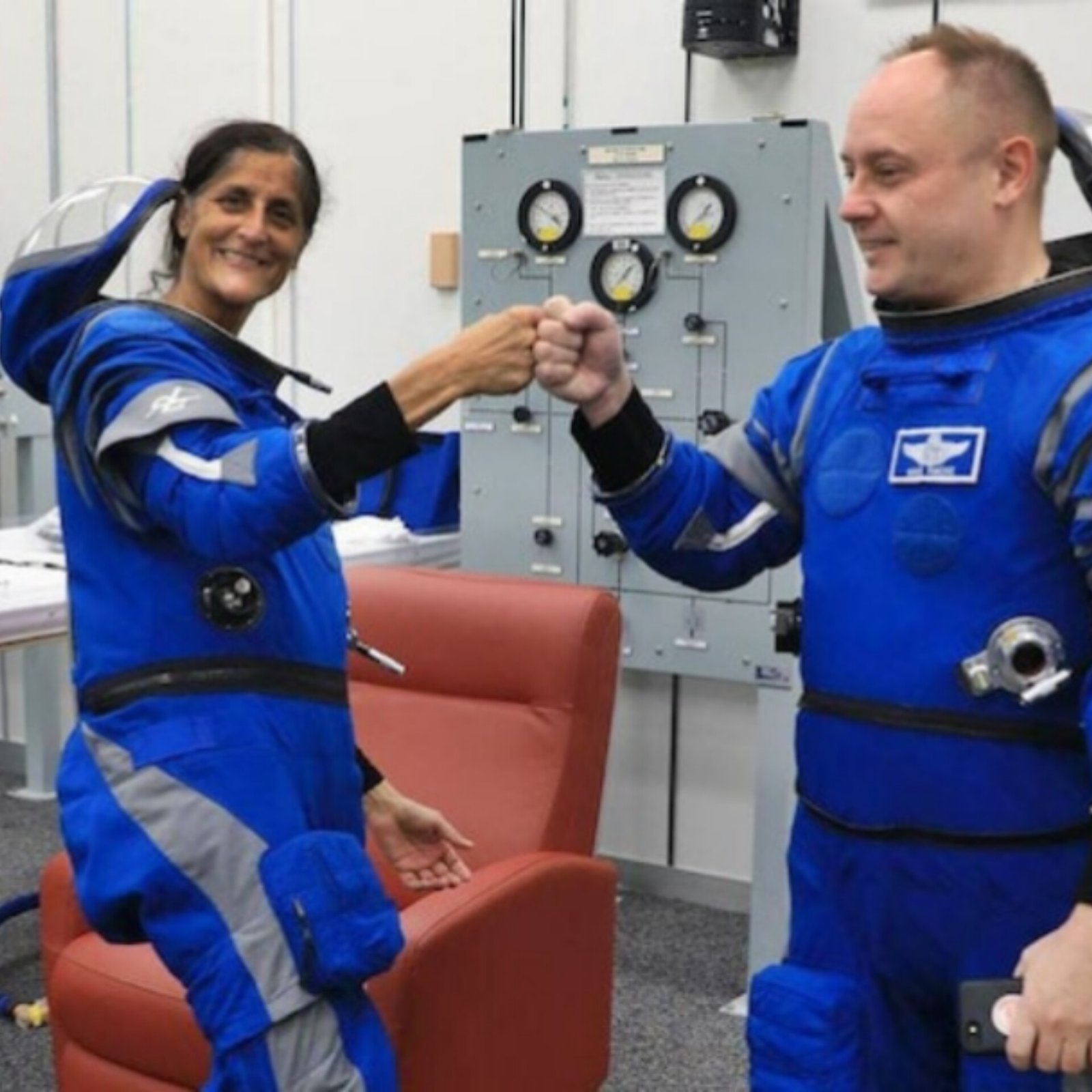
Boeing's Starliner mission, which launched in June, has been extended due to propulsion system issues, costing the company $125 million. The mission, initially expected to last eight days, has faced helium leaks and thruster failures, delaying the return of NASA astronauts Butch Wilmore and Sunita Williams. Boeing's total losses on the Starliner program have reached $1.6 billion. NASA is considering using SpaceX's Crew Dragon for the astronauts' return. The delays have also postponed SpaceX's Crew-9 mission to September. Despite setbacks, Boeing remains optimistic about Starliner's future missions.
Brief by Shorts91 Newsdesk / 06:32am on 06 Aug 2024,Tuesday Science
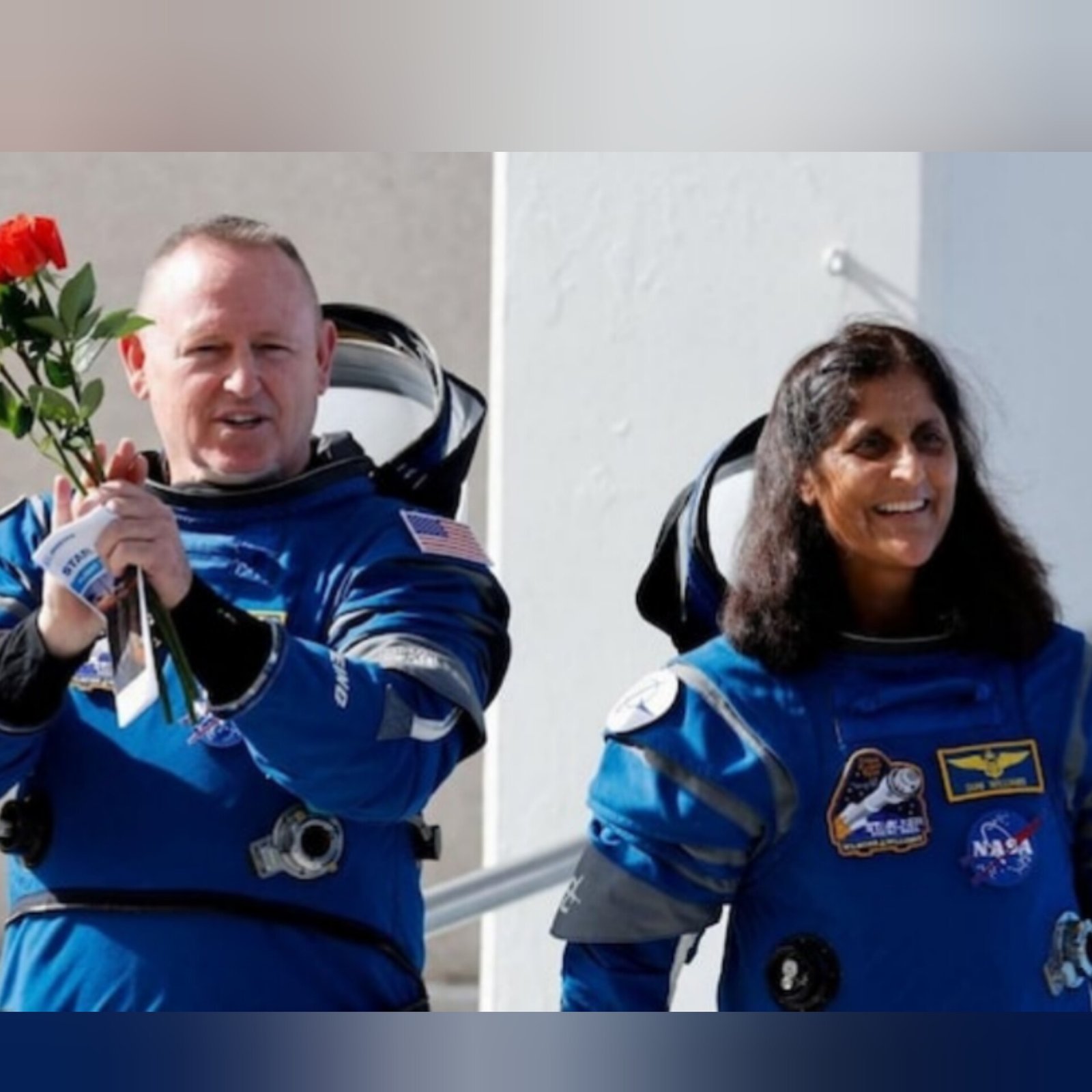
NASA faces a critical 19-day deadline to return astronauts Sunita Williams and Butch Wilmore from the ISS due to technical issues with their Boeing Starliner spacecraft. The spacecraft, docked at the ISS since June 13, 2024, has malfunctioning thrusters and helium system leaks, delaying the return. With the Crew-9 mission set to launch on August 18, 2024, and needing the docking port, NASA may consider using a SpaceX Dragon capsule for the return. Engineers are working urgently to resolve the issues to ensure Williams and Wilmore’s safe return.
Brief by Shorts91 Newsdesk / 11:55am on 04 Aug 2024,Sunday Science
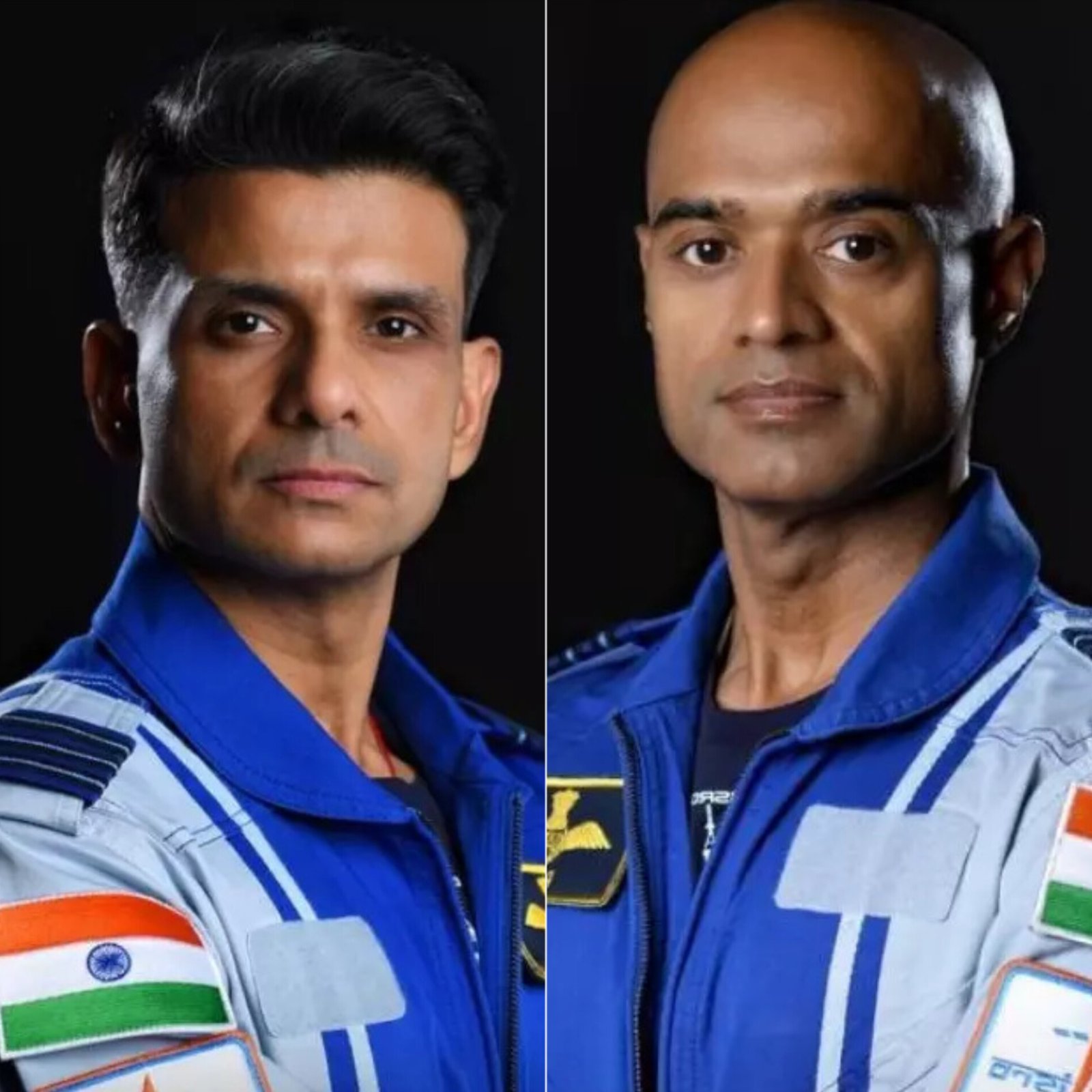
In a landmark move 25 years after the US imposed sanctions on India over nuclear tests, NASA will welcome Indian astronauts Group Captain Shubhanshu Shukla and Group Captain Prasanth Balakrishnan Nair for the Axiom-4 mission. This mission will see them join astronauts from the US, Hungary, and Poland on a SpaceX Falcon-9 and Crew Dragon to the ISS. The sanctions, which restricted advanced technology transfers to ISRO, have given way to a robust partnership. This collaboration reflects a significant shift in Indo-US relations and a renewed commitment to global space exploration.
Brief by Shorts91 Newsdesk / 06:26pm on 02 Aug 2024,Friday Science
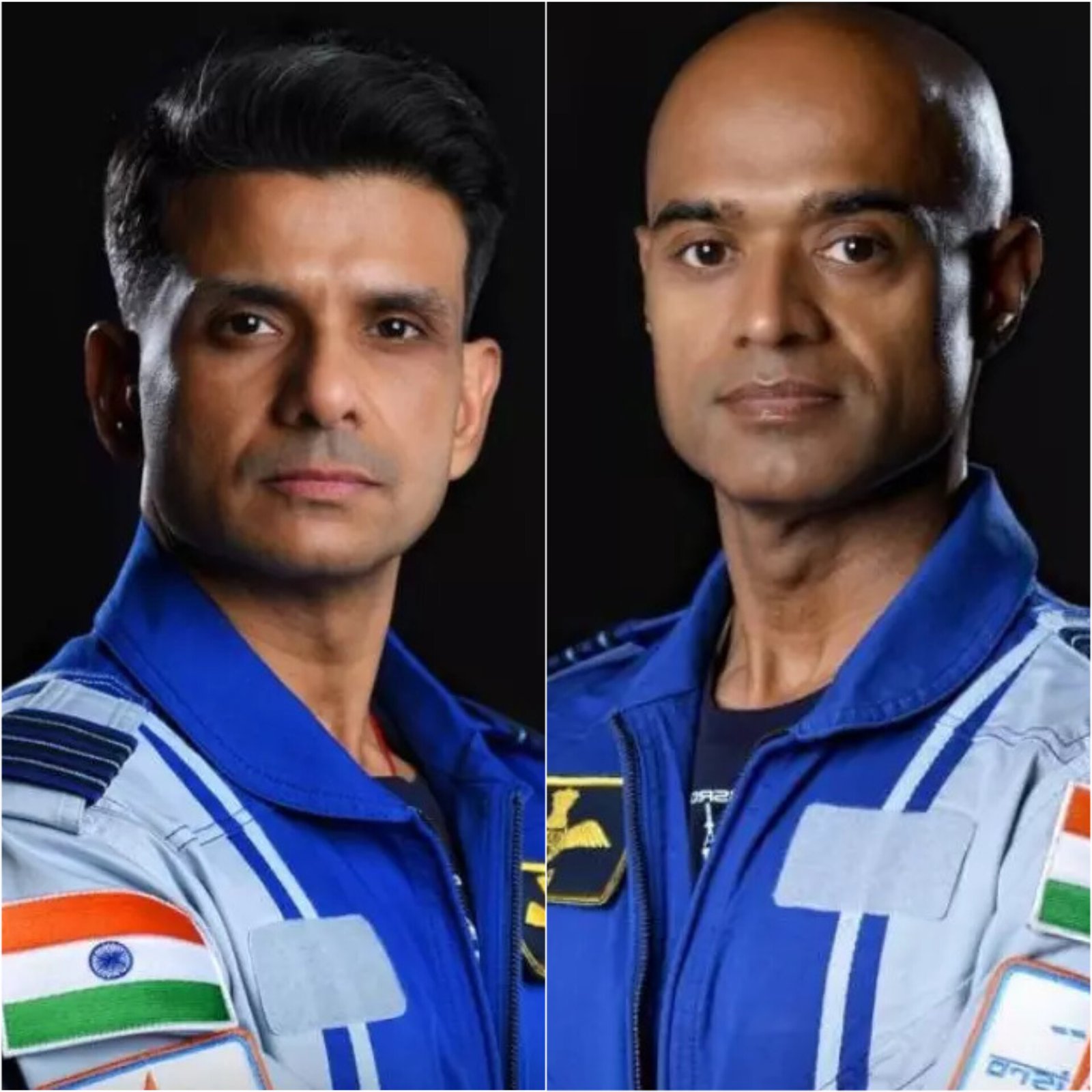
The Indian Space Research Organisation (ISRO) has selected Group Captain Shubhanshu Shukla as the prime astronaut for an upcoming Indo-US mission to the International Space Station (ISS). Shukla, the youngest of ISRO's astronaut-designates, will be the mission pilot, while Group Captain Prashanth Nair will serve as his backup. This mission follows a joint statement from PM Modi's 2023 US visit, enhancing ISRO-NASA cooperation. Training begins in August 2024, marking India's return to manned spaceflight after 40 years. The astronauts will conduct scientific research and technology demonstrations on the ISS.