Brief by Shorts91 Newsdesk / 04:43pm on 02 Jul 2024,Tuesday Science
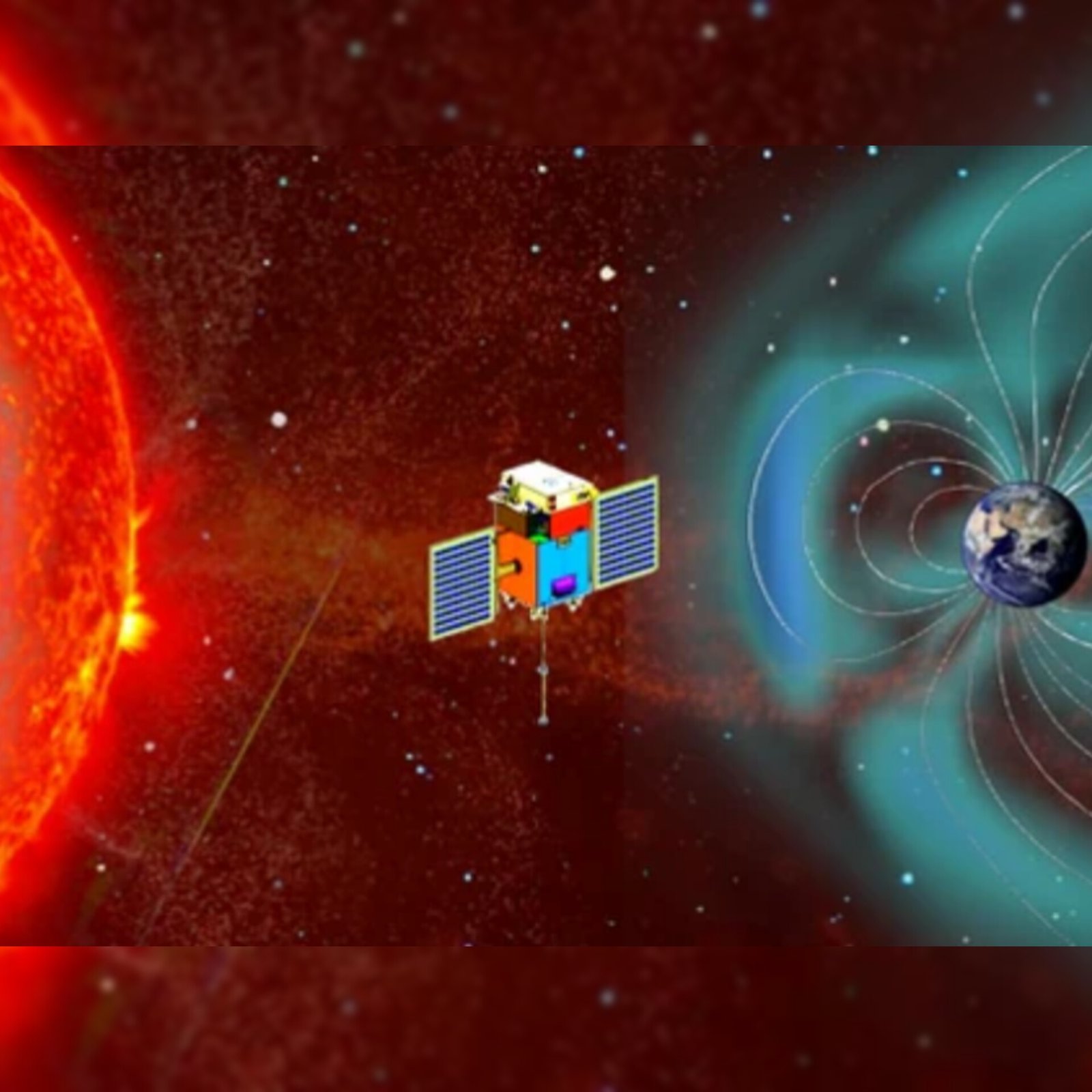
The Indian Space Research Organisation (ISRO) announced that Aditya-L1 has completed its first orbit around the Sun-Earth Lagrangian point 1. The spacecraft, launched to study the Sun's upper atmosphere, achieved this after three station-keeping maneuvers on February 22, June 7, and July 2. These adjustments ensured the spacecraft remained on course. ISRO used advanced flight dynamics software for precise navigation. Aditya-L1 aims to investigate solar phenomena like coronal mass ejections and flares, and study the Sun's chromosphere and corona.
Brief by Shorts91 Newsdesk / 08:45am on 30 Jun 2024,Sunday Science
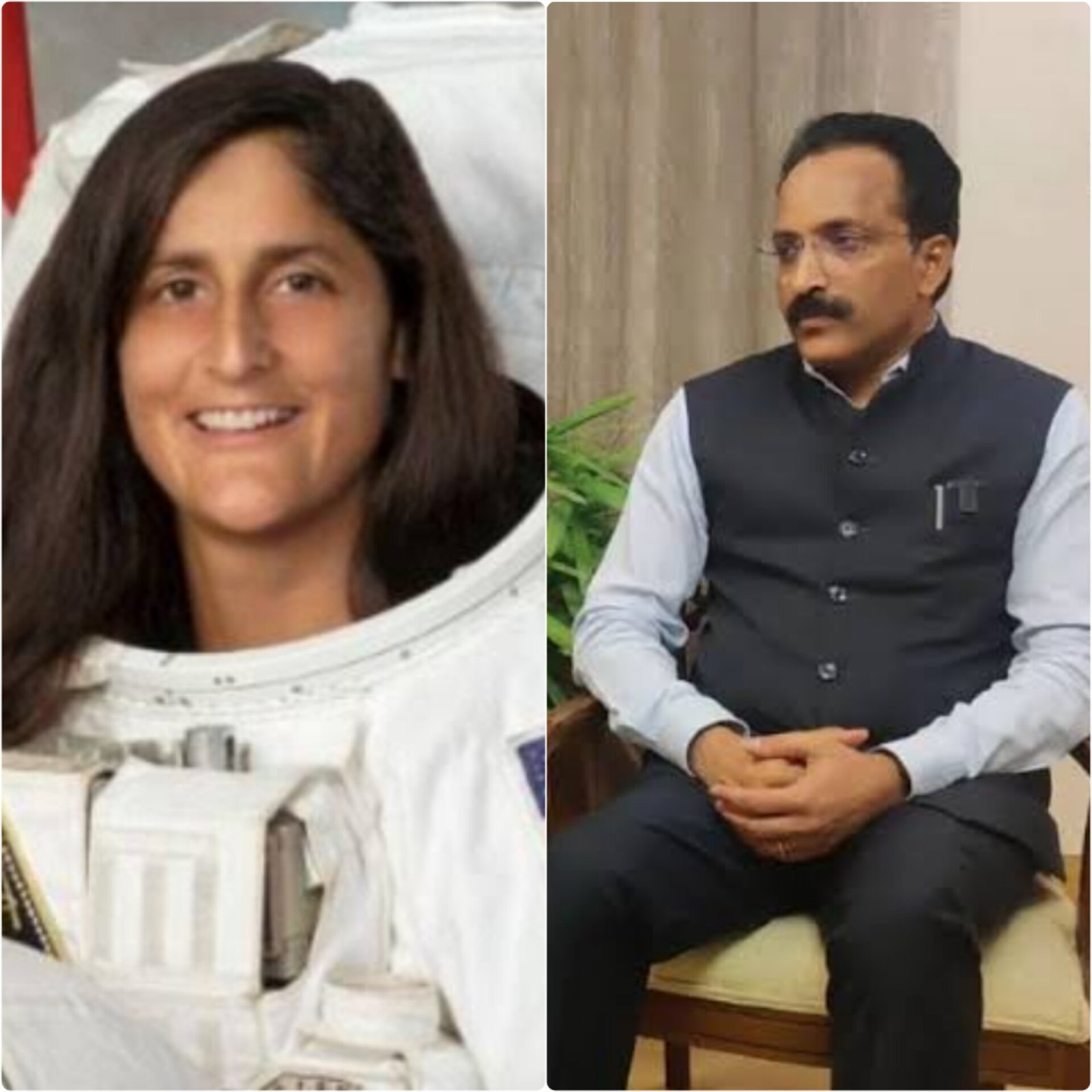
ISRO Chief Dr S Somanath expressed admiration for Sunita Williams' courage in testing Boeing Starliner on its inaugural ISS mission, despite delays. Speaking to NDTV, he emphasized the safety of ISS and the importance of testing new spacecraft capabilities. Dr Somanath lauded Williams' experience and potential advisory role in India's space program, noting her contributions to spacecraft design. NASA postponed Starliner's return for technical reviews. Williams, alongside crewmate Barrt Wilmore, embarked on June 5 for certification flights. ISRO remains proud of Williams' achievements and anticipates her safe return.
Brief by Shorts91 Newsdesk / 12:20pm on 29 Jun 2024,Saturday Science
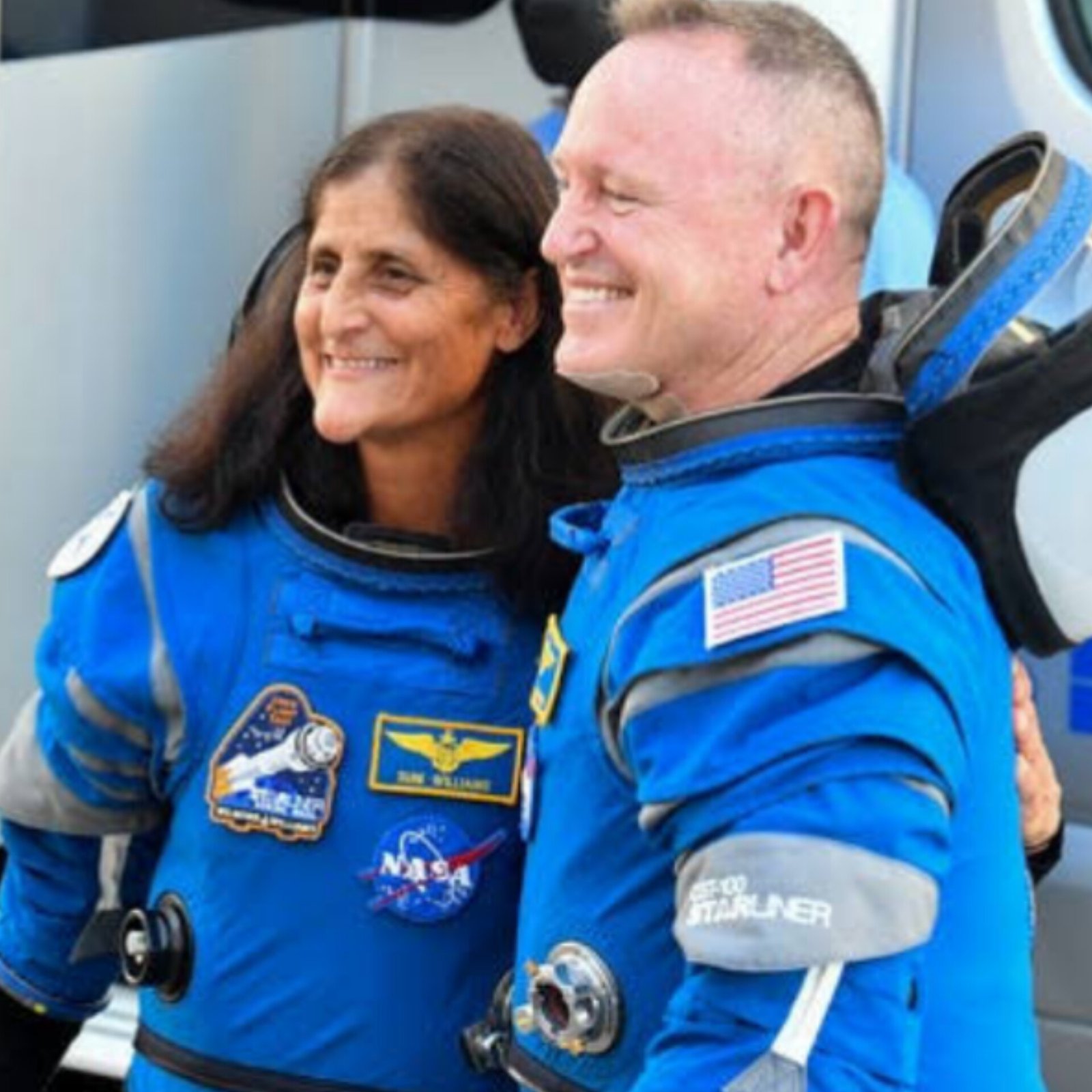
NASA is considering extending the Starliner spacecraft mission, with astronauts Sunita Williams and Butch Wilmore onboard, from 45 to 90 days amid technical issues. Problems with helium leaks and thruster outages during its June journey to the ISS prompted NASA and Boeing to conduct ground tests while the craft remains docked. Officials aim to resolve these issues before setting a firm return date. Meanwhile, the crew integrates with ISS operations, preparing for the extended stay. The mission’s duration hinges on further tests and evaluations.
Brief by Shorts91 Newsdesk / 07:41am on 29 Jun 2024,Saturday Science
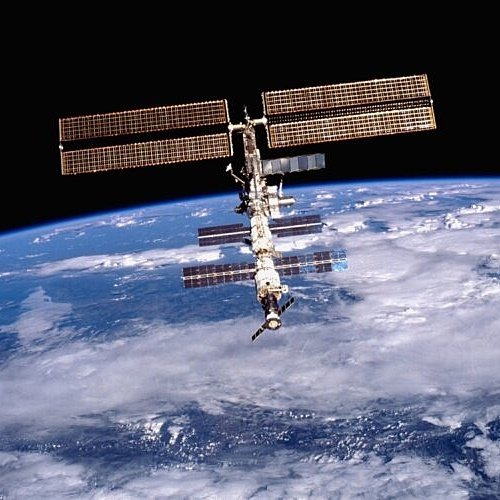
NASA has awarded Elon Musk's SpaceX a contract to deorbit the International Space Station (ISS) by 2030. The space station, continuously occupied since 2000, will be towed into the atmosphere by a SpaceX vehicle, where it will "destructively break up". The $843m contract marks the end of an era of global cooperation, as agreements between the US, Russia, Japan, Europe, and Canada expire. Since 1998, the ISS has hosted over 3,300 scientific experiments. SpaceX will ensure a safe and controlled re-entry, bringing an end to the iconic space station's remarkable journey.
Brief by Shorts91 Newsdesk / 06:58am on 29 Jun 2024,Saturday Science
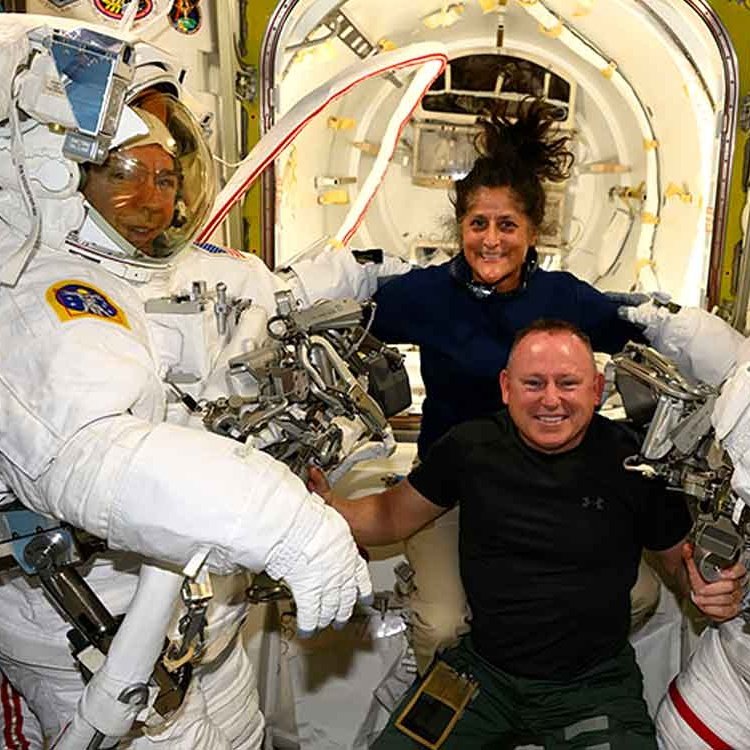
NASA is considering extending the duration of Boeing's Starliner spacecraft mission from 45 to 90 days, according to Commercial Crew Program manager Steve Stich. The spacecraft, carrying astronauts Sunita 'Suni' Williams and Butch Wilmore, launched on a test flight to the International Space Station earlier this month. Despite initial issues with helium leaks and thruster outages, officials say the spacecraft is safe to return the astronauts home. However, a firm return date has not been announced, with Stich citing the need to review data from an upcoming test in New Mexico. The mission's extension is pending review and approval.
Brief by Shorts91 Newsdesk / 08:36am on 28 Jun 2024,Friday Science
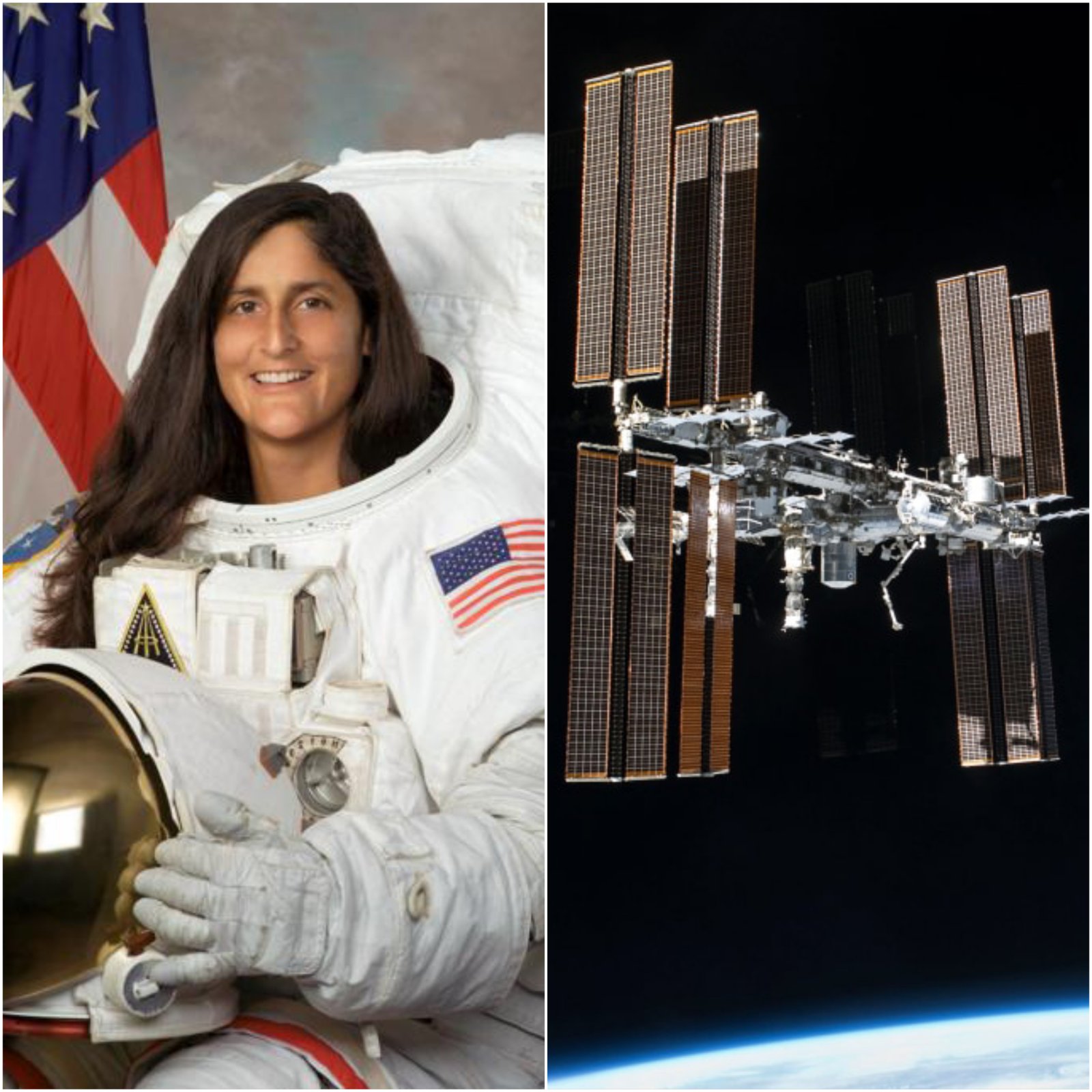
Astronauts Sunita Williams and Butch Wilmore had a close call on the International Space Station (ISS) when space debris threatened the orbiting laboratory. As a precaution, they took emergency shelter in Boeing's Starliner spacecraft. The incident occurred when a satellite broke up near the ISS, prompting Mission Control to instruct all crew members to seek safety in their respective spacecraft. After an hour of monitoring, the debris passed, and the astronauts resumed normal operations. This incident highlights the risks posed by space debris and the importance of safety measures in space exploration.
Brief by Shorts91 Newsdesk / 02:14pm on 25 Jun 2024,Tuesday Science
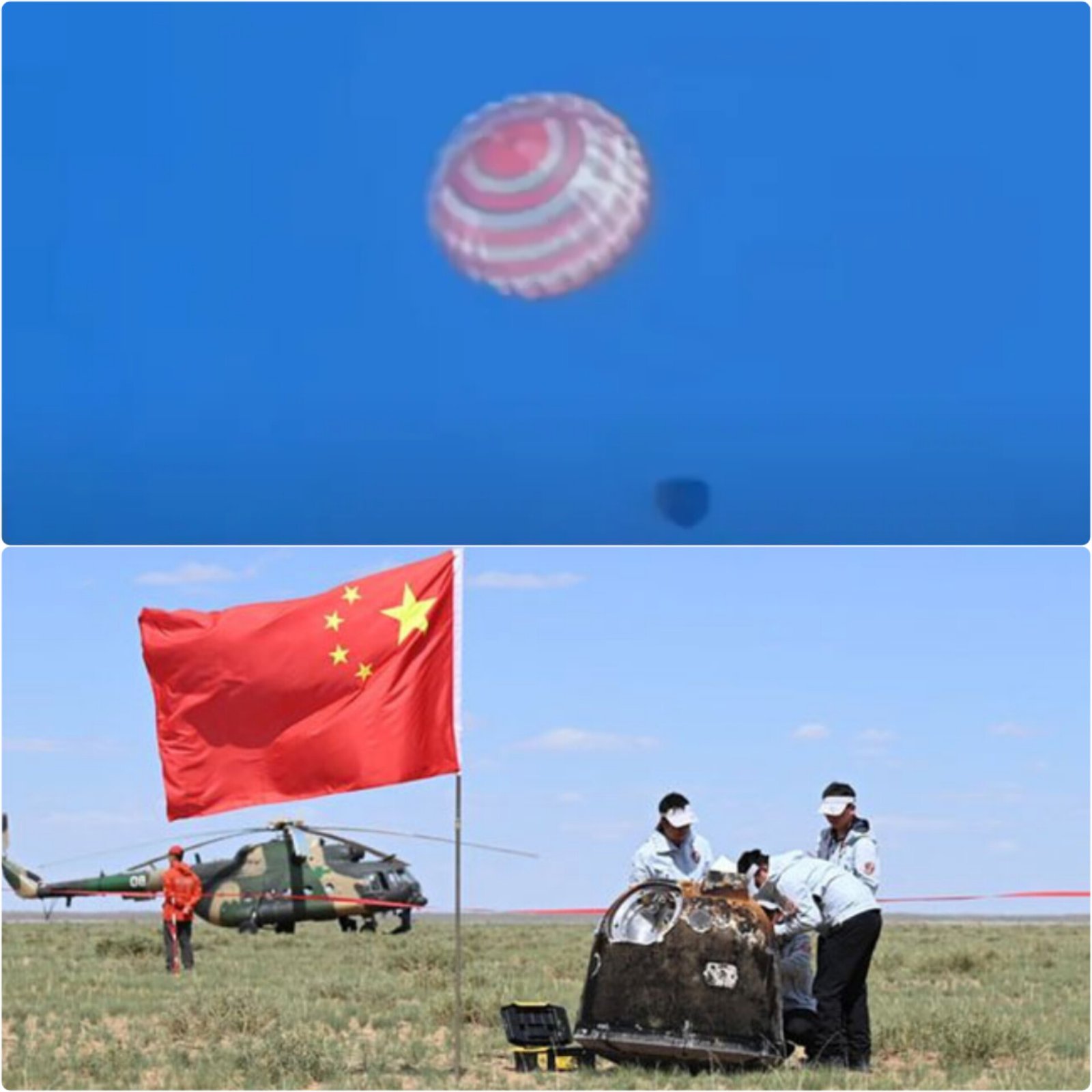
China’s Chang’e-6 lunar probe has returned with the first samples from the Moon’s far side, landing in Inner Mongolia after a 53-day mission. The mission, which began in May, successfully retrieved soil and rock samples from a crater near the Moon’s south pole. These samples could provide crucial insights into the Moon's formation and geological differences. President Xi Jinping praised the mission, highlighting its role in advancing space exploration. This marks China's sixth lunar mission and emphasizes its growing capabilities in space, as the nation aims for a crewed lunar landing by 2030.
Brief by Shorts91 Newsdesk / 12:24pm on 25 Jun 2024,Tuesday Science
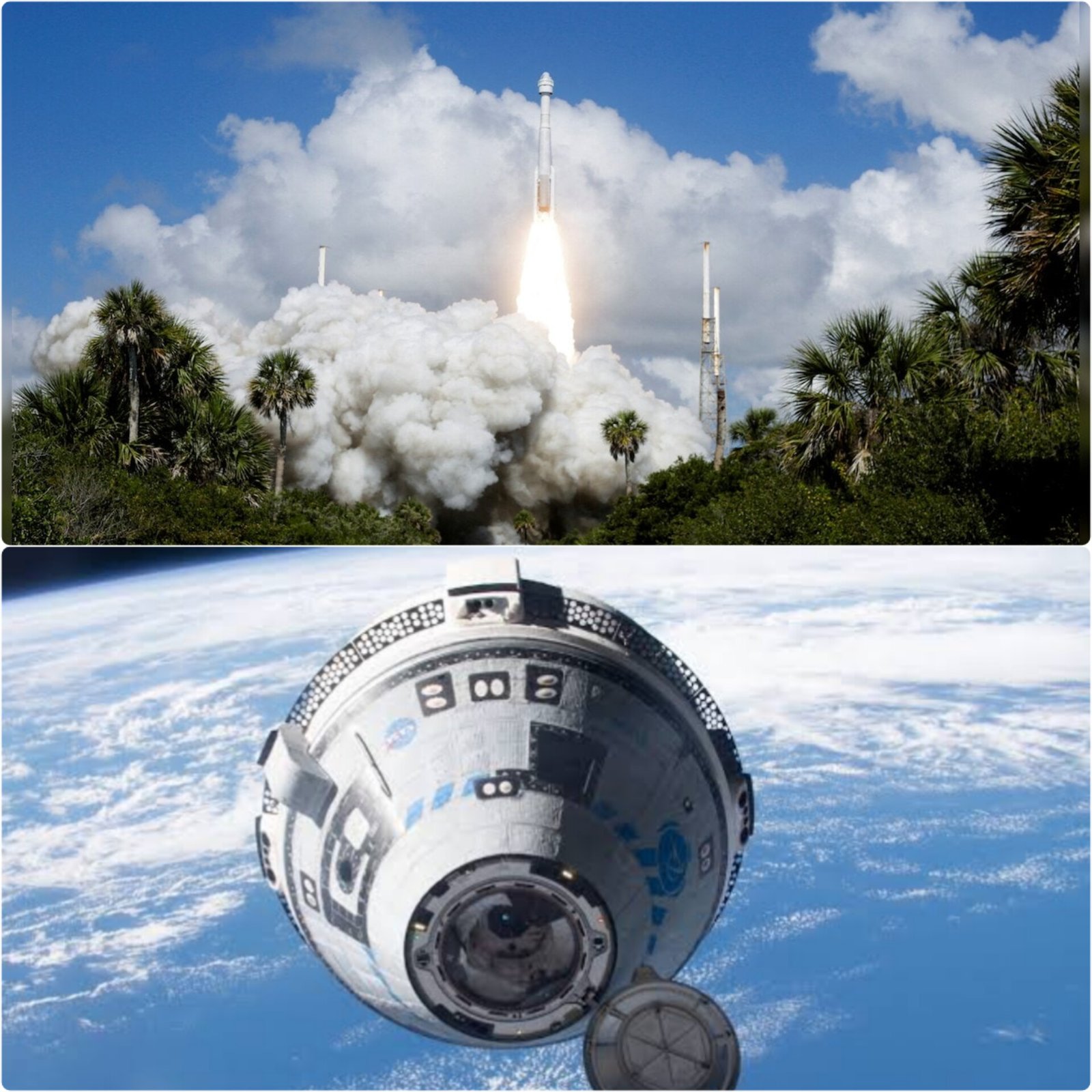
Indian-origin astronaut Sunita Williams and her crewmate Butch Wilmore face an uncertain return from the International Space Station (ISS) due to glitches in Boeing's Starliner spacecraft. Initially scheduled for June 26, their departure has been delayed after helium leaks and thruster issues were discovered. Allegations from whistleblowers claim Boeing and NASA knew of these faults but proceeded with the launch. The astronauts, who arrived at the ISS on June 5, have adequate supplies and are awaiting further instructions. Concerns also include a superbug on the ISS and fuel limitations for the Starliner’s return.
Brief by Shorts91 Newsdesk / 07:19am on 25 Jun 2024,Tuesday Science
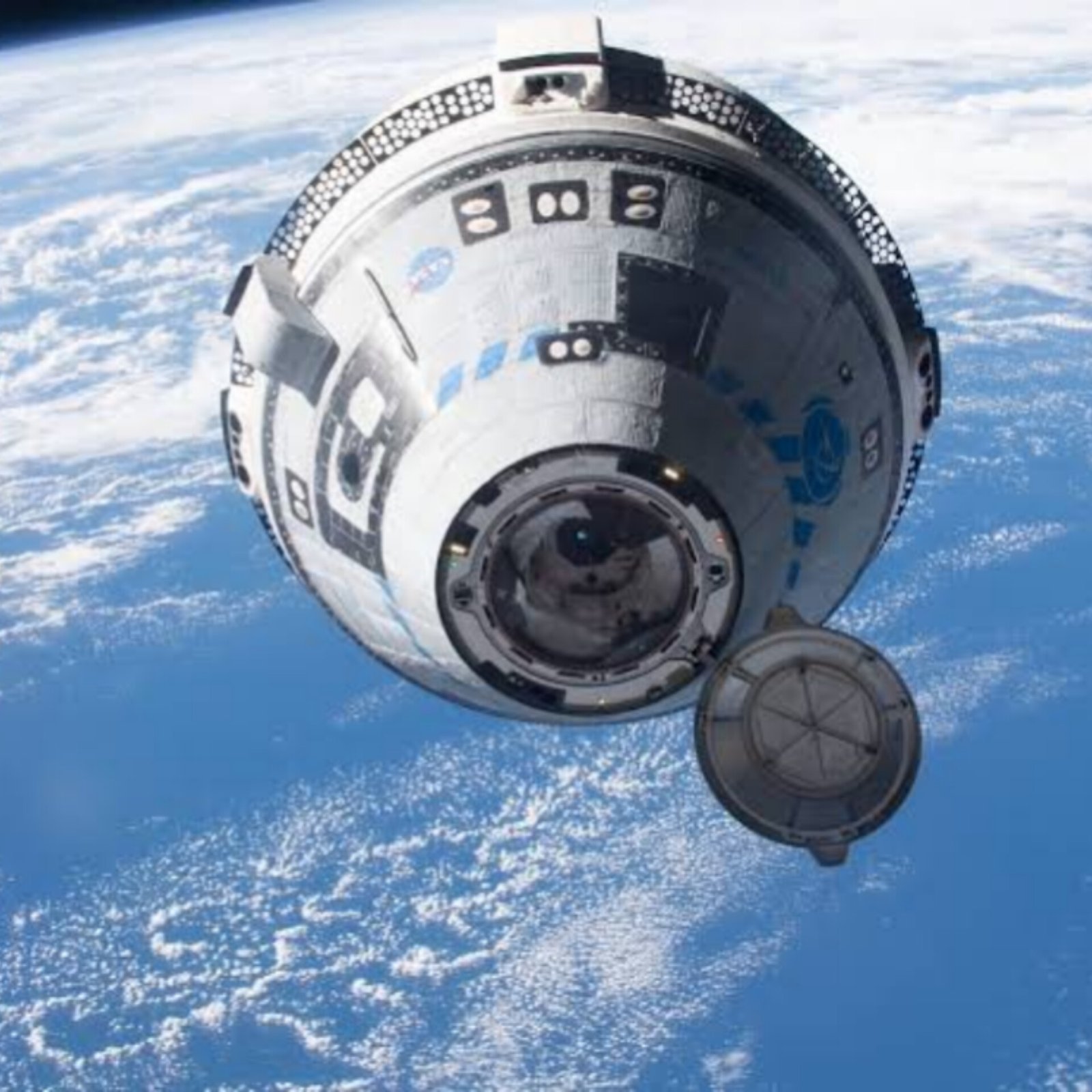
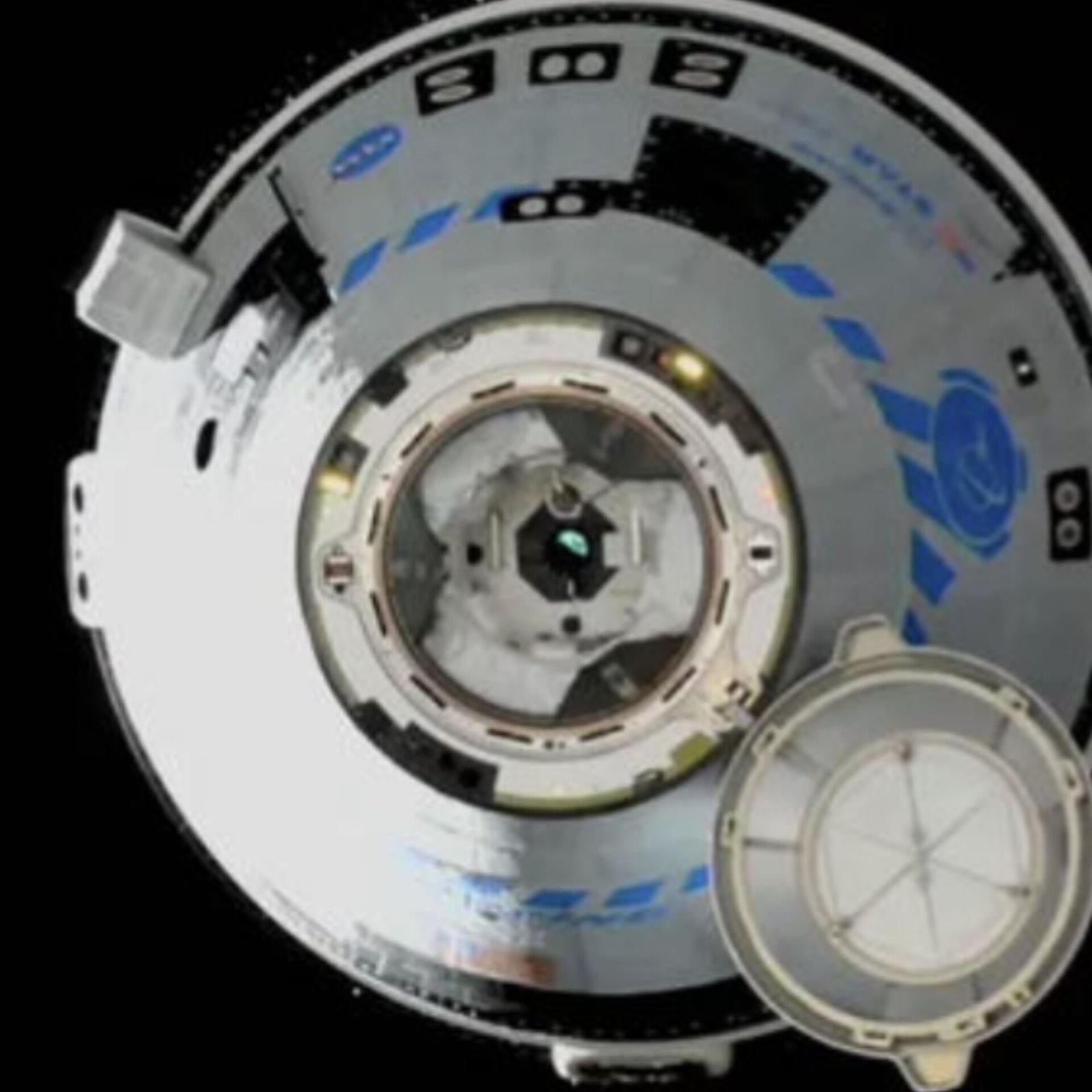
NASA faces criticism for overlooking a minor helium leak in the Starliner spacecraft prior to its recent launch. The issue, initially deemed insignificant, escalated into four additional leaks post-launch, rendering one thruster inoperative. This has postponed the return of astronauts Butch Wilmore and Sunita Williams from the ISS until at least July 2. Despite these setbacks, NASA remains confident in the Starliner's performance and is conducting a thorough review. Boeing, already under scrutiny for safety issues, faces increased pressure to address these leaks, which could impact the future of the Starliner program.
Brief by Shorts91 Newsdesk / 05:52pm on 24 Jun 2024,Monday Science
Boeing's Starliner had trouble docking with the International Space Station (ISS) this week. The spacecraft, carrying NASA astronauts Butch Wilmore and Suni Williams, faced delays due to helium leaks and malfunctioning thrusters. The initial docking attempt failed, forcing the Starliner to stay 850 feet from the ISS. NASA analyzed the data and prepared for a second attempt. Despite the issues, Boeing assured that the helium leak wasn't a safety risk. After further tests, the Starliner successfully docked with the ISS, ending its series of problems.