Brief by Shorts91 Newsdesk / 12:54pm on 24 Jun 2024,Monday Science
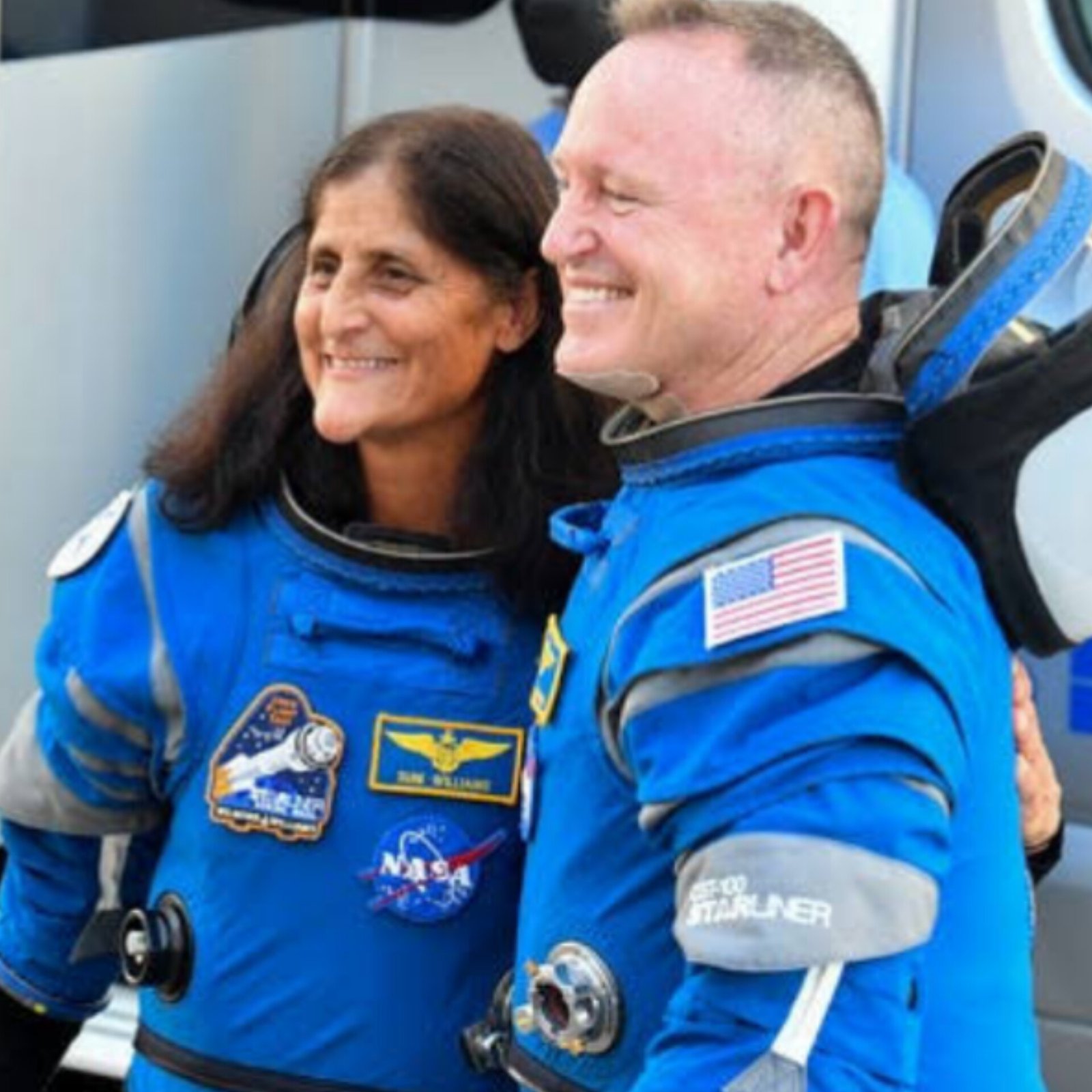
NASA and Boeing postponed the return of the Starliner spacecraft due to additional helium leaks identified after its June 5 launch. Originally considered minor, the leaks became significant in orbit, disabling one thruster. Astronauts Butch Wilmore and Sunita Williams, aboard the ISS, now await a revised landing date after July 2. Despite challenges, NASA assures that the astronauts can undock if necessary. Boeing faces scrutiny for this issue, adding to its recent troubles. NASA’s Steve Stich stated the return plan follows standard procedures, and confidence in Starliner remains intact despite the complications.
Nine Merlin engines up and running and liftoff of Falcon 9! pic.twitter.com/mEpxbmxfPG
— SpaceX (@SpaceX) June 23, 2024
Brief by Shorts91 Newsdesk / 10:50am on 24 Jun 2024,Monday Science
SpaceX successfully conducted two Falcon 9 launches on June 23, deploying a total of 42 Starlink satellites into low-Earth orbit. The first launch from Cape Canaveral, carrying 22 satellites, occurred at 1:15 p.m. ET, with the reusable booster landing on the A Shortfall of Gravitas drone ship. The second launch at 8:47 p.m. PT from Vandenberg Space Force Station deployed 20 satellites, including 13 with Direct to Cell capabilities. This marks SpaceX's 65th mission of 2024, pushing towards a goal of 148 for the year, aiming to expand global internet service coverage.
Brief by Shorts91 Newsdesk / 01:34pm on 23 Jun 2024,Sunday Science
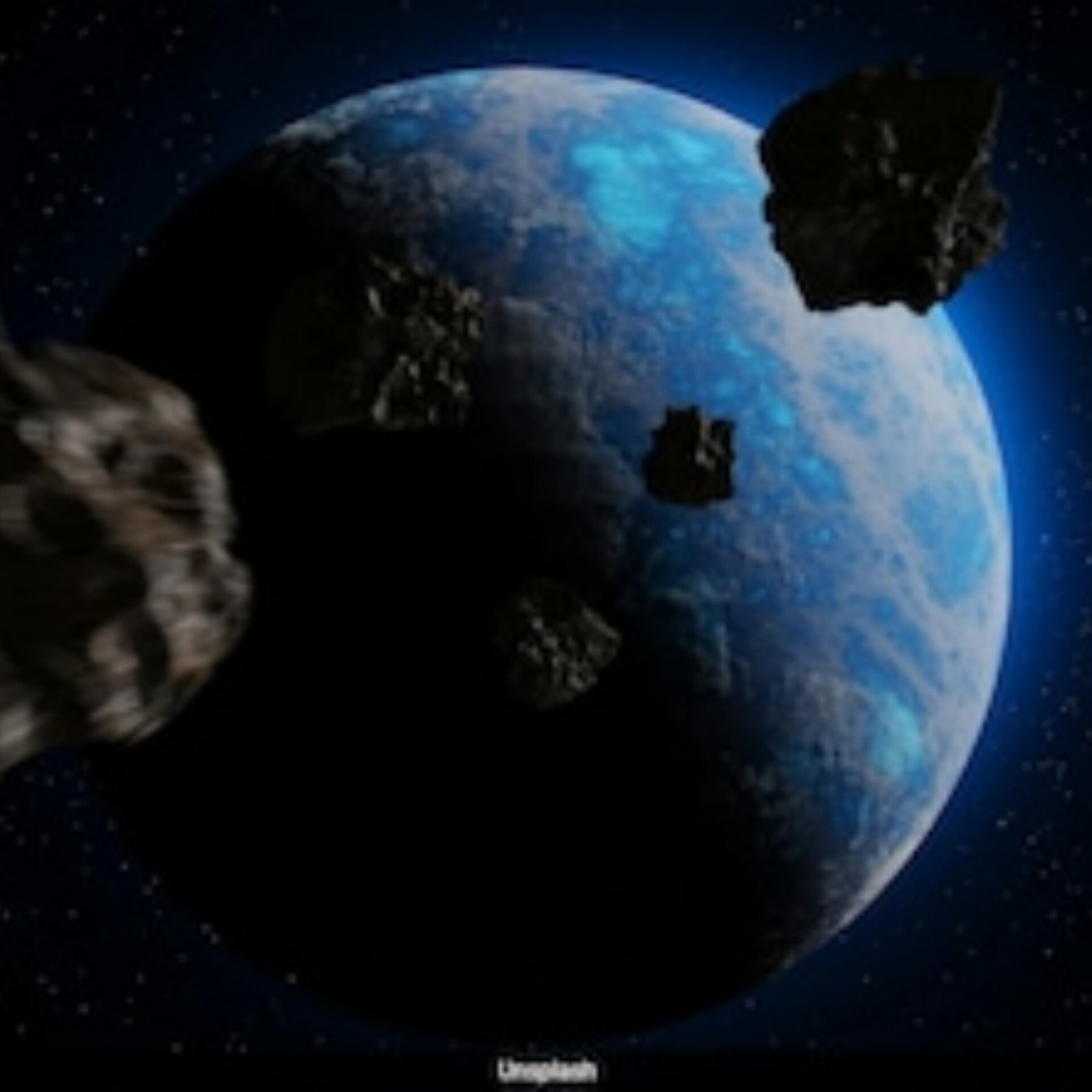
NASA's recent tabletop exercise reveals a hypothetical scenario where a newly detected asteroid has a 72% chance of impacting Earth on July 12, 2038. Conducted to assess planetary defense capabilities, the exercise highlighted global response challenges and the need for improved readiness. Despite uncertainties in initial conditions, NASA emphasized the potential of its DART mission to deflect asteroids and announced plans for the NEO Surveyor telescope to enhance early detection. The exercise involved US agencies and international collaborators, stressing the importance of coordinated efforts to mitigate asteroid threats.
Brief by Shorts91 Newsdesk / 11:25am on 23 Jun 2024,Sunday Science
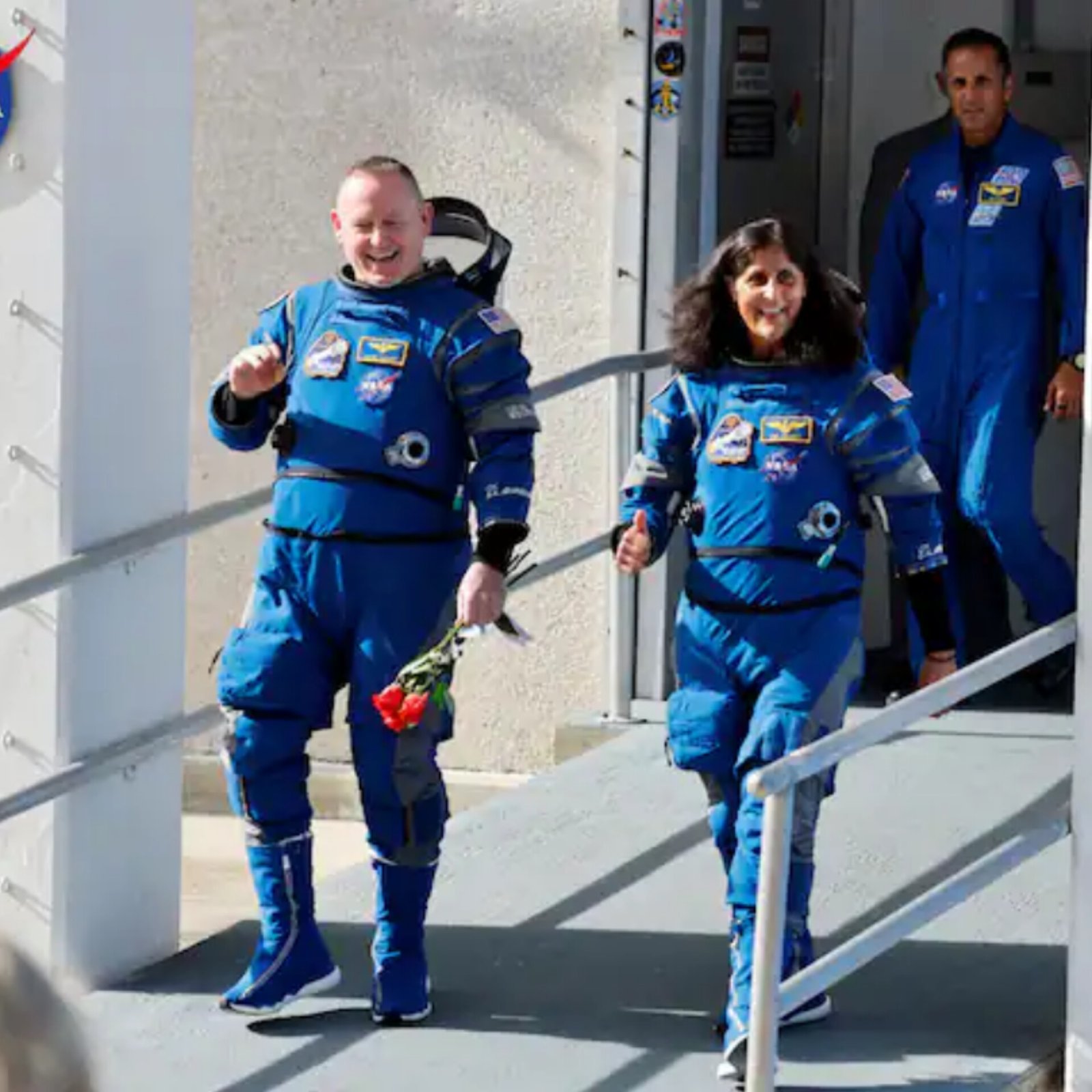
Boeing's Starliner spacecraft, carrying NASA astronauts Butch Wilmore and Sunita Williams, faces extended delays at the International Space Station (ISS) due to technical issues. The spacecraft, which encountered thruster failures and helium leaks, will postpone its return until early July. Originally slated for June 26, the setbacks underscore ongoing challenges in Boeing's CST-100 Starliner program. NASA plans to address these issues during scheduled spacewalks and evaluate system upgrades. With cost overruns exceeding $1.5 billion beyond its $4.5-billion NASA contract, Boeing strives to enhance Starliner's reliability as a crew transport to complement SpaceX's Crew Dragon.
Brief by Shorts91 Newsdesk / 04:59am on 23 Jun 2024,Sunday Science
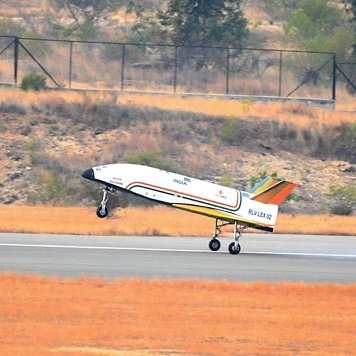
The Indian Space Research Organisation (ISRO) has successfully achieved a rare hat-trick in the safe landing of its reusable launch vehicle, Pushpak. The third consecutive success in the Reusable Launch Vehicle Landing Experiment (LEX) paves the way for the orbital test of Pushpak. ISRO Chairman S Somanath hailed the achievement as a "game-changer technology" that will reduce the cost of access to space. The reusable rocket technology will enable India to launch payloads into space and safely recover the vehicle, making it a significant milestone in India's space program. The next step will be the orbital test, which will simulate the extreme conditions of space.

Brief by Shorts91 Newsdesk / 04:36pm on 22 Jun 2024,Saturday Science
In a gripping Group F clash at EURO 2024, Georgia and Czechia battled to a 1-1 draw at Volksparkstadion in Hamburg. Georges Mikautadze put Georgia ahead with a penalty just before halftime, but Patrik Schick equalized for Czechia in the 59th minute, becoming their all-time leading EURO goalscorer. The match saw end-to-end action with both teams pressing for a win, but solid goalkeeping and missed chances kept the score level. The result gives both teams their first point of the tournament, setting up an intriguing scenario for their upcoming group stage fixtures.
Brief by Shorts91 Newsdesk / 12:33pm on 22 Jun 2024,Saturday Science
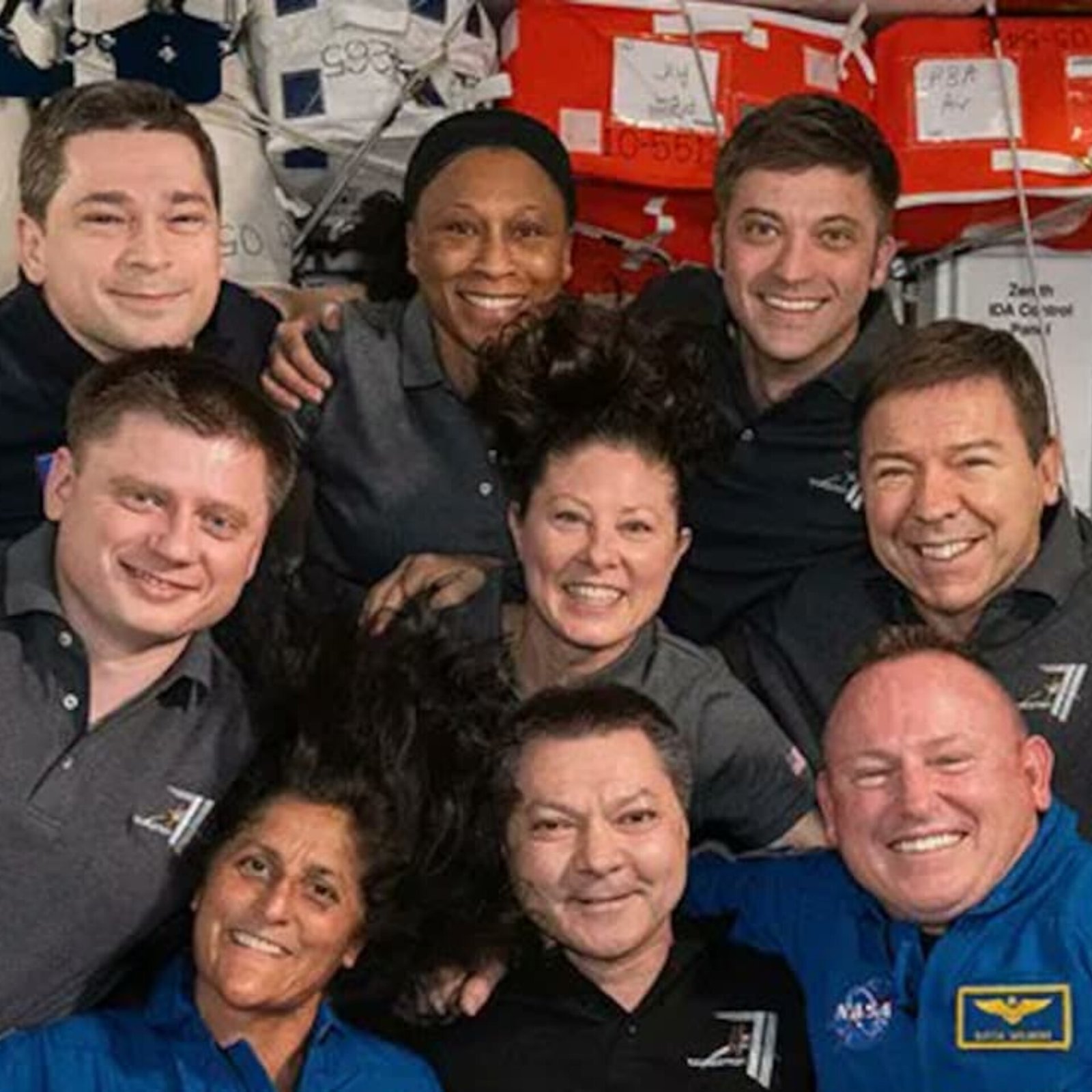
Astronaut Sunita Williams’ return from the International Space Station (ISS) has been delayed due to issues with the Boeing Starliner spacecraft. Initially scheduled to return on June 14, and then June 26, her landing is now postponed indefinitely. The Starliner faces problems with its thrusters and helium leaks, crucial for a safe return. NASA and Boeing are assessing new dates, as the spacecraft has completed 77 out of 87 flight-test objectives. Williams and co-passenger Butch Wilmore, along with seven other ISS crew members, remain safe with ample supplies aboard the station.
Brief by Shorts91 Newsdesk / 01:31pm on 21 Jun 2024,Friday Science
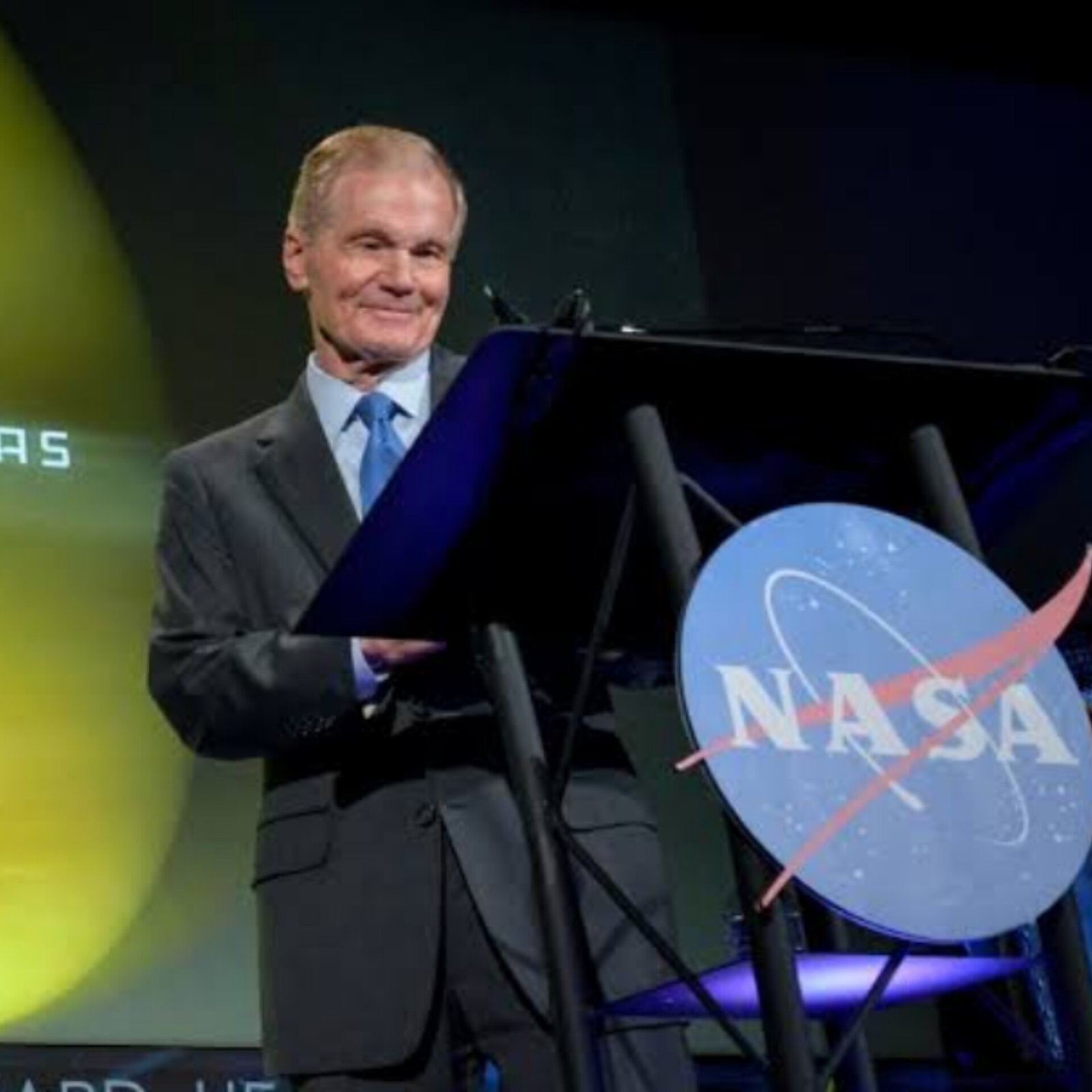
NASA Administrator Bill Nelson announced enhanced collaboration with India, including a joint mission to the International Space Station (ISS) involving an ISRO astronaut. This follows discussions between US National Security Adviser Jake Sullivan and his Indian counterpart Ajit Doval. The agreement includes advanced training for ISRO astronauts at NASA's Johnson Space Center. Nelson emphasized the partnership's potential to benefit human spaceflight and life on Earth. Additionally, the upcoming launch of the NASA-ISRO Synthetic Aperture Radar satellite will contribute to climate change research.
Brief by Shorts91 Newsdesk / 11:06am on 20 Jun 2024,Thursday Science
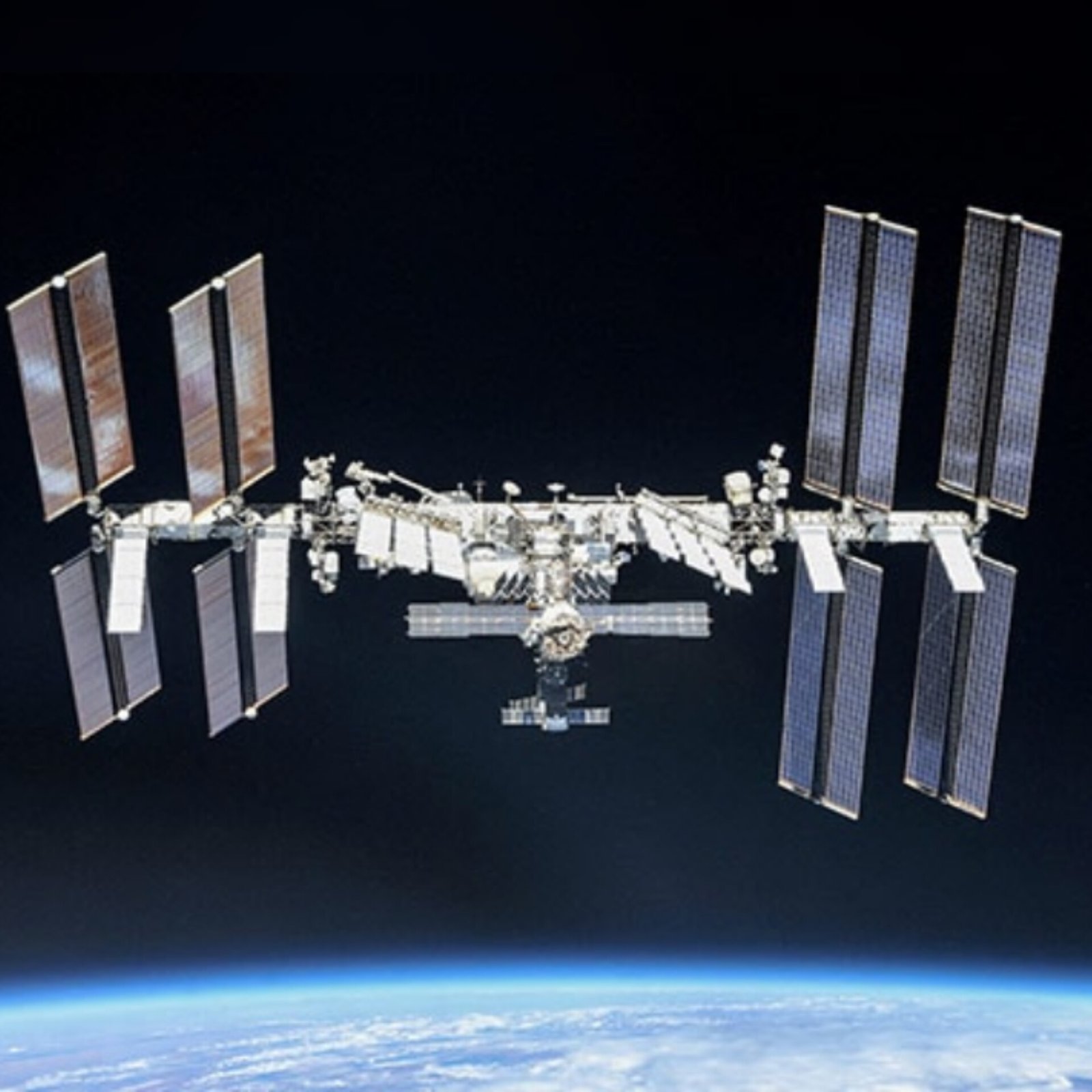
NASA Administrator Bill Nelson announced an expansion of US-India space collaboration, including training Indian astronauts for a joint mission aboard the International Space Station (ISS). Following discussions between US National Security Adviser Jake Sullivan and India’s Ajit Doval, the partnership will see ISRO astronauts trained at NASA's Johnson Space Center. This historic initiative, part of the iCET Dialogue, aims to deepen space interoperability and marks a significant step in India-US space relations. The mission's details are being finalized, signaling stronger future human spaceflight collaboration and enhanced Earth-based benefits.

Brief by Shorts91 Newsdesk / 05:47pm on 17 Jun 2024,Monday Science
In a groundbreaking discovery, scientists have unearthed Filoboletus manipularis, a rare species of bioluminescent mushrooms in Kasaragod's Ranipuram forest. Emitting a vibrant green glow at night, these fungi were identified during a micro-fungal survey conducted jointly by Kerala's Forest Department and Mushrooms of India Community. While hailed for enriching biodiversity studies, experts caution against consuming them due to potential toxicity. Dilip Kumar Rai, a botany expert, highlights the mushrooms' role in ecosystem balance but underscores health risks associated with ingestion. Researchers aim to delve deeper into their genetic makeup to unravel further mysteries of bioluminescence.