Brief by Shorts91 Newsdesk / 02:57pm on 14 Jun 2024,Friday Science
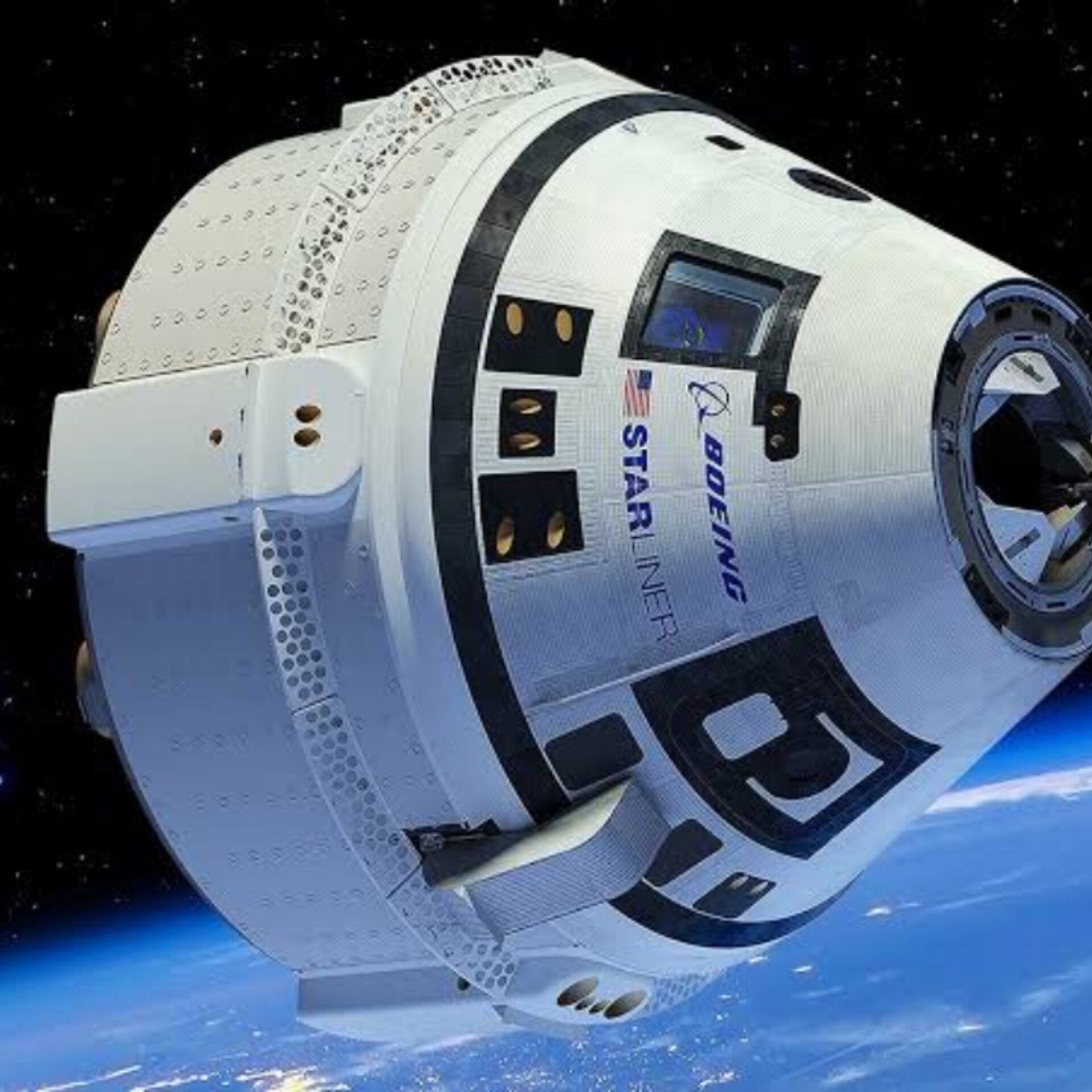
NASA announced that the Boeing Starliner spacecraft, carrying astronauts Butch Wilmore and Suni Williams, will undock from the International Space Station (ISS) and return to Earth on June 22. Despite encountering challenges like helium leaks and thruster failures during its mission, Starliner's upcoming return marks a critical test for future crewed missions. The spacecraft's journey back is expected to take approximately six hours, aiming for landing in Utah or New Mexico, contingent on weather conditions.

Brief by Shorts91 Newsdesk / 10:26am on 14 Jun 2024,Friday Science
A recent Harvard University study has claimed that aliens may be living among us, possibly underground or on the Moon. The research paper proposes that UFOs could be spaceships visiting Earth-based "alien friends." The study also explores the "crypto terrestrial" hypothesis, which links UAP activity to hidden non-human entities that may be pretending to be humans. These "cryptoterrestrials" could have evolved from intelligent dinosaurs. The researchers have studied this theory, which suggests that aliens may be living among us, disguising themselves as humans. While the evidence is not conclusive, the study presents a fascinating perspective on the possibility of extraterrestrial life.
Brief by Shorts91 Newsdesk / 06:10am on 11 Jun 2024,Tuesday Science
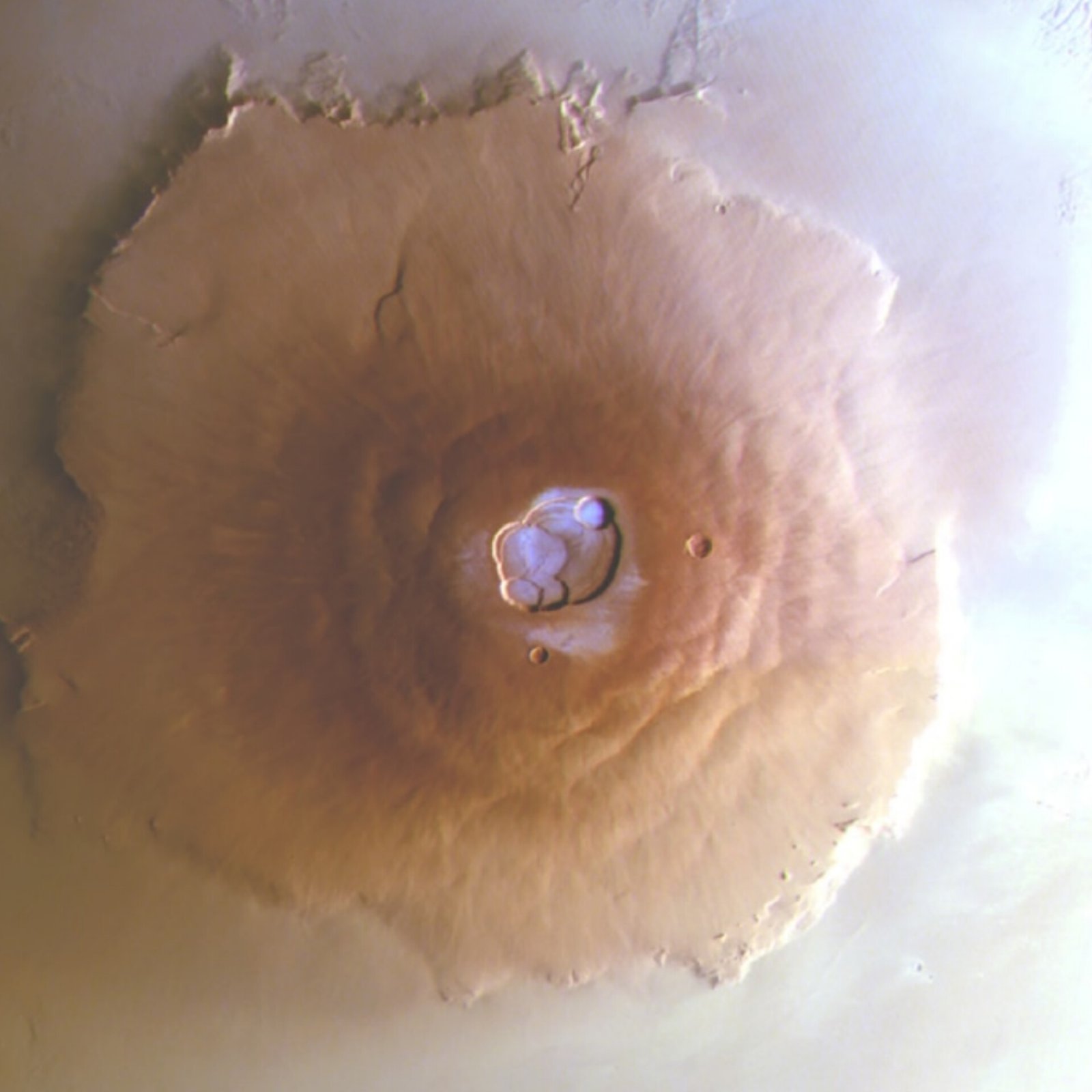
Scientists have identified water frost on three of Mars' tallest Tharsis volcanoes, Olympus Mons, Arsia Mons, and Ceraunius Tholus, as reported in Nature Geoscience. The frost, equating to 60 Olympic-size swimming pools, forms during sunrise and evaporates by day. Captured by the ESA’s ExoMars and Mars Express missions, this finding reveals a thin layer of frost only one-hundredth of a millimeter thick. The discovery challenges previous assumptions about frost formation at Mars’ equator and hints at remnants of ancient Martian climate cycles.
Brief by Shorts91 Newsdesk / 10:28am on 07 Jun 2024,Friday Science
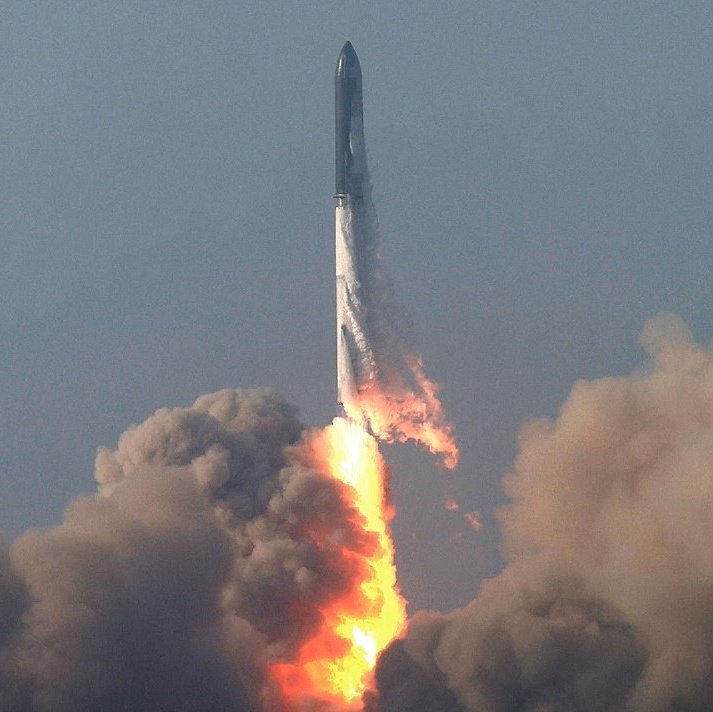
SpaceX's Starship megarocket successfully completed an uncrewed test flight, reaching orbit and returning to Earth. The 400-foot rocket, the most powerful ever developed, demonstrated full reusability and survived re-entry into Earth's atmosphere. This marks a crucial step towards NASA's Artemis III mission to the moon in 2026. The test flight achieved several milestones, including a controlled splashdown and successful recovery of both the Starship spacecraft and Super Heavy first-stage rocket. While the extent of the vehicle's survival is unclear, the test paves the way for future missions to the moon and Mars.
Sunita Williams' joyful dance in space marks celebration after historic Starliner docking, a momentous step in space exploration.
— shorts91 (@shorts_91) June 7, 2024
Read more on https://t.co/NCbyGWkkjp#SpaceDance #SunitaWilliams #NASA #SpaceExploration #Starliner pic.twitter.com/X2t89M5NqY
Brief by Shorts91 Newsdesk / 04:54am on 07 Jun 2024,Friday Science
Indian-origin astronaut Sunita Williams piloted the Boeing Starliner to a successful docking with the International Space Station (ISS) on Thursday. This achievement marks a historic milestone, making Williams the first woman to pilot a new crewed spacecraft on its maiden voyage. Williams and her crewmate Butch Wilmore were warmly welcomed by the ISS astronauts, with Williams celebrating her third trip to the station with a joyful dance. She expressed gratitude for the warm reception, describing the crew as "another family." This mission marks a significant step forward in space exploration.
Brief by Shorts91 Newsdesk / 12:40pm on 06 Jun 2024,Thursday Science
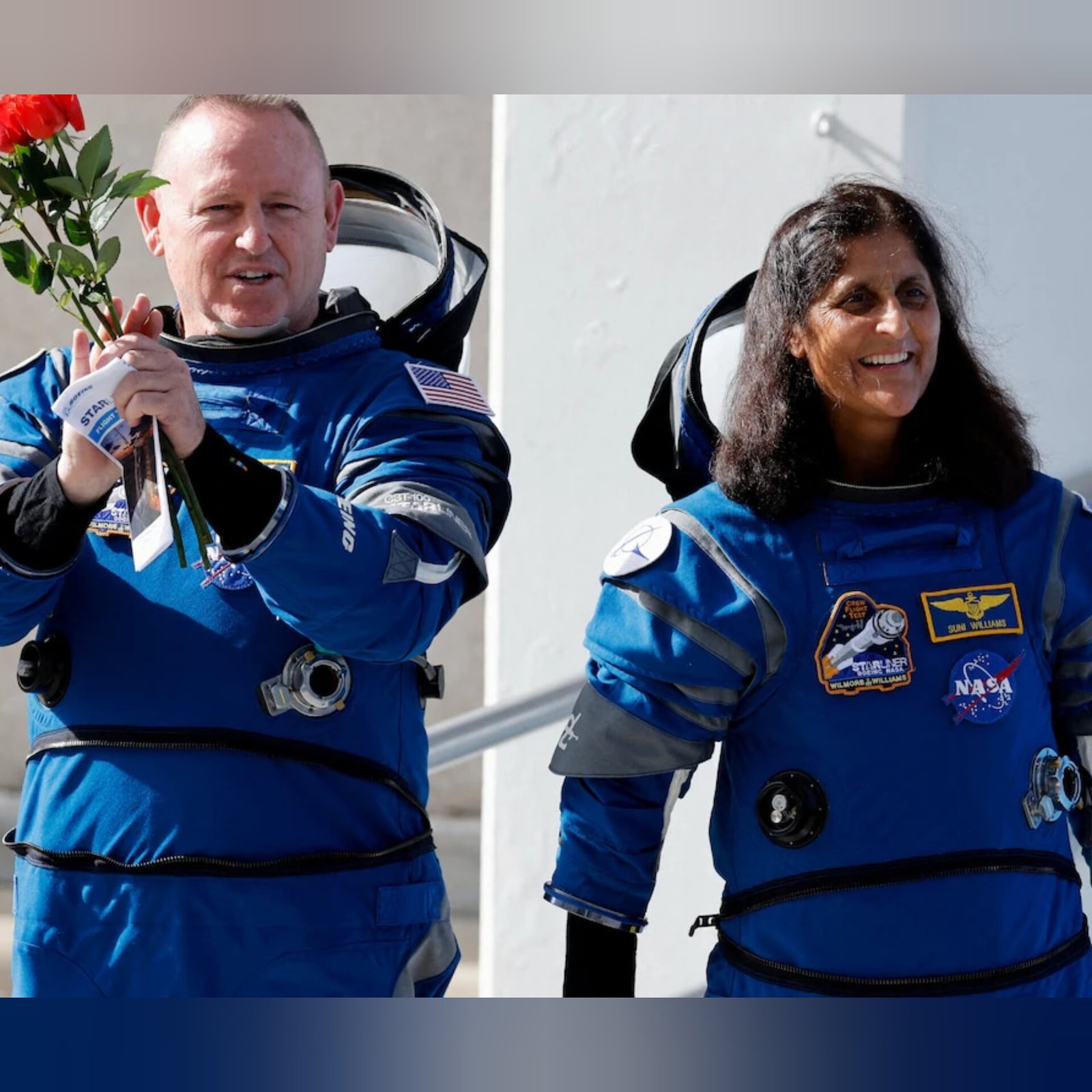
Indian-origin astronaut Sunita Williams is set to arrive at the International Space Station (ISS) on her third space mission, describing it as “going back home.” After a successful launch on June 5 from Cape Canaveral aboard Boeing’s Starliner spacecraft, Williams and co-astronaut Butch Wilmore have been testing manual piloting capabilities in orbit. Despite minor helium leaks detected post-launch, the mission is proceeding as planned. The crew will spend a week at the ISS conducting tests before final certification of the Starliner, developed for NASA's Commercial Crew Program .
Brief by Shorts91 Newsdesk / 06:05pm on 05 Jun 2024,Wednesday Science
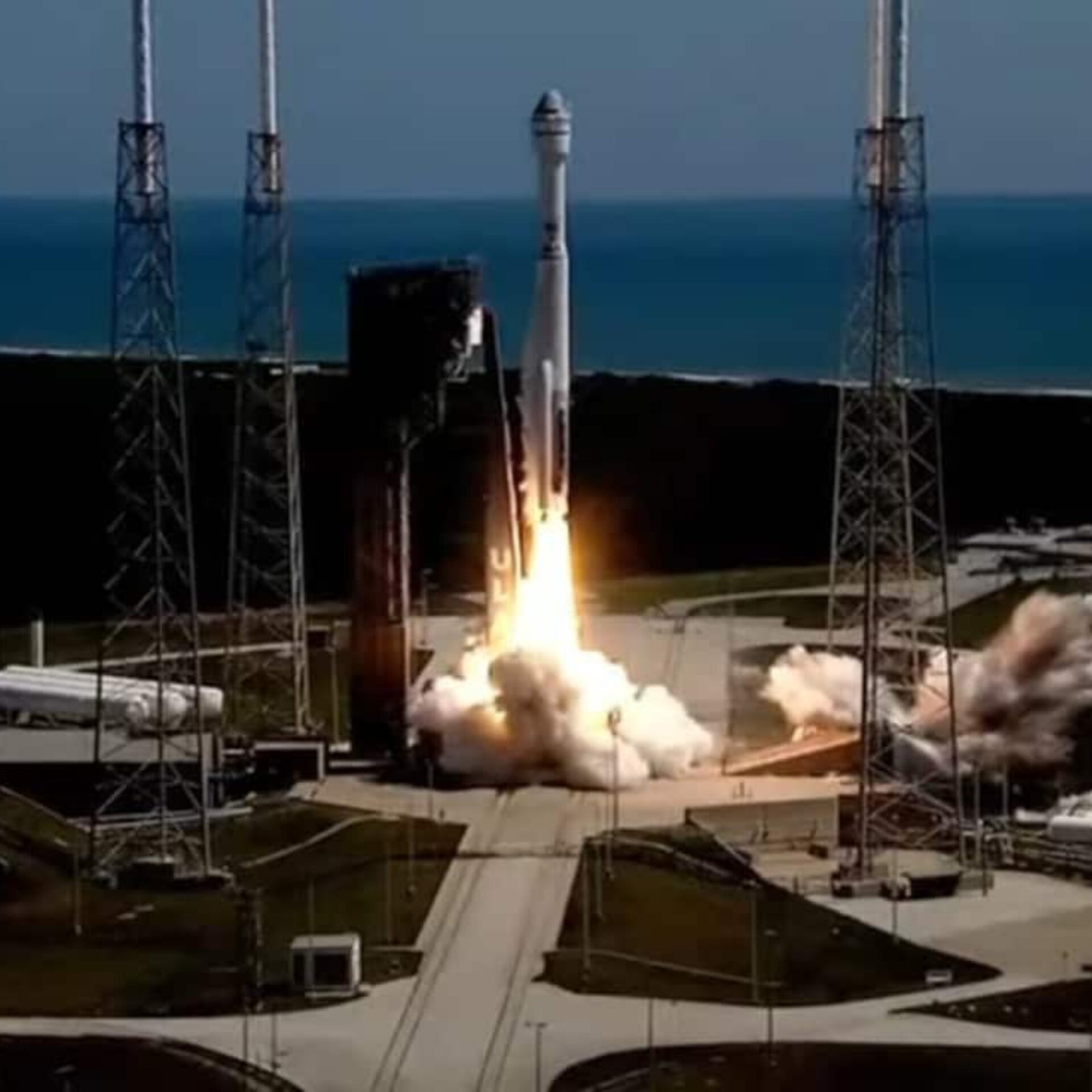
Indian-origin astronaut Sunita Williams creates history by becoming the first woman to test a spacecraft on its maiden mission. Lift-off occurred successfully on the third attempt from Florida's Cape Canaveral Space Force Station. Williams will dock with the International Space Station to test the Starliner for about a week. The 59-year-old, with 322 days in space and a record for spacewalk hours, expresses excitement and confidence in the new spacecraft she helped design. The mission aims to certify the Starliner for long-duration flights, despite delays and budget concerns.
Brief by Shorts91 Newsdesk / 10:01am on 02 Jun 2024,Sunday Science
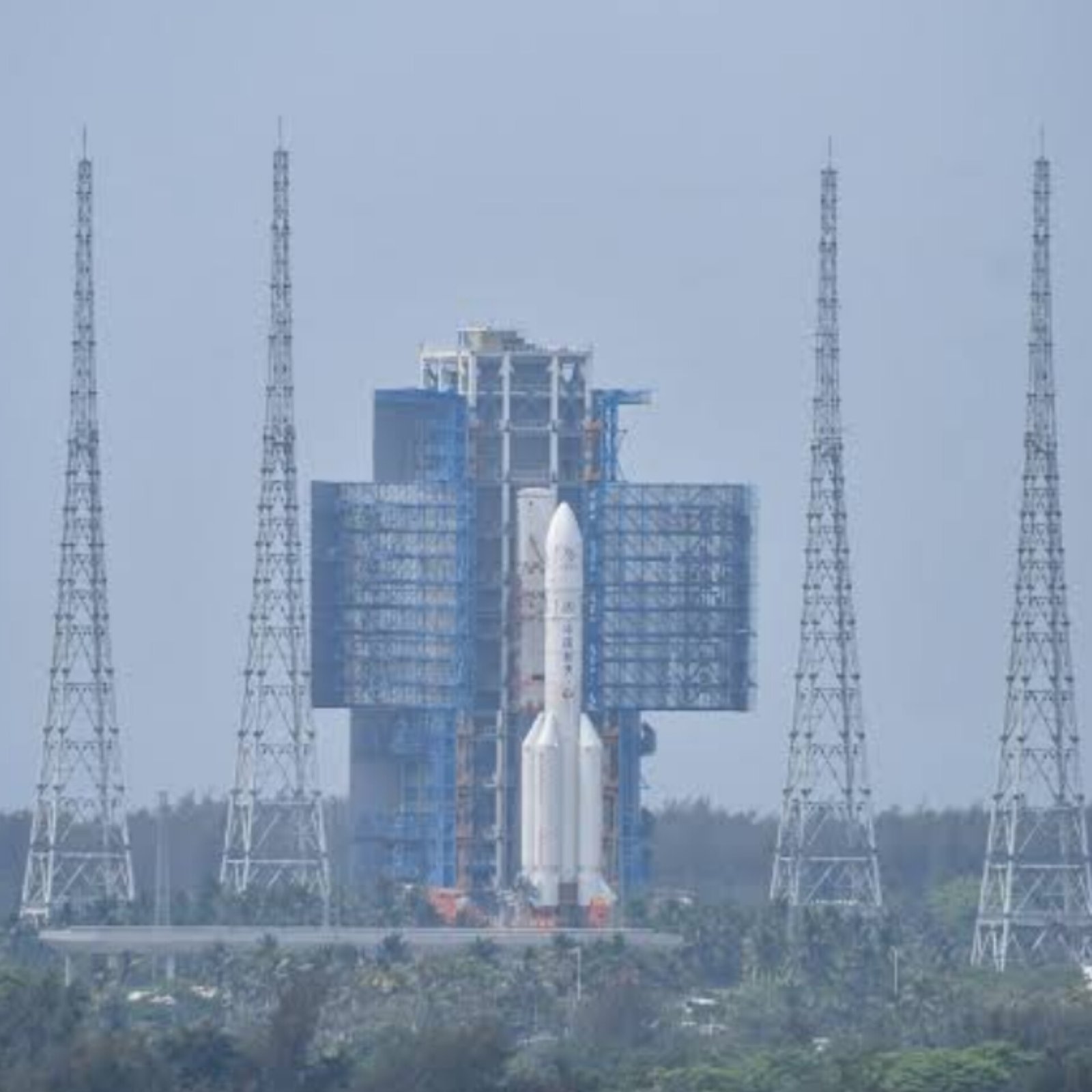
China's Chang'e 6 mission achieved a historic milestone as its spacecraft touched down on the far side of the Moon, targeting the South Pole-Aitken Basin. Launched on May 3, the mission aims to gather vital rock and soil samples, potentially shedding light on the formation of planets and the origin of water in the solar system. Utilizing innovative technologies and autonomous systems, the probe navigated the challenging landing process. If successful, the collected materials could significantly advance lunar exploration and pave the way for future scientific endeavors, including the establishment of a human presence on the Moon.
Brief by Shorts91 Newsdesk / 04:45am on 02 Jun 2024,Sunday Science
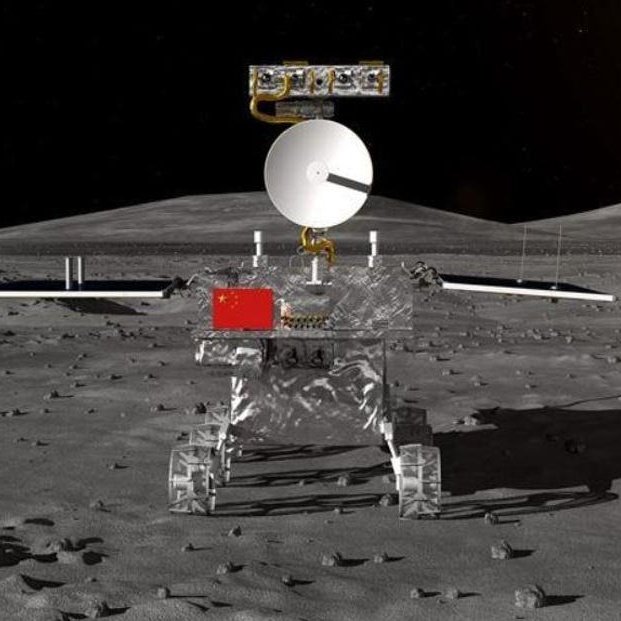
China has successfully landed an uncrewed spacecraft on the far side of the moon, a first for any country. The Chang'e-6 craft touched down in the South Pole-Aitken Basin, a gigantic impact crater, on Sunday. The mission aims to retrieve rock and soil samples from the dark lunar hemisphere, a feat that will elevate China's space power status. The landing is a significant achievement in a global race to the moon, where countries hope to exploit lunar minerals for long-term missions and moon bases. The Chang'e-6 probe launched on May 3 and reached the lunar vicinity a week later, before landing safely.
Brief by Shorts91 Newsdesk / 06:33pm on 01 Jun 2024,Saturday Science
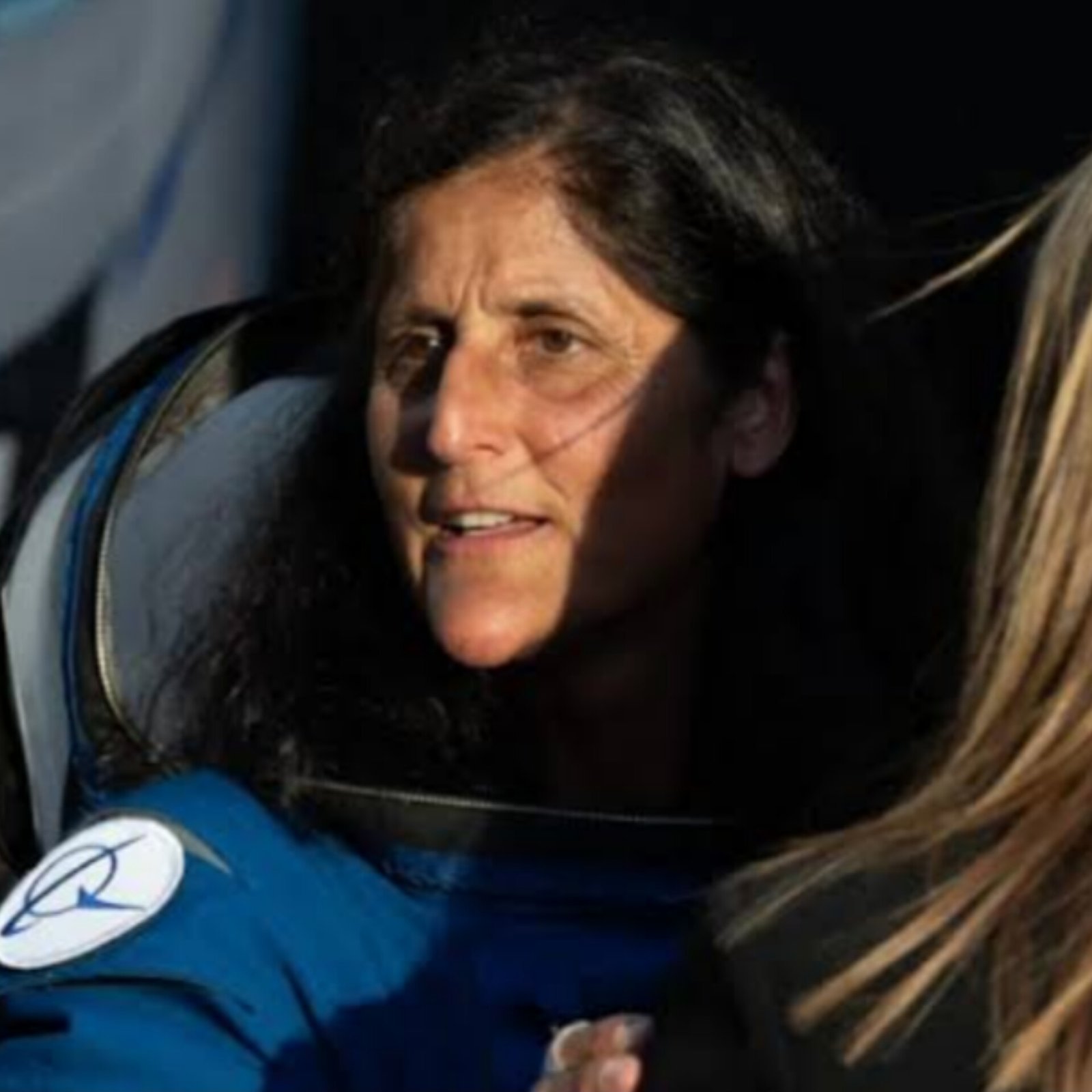
Indian-origin NASA astronaut Sunita Williams' third mission to space was called off just minutes before lift-off. The Boeing Starliner, set to launch on its maiden voyage, was "scrubbed" due to a technical glitch detected by the ground launch sequencer. Williams and fellow astronaut Butch Wilmore, both safe, were prepared for the 10 pm launch from Florida. This marks the second delay for the Starliner, following a previous postponement on May 7. NASA has not announced a new launch time but estimates a 24-hour delay. Williams, who holds records for spacewalks, remains optimistic about the mission.