
Brief by Shorts91 Newsdesk / 09:49am on 27 May 2026,Wednesday Science
Manipuri astrophysicist Ronaldo Laishram has led an international team in discovering a massive 12.6-billion-year-old protocluster, named the “Loktak Protocluster” after Manipur’s famous Loktak Lake. Published in The Astrophysical Journal Letters, the discovery sheds light on how galaxies evolved in the early Universe when it was only 1.2 billion years old. Researchers used observations from the Subaru Telescope and the James Webb Space Telescope to study the structure, which contains four connected galaxy concentrations. Laishram said the name honours Manipur’s identity and connects his home state to the wider story of the Universe. (PC: X)
Brief by Shorts91 Newsdesk / 04:46am on 27 May 2026,Wednesday Science
NASA has outlined a multi-phase, approximately $20 billion roadmap under the Artemis program to establish a permanent human presence on the Moon. The plan includes up to 25 robotic missions and 21 lunar landings by 2029, focusing on the Moon’s south pole. Key technologies include autonomous Lunar Terrain Vehicles, MoonFall hopping drones and robotic cargo systems. Contracts have been awarded to Blue Origin, Astrolab, Lunar Oupost and Firefly Aerospace to support lunar transport and exploration infrastructure. NASA aims to develop habitats, power systems and communication networks, eventually enabling continuous lunar operations and supporting future missions to Mars.
Brief by Shorts91 Newsdesk / 04:54pm on 08 May 2026,Friday Science
The Pentagon has released “never-before-seen” declassified files on UFOs, officially referred to as Unidentified Anomalous Phenomena (UAP), following a directive from US President Donald Trump. The files include decades of investigations, eyewitness accounts, military memos, infrared images, and astronaut reports from missions like Apollo 12 Moon Landing and Apollo 17 Moon Landing. Recent reports mention unidentified objects observed in Iraq, Syria, the UAE, and Greece. The Defense Department clarified that many descriptions are subjective and not proof of extraterrestrial activity. Barack Obama and Jared Isaacman also commented on growing public interest and transparency regarding unexplained aerial phenomena.

Brief by Shorts91 Newsdesk / 12:36pm on 07 May 2026,Thursday Science
Scientists from the Indian Space Research Organisation have confirmed that strong solar activity speeds up the fall of old satellites and space debris back towards Earth. Researchers at the Vikram Sarabhai Space Centre tracked 17 pieces of orbital debris over 34 years and found that rising solar activity increases atmospheric drag in space. This causes debris to lose altitude faster and eventually re-enter Earth’s atmosphere. The study observed the pattern across three solar cycles between 1986 and 2024. Scientists said the findings could help space agencies plan safer missions and better manage growing concerns over space junk in Earth’s orbit. (PC: NDTV)
Brief by Shorts91 Newsdesk / 01:12pm on 03 May 2026,Sunday Science
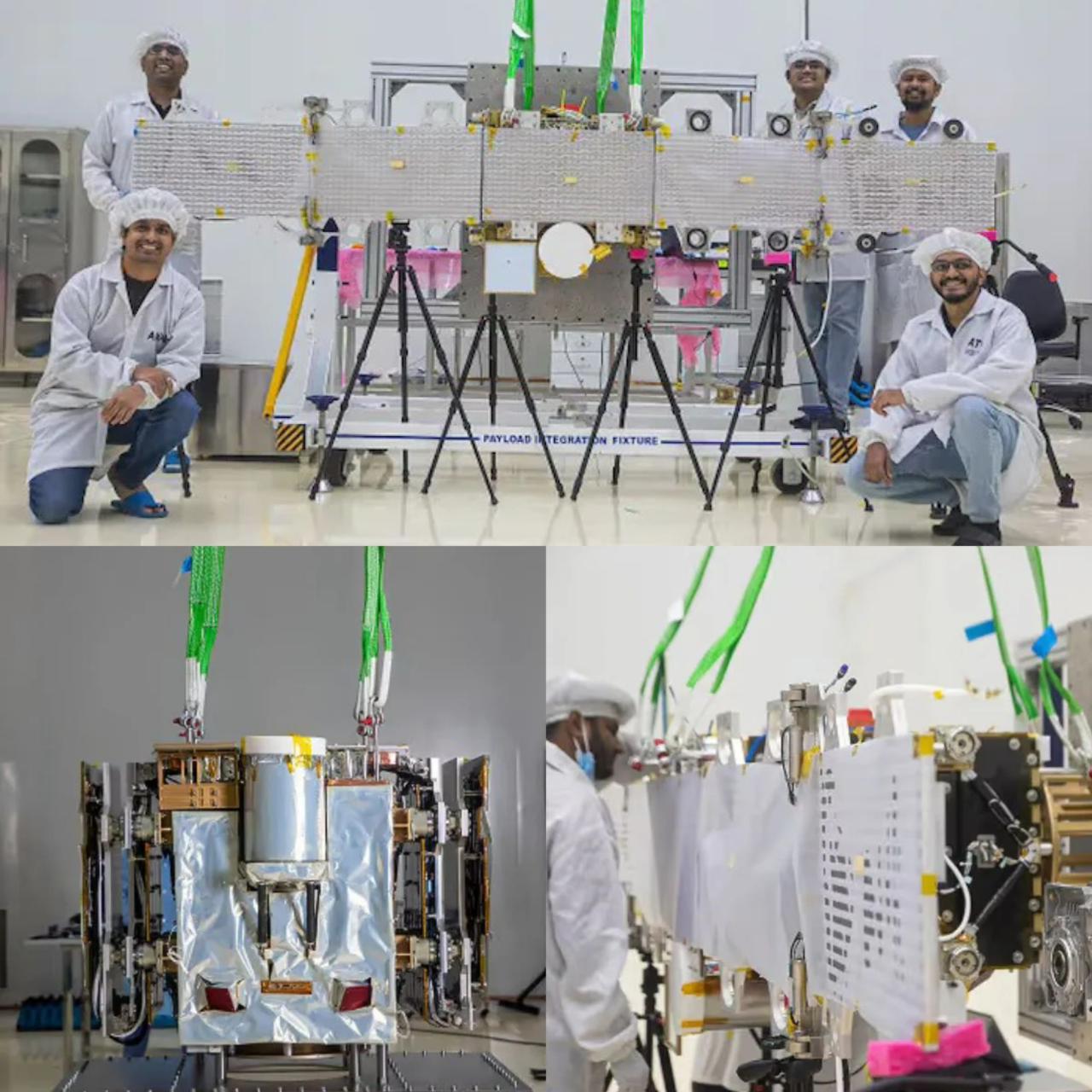
India’s Drishti Satellite, developed by GalaxEye, marks a breakthrough in Earth observation by combining multispectral imaging and synthetic aperture radar in one platform. Launched aboard Falcon 9 by SpaceX, it can capture high-resolution images through clouds and darkness, addressing limitations faced in tropical regions like India. With 1.5-metre resolution and plans for a larger constellation, Drishti enhances applications in defence, agriculture and disaster management. Experts say such sovereign capability reduces reliance on foreign data, a gap highlighted during recent conflicts, strengthening India’s strategic autonomy and surveillance capabilities in a geopolitically sensitive region. (PC: NDTV)
Brief by Shorts91 Newsdesk / 07:03am on 14 Apr 2026,Tuesday Science
A heartwarming video shows Christina Koch reuniting with her dog Sadie after returning from the Artemis II mission. Shared on Instagram, the clip captures Sadie’s joyful reaction of barking, wagging her tail, and running excitedly as Koch enters her home. Koch humorously noted she might have been the happier one, crediting Sadie as an emotional support companion. Koch and fellow astronauts traveled 694,481 miles, setting a new record for the farthest human journey from Earth, surpassing Apollo 13. After 10 days in space, the crew safely splashed down in the Pacific, with mission data expected to support future lunar exploration.
Brief by Shorts91 Newsdesk / 06:36am on 14 Apr 2026,Tuesday Science
In a landmark moment for human spaceflight, NASA released footage of the Artemis II crew’s recovery after their Moon mission, highlighting the critical “four green” confirmation. As divers reached the Orion capsule following splashdown, the phrase signaled that all four astronauts were conscious, stable, and free of immediate medical concerns. The recovery team then secured the capsule and began extraction procedures. Traveling at nearly 40,000 kmph during re-entry, the crew endured extreme conditions before safely returning to Earth. The successful mission demonstrates NASA’s capability to send humans to the Moon and back, marking a major step toward sustained lunar exploration and future crewed missions beyond Earth orbit in the years ahead.
Brief by Shorts91 Newsdesk / 07:29am on 13 Apr 2026,Monday Science
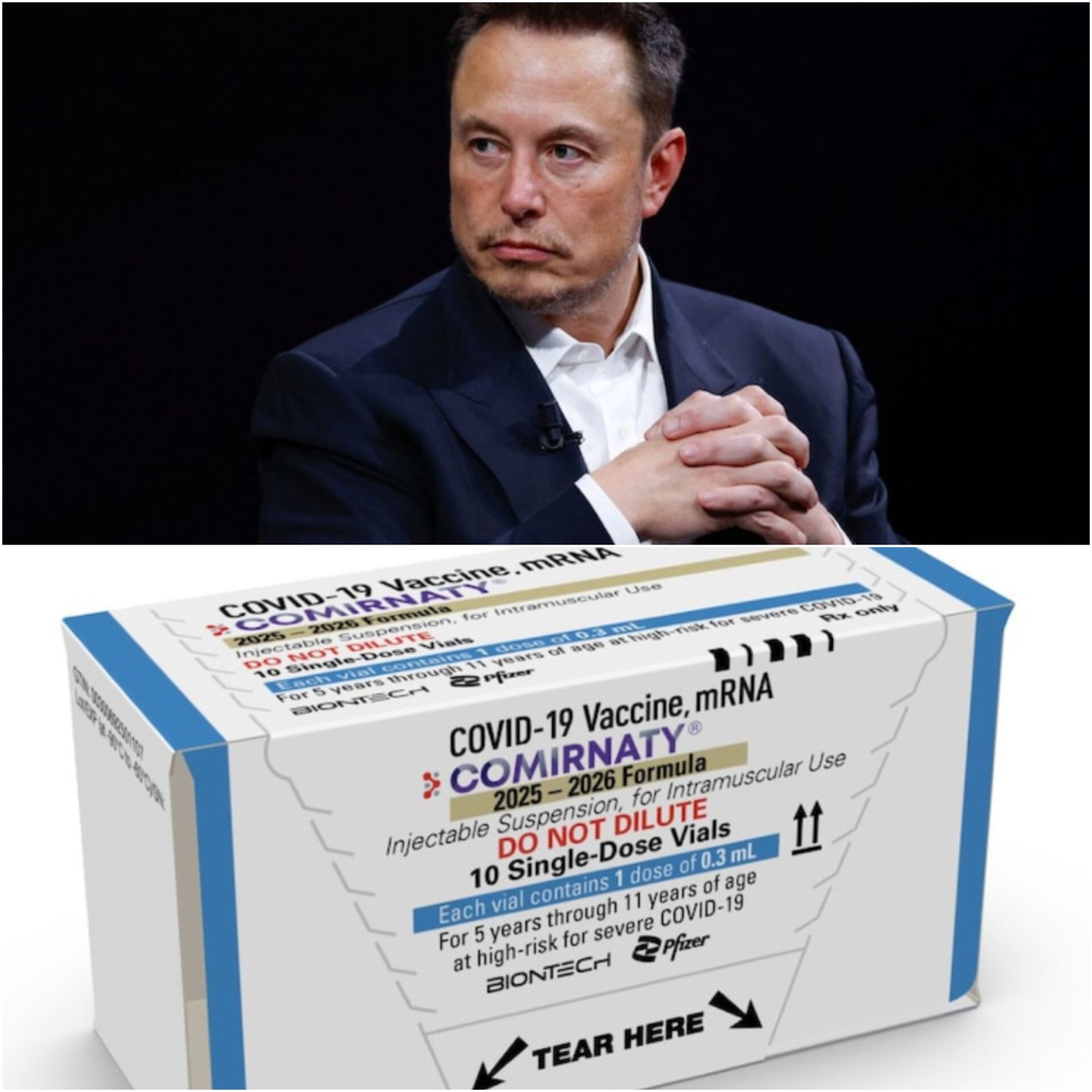
Elon Musk said his second Covid-19 shot “felt like I was dying” and nearly sent him to hospital. He shared a video of Helmut Sterz, who claimed vaccines “should never have been approved”. Sterz said deaths could be higher than reported. However, experts said these numbers are not proven and come from estimates, not studies. Officials in Germany rejected the claims as “false”. Health agencies said reported deaths after vaccines do not mean they were caused by them. Scientists added that serious side effects are rare and vaccines helped reduce deaths during the pandemic. (PC: Reuters, Pfizer)
Brief by Shorts91 Newsdesk / 01:42pm on 11 Apr 2026,Saturday Science
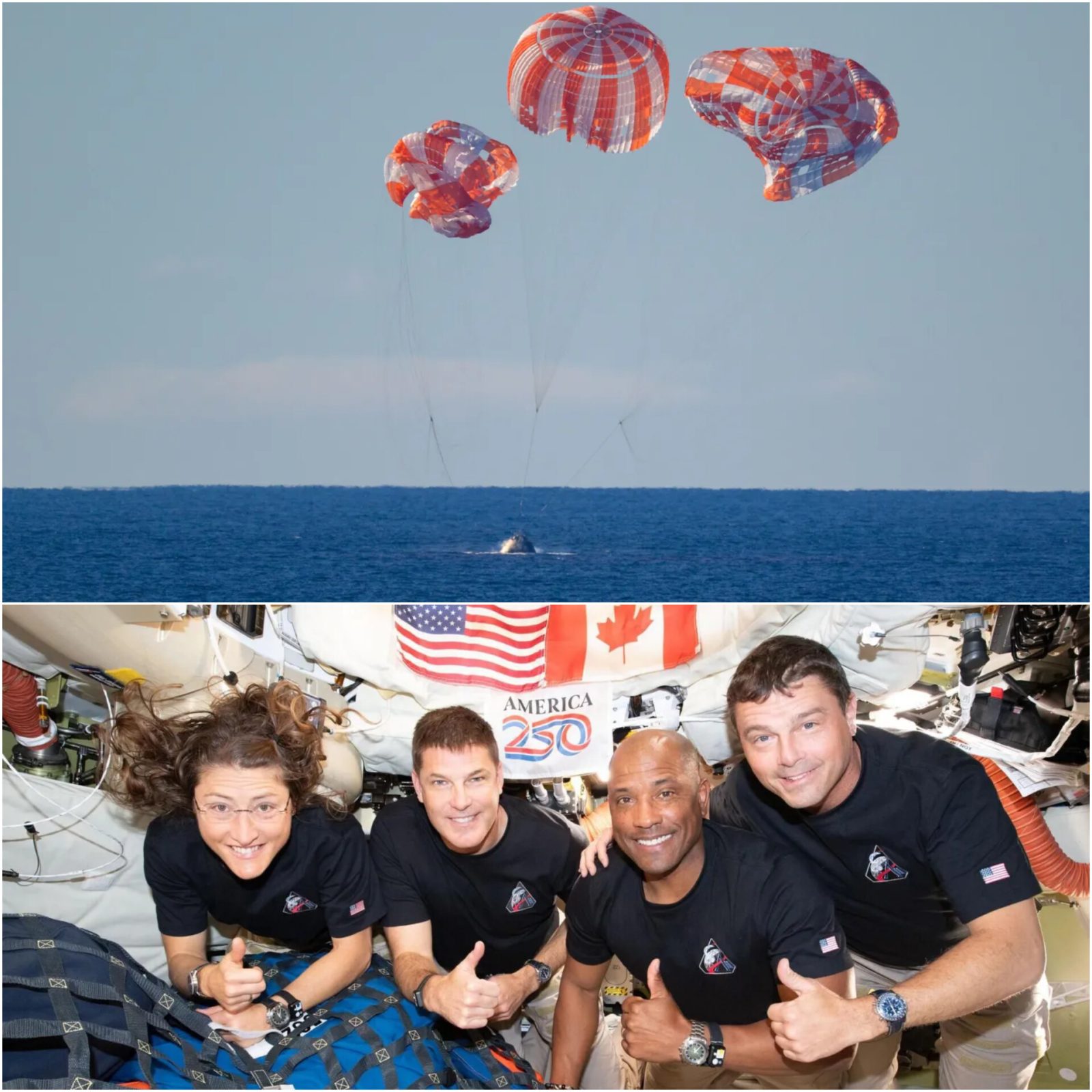
Four astronauts from NASA’s Artemis II mission returned safely after a complex re-entry and splashdown in the Pacific Ocean. The Orion capsule faced extreme heat and a brief signal loss during descent. Commander Reid Wiseman said, “Houston, Integrity here. We hear you loud and clear” after contact resumed. Parachutes deployed smoothly, leading to what NASA called a “perfect” landing. The crew — Victor Glover, Christina Koch and Jeremy Hansen — are recovering on a naval ship. NASA said the mission helps prepare for future human landings on the Moon. (PC: BBC)
Brief by Shorts91 Newsdesk / 06:10am on 11 Apr 2026,Saturday Science
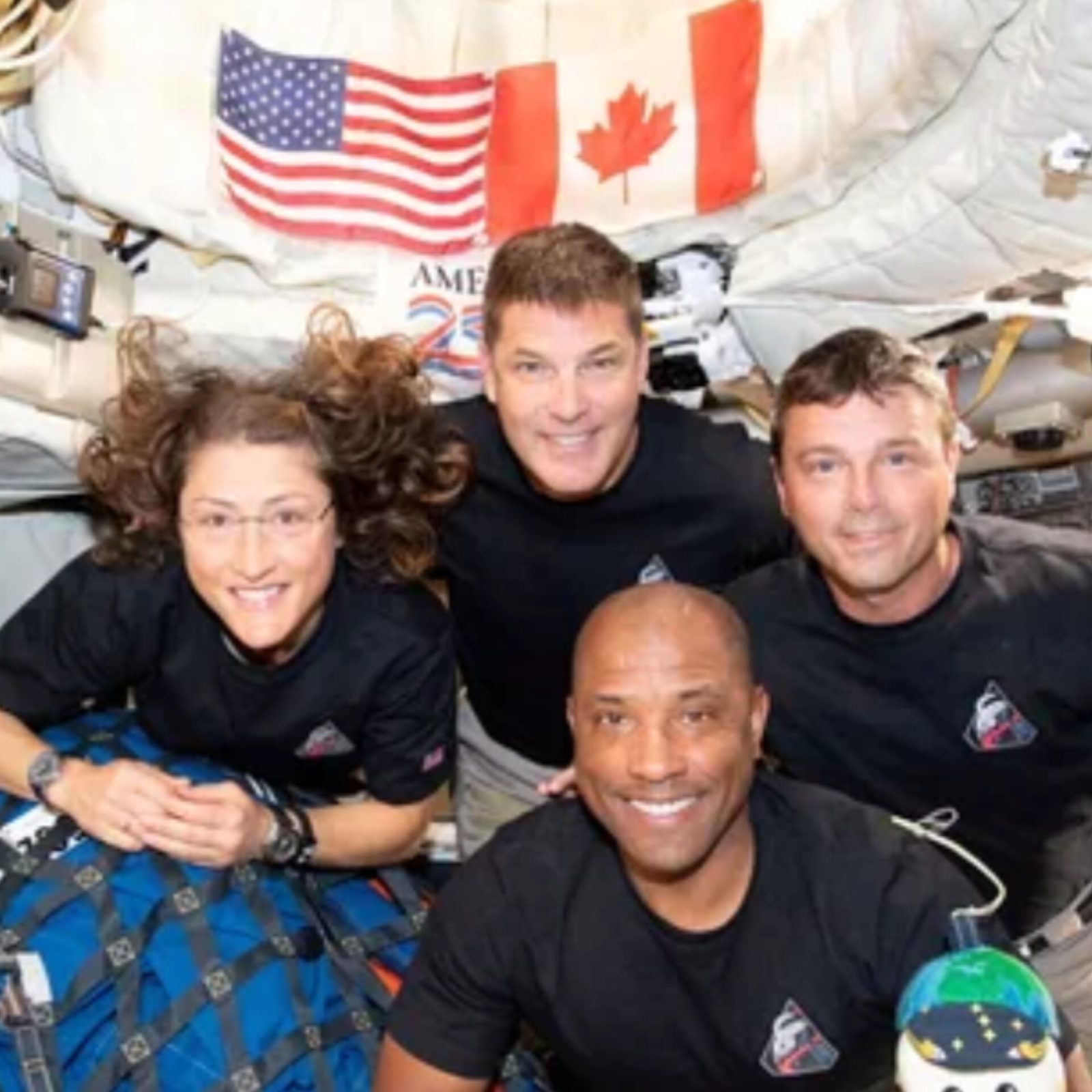
NASA’s Artemis II mission successfully withstood extreme re-entry conditions, as the Orion capsule endured temperatures of nearly 5,000°F (2,760°C) while returning to Earth. The fiery descent, lasting around 13 minutes, marked the most dangerous phase of the mission, testing the spacecraft’s heat shield under real conditions. Engineers had earlier raised concerns after damage was observed during Artemis I, prompting trajectory adjustments to reduce heat stress. Despite risks, the capsule performed as expected, protecting the crew and ensuring a safe splashdown. The success validates NASA’s design improvements and is seen as a major step forward for future lunar missions. (PC: Reuters)