Brief by Shorts91 Newsdesk / 03:18am on 11 Apr 2026,Saturday Science
NASA’s Artemis II astronauts successfully splashed down in the Pacific Ocean, concluding a nearly 10-day mission around the Moon—the first crewed lunar journey in over 50 years. The Orion spacecraft re-entered Earth’s atmosphere at extreme speeds before deploying parachutes for a safe landing off the California coast. The four-member crew travelled over 694,000 miles, setting new deep-space records and testing critical systems like the heat shield and life support. The mission marks a major milestone in NASA’s Artemis programme, paving the way for future lunar landings and long-term human exploration, including planned missions to the Moon and eventually Mars.
Brief by Shorts91 Newsdesk / 11:26am on 10 Apr 2026,Friday Science
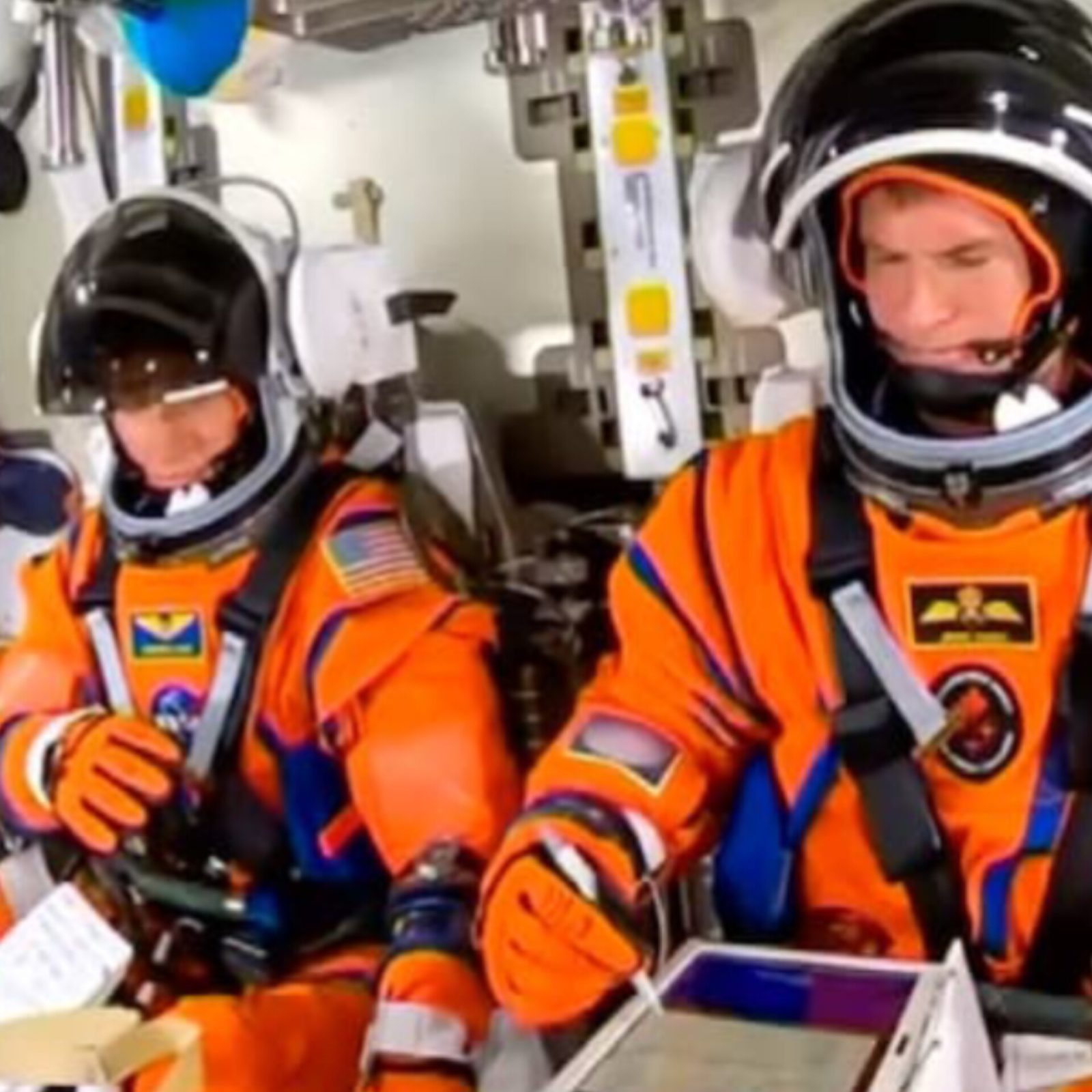
NASA’s Artemis-2 astronauts are set to re-enter Earth’s atmosphere at unprecedented speeds of nearly 40,000 km/h, making it the fastest human return ever. The extreme velocity is due to their deep-space trajectory around the Moon, which accelerates the spacecraft using lunar gravity. During reentry, the Orion capsule will face intense heat generated mainly by air compression, not friction, creating temperatures of thousands of degrees. This phase also causes a temporary communication blackout due to plasma formation. Despite advanced heat shields and “skip reentry” techniques, the process remains highly risky and is considered the mission’s most dangerous stage. (PC: NASA)
Brief by Shorts91 Newsdesk / 02:27pm on 07 Apr 2026,Tuesday Science
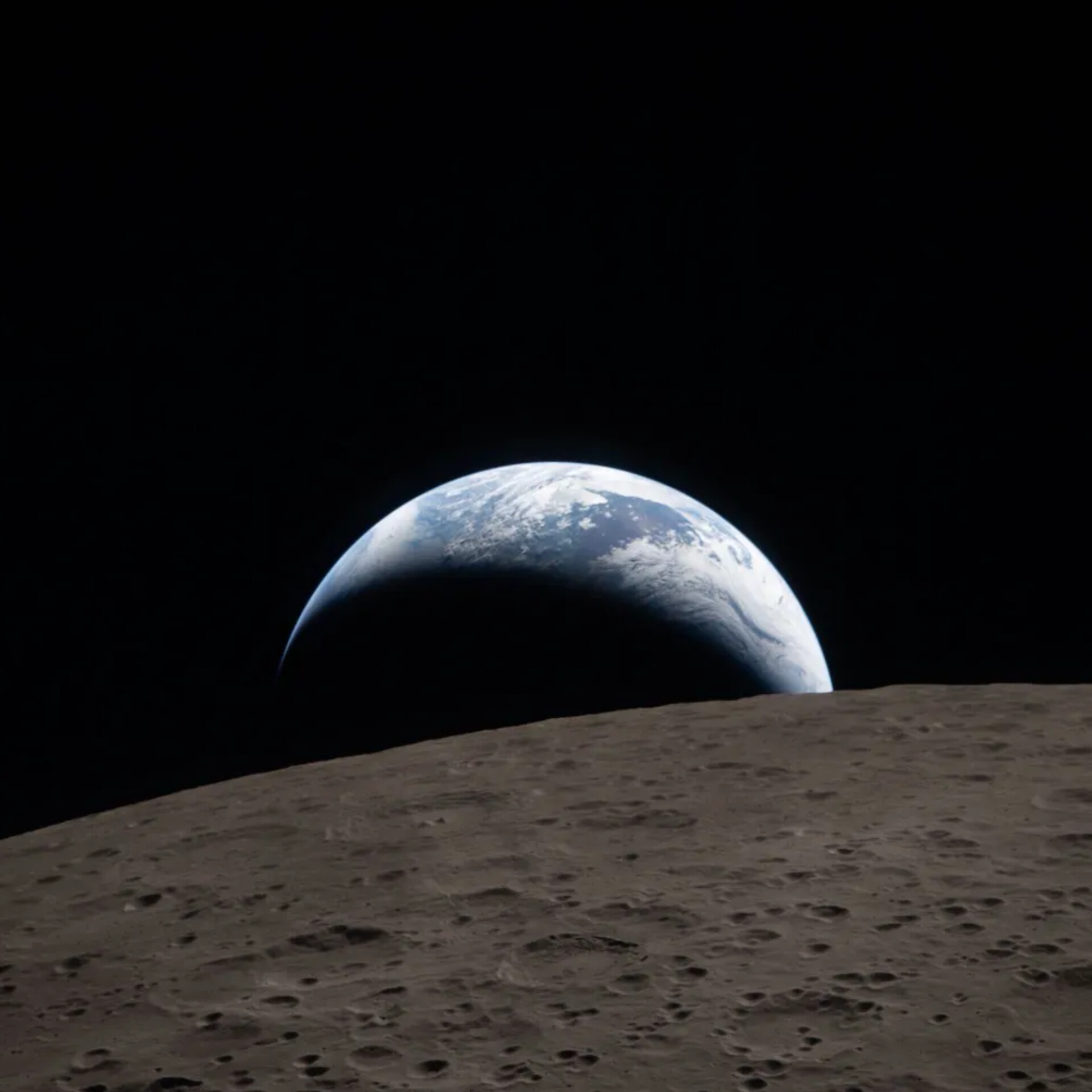
NASA has released new images from the Artemis II Moon fly-by. Astronauts captured a rare “Earthset” view, showing Earth rising beyond the Moon’s surface. Another image showed a solar eclipse as the Moon blocked the Sun. The photos were taken during a six-hour fly-by. Astronauts experienced a short period of radio silence behind the Moon. One astronaut described the view as unreal and like science fiction. The images remind people of the famous Earthrise photo from 1968. They show Earth’s beauty and the vast darkness of space around it. (PC: NASA)
Brief by Shorts91 Newsdesk / 02:46am on 07 Apr 2026,Tuesday Science
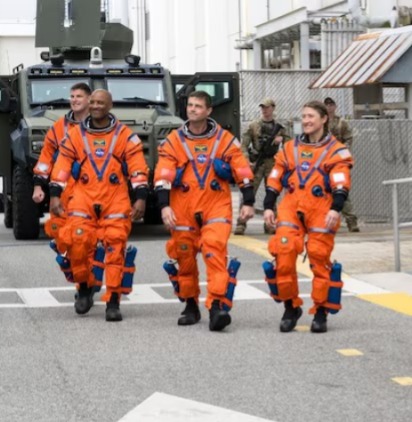
The Orion spacecraft successfully re-established contact with Mission Control after a 40-minute communication blackout during the Artemis II. The signal was regained at 5:12 a.m. IST as the capsule emerged from behind the Moon’s far side, where its bulk had blocked all transmissions with Earth. The four astronauts, who have travelled farther than any humans before, expressed relief upon reconnecting, with one remarking it was “so great to hear from Earth again.” The moment marked a critical milestone in the mission, highlighting both the challenges of deep-space travel and the success of communication tracking systems. (PC: NASA)
Brief by Shorts91 Newsdesk / 01:08pm on 06 Apr 2026,Monday Science
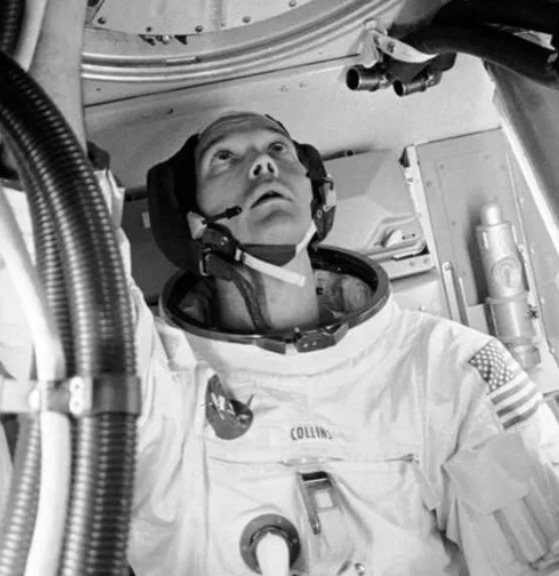
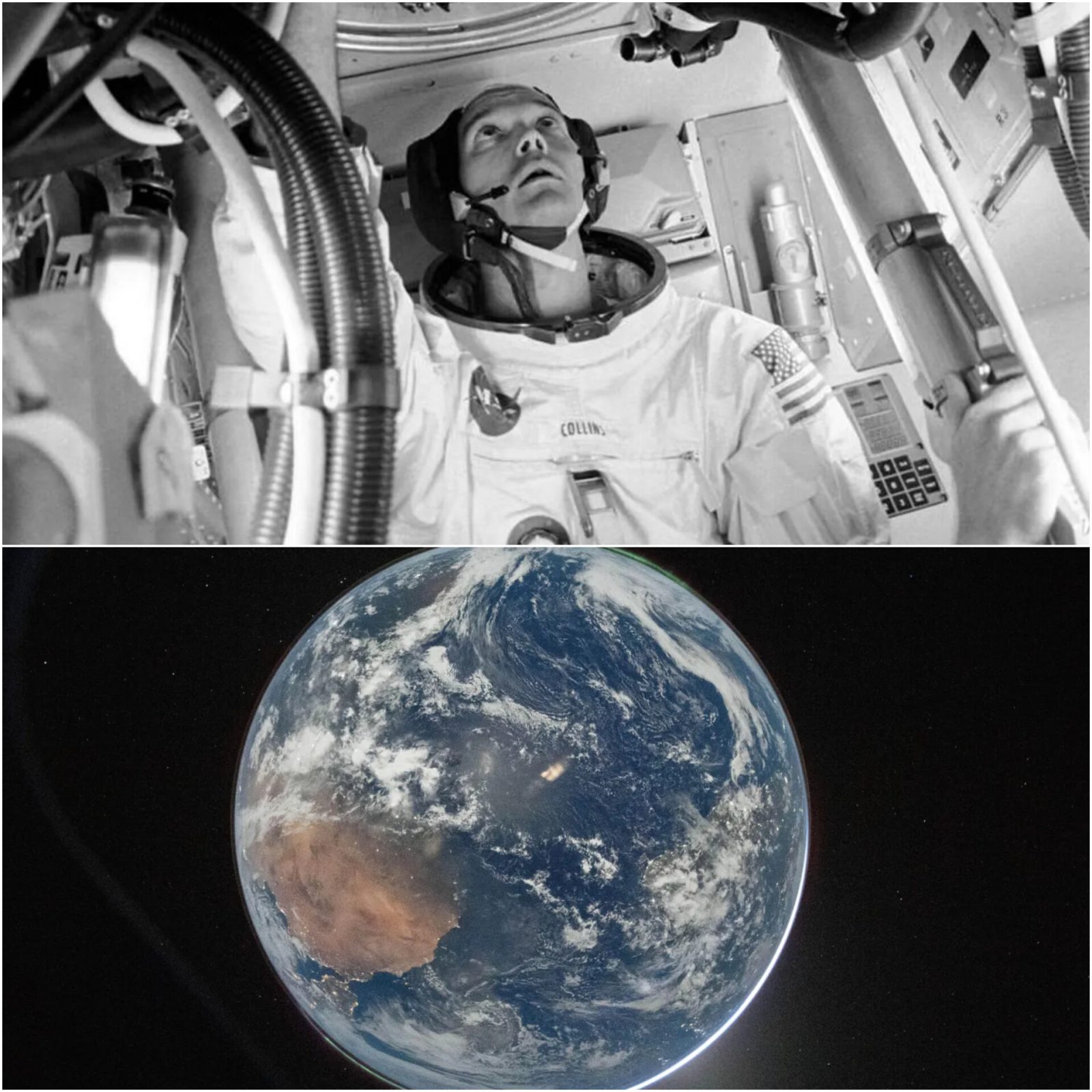
During the Artemis II journey, astronauts will face a 40-minute communication blackout as their Orion spacecraft passes behind the Moon, blocking signals with Earth. This moment of isolation echoes past missions like Apollo 11, when Michael Collins experienced similar solitude. While mission control awaits anxiously, teams track the spacecraft’s position. Astronauts will use the time for lunar observation and reflection. Experts highlight the need for continuous communication systems, with initiatives like Moonlight programme aiming to prevent future blackouts as lunar exploration expands toward sustained human presence. (PC: NASA)
Brief by Shorts91 Newsdesk / 12:32pm on 06 Apr 2026,Monday Science
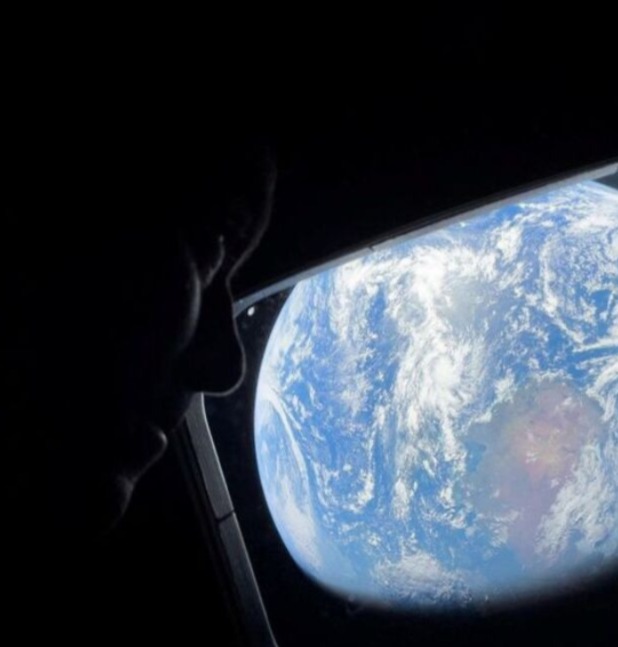
The Artemis II astronauts entered the Moon’s gravitational sphere early Monday, advancing toward a record-breaking distance from Earth. Flying aboard the Orion spacecraft, the crew is set to reach about 252,757 miles from Earth, surpassing the Apollo 13 record by 4,102 miles. Astronauts Reid Wiseman, Victor Glover, Christina Koch, and Jeremy Hansen will fly around the Moon’s far side, experiencing communication blackouts. The mission, a key step in Artemis program, aims to return humans to the lunar surface by 2028 and build a sustained presence for future Mars exploration. (PC: Reuters)
Brief by Shorts91 Newsdesk / 03:42am on 06 Apr 2026,Monday Science
Astronauts on Artemis II will lose contact with Earth for about 40 minutes as their spacecraft passes behind the Moon. The Moon blocks radio and laser signals, cutting links with mission control. NASA teams will not be able to communicate during this period. Pilot Victor Glover said, “Let’s pray, hope, send your good thoughts.” The moment is similar to past missions like Apollo 11. Astronaut Michael Collins once said he felt “truly alone” during such blackout. Teams on Earth will wait for signals to return. (PC: BBC)
Brief by Shorts91 Newsdesk / 09:28am on 05 Apr 2026,Sunday Science
Astronauts aboard Artemis II have seen the far side of the Moon for the first time and called the view “absolutely spectacular”. The crew includes Reid Wiseman, Victor Glover, Christina Koch, and Jeremy Hansen. They are travelling aboard the Orion spacecraft. Koch said, “Something about you senses that is not the Moon that I’m used to seeing.” The team shared images of the Orientale basin. NASA said it is the first time the full area has been seen by humans. The spacecraft is now over 2,89,000 km from Earth.
Brief by Shorts91 Newsdesk / 08:20am on 05 Apr 2026,Sunday Science
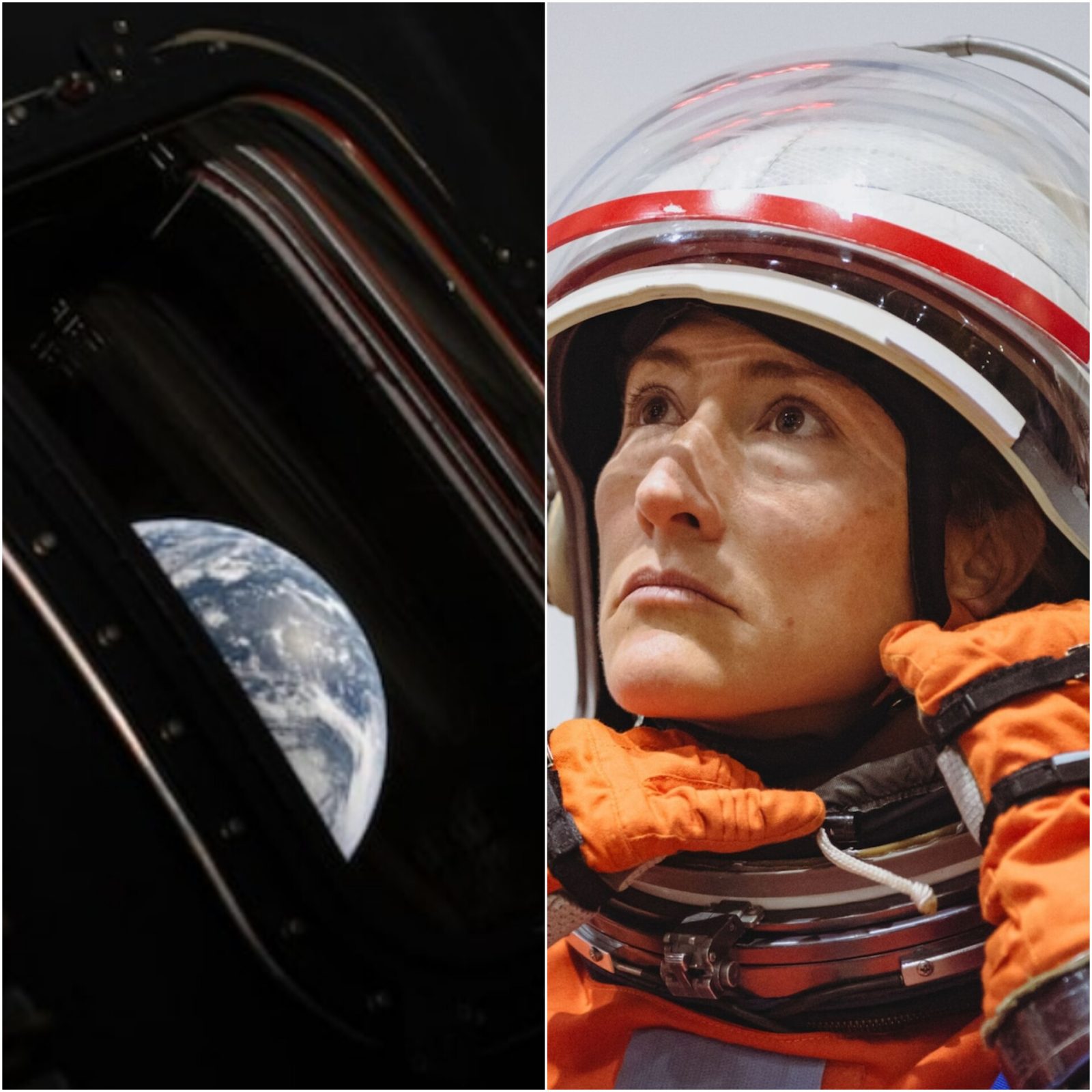
Christina Koch has become the farthest-travelled woman from Earth during the Artemis 2 mission. She crossed the record after the Orion spacecraft performed a key engine burn to leave Earth orbit. The crew was about 1,60,000 km away from Earth on Friday. The spacecraft is now in the trans-lunar phase and heading for a flyby on April 6. NASA said the crew may reach over 4,00,000 km, breaking the Apollo 13 record. Koch also repaired a toilet system onboard. The mission is testing systems for future Moon landings under NASA’s Artemis programme. (PC: India Today)
Brief by Shorts91 Newsdesk / 01:49pm on 04 Apr 2026,Saturday Science
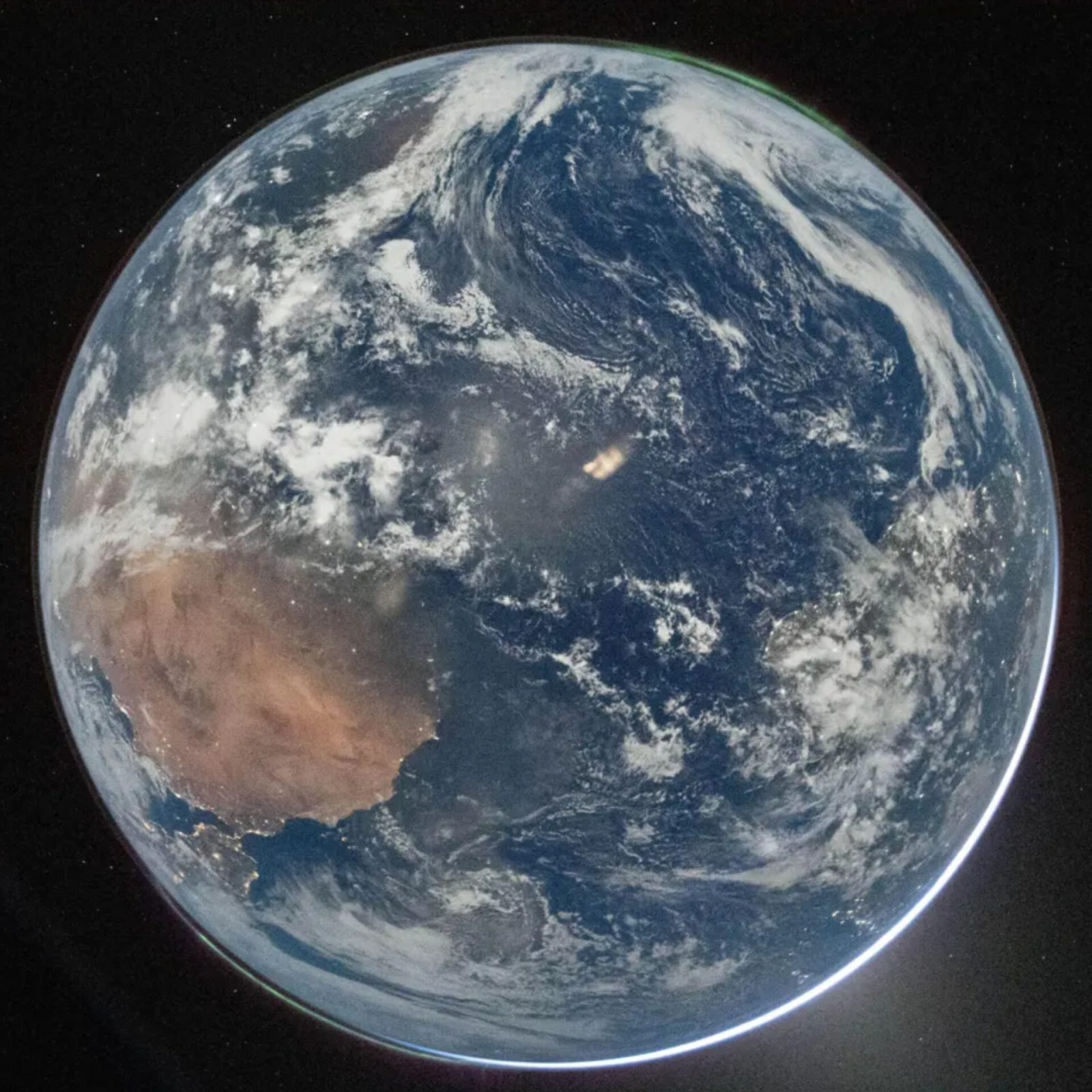
NASA’s Artemis II crew has shared new images of Earth from space. The spacecraft is now halfway between Earth and the Moon. Commander Reid Wiseman took the photos after a key engine burn. He called the view “spectacular.” The images show Earth’s oceans, clouds, and glowing auroras. One picture also shows the line between day and night. The crew said they felt joy after reaching this point. The mission is the first human journey beyond Earth orbit since 1972. The spacecraft will travel around the Moon and return on April 10. NASA said Earth still looks beautiful from space after many years. (PC: Nasa/Reid Wiseman)