
Brief by Shorts91 Newsdesk / 11:31am on 03 Apr 2026,Friday Science
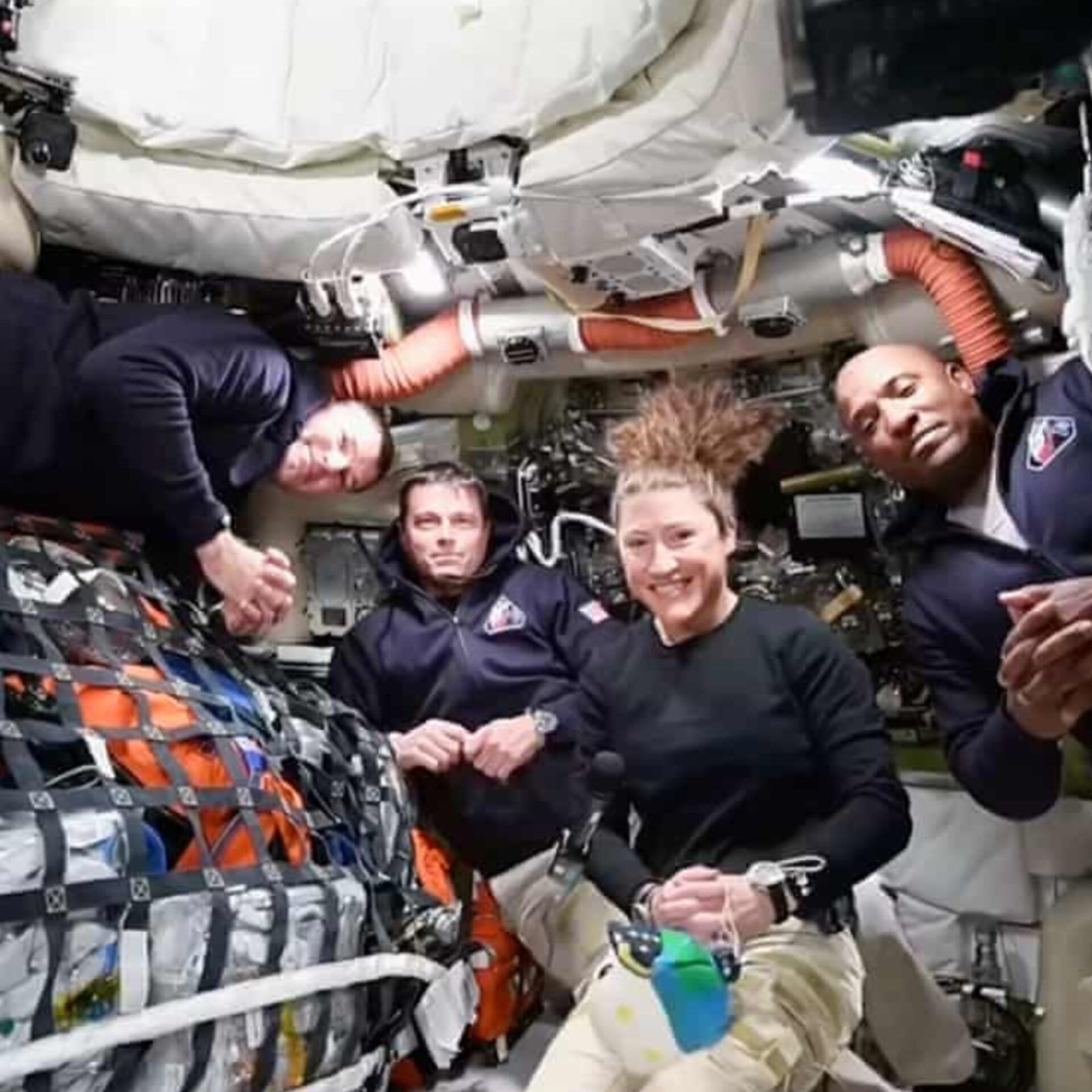
NASA has included hot sauces and strong condiments in the Artemis II space mission menu to counter reduced taste and smell experienced in microgravity. Astronauts often find food bland in space due to fluid shifts affecting sensory perception. To address this, the mission carries 189 food and drink items, including five types of hot sauce, beverages, and diverse meals. All food is shelf-stable, rehydratable, and designed for zero-gravity consumption. Scientists say enhancing flavor is crucial not just for nutrition but also for astronaut morale during long missions, highlighting evolving space food technology for future lunar and Mars exploration. (PC: India Today)
Brief by Shorts91 Newsdesk / 08:01am on 03 Apr 2026,Friday Science
NASA’s Artemis II mission has successfully fired its engines to leave Earth orbit, sending the Orion spacecraft and four astronauts — Reid Wiseman, Victor Glover, Christina Koch, and Jeremy Hansen — on a historic lunar flyby, the first since 1972. The roughly 10-day mission follows a “free-return” trajectory around the Moon, allowing the crew to test life-support systems, navigation, and deep-space operations, crucial for future Artemis lunar landings and eventual Mars missions. The flawless launch and orbital maneuvers mark a major milestone in NASA’s Artemis program and human space exploration. (PC: AP)
Brief by Shorts91 Newsdesk / 06:17pm on 02 Apr 2026,Thursday Science
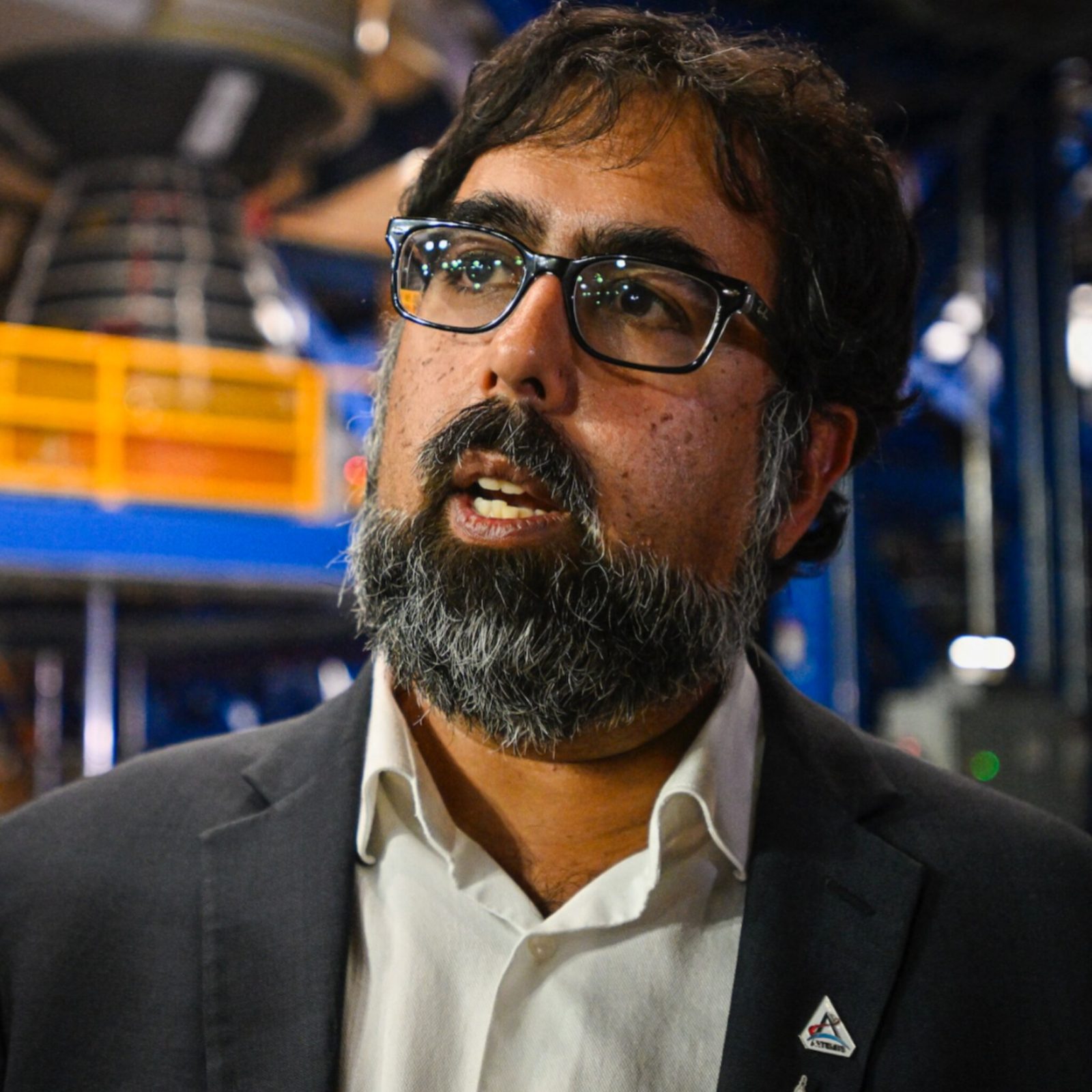
Amit Kshatriya, one of NASA’s highest-ranking civil servants, is playing a key role in shaping humanity’s return to deep space. Inspired by the Space Shuttle Challenger disaster he witnessed as a child, he turned tragedy into motivation. Beginning his career in 2003, he contributed to the space shuttle and International Space Station programs, later becoming a NASA flight director. Now serving as Associate Administrator and COO, he oversees major missions, including the Artemis program, driving efforts toward sustainable lunar exploration and future Mars missions. (PC: X)
Brief by Shorts91 Newsdesk / 02:23pm on 02 Apr 2026,Thursday Science
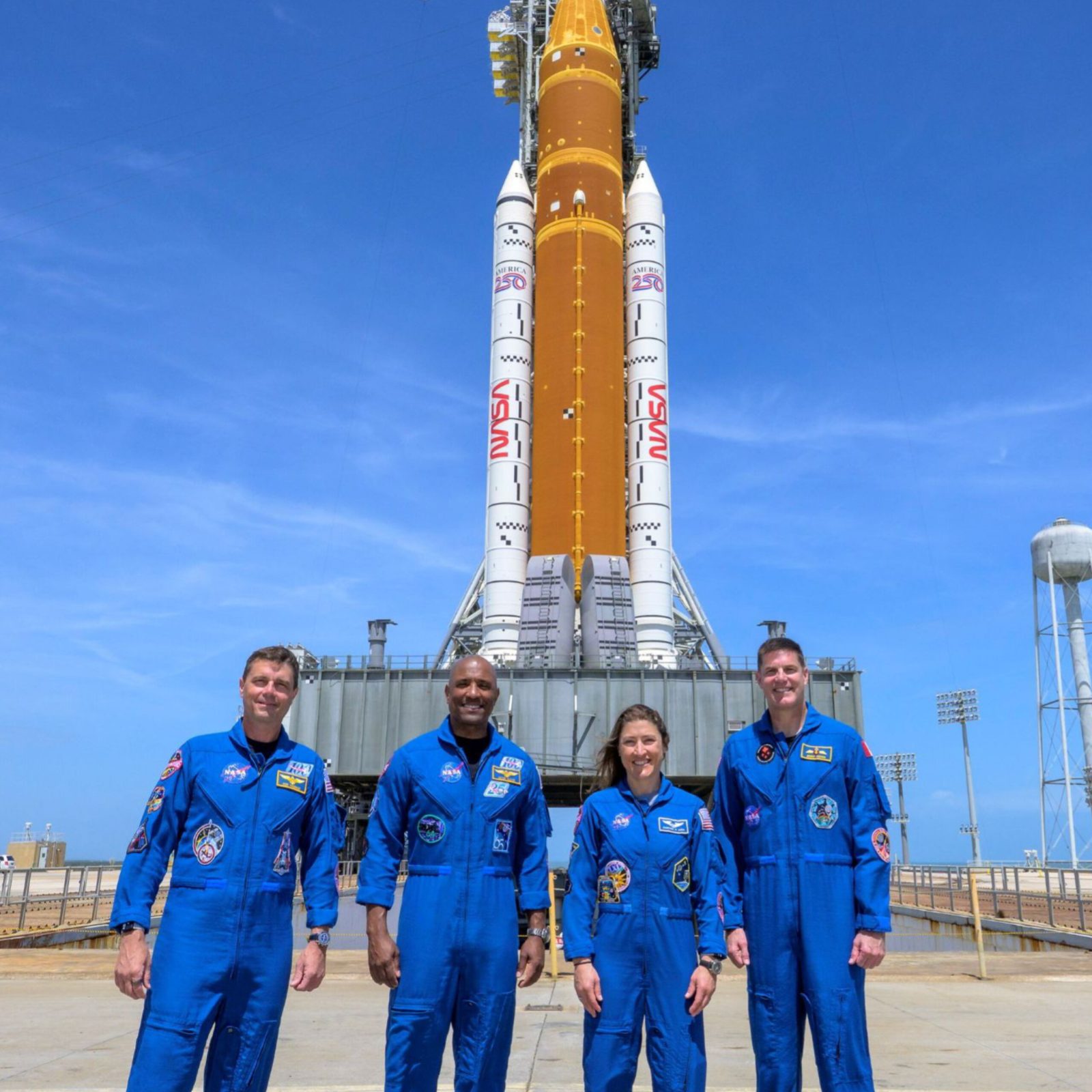
NASA’s Artemis II mission will take about four days to reach the Moon after launch, as astronauts travel on a lunar flyby trajectory rather than landing. The total mission lasts around 10 days, including system checks in Earth orbit, a journey around the Moon, and a return to Earth. After looping behind the Moon, the spacecraft uses gravity to slingshot back toward Earth. The mission tests life-support, navigation, and communication systems, paving the way for future lunar landings under the Artemis programme later this decade. (PC: X)
Brief by Shorts91 Newsdesk / 07:09am on 02 Apr 2026,Thursday Science
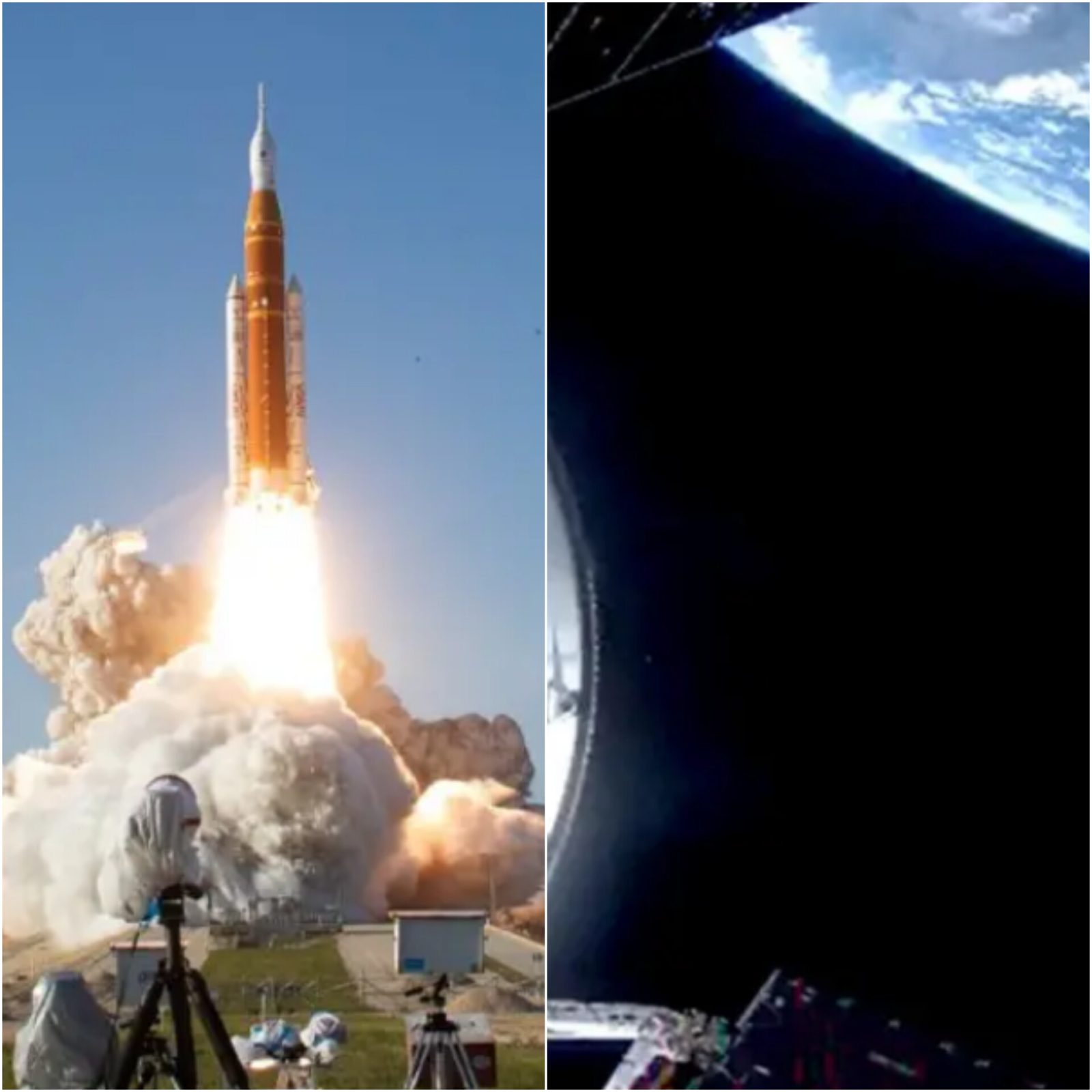
NASA launched its Artemis II mission, sending astronauts into orbit around Earth. It is the first crewed Moon mission in nearly 50 years. Astronaut Reid Wiseman said, “We go for all humanity,” during liftoff. The launch was powerful and smooth. The spacecraft will stay in Earth’s orbit for about 24 hours. The crew will carry out system checks during this time. Officials said the crew is “safe, secure and in great spirits”. If checks go well, the mission will move toward the Moon. The 10-day mission will circle the Moon but not land. (PC: BBC)
Brief by Shorts91 Newsdesk / 04:00am on 02 Apr 2026,Thursday Science
NASA successfully launched the Artemis II from Kennedy Space Center, sending four astronauts on the first crewed lunar flyby in over 50 years. The powerful Space Launch System rocket lifted off after a brief delay, overcoming technical concerns during final checks. Commander Reid Wiseman led the multinational crew, including astronauts from the US and Canada, on a roughly 10-day mission to orbit the Moon without landing. The launch marks a major milestone in human spaceflight, reviving lunar exploration ambitions and paving the way for future Moon landings and eventual missions to Mars under NASA’s Artemis programme.
Brief by Shorts91 Newsdesk / 03:13am on 02 Apr 2026,Thursday Science
NASA successfully launched Artemis II on April 2, sending four astronauts aboard the Space Launch System from Kennedy Space Center. The mission marks the first crewed lunar flyby in over 50 years, carrying three Americans and one Canadian. The roughly 10-day journey will orbit the Moon without landing, testing spacecraft systems and manual piloting. The crew includes the first woman, first person of color, and first non-American on such a mission. Despite delays, the launch proceeded under near-ideal conditions, witnessed by thousands. Artemis II aims to validate systems ahead of a planned Moon landing mission later this decade.
Brief by Shorts91 Newsdesk / 06:33pm on 01 Apr 2026,Wednesday Science
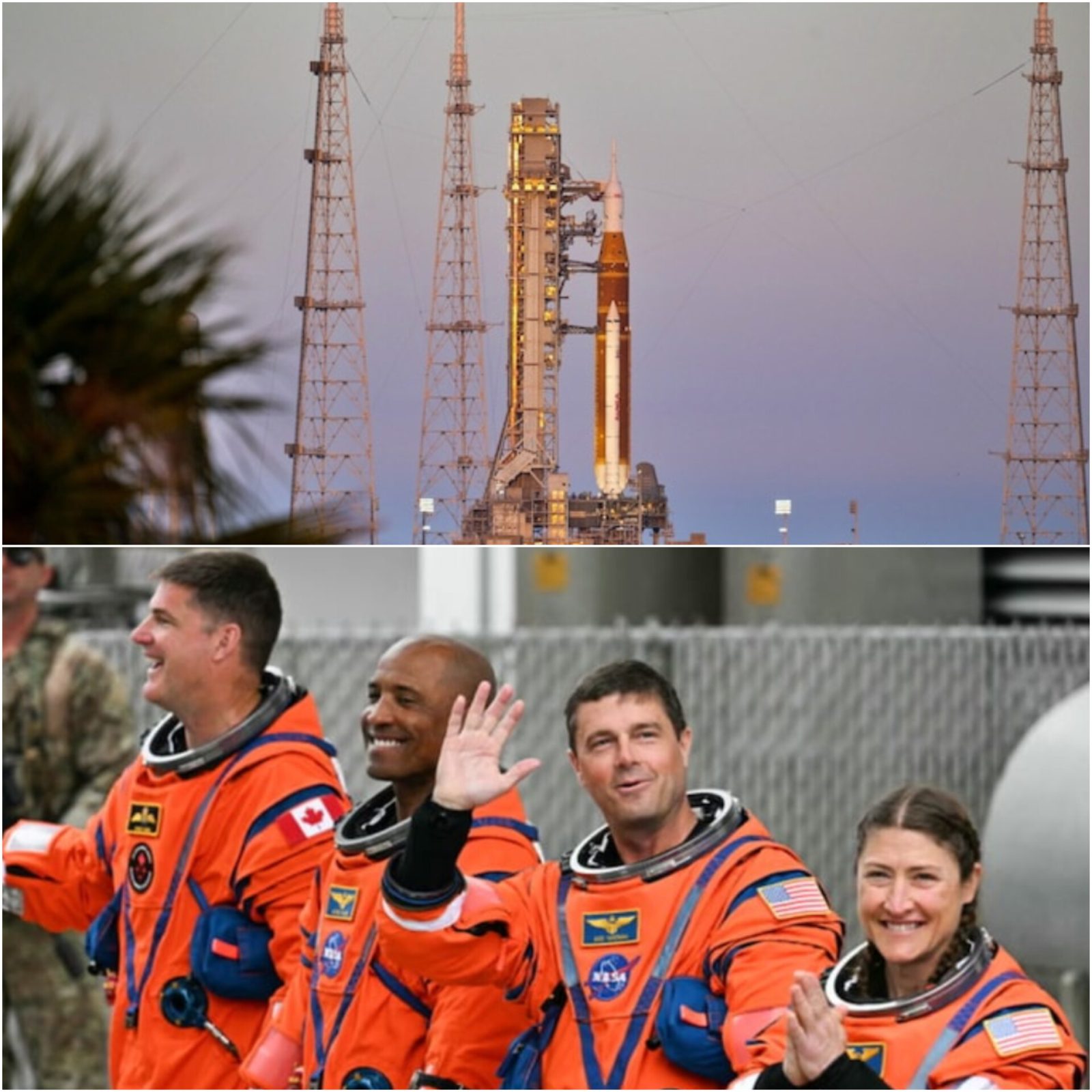
NASA is set to launch Artemis-II with four astronauts on board. It will be the first crewed Moon mission in over 50 years. The spacecraft will take the astronauts on a 10-day journey around the Moon. Officials said final checks are complete and weather is 80% favourable. The crew includes Victor Glover, Reid Wiseman, Christina Koch, and Jeremy Hansen. The mission will not land on the Moon but test key systems. NASA called it a “historic liftoff”. The mission will help prepare for future human missions to Mars and deep space exploration.

Brief by Shorts91 Newsdesk / 07:27am on 03 Mar 2026,Tuesday Science
A total lunar eclipse will take place on March 3. The Moon will turn deep red during totality. This event is called a “Blood Moon.” It happens when Earth moves between the Sun and the Moon, blocking direct sunlight. Only red light reaches the Moon. The eclipse will be visible in parts of Asia, Australia and the Americas. In India, the final phase will be seen around sunset. The total phase will last about 58 minutes. Lunar eclipses are safe to watch with naked eyes. Binoculars or a small telescope can give a better view. (PC: Unsplash)

Brief by Shorts91 Newsdesk / 06:19pm on 19 Feb 2026,Thursday Science
Donald Trump said the world will know within about 10 days if the US reaches a deal with Iran or moves toward military action. Speaking at the first meeting of his Board of Peace in Washington, Trump said, “we have some work to do” on Iran’s nuclear programme. He added, “we may have to take it a step further.” He said envoys Steve Witkoff and Jared Kushner held “very good meetings.” US forces have increased their presence in the region, including the carrier USS Abraham Lincoln. Lawmakers like Ro Khanna and Thomas Massie oppose action without Congress approval.