Brief by Shorts91 Newsdesk / 06:44pm on 17 Feb 2024,Saturday Science
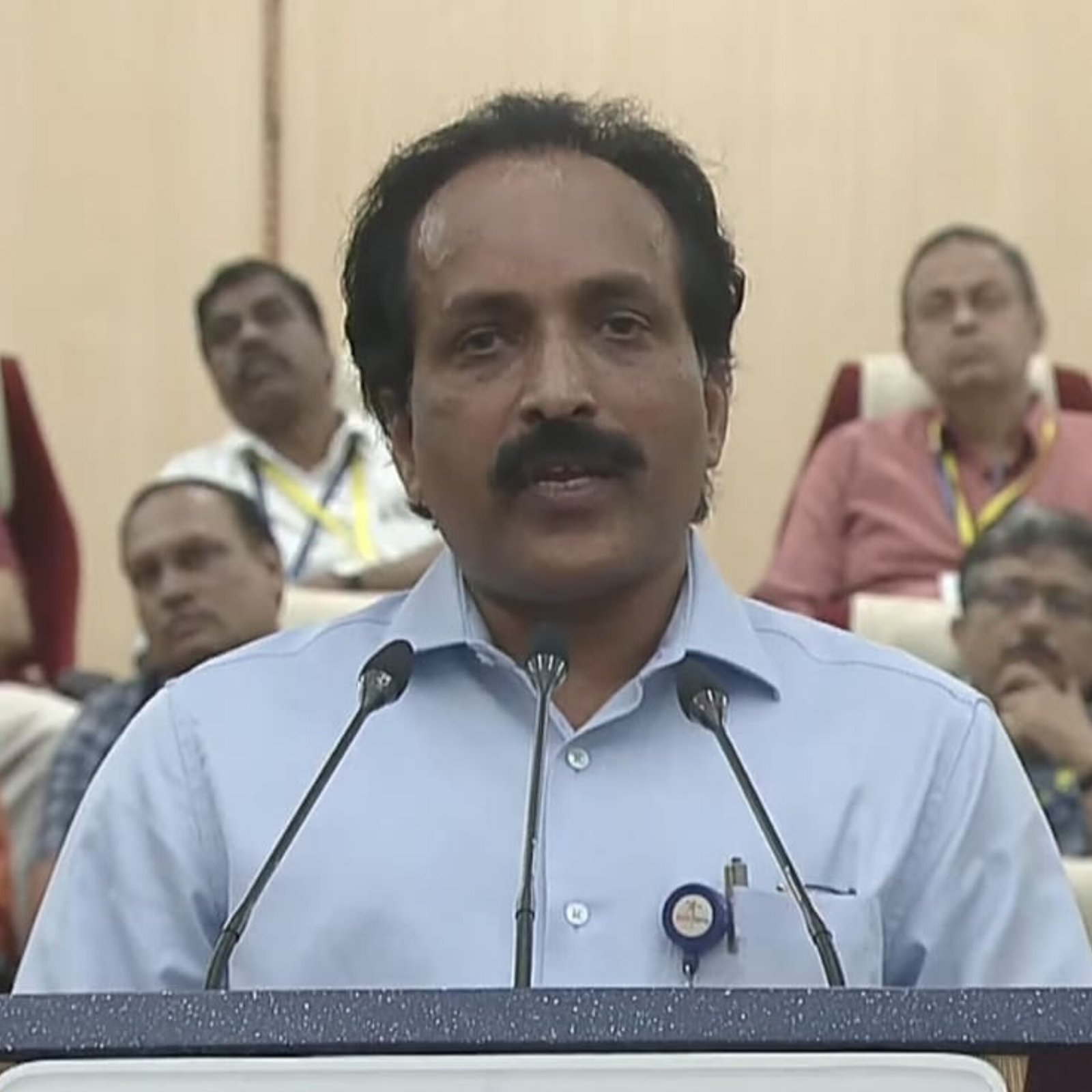
India's space agency, ISRO, is internally deliberating the launch of the Chandrayaan-4 mission, aiming to retrieve soil samples from the Moon's surface. Following the success of Chandrayaan-3's touchdown on the lunar south pole, ISRO Chairman S Somanath revealed plans for more ambitious missions. Chandrayaan-4's payload and design are under discussion, with a focus on robotic soil retrieval. Somanath emphasized the complexity of the task, requiring novel rocket designs and high-end technology. While details remain undisclosed pending government approval, ISRO aims to advance lunar exploration capabilities and extend its scientific reach.
#ISRO UNSTOPPABLE!
— Dr Jitendra Singh (@DrJitendraSingh) February 17, 2024
Celebrating the launch of INSAT 3DS …the latest generation Climate/Weather satellite.
Proud to be associated with Department of Space at a time when Team ISRO continues to accomplish one success after the other,with personal patronage from PM Sh @NarendraModi pic.twitter.com/Gs5GUxw84O
Brief by Shorts91 Newsdesk / 01:14pm on 17 Feb 2024,Saturday Science
The Indian Space Research Organisation (ISRO) achieved a milestone with the successful launch of the INSAT-3DS satellite aboard GSLV Mk-II. Scheduled for a decade-long mission, INSAT-3DS aims to enhance India's environmental monitoring, oceanic observations, and weather forecasting. Equipped with advanced imaging and sounding payloads, it will provide crucial atmospheric data for accurate predictions and disaster management. Additionally, its data relay transponder and search and rescue capabilities promise improved global coverage and emergency response. With GSLV Mk-II's 16th successful mission, ISRO continues to strengthen India's space capabilities, benefitting sectors like agriculture and aviation.
Brief by Shorts91 Newsdesk / 08:08am on 17 Feb 2024,Saturday Science
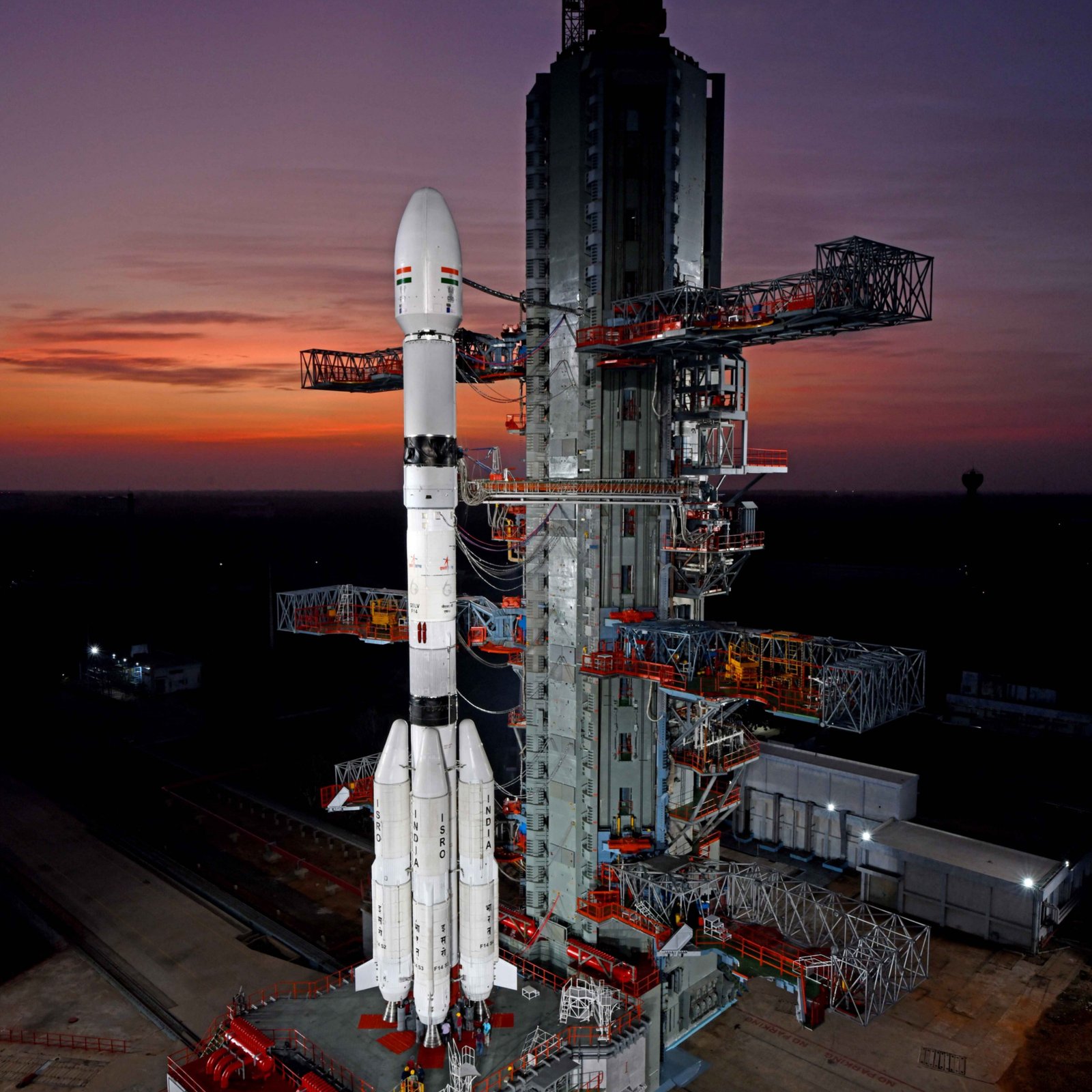
The Indian Space Research Organisation (ISRO) is poised to launch the INSAT-3DS satellite, heralding a new era in India's space exploration endeavors. Scheduled to lift off from the Satish Dhawan Space Centre at 5:35 pm IST, INSAT-3DS aims to bolster meteorological observations and disaster warning capabilities. Funded by the Ministry of Earth Sciences, this advanced satellite promises improved weather forecasting and disaster preparedness. Propelled into orbit by the GSLV-F14, INSAT-3DS underscores India's self-reliant approach in space technology. With Indian industries contributing significantly to its development, the mission signifies a leap forward in India's meteorological prowess and space exploration achievements.
Brief by Shorts91 Newsdesk / 04:43pm on 10 Feb 2024,Saturday Science
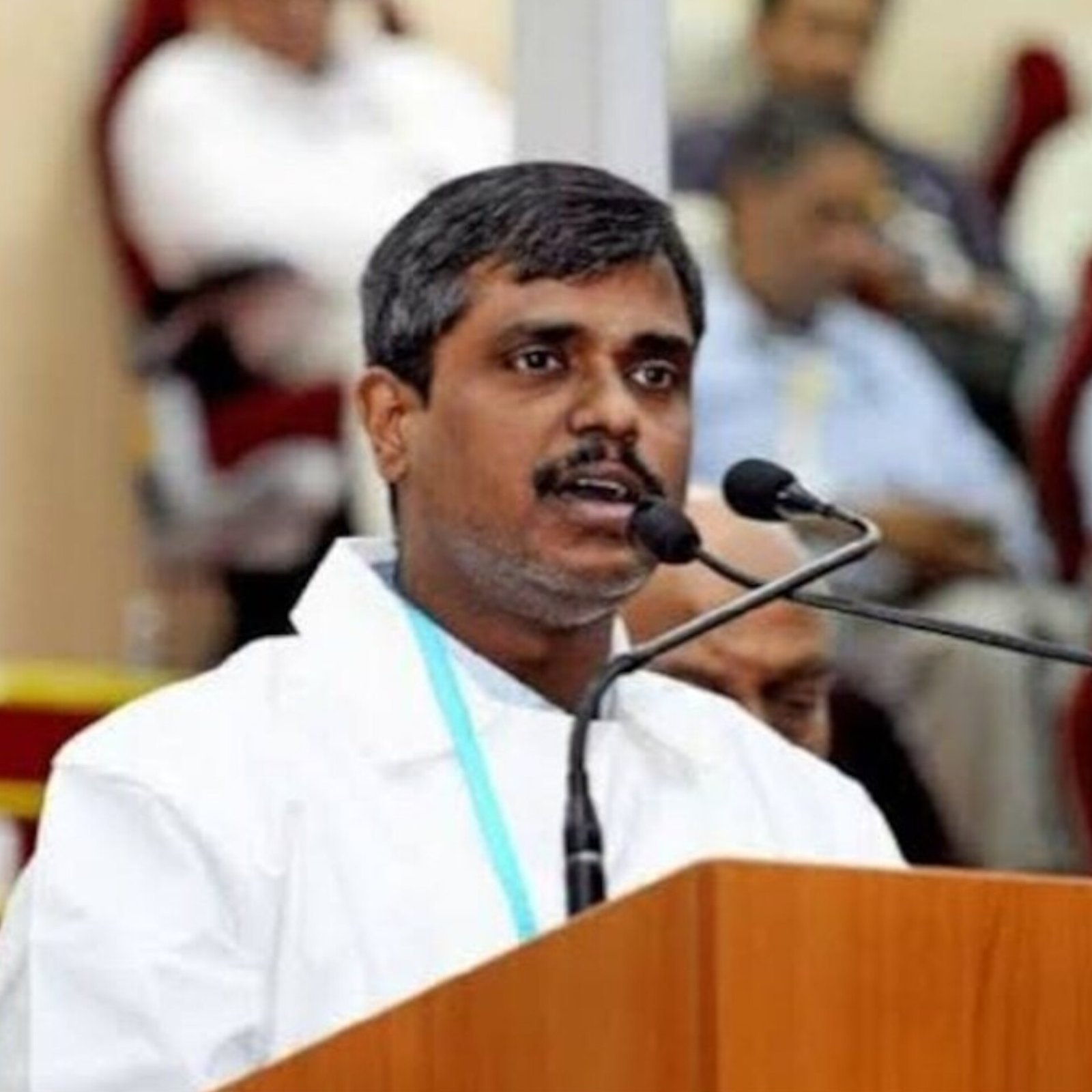
Project Director P Veeramuthuvel assures that India's space goals remain on course, with plans for a national space station by 2035 and an Indian astronaut on the moon by 2040 progressing well. ISRO's recent triumph involves the Chandrayaan-3's Propulsion Module returning to Earth's orbit after fulfilling mission objectives. Veeramuthuvel highlights the successful lunar day completion and a hop-on experiment using the same engine. The propulsion module's return demonstrates ISRO's capability to bring it from the moon's orbit to Earth's orbit. The ambitious endeavors align with Prime Minister Narendra Modi's vision for India's space exploration.
Brief by Shorts91 Newsdesk / 05:40pm on 08 Feb 2024,Thursday Science
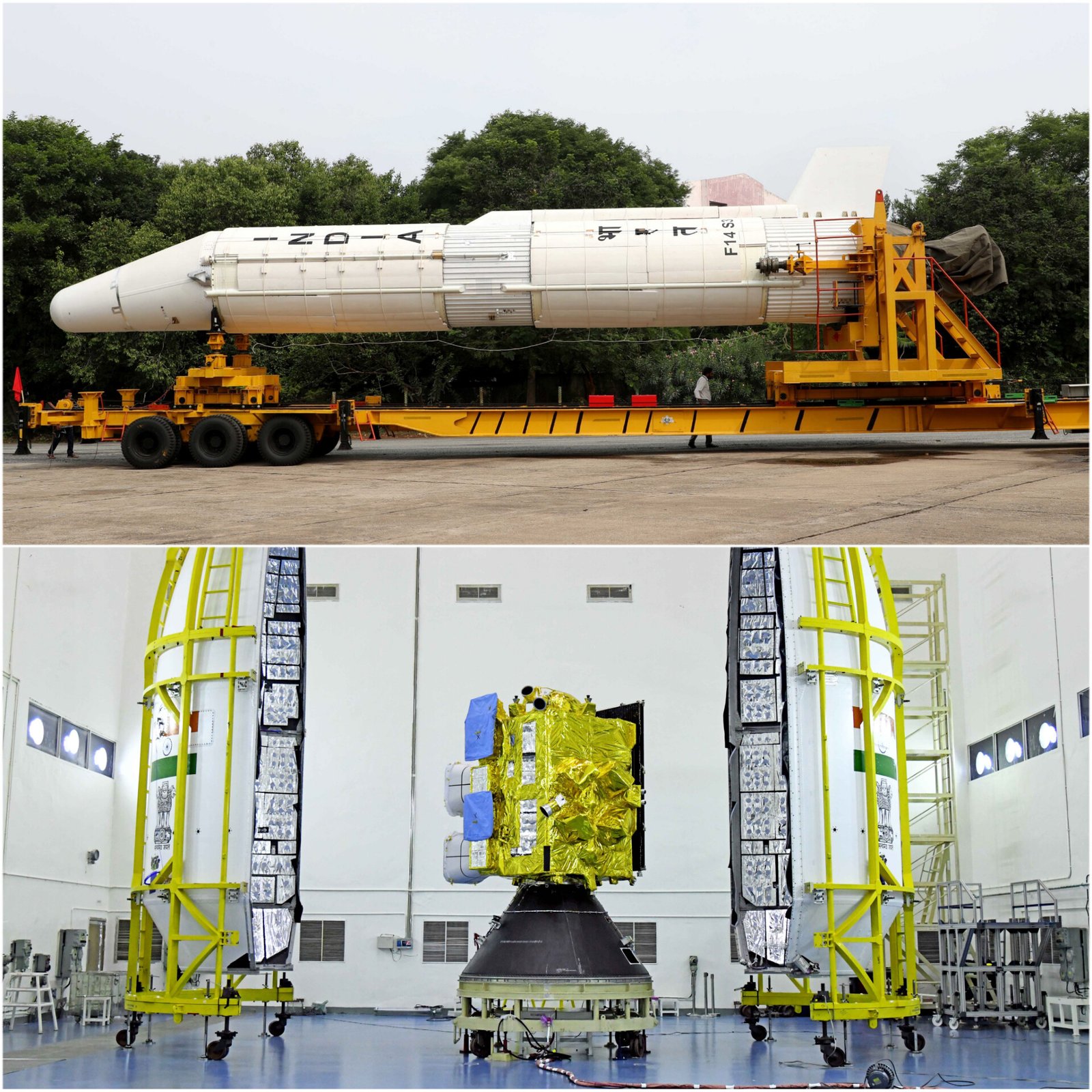
The Indian Space Research Organisation (ISRO) is scheduled to launch the meteorological and disaster warning satellite INSAT-3DS on February 17 at 5:30 pm from Satish Dhawan Space Centre (SDSC) SHAR in Sriharikota aboard GSLV F14. This mission, fully funded by the Ministry of Earth Sciences, aims to enhance weather forecasting capabilities with advanced payloads. The satellite, equipped with a 6-channel Imager and 19-channel Sounder, will be positioned in a Geostationary Orbit after orbit-raising maneuvers. IN-SPACe also announced plans for approximately 30 launches in the next two years, catering to various sectors including commercial, scientific, and technological endeavors.

Brief by Shorts91 Newsdesk / 01:42pm on 05 Feb 2024,Monday Science
Former US Army helicopter pilot, Alex Collier, asserts that humanity will uncover ancient alien ruins in the universe shortly. Collier alleges he spent three months aboard an alien mothership in the 1980s, conversing with extraterrestrial beings named Vissaeus and Moroanay. Recounting his experience, he describes wearing a special belt to communicate with the aliens and asserts their claim of humans not being alone in the universe. Collier, speaking at a Japan event in 2007, emphasized the vastness of the universe and humanity's limited understanding. He also claims the US Army is technologically more advanced than perceived, as told by the Andromedians.

Brief by Shorts91 Newsdesk / 03:37pm on 04 Feb 2024,Sunday Science
India's uncrewed Vyommitra Mission, featuring the woman robot astronaut, is set to precede ISRO's ambitious Gaganyaan mission, marking India's maiden manned space flight. Union Minister Jitendra Singh confirmed the mission's launch in the third quarter of 2024, with Gaganyaan slated for 2025. Named after Sanskrit words for "space" and "friend," Vyommitra will simulate human functions, monitor module parameters, and execute life-support operations. This initiative aims to validate technology, mitigate risks, and enhance human-robot interaction before human astronauts embark on the historic Gaganyaan journey. Chandrayaan-3's successful landing augments India's space endeavors, with crucial data expected to further enrich the program.
Brief by Shorts91 Newsdesk / 02:06pm on 27 Jan 2024,Saturday Science
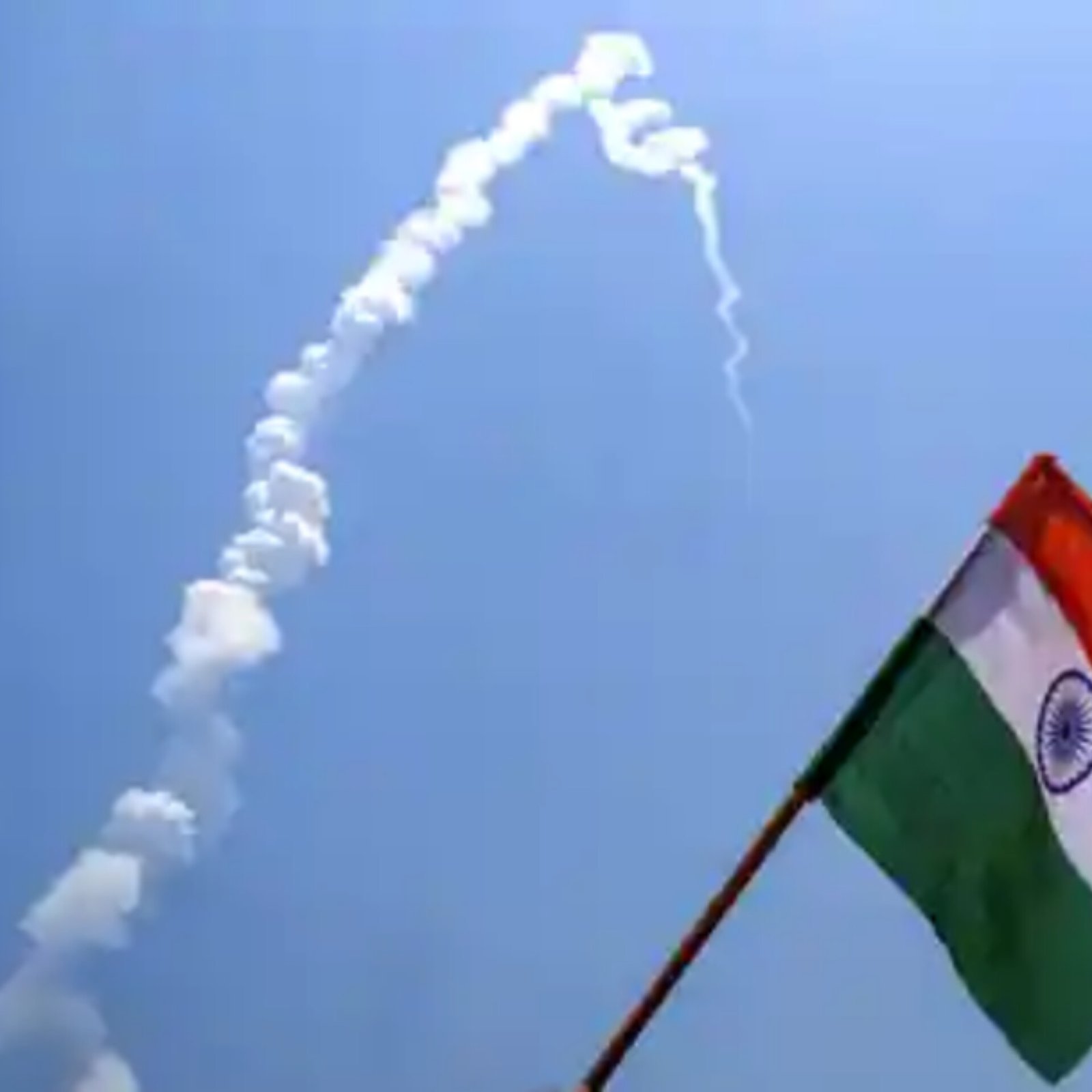
ISRO attains triumph as POEM-3 accomplishes all objectives post PSLV-C58 launch. The innovative space platform sets the stage for a controlled re-entry in 75 days, ensuring no space debris. Various experiments conducted by institutions like Bellatrix Aerospace, InspeCity Space Labs, and ISRO's VSSC contribute to the success. With 21 payloads integrated across POEM missions, ISRO underscores its commitment to space cleanliness. Lowering the vehicle intentionally to expedite orbit decay, POEM-3, now on its 25th day, prepares for re-entry after 400 orbits. ISRO's Manish Purohit envisions solving debris issues and advancing in-orbit services initiatives.
Brief by Shorts91 Newsdesk / 06:50pm on 23 Jan 2024,Tuesday Science
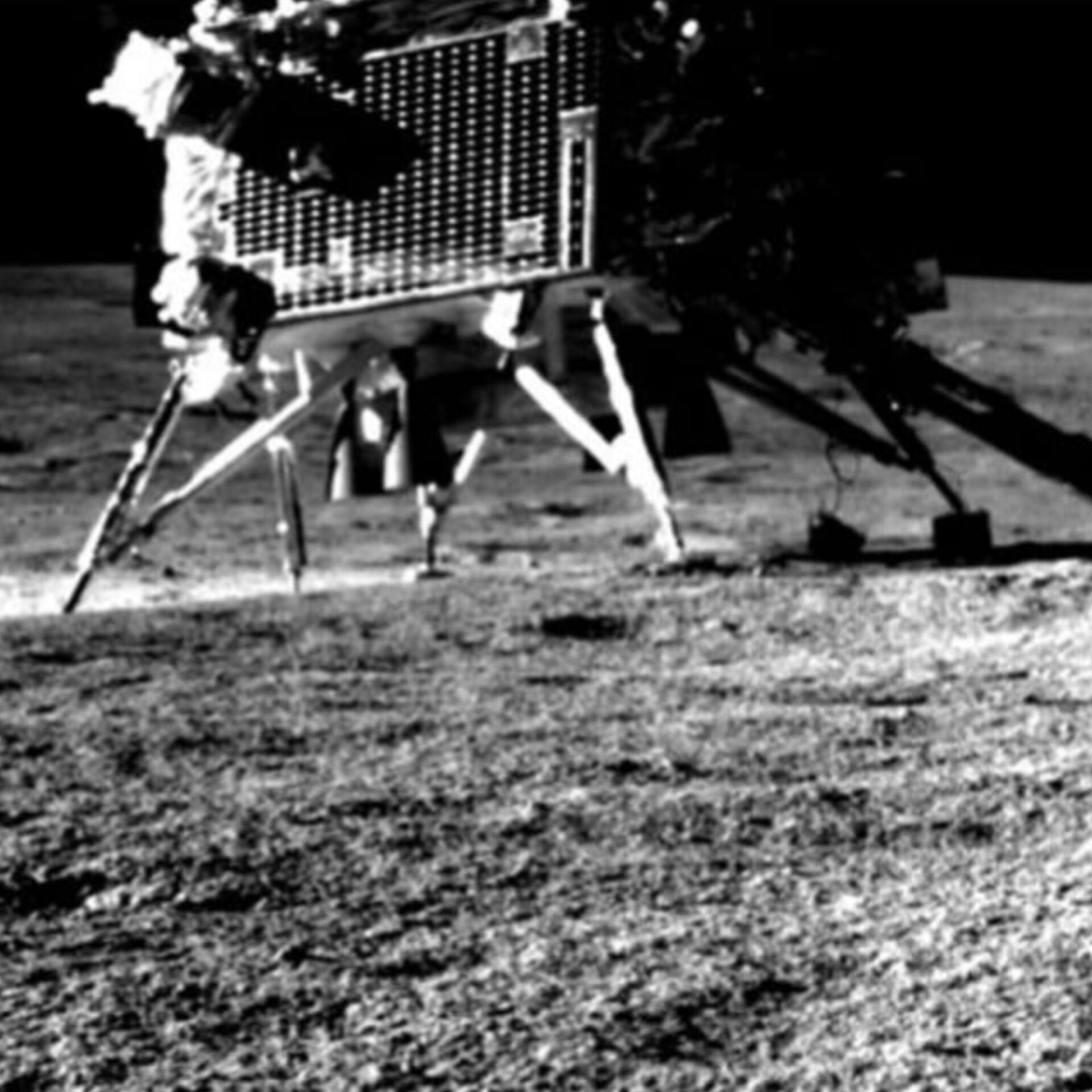
NASA's Lunar Reconnaissance Orbiter (LRO) successfully pinged India's Chandrayaan-3 Vikram lander using a laser beam, marking a breakthrough in precision location targeting on the Moon. The laser pulses were transmitted and reflected between LRO and a small device on Vikram, demonstrating the potential for precise location determination. This new technique opens avenues for various applications in lunar exploration. The Laser Retroreflector Array on Vikram, a collaboration between NASA and ISRO, served as a fiducial point on the Moon. The success prompts NASA to enhance the technique for future missions.
Brief by Shorts91 Newsdesk / 05:31pm on 19 Jan 2024,Friday Science
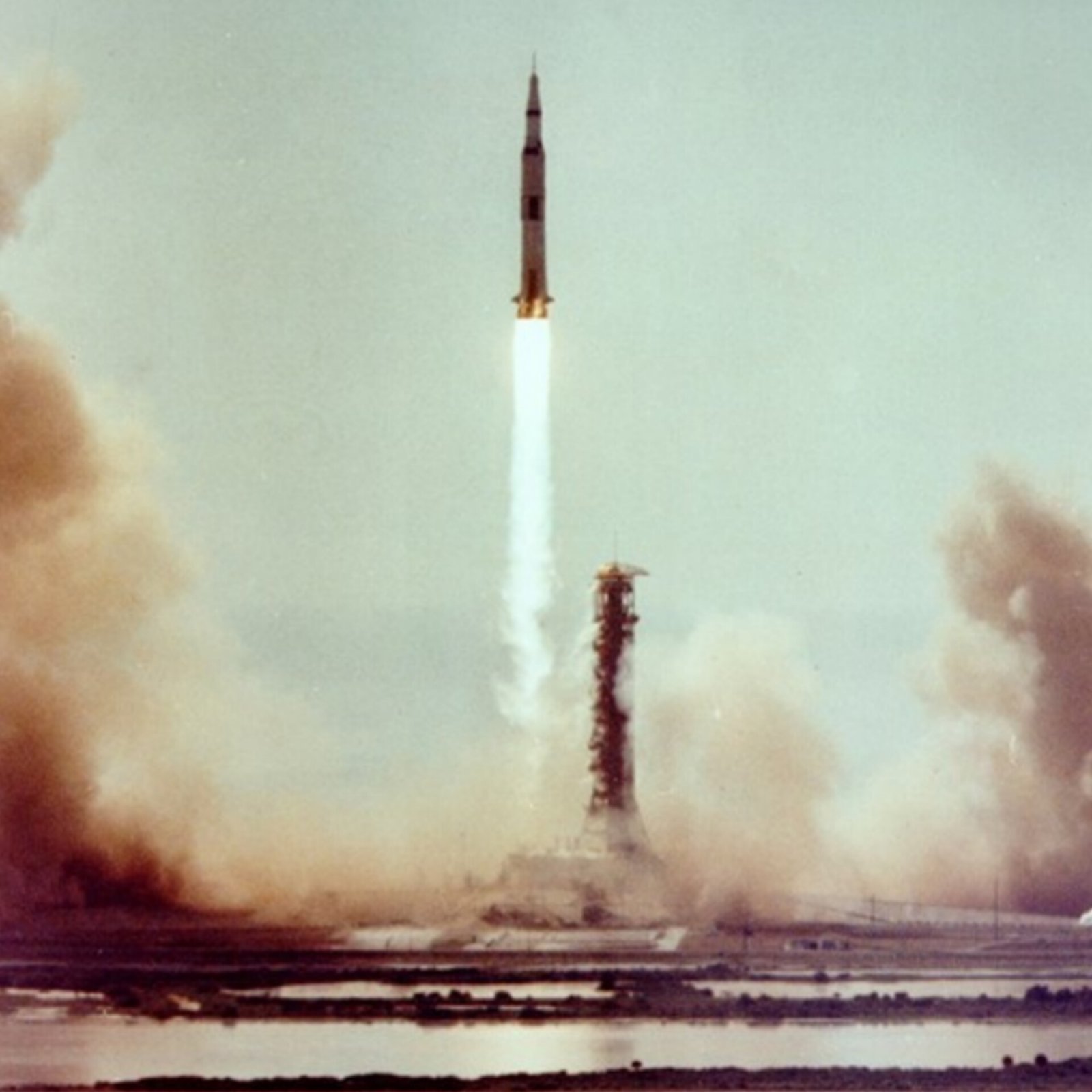
Japan's space agency, JAXA, has made history by successfully landing its 'sniper' probe, SLIM, on the moon. The precision landing aimed within 100m of the target, making Japan the fifth country to achieve this feat. While SLIM's landing has been confirmed, the control room awaits contact to assess its condition and orientation. SLIM's scanning technology autonomously evaluates the lunar surface for a safe landing. The mission marks a significant achievement in lunar exploration, with SLIM tasked to provide insights into the moon's geology and resources. Further updates are expected after the communication is established.