Brief by Shorts91 Newsdesk / 06:24pm on 14 Jan 2024,Sunday Science
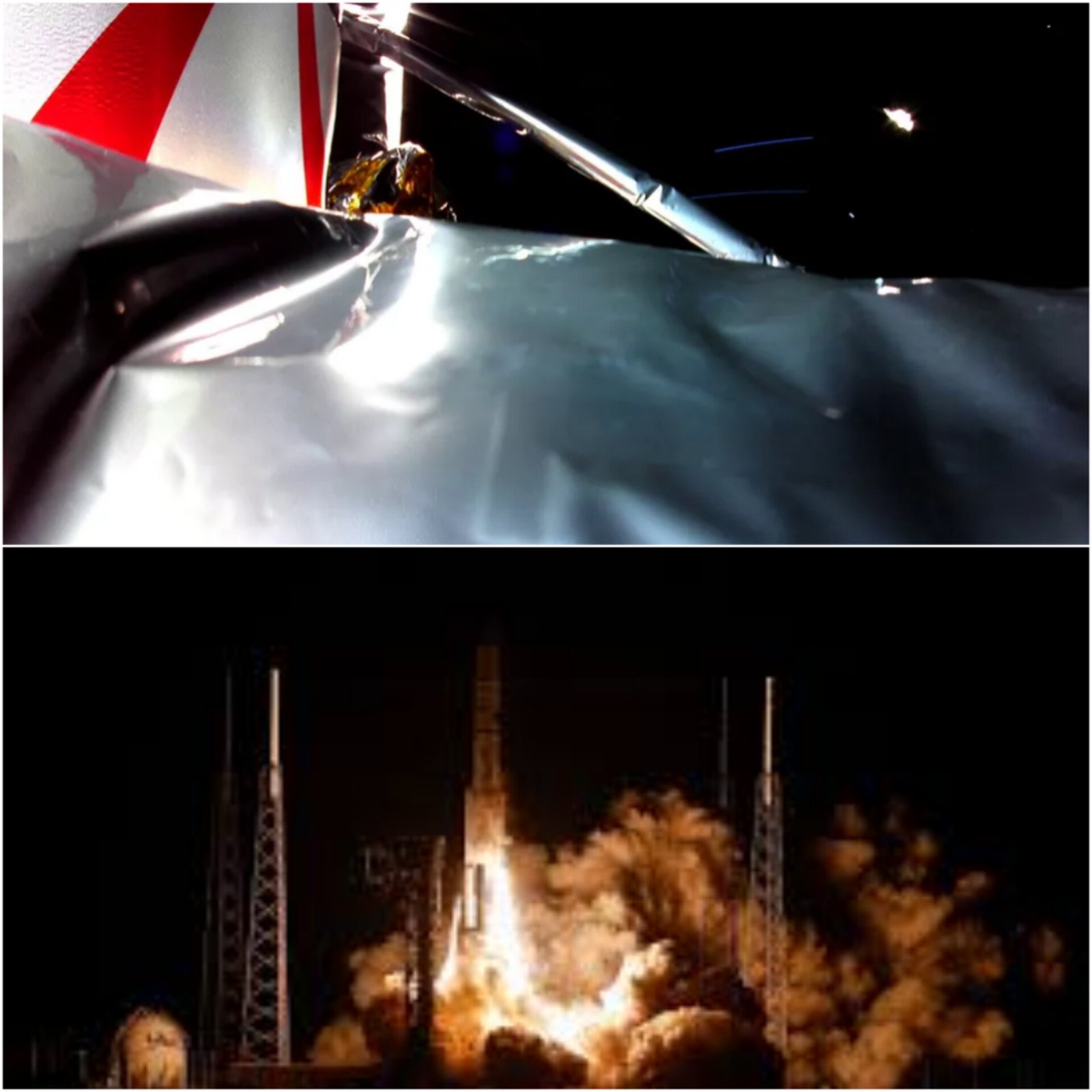
Astrobotic's Peregrine, the inaugural U.S. private moon lander, confronts an imminent collision with Earth following a fuel leak post-launch on January 8. Hindered by the propellant loss, Peregrine's intended moon landing in February becomes unfeasible. The leak's deceleration allows extended operational life, but the craft is now positioned for atmospheric burn-up on Earth. While engineers explore salvage options, uncertainty surrounds the impact date. The mission's significance lies in being the first U.S. private lunar lander, carrying NASA experiments and commercial payloads. A joint press conference by Astrobotic and NASA is scheduled for January 18.
Brief by Shorts91 Newsdesk / 05:43am on 14 Jan 2024,Sunday Science
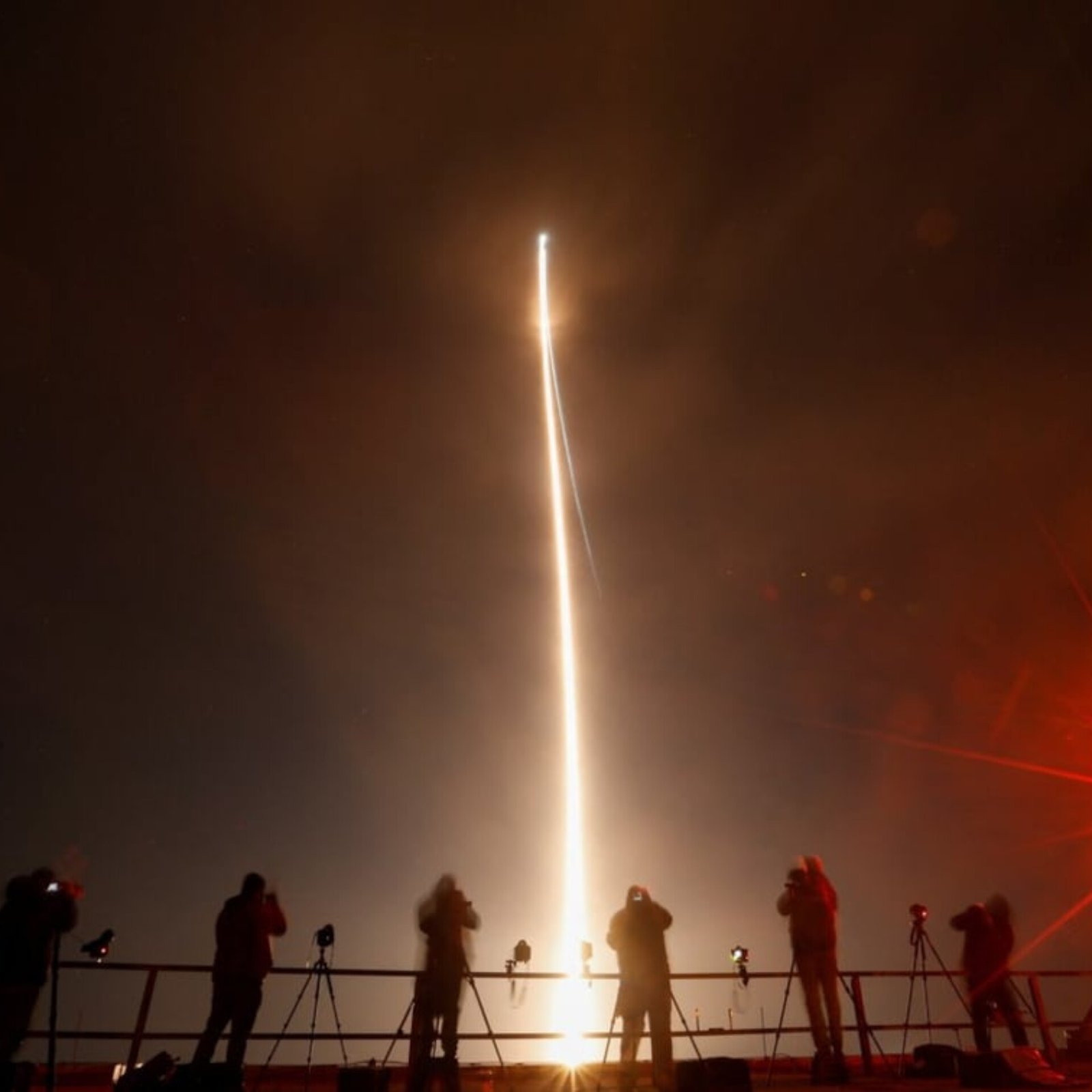
A US private lunar lander, Peregrine, leaking fuel since its January 8 launch, is now on a trajectory towards Earth, likely to burn up in the atmosphere, announces Astrobotic. The ill-fated mission, initially aimed at a soft lunar touchdown, faced an onboard explosion leading to continuous propellant loss. Despite salvaging science experiments, the craft, 242,000 miles from Earth, won't make a Moon landing. The cargo includes a sports drink can, a physical Bitcoin, and human and animal ashes. NASA's $100 million investment under Commercial Lunar Payload Services aims to foster a commercial lunar economy despite this setback.
Brief by Shorts91 Newsdesk / 01:31pm on 11 Jan 2024,Thursday Science
ISRO Chairman S Somanath revealed India's bold space vision at the International Space Conference. Emphasizing Prime Minister Narendra Modi's longstanding support, Somanath shared plans for sustained human activities in space, aiming for an Indian astronaut on the moon by 2040. The roadmap includes the Gaganyaan mission, a space station by 2035, and the Venus Orbiter Mission. ISRO's recent successes, including the Aditya-L1 and XPoSat launches, underline India's commitment to space exploration. With ongoing tests for the Gaganyaan mission, ISRO's cost-effective missions continue to shape India's advancement in various sectors.
Brief by Shorts91 Newsdesk / 04:35am on 09 Jan 2024,Tuesday Science
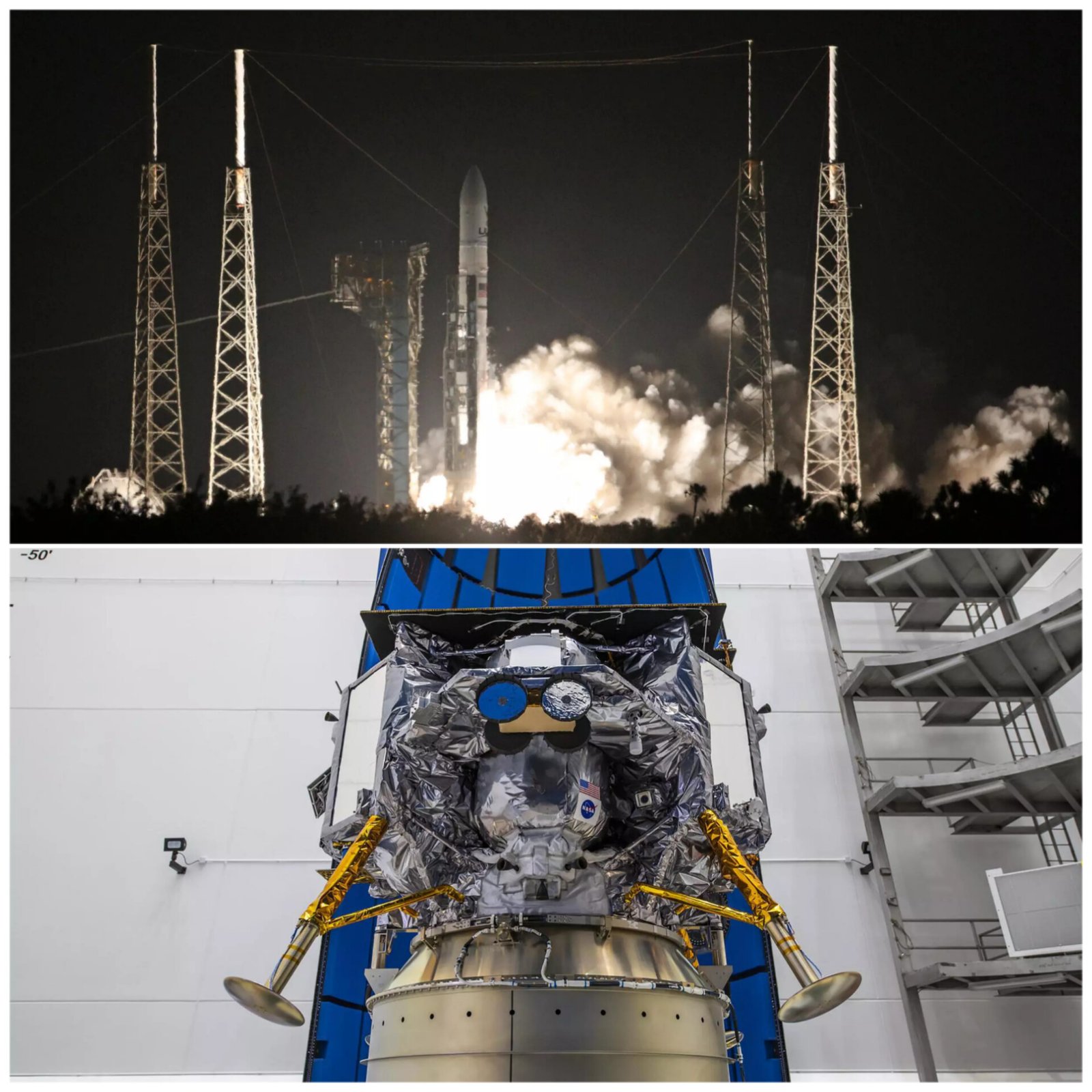
America's groundbreaking private lunar mission, featuring the Peregrine Lunar Lander, is on the verge of failure following a "critical loss" of fuel. Launched atop United Launch Alliance's Vulcan rocket, the mission aimed for the Moon but encountered technical challenges post-launch. Astrobotic, the mission organizer, reported issues with spacecraft orientation and a propulsion system malfunction. Despite efforts, a "critical loss of propellant" raises concerns about a controlled lunar touchdown. This setback prompts questions about the Commercial Lunar Payload Services (CLPS) program's viability, despite NASA Administrator Bill Nelson expressing commitment to space exploration with commercial partners.
Brief by Shorts91 Newsdesk / 10:43am on 08 Jan 2024,Monday Science
In a monumental stride for space exploration, the Astrobotic Technology's Peregrine lander, riding atop the pioneering Vulcan rocket, is en route to the Moon, poised to achieve the first soft landing by the United States in over 50 years. Laden with symbolic cargo, including a fragment of Mount Everest rock and the remains of Gene Roddenberry, creator of Star Trek, Peregrine targets a historic lunar touchdown on February 23. Engaged in a space race with a Houston-based contender, Astrobotic and others, funded by NASA, are at the forefront of private lunar exploration. The $108 million Peregrine contract underscores the pivotal role of private entities in advancing lunar missions and signifies a transformative era in space exploration.
Brief by Shorts91 Newsdesk / 04:46pm on 06 Jan 2024,Saturday Science
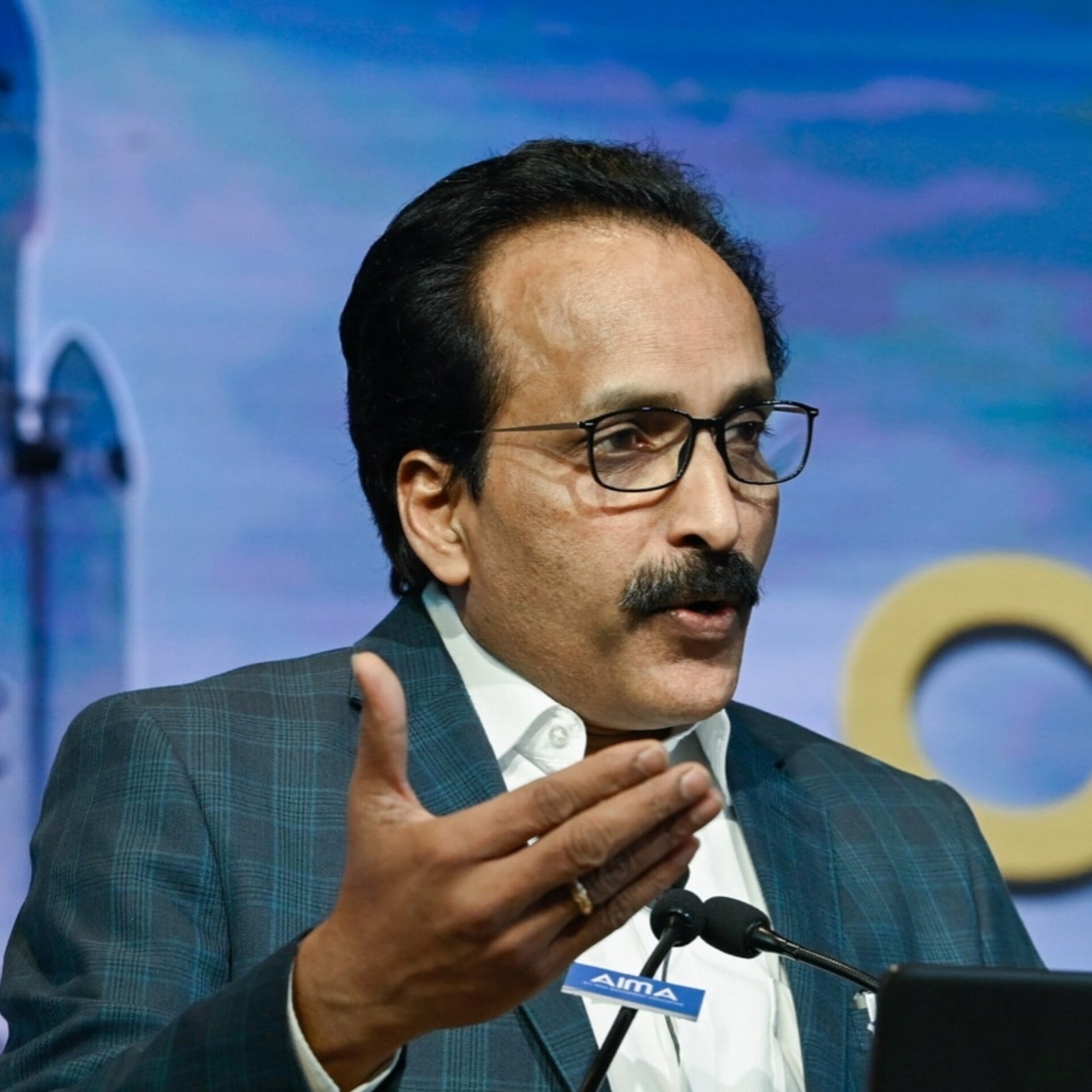
"End of a long journey, anxious but happy," says ISRO Chairman S Somanath as Aditya-L1, India's first solar mission, achieves a historic milestone by entering the Halo orbit around Lagrange point 1 (L1), 1.5 million kilometers from Earth. Somanath reflects, "Reaching the final point is always an anxious moment, but we were very sure about it. 'So it happened as predicted. We are very happy." Prime Minister Narendra Modi congratulates ISRO on social media, applauding the relentless dedication of scientists. The Halo orbit allows uninterrupted observation of the Sun's activities, providing crucial insights into space weather. This success follows Chandrayaan-3, showcasing India's space exploration prowess.
Brief by Shorts91 Newsdesk / 11:29am on 06 Jan 2024,Saturday Science
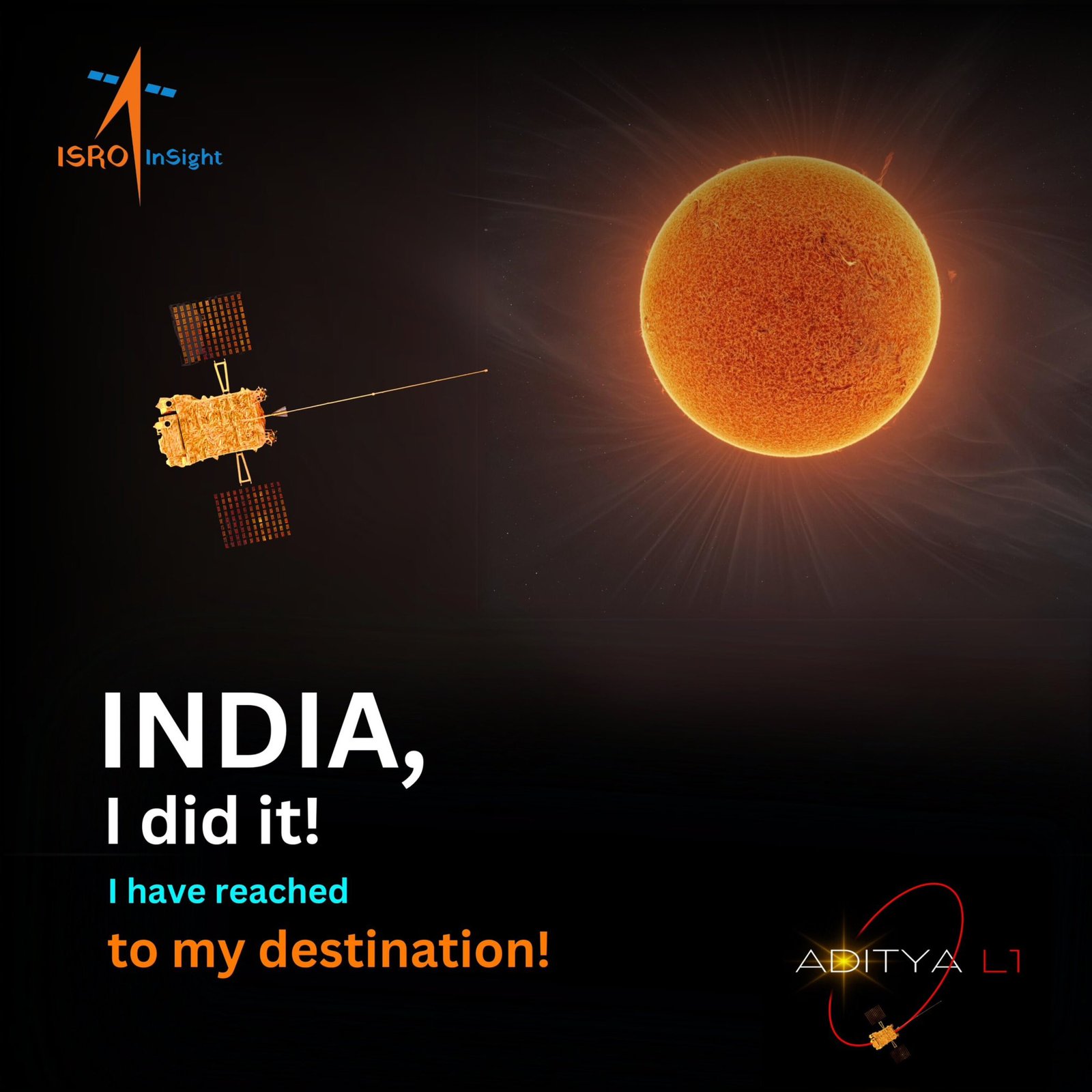
PM Modi praises India's achievement as Aditya L1, the nation's first solar observatory, reaches its designated orbit at Lagrange Point 1. This strategic location allows continuous observation of the Sun without eclipses, offering crucial insights into solar activities and space weather. Launched in September 2023, Aditya L1 carries seven payloads to study the Sun's photosphere, chromosphere, and corona. The success marks a significant stride in India's space exploration, showcasing the dedication of scientists in executing complex missions. The observatory aims to unravel mysteries related to coronal heating, mass ejections, and solar dynamics.[image courtesy: ISRO InSight/X]
Brief by Shorts91 Newsdesk / 04:08am on 06 Jan 2024,Saturday Science
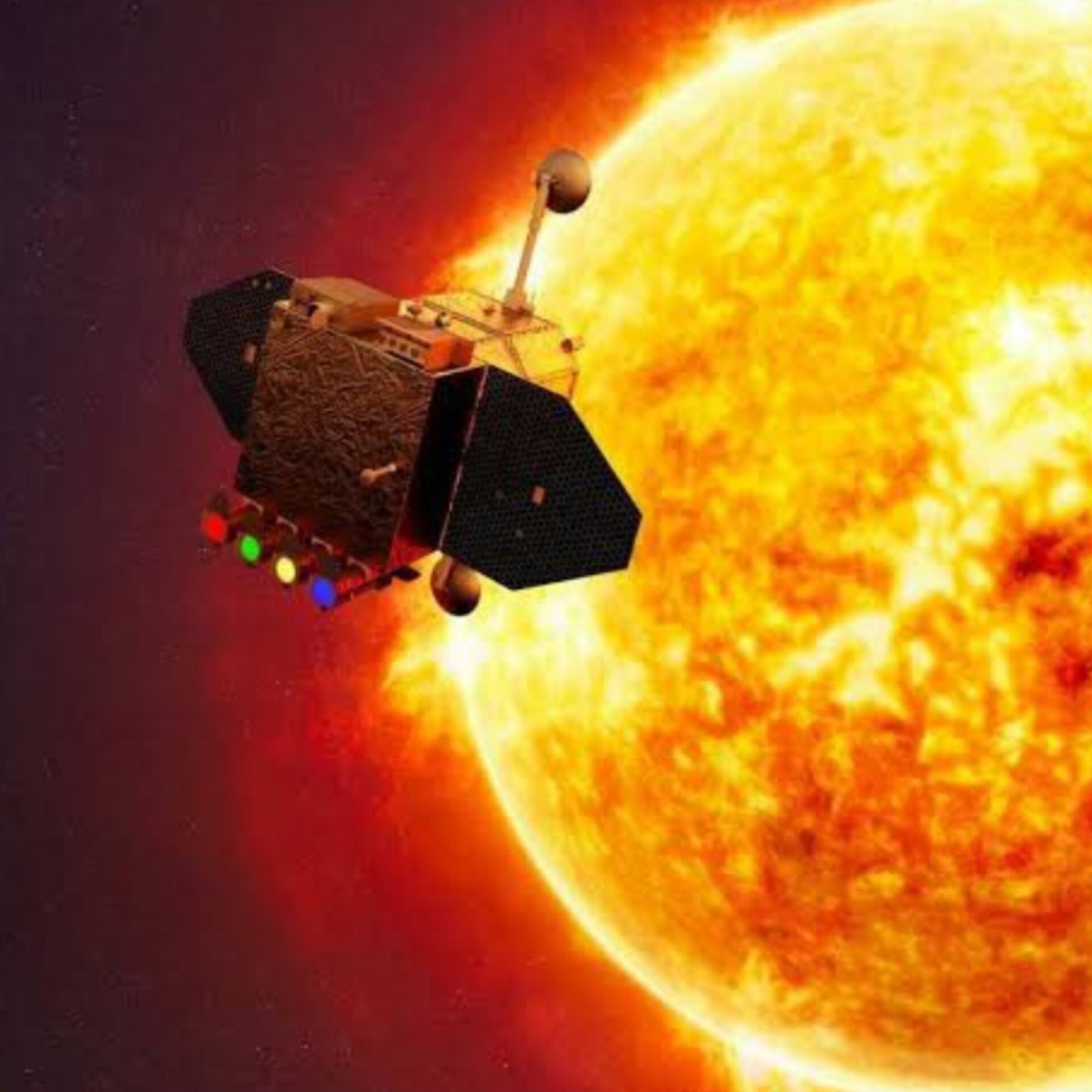
India's Aditya L1, the first space-based solar observatory, approaches its final orbit on Saturday in a landmark mission led by the Indian Space Research Organisation (ISRO). Speaking to HT Digital, former ISRO scientist Manish Purohit detailed the challenges faced during the spacecraft's 127-day journey, emphasizing the precision needed in the upcoming motor firing. Aditya L1's successful placement in the complex halo orbit at the Lagrangian point 1 promises crucial insights into space weather, offering an early warning system for high-energy solar events and bolstering India's space exploration prowess.

Brief by Shorts91 Newsdesk / 04:57pm on 03 Jan 2024,Wednesday Science
Scientists have discovered a promising antibiotic named Zosurabalpin that fights hard-to-treat bacteria, including Carbapenem-resistant Acinetobacter baumannii (Crab). Crab is a tricky bacteria that doesn't respond well to many medicines. Developed by Roche, Zosurabalpin is being tested and has shown success in mice. It works differently than other antibiotics, offering hope not just for Crab but also for other challenging bacteria. While it's not a complete solution, Zosurabalpin brings optimism in the ongoing battle against drug-resistant bacteria, addressing a significant health concern as traditional antibiotics struggle to combat these resilient infections.
Brief by Shorts91 Newsdesk / 11:18am on 03 Jan 2024,Wednesday Science
In a first, the Indian Space Research Organisation (ISRO) will launch its advanced communication satellite GSAT-20 on SpaceX's Falcon 9 rocket. The 4,700 kg satellite offering high throughput capacity will lift off from Florida likely in Q2, 2023. This is ISRO's maiden deal with SpaceX to launch a satellite. ISRO chief S. Somanath said no other rocket was available on time to launch GSAT-20. The commercial arm New Space India Limited (NSIL) signed the contract as ISRO lacks capacity beyond 4-ton satellites. NSIL said choosing SpaceX made commercial sense despite France's Arianespace being India's trusted partner for heavy satellite launches traditionally. The renewed GSAT-20 or GSAT-N2 will provide broadband services across India.