Brief by Shorts91 Newsdesk / 05:00am on 07 Apr 2024,Sunday Science
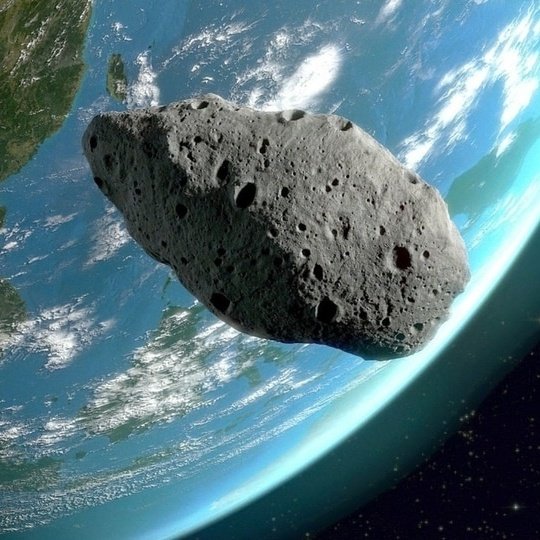
NASA warns of multiple asteroid flybys this week. Two airplane-sized asteroids approach on Sunday, followed by a building-sized asteroid on April 7. Monday will witness two more close encounters. Notably, any object larger than 150 meters nearing Earth is deemed potentially hazardous, per NASA. The trio of asteroids approaching Earth averages a size of 73 meters. Vigilance is urged, although no imminent threat is reported. Stay tuned for updates as NASA continues to monitor these celestial visitors.
Brief by Shorts91 Newsdesk / 05:45am on 02 Apr 2024,Tuesday Science
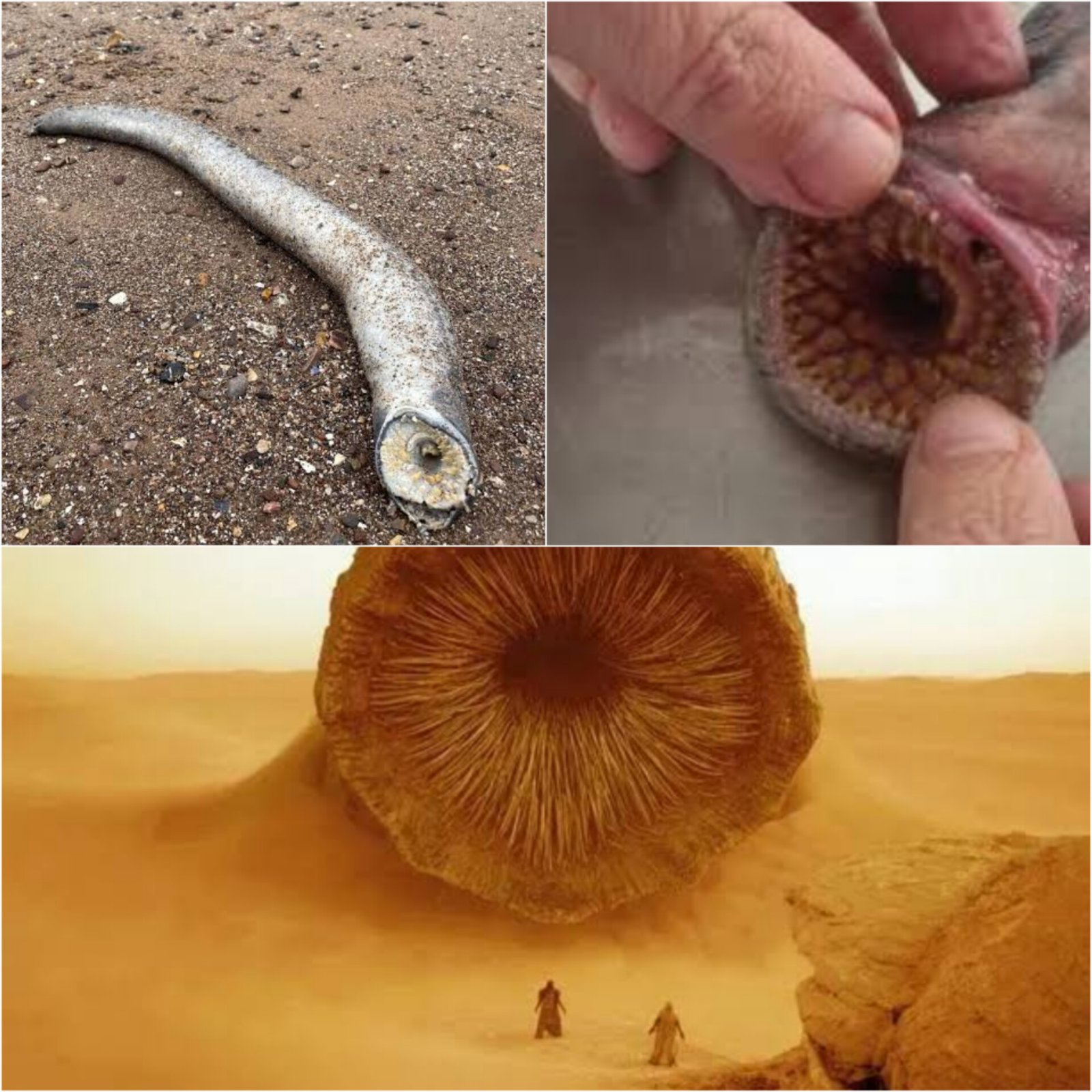
A bizarre sea creature, like a big leech with sharp teeth, was found on a Devon beach, UK. It's as long as a toddler and has teeth like Pennywise from "IT." Experts say it's a sea lamprey, a fish that sucks blood. People online compared it to sandworms from "Dune." Lampreys usually attack other fish, but they can bite humans too. Even though it's rare, their bites hurt. The discovery shows how weird nature can be, almost like something from a scary movie.
Brief by Shorts91 Newsdesk / 05:21am on 01 Apr 2024,Monday Science
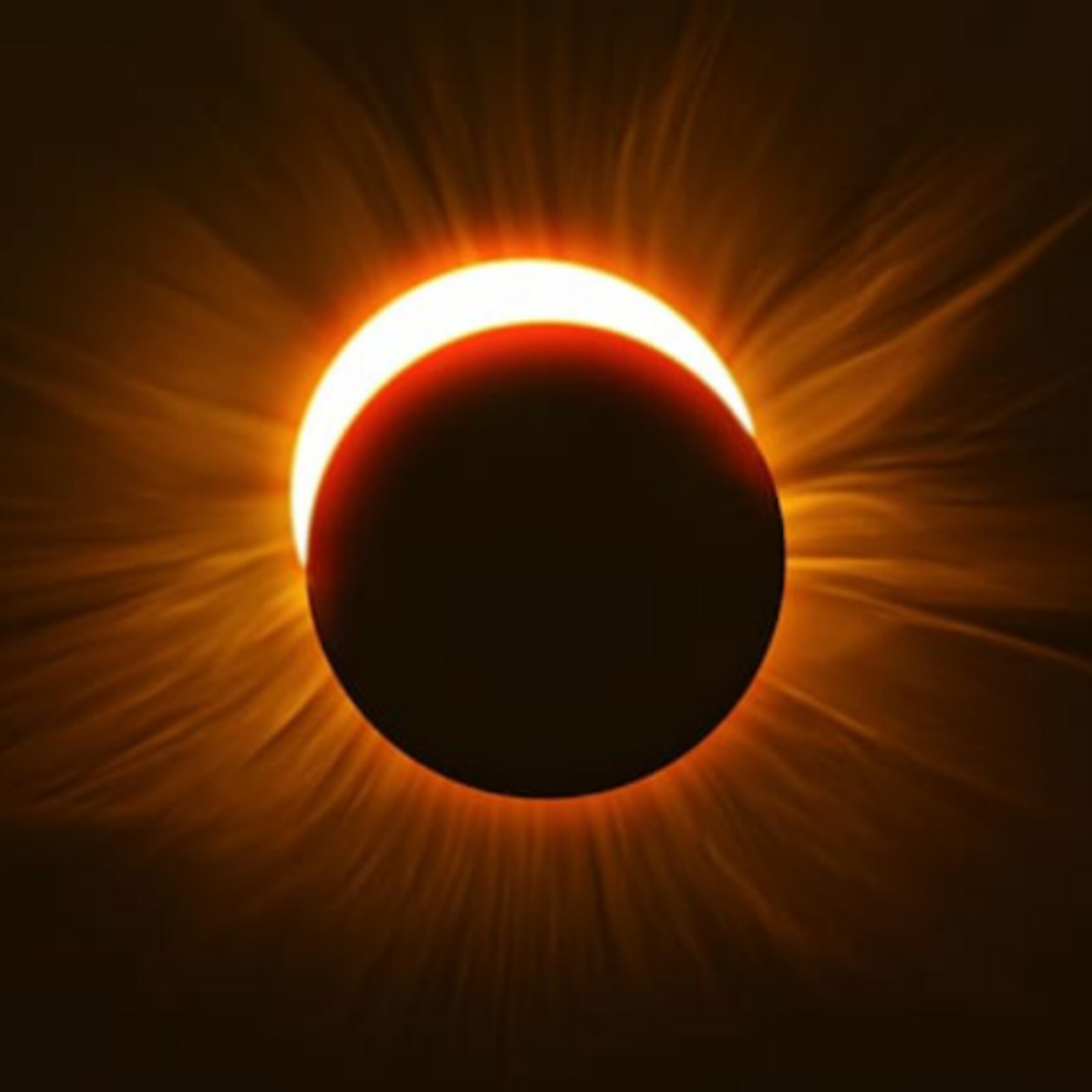
On April 8, a rare Total Solar Eclipse will darken the Sun, unveiling a stunning "diamond ring" in the sky. As the Moon moves between Earth and Sun, daylight will turn to twilight. Baily's Beads, brief points of light caused by sunlight through lunar valleys, will appear. Then, a brilliant solitary light, like a diamond, will shine against the Moon's silhouette. The Sun's corona will be fully visible, surrounded by the "diamond ring effect." This celestial show promises an unforgettable experience for all who witness it.

Brief by Shorts91 Newsdesk / 01:34pm on 30 Mar 2024,Saturday Science
At the Mint India Investment Summit, experts highlight India's entry into "Space 2.0," emphasizing private sector innovation in space research. Challenges include funding and talent availability. Startups like GalaxEye face initial funding hurdles due to the unique nature of space tech. Despite challenges, optimism reigns, with Speciale Invest making five space tech investments and anticipating market growth. ISRO's Gaganyaan Mission and the announcement of four astronauts underscore India's space ambitions. With ISRO earning from foreign satellite launches and startups attracting private investment, India aims for a $100 billion space economy by 2040.
Brief by Shorts91 Newsdesk / 02:57pm on 29 Mar 2024,Friday Science
NASA unveils a composite image of a supernova explosion from 1181 AD, now known as Pa 30 nebula. The discovery, challenging scientists for centuries, sheds light on sub-luminous Type lax supernovae. Combining data from various sources, researchers capture the remnant's beauty and complexity. At its core lies a "zombie star," offering insights into stellar evolution and cosmic explosions. Managed by Chandra X-ray Center, this research deepens our understanding of the universe. The image not only dazzles but also offers a glimpse into ancient skies, reminding us of the ever-changing nature of the cosmos.
Brief by Shorts91 Newsdesk / 07:17am on 29 Mar 2024,Friday Science
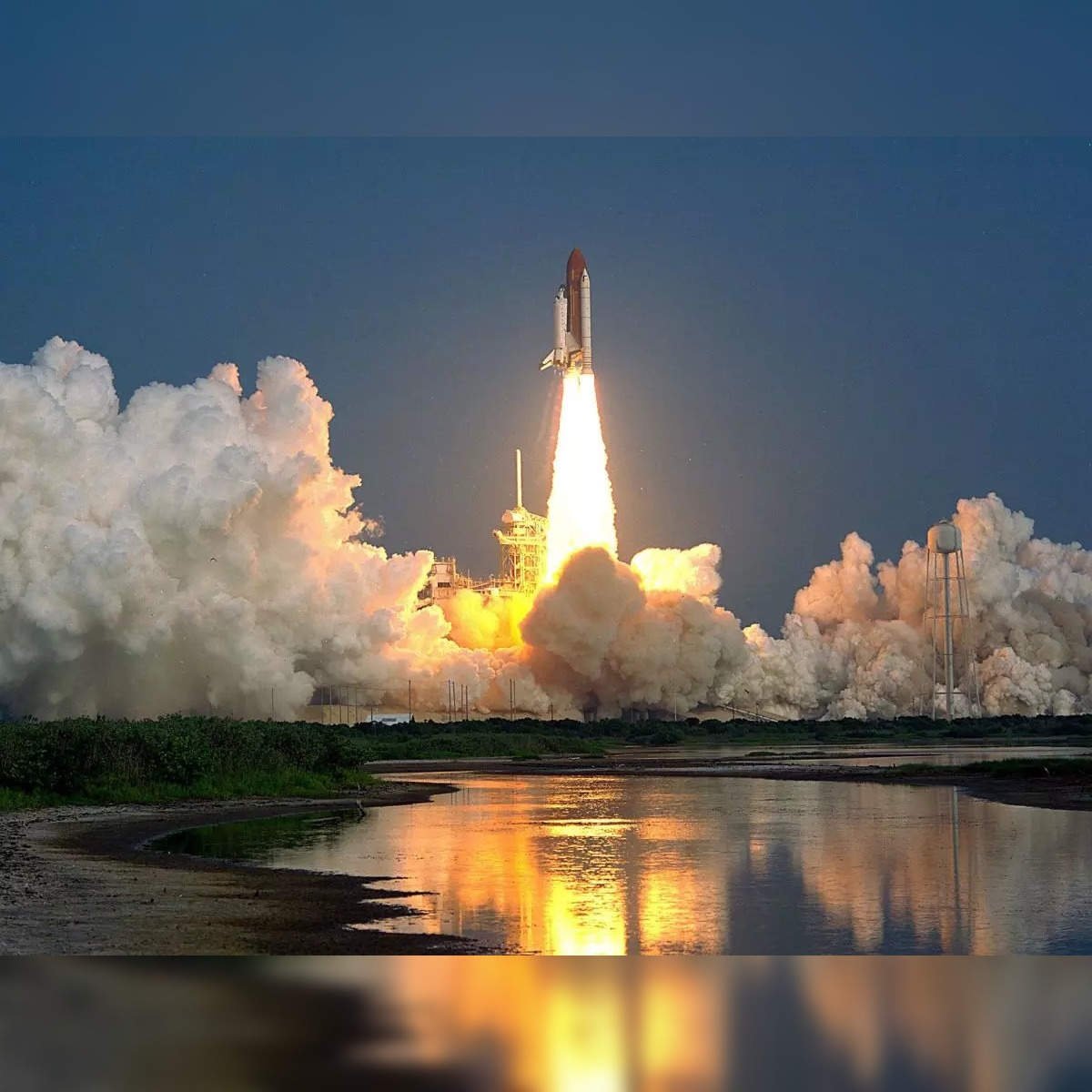
Skyroot Aerospace takes a step forward in India's private space race by testing the second stage of its Vikram-1 rocket. This solid-fuel, three-stage rocket is primed for India's inaugural private orbital launch, scheduled for mid-2024. The successful test-fire of the second stage is pivotal, as it thrusts satellites from Earth's dense atmosphere into the expansive vacuum of outer space. Skyroot's achievement underscores the company's commitment to advancing India's space technology and marks a significant milestone in the nation's quest for independent space exploration capabilities.
Brief by Shorts91 Newsdesk / 06:05am on 25 Mar 2024,Monday Science
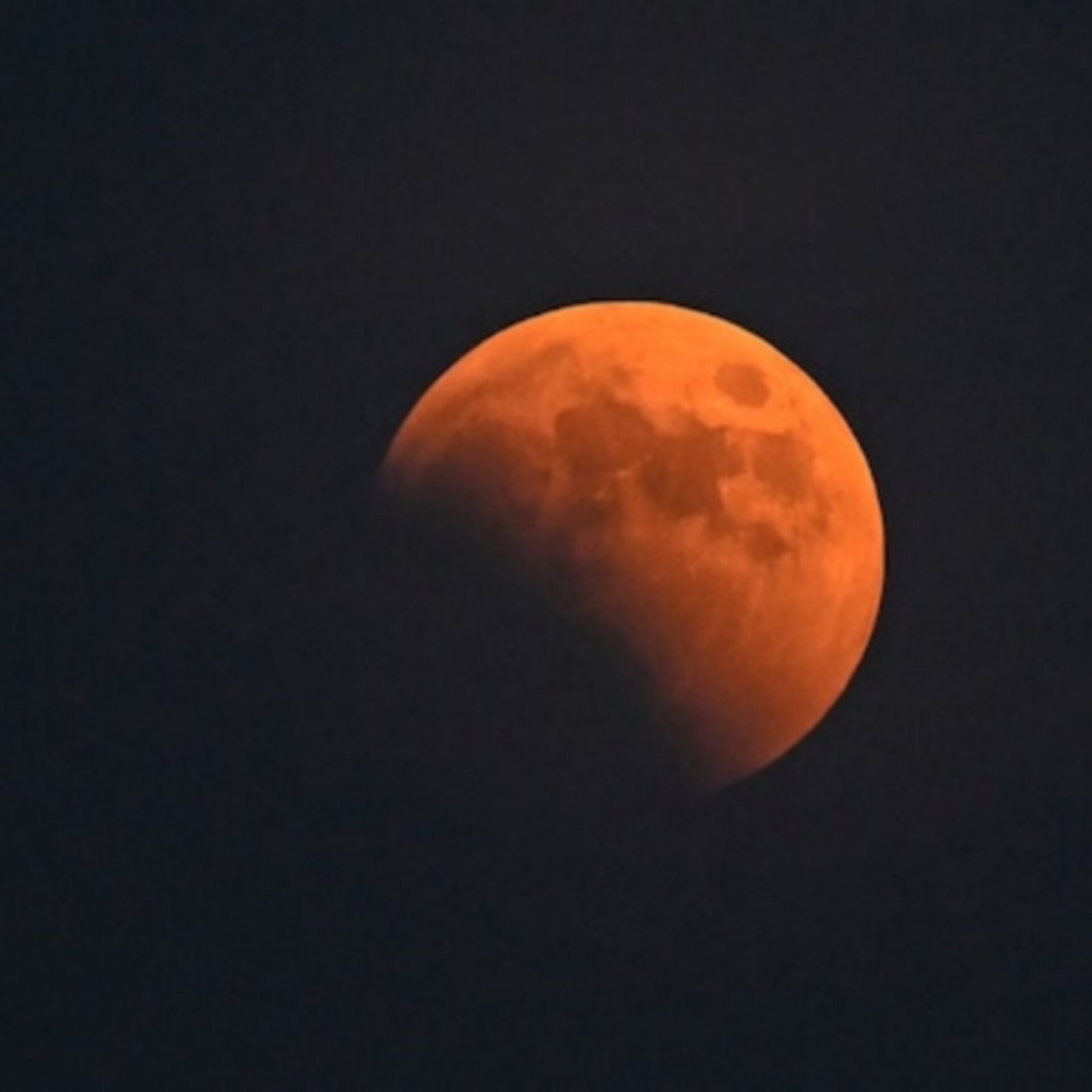
As India gears up for Holi celebrations, the first lunar eclipse of 2024 coincides with the festival, beginning at 10:23 am on March 25. The penumbral eclipse, lasting 4 hours and 39 minutes, will be visible to North and South America but not to observers in India. Religious activities remain unrestricted during the eclipse, with temple doors open. Lunar eclipses occur twice yearly as the moon passes through Earth's shadow, appearing to darken. This celestial event precedes a total solar eclipse on April 8, marking a significant period for skywatchers and festival enthusiasts alike.
Brief by Shorts91 Newsdesk / 09:37am on 24 Mar 2024,Sunday Science
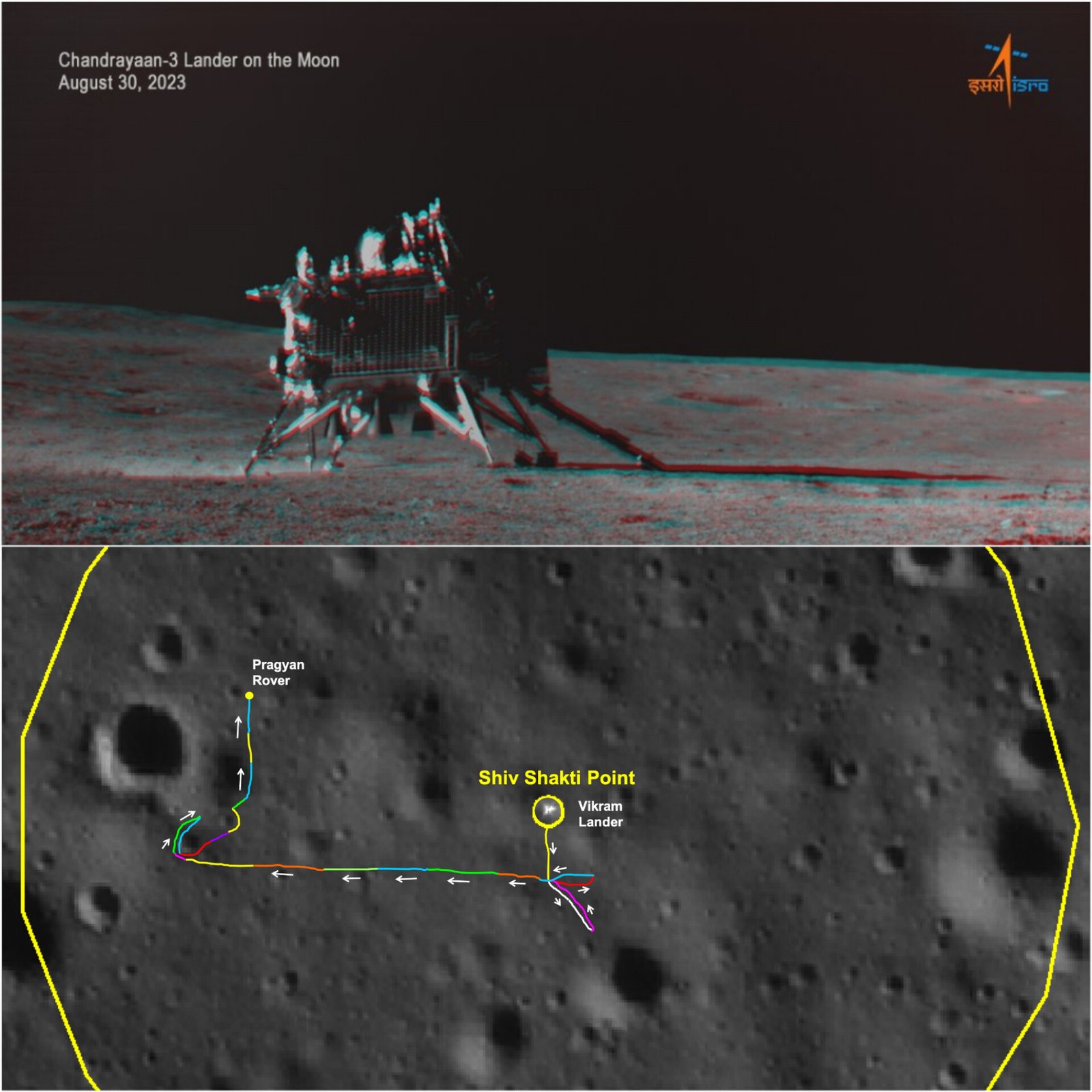
The Indian Space Research Organisation's Chandrayaan-3 mission's lunar landing site is now officially named "Shiva Shakti" by the International Astronomical Union (IAU). Approved seven months after Prime Minister Narendra Modi's announcement, the name reflects the masculine and feminine duality of nature in Indian mythology. The renaming ceremony coincides with the declaration of August 23 as 'National Space Day', commemorating Chandrayaan-3's successful soft landing on the Moon in 2023. Additionally, the spot where Chandrayaan-2 left its mark is designated 'Tiranga', symbolizing India's resilience and determination in space exploration.
Brief by Shorts91 Newsdesk / 11:57am on 21 Mar 2024,Thursday Science
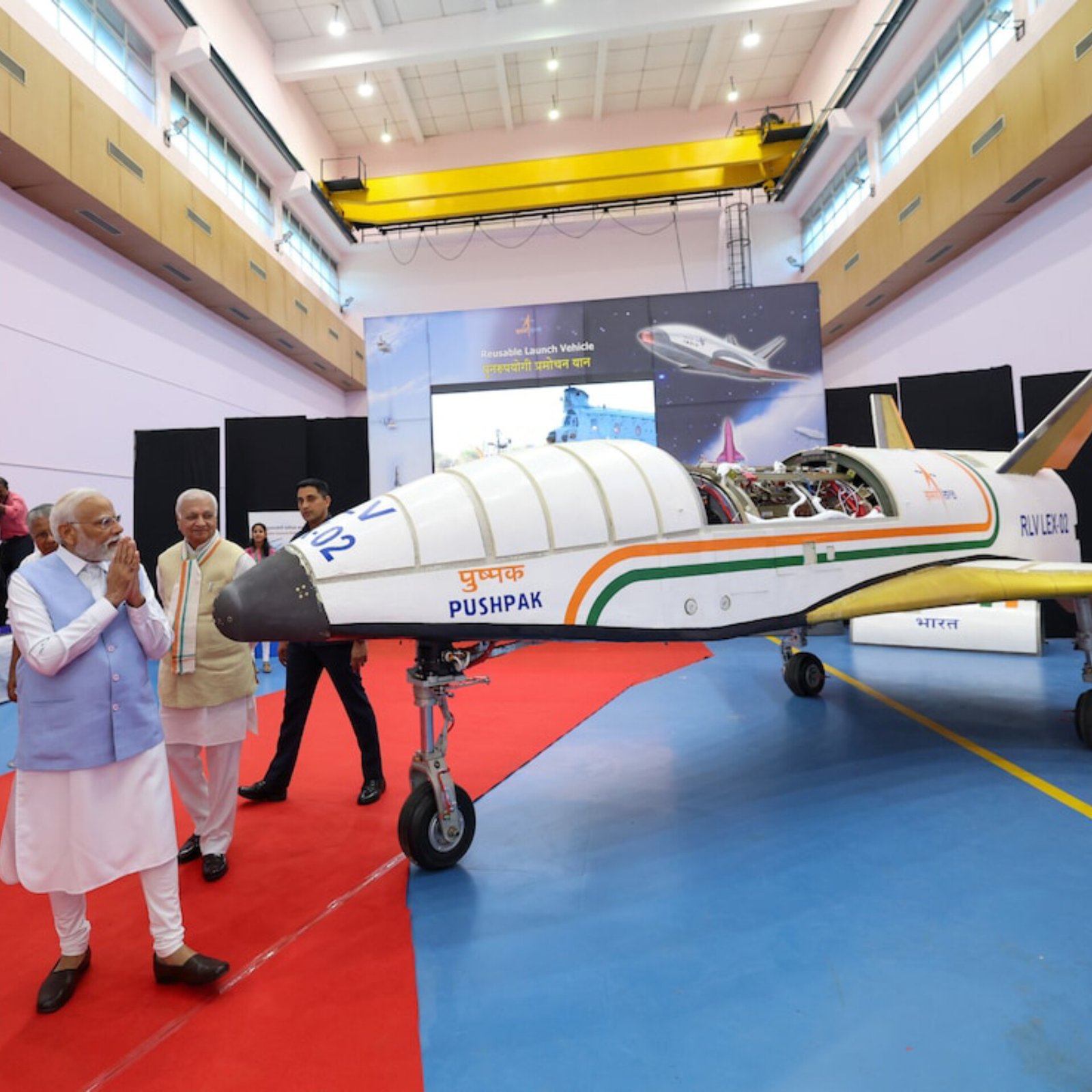
India gears up for the experimental flight of "Pushpak Viman," a winged rocket aimed at revolutionizing space access. Developed by ISRO, the reusable launch vehicle seeks to lower costs by reusing its upper stage. Named after a legendary spaceship from the Ramayan, the 6.5-meter craft weighs 1.75 tons and will undergo autonomous landing tests. With over ₹100 crore invested, India eyes commercial launch opportunities and aims to establish its own space station by 2035. Pushpak represents a significant step towards sustainable and affordable space exploration for the nation.
The first human Neuralink patient, who is paralysed, controlling a computer and playing chess just by thinking. pic.twitter.com/eMt159JoIg
— Historic Vids (@historyinmemes) March 21, 2024
Brief by Shorts91 Newsdesk / 09:00am on 21 Mar 2024,Thursday Science
Elon Musk's Neuralink showcases its first patient, Noland Arbaugh, using a brain-chip to play online chess, marking a milestone in merging human brains with computers. Arbaugh, paralyzed below the shoulders, received the chip implant in January, enabling him to control a computer cursor and play games. Despite facing technical challenges, including issues with the technology's perfection, Neuralink's breakthrough offers hope for tackling neurological conditions. The FDA-approved device, about the size of a coin, reads neuron activity and transmits wireless signals. This advancement underscores the growing interest in brain-computer interfaces, aiming to revolutionize healthcare and empower individuals with disabilities.