
Brief by Shorts91 NewsDesk / 09:19am on 28 Jul 2025,Monday Science
A mysterious interstellar object named 3I/ATLAS, traveling at 130,000 mph, is baffling scientists with its unusual trajectory and speed. Detected on July 1, 2025, it’s estimated to be 15 miles wide and will reach perihelion in November, temporarily vanishing from Earth’s view. Experts, including Harvard’s Avi Loeb, suggest it may be an alien surveillance probe, aligning eerily with Baba Vanga’s 2025 prophecy of extraterrestrial contact. Loeb warns of potential hostile intent, sparking global debate on planetary defense. The object’s strategic path near Jupiter, Mars, and Venus adds to speculation. As November approaches, astronomers and defense agencies are on high alert. (PC: News Bytes & Times Now)
Brief by Shorts91 Newsdesk / 01:59pm on 27 Jul 2025,Sunday Science
Kamna Shubha Shukla, wife of Indian Air Force Group Captain Shubhanshu Shukla, shared an emotional behind-the-scenes video of his journey to space aboard the International Space Station (ISS) during the Axiom Mission 4. In the video, she highlights his intense preparation, the sacrifices involved, and the pride the family felt. Describing the experience as “truly high,” she captured both the technical and emotional aspects of his mission. Shukla, who conducted several ISRO-backed experiments during his 18-day stay in space, is being hailed as a national hero and a key figure in India’s upcoming Gaganyaan space program.
Brief by Shorts91 Newsdesk / 03:18pm on 26 Jul 2025,Saturday Science
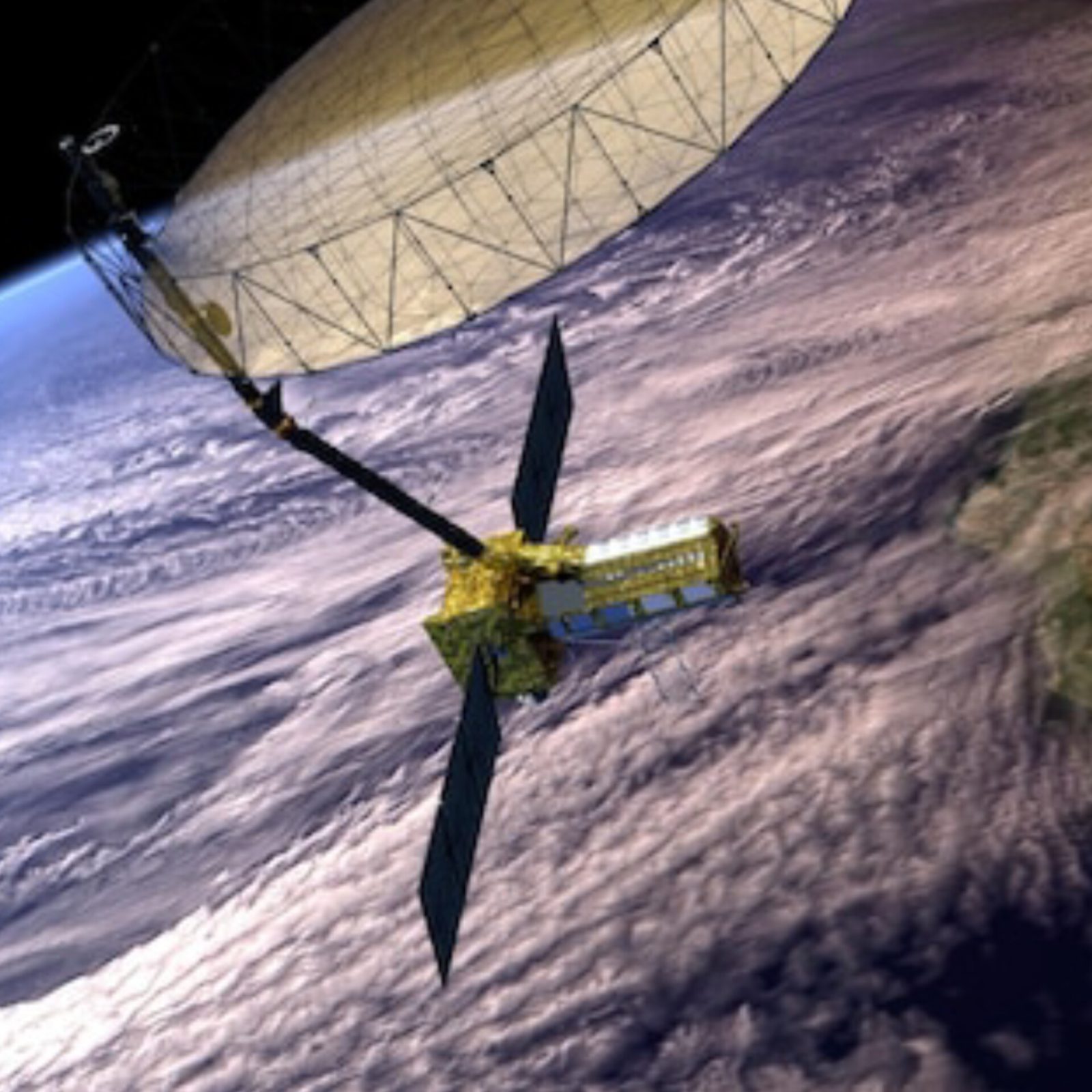
The upcoming NISAR satellite, jointly developed by NASA and ISRO, is exposing stark contrasts in their operational models. Set to launch on July 30, 2025, from Sriharikota aboard an ISRO GSLV rocket, the mission will use dual-frequency radar (L-band by NASA and S-band by ISRO) to monitor Earth’s surface changes globally every 12 days.While NASA invested over $1.15 billion, ISRO delivered its share at just $100 million, highlighting its cost-effective, in-house approach. The mission underscores both India’s rising global space profile and the growing reliance on frugal innovation for cutting-edge science. (PC: NDTV)
Brief by Shorts91 Newsdesk / 01:02pm on 26 Jul 2025,Saturday Science
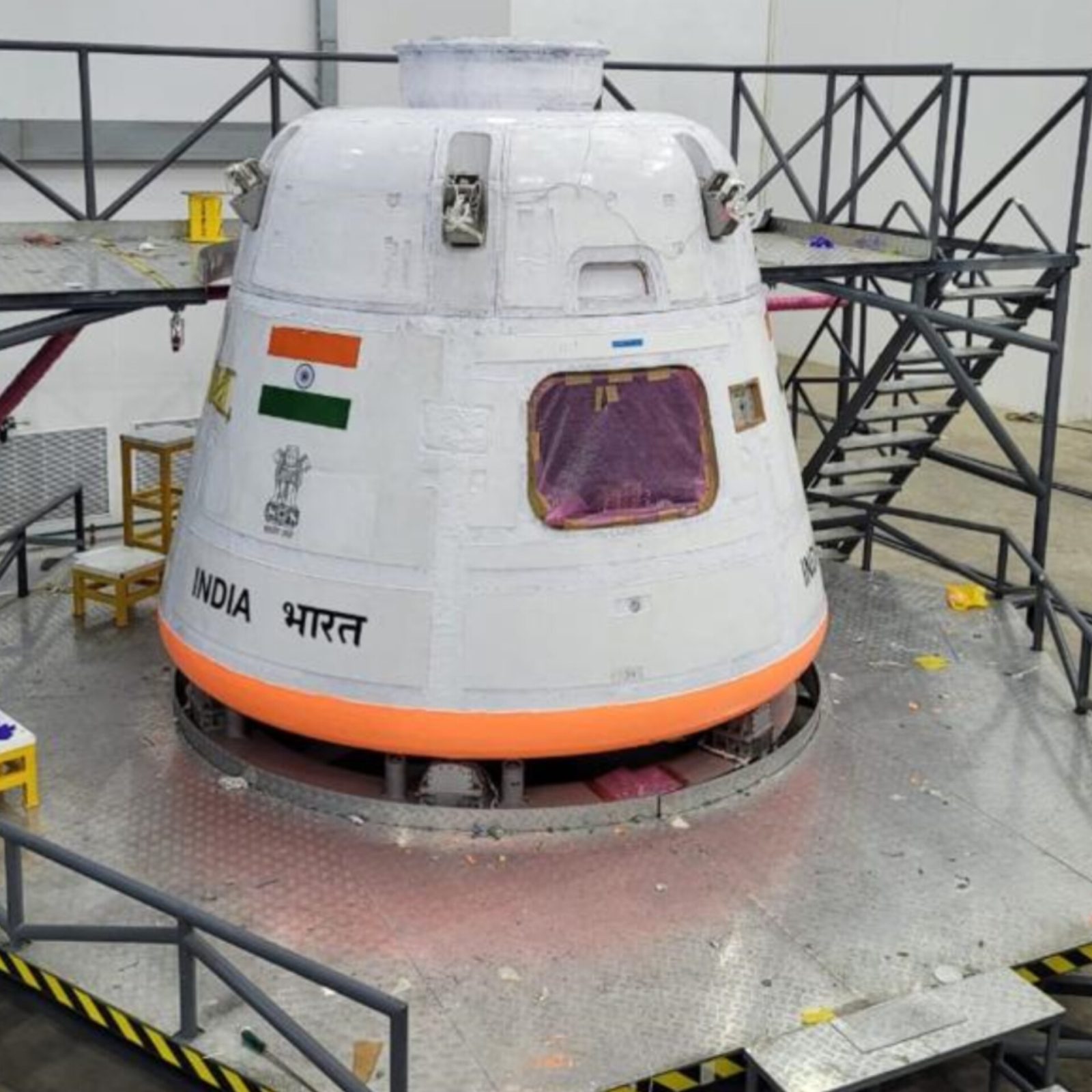
On July 23, 2025, the Government of India informed Parliament that the flagship Gaganyaan human spaceflight program is firmly on track. All critical components—including the human‑rated LVM3 launch vehicle, crew escape system, and propulsion systems—have been successfully developed and tested. Infrastructure such as crew training centers, the Gaganyaan Control Centre, and launch pad modifications are complete. A test vehicle (TV‑D1) has validated the escape system, while further trials (TV‑D2, IADT‑01) are underway. The first uncrewed mission (Gaganyaan‑1) is progressing through final assembly and system checks.
Brief by Shorts91 Newsdesk / 10:41am on 26 Jul 2025,Saturday Science
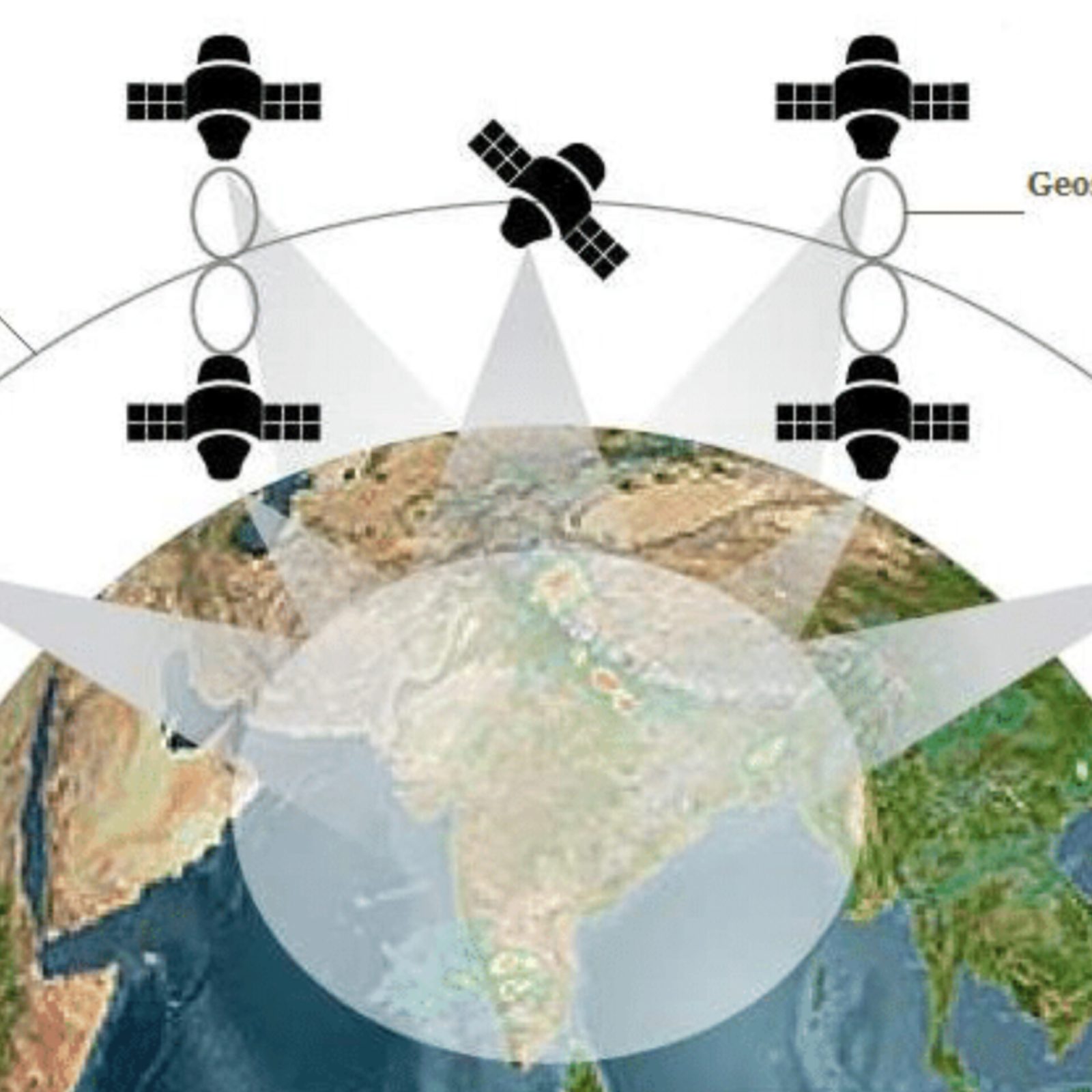
India’s NavIC satellite constellation is facing a severe crisis: out of seven planned satellites, only four remain fully operational, while the rest, including IRNSS‑1A, 1E, and 1G, have experienced atomic clock failures and now only offer limited broadcast services . Additionally, the newly launched NVS‑02 (IRNSS‑1K) suffered an engine valve malfunction in February 2025, hindering orbit raising and rendering it only partially usable . In total, six of the eleven satellites launched so far have partially or fully failed maintenance duties . ISRO intends to replace the defunct satellites and expand NavIC—with five next‑generation NVS satellites and plans for global reach via Medium Earth Orbit deployments—to ensure redundancy and enhance accuracy beyond the current 1,500 km regional coverage. (PC: IDRW)
Brief by Shorts91 NewsDesk / 08:34am on 26 Jul 2025,Saturday Science
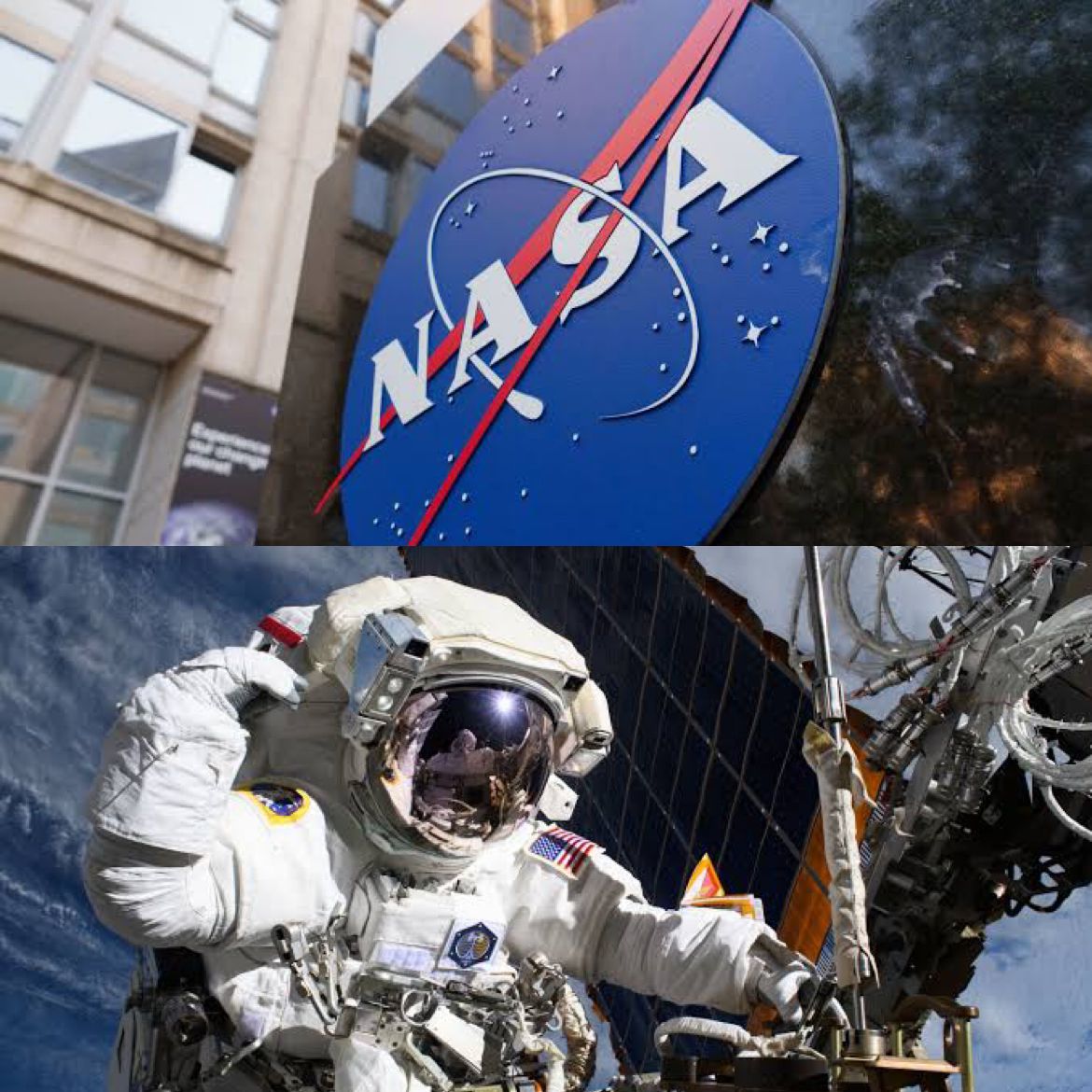
NASA is set to lose nearly 3,870 employees, almost 20% of its workforce, through a Deferred Resignation Program initiated under President Donald Trump’s federal downsizing plan. The agency aims to become more “efficient and streamlined” while maintaining safety and mission capability. This marks the second wave of voluntary exits since Trump’s return to office. Concerns mount over the impact on deep-space missions, with hundreds of current and former employees warning of a loss of irreplaceable expertise in a letter titled The Voyager Declaration. NASA’s future workforce will shrink to 14,000, raising alarms about operational readiness for Moon and Mars exploration. (PC: CNN & NASA)
Brief by Shorts91 Newsdesk / 02:18pm on 23 Jul 2025,Wednesday Science
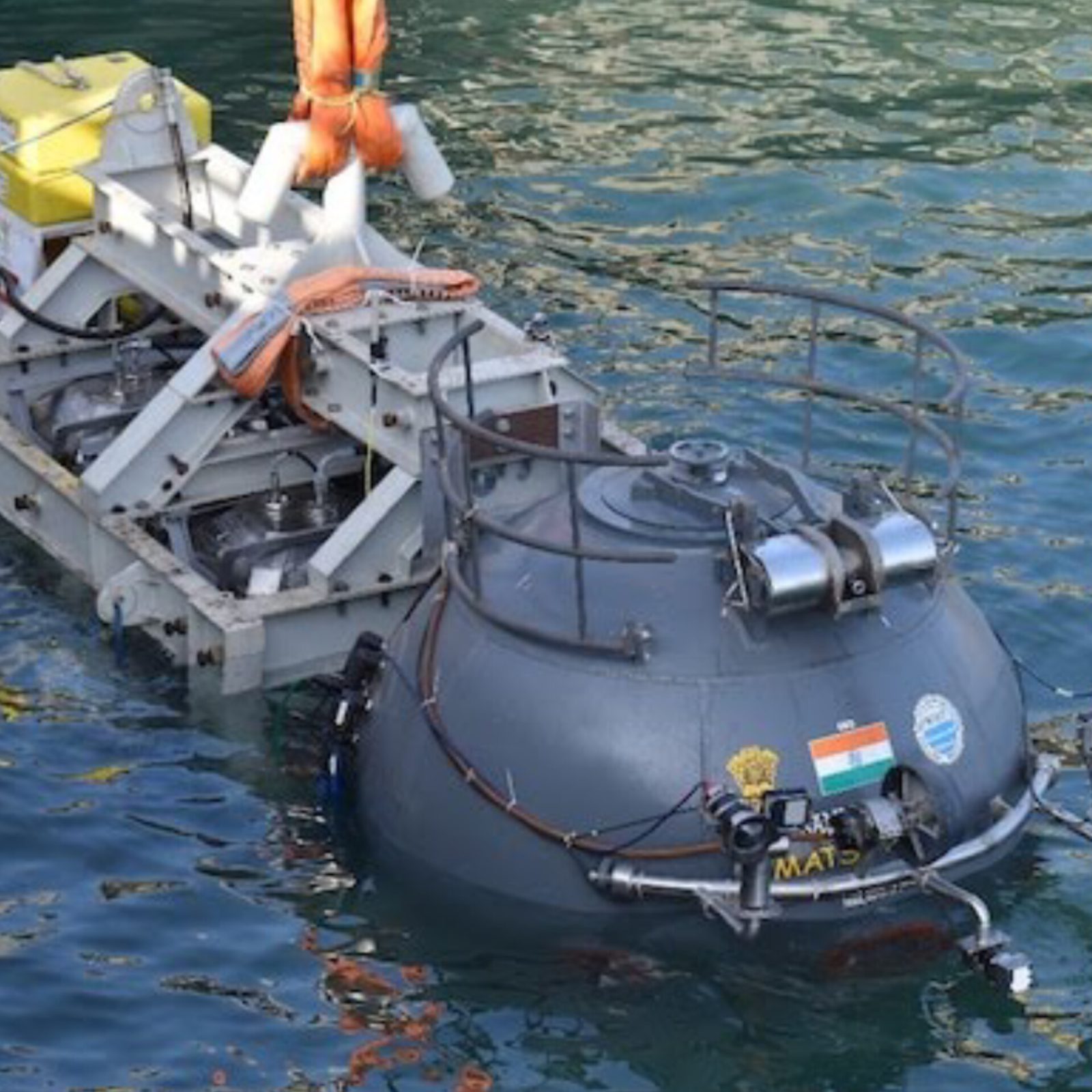
ISRO’s Vikram Sarabhai Space Centre (VSSC) and the National Institute of Ocean Technology (NIOT) have successfully developed India’s first personnel sphere for the Samudrayaan mission—a 2.1-meter titanium capsule designed to carry three humans to 6,000 meters deep in the ocean. Using advanced Electron Beam Welding (EBW), the complex 7.1-meter weld was completed in just 32 minutes, after 700 trial runs. The capsule passed non-destructive tests like TOFD and PAUT. Certified to withstand 600 bar pressure at -3°C, the sphere will now be integrated into the Matsya 6000 submersible for upcoming sea trials under India’s Deep Ocean Mission. (PC: NIOT)

Brief by Shorts91 Newsdesk / 01:15pm on 23 Jul 2025,Wednesday Science
The FAA recently approved up to 25 annual Starship launches by SpaceX, expanding the ocean debris zone nearly 75‑fold—into waters surrounding Hawaii’s eight main islands, including the UNESCO-listed Papahānaumokuākea Marine National Monument and Mokumanamana, sacred to Native Hawaiians . Environmentalists and Native Hawaiian leaders warn that falling debris, fuel residues, and sonic booms could harm endangered marine life and violate cultural lifeways . Critics argue the FAA’s ecological assessment was rushed, relied on SpaceX-backed studies, and lacked meaningful local consultation . Lawsuits demanding a full environmental impact review are underway, raising debate over balancing private space ambitions with preserving sacred, sensitive ecosystems.
Brief by Shorts91 Newsdesk / 03:37am on 23 Jul 2025,Wednesday Science
Group Captain Shubhanshu Shukla, India’s first astronaut aboard the International Space Station, returned from his 18-day Axiom‑4 mission on July 15. A video, shared July 23, captures him relearning to walk—assisted first, then on a treadmill—as his body readapts from microgravity, managing fluid shifts, muscle loss, and balance retraining . He expressed gratitude for public support and marvelled at the body's rapid adjustment . Currently in post-mission quarantine until July 23, Shukla’s recovery underscores human resilience and offers valuable insights for India’s upcoming Gaganyaan crewed mission.
Brief by Shorts91 Newsdesk / 03:19am on 23 Jul 2025,Wednesday Science
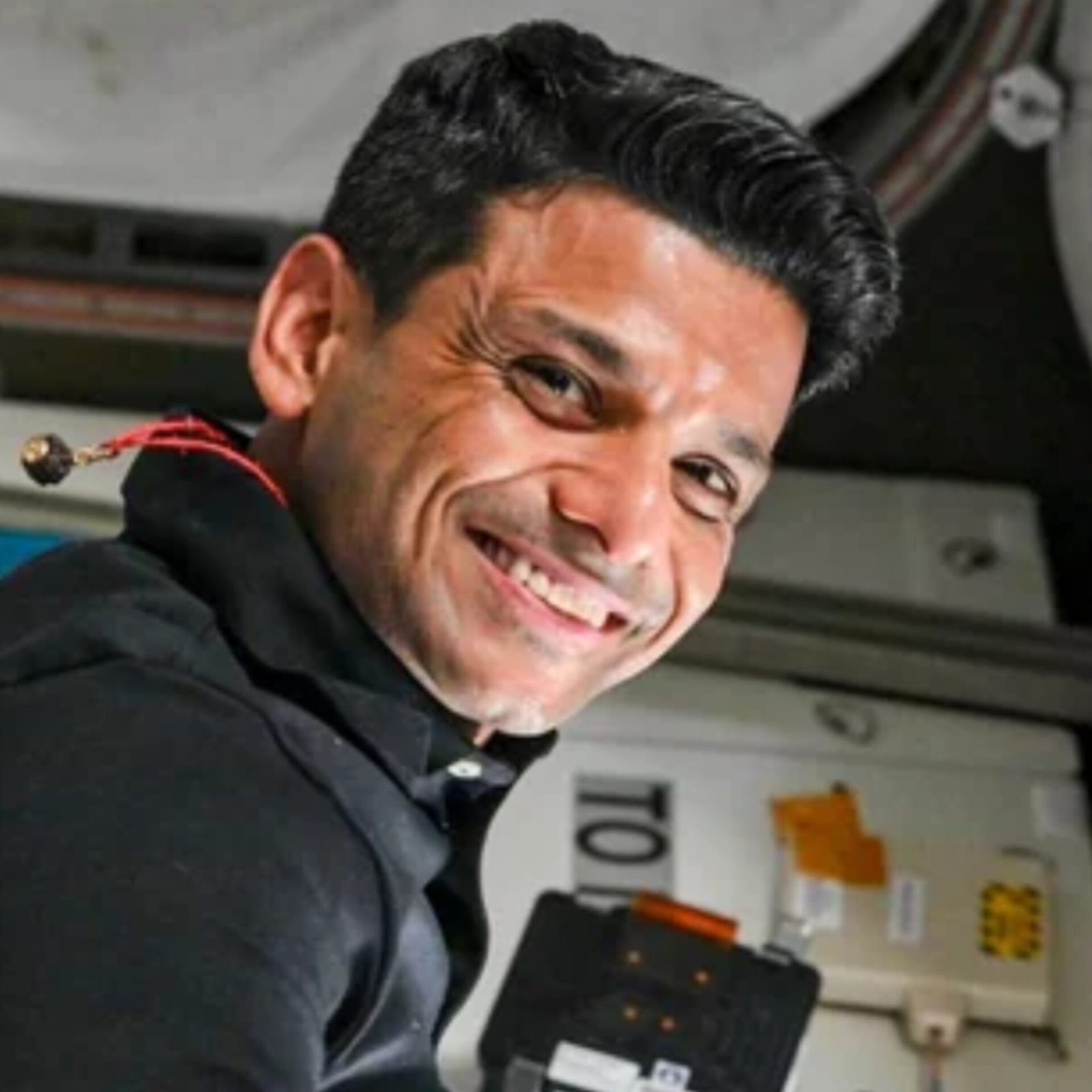
Group Captain Shubhanshu Shukla, the first Indian to reach the International Space Station (ISS) during the Axiom-4 mission, is now featured in NCERT’s Class 5 Environmental Studies book Our Wondrous World. His reflection—“The Earth looks completely one; no border is visible from outside. It seems that no border exists… We all are part of humanity…”—appears in the chapter “Earth, Our Shared Home” . The inclusion aims to inspire young minds with a sense of global unity. Shukla completed an 18‑day ISS mission on July 15, marking India’s second human spaceflight after Rakesh Sharma and aligning with NEP 2020’s integrated learning approach. (PC: Axiom Space)