
Brief by Shorts91 Newsdesk / 01:10pm on 27 Sep 2026,Sunday Weather & Environment
Heavy rainfall triggered floods and landslides across Uttar Pradesh, leaving 56 people dead and 46 injured over September 25–26, according to a state government situation report. More than 1,000 houses were damaged, while 107 animal deaths were also reported. Sitapur recorded the highest number of fatalities at seven, followed by Lakhimpur Kheri, Bahraich and Balrampur with five each. The state received an average of 66.5 mm of rain in 48 hours, compared with the normal 7.6 mm, representing a 775% excess. Rescue, relief and damage-assessment operations are continuing, while crop losses remain under assessment. (PC: X)

Brief by Shorts91 Newsdesk / 05:27pm on 23 Sep 2026,Wednesday Weather & Environment
A developing “super El Nino” could cause up to 451,000 excess heat-related deaths worldwide between September 2026 and February 2027, according to researchers at the University of Chicago’s Climate Impact Lab. The number of extremely hot days is expected to rise 44% above normal levels, increasing heat-related risks in several regions. Nigeria is projected to record about 31,400 excess deaths, followed by Indonesia with 19,300 and Sudan with 17,600. The Sahel could see 66,800 additional deaths, while Southeast Asia could record 19,400. India and Pakistan are considered particularly vulnerable during their summer months. Researchers warned the toll could rise if El Nino persists into 2027. (PC: BBC)

Brief by Shorts91 Newsdesk / 02:26pm on 22 Sep 2026,Tuesday Weather & Environment
The developing El Niño has become the strongest on record, scientists said. Sea surface temperatures in a key Pacific region reached 3.05°C above normal on September 19. This broke the previous record of 3.02°C set in 2015. The event is expected to peak later this year. El Niño can cause major weather changes worldwide. India has already seen below-normal monsoon rainfall, with rain 15% below average until September 22. Wildfire and drought risks have also increased in Indonesia, Brazil and Australia. Scientists said the full effects of the unusually strong El Niño are still being assessed.
Brief by Shorts91 Newsdesk / 09:22am on 22 Sep 2026,Tuesday Weather & Environment
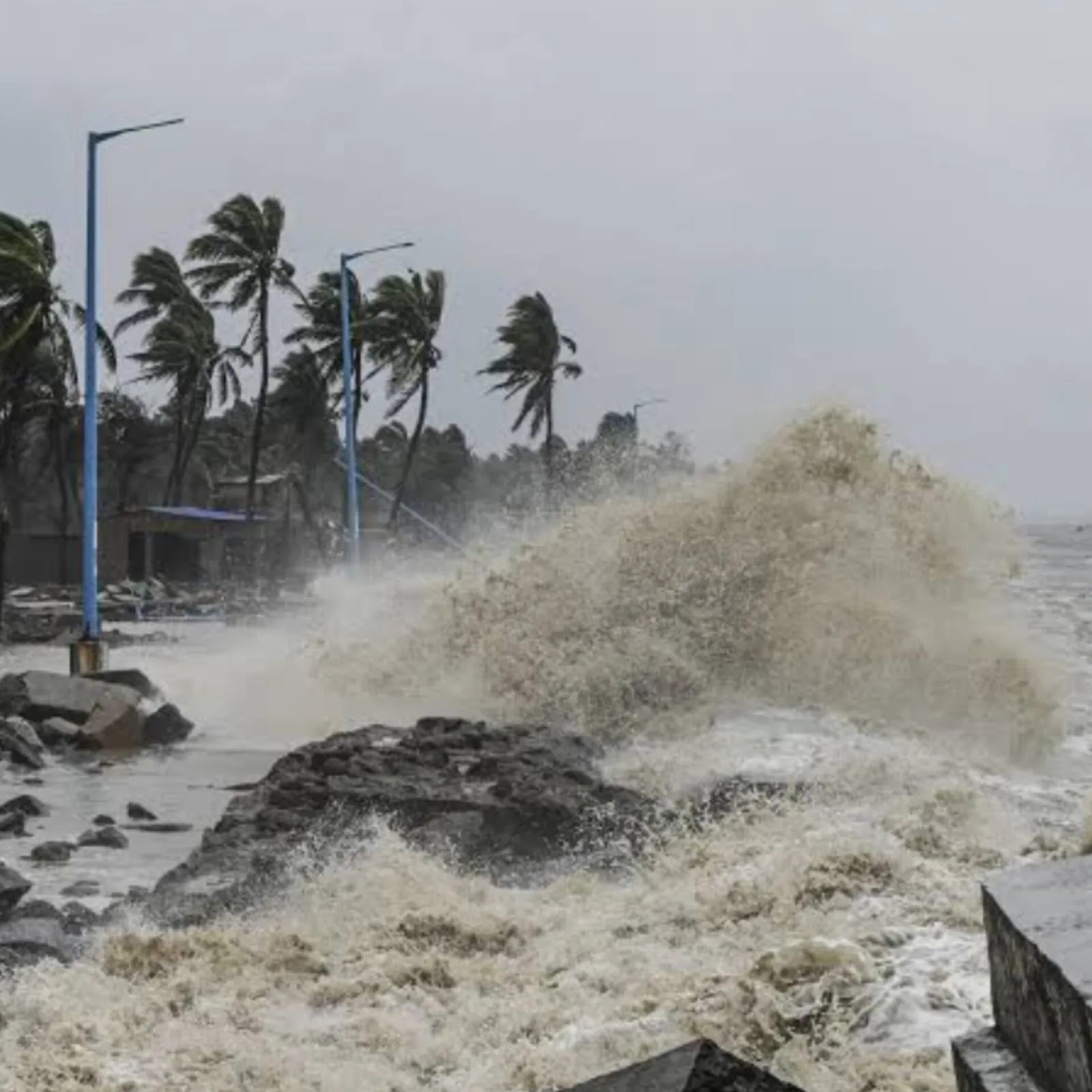
A depression over the west-central and adjoining northwest Bay of Bengal is likely to intensify into a deep depression within 12 hours, the India Meteorological Department said on Tuesday. The system was located about 200 km southeast of Gopalpur and is expected to move west-northwestwards. IMD forecasts it to cross the north Andhra Pradesh-South Odisha coast between Visakhapatnam and Gopalpur from Wednesday night to early Thursday. Heavy rain and winds of 55-65 kmph are expected in parts of Odisha. Schools and Anganwadi centres have been closed in several districts, including Khurda, Ganjam, Jagatsinghpur and Gajapati, as a precaution. (PC: HT)

Brief by Shorts91 Newsdesk / 10:05am on 21 Sep 2026,Monday Weather & Environment
More than 1.6 million people across five Japanese prefectures have been urged to evacuate as Typhoon Dujuan moves close to Tokyo, bringing the threat of record rainfall. In Kanagawa prefecture, firefighters fear a woman has been buried alive after a landslide crushed a house. About 300 flights have been cancelled and some train services suspended. Dujuan has sustained winds of 130km/h, with gusts of up to 194km/h. Up to 350mm of rain could fall in the Tokai region. The storm is the latest in a wave of Pacific storms, made more intense by this year's "super El Niño", which has warmed the ocean. (PC: BBC)
Brief by Shorts91 Newsdesk / 11:53am on 20 Sep 2026,Sunday Weather & Environment
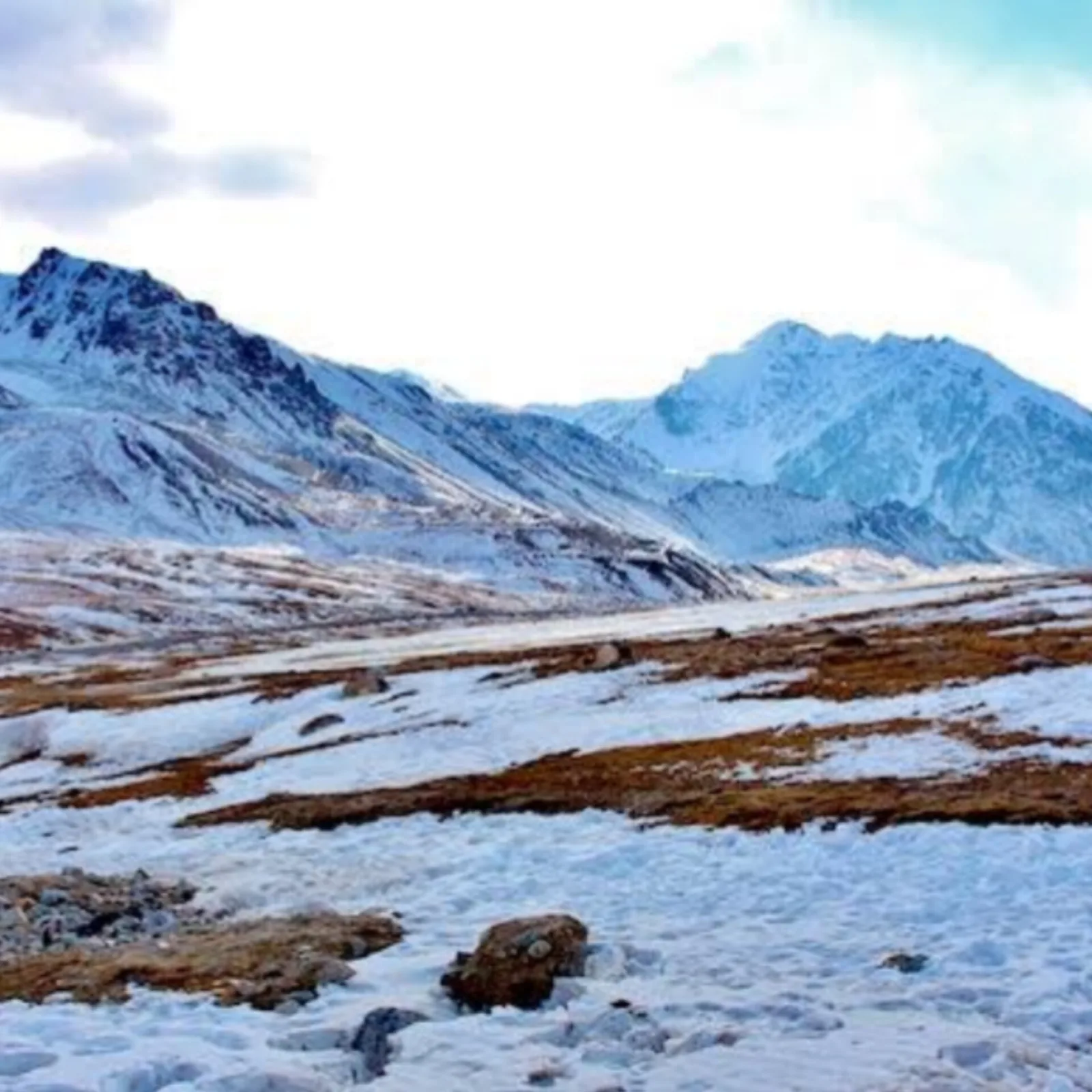
Glaciers in Uttarakhand's Central Himalaya are retreating by an average of 23.23 metres a year, and some are losing up to 88 metres annually, a new study has found. Khatling Glacier in Tehri Garhwal, a clean-ice glacier, showed the fastest retreat, while debris-covered glaciers such as Bhagirathi and Satopanth retreated about 3.7 metres a year. The study, based on data from 1990 to 2024, also found the equilibrium line altitude has risen by nearly 500 metres in some areas since 2000. Researchers said the findings have implications for water security in the Ganga basin, which supports around 800 million people. (PC: X)
Brief by Shorts91 Newsdesk / 12:33pm on 19 Sep 2026,Saturday Weather & Environment
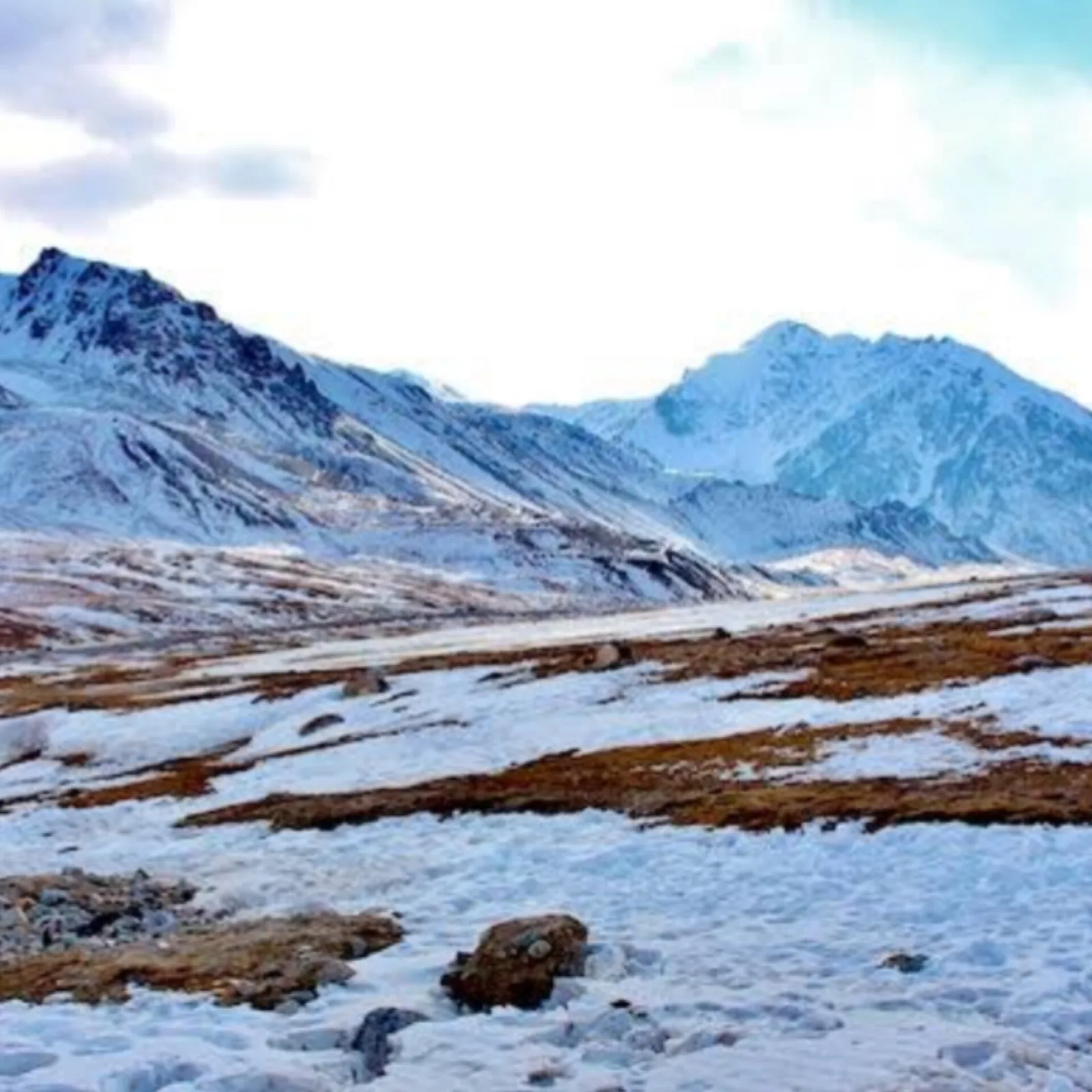
A new study has found that glaciers in Uttarakhand are shrinking quickly, mostly because of global warming and changing weather. Khatling glacier is retreating fastest, at about 88 metres a year. Milam is pulling back by up to 37.8 metres annually, and Gangotri is shrinking by 22.02 metres each year. These glaciers feed major rivers like the Ganga and Yamuna, so rapid melt could seriously affect water for irrigation, drinking and hydropower projects in India and neighbouring countries. The findings add to growing concern over the fragile Himalayas. (PC: X)
Brief by Shorts91 Newsdesk / 05:34am on 18 Sep 2026,Friday Weather & Environment
Scientists have identified Leopardus tilcayo, a small spotted tiger cat from Bolivia’s Yungas forest, marking the first new living cat species scientifically described in more than 100 years. The cat weighs about three pounds and is smaller than an average domestic cat. Researchers used genomic analysis to confirm that it is genetically distinct from other tiger cats and diverged from them around 1.4 million years ago. The species was initially mistaken for another tiger cat after being found as a kitten in 2016. Scientists say much about its behaviour and ecology remains unknown, highlighting the need for further research and conservation.

Brief by Shorts91 Newsdesk / 05:30pm on 17 Sep 2026,Thursday Weather & Environment
A major satellite-based study has found that Greenland and Antarctica lost about 12.5 trillion tons of ice between 1979 and 2025, contributing more than 1.2 inches to global sea-level rise. Researchers from the IMBIE team analyzed 42 satellite surveys involving 27 missions to track changes over nearly five decades. About 84% of the ice loss occurred because glaciers accelerated into the ocean, rather than from surface melting alone, highlighting the influence of warmer ocean waters. Ice loss increased sharply from the 1990s, although temporary slowing between 2020 and 2023 was linked to snowfall and weather conditions.
Brief by Shorts91 Newsdesk / 04:09pm on 17 Sep 2026,Thursday Weather & Environment
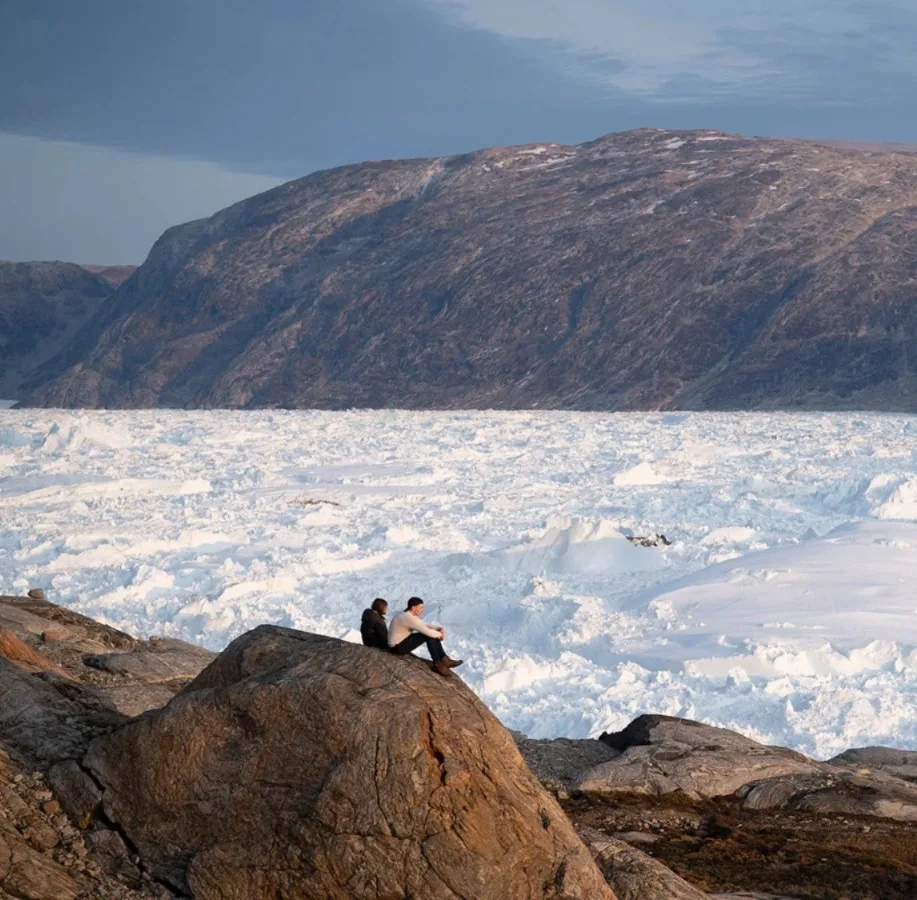
About 12.5 trillion tons of ice from glaciers in Greenland and Antarctica have melted since 1979, according to a major scientific report published in Scientific Data. The melt produced nearly 3 quadrillion gallons of water and raised global sea levels by about 3.1 centimetres, with researchers warning that every centimetre of sea-level rise could flood another 2 to 3 million people annually. Five-sixths of the ice loss comes from warmer waters attacking ice sheets from below and sides. Scientists said melting accelerated particularly during the 2010s. Jakobshavn glacier in Greenland is retreating up to 50 metres daily. Researchers warned that dynamic ice loss could contribute to instability and potential tipping points. (PC: AP)